Player Demographics reports and market data
Documents

Essential Video Game News: French Market Report 2020
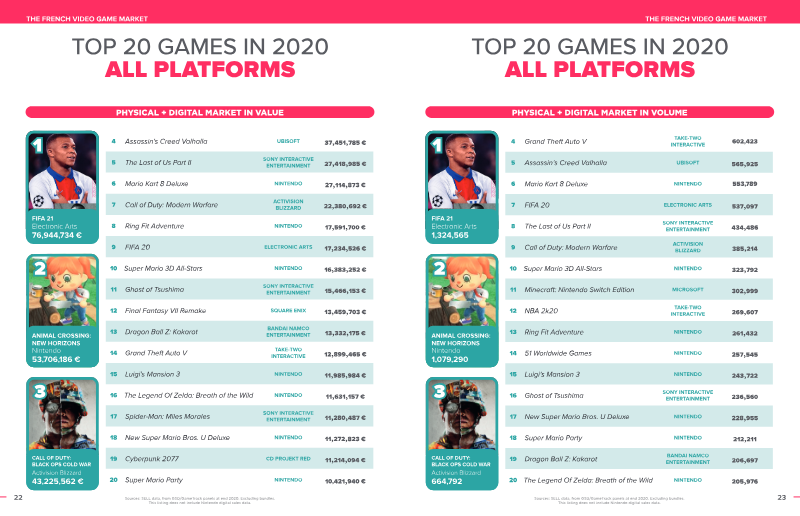
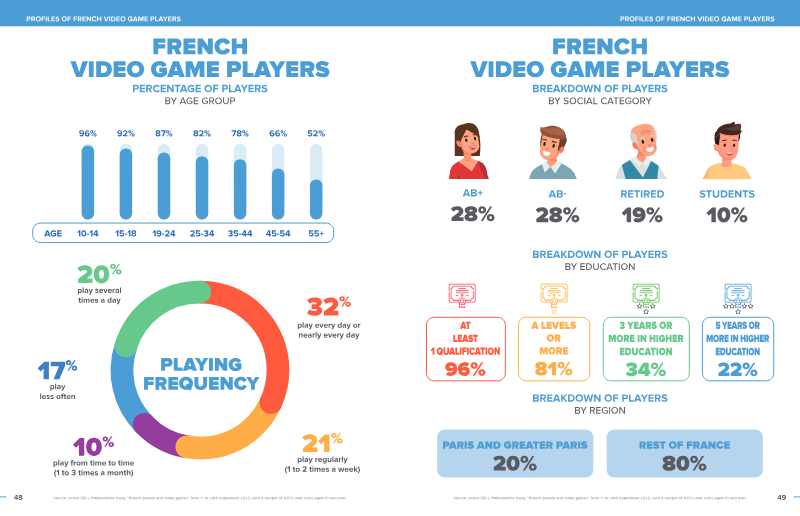
The French video game market reached a historic milestone in 2020, generating €5.3 billion in revenue.
- The French video game market reached €5.3 billion in 2020, representing an 11.3% year-over-year revenue increase driven by pandemic-related engagement.
- Mobile gaming led sector growth at 16%, followed by console at 10% and PC at 9%, while physical retail sales showed resilience with only a 3.2% decline.
- Hardware demand surged significantly, highlighted by a 20% increase in the PC segment.

Europe's Video Game Industry: Key Facts 2021
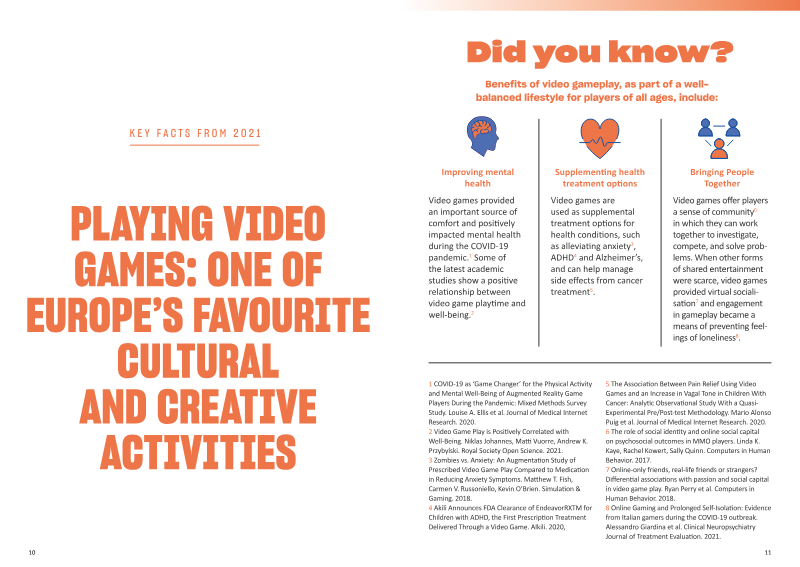
The European video game industry serves as a significant economic and social pillar, generating €23.3 billion in annual revenue while supporting a workforce of nearly 100,000 professionals across 4,600 studios.
- The European video game industry generated €23.3 billion in annual revenue as of 2021.
- The sector employs nearly 100,000 professionals across 4,600 studios.
- The industry reached 124.8 million players in 2021, accounting for 52 percent of the total European population.

Annual Report of the German Games Industry 2021
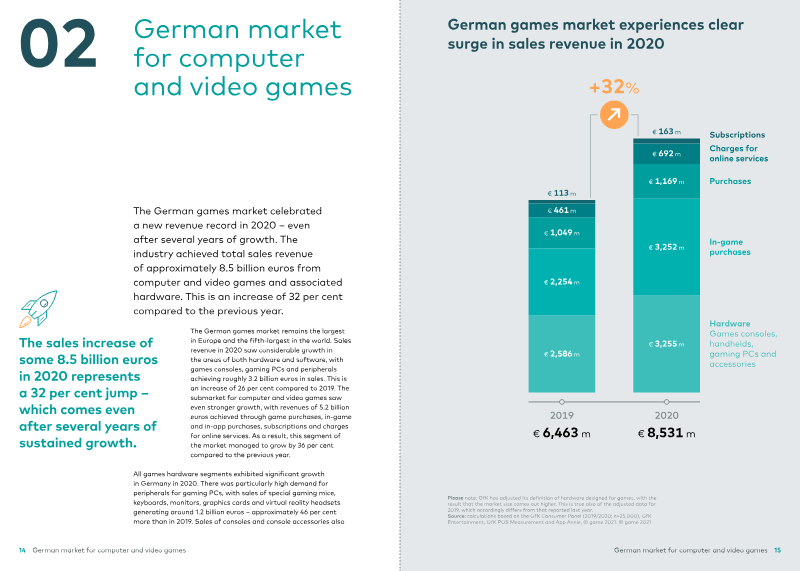
The German games industry achieved unprecedented expansion in 2020, recording a 32 percent revenue increase to approximately 8.5 billion euros.
- The German games market experienced significant growth in 2020, with overall sales revenue increasing by over 30% due to the COVID-19 pandemic. Hardware sales, including consoles and gaming PCs, reached a record high, and subscription services saw a 44% increase in sales revenue.
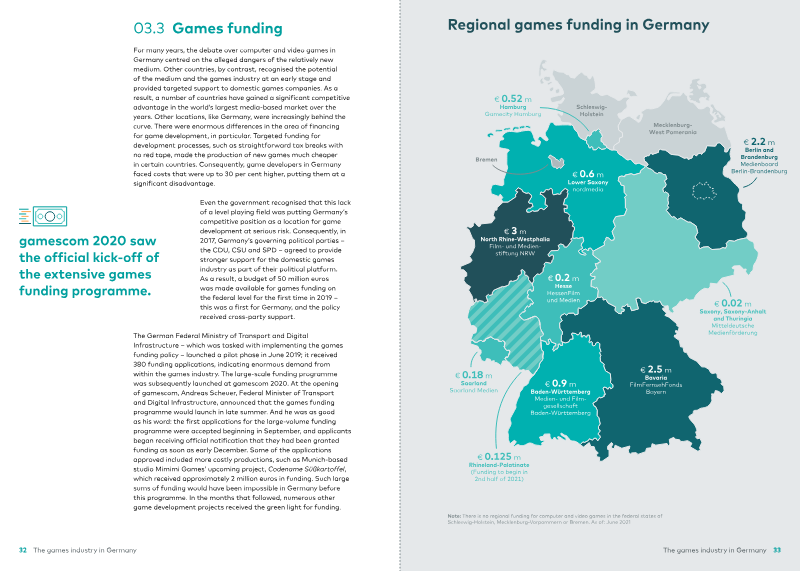
- Germany launched a major EU-notified games funding guideline in late 2020, with several studios receiving over one million euros in funding, marking a significant first for the country's games industry.
- The number of companies in the German games industry increased by 5% for development and publishing companies and 7% for publishing-focused companies in 2021. However, employment in the core market grew by only 8% to 10,906 people, indicating that most new companies are microenterprises.

Mobile Game Genre Report: Comparing & Contrasting Eastern and Western Markets 2021
This report examines the mobile gaming landscape in 2021, focusing on the strategic differences between Eastern and Western markets regarding genre popularity, monetization, and user acquisition.
- Western markets prioritize casual genres like puzzle and arcade, while Eastern markets demonstrate a stronger preference for competitive, immersive titles such as Battle Royale and RPGs.
- Monetization strategies differ by region, with Western titles leaning toward in-game advertising (IAA) models, while Japanese players show a higher propensity for in-app purchases (IAP).
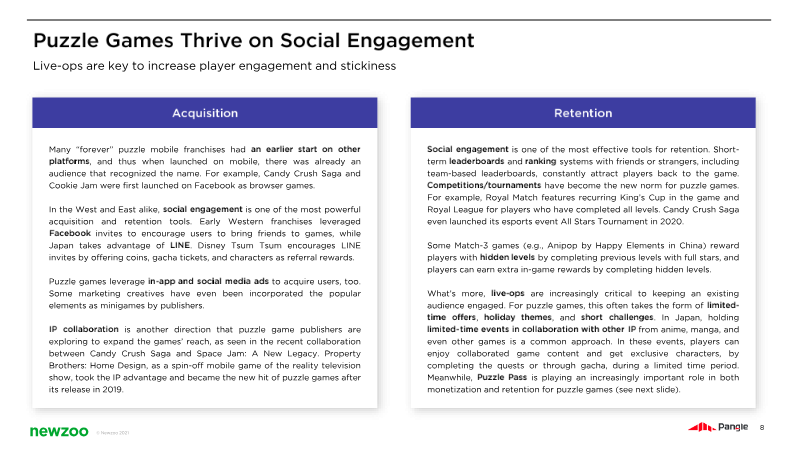
- Puzzle games are a global staple, but Western implementations focus on narrative and decoration, whereas Eastern versions prioritize character collection, deep economies, and gacha mechanics.



State of the Game Industry 2021
The global game industry entered 2021 characterized by a shift toward next-generation hardware and a complex transition to remote work environments.
- The PlayStation 5 is the primary console of interest for 44% of developers, while interest in VR and AR has cooled to 38% as the market consolidates around the Oculus Quest.
- Remote work has proven effective, with 66% of professionals reporting stable or increased productivity, despite project delays rising from 33% to 44% year-over-year.
- Labor tensions remain high, as 30% of the workforce reports 'crunch' weeks exceeding 60 hours, leading to 51% of developers supporting unionization.


The 2021 Global Mobile Gamers Whitepaper
Mobile gaming has emerged as the primary driver of the global games market, generating $93.2 billion in 2021 and accounting for over half of total industry revenue.
- Mobile gaming generated $93.2 billion in 2021, accounting for over half of total industry revenue, with projections to reach $116.1 billion by 2024.
- Users who engage with short-video platforms represent a high-value demographic that installs 50% more games and spends 36% more time playing weekly than the average gamer.
- Short-video platform users are twice as likely as non-users to discover new titles through social content and subscription services, making them a primary target for strategy and MOBA developers.
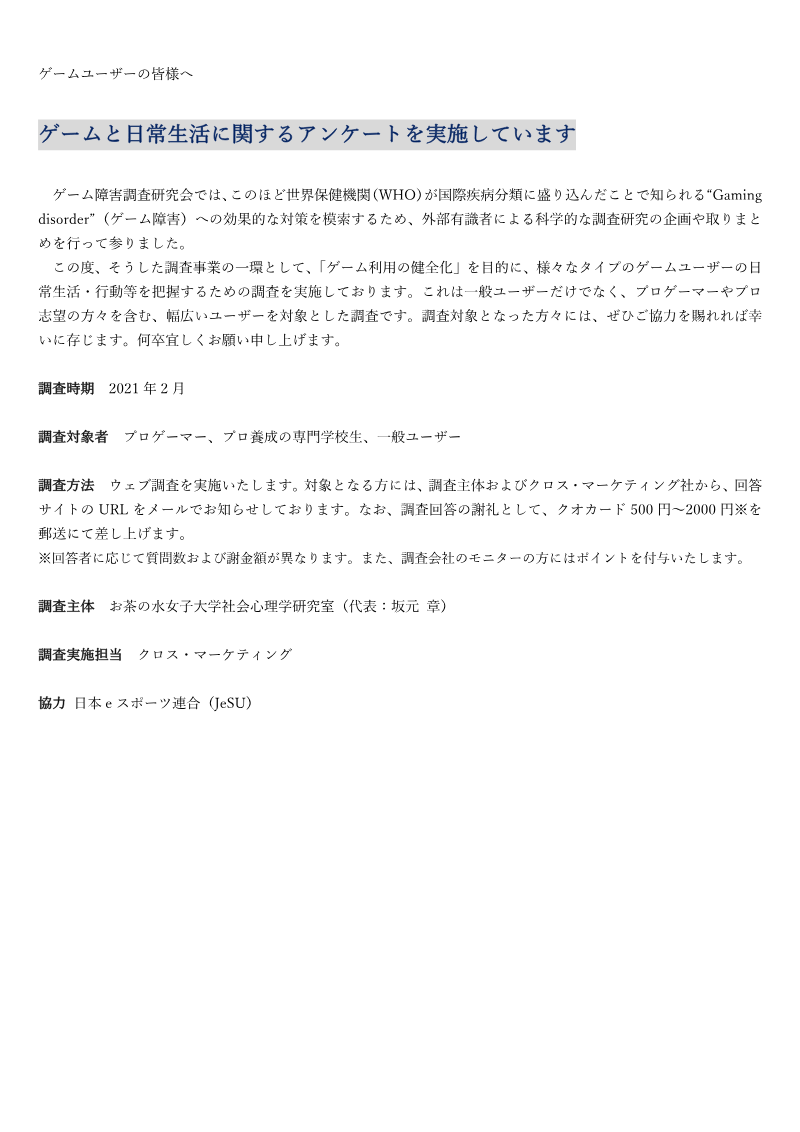
Survey on Games and Daily Life: Japan
The survey was launched to deepen understanding of how gaming activities intersect with everyday life in Japan and to inform strategies for mitigating “gaming disorder,” a condition recently classified by the World Health Organization.
- The study, conducted in February 2021, aimed to analyze the intersection of gaming and daily life to inform strategies for mitigating gaming disorder.
- Research was led by Professor Akira Sakamoto of the Social Psychology Laboratory at Ochanomizu University with endorsement from the Japan eSports Union (JeSU).
- The survey targeted three distinct demographics: active professional gamers, students in specialized esports academies, and the general gaming public.
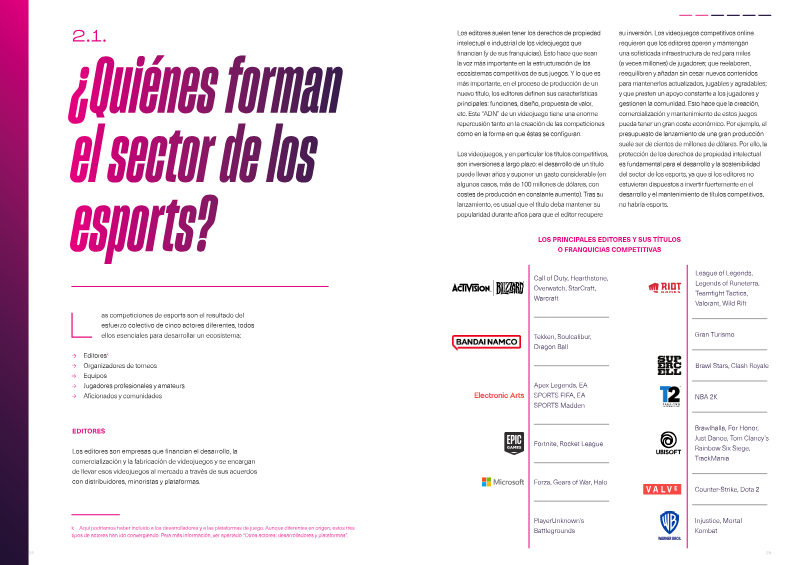


La Guía de los Esports
The esports industry represents a rapidly maturing global phenomenon characterized by significant economic potential, technological innovation, and social influence.
- The esports market is projected to grow from under $1.1 billion in 2021 to over $1.5 billion by 2024, maintaining a compound annual growth rate (CAGR) of 7.7%.
- Global esports viewership is expected to reach 577.2 million people by 2024, up from 435.9 million in 2021.
- Market potential is heavily concentrated in regions with high-speed broadband infrastructure, specifically East Asia, Northern Europe, and North America.


Rapport Annuel 2021
The 2021 annual review underscores the emergence of video-games as a pivotal social and economic force within Canada, where roughly 61% of the population—about 23 million people—engage in regular play.
- The Canadian video game industry successfully lobbied to be excluded from the revised Canadian Broadcasting Act, avoiding tens of millions of dollars in potential royalties and regulatory burdens.
- Approximately 23 million Canadians—61% of the population—are regular gamers, with 58% of adults and 80% of adolescents increasing their playtime during the pandemic.
- The industry maintained operational continuity during 2021 as 30,000 employees transitioned to remote work without disrupting the majority of scheduled game releases.

Guida agli Esports: Italia
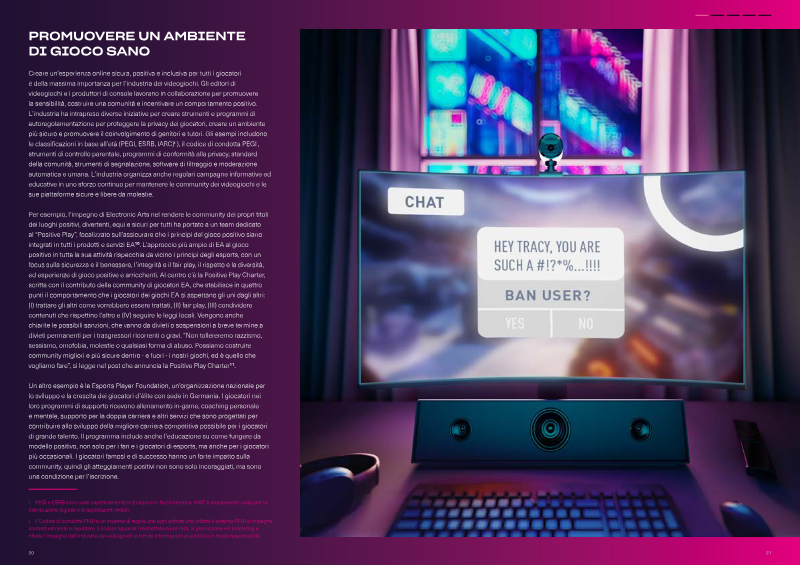
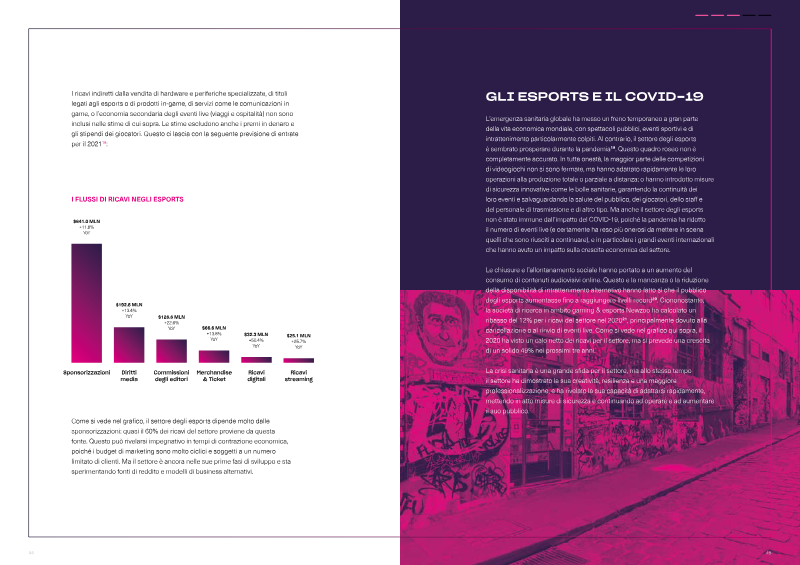
The analysis positions esports as a rapidly expanding digital sport that, in 2021, generated $947.1 million in revenue and attracted more than 215 million fans worldwide, with total direct earnings approaching $1.1 billion.
- The global esports market reached $947.1 million in revenue in 2021, with total direct earnings approaching $1.1 billion and a fan base exceeding 215 million.
- Market growth is primarily concentrated in regions with advanced broadband infrastructure, specifically East Asia, Northern Europe, and North America.
- Game publishers hold exclusive control over competitive ecosystems, often investing over $100 million per title to manage updates, balance changes, and essential broadcast rights.
Turkey Game Market 2021 Report
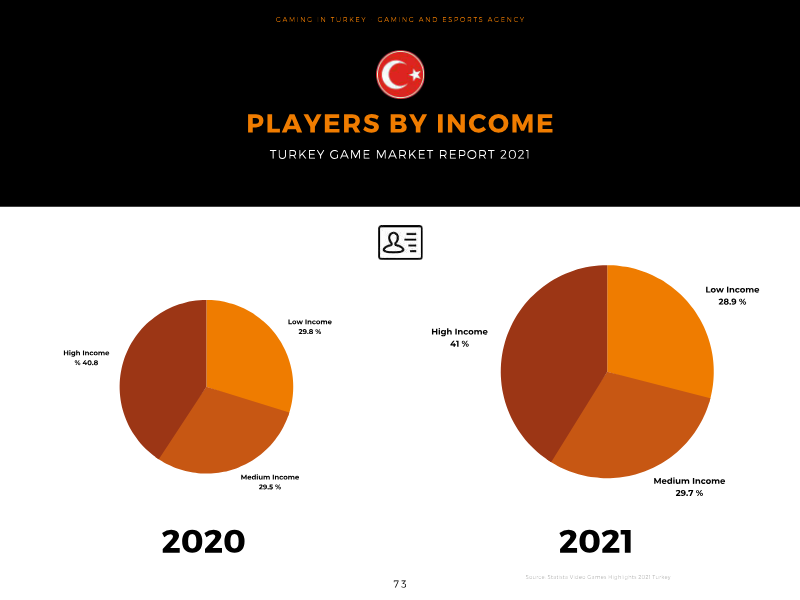
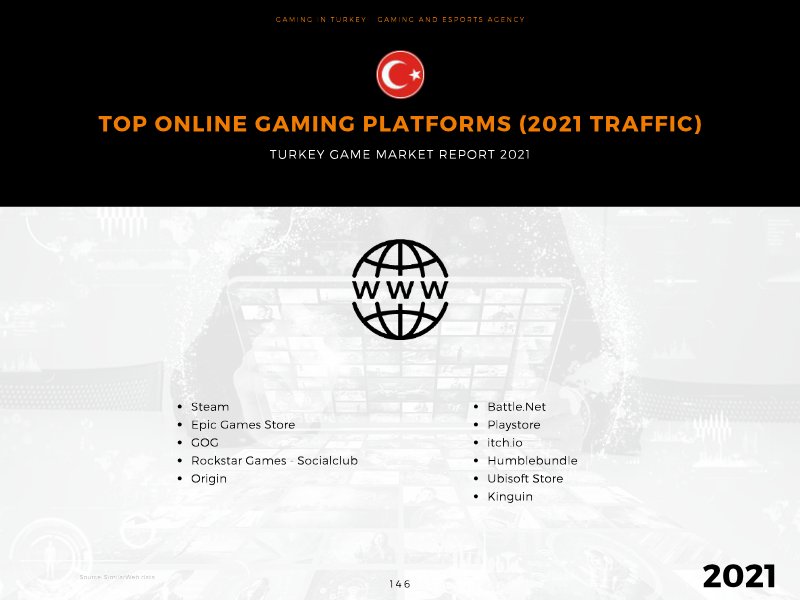
The Turkish gaming market experienced a transformative period of growth and institutionalization in 2021, reaching a total market volume of $1.2 billion.
- The Turkish gaming market reached a total volume of $1.2 billion in 2021, supported by a player base of 42 million active users.
- Mobile gaming generated $620 million in revenue, cementing Turkey's status as a global leader in the hyper-casual genre.
- Financial activity hit record levels in 2021 with $266 million invested across 54 startups, highlighted by the emergence of Dream Games as a unicorn.
The Modern Mobile Gamer: 2021 Gen Z Edition
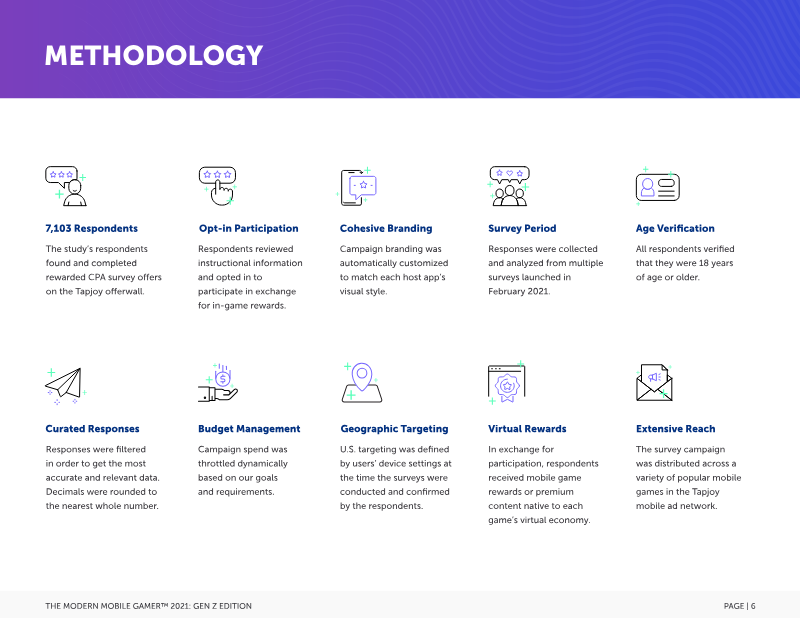
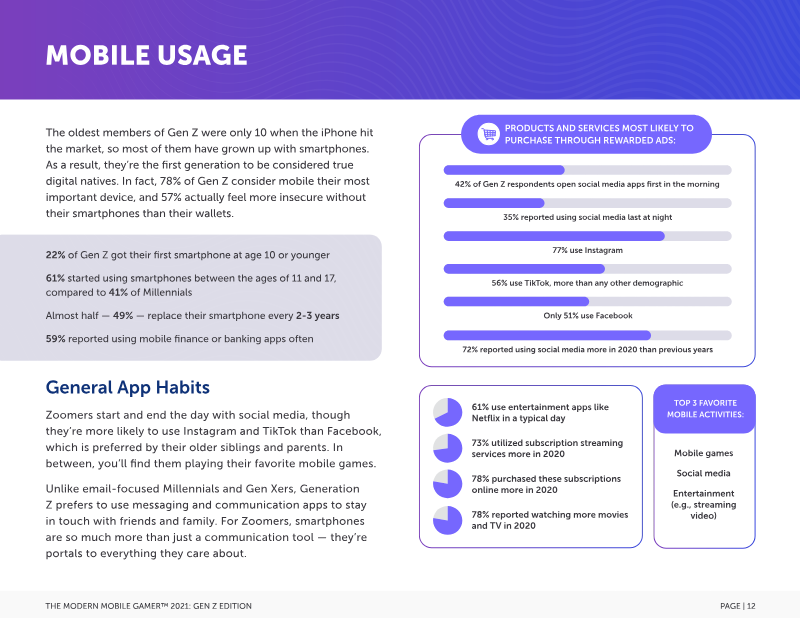
This analysis examines the mobile behaviors, gaming habits, and advertising preferences of Generation Z, defined as individuals born in 1997 or later.
- Mobile is the dominant gaming platform for Gen Z, with 86% of the demographic using smartphones for gaming compared to only 42% who use consoles.
- Rewarded advertising is the most effective engagement strategy for this group, with 54% preferring rewarded ads and 53% engaging with them, significantly outperforming Instagram (38%) and TikTok (23%).
- The COVID-19 pandemic significantly accelerated mobile gaming adoption, with 71% of Gen Z respondents reporting increased mobile gameplay during 2020.