State of the Game Industry 2021
202129 pages~40 min full read
The global game industry entered 2021 characterized by a shift toward next-generation hardware and a complex transition to remote work environments. While the PC remains the foundational platform for development and revenue, the PlayStation 5 has established itself as the primary console of interest, capturing 44% of developer attention. Conversely, interest in immersive technologies has cooled, with VR and AR engagement dropping to 38% as the market consolidates around the Oculus Quest. Despite these platform shifts, a significant tension persists regarding digital storefront economics; only 3% of developers believe the traditional 30% revenue cut is justified, signaling a growing demand for more equitable distribution models.
The operational landscape has been profoundly shaped by the COVID-19 pandemic, leading to a notable increase in project delays, which rose from 33% to 44% year-over-year. However, the shift to remote work has proven surprisingly effective, with 66% of professionals reporting stable or increased productivity. This transition has not eliminated long-standing labor issues, as 30% of the workforce still reports "crunch" weeks exceeding 60 hours. Consequently, support for unionization remains high at 51%, driven by a desire for better work-life balance and fair compensation within a workforce where 57% of developers have a decade or less of experience.
Industry growth remains steady, evidenced by 47% of studios expanding their staff, yet demographic and social challenges persist. Although 60% of studios have initiated diversity and inclusion programs, the workforce remains 73% male, and only 31% of developers have implemented specific accessibility measures in their projects. As developers prioritize digital storefront promotion and word-of-mouth for discoverability, the industry continues to balance rapid technological adoption with the need for systemic improvements in labor practices and representation.
Game Developers Conference · 2026
Game Developers Conference · 2026
Game Developers Conference · 2026
Game Developers Conference · 2026
Game Developers Conference · 2026
Game Developers Conference · 2026

Game Developers Conference · 2026

Game Developers Conference · 2026

Game Developers Conference · 2025

Game Developers Conference · 2025

Game Developers Conference · 2025

Game Developers Conference · 2025
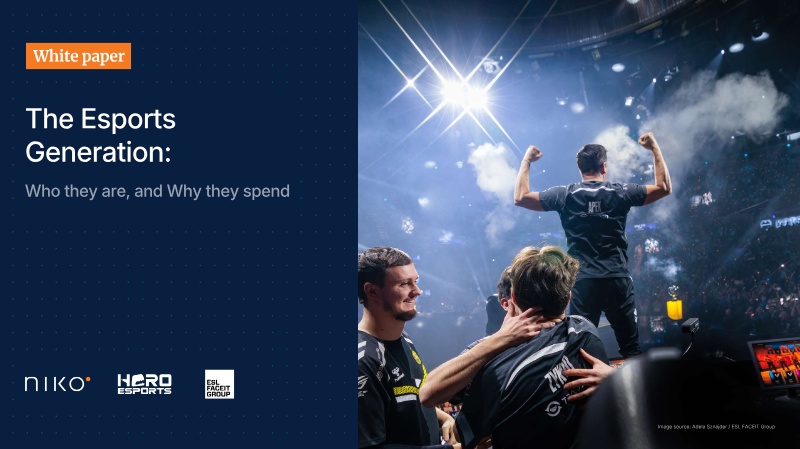
Niko Partners · 2026
Anzu · 2026

SpielFabrique · 2026
InvestGame · 2026
Deloitte · 2026
Telekom Malaysia · 2026
Bryter · 2026

Niko Partners · 2026
Newzoo · 2025

SELL – Syndicat des Éditeurs de Logiciels de Loisirs · 2025
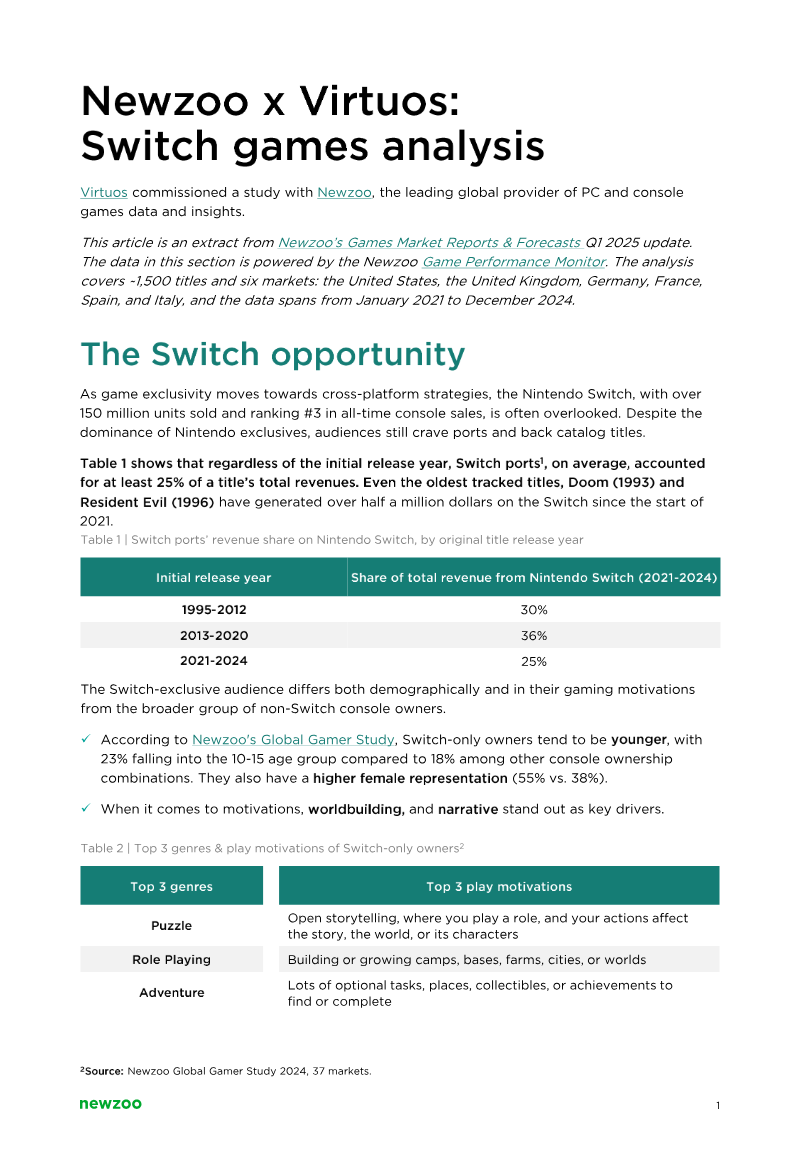
Newzoo · 2025

SELL – Syndicat des Éditeurs de Logiciels de Loisirs · 2025