Player Behavior reports and market data
Documents
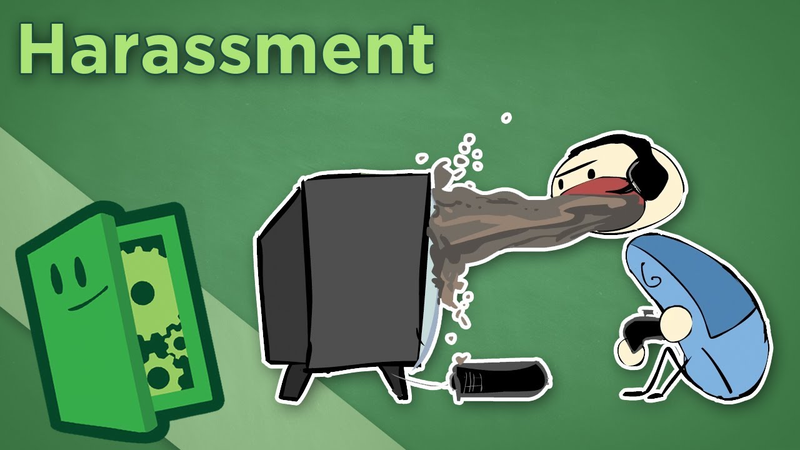
Harassment - Why Gaming Struggles to Escape Toxicity - Extra Credits
The gaming industry faces a persistent crisis of toxicity, characterized by widespread harassment, misogyny, and hate speech.
- The gaming industry’s toxicity crisis is driven by a vocal minority seeking power and attention, which is currently enabled by a lack of meaningful consequences for abusive behavior.
- Developers should implement automated muting systems that silence players based on their history of being muted by others, effectively stripping repeat harassers of their platforms.
- Communication restrictions should be applied to users whose messages consistently fail to elicit responses, limiting their reach to established friends lists.
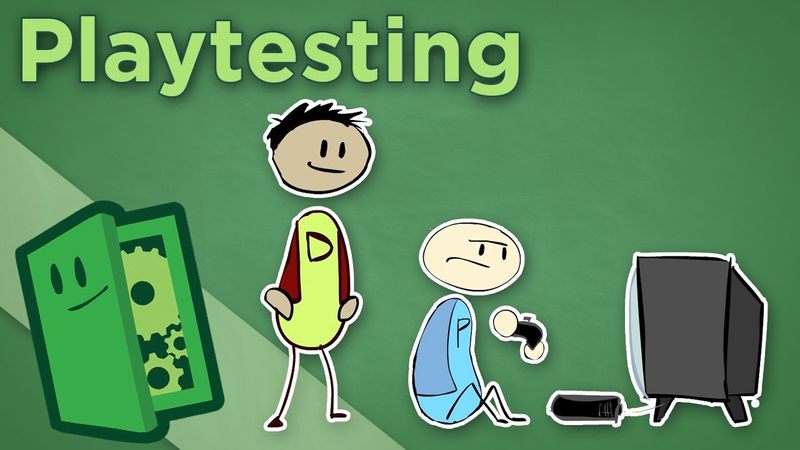
Playtesting - How to Get Good Feedback on Your Game - Extra Credits
Playtesting serves as a critical component of the iterative game design process, functioning as a primary mechanism for gathering objective user feedback to refine quality.
- Designers must detach emotionally from their work to treat critical feedback as an objective tool for identifying flaws and validating core mechanics.
- Effective playtesting requires observing player behavior and frustration points in silence, as verbal interaction from the designer often biases the participant's experience.
- When analyzing feedback, developers should prioritize identifying the root cause of player dissatisfaction rather than adopting the specific solutions proposed by the testers.
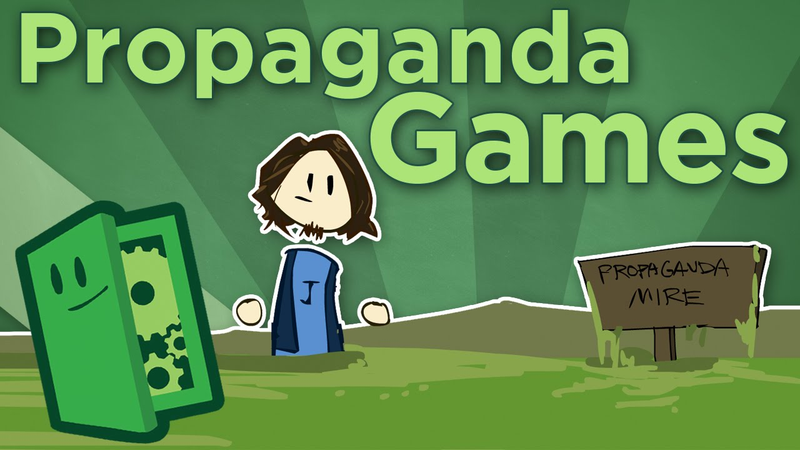
Propaganda Games - Ethical Game Design - Extra Credits
The primary purpose of this analysis is to examine how video games function as tools for ideological influence, distinguishing between overt propaganda and the more insidious risks posed by lazy, unexamined game design.
- Video games function as powerful tools for ideological influence because the sense of agency and choice inherent in gameplay encourages players to internalize the worldviews presented by the game mechanics.
- The most significant risk to players is not overt propaganda, such as the recruitment tool 'America’s Army' or the extremist 'Zog’s Nightmare,' but rather 'lazy design' in mainstream titles that subtly normalizes prejudice.
- Mainstream games often utilize Skinner box techniques to mechanically incentivize the killing of specific ethnic or religious groups, effectively training players to accept harmful stereotypes through repetitive reward loops.
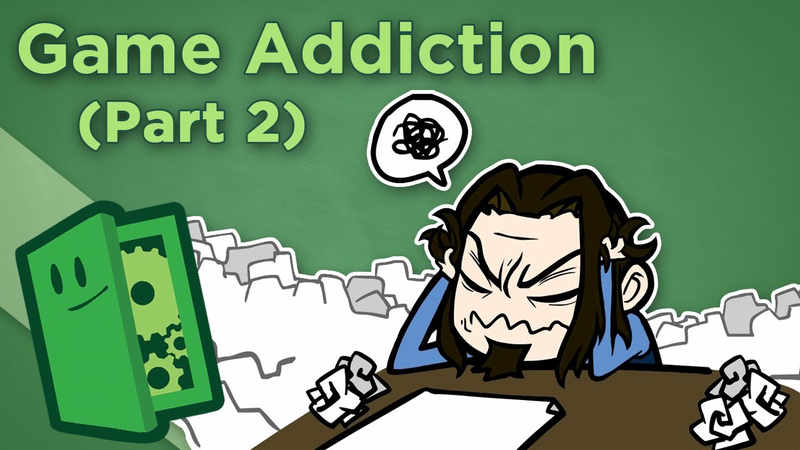
Game Addiction - II: How to Defeat Game Compulsion - Extra Credits
Game compulsion is defined not by the inherent addictive nature of games, but by the tendency of individuals to withdraw from real-life responsibilities and relationships to seek validation in virtual environments.
- Game compulsion is driven by a desire for validation and structured feedback in virtual environments when individuals feel undervalued or rejected by real-world institutions.
- The skills developed through gaming—such as tenacity, strategic thinking, and goal-oriented behavior—are transferable assets that can be redirected toward achieving tangible real-world success.
- Overcoming compulsion requires reclaiming personal agency by reframing past gaming years as a period of skill development rather than wasted time.
Game Addiction - I: Myths About Gaming's Impact on Health - Extra Credits
The primary objective of this analysis is to debunk sensationalist myths surrounding game addiction while advocating for a more nuanced understanding of gaming’s role in modern life.
- Clinical game addiction is not a recognized medical reality, as gaming is a compelling activity rather than a substance-like addiction that alters brain chemistry.
- Reports of an epidemic of gaming-related deaths are statistically unfounded and rely on media sensationalism rather than clinical evidence.
- Gaming compulsion in children is frequently a symptom of broader societal issues, such as parents using games as a 'digital babysitter' rather than engaging with their children.

Sharing Our Medium - How to Introduce Games to Your Friends - Extra Credits
Introducing non-gamers to the medium presents unique challenges due to the high time commitment and complex, self-referential nature of modern titles.
- Prioritize the newcomer's comfort and enjoyment over personal preferences to create a low-pressure environment for learning.
- Curate a single, modern title that aligns with the newcomer's existing interests in other media, such as cinematic storytelling or specific genres.
- Avoid cooperative play, as it often highlights skill gaps and creates unnecessary pressure; single-player experiences are generally more effective for beginners.

The Role of the Player - The Player is Both Audience and Storyteller - Extra Credits
The core thesis of this analysis is that video games represent a unique artistic medium where the player functions as both an audience member and a co-creator.
- Video games are unique among artistic media because they remain incomplete until the player engages with the mechanics to co-create the experience.
- Players function as both audience members and storytellers, using the developer's constraints as tools to generate their own personal narratives.
- Developers should shift their design philosophy from being sole proprietors of an experience to acting as facilitators who provide the framework for player expression.

Anonymous - Who Really Hacked PlayStation Network in 2011? - Extra Credits
The 2011 PlayStation Network (PSN) breach serves as a case study for the complexities of internet anonymity and the challenges of attributing cyberattacks to decentralized collectives like Anonymous.
- The 2011 PlayStation Network (PSN) breach highlights the difficulty of attributing cyberattacks to decentralized groups like Anonymous, which lack centralized leadership and formal membership.
- The fluid, non-hierarchical structure of Anonymous allows unaffiliated actors to co-opt the group's name, enabling the retroactive attribution of criminal acts to the collective.
- The theft of financial data and prolonged service disruption during the 2011 PSN attack contradict the established ideological patterns of Anonymous, which typically prioritize protest over financial fraud.

NOT a Security Episode - Trading Privacy for Service in the PSN Hack - Extra Credits
The central thesis of this analysis is that the modern digital landscape necessitates a fundamental shift in the relationship between corporations and consumers, moving toward a model built on transparency and mutual trust.
- In the modern digital economy, corporations must shift from viewing customers as adversaries to treating them as partners by prioritizing transparency and mutual trust.
- The 2011 PlayStation Network hack serves as a primary case study demonstrating that while companies cannot always prevent cyberattacks, their subsequent crisis management determines their long-term integrity.
- Sony’s response to the 2011 breach was criticized for being opaque and utilizing 'free' service trials that functioned more as marketing upsells than genuine consumer restitution.

The Myth of the Gun - Why America Loves FPS Games So Much - Extra Credits
The prevalence of first-person shooters (FPS) in the United States compared to Japan is rooted in fundamental cultural differences regarding the perception of weaponry, conflict, and individual identity.
- The prevalence of the FPS genre in the United States is rooted in American cultural mythology, which frames the gun as a symbol of personal independence and the citizen-soldier as a heroic ideal.
- Japanese martial philosophy, influenced by Shinto and Buddhist traditions, views weapons as extensions of the self, which naturally favors third-person perspectives or internal power-based mechanics over the FPS format.
- In the American FPS, the weapon is conceptualized as an external, replaceable instrument of individual will, whereas the Japanese perspective treats the gun as a tool of last resort for survival.

Gamifying Education - How to Make Your Classroom Truly Engaging - Extra Credits
Gamification in education serves as a powerful tool to increase student engagement by shifting the focus from punitive grading to a system of continuous progress and agency.
- Replace traditional letter-grade systems with experience-based point accumulation to shift the focus from penalizing mistakes to rewarding continuous growth.
- Implement class-wide achievements to incentivize teamwork, encouraging high-performing students to support peers in unlocking collective rewards.
- Foster student agency by explicitly demonstrating the link between decision-making and meaningful outcomes to build resilience and goal-oriented behavior.

Metrics - The Danger of Data-Driven Game Design - Extra Credits
The integration of telemetry and metrics into game development has transformed the industry by allowing developers to move beyond conjecture and analyze actual player behavior on a massive scale.
- Metrics are a powerful diagnostic tool for optimizing existing gameplay systems, identifying player engagement patterns, and extending product life cycles through post-launch patching.
- Over-reliance on data-driven design risks stifling innovation because metrics are inherently backward-looking and can only measure responses to existing experiences.
- Exclusive dependence on empirical data often leads to the dismissal of radical or novel concepts, resulting in a formulaic manufacturing process rather than artistic invention.