1 free read left. Create a free account for unlimited reading + AI research.
Create free account
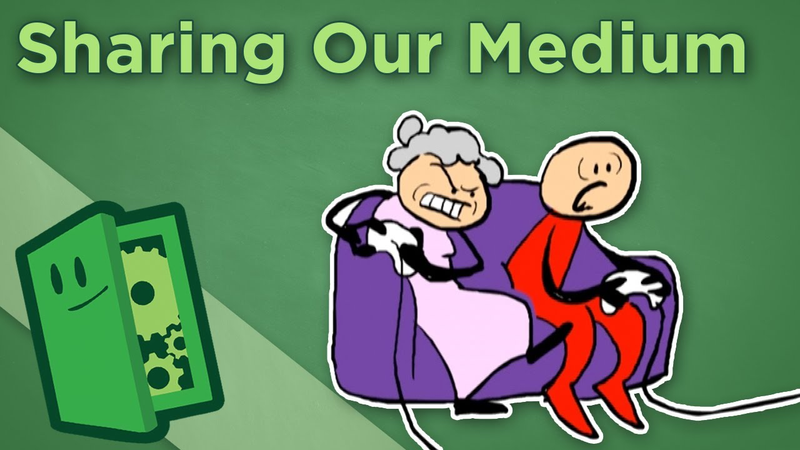
Sharing Our Medium - How to Introduce Games to Your Friends - Extra Credits
Key insights
6 takeaways- 01Prioritize the newcomer's comfort and enjoyment over personal preferences to create a low-pressure environment for learning.
- 02Curate a single, modern title that aligns with the newcomer's existing interests in other media, such as cinematic storytelling or specific genres.
- 03Focus on recent releases that offer strong visual spectacle and compelling opening sequences to bridge the gap between traditional media and interactive gaming.
- 04Foster a dialogue centered on the newcomer's impressions of the art, narrative, and atmosphere rather than focusing on technical mastery.
- 05Adopt a hands-off approach by refraining from backseat driving or taking the controller away during moments of frustration.
- 06Avoid cooperative play, as it often highlights skill gaps and creates unnecessary pressure; single-player experiences are generally more effective for beginners.
Ask AI about this video
Transcript
[Music] Hey guys, guess who's back. I'm happy to once again welcome Aaron Seagull, who's been kind enough to lend us her pretty pictures making talents again this week, giving Allison a well-deserved break. Today's topic, introducing people to gaming. At some point, we've all had someone in our lives who we wanted to share our passion for gaming with. Sometimes it's a parent, sometimes a friend, sometimes it's a boyfriend or a girlfriend, and sometimes they express an interest in sharing this part of our lives with us. But sharing this medium with newcomers is actually a pretty daunting task. It's not like music where an introduction can be served up in five spare minutes, or even film where the viewer can have a complete experience in only a few hours. Our medium can often require 40 hours of commitment to scratch the surface, and even then, it's tangled in complexities and self-reerence that we, as veteran players, tend to not even notice anymore. It can all be incredibly intimidating. So, how can we make it easy for someone who doesn't play games to enjoy this medium and see why we enjoy it so much? Well, here's what
we've learned from a few dozen attempts of our own, some of which were more successful than others. Number one, choosing the right game. There are a lot of great games out there. You may want to show all of them at once, or you may simply not know what to choose. You may be tempted to let them choose. Don't. It is a trap. They have no information to base their choice off of. And if you go showing them just a few minutes from a bunch of different games, you're only going to make the medium seem even more daunting. The key here is to know your audience. know what type of game might appeal to them and pick the title that you think is most appropriate. As much as James loves giving people choices, everyone will end up having more fun in the end. Number two, show them games that are close to a genre they already understand. While there are many fantastic things that are unique to the medium of games, you don't want to overwhelm a prospective player with too much newness right out of the gate. Instead, start with something they can understand through the filter of a medium they already love. This might be a highly cinematic game, or maybe a music game, or perhaps just a good old narrative heavy title. Personally, I recommend something with impressive visuals, a reasonable story, and a strong central character. Games like Mass Effect, Assassin's Creed, and even GTA 4 fit this category. Don't worry,
there will be plenty of time later to show them all the other exciting game experiences out there. Now is the time for first impressions. Choosing a title of this nature gives them elements of the game they can discuss with you in a language they already understand. It smooths their entry into the medium and gives them other things to be interested in as they warm up to caring about the gameplay itself. Number three, choose something from this generation. As game afficionados, it's always a huge temptation to go back and start new players off with the best game that's ever been, or maybe the game that got us into gaming years ago. Fight that temptation, at least at first. As much as I love The Seventh Seal, it's not how I'd introduce somebody to film. Likewise, I wouldn't show a newcomer XCOM or even Plscape Tournament to start. Baby steps. Let them enjoy the digital wizardry of the modern age. Look for the great games that can offer a bit of spectacle as well. There are lots to choose from. Again, there will be plenty of time to go back and show them the classics later. Number four, choose something with a good opener. Any entertainer can tell you the first 5 minutes are crucial. There are a lot of games out there that aren't truly great, but start off a little slow. Don't go for one of those first. Choose something that opens big, or even better,
something with a great mystery that sucks them in. Number five, don't force them to play. Now, this goes against everything in my being, but don't make them play, at least not at first. Let them get comfortable with the medium before throwing them into an experience of potential failure and frustration. Once they seem comfortable, periodically ask them if they want to play. If they say no, don't push the issue. I'd say you don't even need to ask them more than once a session. Sooner or later, they'll ask you, or you'll simply come home one day to find them in front of the screen halfway through one of your favorites. Number six, when they do play, be encouraging. I know this one's pretty obvious, but it can be incredibly difficult when you're in the moment. Watching the prospective player take 20 times as long as you would to do something simple like walk down a hall or having to sit there while they spend an hour with the camera pointed at their feet can be maddening. Still, don't chide them and try not to tell them how to do something unless they ask. If they do ask, be super encouraging with how you answer. And most of all, never take the controller away. No matter how many times they fail at a straightforward task. This is their learning phase, and it can be intimidating enough without a friend or a family member critiquing their play or backseat driving. Patience, deep breaths. The painfully
awkward stage won't last too long. Number seven, start with single player. While most of us know enough not to throw a newcomer into a competitive multiplayer experience, it may seem like a great idea at the time to play a co-op game together with them. In my experience, it's not. It's harder to concentrate on what they're doing so you can offer encouragement or advice at the right times when you're trying to dodge bullets or fight off goblins yourself. It can also be taxing because, as we all know, playing co-op games with someone who isn't very good at them isn't actually that much fun for the better player. Lastly, even in cooperative modes, there's a competition factor. Even though you have no intention of being competitive, your counterpart may not be able to help it. Playing co-op games often puts in perspective just how bad the newcomer is at playing. Your scores are juxtaposed at the end of every round. And the entire time you play, they're seeing your character breeze through challenges that they're still struggling with. It's easy for your new player to start feeling like learning to play is hopeless and it's just something they'll never be any good at. Not the experience you were going for. However, some of the better MMOs out there can be a little more helpful for this because so much of the early game is spent both directly and subtly telling the player how awesome they are.
It might mitigate this hurdle somewhat, but still tread carefully. Number eight, communicate. Gaming should now be something that you share. So, feel free to talk about the gaming experience you're having. At first, you'll want to keep it limited to the areas they can easily converse in, such as story, art style, music, mood, philosophy. Who knows, they may know more about some of these things than you do. And if it's something they're already excited to talk about, it's going to go a long way toward warming them to games. Don't talk about it over much. Don't fanboy out. And don't talk about other parts of the series or games they haven't played. The most important thing is simply that you listen. Spend more time listening to what they thought was awesome than talking about what you love. Not only will you get to know someone you care about a little better and probably even improve your experience with a game, it'll also help them work through what they like about gaming and why they might want to carry on. And finally, number nine, have fun. Because if you aren't having fun, they probably aren't hiring. Hopefully something in there will be useful for you guys at some point, even if it doesn't apply to you right now. Either way, thanks for watching and happy gaming. See you next week. [Music]
[Music] Heat up here. [Music] Heat. Heat. [Music]
Summary
Introducing non-gamers to the medium presents unique challenges due to the high time commitment and complex, self-referential nature of modern titles. To successfully share this passion, the primary goal is to create a welcoming, low-pressure environment that prioritizes the newcomer’s comfort over the veteran’s personal preferences.
The recommended approach centers on strategic game selection and patient guidance. Rather than offering a broad, overwhelming list of choices, the veteran should curate a single, modern title that aligns with the newcomer’s existing interests, such as cinematic storytelling or familiar genres. Prioritizing recent releases with strong visual spectacle and compelling opening sequences helps bridge the gap between their current media habits and the interactive nature of gaming.
The methodology for onboarding emphasizes a hands-off, supportive role. Veterans are advised to avoid forced participation, backseat driving, or taking the controller away during moments of frustration. Furthermore, single-player experiences are generally preferred over cooperative play, as co-op modes can inadvertently highlight skill gaps and create unnecessary pressure. Instead, the focus should remain on open communication, where the veteran listens to the newcomer’s impressions of the art, narrative, and atmosphere. By fostering a dialogue based on shared interests rather than technical mastery, the veteran can help the newcomer build confidence and appreciation for the medium at their own pace. Ultimately, the success of this introduction relies on the veteran’s patience and the ability to prioritize the newcomer's enjoyment above all else.
























Comments