1 free read left. Create a free account for unlimited reading + AI research.
Create free account
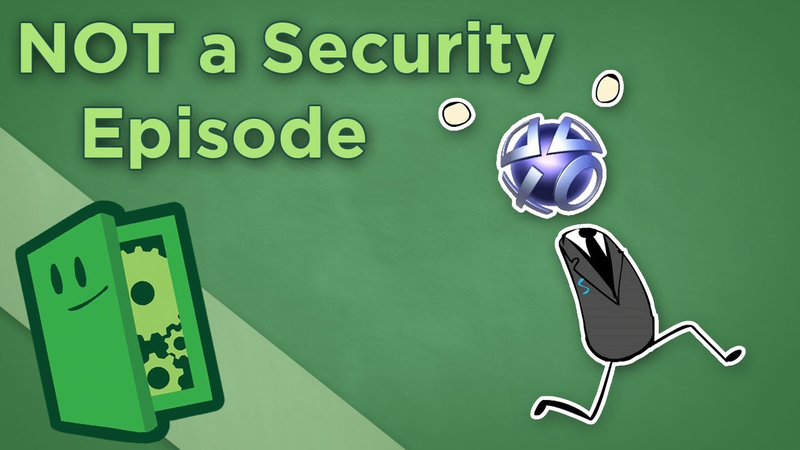
Anonymous - Who Really Hacked PlayStation Network in 2011? - Extra Credits
Key insights
6 takeaways- 01The 2011 PlayStation Network (PSN) breach highlights the difficulty of attributing cyberattacks to decentralized groups like Anonymous, which lack centralized leadership and formal membership.
- 02The fluid, non-hierarchical structure of Anonymous allows unaffiliated actors to co-opt the group's name, enabling the retroactive attribution of criminal acts to the collective.
- 03The incident forces a critical dilemma for the movement: it must reconcile its commitment to radical openness with the need to enforce ideological boundaries to prevent further criminal co-option.
- 04The theft of financial data and prolonged service disruption during the 2011 PSN attack contradict the established ideological patterns of Anonymous, which typically prioritize protest over financial fraud.
- 05Anonymous is defined by core ideals—such as free speech and an unregulated internet—that are fundamentally inconsistent with the malicious nature of the PSN breach.
- 06The presence of an Anonymous calling card in the compromised system may have served as a scapegoat for independent cybercriminals or as a strategic deflection by Sony to manage regulatory and public fallout.
Ask AI about this video
Transcript
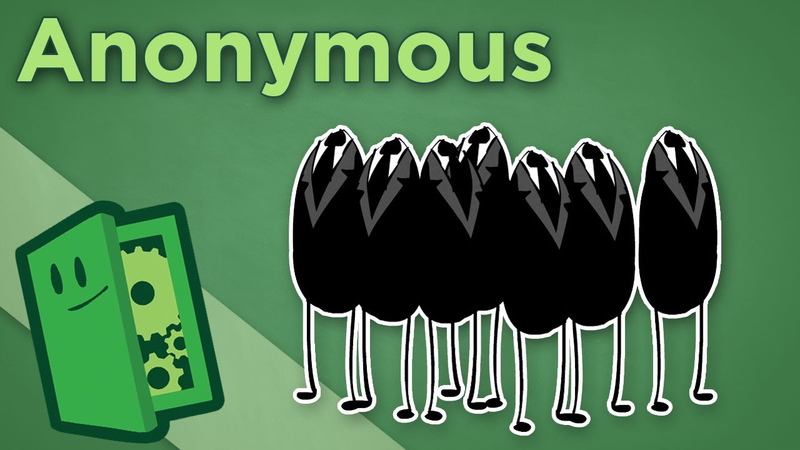
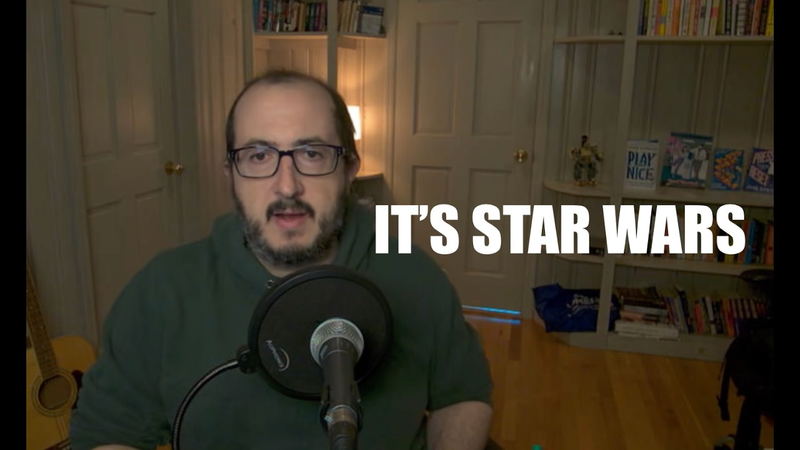
Hey, as long as we're talking about that Sony thing, let's venture into a topic only semi-gaming related, Anonymous. Specifically, their involvement in the PSN fiasco and the follow-up Sony attacks. Now, Sony's laid the blame on their shoulders and it's fairly likely that any formal government inquiry will as well. But should we accept that at face value? Cuz I'm not so sure. In order to weigh the evidence in any meaningful manner, we're going to have to do a little bit of trying to pin down what Anonymous is. Because otherwise, this happens. Anonymous threatened us without Sony. Anonymous has no leadership. No one can make statements for Anonymous. Your perceived threat is invalid. Anonymous is anyone. Well, then we got a note from the hackers saying it was Anonymous. And if Anonymous is anyone, then technically, Anonymous did it. That's just what the criminals would do to throw the blame on Anonymous. Well, even if they are just trying to use Anonymous as a scapegoat so Sony doesn't track them down. By your logic, if the criminals say they're part of Anonymous, a disorganized group that anyone can be a part of, then technically, those
criminals are still part of Anonymous. That's a little confusing and I can't do voices. All right, enough of that. Anyway, we can all see the fallacy in this argument. You might as well blame elves, Hillary Clinton's secret cabal, or the international anarcho-syndicalist movement. It could have been a Sony inside job and it would, by this definition, still be just as valid to say Anonymous did it. But this definition of Anonymous has never made any sense. Yes, Anonymous can be anyone. Yes, they have no leadership. Yes, they act on a broad range of issues, sometimes seeming to be pulled in opposite directions. But there are a lot of movements that could be said about. Take the punk movement or, if you prefer your antiquated movements, the romantic movement. To be a punk or a romantic, all you have to do is say you are. There are no qualifications for joining and there's no leadership you have to follow. But not many people are going to believe you're punk if your favorite source of information is Fox News and you throw fits when people raise taxes on the ultra-rich. Why? Because even though movements like these have no leadership and no entrance requirements, they do have ideals. And that's true of Anonymous. In fact, I'd argue that's what makes Anonymous Anonymous. Here's my understanding. One, Anonymous stands for the freedom of information. Two, Anonymous stands for free speech. Three,
Anonymous stands for an unregulated internet. Four, Anonymous generally only stages organized attacks on groups that attack them directly or infringe on their core ideals. Five, Anonymous does not engage in criminal activity for the financial benefit of members of its community. And finally, number six, Anonymous believes in mischief for the lulz. Anonymous' initial dispute with Sony was over Sony's treatment of GeoHot for cracking the PS3. This falls firmly into the internet freedom, freedom of information side of what Anonymous is. But the actual attacks on PSN make no sense in this context. First, Anonymous doesn't steal credit cards. Anonymous may be many things, but I wouldn't say thieves is one of them. If Anonymous wanted to marshal its resources to engage in credit card theft or fraud, God help us all. And let me tell you, if credit card theft was their ultimate goal, Sony probably isn't where they would start. Second, and this one's debatable, but taking down PSN sort of seems to me to be, I don't know, anti-lulz. Sure, it's funny for a day or two, maybe a week, but to cause this sort of catastrophic failure alienates not only the very sort of people they want to appeal to, but also the very people that many of them are. Taking down a game network for weeks doesn't really make the world more entertaining.
It doesn't add levity to a dour society plagued by seriousness. It just means people can't play their games for a while. And I bet you there are a fair amount of Anons who are stung by this attack. I mean, you got to figure plenty of them are gamers. If the attack was carried out by Anonymous, my guess is that they'd have found a funnier, if crasser, way to mess with Sony. Lastly, the Anonymous calling card left in the system just seems a bit too obvious and bland for them. Now, it may just be my conspiranoia talking, but what better way to cover your ass if you're Sony than to say, "Hey, we found a file saying Anonymous did it." It's a story any government inquiry will believe because Anonymous has earned itself no love in the marble halls of Washington. And it's pretty much an impossible thing to disprove. Now, many of you may remember that Sony at first said that it wasn't Anonymous, a statement reiterated by Anonymous through the same channels that the threats to Sony were made. So, if you accept the threat as speaking for Anonymous, you kind of have to at least consider the validity of the denial. But soon it became evident that this wasn't just a minor hiccup. The cost of this outrage was going to be tens of millions, if not hundreds of millions, between having to pay government fees, totally revamping the network, remunerating their audience for a month or more of lost time, and then suddenly a file claiming the attack was by
Anonymous was found. It could very well be a fortuitous coincidence, but the timing certainly is odd. Alternatively, as mentioned earlier, if I was a cyber criminal, you'd bet I'd leave an Anonymous calling card for everything I did. Between their mysterious nature and their reputation for mischief, they're one of the easiest scapegoats ever. I'm afraid that this is the sort of thing that could actually be the downfall of Anonymous. Not a nefarious government scheme to conduct false flag operations against them, just simple thieves using them as a patsy. So, no, personally, I don't think Anonymous did it. But, I do think this will be a pivotal moment for Anonymous as a movement. Love them or hate them, you have to admit Anonymous has the power to do great things. In fact, they may be the only group out there that can effectively expose many of the frauds and hypocrisies of this modern world. But, they may well get torn apart by this crisis. Denying that they hacked Sony means accepting that they stand for something, and this in turn means accepting that not just anyone can be Anonymous simply because they claim to be. Anonymous may well tear itself apart in a fight over whether or not having ideals violates their ideals. Anyway, that's my take on it. The fate of Anonymous and the real facts behind the Sony case, like many truths, will come to light in time. Thanks for indulging us in this slight
deviation from our regular subject matter. We'll be back to talking about games next time. Thanks for watching. See you next week.
Summary
The 2011 PlayStation Network (PSN) breach serves as a case study for the complexities of internet anonymity and the challenges of attributing cyberattacks to decentralized collectives like Anonymous. While Sony and various government entities identified Anonymous as the perpetrator, the lack of centralized leadership within the group complicates this narrative. Because Anonymous is defined by its fluid, non-hierarchical structure, the label is frequently co-opted by unaffiliated actors to claim responsibility for malicious activities, creating a logical fallacy where any criminal act can be retroactively attributed to the collective.
The analysis argues that Anonymous is defined not by its membership, but by a specific set of core ideals, including the promotion of free speech, the preservation of an unregulated internet, and a commitment to mischief. These principles are inconsistent with the nature of the PSN attack, which involved the theft of sensitive financial data and the prolonged disruption of a gaming service. Such actions contradict the group’s established patterns, which typically focus on ideological protest rather than financial fraud or the alienation of the gaming community, of which many members are a part.
The presence of an Anonymous calling card within the compromised system is viewed as highly suspect, potentially serving as a convenient scapegoat for actual cybercriminals or as a strategic deflection by the corporation itself to manage public and regulatory fallout. Ultimately, the incident represents a critical juncture for the movement. To maintain its integrity and distance itself from criminal activity, the collective must reconcile its commitment to radical openness with the necessity of enforcing ideological boundaries, a process that threatens to fracture the group from within.

















Comments