Player Behavior reports and market data
Documents

Don't be a Victim of Dark Patterns! - Game Design - Extra Credits
The concept of dark patterns in game design refers to user interface and experience elements that intentionally or unintentionally obscure, subvert, or impair a player’s autonomy and decision-making.
- Dark patterns are user interface and experience elements that intentionally or unintentionally impair player autonomy, often sitting at the intersection of creative design and consumer protection law.
- Regulators, including the Federal Trade Commission, are actively targeting deceptive practices such as predatory monetization of children, bait-and-switch pricing, misleading loot box odds, and difficult subscription cancellation processes.
- Ethical lines are crossed when design techniques—such as environmental guidance or random number generation—are repurposed to manipulate engagement for financial gain rather than enhancing the player experience.

Developing a UX Mindset on Fortnite
Adopting a user experience mindset in game development functions as a collaborative philosophy rather than a rigid set of rules, requiring teams to integrate testing early to mitigate the risks associated with human cognitive limitations.
- UX testing should begin as early as possible, even with low-fidelity prototypes or paper models, to identify design friction before costly implementation.
- Human perception is subjective and limited; for example, approximately 8% of the male population is colorblind, necessitating that critical information is never conveyed through color alone.
- Cognitive load should be minimized by offloading memory tasks to the UI, such as pinning crafting recipes or providing on-screen prompts for interactable objects, rather than forcing players to memorize data.

Research Methods to Improve Live Game Retention, D1 to D100
Games user experience research serves as a critical bridge between raw telemetry data and actionable design improvements, specifically targeting the enhancement of player retention from the first day through the hundredth.
- Improving player retention from D1 to D100 requires a mixed-methodology approach that combines quantitative A/B testing with qualitative insights to identify the 'why' behind churn.
- Mobile titles like Design Home and Cooking Dash successfully improved retention by using granular funnel tracking to pinpoint specific usability hurdles.
- Longitudinal research tools, such as ten-day diary studies, are essential for observing player behavior over time and refining complex late-game systems.
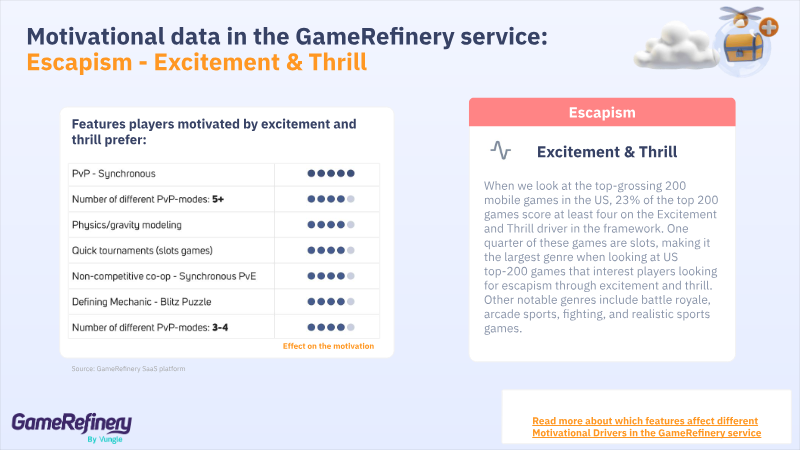
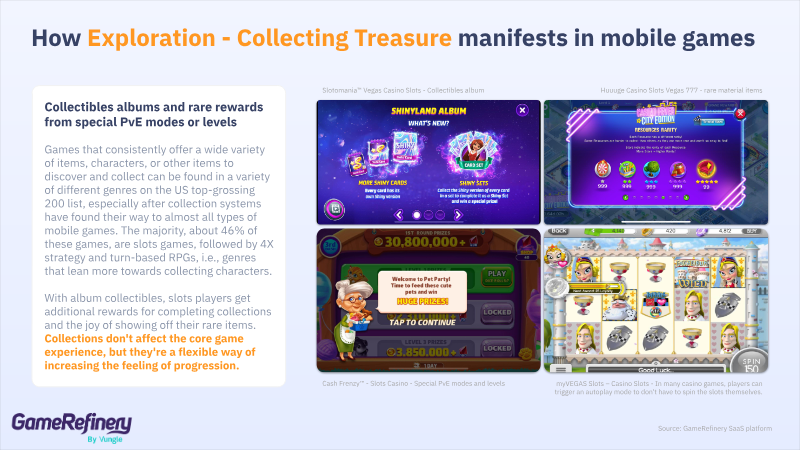
Motivations and Demographics Snapshot Report: The Motivations Driving Top Mobile Games, February 2022
The mobile gaming landscape in the United States is defined by a complex interplay between player demographics and a diverse set of motivational drivers.
- Gender and age are primary indicators of genre preference, with women comprising 63% of the audience for Match3 and Hidden Object games, while men make up 76% to 84% of the audience in 4X strategy and synchronous PvP titles.
- Every top-grossing casual game released between 2020 and 2022 has integrated renovation and customization elements to increase player expression and broaden market appeal.
- Motivational drivers are demographic-specific; younger males prefer high-sensomotoric challenges like Battle Royales, while players aged 45 and older seek similar thrills through low-sensomotoric experiences like Slots.

Advanced Audience Understanding with Joe Schaeppi, CEO of Solsten
The gaming industry is undergoing a fundamental shift toward sustainable, player-centric design, moving away from short-term monetization tactics in favor of long-term retention and engagement.
- The gaming industry is shifting from short-term monetization tactics toward sustainable, player-centric design models that prioritize long-term retention and engagement.
- Developers can move beyond behavioral data by integrating psychological profiling and market-wide audience analysis to identify the core values and motivations driving player behavior.
- Predictive analytics can replace traditional A/B testing by evaluating visual stimuli and creative assets against psychographic databases prior to launch.

Geena Davis and Mitu Khandaker on Masculinity in Video Games and the Gaming Community
Popular video games and streaming platforms currently reinforce a rigid framework of hyper-masculinity, often referred to as the man box, which prioritizes aggression, violence, and self-sufficiency.
- Popular video games exhibit significant representation gaps, with male characters outnumbering female characters 4:1 and white characters outnumbering characters of color 3:1.
- White male characters in video games are twice as likely to carry weapons compared to male characters of color and are statistically more likely to be depicted as violent.
- LGBTQ+, disabled, and large body-type characters remain nearly non-existent in popular gaming content.

Video Game Players: Video Games in Romania 2022
The Romanian video game landscape in 2022 comprises 7.8 million players aged 15 to 64, representing a balanced demographic split of 51% men and 49% women.
- Romania has 7.8 million gamers aged 15 to 64, with a nearly equal gender split of 51% men and 49% women.
- Mobile gaming is the dominant platform, utilized by 70% of the gaming population, while men show a stronger preference for PC and console hardware.
- Financial engagement is high, with 62% of players spending money on games or upgrades at least once per month.

For the Game
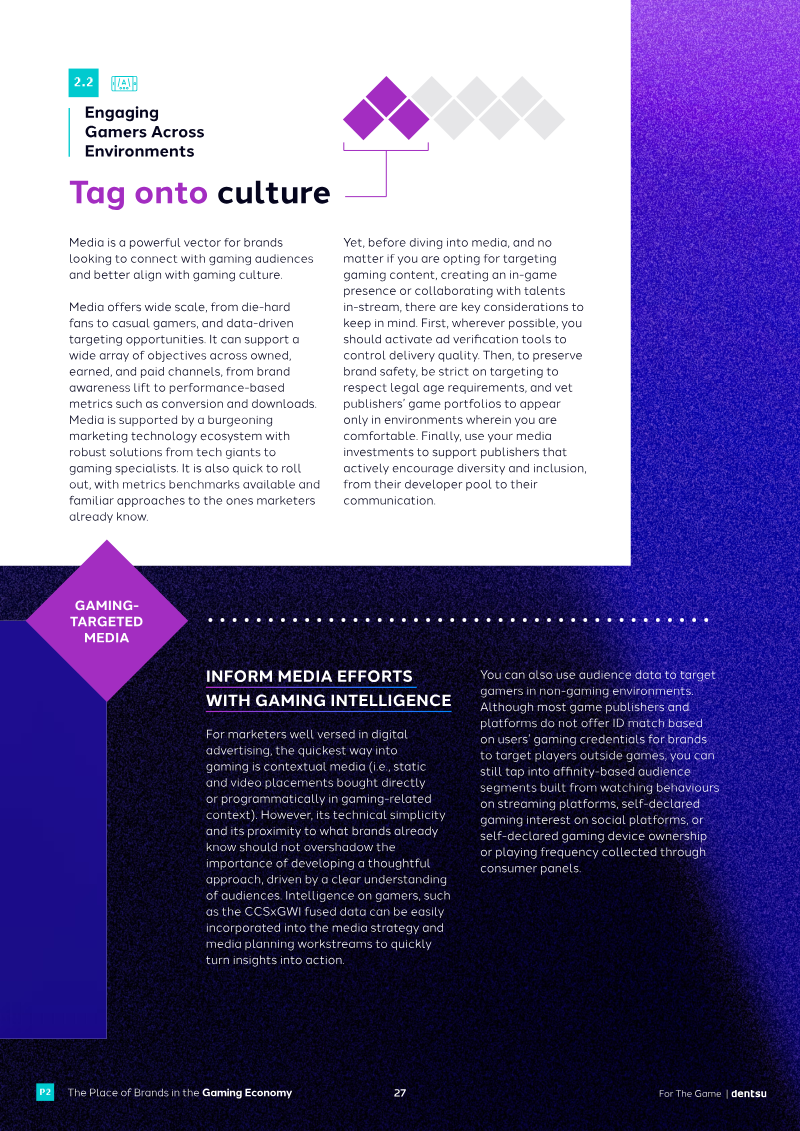
The global gaming industry has matured into a primary cultural and entertainment hub, projected to reach 3.5 billion players and $225 billion in revenue by 2025.
- The global gaming industry is projected to reach 3.5 billion players and $225 billion in revenue by 2025.
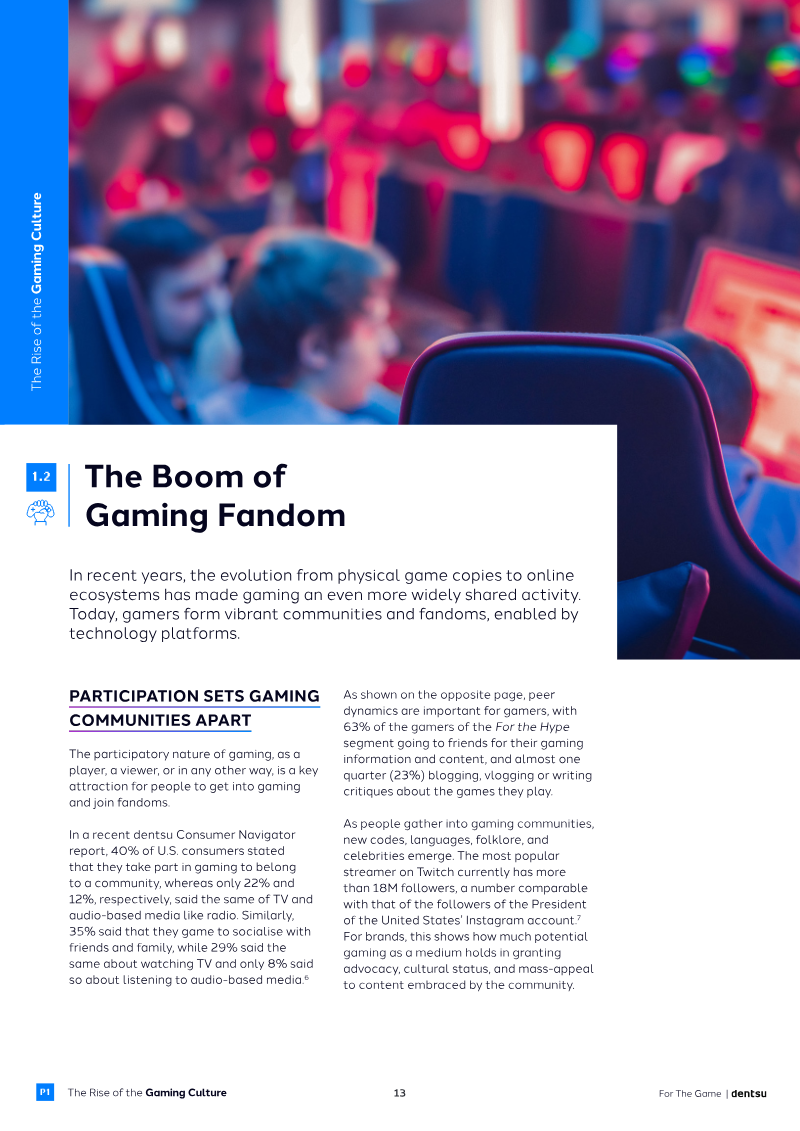
- 40% of U.S. consumers participate in gaming primarily to foster a sense of belonging, shifting the industry from simple leisure to a community-driven ecosystem.
- Brands must abandon traditional, interruptive advertising in favor of motivation-based segmentation models that utilize data-fusion methodologies across 21 global markets.


Gamer Segmentation: 2022 Overview
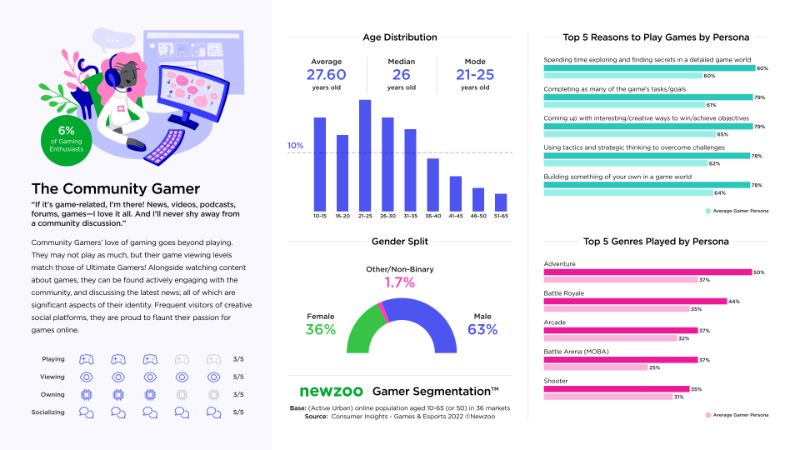
The 2022 Gamer Segmentation overview provides a comprehensive framework for understanding the modern gaming audience, moving beyond traditional labels like casual or core to reflect a more nuanced, culture-driven landscape.
- 77% of gamers engage with the medium beyond just playing, emphasizing the critical role of viewing and social interaction in modern gaming identity.
- The gaming audience is now defined by nine distinct personas based on motivations and behaviors rather than traditional 'casual' or 'core' labels.
- The 2022 segmentation analysis is derived from a dataset of 75,930 respondents across 36 global markets collected between February and April 2022.
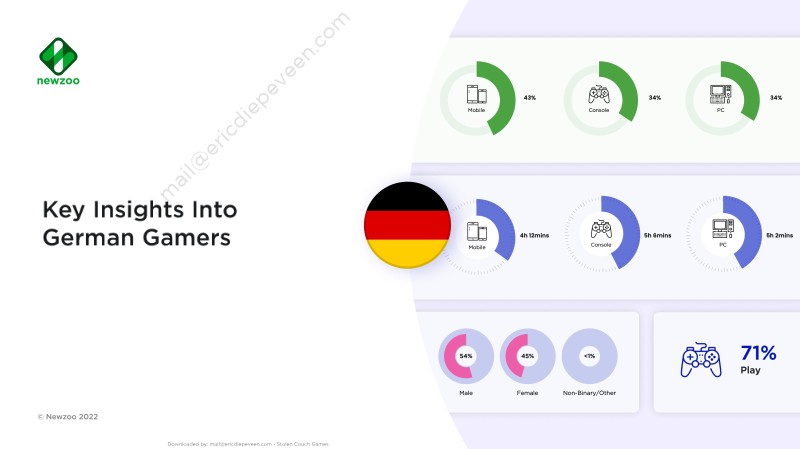
Consumer Insights: Games and Esports 2022
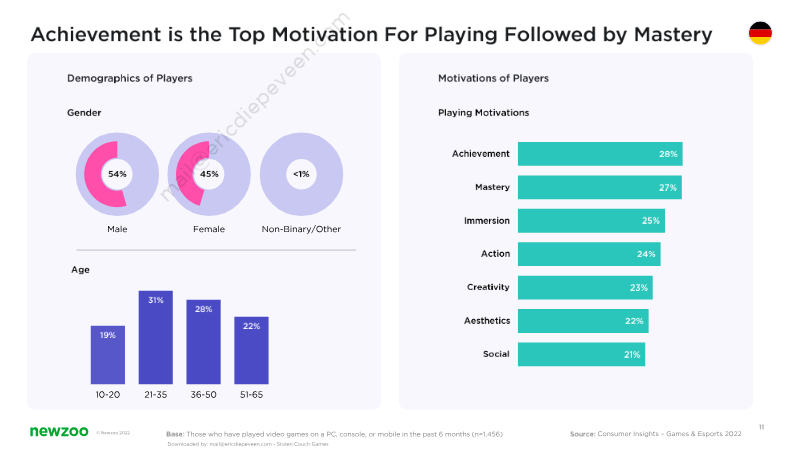
The Consumer Insights: Games and Esports 2022 report provides a comprehensive analysis of global gaming behaviors, motivations, and market engagement.
- The research is based on a global dataset of over 75,000 consumers across 36 international markets, covering North America, Europe, Latin America, the Middle East, and the Asia-Pacific region.
- Consumer spending is primarily driven by three factors: price sensitivity, the desire for exclusive content, and the need for social connectivity.
- Gaming engagement is categorized into distinct personas, with 'Time Fillers' and 'Mainstream Gamers' identified as the most prevalent segments.
Modern Mobile Consumer 2022: App Monetization Report
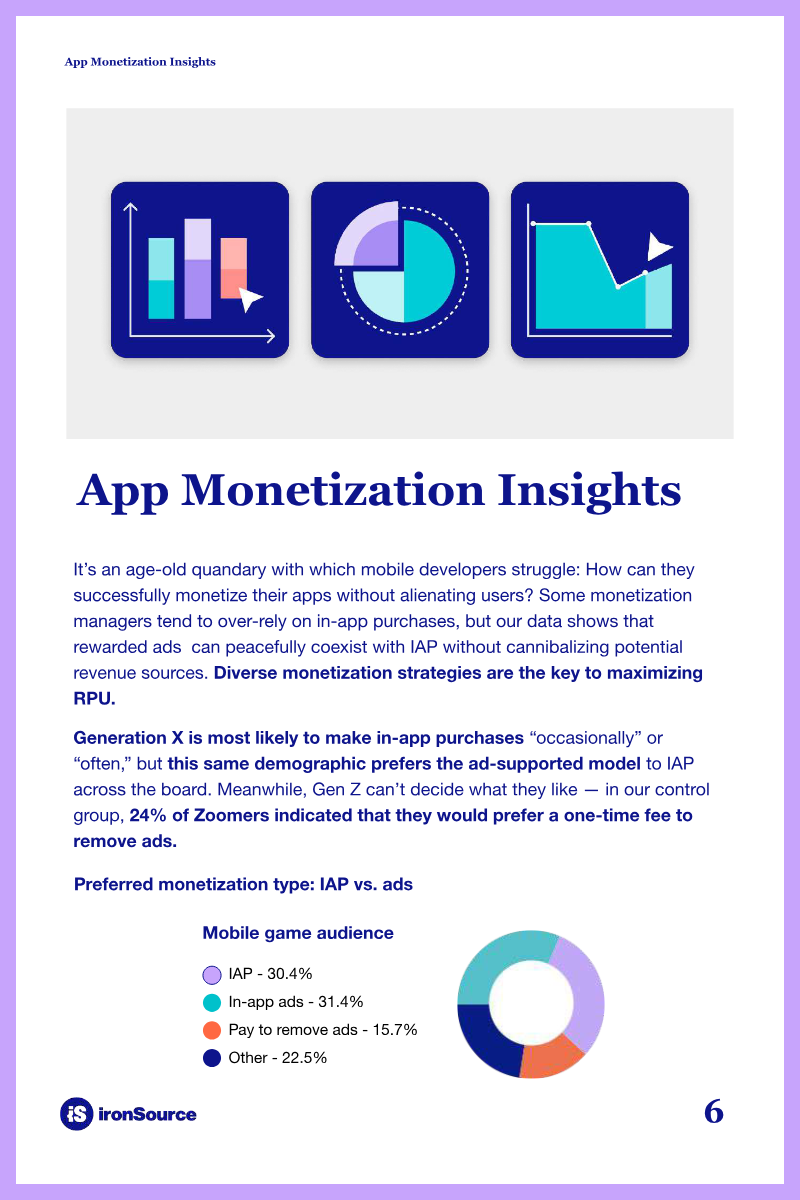
The report examines how modern mobile consumers interact with app monetization, revealing that rewarded ads and in-app purchases (IAP) coexist without cannibalizing revenue.
- Rewarded ads and in-app purchases (IAP) do not cannibalize each other, allowing for a hybrid monetization strategy that maximizes revenue without sacrificing user experience.
- The percentage of users making occasional IAPs has grown significantly to approximately one-third of the total user base, up from 2-3% five years ago.
- Free apps with IAP are the dominant model, accounting for 52% of all gaming app downloads.
Games: India Plays!
The report examines the rapidly expanding Indian mobile gaming market, highlighting a projected 91% share of online gamers playing on smartphones and an estimated revenue of US$2.2 billion in 2022, with a projected average revenue per user of US$1.5 by 2027.
- The Indian mobile gaming market generated US$2.2 billion in 2022, with smartphones accounting for 91% of the online gaming audience.
- Non-real-money gaming (non-RMG) is dominated by Adventure, Battle Royale, Puzzle, Arcade, and Racing genres, while real-money gaming (RMG) centers on card games and sports-fantasy.
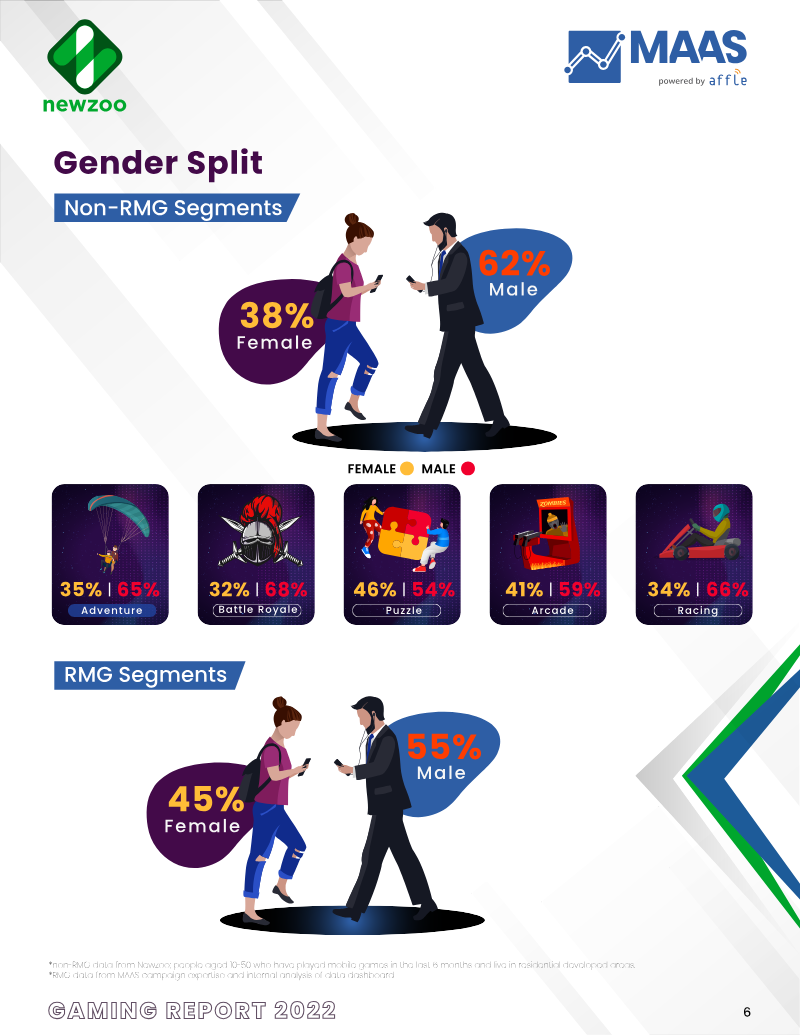
- Demographics skew young, with 55% of Adventure and Battle Royale players falling into the 13–27 age bracket, and 62% of non-RMG gamers being male.