Player Behavior reports and market data
Documents
Keynote: Discovering the Why: Launching New Games & Features in 2022
The primary objective of this presentation is to advocate for a player-centric development strategy that prioritizes understanding the underlying motivations—the "why"—behind user behavior.
- Development teams should shift from surface-level demographic data to a four-step framework that integrates psychological profiling and ethnographic research to identify the 'why' behind player behavior.
- Voodoo increased day-one retention by 14% in the game Plantopia by identifying and addressing specific underlying player motivations.
- Tilting Point successfully pivoted the design of Linguinis after research revealed that their target audience preferred collaborative gameplay over the initially planned competitive leaderboards.
Boost Engagement in Your Game by Supercharging Live Ops With Time-based Machine Learning
Machine learning serves as a powerful tool for mobile game developers to enhance player engagement, retention, and monetization through personalized experiences.
- Effective machine learning in gaming relies on event-based data—such as session starts, wins, losses, and spending—rather than static demographic data, to predict future player behavior based on past patterns.
- Predictive modeling should focus on achievable, short-term goals like seven-day engagement or churn rather than attempting to predict long-term metrics like 365-day lifetime value within the first few minutes of play.
- The most predictive features are discovered by mapping player events onto a timeline, allowing models to identify specific moments of friction or engagement that influence retention.
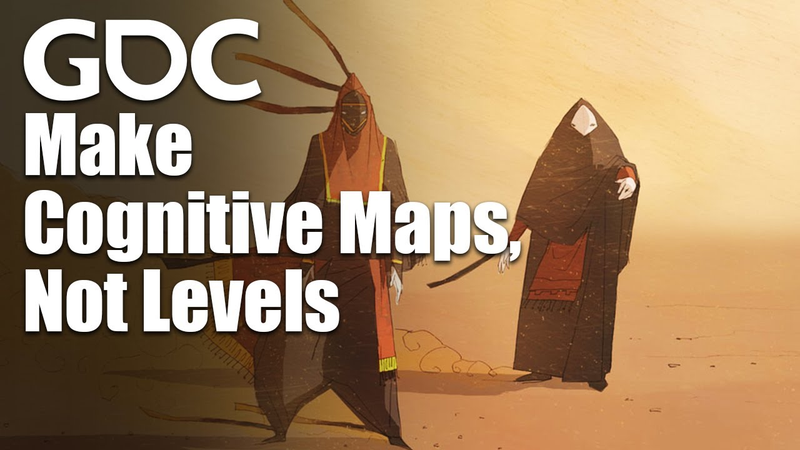
Stop Getting Lost: Make Cognitive Maps, Not Levels
Effective game design relies on the creation of robust cognitive maps, which are the mental representations players form to navigate and understand virtual environments.
- Design levels based on the five elements of cognitive mapping defined by urbanist Kevin Lynch: paths, landmarks, districts, edges, and nodes.
- Use paths to catch lost players by providing linear channels that limit navigation choices, effectively reducing the player's potential movement vectors.
- Implement stationary landmarks to help players orient themselves from a distance and anchor new, unexplored areas to previously established locations.

Is Diablo Immortal Fun for Mortal Wallets? - The Metacast by Naavik
The gaming industry is currently navigating a critical transition as major franchises attempt to adapt their core experiences for mobile platforms and broader ecosystem expansion.
- Aggressive monetization in mobile titles like Diablo Immortal, where character upgrades can cost hundreds of thousands of dollars, risks alienating core fanbases and inviting increased global regulatory scrutiny.
- Successful mobile adaptation of major franchises requires bespoke development rather than simple ports, as evidenced by the performance of Apex Legends Mobile.
- Long-term mobile viability is increasingly dependent on sophisticated live-ops, personalized player segmentation, and strategic partnerships with experienced developers like Tencent.

Battle Passes - Everything You Should Know and Then Some
Battle passes have emerged as a foundational monetization and retention strategy, currently utilized by over 60 percent of top-grossing mobile titles.
- Battle passes are now a foundational strategy used by over 60 percent of top-grossing mobile titles to shift monetization from whale-focused models to broader, subscription-like engagement.
- Industry standards for cycle lengths are trending toward one month for mobile games and three months for PC and console titles to maintain consistent player engagement.
- Developers must balance reward generosity with economic sustainability, as overly aggressive structures—such as those seen in Clash Royale—can saturate the game economy and trigger long-term revenue decline.
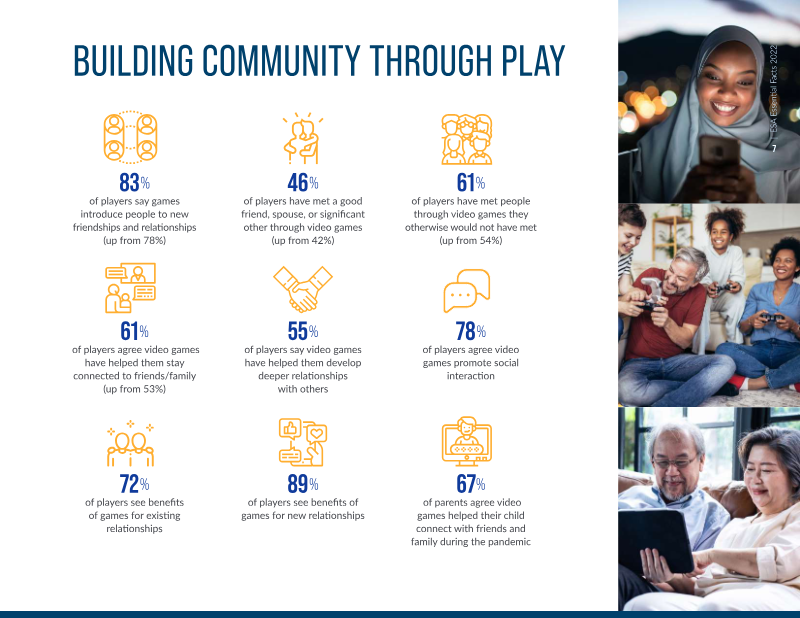

Essential Facts About the Video Game Industry 2022
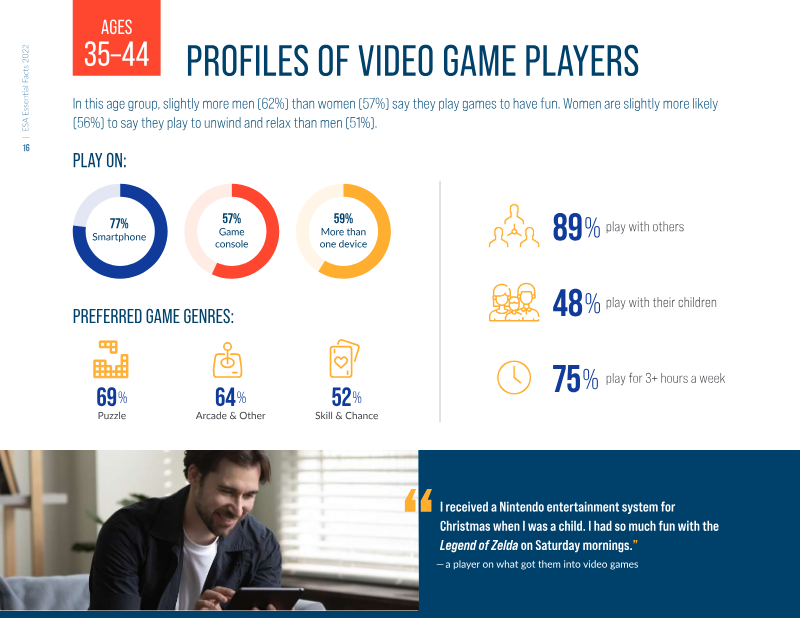
The 2022 Essential Facts About the Video Game Industry provides a comprehensive analysis of the American gaming landscape, asserting that video games have become a vital tool for social connection, skill-building, and mental well-being.
- The U.S. gaming industry generated $60.4 billion in total sales in 2021, with 67% of players participating in in-game purchases.
- Approximately 215.5 million Americans, or 66% of the population, play video games at least weekly.
- Pandemic-era engagement levels have stabilized, with 90% of players maintaining or increasing their playtime since the peak of the pandemic.

The importance of understanding your players with Josh Rivers from Solsten
Solsten provides game development studios with AI-driven psychological insights to foster human-centric design.
- Solsten provides AI-driven psychological profiling to help studios move beyond surface-level demographic and behavioral metrics to understand the underlying motivations driving player engagement.
- Psychological profiling in Eve Online, which focused on themes of friendship and overcoming challenges, resulted in double-digit increases in player completion rates.
- The developer of Linguinis successfully pivoted a new feature to a team-based format after identifying that their player base was motivated by collaboration rather than competition, leading to improved engagement.
State of Mobile Gaming 2022
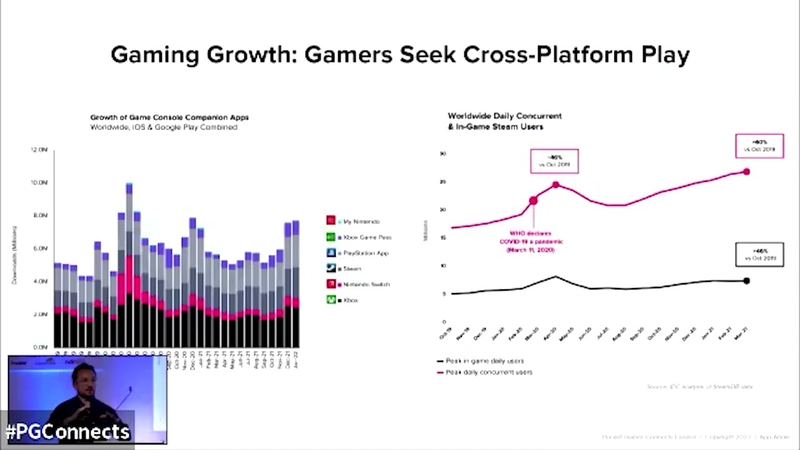
The mobile gaming industry experienced significant growth in 2021, characterized by a shift toward sustained high engagement and increased consumer spending.
- Global mobile gaming consumer spending surged to $170 billion in 2021, marking a 42% increase over pre-pandemic levels.
- The number of mobile games generating over $100 million in annual consumer spend rose to 174 in 2021, a 20% year-over-year increase.
- Global mobile gaming downloads reached 230 billion in 2021, representing a 13% increase compared to pre-pandemic figures.

What Can Game Designers Learn from Competitive Reality Shows
Competitive reality television serves as a sophisticated laboratory for game design, offering critical insights into the intersection of rigid rule sets and unpredictable human behavior.
- Game design success depends on balancing rigid mechanics with the unpredictable social dynamics and emergent narratives created by player interaction.
- Player agency often outweighs initial design intentions, as participants frequently identify and exploit dominant strategies that can stagnate a game's meta.
- To maintain long-term engagement, designers must proactively disrupt optimal paths to victory through periodic mechanical adjustments or rule-set twists.


All Tomorrow's Stories: The Future of Representation According to Gen Z Storytellers
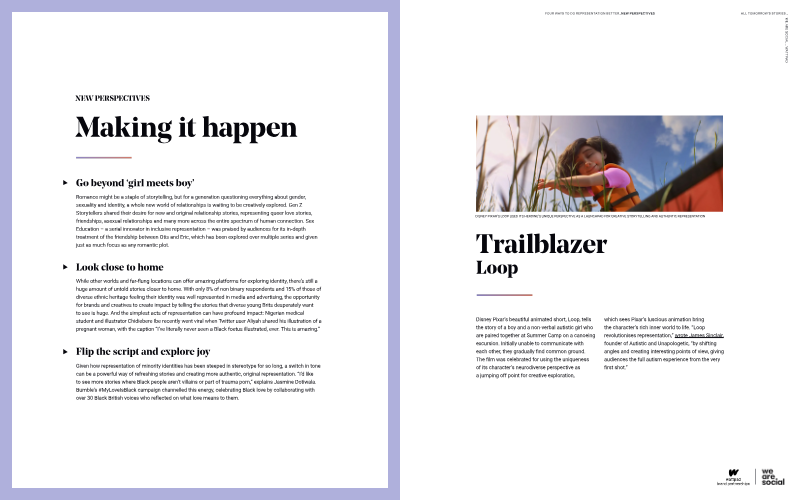
Inclusive representation has transitioned from an optional marketing consideration to a fundamental strategic imperative for brands seeking to engage Generation Z. This demographic views the accurate portrayal of diverse identities not as a trend, but as a baseline responsibility.
- While 87% of Gen Z storytellers advocate for greater inclusivity, only 36% believe contemporary media accurately reflects their identities.
- Satisfaction rates regarding representation drop to between 8% and 15% for non-binary, disabled, and ethnically diverse individuals, highlighting a critical failure in current content strategies.
- Gen Z audiences actively reject performative tokenism and inclusivity-washing, identifying superficial efforts that rely on rigid stereotypes or hyper-fixation on marginalized traits.

The Ever Increasing Impact of Voice Chat in Games
The integration of voice chat in online multiplayer games has fundamentally transformed the industry, evolving from a functional tool for competitive coordination into a primary social platform.
- Nearly 30% of players abandon games due to toxic experiences, directly impacting player retention and long-term revenue.
- Approximately 68% of players encounter toxic behavior in online games, with nearly 50% of those incidents occurring specifically through voice chat.
- In a hypothetical game with 50 million players, failing to moderate voice chat can result in roughly 4.5 million users having a negative experience, leading to significant churn.

Dealing With Haters & Bad Reviews As A Game Dev
Managing negative feedback and online criticism is a critical component of building a sustainable career as an indie game developer and content creator.
- Detach personal self-worth from public opinion to maintain the creative independence necessary for long-term professional growth.
- View negative feedback as a byproduct of increased visibility and audience reach rather than a personal failure.
- Protect mental health by limiting exposure to comments or ignoring them entirely after performing an initial safety and error check.