1 free read left. Create a free account for unlimited reading + AI research.
Create free accountReport Dentsu
1 free read left. Create a free account for unlimited reading + AI research.
Create free accountReportDentsu
Gaming has evolved into a primary cultural and entertainment hub.
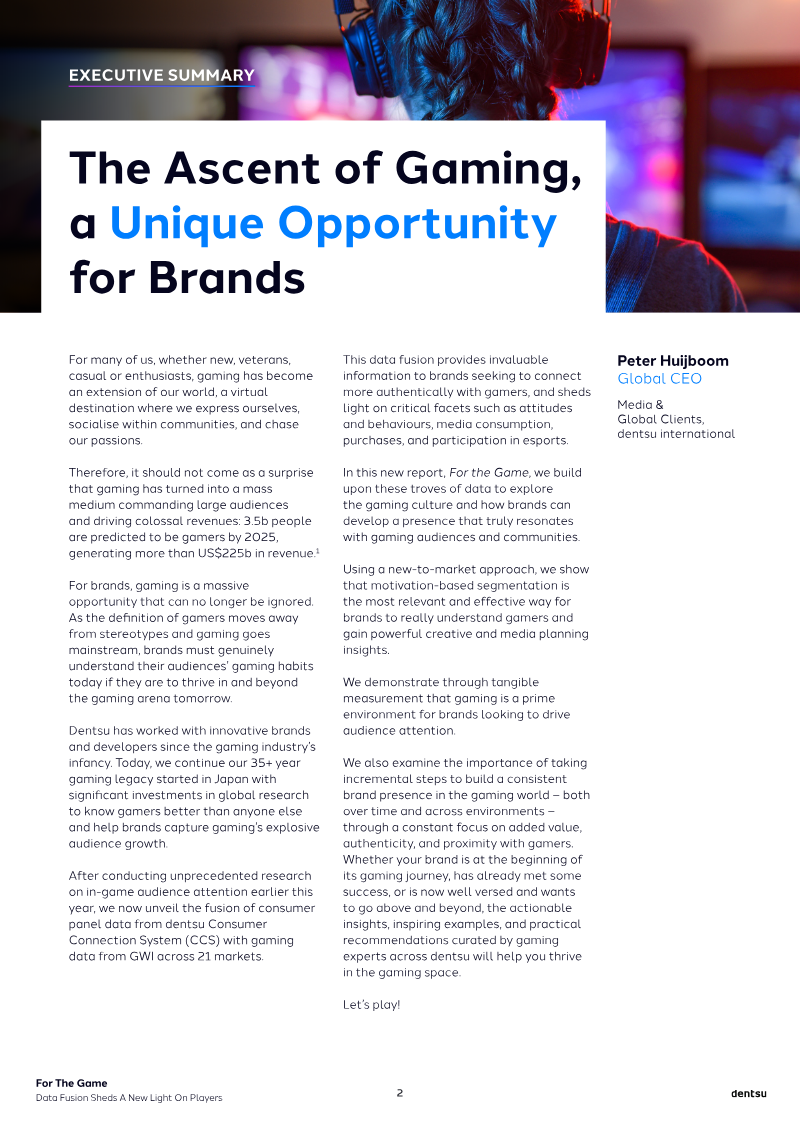
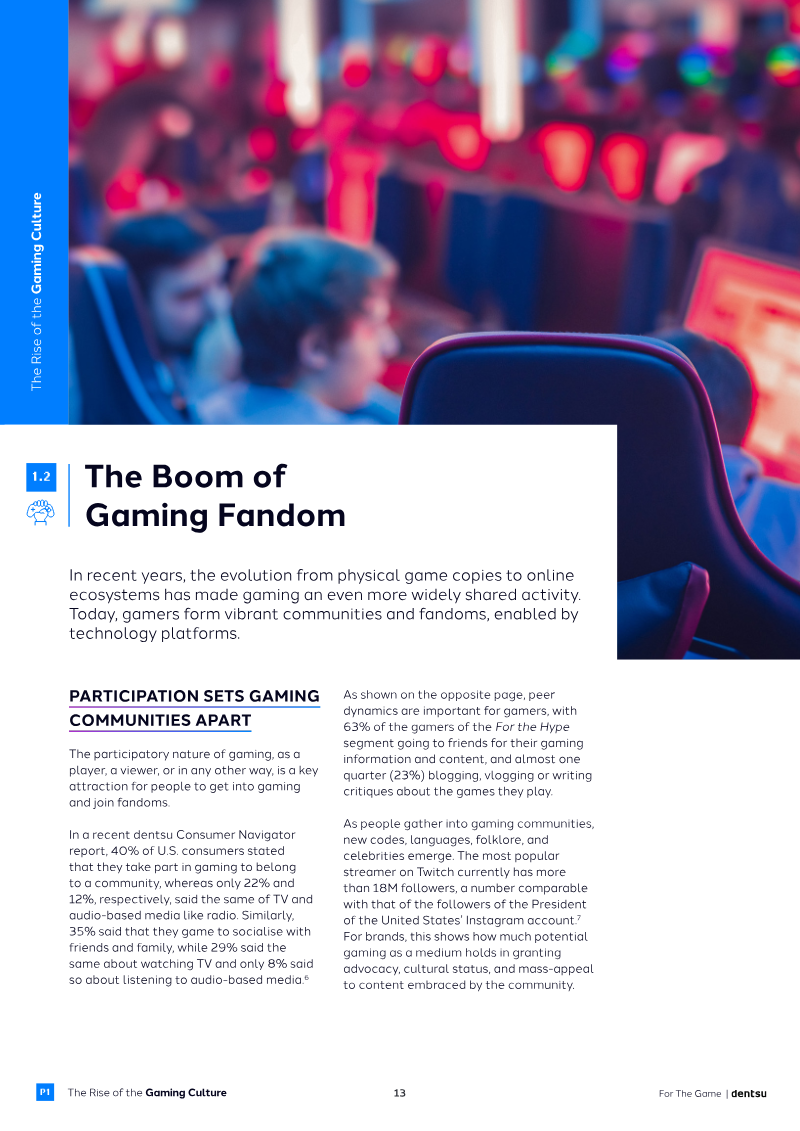
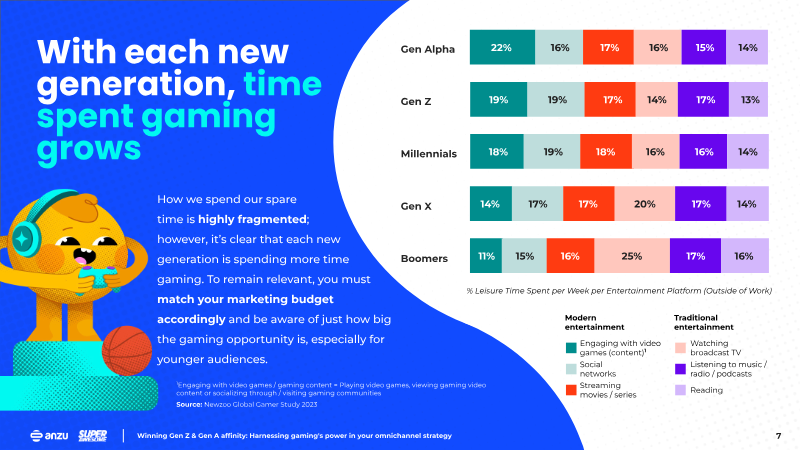
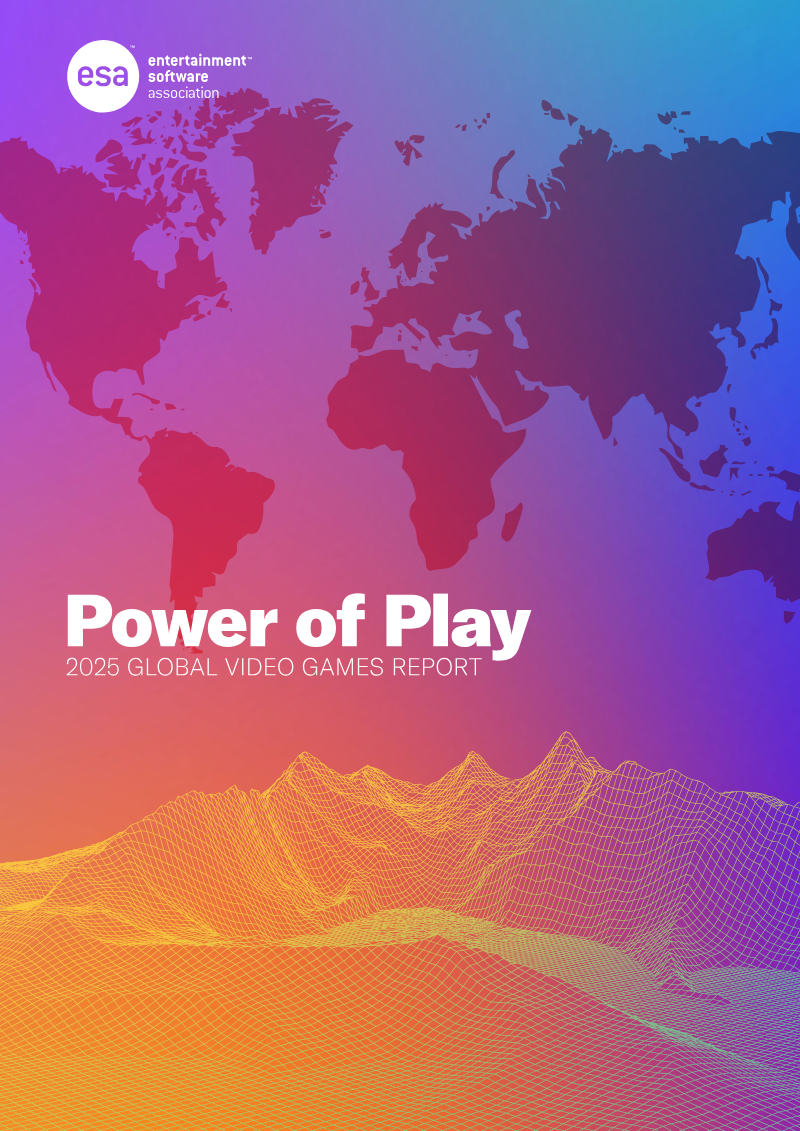
The global gaming industry has matured into a primary cultural and entertainment hub, projected to reach 3.5 billion players and $225 billion in revenue by 2025. This evolution marks a transition from simple leisure to a community-driven ecosystem where 40% of U.S. consumers participate primarily to foster a sense of belonging. As players increasingly function as creators and influencers, the industry offers a high-attention environment that necessitates a departure from traditional, interruptive advertising tactics in favor of strategies that prioritize genuine value and user-centricity.
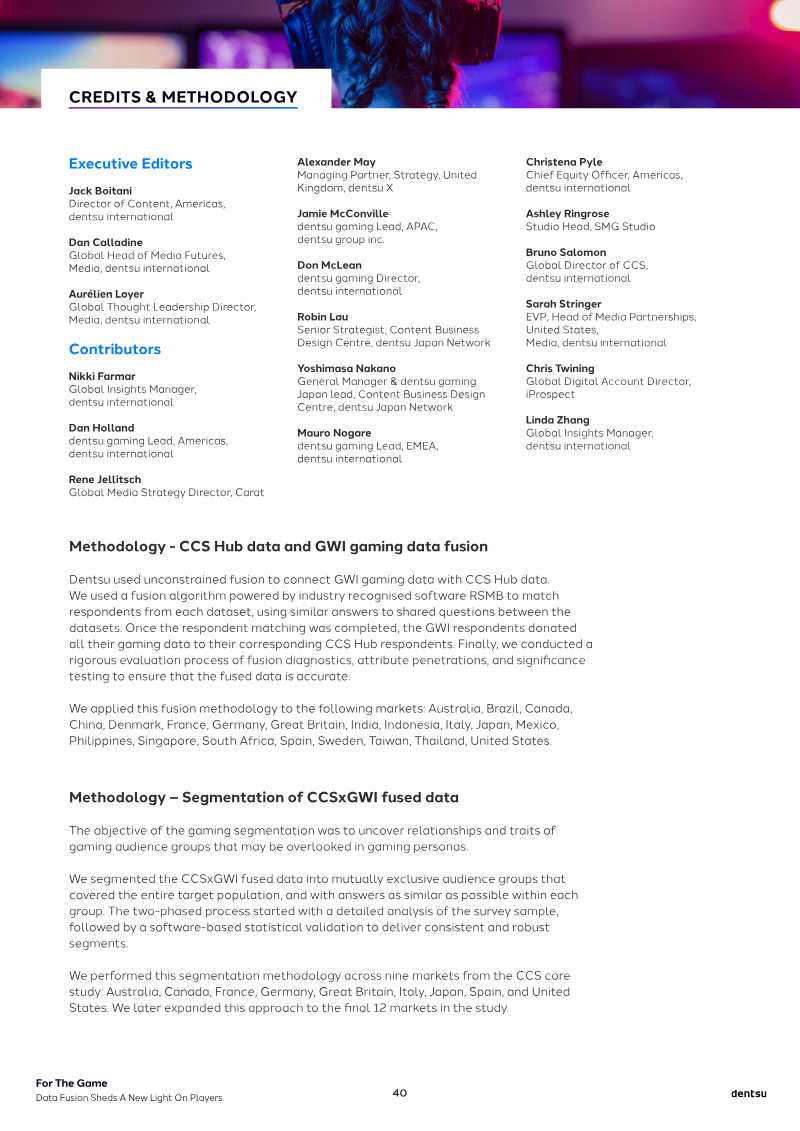
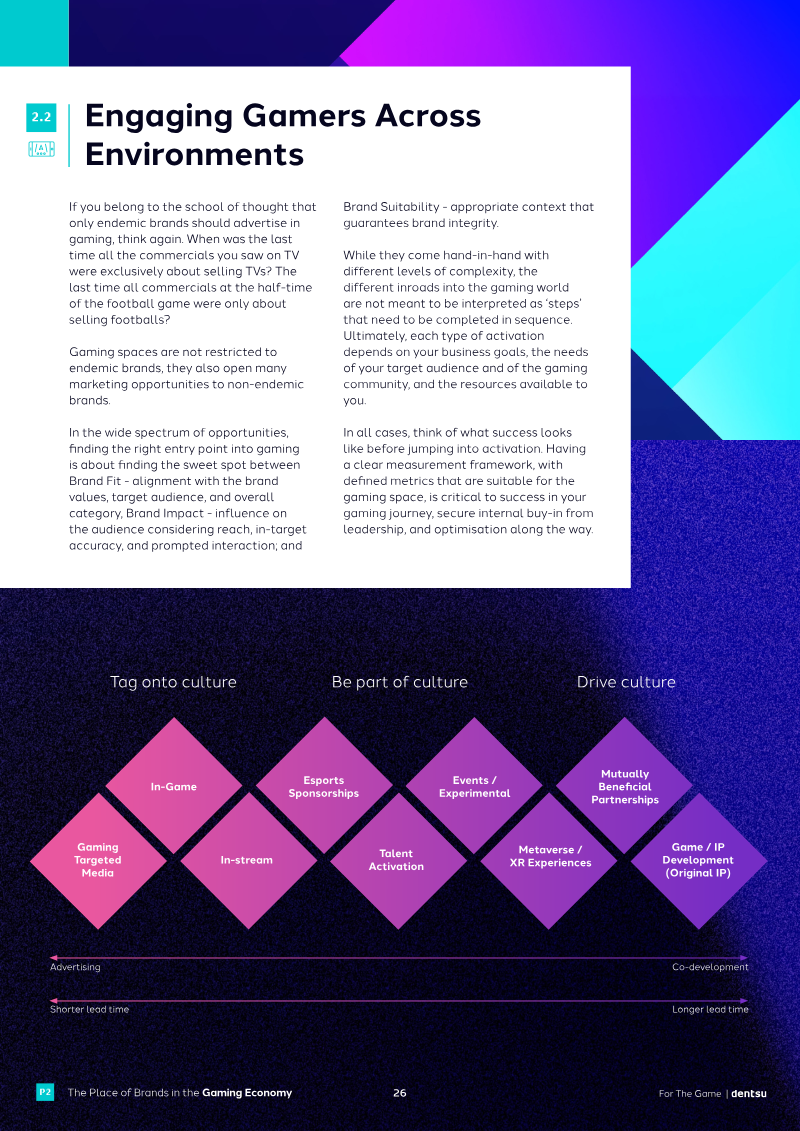
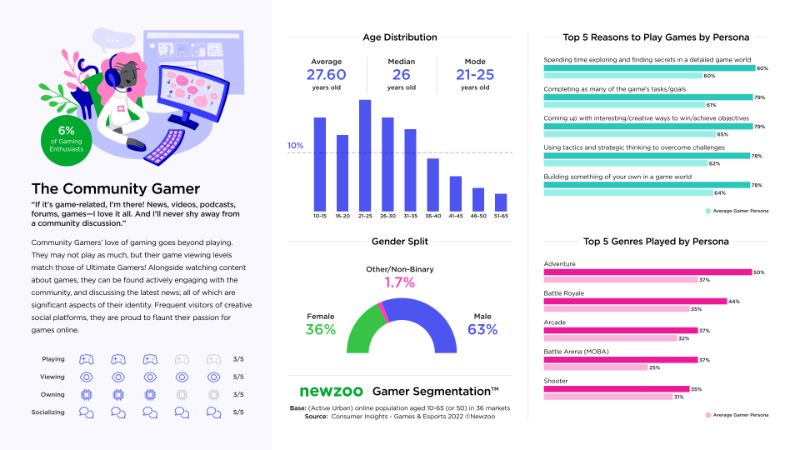
To navigate this landscape, brands must move beyond outdated demographic targeting and adopt a motivation-based segmentation model. By utilizing data-fusion methodologies across 21 global markets, organizations can identify distinct gamer profiles to create authentic, value-driven connections. Success in this space requires a long-term commitment to inclusivity and cultural respect, leveraging a mix of in-game advertising, esports sponsorships, talent partnerships, and immersive metaverse experiences. Brands that integrate themselves into the gaming experience by addressing player frustrations or enhancing gameplay consistently outperform traditional display benchmarks in brand recall and engagement.
Ultimately, effective participation in the gaming sector demands a collaborative mindset rather than rigid corporate control. By respecting the unique codes of gaming communities and investing in strategic intellectual property partnerships, brands can transform from external advertisers into integral contributors to the gaming ecosystem. This shift toward authentic, long-term engagement is essential for any entity seeking to monetize and thrive within the modern, interconnected gaming landscape.
Deconstructor of Fun · 2025