VideoDeconstructor of Fun
Advanced Audience Understanding with Joe Schaeppi, CEO of Solsten
27 Jan 202270 min video
Transcript
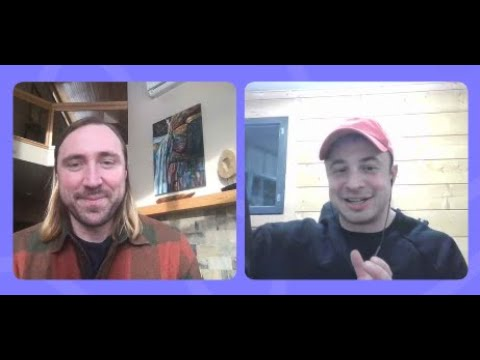
joe shippy welcome back to the podcast this is this is the third time now probably right yeah third time is the charm maybe some of like the conferences i feel like we started recording too late because we were just talking about um very important topics for uh for a gaming podcast when to have your second child uh debating whether it's like two is bad but three is good and you were talking about the psychological effect and then five is kind of stretching it i was at the five so so i'm i'm just at the cutoff point like six it's too late already and then we're talking about uh being a good fighter if you have an older brother because the older brother will beat the [ __ ] out of you for entire you know like you just have to become a better better fighter throughout when you're growing up so so important topics exactly yeah as usual so uh so for folks who um who don't know 12 traits and we're not we're we're kind of touching upon total
trace because we're you know this is the the whole story here um i'll just give my quick spiel so that you don't have to self-promote your company i will promote it for you i know i know self-promoting your own company is always weird so um and because that's what we do all the time but uh just in short 12 trades uh i've used 12 trades for at least two years now uh it's it's been fantastic in recognizing the audience you're making your game for really allowing you to talk about your players even before you have your players and start designing your game towards those players understanding deeper than the dis demographic understanding what those players enjoy in the games that they're playing and then transferring that information into marketability uh data and and really kind of like how using that targeting data to test out different marketing campaigns um with the use of 12 trades like personally i
just actually ran some more marketability tests and essentially every time we've been lower and lower and lower and we use geek lab to measure our marketability and the latest tests were we're basically like they're like we're not believing you like we have to go in and they're like no this is true then let's run like a long form test for a wider audience on facebook and and still the test became like really good just by understanding the audience and being able to consistently improve the message you're doing for your audience so that's my tangible [Music] tangible impact of using 12 trades with understanding audience and improving marketability but what i wanted to talk about to you is a few things one is 12 traces no more if you type 12 traits dot com you go to soulston and that's a that's another thing and then i wanted to of course talk about the idfa and like how how everything that you guys are building is going to fit in the the new world of less targeting so what do you want to come where do you want to start
um we can start with with salsa and the name change um yeah i can just jump in does that work or that's how podcasts do like it's like you're here to talk i just i just tried to kick it off and and i'm here to ask stupid questions so you know maybe you know we started 12 traits about four years ago um and you know the name the name happened very it was a very subtle thing we were in a cafe in colorado and bastian my co-founder was like you know how many how many traits do we measure on on people on players and i was like hundreds um one day probably thousands um but then the question was well how many like major trait categories do we do we measure it's 12 we looked at 12traits.com it was available we got it uh i was on a podcast with mark randolph um the co-founder of netflix a few weeks ago and he was talking about how they named netflix like i don't know it was like dog kennel actually named some like horrible name and they're like you know let's name a
name so bad that that we're gonna have to change it someday and we didn't want to do that like we didn't want to go down that direction we're like well if it's 12 we'll appear at the top of conference lists there's a lot of kind of strategic benefits but the plan to build the company was always more or less under the radar and doing it through referrals i think one of the most important things when whenever somebody's building a new project a new company is what do the people say what do the players say you know when our investors came to us and they said how do you guys do sales and we said our customers literally tell each other that's how we do sales and i think for us you know not focusing on brand in the beginning which was hard to me hard for me given i used to be a ux director at mccann so you know brand is kind of in my blood um my dad ran a marketing company for 30 years growing up so for me to kind of you know step aside from brand and focus on just product and really creating a super high quality product that delivers tons of value we wanted to sort
of get everything else out of the way and so that's what we did over the last four years was was focus on building this tool that really enables game companies to deeply understand their audiences and then create heartfelt experiences for those people um and you know i think you know based on the logos and based on our retention based on the clients we work with we largely achieved that but the sort of the vision and the mission of twelve traits and now soulstone has has always been how do you actually allow technology to be better for people how do you let it be you know engaging playful but healthy too i don't think there's any game company in the world that's out there like yeah i want to just like [ __ ] users overall there are some and take their you know and i think those ones and we might know the names of them um they all they all burn out too so even if they like realized it their own selfishness leads to the destruction of their business um because it's not sustainable right like
anyone who's addicted to a game in the long run they're not going to be paying money something's going to happen they're going to blow out burnout whatever um i mean i used to head up ux at big fish games big fish casino perfect example like we had to make that game so that it was better for people you can't just like keep squeezing money out of users it's not okay um so what you know going back to the vision which is how do you make technology healthier for people that's part of why we're in gaming there's more behavior in games than any other technology by far we can learn so much um and so we we knew we were going to rebrand at some point and we started going through different names a lot of what we do is very human as long as you don't pronounce solstin properly you know if you if you're going the swedish route you see like fools yeah and then you're then you're kind of veering off i guess um with what we were intending but when you say solsten um
there's that word soul in it sten stone so it's got this solid thing and you know there are these artifacts that that vikings would use to to sail you know across the ocean and navigate and they thought they were magical but ended up being super scientific and we actually a lot of people don't know this we started the company in stockholm we're in minnesota which is where most of the people from sweden and norway you know half the country went 100 years ago so there's kind of this like nordic past that's there and it's kind of an ode to that you have vikings there too in minnesota yeah they they came to the football team yeah well you still have i mean you still have like um in this is a little side topic but communities in minnesota that linguists will study to learn like swedish and norwegian from because it's like still the norwegian from like 100 years ago so it's like frozen in time so if you like listen to swedish here people are like what is this and it's
still like the same dialect from this little town and in sweden it's gone now it's like a dead dialect um but it's kind of kind of funny so you know there's for us there's always been broader ambitions to like when we describe our product people say well what is it it's really the operating for creating heartfelt experiences for creating experiences that resonate with people and it's it's the operating system that you're going to go into plug into and if you want to do that if you want to understand your audience and have technological enablement around that and we're really entering the era of experience you know this is if you're just thinking about experiences right now and how you holistically understand your audience you're still early like you have a competitive advantage if you're doing that at this point five years from now 10 years from now the companies that are the best at that will be the brands that that we're thinking about that we're talking about the games that we're talking about so
you know it's it's still early on and for us creating a name that you know we're from from this space not just within games but also beyond games it's important for us that there is a voice and a company that's not just there for business enablement but also there for the players and the users to make sure they're anonymous to make sure they're getting you know treated well that they're in control of their experience and so we're starting to launch more and more products along different verticals and uh 12 traits just didn't really encompass all that um so that's part of the the rebranding so rebrand is is the rebrand like is it only about new name uh because when i was going through the you know the rebranded site there's other like you've bundled new products so you have traits you got frequency you got navigator so i believe i've been using trades for um for a good time now so that is where you can kind of see like you know go deeper on the players and and segment
your players into various um um what i call it like like player profiles and then you can have those profiles and you can see like what is the value of each profile and then you can go deeper in terms of like what's their lifetime value and then you can go deeper into like let's say you have you know 15 of this very valuable profile then you can kind of go deeper into that understand what are the traits of those players where they usually tend to live what is their you know sex it's like whether it's mainly male or whether mainly female and then going deeper into understanding you know what what type of uh what type of things they uh they tend to like and what type of things they don't like so for example um [ __ ] i can't okay they use very nice english words which does disappear but i just remember like there's very detailed um hints of like okay this person would like to have
a calm zone where you preferably have water and something green and that is usually the lobby like you have to focus on on building the sort of a tranquility and it plays together with when does this person play why do they play uh with how what kind of a social element they want to have so it goes very very very to uh to like a minutiae of things of how you can affect so that's the uh that's the trades part um and then with the the with the navigator uh what we've used navigator for is there's a lot of studies like you have your own taxonomy which is actually really good uh and i've actually you know picked up some some points from your taxonomy as i've i've been updating our tax anime and for example i'm you know of course looking at shooter audiences and you have it broke down into everything like first person shooters tactical shooters vehicular shooters battle royales looter shooters you name it and then you can kind of start pulling out those audiences they're already being investigated so you just pull out those audience and we're talking about
pc players console players mobile players and you can start pulling them in so when you are making a game for a specific genre or you're trying to create a new genre you're looking at these audiences that exist and then you're saying like we're going to target here and it's not just that you're drawing a circle of these games make 300 million a year and this game makes 250 million here we're going to be smack in the middle we're going to be 150 million it's just like this is the type of map that i usually see in the decks but it but in your navigator tool i was able to look at you know all these different different different shooter games and kind of start thinking about like how should we approach in order to cater to the players who are currently playing these type of games um i don't know if i was correct with trades and navigator but what's frequency about yeah um definitely pretty spot on i mean traits is um you summarize it well and maybe back to the brand 12 traits we just cut off the 12. so traits is basically 12 traits
it's it's that tool that you're going to deeply understand your audience psychologically which is so important because people still mistake behavior and psychology for the same thing like obviously they're related but my behavior is not my cognition and people's brains so their personality their motivations all these things like that's traits that's really going to let us understand the audience so so well and what you're referring to with environments you know we know the different personality traits or the different motivations so we know which mechanics resonate with them because we're hooked into so much behavior data from games so we can tell people you know hey this this type of mechanic or this type of environment or this type of thing so it's really that we're like the one tool in gaming traits is that you can actually start to know well what do i do like i got this data but so what um so i think you know so that's traits navigator that nailed it uh a lot of people use navigator simply to they just come to us and say hey we're making a new game it's kind of this mixed with
this mixed with that you can give us any parameters or you can just come in and say you know we're in the 4x category we want to see who that is so you can either go from a taxonomic perspective or you can just throw parameters at us or even brands i mean we recently had someone came to us hey we're going to do monopoly times solitaire we bought the ip and now that game's out it's doing really really well that's mobilityware so shout out to those guys like they use navigator from day one to say you know is this do we actually have an audience are there people that like the brand monopoly and play we don't even we're just kind of guessing and it turned out that people that just loved the monopoly brand the second highest video game they played were was a solitary game so they're like all right what's next now um but but you know that that game's been kind of top top 10 here and there so it's been doing well um but and i don't know which part of the app store that was i remember seeing it like a few weeks ago though it's doing well
navigating let's say yeah it's having happy users exactly um and you know so navigator allows you to really understand any audience perspective audience and a big part of that is we basically have the largest psych database that i know of in the world at the moment so it's pretty much representative of the whole whole gaming market um and then frequency so this is where you know soulston comes in we're starting to verticalize all these different different products and you know frequency was something that we we knew we needed to do no matter what because we're coming out and saying you know we want to help experiences be more playful more engaging better healthier we want to do all this and obviously in experiences you have the experiencer which is a you know congregation of all of our psychological attributes our traits our culture all these things that make us who we are the experiencer and then there's the experience and most of our experiences
are visual right our occipital lobe is the largest part of our brain it makes up 30 of our brain it's just dedicated to visual processing so images what happens visually videos all these sorts of things so what we knew from a learning perspective and we started actually building frequency over two years ago on the data science side so we would look at different ads we would look at different videos we would look at different visual files and we would understand the experiencer what psychological traits does that person have and what visual things do they resonate with and i think resonance is an important word because there's different things that make up resonance a lot of what marketing has focused on for example over the past 10 10 years has just been relevance like is this relevant to you right now can we get that person to click on a relevant thing but relevance like you know there's things we look at or that you know attract us or their novel that doesn't mean that we're actually going to let's translate this
to to games install the game and play it over a long period of time like we have companies we work with that are like hey can you figure out why this ad is what like what can we do we get more installs from this ad times 50 than any other ad or like well it's relevant to your audience at the time at which they click on it and install but it actually doesn't resonate with them fully and when resonance is going to predict whether the person installs and plays the game over a long period of time because they're like you know this ad the the roads on it it's it's dirt like we get tons of installs but you know and it's like well everybody in the world we're all looking for different experiences we're all looking for different different products and as an industry as a whole we're doing a disservice when we route people to the wrong products and the wrong the wrong places too and so for us with frequency what frequency is is it's effectively a creative asset
manager that is tied to your actual audience and what's so profound and special about that you know if you go back to let's just say the 1950s when you used to make a let's just focus on ads because it does a lot more than ads but when you're in the 1950s and you're going to make an ad you know you're you're making something for an audience that you really needed to understand there was no targeting there was no like do we put this on tv do we put this on a billboard i don't know but how that targeting happened was through the creative that's how the targeting happened someone saw it and they go oh cool that product looks like me that feels like me and the creative can exclude certain people right you can say this you can literally put an ad this is not for x um and sometimes that might actually attract the exact person like smoking you know tobacco did that for a long time like you know don't don't do this like the same reason why fail ads you know maybe tend to work too um so there's certain you know ways we attract people um and use different creative to
attract people and obviously like with with idfa deprecation and what was happening there that was the moment where where we realized it's time to actually productize the intelligence that we'd be we'd been training for a while which was how do you match visuals different visual stimuli to a human being to what resonates truly with with a person so what frequency allows you to do is upload any image um this could be game art this could be like a product you're trying you're you're gonna do an offer and a game you have a new character you have a new skin so frequency gets used for that it gets used for you can upload videos you can upload images and what our rai does is it tags the image or the video so you know person running sunset cart it does all that automatically for you so already it's kind of like google drive on steroids um you know maybe there's a similar company out there called brand
folder who some some game companies work with who have a lot of assets but it really allows you to just organize search find assets much more quickly so just just already it's really helpful so you can build creatives in frequency so you can't build it in frequency but you can think of it as like google drive like you can you can upload but it what it does is it it com the ai tags everything for you it it organizes it all so like if you were like you know what's that one that we use that one time it's like that blue roller coaster item you could type in blue it would just find it like that because it's all hooked up to it's it's using learn like image recognition to figure out what's all in the different videos the core part that's in that's unique to us that you can't get and probably will never be able to get anywhere else because of traits and because of navigator whenever you have a navigator audience or traits audience
you can hook that up to frequency and what that allows you to do i think like when we were at slush we did this thing with angry birds for example where we we uploaded a visual of of red the you know the red angry i mean you you know but i [Laughter] so there's one of red which this is actually was kind of funny um there's one of red like in uh uh he's hockey skates or whatever and there's another one of red that we we got from rovio that was uh like skiing so we had some ski stuff on and you can upload those and you can actually delineate your different audiences so if we wanted to look at like angry birds globally the the red that was with the skis actually resonated more with the global audience than red with the hockey surprise but we actually we just created a micro segment of the the finnish
people that play angry birds and the hockey skate red resonated more with the finish but then when you're when you're sorting this stuff you can actually see like out of your whole creative library like i just want to sort by resonance for my whole audience and what actually resonated the most was the um the green pig with this like kind of mai tai in his hand or this cocktail um and i joked about it when we were at slush on stage and said you know maybe you could just you know put them on a beach on a vacation like put red there with like a a drink and i went on my phone the like the week after and there was a picture of red on the beach with a cocktail that was there so what it what it does effectively is it it's able to help you break down what a creative is before you've even done a b testing before you've done marketability testing you can already predict which creative is going to resonate the most either with the people
that are already in your game if you're launching offers if you're launching um new skins things like that so it's like it's like precognition it already knows that or if it's an ad what we're basically going to do is get make we're going to make a b testing obsolete because effectively because we have all this psychological data and we have all this creative data you won't need to test ads anymore you can just put them in frequency and you'll see here's my high ltv persona one this is who we want more of in the game i did like seven different ads this one works the best and what's cool is there's a creative builder so you can actually go in and let's say like you wanted to replace the mai tai with a can of beer you could delete the mai tai hashtag and put in beer and you could see if that boosted resonance score for that persona uh so it really basically um it's a way to predict so how much
how much have your clients been using the frequency and like what kind of uh what kind of results have they been having especially in post-idea yeah so you know pre-idfa we already knew this was going to be super valuable for the sheer fact that i think it's like according to nielsen it's like the upper 40s 40 percent that roi comes from creative optimization um you know like it's something like nine percent is from targeting it's just targeting is more measurable so we already knew that the majority of your roi on marketing comes from creative optimization so we started this out as sort of a secret project with a few i can't name the names but it's a few of the bigger mobile game companies and we were using this with them and we were seeing all the typical you know the thing we focused on with training this was specifically just roads and and ltv you know we wanted to see are we getting you know good roads and ltv over time are the people that we
are acquiring are they high quality installs that on day 100 on day 200 they're still a part of the community they're still a part of the game like really focusing on on that rather than just driving down cpi's rather than just driving down oh yeah our day seven retention is great okay fine um that's great that's it's a good kpi but what about day 30 what about day 60 what about you know day 100 um you know and so so we trained the models um off that for the first year year and a half and the results were awesome um even with even with like and back then the models were okay like they weren't perfect because we still had all the psych data but we hadn't amassed tons of creative data yet you know there's a lot out there but but bringing that together um and so right now we have we we kind of cut it off uh we have six customers that have been that we just brought on that are fully using it um we we haven't opened this up to the world yet so
um those six customers that are using it um every single one of them is just like this is from the future like it's um you know zach from mobilityware was actually because he's the vp of marketing over there he was just like literally where has this been my entire life like this is ridiculous um so you know we're we're going to be doing a global release in the next three to six months where everybody can start to get their hands on it um we're opening up to you know if we've worked with you in the past um we're opening it up to people that we've worked with and because we don't want this to just be like wow this is awesome you know for us what frequency is really about is stepping into something and going wait a second like this feels like when i went from map quest to google maps like this is this feels like a quantum jump in in technology um and so you know we we know the the data science
is solid we know that parts really good and now it's just really kind of with the current customers that are there um ensuring that we can keep this going over time and so what happens now is uh with with creative specifically you know it's like 19 out of 20 we'll just knock it out of the park but as data science and ai goes there's like one that's like well that was a curveball so there's a bit of supervised learning that still needs to to take place and we just we want this to feel just really spotless um but at the same time the customers that are using it are you know they're basically like yeah we don't use anything else anymore like we don't even do a b testing in facebook because it's just like we're just here it's insane we don't have to spend money on that we so one thing there's always you know people keep asking is like where do you get this data from like how come you have so much player data from so many different platforms and and literally all the games like like where do you get
this and and that is that is the source for the frequency and navigator of course yep so what's unique about about soulstone is um kind of the trust that we've been able to build across the industry and not just with game companies but also with players so we do in game we do direct psychological assessment with players so we create an anonymous id for that person it doesn't we don't know anything about them in real life uh we don't know who they are what they have is that anonymous id um so so hypothetically speaking let's say you were playing candy crush and you were also playing call of duty and we are working with both those games and we see uh those your your psychological profile like we don't know it's it's mishka um we don't know who you are we don't know your name only you control your id but what we would know is that it's the same
person because no two people have the same psychological identity your culture your personality your motivations your values by the time we've measured all those things and you know we if you look at our team we literally have the best and most published people in the world that do that stuff um at solston and so you know it's it's a very hard science but it's it's an incredible science when you're good at it um and it's something that we're getting consistently better and better and better so every game that we work with every live game when you use traits we assess those those audiences and we work outside of gaming too so we work with some big companies that are that are not in gaming and every time those player that person is measured uh game companies you know you guys always own all of your data we we don't own as a from a gdpr side we're always a processor there we don't own it you know if you want to use it for connecting to
predict um you know players and and the people that didn't take the questionnaires like that's part of our our system and traits which is amazing because you can really understand like hey uh i want to send out an offer to the altruistic people in our game and okay 19 of your audience is altruistic buy this you know weapon and help your friends win the next battle everybody in the guild gets x yeah it makes it it makes it so straightforward um or like uh you know we have companies that route to different like ips in their game they're like these people these psychological you know ids identifiers their favorite brand is x okay cool let's route them to when we're doing a collab with that brand it just makes it like so straightforward um but what we do that's you know so all of our data is first party direct from the player uh and that's you know so we don't do scraping we don't do we're not collecting stuff from online repositories and that's what makes it so
efficacious like when people do things and they go wait it just worked well of course it just worked because that id that you're sending that offer to is actually altruistic it's not a guess that that id is altruistic it's a fact that that is an altruistic person so if i say you know beat the crap out of your enemies and get this you know new gun like if they're not competitive or dominant that's not really going to be an interesting proposition to them but if it's like help your guild and they're cl they're low on individualism so they have like i could put in parameters you know low on individualism so they're collective they like the group uh and high on altruism you know help your guild help your group and that's my value proposition and it only goes out to the ids everybody in your game is going to be happier now because they're all only getting stuff that's not just relevant but resonant to them too because it's resonant because it's a part of who they are like if you're a
competitive person by nature like you don't just wake up tomorrow and be like oh not competitive anymore like we all know someone in our life whether it is a younger brother or sibling or someone who is super competitive you can't beat that out of them it's a part of who they are and that's what traits does right it doesn't measure soft stuff it measures the things that are like quintessential to who we are and that's part of why it's so efficacious when it when it does get get used so you know from from a data perspective um what we've done over the last four years is every time we measure a person that goes into our database and it's kind of like an anonymous amorphous brain so it's never looking at individuals it's it's constantly it clusters around psychological similarity kind of like the harry potter sorting hat we actually have a patent on that we have the patent on the ability to put people in groups psychologically based on similar similar psych traits um so that is sort of how there's this herd
immunity because at the end of the day um people don't purchase things as individuals right they purchase things as as groups yeah exactly that's why we have social games exactly so it's even like um hyper hyper personalization um the data like you know i think i might have said this before it's not like a dirty secret but if you talk to companies that do personalization work like in the past you know i was talking to someone at playfab and we both kind of they're like yeah we know we know that too when you really hyper personalize it tends to work less than when you personalize around a psychologically or like-minded group of people because that group of people is going to share it between each other it's going to have social value it's much more it's much more interesting so you know when you go into traits dashboard you don't you don't get to see individual ids like we protect the individual but what you will see is just like harry potter maybe you go into your game and there's like six groups that are there and this group is
courageous and this group is you know they value time and resources or something like it's really figuring out what's you know unique to those those different groups and that's so much more powerful than behavioral segmentation like you and i are both talking behaving we're just on a podcast right now and we could go on instagram after this and have an offer to get podcast microphones or something like not i have too many of those already yeah right like it's something we behaviorally do but it's not you know it's not as interesting to our our values like you can figure out behaviors you know through values like i know i know that you know you like to lift uh every now and then because we're instagram friends my profile by the way is is luckily closed i got a lot of requests i don't accept those who i don't know because they'd get afraid exactly yeah you know but that's like that's a like that's a behavior that you do but you have a personality and values
and motivators that if we put those together we could easily know that it's likely that behavior happens if you string together you know the core the essences of who you are one thing that i wanted to to ask you was how easy it is to get this like to get game teams use solstice solsten i always want to say solstice i don't know why it rolls out of my about the soul space solstin sulston yeah it's more common word um i did learn that in east iceland from one of our employees he used to be the ux researcher at ccp however and we work with those guys too um but he said one of the biggest solstin mines is actually in eastern iceland so that's like maybe i don't know if that helps but but but here's no assaults in this mine yeah because here's the thing like you guys have so much information so much data and having worked on the game team
side it's like we get this this stuff coming in left and right and like especially you know the player research departments are more often used as like a stampers inside the company it's like you know can you stamp that this is fine and they would come in or they would help you do you know their futures or some player research stuff that they're doing customers like yeah thanks uh this is really for the executive so thanks thanks for that yeah yeah i think you know um when we look at across our entire portfolio of companies and all you know all the different companies that that we're working with um what's fascinating because we work with all the big guys down to you know eight-person venture-backed studios and the thing that we do i think pretty well is and also just because we have a lot of people who been in the industry and we've you know seen it is coming in and use case specific say okay what is the one thing right now that you
need to get better at or do better at and then that helps us first pick a product vertical so you know if we're if we have a live game it's been out for a while we're like you know we need to refresh the audience we need a new audience we need to get our you know our in-app purchases up we need to okay traits great and then within that we can start to dive and we just like go there you know if someone's like you know i'm making a new game i'm considering using this ip considering not using ip or i'm thinking about this art style or i'm thinking about this thing great navigator let's go um or it's like you know what this all this idfa stuff we're still lost like you know we're we're trying to get back to where we were before um you know or we're trying to improve our marketing or we're trying to improve our roads like or just what like what do we do there frequency boom so or you know we're we're sending out offers in the game or new we're coming up with new skin ideas or new sort of you know item ideas frequency boom um
and so you know really what what happens from that point is you talk to us um their customer success team is great you basically have a personal advisor there that's worked with a lot of different game companies and is able then to think of it as like going into the the er and i think it's like if you go to the er right there's tons if you think of all of the prescriptions that they could give you if you think of all the tests they could run on a person it's an obscene amount and what's what we see a lot of companies doing even bigger game companies their research teams their data teams are sitting there like basically looking at what is every single pharmaceutical or every single test we can run and then they're lost in the data they're and and they don't really and because a lot of times some of those people have never worked on game teams you know and it gets lost in translation then like you said it might be hey can we get the stamp of approval and what the stamp really what we're really asking for when we
send things to research is am i going to use my development time as my research budget because my team of developers is expensive and i need to get this game out and i need to get it making money and what we don't want is to use that time to only find out you know a year later i was like i was talking with visa uh you know over at supercell about brawl stars like that game was in soft launch for 500 days most companies can't spend 500 days to keep a game in soft launch like most companies do not have those resources um and even even like if we had worked with brawl stars if they said can we pull a navigator audience a lot of the stuff they figured out that made it work they would have known hundreds of days before if they pulled the navigator audience on that you know so it's like yeah i'm so happy that brawlstars ended up working out in the end but why wouldn't we all be happier if we could hit our market audience much much earlier and so yeah from a game team
perspective you know what we kind of come we're kind of like that that er doctor that comes in you know you're this hurts that hurts you're caught up you're banged up like what you don't want is somebody doing stitches on your arm like yeah you might need stitches but if you got a broken femur your femoral arteries bleeding out not to get you know vulgar or gross here but like that's what needs to be addressed and sometimes people don't know that and so you know working working with us what you're getting effectively is you're getting that you know here's all my data here's all my behavior and behavior is noisy um but then when you're able to distill it to the psychology of the person combined with whatever kpis you're trying to optimize around all of a sudden everything unveils itself because we literally know oh hey um this is this has happened in ads before hey your um people your most engaged people the highest roads group are ridiculously high on empathy
um out of all the different traits they have and we know that ads that have lots of facial expressions with people that have high empathy get way better roasts so something that simple it can be literally that simple um or i know i'm bringing up zach again here because he's given us permission to talk so that's um but like you know what with uh back in the day when we were working with uh dragonvale and he was like this game's been around for eight years we have all the data in the world on this game uh and i just went into your guy's tool looked at the different personas i went to the highest ltv group i looked at their top values they were caring and family and i was like what if we just put together baby dragon with a family being cared about just that he's like i don't i didn't even need to and they got 34 uplifting conversions on their app page on top of uh anything they'd done in in the past eight years like this is like peak times of dragon ball 2.
so you know that just shows you right there like it can literally be it cuts it cuts through the data to now what you know what what can we do and um on the simplicity side of things that's that's our job to say okay what are you guys trying to achieve or accomplish here's the correct product vertical to start um and then here's the correct the correct use case and then from there you know for for us um we like we have pretty much over like we have negative churns so as a company we have negative churn meaning we're upselling and less people are leaving than are here like our same customers that were here for when we when we had our prototype four years ago most of them are all still customers and you know what ends up typically happening is there's a success case that is like okay this is i can put value i can put money to this holy crap what else and it's kind of like okay now we did
that we fixed the femoral artery we're not bleeding out anymore um well you know maybe you can not just do the stitches here but maybe you could take these supplements maybe you could and it's a holistic sort of approach towards not just your game but your actual company like what we do it's it's informed portfolio strategies at some of the top you know game developers like what ips do we acquire what kind of spaces do we double down in um so it's it's really like it doesn't sort of your audience never has an end you know it's it's your niche you're the creator you're the creative and the deeper you understand your audience and then have the cool part about solsten is we have tools that enable you to enter do it then you know it's not just like here's information it's now here's technological enablement built around that but the deeper you understand your audience full stop the you will win your market like if if you understand your audience better than anyone else and then conserve them
that's the second part um if you can do those two things you'll win you can't you can't so so who's the um like one of the one of the questions that i get is is like who's the audience for soulstone like who are like who are who are you approaching with because big game companies tend to have all of these kind of factors covered like they have their marketing team and of course marketing team is always looking for whatever tools they can use to improve their targeting to improve their role as to improve their to decrease their cpms cpi's to increase their their ipms cetera et cetera and then you have the the market research teams and then you have product marketing teams etc so when when you're offering this this product that now has three different verticals like who are who should the game teams be thinking of like who's who's the main user of this or should they have multiple main users like like how how do you approach this and how do you how do you bring these yeah so
you know i mean out of the top 10 grossing gaming companies in the world eight of them work with us so you know the reality is what typically happens and we have like um like open pricing schedules with a lot of these comp like a menu you know where they can come in and select the different things that are there um and so you know when it when it comes to the the real big guys what typically happens is they go we have a whole team dedicated to that um like i talked to the cso at activision and and then he goes uh no we don't and we've thought about things like this before but this is like you guys actually are doing it um and so you know and this is it's usually people that you know this was like maybe a year ago or two years ago where we that's part of the name solsten is people thought it was magical you know it ends up being a scientific object like we've been incredibly scientific from the beginning it's just a matter of time the great thing about science right like neil degrasse tyson says like whether you believe in it or not it's still true so like half you know when we
were building this like i didn't if people didn't want to believe in it that's fine because the science was there um so eventually it's it's true um but so with with the bigger game companies you know it's really you know your team um what's your team working on what are they what are they working through and what we typically enable is if you're on consumer insight if you're in marketing if you're in product development what we're actually enabling you to do is focus on the stuff you do best being creative um doing customer insight work it's really automating a lot of things that you know are really really hard to do and then let's skip down to like uh eight person game company like uh mainframe guys um you know they they use us quite a bit uh across the board uh so we can do like we have integrations with like play test cloud testing assets testing resources so you can actually know like which personas tested well in different scenarios um
and so you know when people come to work with us it's typically you know it's someone coming from marketing who's saying i'm gonna i want to increase my roads i want to do this it's someone coming from products saying i want to create a better experience that's more engaging you know improve ltv over time it's someone coming from consumer insight who's like i'm just thai my hands are tied i have limited resources and consumer insights the funny one for us because we either get people that are like just in love or like obsessed with what we do or like um i don't want to say like no [ __ ] i'll say it like it's it's almost a fear because so many consumer insight people have been put in a corner and separated from game teams and they feel like they're holding the information and so that's like that's something we work through um but really you know what we are a product for the game team and for the marketing teams um full stop and then on the smaller uh the kind of mid-size the
smaller game companies usually ceos founders yeah they they just they're just super interested and they want to be part of everything but that's that's what i was kind of leading towards is is that in a way you are competing against internal uh internal teams inside the company so yes you want to help the game team yes you want to help the marketing team uh but sometimes i can you know sometimes you can be seen as somebody who will you know not abolish the internal team but definitely hurt their position because now i'm using this tool instead of using the service of my market research team for example yeah and i think you know that's that's one of those it's like um i remember when i was a kid i think there's this like this movie called tall tales and it's like john henry's like pounding the railroad stake and he's racing against the machine right um and then i think the machine finally beats him and it's
like this kind of like sinking moment and i mean this is just the natural process of technology and we do know that in the end it creates more jobs so there's two ways that leadership on the consumer side on the market research on the consumer insight on the user research there's two ways that leadership see what we do and this is innovation in general isn't it like one way is oh my god this is the future i need we literally had um one guy come to us and say in five to ten years from now i can't like i get it it's not gonna be like everyone's gonna have to use solsten and it's gonna be the companies that know how to use it best that are going to compete well i mean so it's solstin or it's if you i don't know figured out how to do what what we did otherwise um but we know that even the big guys that are out there no one's doing anything close to the magnitude and they couldn't
either right like even if you were activision or 10 cent and you took your entire you psychologically assessed your whole audience you're still missing the whole rest of the gaming market which i mean we have that holistic view um and so you know with the the folks that are out there who think that we're taking their job you know what actually so we have data on this when companies um use solsten over years their um their amount of ux hires uh significantly increases they want to move the tool to to somebody own the tool and who better than somebody who with a ux background yeah and so ux jobs increase consumer insight jobs increase and what's also interesting we did a market analysis on all of the kind of well let's just say like top 200 successful game companies and looked at their growth over the last two years and we just went on linkedin and looked at how many ux research and ux design roles do they have and companies that had more ux design and ux research roles which we can distill in
companies that deeply care about understanding their audience and applying that applying it they significantly are growing faster and outperforming the companies that don't um so you know that's it's kind of um it's like we're in an experiential economy of course if you can compete on experience better you know you're going to get there so you know we we do realize there's um i would say last year early in the year was a lot more of those breakthrough moments like we had someone at one of those top ten um literally bashed us in a in a meeting with all of her executives and a week later came around in a call and said i need to apologize like we don't do any of this we can't do any of this and i didn't want to i felt like all of a sudden like wait this is all my job and i got overwhelmed and was like who's this other company doing my job she's like then once i took some time to really real i i started realizing
all of the things i could do if i got to know you guys and got to know the platform and now we work with them and everything's great but there's there is an ego moment i think when you were the best hammer guy you know and then something comes along a steam engine and like one hit now's the train you know the rail from the train track nails it in there and then you know it's the reality the end of this is there's going to be more consumer insight there's going to be more audience inside there's going to be job roles because of sulston that we can't even think of today like experienced architects um you know and the real-time type stuff that only a few companies have done in the past like you know when when game of war was at its peak you know they were making real time adjust adjustments in the game and and managing the experience of players well to some extent this is also the company that had to launch every game under a different name for some what reason that goes back to you know there's
that's that's back to the addiction curve right like you know it like yeah you can you can squeeze money out of people but that's not sustainable it's not helpful and mostly like i think most games need to think of themselves as like how are we being regenerative right like how are we not just like making money but actually the users and the whole ecosystem is growing upon itself of course and it's and it's that means you have to like understand the people that are there in your ecosystem and i mean you can look at two first-person shooter games that have very similar mechanics and we work with companies like this and the audiences are completely different yeah like there's you know and you get people who like we had um one guy you know everyone's heard this quote like i am the player like i i play i am the user you know and i always say two things like one even if you're psychologically most similar to the highest engaged group in that by the
sheer fact that you're making it you're no longer the user which that's very very rare that that person fits into that group what's more common is we'll typically see in a lot of especially like more hardcore or mid-core games there's usually like a fifth or a sixth persona that makes up like two percent of the audience um they tend to be like lower ltv compared to some of the other groups and like we literally had a ceo of a company we worked with he was like that's me like i'm that persona and he's like i just had this like blow my mind kind of moment because i realize i judge how good the game are when we have our sessions and we play as a team and we give feedback i judge this game based off of how i feel about it so i'm kind of speaking for this fifth persona here which is not the audience that is the largest market audience from they know that from navigator that has the highest ltv you know per per person um so he's like i'm
actually leading us down a path where i'm limiting our market size because the game design choices is focused on that that group um so you know well full circle i think it's like um a lot of people ask like well what what can we do with solstin and it's like well where can your imagination go and i think that on the especially on some of the consumer insight sides we're limited to the imaginations of the people and i think it's part of our job to help expand that imagination of people like maybe like shout out to axel who leads user research over he's a director of user research at mythical like he's one of those consumer insight type people that imagination is not lacking um the guy the guy literally could probably start hiring if you gave him a budget to start hiring roles of what he could do with sulston like he'd be like a kid in a candy shop
so you know i think the the opposite problem and and the one that we know is going to be the inevitability in the future is now that we can do all these different things how do we help focus on what's going to have the biggest impact for the company and for the game and for the player in the end and if we do right i always tell our investors like our our first customer is the team because if that's who i care about the most if my team's not healthy then we're not going to great make good products for for people our second biggest customer are the players um because at the end of the day they're the ones getting the experiences because we're kind of like teamed up with the developer our third customer is the developer and then fourth is the investor and then the founders and then you know we come we come after and if we do right by people in that order we're gonna make incredible experiences and we're gonna have an incredible business um unhappy employees don't make good products yeah that's
that's that's very true um so so for companies kind of looking to work with soulston where should they start like i i i mean i can i can tell to the the ones who have still games in development or thinking about entering new games it's of course starting probably with navigator uh that'll be the easiest one because you can simply just purchase the uh the audience data on different genres that you're trying to target and that would allow you to start positioning against what you know against the market and what are you doing and of course you're going to use the sensor tower or you know other other platforms that will allow you to gouge the market size but before that you already know the audience and you can kind of say like well we're going to take 20 of the whole shooter audience because that's the size of of the markets we're targeting so now you have the market data now you have the audience data and then you can start really designing against that um for what about other companies that already have games in development or perhaps
live games yeah i think um the important thing is it's never too late to start with us um and more often than not like we've had a couple game companies who um our customers of ours now come back and say [ __ ] i which i wish i wouldn't have held off for that whole year um you know so i think for you know if you're building something new whether you just started whether you're scoping um whether you're almost done like getting navigator it's so easy to to get on board with it um and so you just you know go to the it's get solsten dot com right now so you just go there hit the in the upper right hand corner demo there's an email you can literally say send an email someone will be in touch with you very quickly what's nice is our customer success some of our customer success people and sales people we're formerly at companies like app annie and sensor tower so they can if that's what you've been using they can make it very easy for you to understand like um i mean one of them said like
it's not even you can't compare it's not just night and day like that's why i'm here um i'm giving people useful stuff um you know so it's it's it's not that those are not useful in certain contexts but um i think it's navigator is the easiest it's it's super you know super easy to get in super easy to start it's typically roi positive right away um and then on on traits you know if you're if you have a game that's been out there for any amount of time like oh like i can't i can't even like i mean i'm just traits i built for myself when i was heading up ux at big fish games in a way you know it was like i knew this fit into the bigger vision but just personally i don't know like how people actually have live games um and don't understand their audience psychologically uh and not armchair psychology either like you know so if you have a live game and you've been doing it for a while it's just like just
reach out to us and we'll we'll get you going um we'll make it work and then on the marketing side um with frequency we're demoing so you know we're showing people what it's like we're talking through how it fits into your plan how it fits into your road map and what we're doing there so same thing go to getsoulstin.com you can just put you're interested in it for marketing reasons if marketing is a focus for you guys right now um you know go there we'll talk to you we'll walk you through the product we'll show you what it does and we'll get you on the list so there's there's a pretty big list right now and we're rolling it out in order to uh the people that are basically saying i i want in you know and so what we're expecting is in the next three to six months that that more global rollout is going to going to start and this is how we've sort of always done things in a limited limited fashion but we want to make sure that that's a really good fit for all of our products um like we
don't work with if you come to us and say like we don't really care about our audience we just want to make more money we're not interested in working with you um so we've always always been and it's and if you do change your mind that you do care about your audience then we're very very interested in working with you um similar on the on the marketing front you know if you just went from a hey um it's post idfa and like we don't really really care about creative we just want better numbers then you're gonna get just a hint you're gonna get back on the list um you really care about like like king for example their marketing director now for candy crush and whatnot like he comes from they hired a guy from a creative agency background we're seeing more and more of that right now in the gaming industry across our companies we work with is they're they're starting to hire marketing execs that have creative backgrounds rather than you know we still have the ua and optimization things like that but you know we want to make sure that you know you guys care
about it too because that's where we know that together as a team we're going to be really really effective like we don't really see that it's our job to convince people that creative optimization is important like eventually people will figure that out um or that it's important to understand your audience like if you like and because it's hard to convince people of those kind of things um but yeah so it's it's pretty simple um if you go to the email on the upper right hand corner on the the webpage um you'll yeah you'll get to talk and you guys have been you guys have been busy because sometimes people connect with me and say like hey they don't reply to my emails and we're talking about like some of the biggest companies the game companies in the world are pinging me like why can't what why hasn't boston answered my email like we really want to try the service because you'd be talking about it on the podcast but i like i'll be honest like i i really like you know i i'm i was sold at the moment that i that i
met you guys because i was i came from a point of like i don't know about this like why why am i even talking about another because we see so many services there's so many services being uh provided like this is the service that will help you to optimize this and that and it's gonna be super easy and it's gonna be you know this and that what i liked about you guys and especially you joe is like you've worked in games industry so it was really easy to connect because you worked actually at a studio and i think that is invaluable because most of the companies that offer services have actually never worked at a game company so they kind of don't understand the structure of a game company and how decisions are being made uh like like you don't have to walk the walk you don't have to ship a game but you have to know how the organization works in order to interact with the organization it's like me you know advising an advertising agency i have no idea how it works i know that there are ads and and copywriters that's about it and the key account managers because i watched madmen but that's about it they make cool [ __ ] maybe so so i think that's that's really important and uh and you've always had
this sort of a a very like um like a you know very healthy approach to growth like you haven't grown too fast you've been focusing on growing your company and even now what you're saying like the type of clients that you're taking on board are specific clients that will also help you guys to grow and improve your your product rather than going for a quick buck and scale yeah yeah i think that's um you know on a founder on a founder level like there's always growing pains to company it's like we're raising we're we're gonna go out and raise a series b now um and so that's that's kind of maybe global news i guess but um i don't know if i should have dropped that but they dropped it so i don't know it's a good time to connect yeah and you know part of part of why that's happening is you know when we look at growth and sustainable growth and things like that um you know we we just uh hired let's see three we have three customer success people now those people needed to be
there like a year ago yeah yeah i agree you know we always yeah it's and it's hard though like and you know because the same standards that we apply to our you know are so that bastian and i as founders applied to ourselves you know we want to make sure that every game company we work with is getting a full white glove service from people that have been in the industry that understand it that know it that are passionate about the product that are passionate about the customer about you know working with with all of you guys and so you know scaling scaling is tricky you know no matter no matter what and doing it sustainably you know and that's that's for us you know we're here like kind of oh there's a lot of providers out there like we'll improve your iaps we'll improve your cpis we'll improve your and everyone's focused on food yeah it's like it's the reality is is if we we don't do like for us it's like we're gonna focus on the audience and what we know every single time without a doubt the results follow like
you just you just take that audience first all the results are going to come and so you know and the cpis the kpis the you know whatever eyes are out there all those all those different things we measure um roads and those are going to happen and so you know the things that like for example at big fish that we cared about for certain games the certain kpi like there's other games where we didn't care about some of those same kpis and every game company in game studio i think that's what's special about the game industry is they're so unique like there's no two even like you know we like when i was at big fish we'd say like that team's like cats that teams like dogs and there's a reason why those teams have been together for like 10 years and they work they they make good games like when we keep those teams together um and i think it's you know for us it's taking that personalized approach going in enabling that and then for us ensuring that we're doing right from a growth perspective bringing on the right people building out operations in europe us um you know probably somewhere out uh
you know in in asia in the future but really making sure we're doing that in a in a scalable way where by the time we do hit more and more mass market i mean because we are working with some pretty big brands right now outside of gaming that you know a lot of what we don't we we're so focused on them that we kind of see it like we're the drummer right like you're in the background um you guys are the stars not us but if you take the drummer out of the band like all of a sudden rhythm can get lost and things don't sound right so it's like we're going to be in the background there for you um and that's from a rebrand perspective part of why we didn't do it till now but yeah really focusing on on this year is going to be about scaling and bringing more and more kind of services to make everything really really easy for companies to go in and get working so apologies to everyone out there who contacted us and took some time um but now we have we have full-time people that manage uh email so it's that's not an issue anymore well listen there's there's so much more we
could talk about and i would talk about unless it was so late here in helsinki i need to go to go to bed i'm an early early sleeper probably because of having kids but um um folks listening to this like really you know um as i said like i've i've used the uh i've used the service i've actually invested in in 12th trades originally just because i felt like this was the type of service that i i enjoy using and i feel like it's really powerful so just you know letting people know that it's it's out there as well and um i think what you guys are doing is is really amazing and um and now with these additional services i i really hope more people kind of give it a go especially navigator is probably the easiest way and i have a lot of people in the dof community from from various different companies that have have jumped on the navigator and they're kind of like okay now i'm a little bit overwhelmed by the amount of like it doesn't give you three things that you need to do it's like you actually have to spend some time in understanding your audiences or or your target audiences uh
or you know the type of games that you want to compete against so really suggest you do that and um and yeah and if you like it like your retention is pretty high in terms of customers so so i'm i'm pretty comfortable in saying that this is a good service and at least we'll be using it for for for uh for foreseeable future cool thanks michael all right thanks everybody for tuning in and um the links in the description below get solstin and that's it bye everybody thanks everyone
Auto-generated captions from YouTube — names and numbers may be misheard.
















Comments