North America reports and market data
Documents
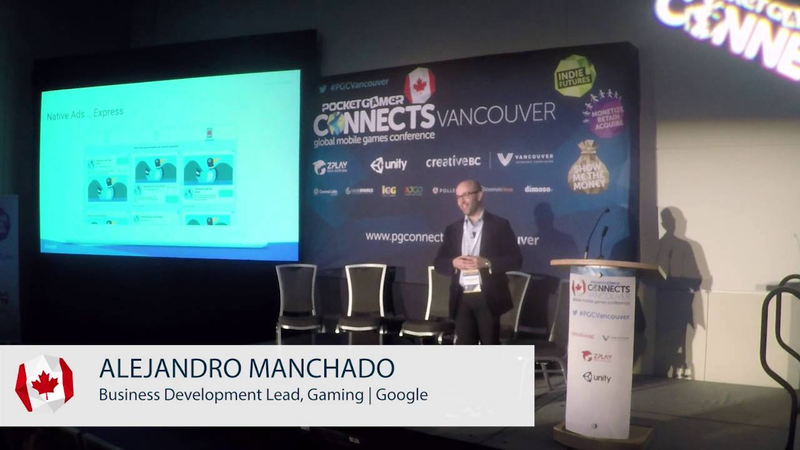
How to maximise mobile game revenue with Firebase and AdMob
Mobile game development faces significant operational friction due to the proliferation of disparate software development kits, which often distract developers from core gameplay design.
- Avid gamers represent only 35% of the total gaming population but generate 69% of total industry revenue.
- Avid gamers are significantly more likely to discover new titles through YouTube and Google search compared to light gamers.
- Consolidating backend management, user acquisition, and monetization tools into a unified ecosystem reduces technical overhead and allows developers to focus on core gameplay design.

Games marketing for the sophisticated buyer
Mobile gaming is a rapidly expanding sector, with projections indicating that 77% of mobile users will engage in smartphone gaming by 2019. Despite this growth, the industry faces significant monetization challenges.
- Mobile gaming is a high-growth sector projected to reach 77% of all mobile users by 2019.
- Developers must utilize third-party attribution systems to verify ROI and justify marketing spend, as attempting acquisition without these tools is the industry's most common failure point.
- Effective monetization requires moving beyond basic install tracking to analyze granular in-app events, such as specific currency usage and item purchases.
Hacking the human brain – Irrational thinking will triple your game revenue
The core thesis of this analysis is that game developers can significantly increase revenue by applying principles of behavioral economics and cognitive psychology to their monetization strategies.
- Strategic application of behavioral economics and decoy pricing can increase in-game revenue by up to 425% compared to standard, non-optimized payment interfaces.
- Developers can drive higher-value purchases by using psychological anchors and relative comparisons rather than relying on the absolute value of in-game currency packages.
- Labeling specific purchase tiers as 'most popular' or 'best offer' effectively nudges players toward higher-priced options by leveraging predictable cognitive biases.
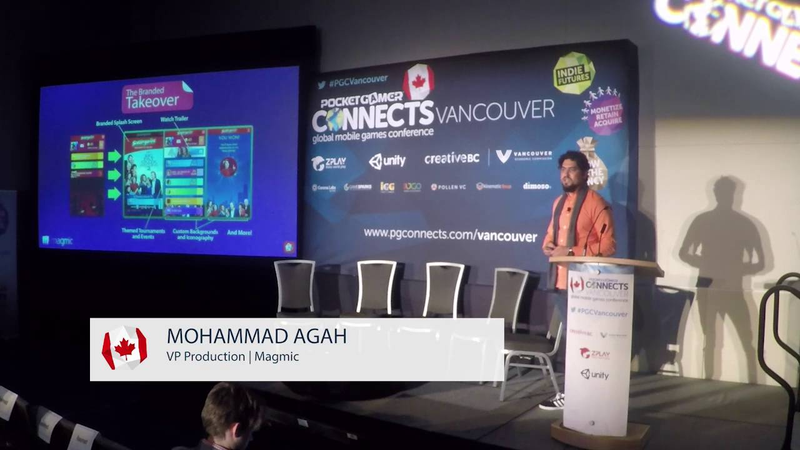
Maximising ad revenue through the next generation of Mobile advertising
Mobile game developers can unlock significant new revenue streams by shifting from traditional interstitial and video advertising toward immersive, brand-sponsored gameplay experiences.
- Mobile game developers can generate higher revenue by replacing traditional interstitial ads with immersive, brand-sponsored gameplay experiences integrated via server-side architecture.
- A Scattergories campaign with Universal Studios generated 16.5 million impressions, exceeding its 12 million-impression goal and producing six-figure revenue that outperformed standard advertising models.
- Branded content drives deep user engagement, as evidenced by Scattergories players participating in themed tournaments an average of 16.3 times with session lengths reaching 33 minutes.
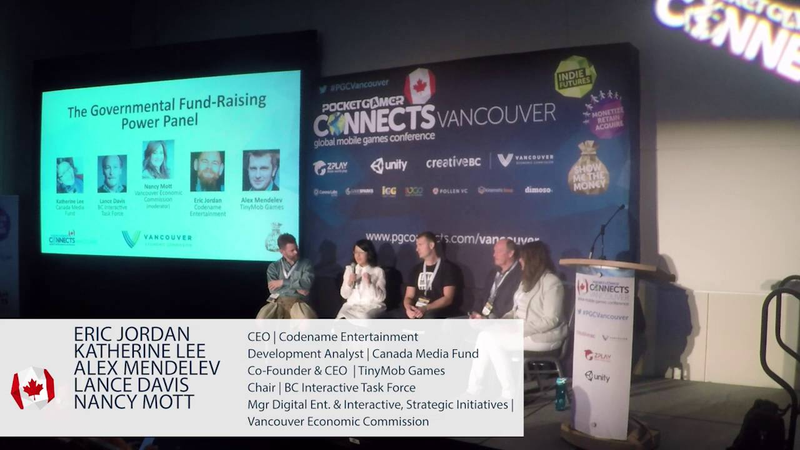
How to get funding to set up a games company in British Columbia
British Columbia offers a robust ecosystem of financial support for game studios, centered on a strategic combination of federal grants, provincial tax credits, and specialized labor incentives.
- The Canada Media Fund offers competitive grants of up to $1.2 million for innovative projects, contingent upon the studio providing 25 percent in matching funds.
- Studios can claim a 17.5 percent Interactive Digital Media Tax Credit on eligible labor costs to reduce operational expenses.
- Fiscal stability can be enhanced by stacking the Interactive Digital Media Tax Credit with federal Scientific Research and Experimental Development (SR&ED) tax credits.
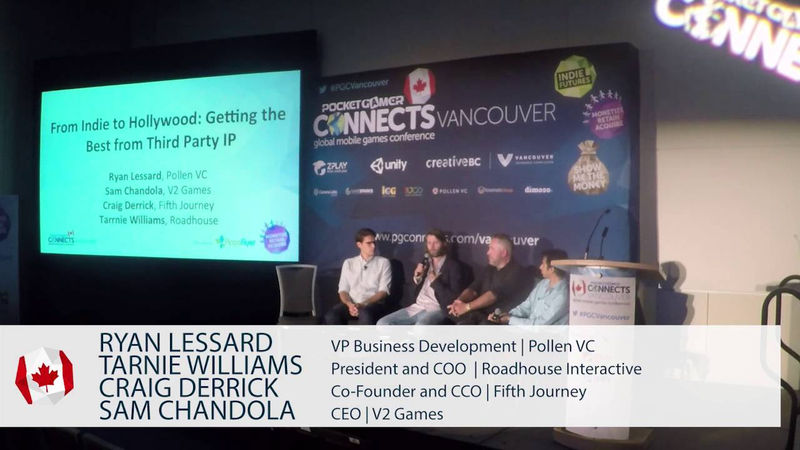
How mobile game developers can make the most of thirdparty IP
The integration of third-party intellectual property into mobile gaming has evolved from superficial brand application toward the creation of authentic, high-quality experiences that meaningfully expand established universes.
- Successful IP integration requires transitioning from a licensee to a strategic partner who educates IP holders on interactive mechanics while aligning gameplay with the brand's core values.
- Developers must prioritize long-term brand equity and deep user engagement over short-term monetization strategies to ensure the game functions as an authentic extension of the source material.
- Achieving authenticity requires identifying and integrating the specific narrative tropes and identity markers that define the original brand.
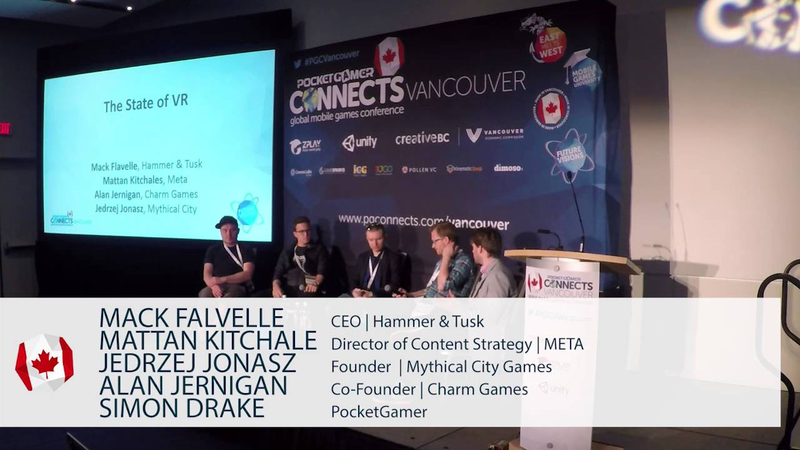
What's the state of VR gaming in 2016 and beyond
The year 2016 serves as a foundational period for virtual reality, marking a transition from experimental technology to a distinct, viable gaming platform.
- The 2016 VR market is transitioning from experimental technology to a viable gaming platform, despite initial hardware launches missing aggressive sales projections.
- The hardware landscape is currently split between high-end, performance-driven devices like the HTC Vive and more accessible mobile solutions such as the Gear VR.
- PlayStation VR is positioned as a potential market leader due to its plug-and-play functionality and support for asynchronous local multiplayer.
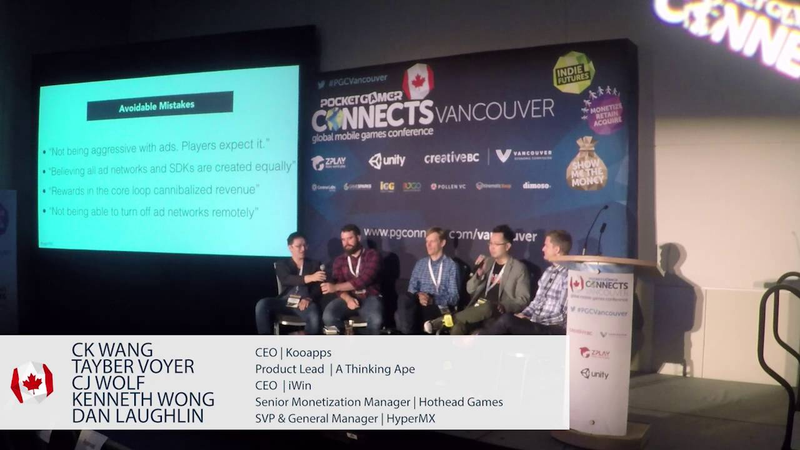
Trends in mobile game monetization
Mobile game monetization has transitioned from a peripheral technical integration into a core strategic pillar that balances revenue generation with long-term user retention.
- Monetization must be integrated directly into the core gameplay loop rather than isolated in menus to balance revenue generation with long-term user retention.
- Developers should aim for a frequency of one to three rewarded video ad views per daily active user by placing them at natural points of friction, such as level failure or resource depletion.
- Revenue performance is highly dependent on genre and demographic alignment, with casual titles targeting older audiences—particularly in the casino segment—commanding the highest eCPMs.
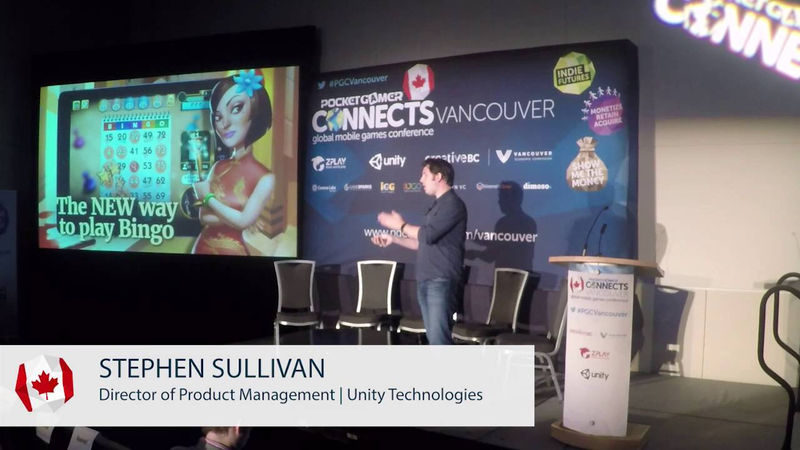
Enabling your success through Unity ads and analytics
Unity Technologies provides a comprehensive suite of monetization and analytics services designed to maximize game revenue through a combination of advertising, in-app purchases (IAP), and data-driven insights.
- Strategic integration of rewarded video ads can increase ad-related revenue by 100% to 200% without negatively impacting in-app purchase (IAP) performance.
- 71% of players prefer rewarded video ads as their primary monetization method, and over 50% of developers report that these integrations maintain or improve player retention.
- Maximizing lifetime value (LTV) requires blending rewarded video ads with IAP by embedding them directly into core game mechanics rather than treating them as peripheral additions.

Trends in mobile game funding
The panel discussion at Pocket Gamer Connects Vancouver 2016 explores the evolving landscape of institutional funding for mobile game studios.
- Top-tier mobile titles now require substantial marketing and development budgets ranging from $20 million to $40 million to achieve and maintain chart positions.
- Institutional investors prioritize studios that demonstrate a proven track record, technical expertise, and the ability to pivot based on data-driven execution.
- The mobile gaming market is characterized as a highly competitive 'red ocean,' necessitating defensible intellectual property and clear competitive advantages to secure funding.
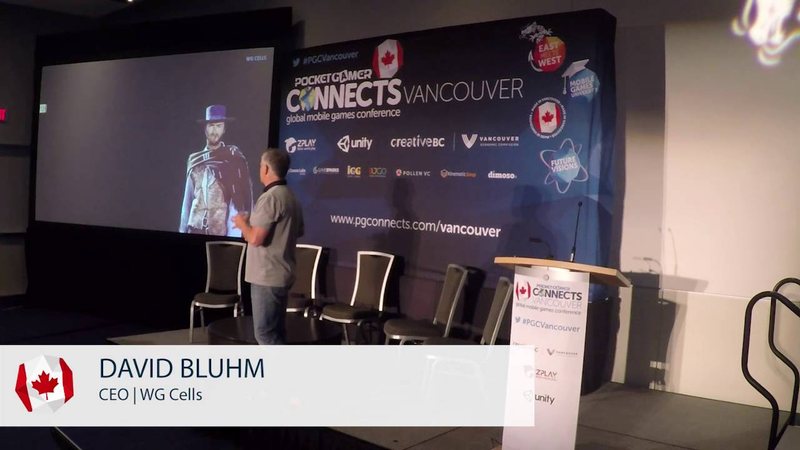
How World of Tanks and World of Warcraft went mobile
The transition of established PC gaming titles to the mobile platform requires a strategic balance between leveraging existing brand equity and adapting to the unique constraints of mobile consumption.
- Brand equity alone cannot compensate for poor synergy between game design and monetization; success requires tailoring both mechanics and revenue models specifically for mobile constraints.
- Successful mobile adaptations like Hearthstone expand reach by refining mechanics to attract both existing fans and new demographics simultaneously.
- World of Tanks Blitz demonstrates that maintaining core PC gameplay is viable on mobile if developers successfully optimize control schemes for touchscreen interfaces.
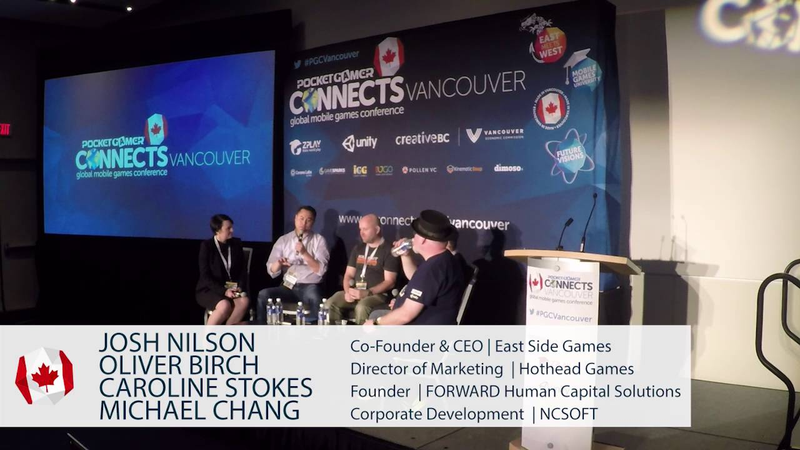
How to go big in Vancouver
Vancouver serves as a robust hub for game development, defined by a highly interconnected talent pool and a culture that prioritizes iterative learning and mutual support.
- Vancouver's game development ecosystem currently lacks the billion-dollar anchor companies found in regions like Silicon Valley or Helsinki, creating a gap in scaling studios to $100 million in annual revenue.
- To achieve long-term stability and maintain creative control, studios should prioritize financial independence through early revenue generation rather than relying on venture capital.
- Operational growth in the region is hindered by high labor costs, housing affordability challenges, and a localized shortage of expertise in user acquisition and monetization.