1 free read left. Create a free account for unlimited reading + AI research.
Create free account
Maximising ad revenue through the next generation of Mobile advertising
Key insights
6 takeaways- 01Developers should leverage dynamic, server-side architecture to create customizable in-game environments, such as themed tournaments and custom iconography, to facilitate direct brand partnerships.
- 02Branded content drives deep user engagement, as evidenced by Scattergories players participating in themed tournaments an average of 16.3 times with session lengths reaching 33 minutes.
- 03A Scattergories campaign with Universal Studios generated 16.5 million impressions, exceeding its 12 million-impression goal and producing six-figure revenue that outperformed standard advertising models.
- 04Mobile game developers can generate higher revenue by replacing traditional interstitial ads with immersive, brand-sponsored gameplay experiences integrated via server-side architecture.
- 05While offering free-to-play branded content may temporarily reduce other monetization streams, it often improves user acquisition and long-term retention rates.
- 06Successful implementation requires balancing brand integration with core game mechanics to protect the internal economy and ensure content relevance for both players and intellectual property owners.
Ask AI about this video
Transcript
[Music] how are you hope everybody's having a good conference so far so I guess this track here we're talking about new ways of making money and I wanted to share with you um one of the ways that we at magmi uh recently uh are exploring and we're kind of like capitalizing on this so it is uh using brand engagement and I'll talk about that's a little bit more so who's magmi uh we're a mobile publisher and developer based out of Ottawa Canada the nation's capital and we work primarily with branded card and uh board games so blockas we work with Mattel Rubik San Hasbro and that's kind of just of like what we do so for us as a company um when we developing these games obviously we've been working in the freemium model uh we really uh operate based um we really want to engage our users and so we we plan to do
is we build our games from the ground up with the um idea of engaging our users so everything in our game is dynamic uh we use oop sorry um and advertisers these days so we work a lot with the advertisers what we're finding with them is that the more engaging the experience is uh the more they're actually willing to pay uh so advertisers now um you used to start with banner ads back in the day I don't know if you guys all remember I ad was all the rage and now you're starting to see a lot of interstitial ads so these full screen images that come up um and lately we've been seeing a lot more of video ads and playable ads uh these ads the cost the per viiew actually increases as you go along and what we're really seeing here is that advertisers are really favoring uh these engaging kind of advertising experiences so we at magm use a lot of intertial and video we don't use a lot of playable though there
is a lot of companies out there that are actually like pushing this advertising uh model so what we what we thought was wouldn't it be cool if we can actually make you know our game itself a bit of a playable ad and that's this is what actually we we did and this is what I want to share with you so we built our games here with the ability to create these completely immersive experiences um everything in in the game uh is dynamic we you know all of our balancing can be changed server side a lot of our iconography and imagery in the game can be changed server sides background images whatnot uh we really build these games in that way because we run a lot of uh events so we think of these games as it's like a shopping mall kind of way so you know you go into a shopping mall on weekends they could be doing events you're just trying to get some people in uh you know we're doing right now actually when our games categories it's Canada Day this weekend on Friday so we're doing a whole Canada Day event and all it's a word game so all of our word lists are you know kadana facts and uh
so on and so forth so we really try to uh build kind of this immersive experience uh that really encompasses everything in the game all the way from the visuals to the content uh I keep doing that uh we use a number of tools internally everything we do on build is custom based it's custom tools we have a huge uh like big file Json file that read at the beginning of the game um and that points it to images that you know that gives it all the balancing values and we can kind of dynamically change a lot uh in our game and it was interesting cuz I actually at uh just a little bit before GDC last year we were talking to one of our partners um and they actually pitched us on this idea uh the idea they actually pitched us well you know since you can actually change a lot um of your game and it is a word game that we're talking about categories um wouldn't it be cool if we actually partnered up with a brand and built a whole experience around this brand in this game and that is actually what we did so so um and I think this is it was
a very interesting uh Revenue proposition for us um and I really think that it's it's where a lot of games could be going these days but where they're not there right now um if you actually think about gaming as being sponsored by a brand then you know I think you can actually you know unlock a whole new Revenue stream that previously didn't exist I'll tell you exactly what we did so the game we're talking about here is uh SC categories has anybody here played categories before so it's a it's a word game uh basically uh you're given a list of categories you have a letter to choose from so let's say it's the letter B everybody goes around trying to guess uh starting with a letter b a word that fits in that category and whoever has the most answers basically wins um so this is recently re Li this game from Hasbro uh it is it's kind of fun game to play it's pretty Dynamic Ayn as multiplayer uh so basically what we did
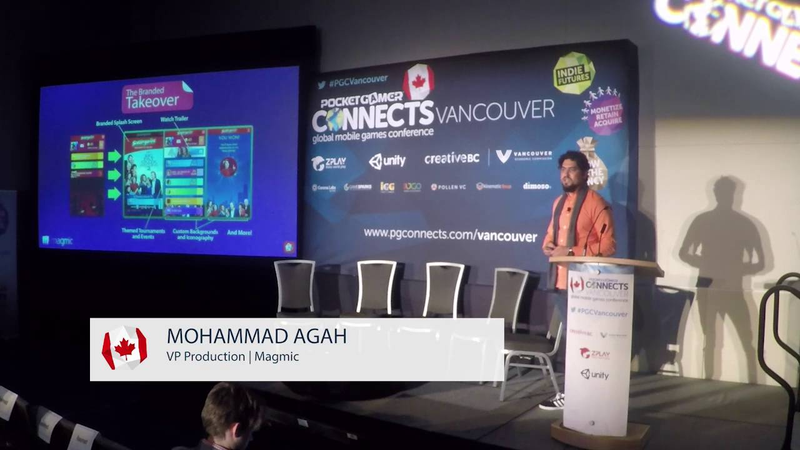
with this game here is we we uh took it to uh an agency that worked with Universal Studios and we proposed them they actually there was a movie that they were um they recently released was my big F Greek Wedding 2 is anybody seen that movie so we actually did a whole campaign with them around my bigf recording too with uh categories and uh so we took our usual categories game uh which you can see here on the left and we completely branded it towards the my big f r wedding uh movie so we had like a branded splash screen we had themed tournaments and events we changed the iconography in the game we had custom you know uh win uh win screens and lose screens and so we really also created a lot of content around uh the actual movie so we ran four tournaments um here you can see two of them Paris all growing up and Tula Ian romance but really and what happened was they uh basically sponsored the game for for two weeks uh all of these tournaments that
were branded towards their brand were free to play so anybody could just play for free so there you didn't have to pay coins to play and you actually won some stuff you actually also won a whole bunch of custom uh iconographies so this is for example one of the tournaments that we ran which is called big fat wedding fever tournament uh we ran certain categories like what wedding ring gemstones you know bands uh weding flowers etc etc there's actually 16 categories um and in the tournament if you came first or third you actually got a custom avatar frame so you got some your nice vanity items that persist in the game forever so you know the brand not only are you playing their branded game but also you receive some items that relate to this brand that the user then keeps forever um and we give them coins and and items uh we really found that uh users like they really really liked this um so we weren't just selling you know Impressions this is the thing that we were trying to sell that we told them we're sending deep brand engagement
and I really think that this uh it was such a successful campaign and they're really happy that you know we we really are actually pursuing um a lot more of these so just to give you an idea of like how changed like the average session per day we have in the game is 1.9 which is kind of average um but you were seeing uh you know up to six uh six sessions per day usually on the tournament our average uh play time per tournament was six and then you for the most popular one was the B fact Greek uh wedding it was 16.3 times uh that an average person played the tournament um so we set up two per week and it was a twoe campaign that we ran and you can even see the average playtimes here but the big fat wedding fever average play time per user was 33 minutes which was a really really uh long time to play on a mobile device and which was really good numbers here to share uh with the brands but all of this is to say that um you know making the game free getting a brand uh in to be able to sponsor your
game um and creating kind of an experience around that brand that engages the user with the brand really gives a compelling uh you know business case for some of these Brands to advertise or push these games um they you know of course it was a impression kind of based deal so they were looking for 12 million impressions we were able to deliver 16 and A5 million impressions this is you know views including also uh video views and trailer views cuz the trailer was embedded in the game and you can watch it of course you know there's Facebook open graph stories so you had a lot of uh social reach and a lot of social awareness that came out of um this campaign just from Simply playing the game and from the amount of the volume of of games actually played uh including of course some announcements uh and extra Etc that we did so really um I want to give like the three takeaways uh want to give people here is that you know advertisers are looking for engaging experiences if you can sell them an engaging experience I think they'll definitely be on board uh you can build your game with the ability to
capitalize on that uh then that's something that really you can Capital you can make some money from and you know I think Brands right now are moving into this field Mobile gaming and mobile gaming advertising especially for Brands is still relatively new I think there's still a lot of them are feeling it out they're not really sure what works they're not really sure um exactly where to put their money uh playable ads you know a lot of them are going into that lot of them do adverti but it's still kind of new for them I think if you able to convince uh uh they are actually willing to sponsor and pay a lot of money to sponsor your games if you can create a compelling experience um like we did for Scattergories so that's that's really the takeaways and that's the presentation that I wanted to give but I do think that there's this whole new Revenue stream that is uh you are able to unlock if you can capitalize on it and I did want to share our experience with that with you today does anybody have any questions uh just before before we get to the questions if you just uh hold
your hand up like you did we'll uh get a microphone over to you so uh yeah it's just one at the front here I can also just like talk very loud yeah you're in the front so I can hear you yeah I think go ahead well the question is just uh what's the scale versus like your Revenue that this costs the uh like what did this actually bring in on a monetary level monetary level so I mean you are talking six figures so over $100,000 um was the campaign compared to uh what you usually make in advertising or at least for this in kind of small medium range kind of game it was considerably more than than what we would make uh if we hadn't uh done the sponsorship uh plus because the game is is dynamic we're able to update a lot of these assets on the Fly just by dumping um you know some files in a server it really doesn't cost a lot because programmers aren't involved we just you know make a lot of new assets and game designers create some new tournaments and then it all goes live in the game any other questions
just uh yeah thank you um I guess you guys discovered that there would be some overlap in the demographic between your game and this brand and I was just wondering how you went about figuring that out as well as how you set up the conversation with the brand so um we have we know our demographic very well um through analytics through Facebook uh there's a lot of Facebook logins so we can kind of you know grasp who our our demographic is and so when we're actually pitching this uh to the agency that was part of the conversation and they did actually choose a movie that fit the demographic but not only that we we are um we do uh license these brands from other companies such as Hasbro which is this one and so they're also very sensitive to the kind of stuff that you can actually put into the game so it is it's a two-way conversation between um them the brands coming to you because you fit in the demographic and then us pitching Hasbro on the brand because that fits their demographic as well yes over there you find that the the revenue was only additive or was
there any downside or tradeoff so the revenue was uh was additive there was a downside in trail because we did make it free so it was basically sponsored um you see on the other monetization monetizing uh features in the game obviously dropped but uh an interesting thing is is that it did actually increase um our tail end retention our longer term retention because you know it was free so people did play a lot and I think that just got people into the game um with it as well and plus we did a whole C advertising campaign um with it with that kind of launch and so it was there was a lot of users and we did benefit from that after the campaign as well of course it's it's a delicate balance to how much you make already and how much they're willing to pay but definitely for small mediumsized Publishers this is a very viable option um and definitely a revenue stream that's still waiting to be tapped any other questions up over there
in the back hi uh when working with uh Brands and sponsored content do they have a say uh at all in the user experience or can you guys pretty much make the game how you want it and just integrate their campaign for example um can they request to not have uh any uh premium content within the game or do you guys have full control over the user experience um we have full control of the user experience uh the limit of the approvals is usually around branding so a lot of asset approvals you know the iconography looks right um the categories of the words like the the word lists uh that was the extent of uh their approvals yeah but around all the other stuff and how we balanced it and what we rewarded that was that was us completely because we need to make sure that we don't flood our economy as [Music] well
[Music]
Summary
Mobile game developers can unlock significant new revenue streams by shifting from traditional interstitial and video advertising toward immersive, brand-sponsored gameplay experiences. By designing games with dynamic, server-side architecture, developers can transform their titles into customizable environments that allow brands to integrate directly into the user experience. This approach moves beyond simple impression-based advertising, offering brands deep engagement through themed tournaments, custom iconography, and persistent in-game rewards that resonate with players.
The effectiveness of this model is demonstrated by a campaign for the mobile game Scattergories, which partnered with Universal Studios to promote a film release. By rebranding the game’s interface, hosting themed tournaments, and embedding promotional trailers, the developer achieved 16.5 million impressions, exceeding the 12 million-impression goal. Engagement metrics were notably high, with users playing the branded tournaments an average of 16.3 times and spending up to 33 minutes per session. This strategy proved financially lucrative, generating six-figure revenue that significantly outperformed standard advertising models for the title.
Successful implementation relies on a deep understanding of player demographics and a collaborative relationship with brand partners. While developers must maintain control over game balance and core user experience to protect their internal economy, they must also ensure that branded content aligns with the interests of both the players and the intellectual property owners. Although making content free to play during a sponsorship period may temporarily reduce other monetization streams, the trade-off is often offset by increased user acquisition, improved long-term retention, and the creation of a high-value, additive revenue channel that remains largely untapped in the broader mobile gaming industry.













Comments