1 free read left. Create a free account for unlimited reading + AI research.
Create free account
How mobile game developers can make the most of thirdparty IP
Key insights
6 takeaways- 01Successful IP integration requires transitioning from a licensee to a strategic partner who educates IP holders on interactive mechanics while aligning gameplay with the brand's core values.
- 02Securing and managing third-party rights requires persistent, direct engagement with key stakeholders to navigate complex ownership landscapes.
- 03Achieving authenticity requires identifying and integrating the specific narrative tropes and identity markers that define the original brand.
- 04Developers must prioritize long-term brand equity and deep user engagement over short-term monetization strategies to ensure the game functions as an authentic extension of the source material.
- 05Sustainable licensing deals depend on flexible, carefully negotiated agreements covering complex variables such as exclusivity, territorial rights, and royalty structures.
- 06Financial success necessitates rigorous, transparent structures for royalty calculations, revenue definitions, and tax obligations to prevent conflicts.
Ask AI about this video
Transcript
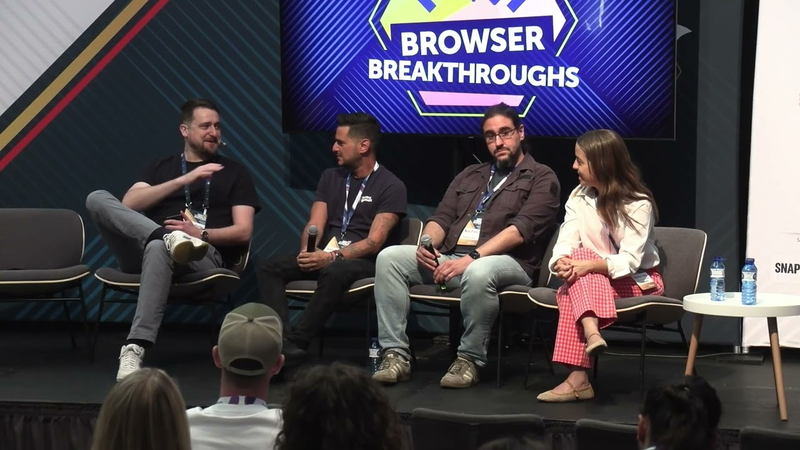
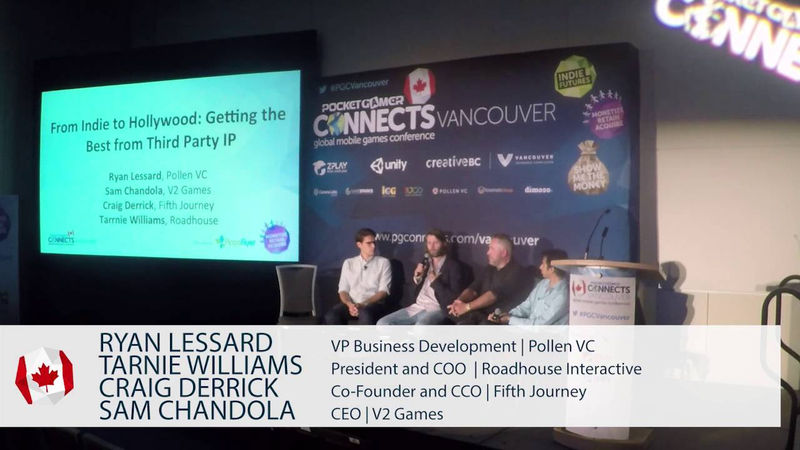
so first up we've got our moderator which is a Ryan Lessard from one of our sponsors Pollan VC he's the vice president of business development and then in no particular order how'd welcome everyone onto the stage and say yeah welcome to the CEO of v2 games Sam shandola they're the co-founder and CEO of fifth harmony Craig Derek and also the president and CEO of Roadhouse Interactive tarney William so let's let's give all of them a round of applause please leave it to you okay is this everyone hear me okay awesome so before we kick off the discussion around leveraging licensed IP in your mobile games I'd like to give these three gentlemen and an opportunity to introduce themselves and and just to
start off well I'll ask you what what license ty beak IP game are you are you playing right now or is your favorite over the last that's been launched over the last couple years okay well my name is dr. NOLA I had up V two games reservation and we have quite a few of the rifles in the pipeline right now purely I think from from a great business perspective and also a gameplay perspective I think how about this one so I'll skip the introduction
part but you know talking about the Walking Dead I think sky bands and a great job licensing it out to some really good development partners and they've done a great job respecting the IP and whether it's on on on PC or but there is Sun mobile I think it's doing really well both ways hi I'm Craig Derek from 50-knot fifth harmony that's our boy band name I'm the co-founder and CCO of the studio and have been in the industry for 20 years focusing my career entirely on branded IP over games including Family Guy the quest for stuff Star Wars Finding Nemo did a Monkey Island game did a couple other things as well you know when I thought about the question and my answer to this question about what's my favorite IP you know type of game I actually think about some of the bad ones first of all let me just say I thought at Goldeneye because people who play Goldeneye know that that's one of the best adapted IPs to a game but but but I
started thinking more about the bad ones because that's where you learned from and one in particular was one based on the movie The Crow long ago like it was just crap like and you should like you know when when all the old PlayStation games were starting to get like discounted I would just go buy like the really crappy Batman games The Crow like all of them just to see how terribly were so I kind of want to focus on that I think I think there's quite a bit more to learn there as well as obviously the one he's bringing up to is great I'll say that you know we did a good job and Family Guy as well but I'll probably get into more details in a few I'm Tony Williams I'm one of the founders of Roadhouse along with being our CEO and president I've been in the games industry for 27 years about fourteen of that with Electronic Arts was the general manager of relic entertainment for a while you know Roadhouse has done a variety of games in
IP not IP you know in terms of not just your questions not just what we've worked on but just in general yeah I'm actually gonna cheat a little bit actually think my favorite game right now that I'm playing is clash Royale and that's actually their own IP from a different game that they've then reused in a different way and I think you know again that's another interesting way that you can take advantage of intellectual property and so there we go cool and then I'm around lessard I run us operations for a company called Paulin and while we don't actually do anything that relates to licensed IP we work a lot with small and medium sized game companies that are have free-to-play games in the mobile space and increasingly we're seeing smaller companies working with with big IPs and a lot of a lot of those companies are customers of ours and so it's been something that's intrigued me and I figured that there were probably some other studios here in here in the
audience or at the conference that that were interested in learning a little bit more about how to find an IP to work with and how to do some of those deals so I'm gonna get out of the way and and let the experts talk a little bit more about it my game though I've put a ton of time into battlefront over the last seven or eight monster so so that's it's the top game for me right now so I'm a huge Star Wars fan so to kick off the conversation I want to start at the beginning for for each of you in terms of the IPS that you worked with so maybe you could share that the first licensed IP deal that you did what was the project what platform was it on and how did you discover or how did you you know decide on working with that particular IP do you wanna start Sam sure okay this is working now so we're a very young studio they have 20 years of experience in the industry you know we're 2 years old at this point of time and that is the length of my industry experience as well
but we started off at the bootstrap studio making lots of really really small games you know very much you would consider us an indie studio at that point of time and we had one of our own IPS called box Mills if they're just you know animals in a box and we started making a sleeve suite of games on on and and put them on in Microsoft and Blackberry that forms it box mazaki box must strike you know boskie box most dunk and we found that as one game of forwards box most hockey he started doing really well compared to everything else and said okay let's double down on this one and actually spend a little bit more time and energy focusing on this long story short we ended up going and pitching that worked on it and started pitching it around to publishers the first publisher we went to public to pitch it was my mind I'm Co you know and you know they were great guys they love the game that they were doing but they came back to us and said you know what we're only focusing on mom and I'm quietly at this point of time so you know it's a great project but maybe not the best fit for us so we like that's
fine and we went back and you know kind of worked very hard and within a week turnaround and risk in the whole game as a pac-man product went back to Bandai Namco and said I know you didn't ask for this but what do you think and you know I have to say we got really lucky and there's some really really great champions at the studio who really liked how quickly we turn something around and and the effort we put into it and out of nowhere I know very young small studio suddenly found themselves signing a deal but you know one of the biggest IPs in the gaming world so I would say it was the tenacity of us not giving up and saying we'll get this to come with me having the hunger of the very small independent studio that really helped us get that first IP that we wanted you know my first game was a mission packed for a game called descent - and that in itself is not a branded IP but when I went into that I was that was my first gig and that game had already established certain rules around the
type of game mechanics and the universe of which that was created and that you know when I think back on it now really sort of prepared me to how I think of adapting IPs that exists in other other mediums to games because when you look at a product you have to understand like what are the constraints what are the rules what can you play around with in that sort of box and and what are what aspects can you not and and so I've I've I've kind of taken that into a lot of different types of titles that I've worked on over the years more recently in the last year myself and my business partner started this company called 15e and our our focus is on adapting Hollywood IP to mobile and VR we built it because he and I both have just quite frankly a lot of passion and a lot of experience in doing this and that with that comes a lot of exposure to how
different IP holders run their business and how they manage their IP some do it through marketing some people do it through the creators some people you know do it through consumer product everybody has different sort of constraints and different sort of goals and so you have to sort of learn how to do all that and learn how to tell a great story and make a great game from it so the challenge we've had and we've been very lucky in the last year to sign five projects all branded IP the only two we've announced is one is a social adventure game with Kevin Hart and another is a game based on The Expendables and just briefly I can tell you that with the Kevin Hart game in particular it was just sitting in a meeting talking about an entirely different project when something about our experience came up and specifically Family Guy the quest for stuff which I worked on previously which is a game that's kind of built around humor and the idea of trying to use humor in a game kind of resonates with with what
we're trying to do with Kevin and it was a matter of just reaching out to me and saying can you do that can you can you think of an entry point into that game and do you think some and you think it'll be something he would like and so I had to come up with a pitch and then when I did they flew me do Vegas to see his show and meet him backstage as he was kind of getting dressed and I had to pitch him kind of an idea right then and there and luckily enough that kind of works so it was pretty challenging pretty exciting but in many ways it's it's it's every lesson you learn along the way you take from every project you work on and and into the next ones to solve the challenges of tomorrow yeah I think I can echo that I'm in the very first licensed IP I worked on was NBA Live 95 and you know it was like talking about dating myself you know and that was with Electronic Arts and I think you know with that title we you know we changed the view we made a whole bunch of changes but certainly you know what Craig was saying in regards to you know how do you learn how to work with an IP holder and you know and really become
their partner in an interactive space because you know the interesting thing for them is that they don't know anything about your space they don't know what works or what doesn't work and so there's a whole process of educating them around you know how can we best bring the experience and the emotion of your brand of your intellectual property into our space to get the best experience for your consumers because you know granted fine we're making the game and we profit from it but so today there's always you know value for them both in a overall branding sense you know an increase of exposure of what their brand is and then you know actual direct payments to the IP holder and I think that that you know recognizing and working with them you know and across the years many many different IPS that I've worked with you know making sure that you really have those kind of very frank and upfront conversations with whoever you're working with about being a partner and I mean you know if you think about the like the latest thing we're working on is iron maiden legacy of the beast with the band Iron Maiden so that's coming out global launch very
shortly you know go back 18 months and in terms of how we approached them you know we had to think very much about what's gonna be authentic to the and they're you know an iconic music act flew to England you know needed to approach them from a very different perspective they've been pitched thirty-five times you know and probably got pitched a lot of very standard music games and so we had to think about how do we come up with something that really speaks to them about their quality about their intellectual property about the history of the game and so we actually you know created an RPG and you know pitched that to them about you know the sort of deep history of Eddie and everything else and so I think it's that you know respect for the IP and then trying to figure out you know really like you guys were saying about what's the right way to make use of that in in terms of an expression in an interactive media if I can just jump on that really quick I think that what Arnie saying is absolutely true like what we're seeing today with with with taking IP into gaming is quite a bit different than 15-20 years ago I bring up them you know
the crappy the crow game because that's what IP games used to be they were just shovel where people would just throw an IP on something brand slap it put it out there and hope that the movie did well enough that drive sales into the game and and so they're just there's this past is littered of just bad IP games and today it's it's just quite a bit different they're they're looking for mobile gaming in particular to expand their audience to span their reach and they too don't just want to take what's been done before and put their IP on it and and brand slap it they want to expand that world and I'm sure that's what's happening with the Iron Maiden game what what changed I guess to build on like what was the what was the driving force from the crow game or the you know the console games that were based on on movies to to kind of broader you know broader IP games on mobile that we see that are climbing the top 100 grossing charts I think again it's it's about authenticity it's about the fandom
around it you know when working on Family Guy game there had been other Family Guy titles in gaming but they weren't very good the first thing I think that we had identified was they were taking a 2d cartoon and making them 3d and I think this the format and that there's some sort of loss in translation Specht it happened there but one of the thing we did is we sort of drill down into what makes Family Guy the show and funny and we've figured it was the non sequiturs the aspects of anything could happen anything goes and sort of to drill down on that and then figure out and build a game around that resonated with the show creators and the writers and such and so and and obviously the audience so I think the answer to from my point of view is that the audience is for these games are the people who are following the brand in television at comic-con online posting in the forums and if you come in today with a game
that doesn't speak to that audience then they'll push you right out we have a word at our studio for what you just said it's called the tropes so we want to understand what are the tropes of an IP so by that I mean not why people like the IP but what about the IP do people like so for Family Guy you know is it a nonsensical humor you know is that what's really standing out when we were doing pac-man the big question was what do people like about pac-man he always eats right okay that's something the Wacka Wacka Wacka sound effects and that's something they always like running from coasts you know and the game of hide-and-seek or captain Mauser they're all this thing so we took a very established arcade game and converted it into a very different puzzle experience and which was either a recipe for disaster or you know something that would really work and we were very lucky it was the other one but a huge factor was understanding what really ticked people about it and making sure that those elements were there if you open pac-man bounce you see a very new you know modern sound music coming in but if you listen closely you can hear the
original 8-bit tone you know coming in a retro sort of way as well so it's really the IP tropes and getting to know what people have about it that matters I think another thing historically that occurred was many many many IP games came out that were in fact not that good and so certainly as consumers I think people started being more and more wary and as console cost to build and create went up dramatically I think that more and more companies were ending up upside down on their IP based games and I think you know that she had you know as we hit some of the period of time when the industry had bit of a challenge in the global financial crisis I actually think we saw a big shift in the dollar amounts for upfront royalty structures change with IP holders and I think a lot of people went and said hey you know it doesn't make sense for us to spend all of those dollars and not put them into the game because you know fine you get your payoff but then we don't get a payoff and the 'kathy and I think as we've gone into this you know kind of mobile world
which is really free-to-play then you know in many cases a lot of brands actually are also trying to figure out how do you monetize a large audience how do you get stored value out of that and actually mobile games are one of the interesting ways in which brands can monetize their audiences because they're like hey we can give you a really authentic solid experience by creating a high quality you know game and games are and I think at this point in time the but most popular media so you know it's actually makes a ton of sense for brands to extend indie games and they're a media that can monetize exceedingly well I thought you guys we're gonna all say Kim Kardashian made the change that I mean that's why they're the experts in terms of in terms of that the kind of discovery phase so do you find that you see more opportunities from a brand that makes a decision to to be a part of mobile gaming or is it the other way where you're just a super fan of that brand and you're like we've got to make this game because we love it and we're the right studio to do it and you go out there and find a way to get in touch with somebody and pitch them on the
concept or go to their dressing room while they're getting changed or whatever I can go either way really I mean it I don't think it it matters whether it starts with them or with you there has to be a spark there has to be a connection there has to be some you know in in that conversation whoever initiated it both parties need to feel like yeah we can work together and we can figure this out I mean you know and I think that actually is again as creators that's a learning that you know again why is it changed I think it's because lots of creators got you know burned and probably lots of IP holders got burned by working with creators who didn't care for their IP advice first though so people were like I just don't want to do that like it's it's not very much fun to work with an IP holder who doesn't care about you or your game and I think that corollary is exactly true if you're an IP holder and you know somebody's got it and you're like oh god they're just putting up something terrible that's I said if you're a studio that hasn't done before like TinyCo and then you've got I don't know which way that that which direction that deal when whether they came to you or vice versa but but how do they make the decision to do that
when you haven't worked with a licensed IP IP before yeah that's a good question so you if you haven't worked in a licensed IP but have done something else of significance whether it's build your studio or build a great back-end or have the analytics team that can manage you know what at the time we had you know multiple live games they just weren't branded IP so we had success metrics in place we had a team in place we had passion for particular things switching over to a studio focused on on IP I think just was us reading the tea leaves a little bit was just like discovery is a real problem and maybe there's something out there that we can look and so we didn't just seek out FAMILY GUY we sought out a lot of different ones and so but that one sort of resonated with us as a studio in no small part because it's a vast world there's tremendous
amounts of characters in situations that you can use and leverage it didn't hurt that The Simpsons game had done very well and family a guy by nature always copies The Simpsons so we so you know we had something that was already out there and you know most of the games we had success with it Tandy Co were builders and invest in express game so there was just kind of a natural sort of connection there was not the only one obviously they've got another game up now with The Avengers Academy that's kind of been cut from the same cloth but it advances further in the buff story as well as technology and such I just wanted to say going backwards really quick for the you know we were talking about you know what the love or the authenticity of these IPs and out in the hallway we were discussing earlier about the the news today that about avatar and and the Kabam deal and so I just wanted to find out from the horse's mouth so I called a friend who's at Lightstorm
and I said so what is it about you know what was it what happened how long have you been you know working on this and he says we would working on this deal for looking to find a deal for about two and a half years and we've been trying to get a team and we've been looking for a team that has that passion that spark so so as it turns out like he they probably got a ton of terrible IP pitches and they finally got somebody in there that said I got it I know it and Lightstorm had the patience to wait for that so I don't know that that lesson is there like you know if if you believe in an IP and you see something you think could really resonate like go reach out to those people because maybe there's maybe they're waiting for you one last thing I wanted to cover and then we'll open it up for questions is deal structure so today for a mobile game if you're a new studio let's say relatively small maybe 10 people how are how are you approaching licensed IP if from a deal state like a financial standpoint is
there a you know so kind of a commitment up front that you're going to need to pay some cash out of pocket or is it purely rev-share deal what would they look like so the what you described was us back when we got the pac-man IP you know small studio less than ten people back then first time building something with IP I remember I had an instructor back when I was in back when I was in college and he used always say this one thing again and again and he would drill it down and does he would say everything is negotiable period think that everything is negotiable so I kind of approach audio structure with the very same mentality of thinking everything is negotiable and while I can't go into the specifics of you know the exact deal that was struck I can say that you don't always necessarily have to have enough front payment up and running it depends how good of a fit I think your patron concept is with what they are looking to do with their brand comes as well at this point of time so just go in there it doesn't matter if you don't have the cash for an upfront payment maybe you can go and just secure the rights of the IP right and then you're like okay you
need to come up with an upfront payment at that point you could probably go and raise some cash if you know that you have a big IP attached to it as well so very flexible very flexible I don't think it matters if you're a first-time studio or if you have done it the time in the past if they are talking to you to a point where they're talking deal terms that means they really like what you have pitched and you could probably negotiate something yeah I can echo that I mean I think every deal is different and it it all depends it's very much a how long as a piece of string you know I think the IP holder is interested in having something that is profitable that provides a creative value to their brand and that they're gonna be proud of and so you know for them really those are kind of the three metrics and so you know how do they get profitable there's tons of ways to structure a deal and I think you know the more times you've gone through that there's you know up fronts and there's back ends and there's sliding scales up and sliding scales down and there's you know there's a million different ways to do that and there's you know exchanges you can make in terms of ads or other
placements and there's you know ways you can value ad impressions or in a way or even impressions of their brand I mean there's just so many different ways that you can take a look at structuring a deal that's just one of the things and I think in you know as a studio going and talking to somebody one of the key things that you should do if you want to get a good relationship and as an IP holder that you should listen to is great it's not just about profit because actually the other two parts are really important which is you know what's the brand exposure and then what's the you know and how's that being a creative dear friend is it something you can be proud of because even if you make a bunch of money if it's the other two things it's quite possible that fine I made let's call it four million dollars just to pick a random number but maybe that cost me 10 million dollars in brand value well that's not actually a profitable product because the next thing you do may be people oh I can't hustle it's like there's no way I'm touching them and it may affect other aspects of what that brand does it could affect whatever their core business is because they've now essentially sullied and tarnished themselves by having
something that was lower quality than the kind of brand promise that they're already making and I think you know approaching an EIP holder with you know kind of that concept and saying here's why we as this developer whether we're first-time developer or whether we're an experienced developer believe with your brand we can do these following things and here's what's good to you and here's what's good to us and here's how we can work together to make that really successful anything different a Craig cool okay so I think we'll take some time for questions now if anyone has anything they were curious about I can't I can hardly see yeah go for it does anyone want to give some specific insight any said there's many different ways it could be structured but a standard IP agreement with an established studio what does that normally look like what are the variables involved and what may be generally what do those variables look like I know I should have said something
it's a tricky question I mean there's there's I mean the variables can be what you would expect like how much are we paying up front for just the opportunity to license the the IP how much are we invested in for both development and bargaining the concept that all the way through there's retainment fees for talent associated with it so kevin gets a it's something separate from the deal itself even though he's his name is a part of the product there's a lot of different ways to kind of cut the backend that I can't honestly say that I've seen a template that that that you know one size doesn't fit all and and these it it comes down to a lot of times what the IP holder values their IP ends we've found
some that you know what and what we look for is we look for evergreen IPS ones that are mentioned this today that you know we're working on an IP that if they if someone was dressed in the costume that is the main character in this IP everyone in this room and this building would know it but this particular IP there is no current offering in mobile gaming for for it and so it seemed really kind of odd and so we you know structured a deal that suggests that we kind of know what we're doing with it but and they didn't that and they didn't have they didn't place a lot of value on so you can kind of go in that way too you can kind of find things that you that you believe in that someone owns that maybe they know they're not making any money on and and and kind of get a deal that way too conversely you're gonna find people who over value their IP there's some that that you'll find that just like I won't number I won't name the number or put a
number on it but the family guy IP for example was much much more than I would have ever guessed just to have that thankfully we sort of beat the odds on that just a question on that so one of the IPS are working on right now as we were negotiating talking about overvaluing one of the clauses that the IP hold reporting was that we would pay the IP holder a dollar amount per every download that they would get so and it was negotiated out of the agreement eventually right but so because everything's negotiable absolutely yes but you know that was a first time for us we've never had a real structure where there were okay we'll charge you know X cents for every down what you have and that really adds up if you know don't agree to that yeah so anyways IP holders will have different expectations on what the thing the right piece has to be you and then I think you have to find that nice middle ground you know and again paga said if they're talking deal structure they want it to happen as well so I'm sure you can find one I mean I think I can't really add specifics but I
can say that there's always and and I think I don't think we've written any two deals that actually look the same but they do all have probably like I mean we actually have a deal sheet template that we've created now what's in those categories is different every time but you you know what's the term how long is it for what's the territory is it global what's the platform you know what are you licensing is there a genre involved and what's that genre is it exclusive or non-exclusive so you know what are you boxing out and what is that exclusivity or non-exclusivity relate to is it your genre is it your territory is it your time as you know and often there are changes partway through that period it can be exclusive in this area for this amount of time and then you know what is an upfront payment how does that get structured and sometimes those be structured as a minimum guarantee it can be recoupable or not recoupable it can be a license fee so those are different ways to structure that part there's there can be a royalty payment
and as you mentioned it can be a royalty payment to a variety of different holders in there that cost by download to do it yeah just don't do that someone could ask for a cost per download you know on on products that have a price on them certainly there can be that you know there you can have returns or breakage and things again that's more traditionally not a mobile sign but you know that and then what is carved out of it you know what does it get calculated off of is it off of gross is it off of net is that off of you know net posts the store is it before the store how about taxes how do we handle taxes and so that you know there's a lot of different components that go into a structure and in many ways and I'd encourage all of you to actually make your own deal template and think of all the categories and even if you don't want to open all of those with the person you're talking to perhaps they you know if you don't want to negotiate on something you do rather you know we just said what's gonna be like this that often that will occur but you should at least make sure you're thinking about all of them to protect yourself and in most cases you should
probably figure out how to talk about them with the partner because at the end of the day if you haven't talked about it it's a gaping hole and usually that's where fights happen later on and you get into conflicts and so you're a lot better off really to try and be quite comprehensive and saying here's how all of the various different parts work and then go through and negotiate all of those pieces alright I think I think our time is up yeah thanks guys you can do one more you can do one more unless you're desperate to go it yeah okay so I've been playing video games for a long time and one of my favorite games was NBA Live 95 why was it Michael Jordan in the game so I can answer that sorry this is like a self-serving question no no no it's a really interesting situation that has to do with IP licensing so at that point in time there are two licenses associated with the NBA one of them is the NBA league license and the other one is the
NBA Players Association license Michael Jordan had it out of the NBA Players Association and so at that point in time the NBA Players Association license did not include Michael Jordan it included everybody else and nobody else had enough clout to be able to opt out of that and there you go he was later on in because we went and talked to him and again that goes back to the hate call people up you know I mean and that's how all sorts of these things happen is you just phone people and you say hey we think that this should be a thing and people are often like oh yeah that's cool we do too hey who are you oh that's cool let's talk about that and and that's why he was in later version so some panel live for Sam Ryan for a tee time thanks Avery thank you very much guys
Summary
The integration of third-party intellectual property into mobile gaming has evolved from superficial brand application toward the creation of authentic, high-quality experiences that meaningfully expand established universes. To succeed, developers must transition from mere licensees to strategic partners, educating IP holders on interactive mechanics while ensuring that gameplay resonates with the core values and creative vision of the existing fandom. This shift prioritizes deep user engagement and long-term brand equity over short-term monetization strategies, requiring developers to demonstrate both tenacity and a profound respect for the source material during the pitching process.
Authenticity is achieved by identifying and integrating the specific tropes and narrative elements that define a brand’s identity. Because licensing agreements are inherently complex and non-standardized, studios must approach these partnerships with flexibility, carefully negotiating variables such as exclusivity, territorial rights, and royalty structures. A sustainable deal hinges on a shared commitment to quality, where both the developer and the IP holder prioritize the long-term health of the brand. This collaborative approach mitigates the risks associated with creative misalignment and ensures that the final product serves as a natural extension of the original work.
Financial rigor remains a cornerstone of successful licensing, necessitating clearly defined structures for royalty calculations, revenue definitions, and tax obligations. Developers must utilize comprehensive deal templates to address potential conflicts before they arise, ensuring that all financial variables are transparent and mutually understood. Securing these rights often requires direct, persistent engagement with key stakeholders, as the history of high-profile licensing demonstrates that navigating complex ownership landscapes is as critical as the development process itself. By balancing creative integrity with meticulous business planning, studios can effectively leverage third-party IP to build enduring, profitable mobile gaming experiences.