1 free read left. Create a free account for unlimited reading + AI research.
Create free account
How World of Tanks and World of Warcraft went mobile
Key insights
7 takeaways- 01Successful mobile adaptations like Hearthstone expand reach by refining mechanics to attract both existing fans and new demographics simultaneously.
- 02Brand equity alone cannot compensate for poor synergy between game design and monetization; success requires tailoring both mechanics and revenue models specifically for mobile constraints.
- 03Mobile transitions generally result in one of three outcomes: effective brand enhancement, brand extension without revenue growth, or active brand damage due to poor execution.
- 04World of Tanks Blitz demonstrates that maintaining core PC gameplay is viable on mobile if developers successfully optimize control schemes for touchscreen interfaces.
- 05Industry leaders now prioritize engagement levels, social media activity, and streaming potential over simple follower counts when evaluating a brand's mobile transition potential.
- 06Developers should utilize qualitative data from platforms like Steam to gauge player sentiment before committing to a mobile launch.
- 07The industry is shifting toward scientific, data-driven evaluation methods, such as using Q scores to quantify brand appeal across specific target demographics.
Ask AI about this video
Transcript
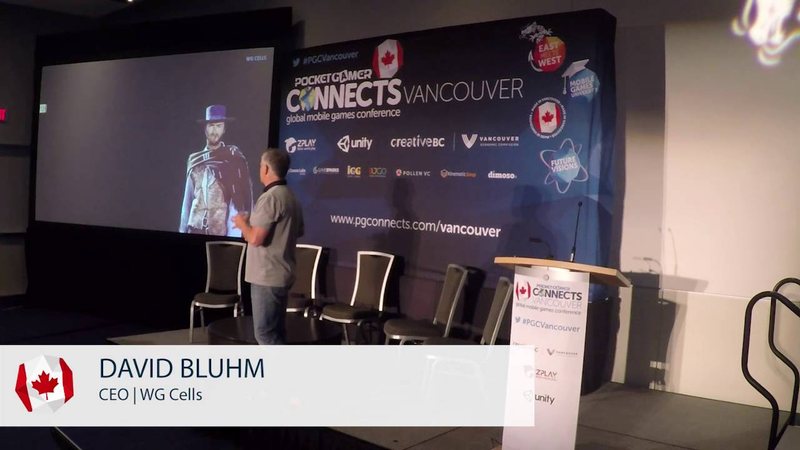
without further ado I'd like to welcome David to the state Eddie bloom thank you so it's about 2,000 to some 14 years ago and this business looked a lot different back then if you recall at that point we were just getting into some reasonable applications on the phone we had just been given a file system some memory to work with a billing system through the wireless carriers wireless operators and the critical success factor back then was being on the deck you had their idea of an app store if you can call it that back then and if you got their promotion their listing on the App Store you had a reasonable chance to create some download traffic everything was premium he had built in price points you could
take advantage of typically 3 90 95 90 97 99 and we were all desperate to come up with that that app that they would list on the deck and promote us and that allowed you to build a business and there wasn't the kind of money that there's in the App Store today we all split up a much smaller bucket of money but you worked very hard and so as you can imagine brands titles had great meaning and the business revolved around getting a brand there was very few new brands created so in all our cleverness we tried to cover every brand category you possibly could if they wanted a football app you want to go at the NFL if they wanted a basketball app you get a famous star you get the MBA so there was a couple people standing after that early mobile application environment was created it very much like today we
started to mature there was a few people that had distribution there was a lot of people who didn't we were one of them at the company Chris mentioned hands on mobile back then was called em forma and so we worked very closely with the carriers this story's going someplace relevant guaranteed and we split up all those spots on the deck between us and jam debt probably the two largest distributors especially in north america europe we own the most of those slots our games are apps filled most those slots so when the carrier came up with a new idea we both scrambled to be the first to get that new slot to increase our distribution so both singular and AT&T which at that point we're talking about a merger but this was pre-merger days decided that this women's volleyball thing was a big trending thing seemed like it was a great area to explore for a nap so we immediately got
on it and said we're going to go in that slot we're gonna we're going to create the right app and we're going to have the right brand so that we win that slot so he got on a plane we went to Chicago where the American volleyball professional association is headquartered we quickly convinced the mobile was a big thing we were the guy is to help them and we signed a deal we proudly went back to singular and we're prepared to inform them that we had won the big brand and that they would you know give us that slot no not sure we like your game we're going with jammed at they have Baywatch volleyball therein lies a lesson we got beat badly we got be creatively we got beat in many ways and therein lies the challenge i would give you today let's see if we can't get these slides going here the challenge of
today is that brands are in fact are we going someplace we'll see there we go the challenge we have today this is really slow so i may have really cranked it up here am I doing this wrong oh there we go it's just slow I guess all right so the challenge we have today is that we see a brand and we want to take advantage of it and what is a brand a brand is by definition if you're a marketing person the value of promise delivered right the promise of value delivered sorry it's got an expected value it's got an expected proposition to the consumer they expect that they've come to understand it to believe in it to be loyal to it and when you bring it to a new medium a new product a new service
they expect to live it okay but in the mobile gaming world in any gaming world it that comes with some advantages at least that we think of in our mind first of all downloads we think we're gonna get more people select something because of their familiarity that's a clean economics and we'll get back to that in a second we think it's going to bring some loyalty okay and that transfers into brand advocacy we think that that brand is going to help us with the balance of the consumer audience and help find us new customers that are loyal they're willing to immerse themselves into this game and ultimately pay and become really responsible so you're you're trying to take that advocacy to a bigger mobile audience and find it aha but there's some challenges and this is the way you can dissect good brand strategy good pc titles to mobile and ones that don't execute as well and these are all lessons learned the hard way which I will be very self transparent about so the first speed
bump along the way is you're going to possibly change the game in its structure from what people loved and became advocates for because that's a necessary change to make in terms of mobile consumption people play mobile games differently we can talk about shorter game sessions we can talk about what games they like to play how today is becoming more about the metagame more about ann's groups factions of players to play together and socialize while they play a game or it gets played in large ways for them and underneath their attention and then you change the monetization to fit the mobile audience the mobile and this is all very straightforward and basic the problem you run into here is that when you do those things you're have you can see could significantly shrink so these are the tensions that you're playing with when you're evaluating a pc game that's been successful but you know
you have to change it to free-to-play you know you have to change it to something that might be an RPG for a certain mobile audience or some other mechanic that's going to play better on mobile and find that mobile consumer and you may lose that advocacy you may lose that connection to the brand when you try and transfer that game to mobile so with that context in mind let's talk about a few specific examples and I'm going to be really simple and short here and talk about the good the bad and the ugly not trying to pick on anybody here some of the numbers i put up here are are equally as inaccurate in other words they basically come from a panty so their accuracy is equally inaccurate across the board but I'm also going to be self-effacing because some of these examples are very near and dear to our heart so my definitions are the good obviously is you've taken a brand you've enhanced it you found a bigger audience you've made money life is good you've done the brand well you've done your
business well but there's other ways to take a brand to mobile that don't work out so well it could in fact do wonders for the brand it could extend the brand in a really meaningful and quality way but not make money so you haven't helped yourself but you've certainly extended the brand and made it a little stronger and then there's the ugly which I'm going to back out the finances you've diminished the brand you've heard it for yourself you've heard it for the brand owner you've earned it for other franchise properties that might be built around it so starting with the good we're all familiar with hearthstone it's done a couple things I think cleverly whether it was on purpose now hearthstone took you know we all know how long it took to make hell spensive it was who knows how many you know turns and twists it took but if you look at what it did on mobile everybody would have to consider it a fantastic result they did something pretty clever here and remember they had to change the game mechanics they had to change the monetization system from something that
people were in dere too so they did this with the big risk factors that they had to decide through and execute through which is pretty impressive ok but they did something beyond taking a brand to mobile they took a world of warcraft brand heroes of warcraft they galvanized that group they became strong advocates for this game and they found something bigger and broader on mobile at the same time which is very hard to do so when they captured their audience they actually broadened it to a pent-up demand of ccg games that hadn't been done well on mobile and other people have tried to follow ourselves included without anywhere near that level success ok so let's talk about another game that took no risk in terms of taking the game from its success on PC as a PC title that is 153 I guess that's an old number months behind but yeah we've got well over 150 million registered users on World of Tanks worldwide this game is a
mature game it's been out and what is in the seventh year now and it's certainly declining in certain geography akhiya graphic regions but it's growing in other ones namely the ones we care about mobile North America a pack and has a healthy upside to it largely because it's being pushed to xbox one xbox 360 Sony Playstation so we took a game and we pushed it straight to mobile at wargaming without changing the game mechanics yes we had to map the controls to a touchscreen and that's probably the biggest risk that game has taken because other than that it's plain the same game on a tablet I'll tell you one thing unique about this game is it has more downloads on iPads than on phones I don't know how many games you can say that's true about given that iPads represent whatever 25-27 percent of the toll mobile market should save tablets the
fact that it has more downloads on ipad is pretty unique which is its playability on an ipad is so much better than on a phone trying to create all that map and strategy on an iphone is very challenging but they took no risk on game design it's exactly the same game they took no risk on monetization it's exactly the same monetization tank progression which is very hard to make work on mobile as a successful so they did a fantastic job and they leverage the strong localized marketing effort wargaming is has has street teams feed on the street if you will in 15 different countries and has so much experience managing World of Tanks PC to success that we've been able to leverage even if we're not the best executors on mobile yet just having those resources and showing up we've done a fantastic job so it's been a very successful game but it remains very strong and has been very steady for us but the key there was
taking no risk on trying to change its mechanics or its monetization so we get into the bad the this is a another of the many of the people that join WG labs have former careers at popcap local and in Seattle and understand this very well because they were in charge of taking the first free-to-play version of plants vs zombies to market this is a highly performing IP it's a world IP it was a massive IP a very valuable IP still is but when they took it free to play it didn't have the advocacy of its current players it fought with its current loyalists around the brand it still did well by any of our you know I think definitions but not in the definition of this world-class IP what it meant to be a as a new owner we remember how long it took to build this game how much anticipation came out and then the users
were quite hurt and quite frustrated once it did come out becoming a free-to-play game that was part of brand value of the promise of value delivered for the player of plants vs zombies traditionally and they didn't buy into the free-to-play nature of that game so it's something you have to look at so another personal example we took a game and this is a very niche game that didn't have a big footprint didn't have a worldwide audience but had a loyal group of followers was well liked and appreciated and admired and respected as a game called cart hunter developed by john shea and richard garfield and our own Joe McDonough a very geeky hardcore kind of game but the game itself on PC had no pathing it was a exploratory wandering game so you really couldn't measure a player's track or path through the game you couldn't decide whether they were falling out or rien gauging it
really wasn't a free-to-play game it kind of was but you bought a club membership for thirty bucks and that's what eighty percent of all players did so it really acted like a premium game even though it kind of advertises itself as a as a free-to-play game we launched it just on iPads it was an experimental game for us to get our feet on the on the ground and run and start building studio muscles and operations execution but even then it had disappointing results we didn't find a mobile audience that grew like hearthstone did we didn't find a loyal player base that helped advocate for this game at all it pretty much died with a bunch of awards and the card hunter contingency objected that it even went to for your play and and we move their cheese on them not that they
were a big enough group to worry about but this is a game that didn't find and didn't execute like hearthstone did and find a bigger audience in the in the CCG Jean run on mobile so finally ugly I'm not trying to pick on and get anybody here but I think most of us are familiar with a game like dungeon keeper that had such high respect and admiration and goes to mobile and yeah you know but it really hurt the brand it hurt the the overall ability to build a franchise across mobile and don't want to say too much here but I think we're kind of comfortable with taking a brand and executing on it well so that you've actually hurt the brand's ability to execute further and this happens every day probably unfair to pick on this one game so the core the discussion and then we can answer some questions here this is the last slide we all know that brands are establishing itself if you
don't by the way is something I say to every conference I go to if you're learning a lot at this conference you're in trouble okay I just hated about me anybody else this is a hard game is a hard industry right now it's never been more open it's never been bigger it's never been more with more upside but it's never been harder to break through it's never been harder to drive a game to the top and build a scalable business this is still a wonderful business if you're going to be five six seven eight guys in a garage spare bedroom somewhere but if you're trying to build a scalable business from scratch it's never been harder it's got mature and that's why brands are starting to really establish themselves so we're trying to develop our own methods of evaluating a brand for a mobile game whether it's a PC title a TV show a movie theatrical you've seen some news this week about some some big theatricals being signed TV shows coming more and more brands are coming more and more doing well more and more breaking through with the consumer and we're getting back to more of a
mature publishing market where you'd see that be the case so you certainly can look at facebook and see how many likes the brand has we like to look at its engagement if I post something how many people like that how many people respond re repost that it's important to see just its activity level not just its total followership which might be quite old and like number of registered game players they might be inactive right so you really try and look at how active and engaged are the people following this brand on on facebook okay probably pretty obvious same thing with Twitter you can see how many followers you can see how many retweets but you want to see what is the activity level something fresh gets tweeted you want to know how many people interact with that engage with that and do something to forward that and really not just look at followership but engagement in these models so now we have this new concept where people can stream your game play and people can watch it and so there's a good way to find out is it going to have a big footprint in this area are we
designing the type of game and I'm skipping over the notion of matching the Diep with the right game genre the right mechanics but certainly you'd have to look at biasing yourself towards the mechanics that show well on a streaming strategy because this is one of the potential disruptions that could come along and help us find discovery by people watching gameplay and even pseudo participation modes in terms of the streaming strategies so but we have other things we can look at obviously we're we're stuck with and I say that accurately we're stuck with the ad network in terms of trying to acquire new users and we're stuck with those economics and we complain about them and we've frustrated with them and they are very limiting and they keep a lot of creativity from coming to market but right now it's the game we play so we have to think about those ad networks and how this game this brand would play in that type of environment and how much lift we're going to get from this brand or title in an ad network execution and
that's certainly important part of your evaluation ok but it gets interesting from there he still have impact their impact is less we just launched a game last Thursday it's featured on Apple main page games carousel but I can guarantee you the not a download you're getting right now aren't what they used to be from an apple feature they don't have the impact they used to this has been happening and it just gets less and less and less it's a noisier world they split the the promotions across more games they're actively as you know changing the game promotion layouts and moving you around during the week to train people to come back not just on Thursdays in the case of Apple so these features don't have the impact but you still have to think them through in terms of is this brand or title going to give you some you know organic lift through excitement building with the app store owners and that's obvious we're still in the obvious zone here a lot of
games can either be tested or you can walk through their performance on steam because they may already exist if we're talking about pc titles coming to mobile then you're going to go park on steam and try and find out what that title is done and get a look at what it did you can look at some of these brands have been kick-started and finding that initial excitement user base that wrap their loyalty around that game even in a kickstarter mode before it was even built as a useful and probably should be one of the logo because logos up here but then how it didn't really access and how people responded to it and reading through all those reviews and comments and forums and blogs gives you a wealth of context a wealth of qualitative understanding of a brand's potential on mobile and so i would encourage you to really dive into all the things you can learn free and very quickly by parking on steam and understand what's gone there anybody ever heard of a Q score wow I'm kind of impressed that there's
11 I ran a Q score four years ago for a game we were contemplating it was a racing game and it was kind of in between Mario Kart and real racing just we were trying to find that niche in between you know blow all of physics up and in fact it was built right here in Vancouver and something that word not prepared to queue up to to compete with in terms of real racing and just a really high end game so I was looking for an unfair advantage for years ago and trying to get a brand behind it and through a personal relationship we had interest from mazda who was trying to get into the racing industry as a real player vs ferrari and porsche and audi and they wanted to sponsor the game their driver they're driving team was headed up by patrick dempsey which is dr. McDreamy on Grey's Anatomy filmed right here in Vancouver and he's a very
famous actor and well-loved by mature women so to prove it to mazda that this was not going to be a good deal for me I ran a Q score now Q score to explain it Hollywood cast movies they're very shrewd about how they cast movies they want to make sure that cast brings in every age group every demographic male and female so they get the broadest audience so if they're going to put Chris Pine as the lead they might want to put a female actress that's going to complement Chris Pine in terms of their demographic reach so you call but one company does this they do a custom you tell them the demographics the age the male female and you ask them for a Q score on that actor and they give you a score and the score could be high or low or whatever and it helps inform you that you're getting the right demographics at the box office based on casting a movie properly these q score's change daily if you get a do I pulled over highway 101 it gets reported in Hollywood Reporter your crew score goes down if TMZ is
there probably goes down a lot as in the case of Mel Gibson these q sorts can fluctuate and they go up and down based on your last movie your last performance on Jimmy Fallon show what have you so the idea here is to get to an animal seems such a thing as a cue store q score for a brand on mobile games but that's what we want to get to that's what we want to drive to we want to get more scientific about understanding the the quantification of a brand with respect to all these realities distribution ecosystem realities that we have to deal with so measuring brands reach against a mobile demographic that matches your game in your game design is a really important process and then finally three the four biggest mobile markets are not in North America they're in a pack so you have to understand your
brand's reach over there and that's one of the questions for the panel I know this afternoon and that's an important consideration is does this brand give me some advantage for a pack and that's going to become more more and more important every day as those markets continue to grow and become a bigger part of the food chain so with that said that would be my pointers as to how you evaluate a brand questions questions we got time for my wallets here we're burning bit lately so I'll bit like this quick 40 questions come on ok it's man in the front there one for the good pack an ugly one I feel it's more of the failure of the monetization system at the game play together rather than the brand strategy the game design the monetization need to be compatible and basically working well with together before the monetization is now good but
the gameplay is good the game will be ok but it does make money if both are bad trying to become the ugly god I couldn't agree more i think that's that's kind of table stakes for what we've all signed up if you're here we have to make a good game and part of that is a good Mon sation and it's married well with the mechanics and it all works together absolutely you
Summary
The transition of established PC gaming titles to the mobile platform requires a strategic balance between leveraging existing brand equity and adapting to the unique constraints of mobile consumption. The primary thesis is that while a strong brand can provide a competitive advantage in user acquisition and loyalty, success depends on the seamless integration of game mechanics and monetization models tailored specifically for mobile audiences. Failure to align these elements often results in brand dilution or financial underperformance.
Key findings suggest that successful mobile adaptations, such as Hearthstone, effectively broaden their reach by capturing both existing fans and new demographics through refined mechanics. Conversely, World of Tanks Blitz demonstrates that maintaining core PC gameplay while optimizing controls for touchscreens can yield success, provided the monetization strategy remains consistent with the original title. The analysis identifies three outcomes for such transitions: the good, where the brand is enhanced and monetized effectively; the bad, where the brand is extended but fails to generate revenue; and the ugly, where the brand is actively damaged by poor execution or incompatible monetization.
Methodologically, the evaluation of a brand’s potential for mobile involves moving beyond simple metrics like total followers. Instead, industry leaders now prioritize engagement levels, social media activity, and streaming potential. Furthermore, developers are encouraged to utilize data from platforms like Steam to gauge player sentiment and qualitative feedback before committing to a mobile launch. The industry is shifting toward more scientific, data-driven approaches, such as utilizing Q scores to quantify brand appeal across specific demographics. Ultimately, the mobile market remains highly competitive, and while brands provide a necessary foothold, they cannot compensate for a lack of synergy between game design and monetization.