Monetization reports and market data
Documents
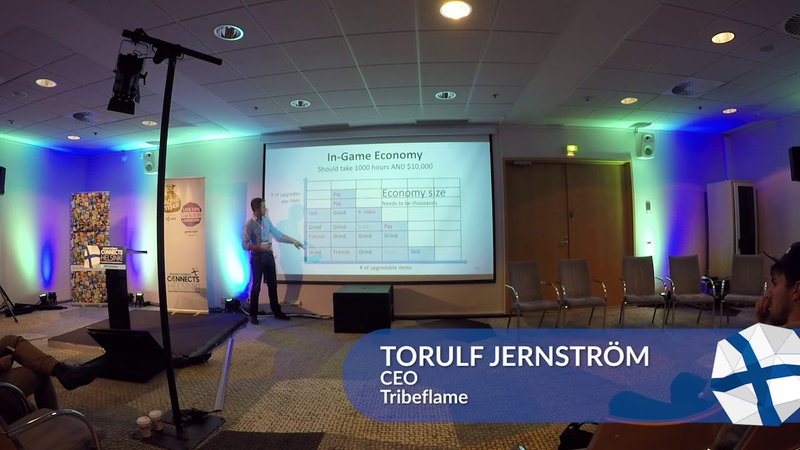
Game design for incentivising players
Effective game design in the free-to-play mobile sector requires a holistic approach where every feature serves a specific incentive, such as increasing session frequency, extending play duration, or strengthening the in-game economy.
- Game design must prioritize a unified, expansive in-game economy where every feature—from progression paths to social systems—directly drives player engagement and monetization.
- Developers should implement a '10% rule' to provide granular, frequent upgrades that maintain player interest and depth over thousands of hours of gameplay.
- Monetization strategies must balance the needs of 'grinders' who invest time and 'whales' who invest capital by allowing purchases to bypass time-intensive progression without sacrificing competitive fairness.
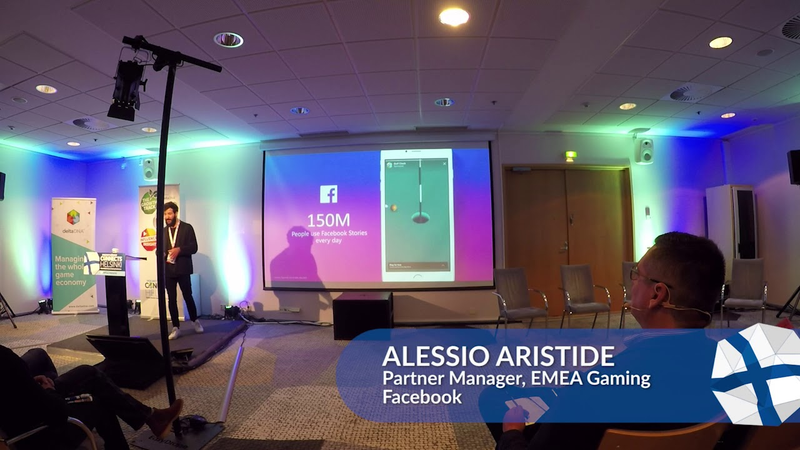
Facebook marketing 101 - Boost your revenues with high-value users
The gaming industry faces significant challenges in user acquisition, as average day-seven retention rates hover between 10% and 12%, while day-30 retention drops to 4% to 5%.
- Gaming industry retention rates are low, with day-seven retention at 10%–12% and day-30 retention falling to 4%–5%.
- Value optimization with minimum ROAS bidding allows developers to automate ad delivery to meet specific revenue targets rather than focusing on simple click-based metrics.
- Playable ads improve engagement by offering a full-screen, interactive game demo within the newsfeed, allowing users to experience gameplay before downloading the app.
The history of ad monetisation and how we got here
The evolution of mobile game ad monetization has transitioned from simple, single-network integrations to complex, real-time bidding systems.
- The mobile gaming industry is shifting from waterfall-based mediation to real-time header bidding to maximize publisher yield.
- Header bidding allows multiple ad networks to compete for every individual impression simultaneously, ensuring the highest bidder consistently wins.
- Adopting header bidding is estimated to increase publisher revenue by 20 to 30 percent compared to traditional mediation methods.
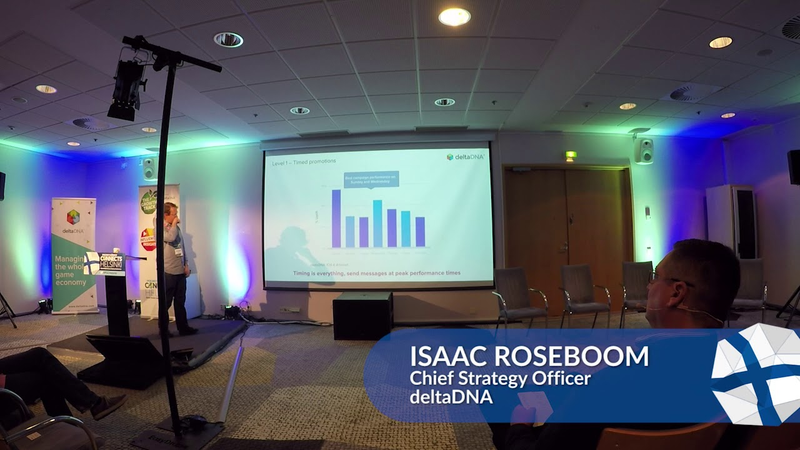
7 post-launch CRM strategies you need to know to maximise game revenues
Modern mobile game revenue is increasingly driven by long-term player retention rather than initial launch spikes.
- Long-term revenue is driven by mature player bases, with 70% of daily revenue in successful games generated by users who installed the app more than a month prior.
- Advanced player segmentation and personalized targeting drive a 47% revenue uplift, significantly outperforming the 10% uplift achieved by games using only basic targeting.
- Only 15% of developers currently utilize sophisticated, personalized player targeting, representing a major opportunity for competitive differentiation.
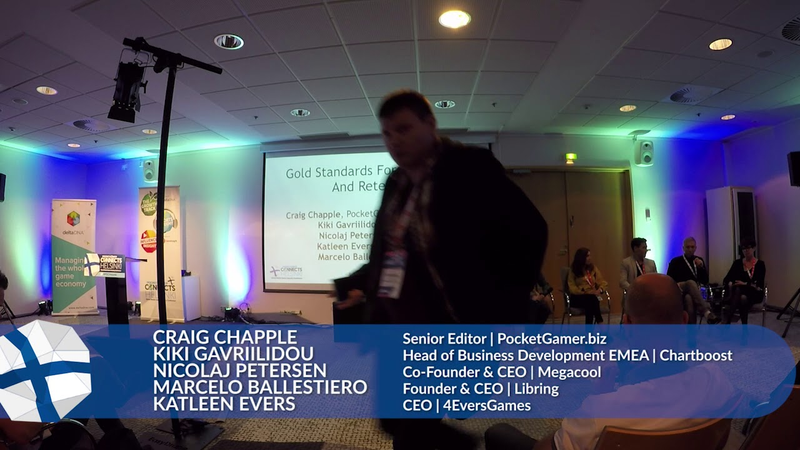
Gold standards for acquisition and retention
The mobile gaming industry faces a challenging landscape characterized by market saturation and rising user acquisition costs.
- Retention is the primary driver of profitability, as high user acquisition costs make business models reliant on high churn rates unsustainable.
- Users acquired through peer-to-peer recommendations exhibit 60% higher retention rates on the 14th day and generate double the revenue compared to those from paid channels.
- Deceptive advertising must be avoided, as misleading creative assets lead to poor retention and negative app store reviews that permanently damage long-term growth.
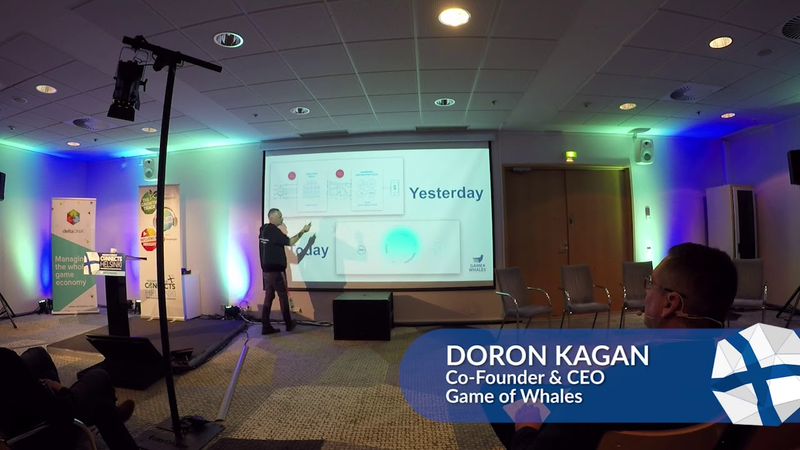
How AI automation increases games IAP LTV by 25%
The mobile gaming industry faces significant challenges regarding user monetization and retention, characterized by a standard 2% conversion rate for in-app purchases (IAP) and a daily churn rate of approximately 50%.
- Automated AI and machine learning platforms increase in-app purchase (IAP) revenue by 20% to 25% compared to traditional manual management strategies.
- Real-time behavioral clustering allows developers to move beyond generic demographics, enabling personalized monetization strategies that distinguish between potential spenders and non-payers.
- AI-driven optimization improves day-7 retention and overall conversion rates by identifying interaction 'sweet points' that human analysts typically overlook.
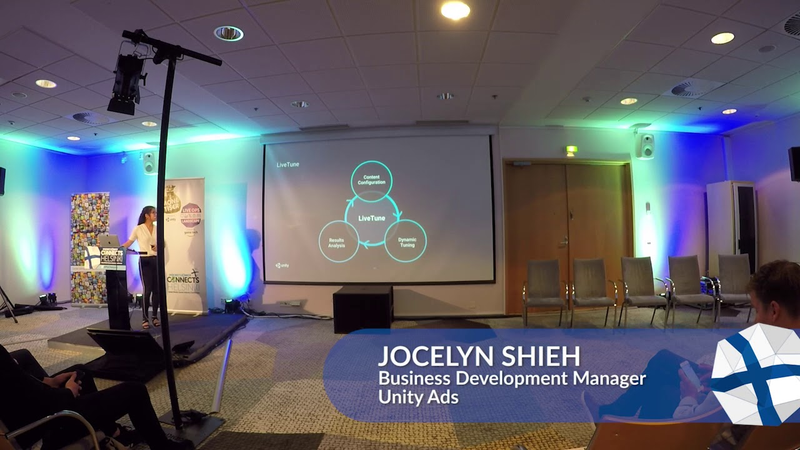
Unity Mobile Business: LiveTune - Increase mobile retention and session length
Unity’s LiveTune platform addresses the critical challenge of device fragmentation in the mobile gaming industry, where over 50,000 unique device models create inconsistent performance, leading to app crashes, frame stuttering, and poor user retention.
- Unity’s LiveTune platform automates game performance optimization across 50,000+ unique device models to prevent crashes and frame stuttering, allowing developers to maintain a single build.
- Case studies show significant performance gains, including a 5 FPS increase and 50% improvement in long-term retention for RollerCoaster Tycoon Touch on Android.
- Publisher Yoda1 reported a 26% increase in day-one retention, a 17% increase in playtime, and a reduction of 200 engineering hours for the game Rodeo Stampede.
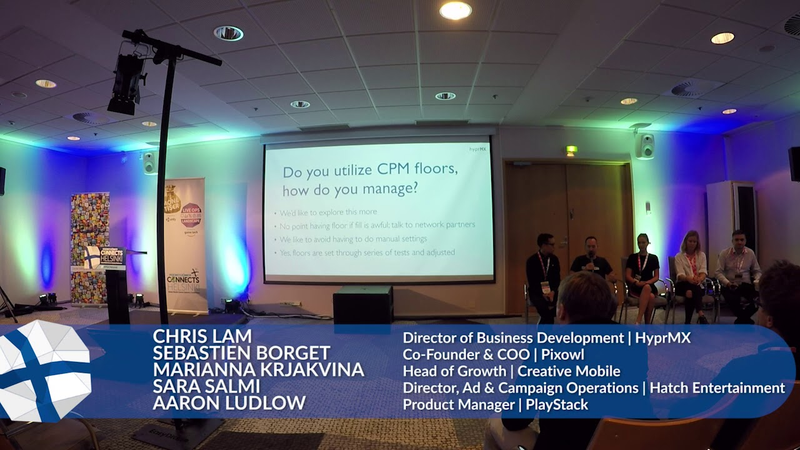
The real story of mobile game ad monetisation
Mobile game monetization requires a shift away from aggressive, high-volume ad integration toward a strategy centered on technical stability and user experience.
- Developers should prioritize technical stability and user experience over aggressive ad volume to avoid the diminishing returns and maintenance burdens associated with overloading games with excessive software development kits.
- Studios should utilize specialized third-party mediation platforms to manage complex tasks like waterfall optimization and CPM performance, allowing internal teams to focus on core game design.
- Ad placement must be treated as a fundamental design element, with developers using soft launches to conduct data-driven experimentation on ad density and user response before a full release.
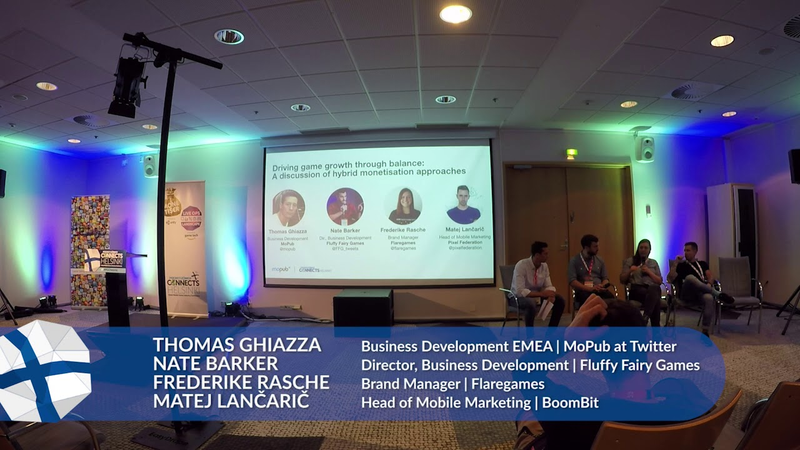
Driving game growth through balance: A discussion of hybrid monetisation approaches
Hybrid monetization strategies, which integrate both in-app purchases and advertising revenue, have become essential for achieving sustainable growth in the modern mobile gaming landscape.
- Hybrid monetization, combining in-app purchases (IAP) and advertising, is now a requirement for sustainable mobile game growth and revenue diversification.
- Developers should prioritize rewarded video and playable ads over interstitials to ensure advertisements function as value-added gameplay components rather than intrusive disruptions.
- Rigorous data analysis and iterative testing are necessary to manage ad frequency and placement, ensuring that ad revenue does not cannibalize IAP performance.
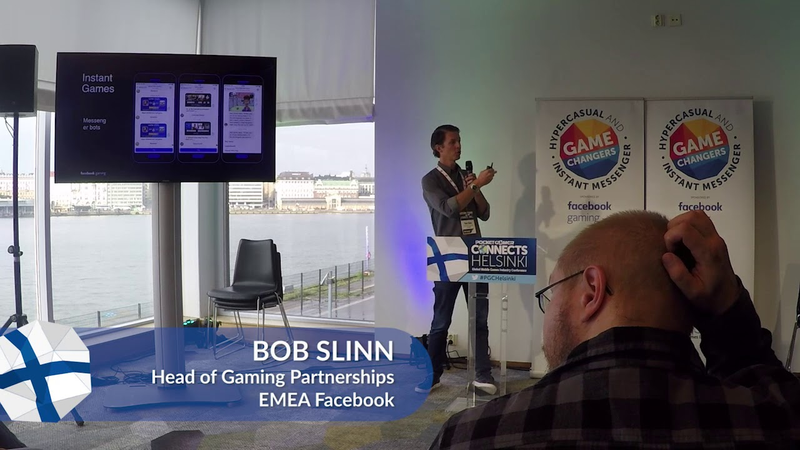
Facebook on Instant Games
Facebook’s Instant Games platform serves as a mobile-first, HTML5-based gaming ecosystem integrated directly into the Messenger and Facebook applications.
- Facebook’s Instant Games platform leverages a global user base of over 2 billion monthly active users to facilitate seamless game discovery and social play within the Messenger and Facebook applications.
- The platform utilizes an HTML5-based architecture that allows developers to build games once for deployment across both web and mobile, currently supporting a library of over 4,000 titles.
- Monetization for developers is supported through a combination of in-app purchases and the Audience Network, which provides interstitial and rewarded video advertising.
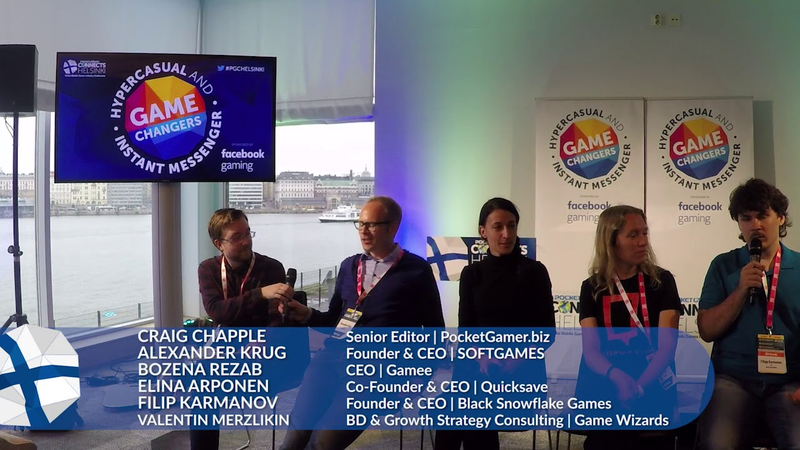
Keys for success in hypercasual and messenger games
The hypercasual and messenger gaming sectors are currently undergoing a significant evolution, driven by the rise of super apps like WeChat, Facebook Messenger, and VK.
- Messaging apps like Facebook Messenger and WeChat are emerging as secondary discovery layers that sit within the primary App Store and Google Play ecosystems, acting as powerful gateways for game distribution.
- Hypercasual games succeed by focusing on simple, one-touch mechanics and high-frequency engagement loops, such as collecting coins to unlock skins, rather than complex graphics or deep meta-gameplay.
- Long-term success in the instant gaming market requires developers to move beyond simple launches by providing consistent, fresh content updates to maintain user retention, rather than relying solely on initial viral spikes.
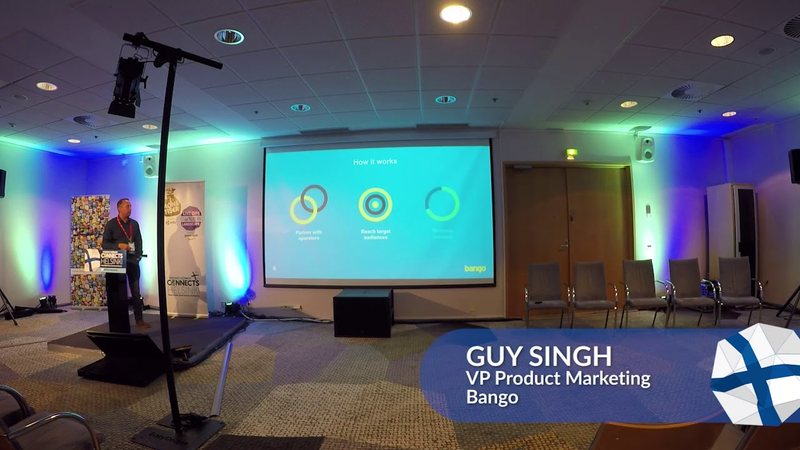
Unleash the power of operator data to convert 9x more paying users
The primary objective of leveraging mobile operator data in user acquisition is to shift marketing strategies from broad, browsing-based targeting to precise, behavior-based targeting.
- Targeting users based on verified mobile operator purchase history rather than general browsing behavior can increase conversion rates for free-to-play users by up to nine times.
- A Smule case study in Indonesia demonstrated that targeting high-value spenders who had not yet made an in-app purchase resulted in a conversion rate nine times higher than standard organic rates.
- Rovio’s Angry Birds campaign in the U.S., which utilized Verizon network push notifications to offer incentives to top spenders, achieved a 17% increase in new customers and improved overall lifetime value.