Monetization reports and market data
Documents
CryptoKitties and the New Ludic Economy: How Blockchain Introduces Value, Ownership, and Scarcity in the Digital World
This paper examines CryptoKitties, a blockchain-based multiplayer game launched in 2017 in which players breed, collect, buy, and sell virtual cats built on the Ethereum network.
- The paper's central argument is that blockchain enables artificial digital scarcity through verifiable, tamper-resistant ownership records, and that this scarcity underpins the value of in-game assets.
- Rare CryptoKitties have occasionally traded for more than $100,000, though most typically sell for a few to a few dozen USD.
- CryptoKitties averaged roughly 200 to 500 daily players, a modest figure relative to mainstream multiplayer titles, even though more than 1.3 million virtual cats had been bred at the time of writing.
The Business Model Network of eSports: The Case of Overwatch
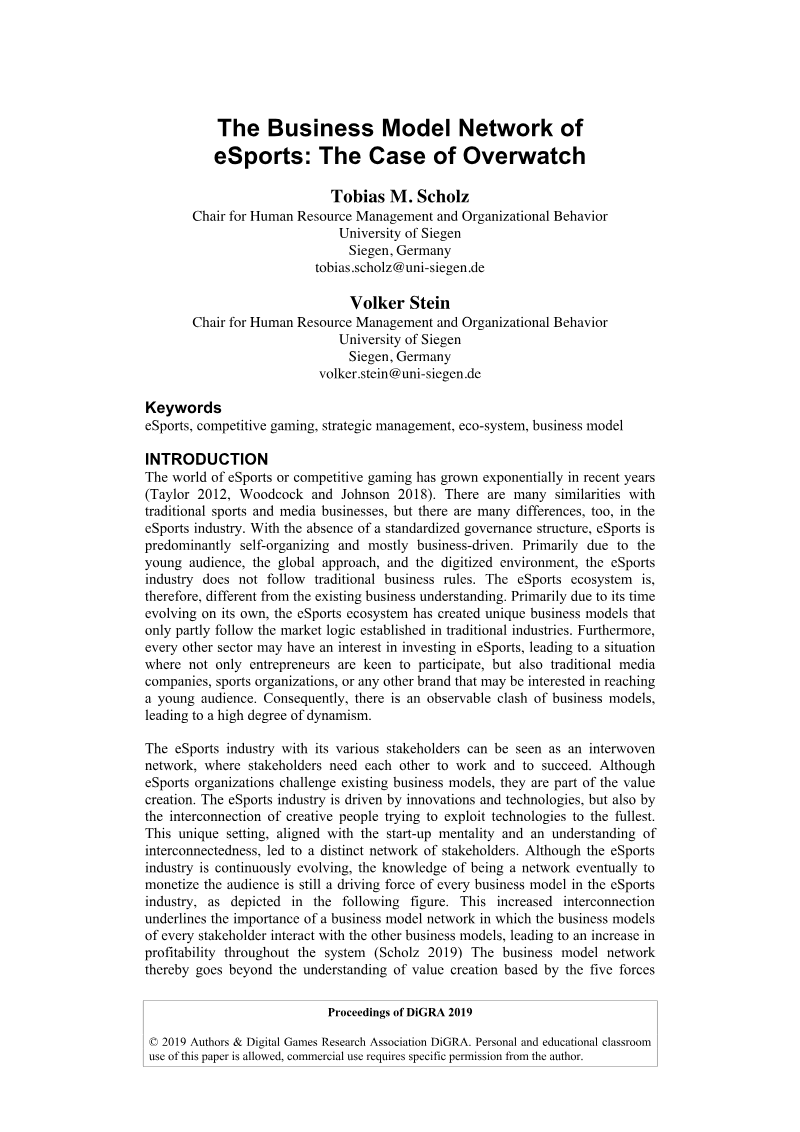
This paper, presented at DiGRA 2019 and authored by researchers at the University of Siegen, examines how the eSports industry operates as an interconnected network of stakeholders rather than as a traditional competitive market.
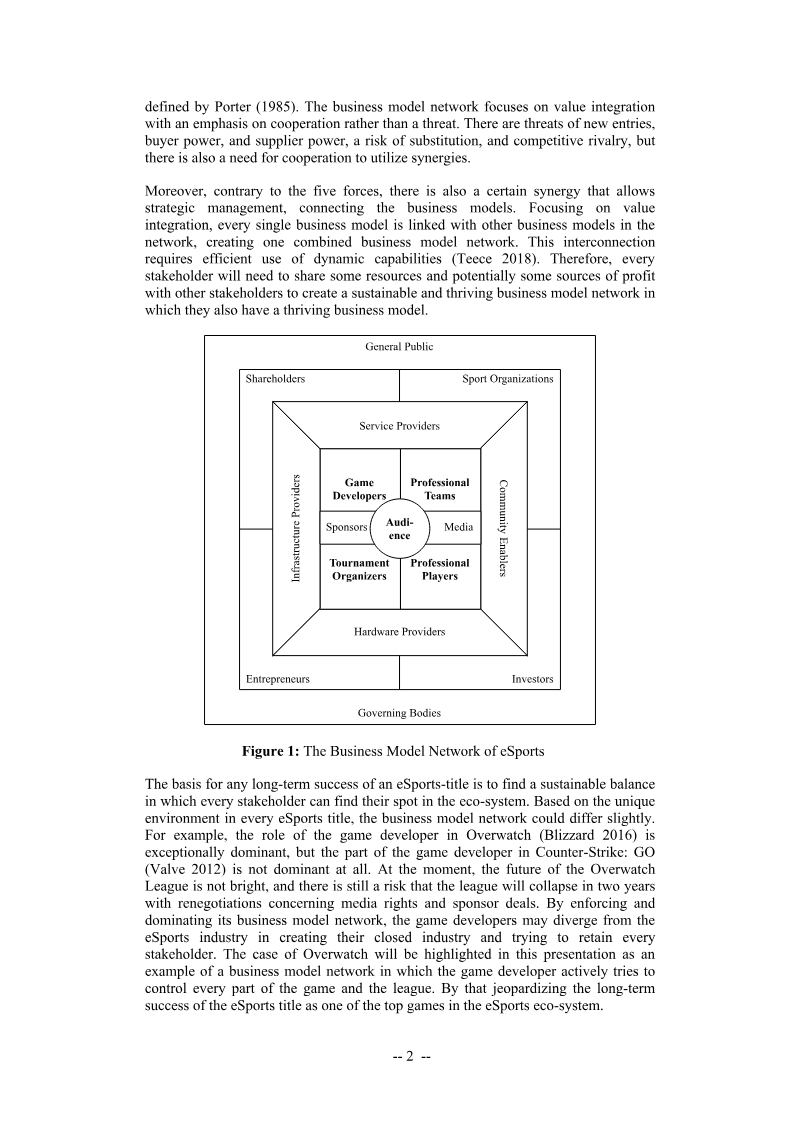
- The paper frames the eSports sector as a 'business model network' of interdependent stakeholders (entrepreneurs, media, sports organizations, investors, developers, sponsors, tournament organizers, and players), extending Porter's five forces model toward value integration and synergy over pure rivalry.
- The central claim is that long-term viability depends on each stakeholder finding a sustainable place in the ecosystem, and that this network structure varies by game title.
- Using Overwatch as the primary case, the authors argue that developer Blizzard plays an unusually dominant role by seeking to control both the game and its competitive league, whereas Counter-Strike: Global Offensive shows a far less dominant developer role.
Effects of Game Design Features on Player-Avatar Relationships and Motivation for Buying Decorative Virtual Items
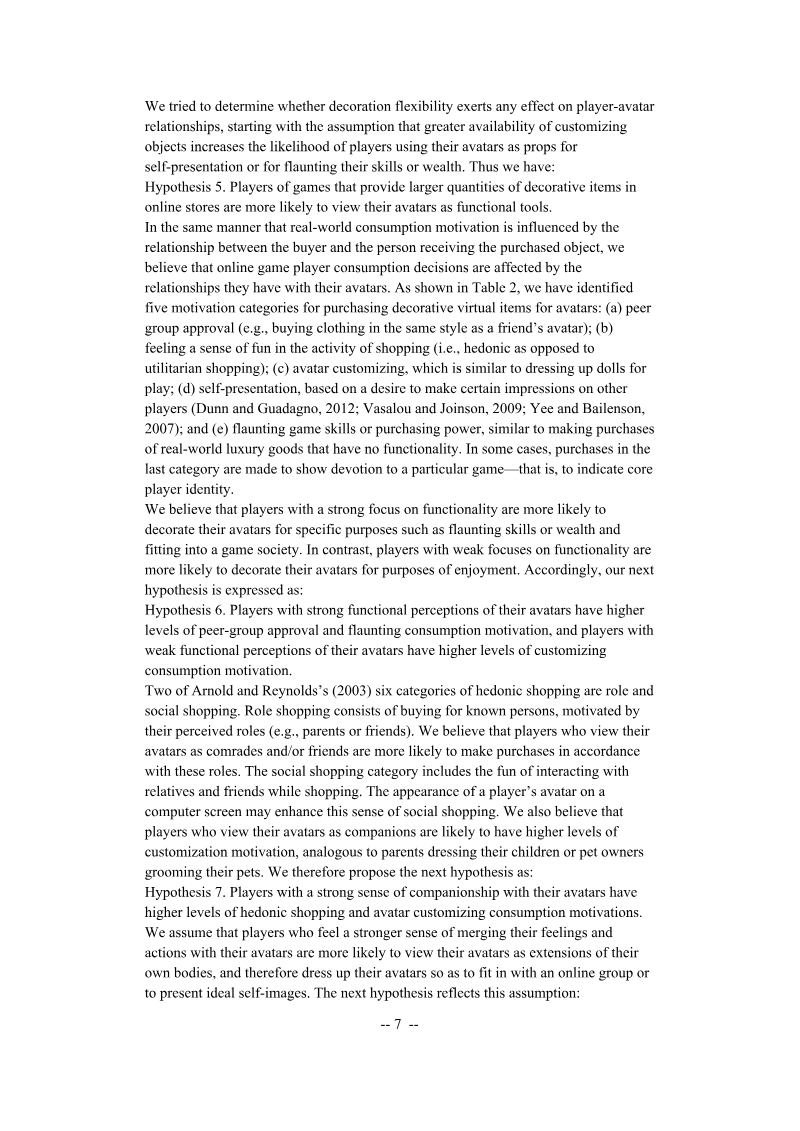
A 2019 DiGRA study examines how game design features shape players' relationships with their avatars and, in turn, their motivation to purchase decorative virtual items.
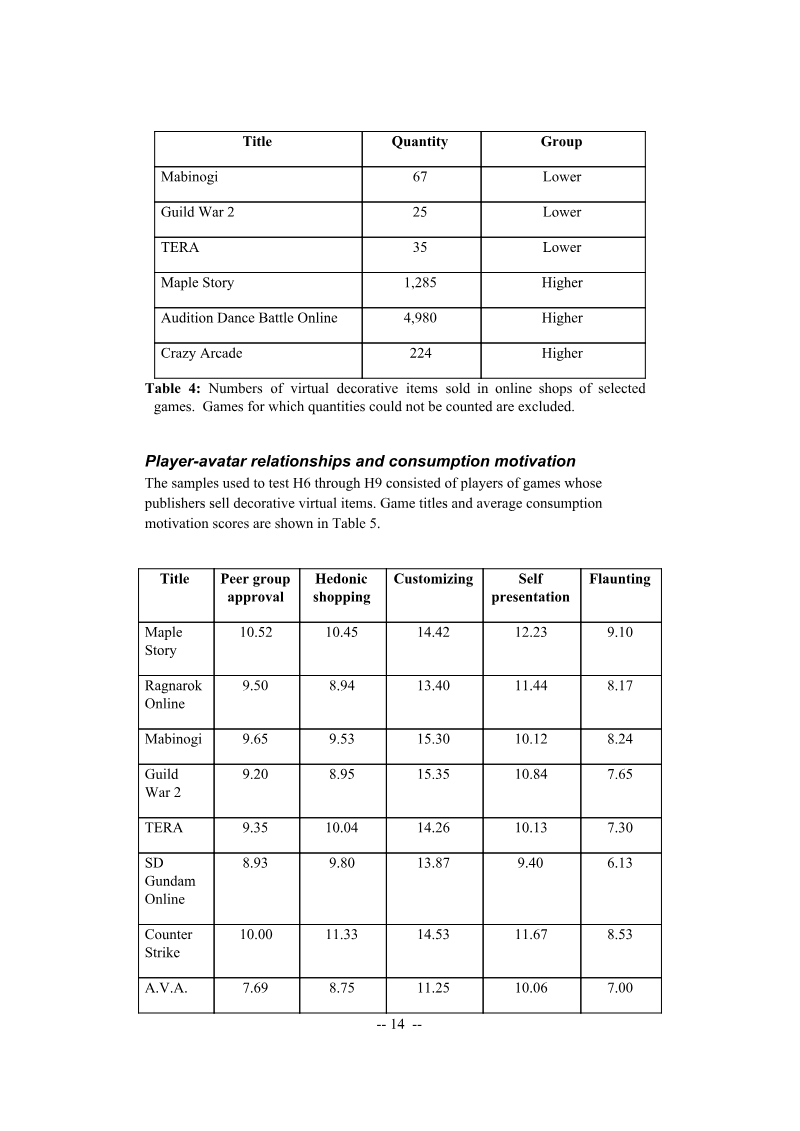
- Player-avatar relationship orientation is central to decorative item purchasing: players who see their avatar as a functional tool show stronger motivation to buy decorative items for flaunting and peer approval, while those who see avatars as companions or role-play characters show higher hedonic and customization motivation.
- Design choices shape how players relate to their avatars: more frequent avatar deaths reduced players' sense of shared feelings with their avatar (p = .042), and harsher death penalties increased the perception of the avatar as a tool (p = .012).
- Pet ownership was associated with lower tool perception of the avatar (p = .03), indicating that pet systems may shift players away from treating their avatar as merely functional.
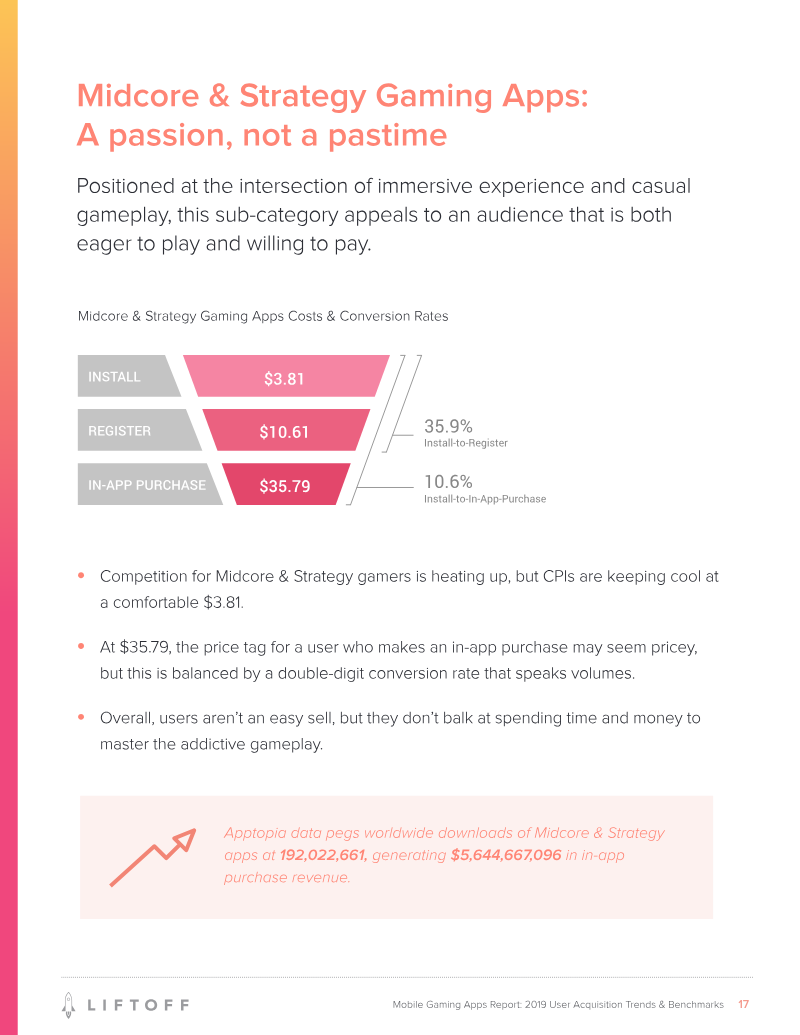
Mobile Gaming Apps Report: 2019 User Acquisition Trends & Benchmarks
The 2019 mobile gaming landscape is defined by a period of unprecedented consumer spending, with gaming apps accounting for 74% of total app store revenue.
- Gaming apps dominate the mobile market, generating 74% of total app store revenue despite rising user acquisition costs that average $35.42 per paying user.
- Android provides a more cost-effective reach for user acquisition compared to iOS, with the third quarter identified as the optimal period for high conversion rates and lower acquisition costs.
- North America, Japan, and South Korea remain the most expensive regions for acquisition but offer the highest long-term retention and in-app purchase revenue.

Evolution of Mobile Esports for the Mass Market
Mobile esports is positioned to become the primary catalyst for growth in the digital games industry over the next five years, leveraging a global player base of 2.53 billion that already surpasses the combined reach of PC and console gaming.
- Mobile esports is projected to overtake PC esports as the dominant global competitive gaming format, leveraging a player base of 2.53 billion that exceeds the combined reach of PC and console gaming.
- Mobile esports titles generated $15.32 billion in revenue in 2018, accounting for more than 25% of the total mobile gaming market.
- The sector is shifting from a publisher-funded marketing tool to a scalable, professionalized industry supported by media rights, sponsorships, and microtransaction-based models like season passes.
Mobile Benchmarks Report GameAnalytics
The GameAnalytics H1 2019 mobile benchmarks establish performance reference points for the global mobile games market, drawing on nearly 100,000 games and 1.2 billion monthly active users from July 2018 to June 2019.
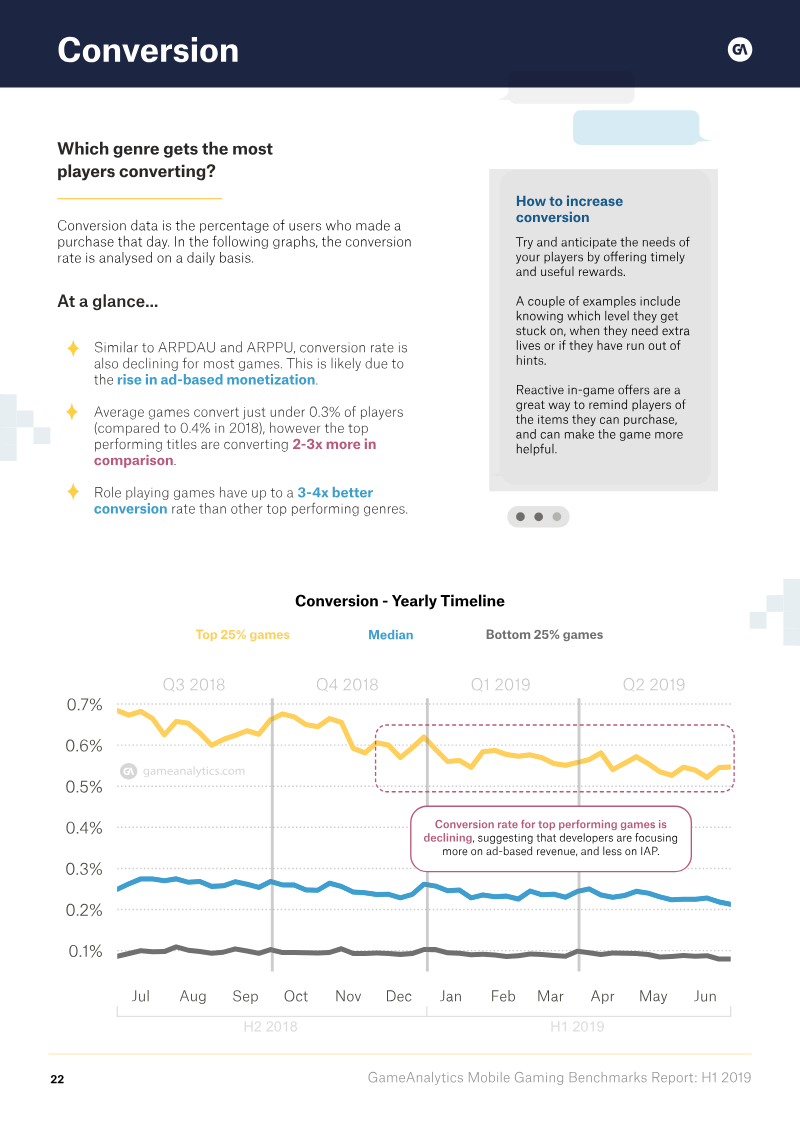
- Mobile developers are shifting toward ad-based monetization, evidenced by a 15-20% year-over-year decline in ARPPU and ARPDAU across 100,000 analyzed titles.
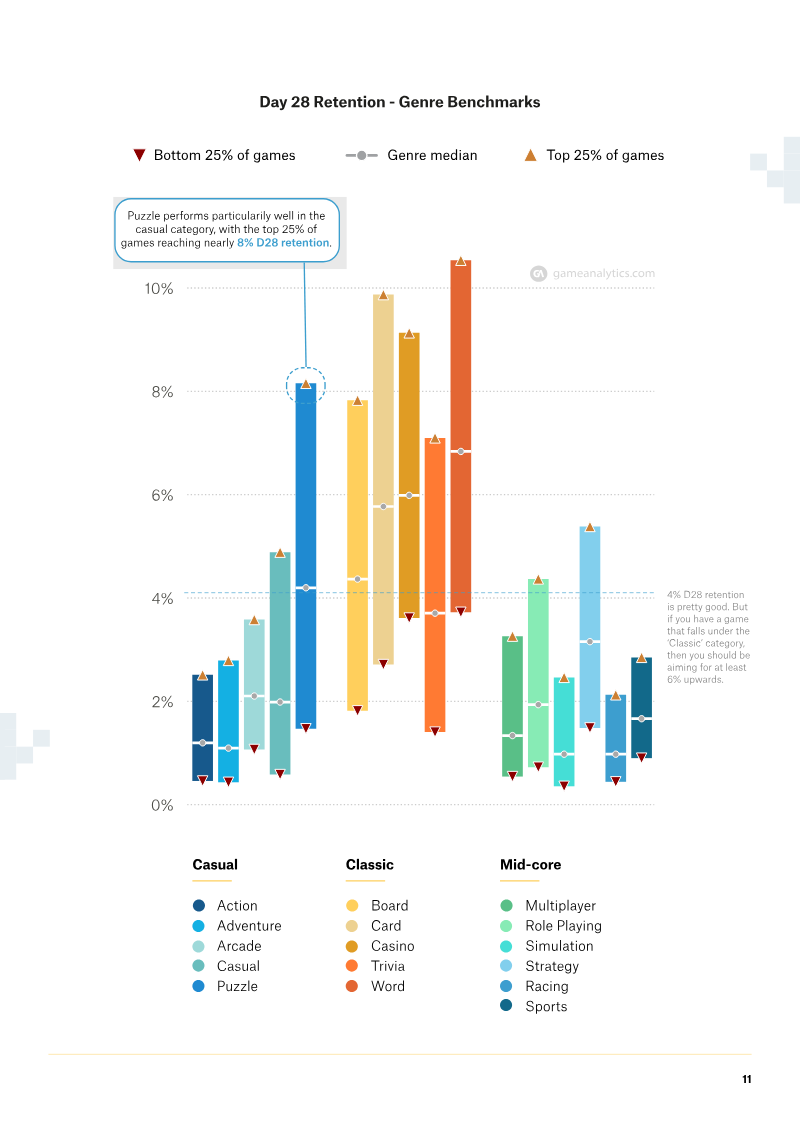
- Top-tier mobile titles require a Day 1 retention rate of 35% and a Day 28 retention rate of 4% to remain competitive, with industry leaders often demanding a 50% Day 1 rate to greenlight projects.
- Strategy and Role-Playing Games remain the highest revenue generators, while hyper-casual games rely on advertising models supported by a median eCPM of approximately $5.00.

How does Brawl Stars monetize?
Brawl Stars, a team-based top-down shooter developed by Supercell, utilizes a streamlined and accessible monetization model designed to support a massive, broad-based player audience.
- Brawl Stars utilizes a high-volume, low-ARPU monetization model designed to generate significant revenue through small, frequent investments from a massive, broad-based player audience.
- The game’s economy centers on a progression system where players use soft currency and character-specific power points to upgrade a roster of 22 distinct brawlers.
- Hard currency, obtained via direct purchase or loot boxes, functions as the primary engine for accelerating character leveling and unlocking rewards.
How does Star Trek Fleet Command monetize?
Star Trek Fleet Command, developed by Digit Game Studios and published by Scopely, functions as a mobile 4X strategy game that integrates base-building, resource management, and RPG-lite character collection.
- Star Trek Fleet Command utilizes a 4X strategy framework developed by Digit Game Studios and published by Scopely, combining base-building, resource management, and RPG-lite character collection.
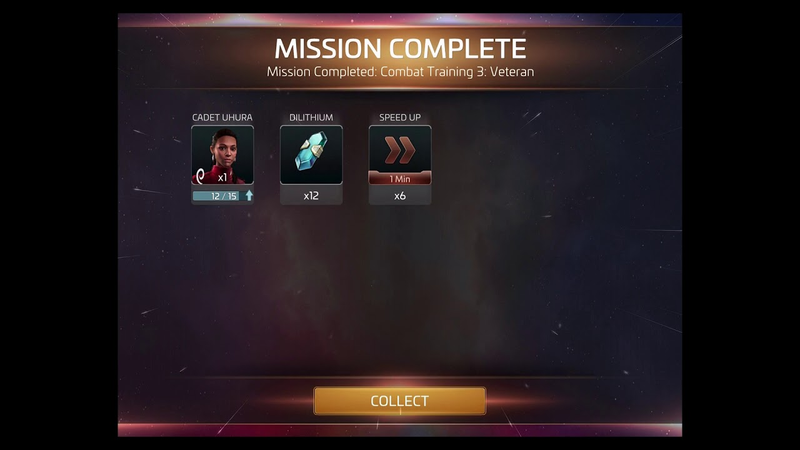
- The monetization model is built on a multi-layered economy that uses hard and soft currencies, speed-ups to bypass construction timers, and loot-box-style recruitment systems.
- The game leverages the Star Trek intellectual property to differentiate its core loop from generic 4X titles, using recognizable characters and ships as primary engagement hooks.
How does Assassin's Creed Rebellion monetize?
Assassin’s Creed Rebellion is a free-to-play mobile title that blends base-building mechanics with turn-based squad RPG elements.
- Assassin’s Creed Rebellion utilizes a Gacha-style loot box mechanic as its primary progression system, requiring players to collect character shards to unlock and upgrade heroes.
- The game employs a non-aggressive monetization strategy that avoids heavy content gating, allowing players to progress through standard gameplay without mandatory spending.
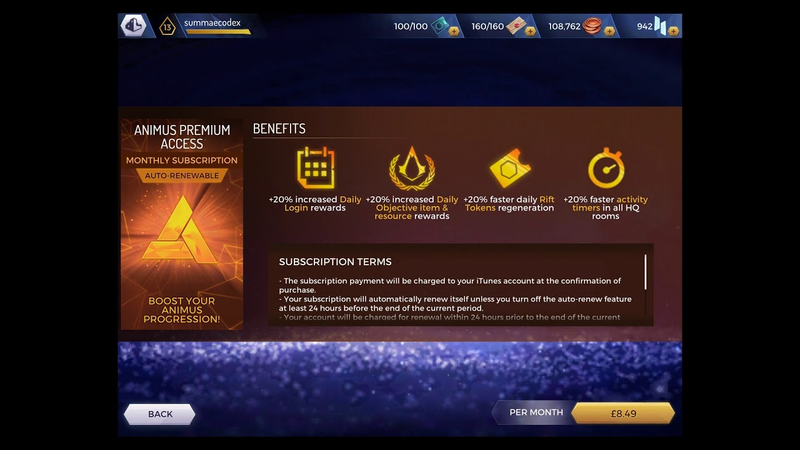
- Revenue is generated through a multi-layered economy featuring a hard currency shop for DNA cubes, energy refills, and crafting materials, alongside a monthly subscription service for accelerated progression.
PGC Helsinki 2018 Pecha Kucha sessions: Rocket Lolly's Oscar Clark
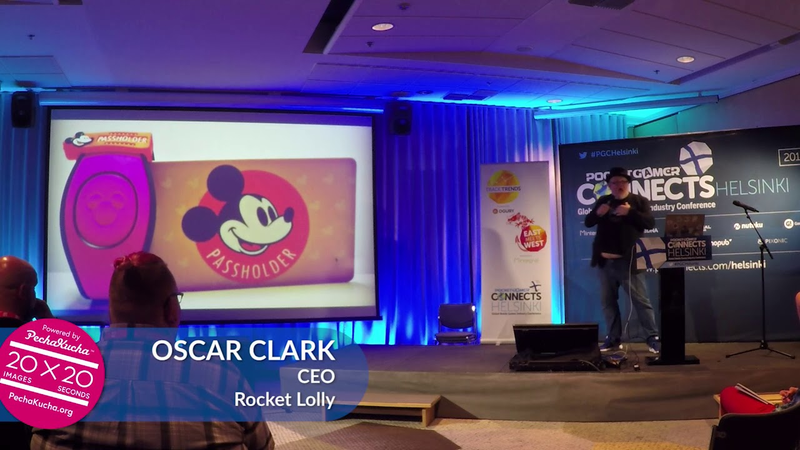
The presentation serves as a satirical critique of aggressive monetization practices within the mobile games industry.
- Long-term commercial success in mobile gaming is driven by player empathy and genuine engagement rather than the systematic extraction of capital through psychological manipulation.
- Aggressive monetization tactics such as operant conditioning, artificial scarcity, and predatory subscription models often prioritize short-term quarterly earnings at the expense of sustainable player retention.
- Designers frequently utilize 'idiot filters' in user interface layouts and pay-to-win mechanics to exploit player psychology and influence decision-making.
How does Badland Brawl monetize?
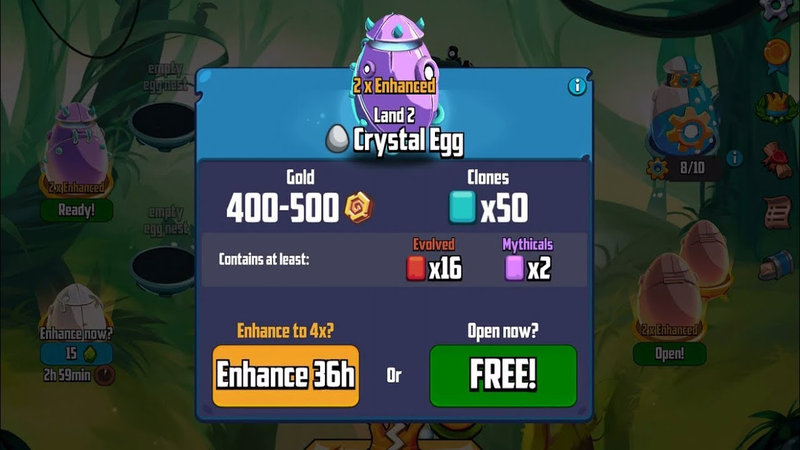
Badland Brawl, developed by Frogmind, utilizes a standard free-to-play mobile monetization model centered on a character-based card deck system.
- Badland Brawl utilizes a dual-currency economy where soft currency (gold) is the primary bottleneck for unit upgrades, while hard currency (gems) is used to accelerate time-gated progression.
- Progression is gated by time-based egg-opening mechanics, which incentivize players to spend gems to bypass wait times or use incentivized video ads to speed up enhancement.
- The game features a rotating daily shop that allows players to purchase specific character shards directly, creating a secondary pressure point for gem spending.
Adult games as a credible option to developers
The adult gaming sector represents a viable and lucrative alternative for developers struggling with the discoverability and user acquisition challenges inherent in mainstream gaming markets.
- The adult gaming sector provides a high-traffic alternative to mainstream markets, currently hosting over 200 titles and reaching 115 million monthly visits.
- Developers can mitigate mainstream discoverability challenges by integrating adult content into established genres like RPGs, clickers, and puzzles, using adult rewards to drive progression.
- To support development and market entry, the platform offers a dedicated $10 million investment fund and operational assistance, including art production services.