1 free read left. Create a free account for unlimited reading + AI research.
Create free account
Unleash the power of operator data to convert 9x more paying users
Key insights
6 takeaways- 01Targeting users based on verified mobile operator purchase history rather than general browsing behavior can increase conversion rates for free-to-play users by up to nine times.
- 02While currently focused on mobile commerce in major app stores like Google Play, this strategy is particularly effective in emerging markets like Southeast Asia and India due to established operator relationships.
- 03Developers can leverage a marketplace platform connecting to over 40 global mobile operators to execute targeted campaigns, including SMS and push notifications, directed at cohorts with proven purchasing intent.
- 04Analyzing operator-held transaction data allows developers to identify and resolve payment failures, such as those caused by insufficient funds or credit limits, to further optimize revenue.
- 05A Smule case study in Indonesia demonstrated that targeting high-value spenders who had not yet made an in-app purchase resulted in a conversion rate nine times higher than standard organic rates.
- 06Rovio’s Angry Birds campaign in the U.S., which utilized Verizon network push notifications to offer incentives to top spenders, achieved a 17% increase in new customers and improved overall lifetime value.
Ask AI about this video
Transcript
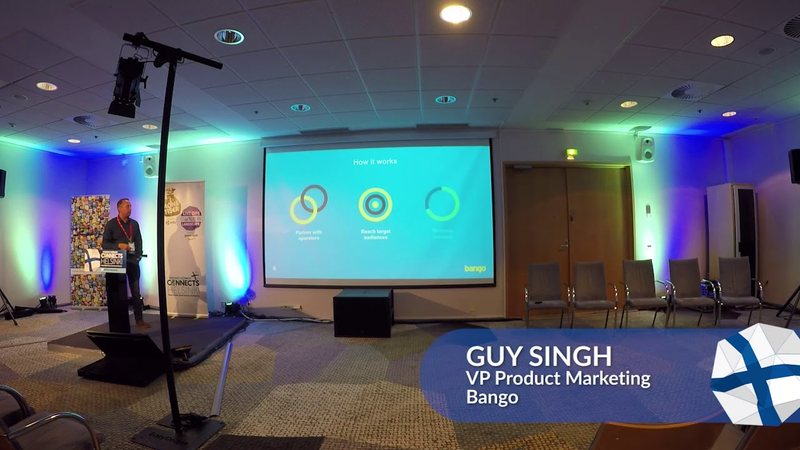
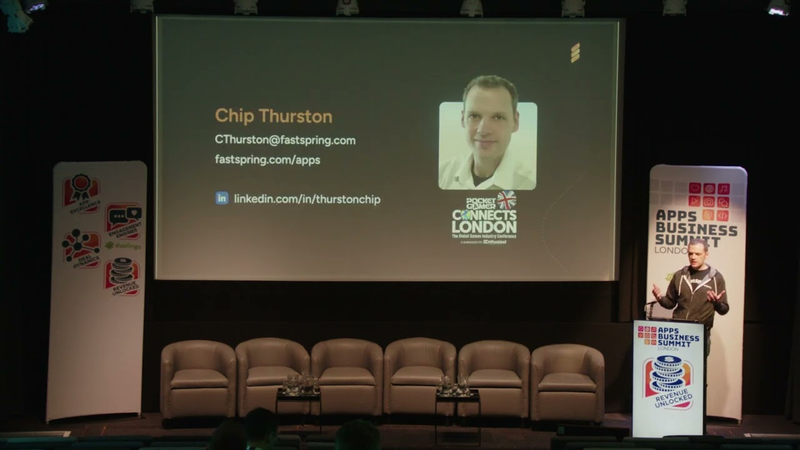
[Music] the title of the talk today is unleash the power of operator data to convert nine times more paying users so what do I mean by that well first of all to understand what that is is the company I work for is is called Bango we're not a games developer we're a mobile commerce company and what we do is we help operators to protest payments and we understand what things are being passed through the operator platform with regards to purchase of content and games and so on and we have help app developers to understand which users are paying for data or paying for content and as a result of that they can target those users so many of you may not know that like you know actually working with an operator it's a good way to to
basically acquire users for yourself so how does this how does this all work well you know the operators basically have a subscriber base of mobile users now you can target mobile users just by understanding you know by targeting your ad campaigns towards people with mobile devices but the operators already have a relationship with those users they have brand awareness and more importantly they understand how they're purchasing things so the big thing that I want you to take away from this is that another way to target people who can pay inside your app is by understanding what their buying behavior is not their browsing behavior so typically you know when you see an ad you're you know you go somewhere and and an ad is displayed to you there's an impression of some kind you can click on it and so on and
sometimes your retargeted as a result of like you know visiting certain places and an inn in the mobile world you know what we can understand is who's actually buying content and the Bango platform itself here is sort of like you know trying to understand what the buying behavior is and then once you understand what the buying behavior is you can target your particular ad towards them to basically acquire more users so what kind of things can an operator help you with well if I was to say to you as an app developer if you wanted to enter the Southeast Asian market or the Latin market R or the Indian market how would you go about doing that now there are various different ways so obviously you can customize your your app to target those particular regions you can find the partner in the region or you can set
up offices in the region but in this particular case what we're saying is that a mobile operator already has presence in that region and can introduce you into that into that particular country and and we have knowledge of who those mobile operators are and we can connect up operators and developers together and once we connect you up we can help you to understand what that user base looks like right that user base you can say well I'm just going to send it to everybody that may not be the most effective way to do something it's much better if you're targeting people who want to make in-app purchases to understand who is actually going to make the payment you know and how do you find out who's going to actually make the payment well you can you can segment the the the audience in various different ways one way is to have a look at you know for instance someone's actually ready to make a payment they've registered a payment method but they've never
actually made a payment and then that might sound surprising to you but there are many of those users and those user right users in terms of targeting and offer - they're just waiting for the right kind of thing to be given to them so that they can make that purchase you might want to have a look at okay well who's buying content similar to me to my content so I've got a particular type of game I want to see you know whether they bought any competitive games or where any related games as a result of that you might want to say okay send this offer out to those users you can send out tailored offers to each different segment if you want to or you can send out a generic offer to all of those the most common one that we see the easiest one is to target the top spenders so you have a look at you know who are the best spenders within that particular country and and and and target your offer towards them you can also look at you know if you have a subscription-based service you know who
are the regular spenders so who's actually made a payment over the last few months and and do that and if you target people based on buying behavior and not browsing behavior and the example I give is like you know we've all been to somewhere like Amazon and had a look at a digital camera and then gone away and and then gone to another site and then suddenly you're retargeted with an ad for that digital camera that you looked for well that's based on browsing behavior right I've gone somewhere I've shown some intent I've shown some interest but if you actually purchase something the intent that you're showing when you purchase something is so much stronger than when you're actually browsing somewhere and so knowing who is buying that and how much they're spending and what they're purchasing is actually so important with regards to being able to sort of target the right offer so within Bango itself you know there's some leaflets that have gone out to you
you can you can basically sort of register and get onto a marketplace and inside that marketplace you know as a developer you then have the option of working with a number of operators that Bango is already connected to so the bangor platform is connected to over 40-plus operators worldwide you know got presence in all the different continents and within there you can say i'd like to work with a particular operator and that operator can offer you different types of campaigns the types of campaigns that we're talking about can range from something like an SMS notification in app sorry and in a push notification some of the operators have their apps pre-installed or you can work with an operator to actually pre install an app or you can work on a more traditional display advertising campaign using banner banner ads or video ads or even things like you know some of the bigger
sub players actually look at things like in-store promotion and all of these different types of campaigns are all listed on the marketplace and you go there and you request it and that allows you to form a partnership with the operator to then market your your game so segments so we're talking about okay here's the overall user population how can we divide that up we can divide that up in many different ways there here are some examples so these are basically saying well all these users are actually able to pay we can say that these users there are particular types of users who purchase quite often so they're they're real high LTV users high spenders so you know we can have a look at you know the the people who are spending the most that's not always the same as the ones who are spending regularly because you can't actually make large purchases infrequently
or you can make smaller purchases over the space of a year they're both interest to to to app developers because they're the high LTV users the loyal customers they're the ones who continue to do so over a long period of time we understand what type of content people will buy you know if you're watching video or you're playing eSports we also understand how each operator compares to each other so you can actually sort of work out who the right partner is as well and this although it may not sound very interesting transaction success and failure analysis why is that important well that's important because when we look at some of these payments you know for instance just recently looked at did some analysis in Indonesia and we saw that there was something like 80% of transactions for particular game failed all right and and then you kind of go okay so these are
people who are actually trying to buy something but they weren't able to do so and there are what we can do is we can basically understand why that's happening in some cases that's happening because the user doesn't have enough credit in some cases that's happening because there's a spend limit ie there's a cap on how much you can actually spend on it single purchase and we can work with the operator and the games developer to kind of adjust those limits to make that more successful in the future of course we have to be very careful about personal identity so that's always guarded ok so how does it work well it's fairly simple it's kind of like you know you partner with the operator by going to the Bango marketplace there's some details on the handouts that you've got there on how to how to access that once you do that and you connect up with an operator you then define who you're the segment of users you want to target and then you have a look at how well the transactions are
going so that's how it works now that's the theory right so what if I was in the audience I'd be interested in is what's the what's the practical reality you know so where are we with this we've got about 200 developers signed up to the Bango and leashed program which you've got details of we have just started running some projects in 2018 we're running many more there's some very positive results which I'm going to share with you right now but you know it's it's early days and we're looking for more people to come on board we're looking for sort of like more operators to to work with developers to actually sort of like you know show that this can work in reality so let's have a look at a couple of couple of case studies that I've managed to get approval from to
talk about so the first one is Smule if you don't know who smile is then I will explain in a minute and we chose Indonesia as a market and why did we choose Indonesia and market Southeast Asia you know a lot of people want to break into a lot of countries games developers outside of Southeast Asia want to break into that particular region Indonesia has 200 million roughly used users so that's why it's particularly attractive the the target audience that we that we chose were the top paying users in the last 12 months who have not made an in-app purchase inside Smule so the type of users that we are very very good at identifying are the ones who are going to make in-app purchases I think you know if you can do
a general land grab of users and you just want to get as many users installing your app there are lots of different ways if you want to target your user acquisition to those who are going to pay then the Bango data is very very powerful with regards to that so in the last 12 months they've never made a purchase of the of the content the offer so the in some cases you know when we've worked with with developers they've not made any offer at all but in this particular case they were offering 50% off a subscription it's a subscription-based service for the first month after that it's full price and how did we send that message out well Indonesia is what a rarity in some ways and that you can actually send out text messages it's considered ok to do that you probably wouldn't do that in a lot of Western European countries but we chose this particular method there because that was
a way that we could basically you know run the campaign for very quickly and what they wanted to do so that overall thing that the developer wanted to do was to convert as many free to stall users to paying users for the monthly subscription so that's the aim so Smule if you don't know they're the number one karaoke app you know they've got a lot of users worldwide it's a fun fun app I wasn't aware of it before I start I started having a go on it you can basically record a song and then you can share it with your friends I wouldn't even dare to record a song by me you know I think that would be too painful for everyone here but that that that's essentially you know what that what that app is about and he went into
the bongo marketplace chose the Indonesian operators to work with and and as a result of that the Indonesian operators agreed to run that campaign with Smeal and as I said the goal was to increase the conversion rate right and the conversion rate that they wanted to achieve was was to basically double the organic conversion rate that they have so going from free to paying users doubled the number that they currently sort of like are seeing and they see Indonesia and Southeast Asia as in general as a big growth market so they wanted to prove that you know does your does your actual does your data actually work in this in this country so we set this up to run across three operators
because remember no single operator can actually provide 100% coverage so we set it up to work with three operators and we sent it an SMS message this was the actual SMS message not not particularly creative but like you know that's what they wanted to send out and obviously the part that Bango played was that we identified who the the top spenders over the last twelve months and they hadn't purchased Smeal before that's quite important to measure that so what was the result well the results were that actually we had a reasonable click-through rate 1.9 2% you expect anything between 1 and 2% but the number of users who actually made a out of the ones who'd click-through 4.4 percent actually went on then to make a purchase
now that was the thing that comes from the title of the talk there was nine times more paying users as a result of targeting the users that Bango platform identified so they were amazed by the results and in fact so amazed that were saying that actually is this correct can we verify this you know and so we kind of went through everything in detail explained how you know we'd find all the data and they were happy with that and as a result of that we're now running a second campaign and in the second campaign the results are even better and we're even surprised by how much better it is and and hopefully you know once I've got all the results together an approval I can share it with you but right now you know all I can say to you is that it's a lot better than nine
times that we what we're currently seeing one of the things that we did do in the second campaign is we try to learn from the from the first campaign and so we said okay well we chose the last twelve months top paying use in last twelve months we then also looked at those who actually purchased what else had they bought in did they buy any similar products well it were were there are any clusters of other games other content that they were buying and as a result of that we use that data to then select the cohort for the second campaign so we said okay well you know we know that the ones who purchased Smule also bought one two three four five these other content Reiter's so when we choose the next cohort let's choose the top spenders but also those who had purchased this type of content before and we think that's one of the reasons that's certainly a contributory reason for a second
campaign running even better so very quickly the next one is with Rove you and Verizon and here you know again very simple top paying users the offer was a free in-app purchase and in this particular case there's a pre-installed app called Maya Verizon and send the message through that and what what they wanted to do is acquire new users and increase the spend obviously you get the free in-app purchase but then increasing that purchase after that you all know about Angry Birds so skip that one and so here we're just saying you know they're the top users target those right and and then give them some incentive to download you know so basically you know if you don't if you don't load it and you'll you'll get some exclusive stuff
so obviously our part in it was to identify who those top spenders were the special offer was a sort of like in-app purchase of a chest of gems and the push notification was sent through to the Verizon users who were the top spenders not every single one so the results here again very very positive increased the sales through Google Play in the US and more repeat purchases increased lifetime value for the users and 17% more new customers this is during the campaign and and you know again really really positive there's there's a number of others that were working on but these are the two that I can share with you right now and I guess you know the most important thing to understand here is that you know by targeting the users who you know who can spend who are able to spend who
propensity to spend and who buy a certain type of content your return is much greater as a result of that so with that you know if you're interested and you want to have a look then basically come along to the marketplace and and sign up there there's some details with you and at this point I'll stop and open it up for questions are we have loads of questions as well let's see I was very tied between the two of you I'll start either how how sustainable is this how quickly do you saturate those top layers that's a good question so it's at the early stage so I think you know the the acquisition of those users is going to be sort of like limited to the subscriber base right you
know so you know you could say okay well if we're only targeting 10% let's say as a number or it's targeting 10% of the top spenders that's that's then saturated and done but then you could move down from there you can say well let's move to the next 10% so eventually of course you will reach some saturation but you can start off with the highest and then move move lower down and there's another question here yes oh I don't know is the question make sense but what's the is there a particular relationship between the Google Playstore and the operators or could you export this model to other Play stores like the ones in China or Samsung on Play Store that sort of thing his theory yes we can at the moment in reality you know we're connected up to operators via the Google Play Store so purchases that are going through the
Google Play Store being recorded where we do have connections with the Microsoft and the Samsung store as well but they're much smaller part of the market a China is a it's a huge opportunity but it's also incredibly difficult you know and if the the in in in theory you can do that because basically the purchase data that's coming through is coming through the Bango platform great chance for one last quick question got one over there a bit quick if possible so you mentioned the total data that you have been gathering so far is as said earlier like to the Play Store but what is the possibility of acquiring data from the broader data footprint of the internet users of these operators is that something that is possible or is that too much infringement on the personal information sorry clarify yes I'm more curious like is this is it possible to use your service to get more detailed view on the
general browsing and content consumption habits okay I'm with you yep yeah so we are we are working with a number of other partners outside of mobile operators to look at cookie based data right and so there's nothing I can I can talk about right now but in theory it it's the same it's the same you know basically you know like if purchase information can come through and you segment the users based on their buying behavior and on that note thank you very much thank you [Applause] [Music]
Summary
The primary objective of leveraging mobile operator data in user acquisition is to shift marketing strategies from broad, browsing-based targeting to precise, behavior-based targeting. By analyzing actual purchase history rather than general web activity, developers can identify high-value users with a proven propensity to spend. This approach allows for the segmentation of audiences based on payment history, subscription status, and specific content preferences, significantly increasing the efficiency of marketing campaigns and the conversion rate of free-to-play users into paying customers.
Key findings demonstrate that targeting users based on verified buying behavior yields substantially higher returns than traditional advertising methods. In a case study involving the karaoke app Smule in Indonesia, targeting top spenders who had not previously made an in-app purchase resulted in a conversion rate nine times higher than standard organic rates. Similarly, a campaign for Rovio’s Angry Birds in the United States, which utilized push notifications through the Verizon network to offer in-app incentives to top spenders, achieved a 17% increase in new customers and improved overall lifetime value.
The methodology relies on a marketplace platform that connects app developers with over 40 mobile operators globally. By accessing operator-held data, developers can execute targeted campaigns—ranging from SMS and push notifications to in-store promotions—specifically tailored to cohorts that have demonstrated strong purchasing intent. The platform also provides transaction analysis, helping developers identify and resolve payment failures, such as those caused by credit limits or insufficient funds, which further optimizes revenue.
While currently focused on mobile commerce within major app stores like Google Play, the model is designed to scale across different regions and platforms. The strategy remains highly effective in emerging markets like Southeast Asia and India, where operator relationships are deeply established. Future developments aim to expand these insights beyond mobile operator data to include broader digital footprints, provided that strict standards for personal identity protection and data privacy are maintained.


















Comments