1 free read left. Create a free account for unlimited reading + AI research.
Create free account
7 post-launch CRM strategies you need to know to maximise game revenues
Key insights
7 takeaways- 01Long-term revenue is driven by mature player bases, with 70% of daily revenue in successful games generated by users who installed the app more than a month prior.
- 02While 65% of games follow a boom-and-bust trajectory, 35% achieve sustained success by using LiveOps to create oscillating revenue patterns through seasonal events and content updates.
- 03Timed offers integrated into a natural gameplay cadence, such as weekend-specific promotions, can increase session revenue by approximately 30%.
- 04Only 15% of developers currently utilize sophisticated, personalized player targeting, representing a major opportunity for competitive differentiation.
- 05Advanced player segmentation and personalized targeting drive a 47% revenue uplift, significantly outperforming the 10% uplift achieved by games using only basic targeting.
- 06Only 5% of games currently utilize A/B testing to refine campaigns, leaving a significant gap for developers to optimize monetization through data-driven iteration.
- 07Successful monetization requires balancing in-game currency sinks with targeted offers to maintain engagement without devaluing the store through excessive discounting.
Ask AI about this video
Transcript
[Music] so yeah I mean I'm just in events apologies for my clickbait talk title the marketing team loves these kind of like seven or ten things or you know hundred ways to make a million dollars and gains that kind of stuff right so but what I'm actually I mean I'm gonna tell you about seven things but you know what I'm actually really gonna tell you about is how to use or what the kind of state of play is in terms of running live ups and running campaigns with data and what we see in our platform our platform DNA we do a lot of things where we you know all the different things different people but you know what the main thing we are is we're an engine for taking data about players & player behaviors and using that to engage them whether that's through offers in game changing the game behavior just personalizing the experience to improve both their experience and their enjoyment the game and then ultimately
of course the revenues that you the game produces so one of the things I think is really interesting that that a lot of people underestimate is that in the free play business Moore's to the games versus the top Grayson games have been there for a long long time and in fact they've they've been built in such a way to ensure that all of the top grossing games were constructed or I've been sort of rebuilt to make sure that they can they can live almost forever right and so actually we take the the grip top grossing charts what you'll see is actually at the top 10 games eight of those games are older than a year they launched in 2017 or even earlier right things like you know candy crush and clash of clans launched many many years ago now and in fact if you take even a really extreme view on it off the top hundred grossing games 47 or older than three years I mean you think you know maybe 10 years or 15 years ago to say that a three year old game would be one of the best performing games in the world we mad right you know in the 90s it was always like you know game comes out buy a new graphics card run it for a year like throw that one away buy
another game by another new graphics card you know that was how it worked right games had a very limited shelf life for is now actually because we've got much more games of service these games are living for a long time and when you come into that it's very tough to start off with what I looked at as a kind of power pair - this is what's the actual revenue production so when you take take a day of revenue in a mobile game what's the split like where is that revenue actually coming from so if you take a single day in a long live mobile game so a game that's been on sale during a platform for more than a year what you'll see is that about 30% of the players have been there for less than a week about kind of 1527 have been there between a week and a month and then sort of the rest of them have been there for a month plus so you kind of got about a 45 55 split between really recent players and people have been there for more than a month but if you look at the revenue war almost all the revenue on a single day comes from old players all right so something like
70% of the revenue is coming from players that installed more than a month ago and even you know 60% is coming from people that installed more than three months ago so if you're launching a game today and you're like oh I want to hit the same KPIs as the top hundred grossing games you just can't do that because you will not be able to do that until you build up these layers of I think to think of as I can't lay is a sediment of players as you get these older players that stick around like you know month after month year after year you've got this base that you can monetize and if you can't do that if you've just washing people through your game you're just never gonna be able to hit the the revenue on potential that these other games can do so you know what this actually means is that for the charts and people kind of talk about slot that most of the big games are actually quite entrenched there because you know the top hundred games have 30% of all the mau we know that most people play maybe one maybe a couple of games and they're entrenched there because they have all these players that are playing all the time and just generate each one of them just dribbles in a little bit of revenue and that makes a
massive massive amount of cash these games companies and they can go and buy more players and because each player they acquire stays for years and years and years as opposed to days or weeks they just have this momentum that's on unstoppable and so when you think about building games you need to think about this kind of trajectory so what this is is I kind of try to do a little bit more digging in the game so our platform we have you know hundreds and hundreds we have thousands of games we have hundreds of actually quite serious games with you know thousands of players or tens of thousands players a day what I try to do is characterize what's the kind of trajectory that most games take right so the classic trajectory I've even seen this on slides already this week is is number one here so this is kind of this chart has months on the bottom and basically some normalized revenue don't worry about the y-axis so what happens is most games like this number one curve this purple curve where they kind of shoot up in the first month maybe they get featured by Apple you know all the energy goes in and then they just die away all right and what we find actually is 65% of games that launch on our platform look like number one right so
they have this very classic curve that everyone would say it's all you know this is just how games work you launch the game goes up like a rocket that starts go down and then you know in month three or four you start thinking about your sequel or your next game or something else it's gonna give you another boost right by 35% of games look like number two where they launch and obviously they have a big launch but then what happens they see maybe they go into a slight fallow period while they build more content while they build more LiveOps and then they go up again right and then what you actually see if you extend this out this is a twelve-months chart but what you actually see for these games as you extend it out is they just keep going like that they keep oscillating up and down as they have big seasonal events as they have big new content drops they can reenergize their base and keep it going right keep their revenue at a fairly flat level for not just a year but years and years and years and years by keeping this alive and by keeping this player base engaged um when you actually look at the difference between these games in terms of the early stages like what are these people doing differently at the beginning to make this game a long-lived game versus a kind of boom-bust game or
one that fades away and really in terms of the high level kpi's you know then most of them are kind of the same right like they have okay retention I mean 40% of dáil intentions okay they're broke a day 7 wrentham but actually what the real big thing is is a long-term engagement they're focusing on like a 30-plus retention you know you can see in this stats here that the day thirty-plus retention for this pool of games is 11% which isn't for big games is a little bit low but that's still what we see in the average where is the the guys that fade away just don't worry about that at all and so you know I think this is the main one of the main takeaways from this part of the talk is you know you have to worry about long-term retention if you want to build a long-lived game and the reality is that all of the big top grossing games are built that way so when you'll think if you all sitting there thinking I'm gonna make the next clash clients I'm gonna be the next king you know that's what King thinks about they think about long term retention and how to make a game that lasts for a year two years three years not how do I make a game that has really good day 1 retention well how do i monetize people in the first 24 hours so the next thing
I sort of looked at in our in our system was you know how how ready are people for this post launch live up stuff like what kind of sophistication are they using because if you want to have this kind of trajectory like I said it's very much about about having the ability to change the game quite quickly about being able to iterate on the game about obviously you know developers and mm-hmm like updates to the game are important here but you need to have the tools in place to do things like a be testing you need other tools in place to be able to make offers to players run campaigns without having to you know get everybody and their team to work for months and so you know obviously people can do this within our platform so our platform allows you to do all these kind of things so what we can look at is across all of our game base similar to the stats I showed before what what level of most of people sitting at write and what I've tried to do is characterize this as as four levels right so I'm just going to assume that all games that are serious have some sort of task and offer system very few mobile games today will
be launched without something like that you know what I mean like at our system it tells you here's your daily things you do or here's the things that you should do next in the game and the kind of normal progression or have some sort of carousel of authors or that kind of stuff I mean the almost all games do that so I'm not gonna really get into that because that's just a core part of game design the next level is the ability to do timed offers after that is the ability to do targeted personalized offers and then finally the ability to do optimized versions of all these things so you've actually tested and made sure that they all work so I'm gonna go through these one by one just sort of show you how they work in our system so running time I mean a lot a lot of games run timed offers they make a lot of sense because they build if they use in the correct way they build a kind of natural cadence to gameplay that the players grow to expect so you know if you run weekend offers and that means people will come back on the weekend they'll remember they should come back on the weekend to collect whatever it is that you're giving them on the weekend if you Wednesday offer because Wednesday's your slowest day then that's great get the players remember oh yes I have to play
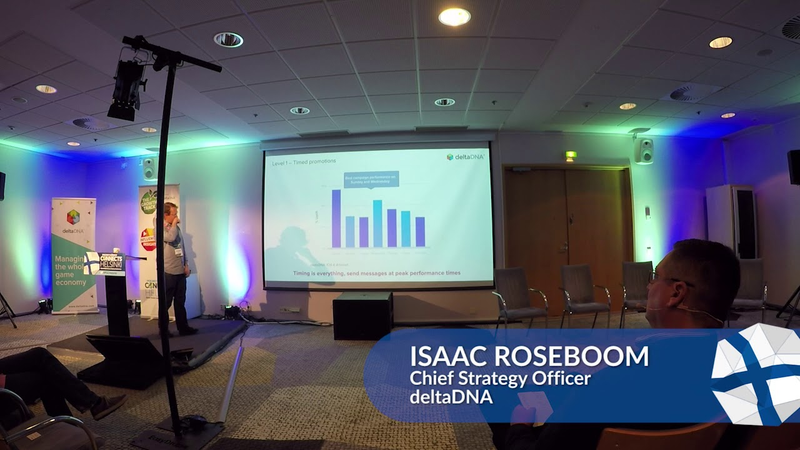
on a Wednesday because I'll get this really cool thing so it's really good at engaging players and giving them a kind of I got a kind of appointment mechanic to come back and look at the look at the game so what we looked at is um how does this work on our platform so we run about 200 million messages a month across the battle beam sessions so we found is actually 60% of the games that are on our platform run timed or some kind of timed offer right so a bit over half of the game setting I once sent 40% of people don't do any kind of timed offers six seven people do some kind of timed offers the people who do offers they typically run an offer one in every five sessions or two out of every three days right you see that builds a kind of natural cadence to the gameplay where you're not bugging people all the time but you are giving them a little bit of a boost it's like say two out of every three days or sort one out of every five sessions something will come up now what I did what I look at is if you look at the sessions with offers in them versus
ones that don't what's the difference in revenue and what you find is it's about 30% higher in the sessions with offers now there's probably a few other little things that happen that make that number come out but it's just a kind of blanket number across every year you take like the hundreds of games I looked at and you say did we make an offer in this session versus didn't we and you see this $0.38 boost which is which is quite nothing to see if you look in terms of volume clearly weekend's are much more popular than weekdays so we send kind of twenty to thirty percent more messages on weekends and in fact you can see here's the distribution of players and more players play on the weekend maybe five ish percent play more in the weekend that offers a massively higher in the weekend so the point here is that it's not just that there's more players it's actually that people are actively most most games are actively targeting weekends as as a kind of strategy and in fact 25% the games concentrate more than half of their targeted offers on weekends so you know they basically don't do much during the week and then they blow up with weekends um what is
interesting if you look at that kind of uplift measurement that I measured before and you do it by day Sunday turns out to be the day with the biggest uplift but funking of the day with the second a couple is Wednesday and then the other days are kind of all about the same so there's a few different ways you can read this I'm not gonna try to have to over analyze this particular because I'm running out of time but you know that's what that was an interesting start so and here are some kind of mechanics that people do not necessarily try to talk a lot about weekends but not necessarily tied to that home escapes has a really cool Knitting mechanic that they sort of randomly put up that has a time limit that you sort of engage in it and you get a reward obviously you can also do quite seasonal things guns a boom I think gaming sites as mentioned before they do really really good like full-on festivals for their different seasons that really engage players so next thing I'm sure about is targeted offers so you know this is where you are trying to
make the experience personalized for a particular player archetype right not just making an offer at level 20 or something but actually like you know recommending content to people I mean lapsed and anti churn campaigns would be would be considered in this and also like you know VIP type content so for people that are big spenders or or I just VIPs in other ways maybe they're very social and that way they're valuable to you you want to change the game a little bit for them so what what is the kind of you know what does the survey say about target off as well 48% of the campaigns we run I actually have no target II know they just go to everybody now that's not super surprising because when you do start to run I mean you want to run offers for everyone and you know obviously your games have communities and so they'll talk to each other and it's important to to make sure that you know you're not going too far that people actually saying well why do I get this new didn't get this but still forty five percent have no targeting 37 percent have some basic targeting like you know at the end of a mission or at a certain use level
that's they're much more built into the game design though these are not really personalized so actually only 15 percent of the campaigns of Iran have actually any really complicated player targeting at all so what I'm trying to get as the minority of games are actually doing any of this most games and not thinking about personalized offers at all if you split it into the two bucket so you see there's people with basic targeting so the ones that are just hitting everybody or they've got like an intermission promo or something like that versus the ones that are doing sophisticated targeting when you actually look at the performance and the number of campaigns they run is a massive difference so for the guys the basic targeting mostly running kind of at any given time less than 15 campaigns maybe more like five or six campaigns and they see they see some uplift but they don't see a lot of uplift maybe 10% uplift and compared to not running campaigns at all whereas obviously the guys that run sucio targeting they're running hundreds of campaigns right all the little micro segments they can think of they're banging away at them they're
doing those slicing you every day they're adding new things to target a very particular group of their players at a particular point in their lifecycle to get more out of them right on so it obviously is a lot of burden their turn all those campaigns and that's why you know tools like ours try to make that easy for you but they're running a lot of campaigns but the uplift is like massive it's like 47% much much higher if you're running these kind of very personalized campaigns and so just you know a few kind of examples of what they might look like he's a kind of lap spender that's fairly common thing but also you know getting into things like content recommendation particularly for games that have lobbies like slots games or any other any other kind of game we have a lot of content you're on a surface square then actually you know making sure that that's optimized and put it you're putting things in the right order and making sure the special you know campaigns and special rewards around the content that they like to consume is obviously going to boost their engagement and also their revenue so I got 20 seconds apparently optimize promotions right so you know one of the
few things here is that you do all this staff and fine I've got numbers on uplift but you need to really know like I had I had a world of things I could do did I do the right thing did I did the optimal thing so actually you know a be testing stuff and even taking it one step further to actually model it and optimize it that way is really important actually what we find is only 5% of all these guys that were talking about before a be testing the vast majority their campaigns so when you look at the the kind of readiness for for what people are doing on our platform and poor you shouldn't slag off our our clients this bad because I know someone ever in the room but you know only 5% of the games on our platform are actually using it to their full extent and actually getting the value that you know we can see is there so I mean my point is I'm trying to get at is that um the vast majority games out there are just not state-of-the-art in terms of this kind of strategy yet which i think is is both it's good and bad right there's an opportunity there you know if you're coming into the sea all these guys are so clever I'm never gonna be as good as the other games well
actually on you go only 5% of games actually doing super clever things so it's actually pretty easy to give you ahead of the curve but the ones that are doing it are getting improving return out of it so without further ado here are the seven serum strategies I have to do this because I feel the torque has his title but these are the seven kind of main points to take away from talk is that you know if you want to have a high opt-out you want to make money out of Em's you have to nurture the players months you have to build these sediment layers of players in your game if you're just washing people through you're never gonna really build a high high revenue game and what that means is that long term retention is really important you need to make sure that you can retain people 30 60 days we see that sending-off is three out of two out of every three days it's kind of the norm so if you're hitting that that's that's around the benchmark if you are sending offers you will see an uplift as long as you're not doing something totally crazy timing is everything so you know whatever I'm not I don't know if they think that the weekend is good for everyone but you know you need to look at your game and look at the right times to kind of promote people whether they're fellow periods or you're trying to to do more the times when people are
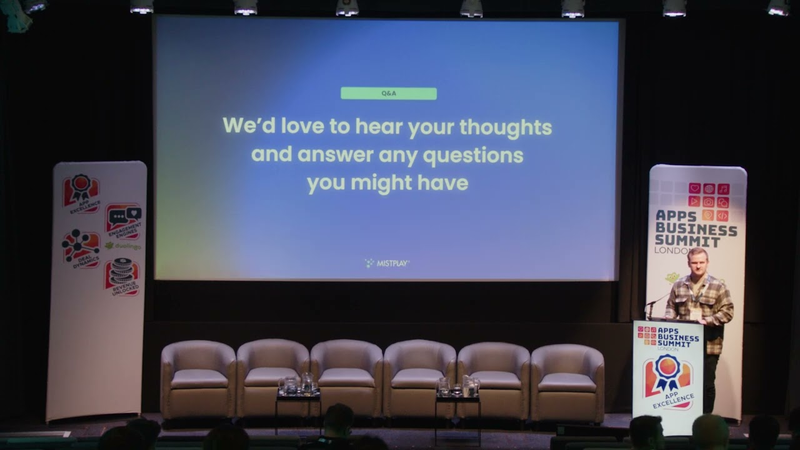
online targeted offers outperform broad ones by like three times and then a be testing is is really important and I'm sure that was seven on this slide but anyway Dhoni so six so sorry that was a bit of a fast two or through those slides but I'll leave it there and I take questions thank you fast but full of information thank you very much hey a whole bunch more people snuck in greet I am hope he caught a majority of that talk tons of really useful data on that do we have any questions anyone have any questions you'd like to ask well I'd love to actually get things started with a question I love the fact that you've gone into a lot of detail on how you present offers what kind of offers tend to be the stickiest is it usually just in-app currency packages or what variety of offer types have you seen work really well um so what what I think from a design perspective is better is actually sync so I mean one of the better ways to set the game up I
think and this isn't is my personal thing is that if you can engage people to sync their currency then it's much better to then drive normal monetization now you can pair them to say like well here's here's a really good sync like here's like an amazing thing that's discounted in virtual currency or he's like something some high-risk mechanic like a gambling mechanic you can engage in and if you win you get this awesome thing but if you lose and you're gonna sort of have a sink so having a sink in first and then pairing that with either an offer or just a natural flow through to monetization works really well because in that situation you're not just saying you're not devaluing your store one of the most dangerous things people do is they they have like that here's a 95% off offer it never goes yeah that's great I'll buy it but then next time they're not gonna go to the store and buy something at full price so I think trying to have that balance of getting people to actually engage in the content and buy stuff with virtual currency and then drive people a way to use the currency so you have a shortage of cash that people want to replace or if people are gonna buy more currency give them a place to use it so they don't have to now actually never buy
again yes I think the economy balancing here is much more important than just drive to spending that's a great idea any other questions we have a question over here thanks for the talk two questions first can you elaborate on the data set that you used what what like the peaking games and then there that are growing more gradually yep so whenever I do these talks I always just look at io s and us mobile what's the sample size it's quite 500 games okay I mean the minimum what I usually do is I cut at a minimum size of 50,000 nru thanks and then secondly have you noticed games that have peaked then declined and turned around after that between those two categories yes yes it's it's more of a interesting because you know this kind of approach is is
more modern so you know a couple of years back not as many people were thinking about it we saw a lot you know you think about what our toolkit really is it's a it's a toolkit to do this stuff so we see a lot of people coming in without the expertise to do this and then applying the stuff and coming coming back of course one of the challenges here is that you know what you want to do is have a big boost in get oh he plays in and then hold on to them so if you already dropped off you have to go back through that kind of relaunch so then you it's a question of you reskin it is it a is it actually a version - or or a did you just kind of pump it back in because one of challenges or would you run a big sort of re-engagement campaign to bring all the players back in that we're in there beget at the beginning sees a few extra kind of things you need to do if you've gone through quite a big fallow period as opposed to just kind of kept that steady level great thank you very much I really appreciate it thanks I think [Music]
Summary
Modern mobile game revenue is increasingly driven by long-term player retention rather than initial launch spikes. Analysis of data from 500 iOS games in the United States, each with at least 50,000 daily active users, reveals that the top-grossing titles are predominantly mature games. Approximately 70% of daily revenue in long-lived games is generated by players who installed the app more than a month prior, highlighting the necessity of building a "sediment" of loyal users over time. While 65% of games follow a classic boom-and-bust trajectory, 35% achieve sustained success by utilizing LiveOps to create oscillating revenue patterns through seasonal events and content updates.
Effective customer relationship management (CRM) strategies are essential for maintaining this long-term engagement. Data indicates that while most developers implement basic task and offer systems, only a small minority—roughly 15%—utilize sophisticated, personalized player targeting. Those who do employ advanced segmentation and targeted campaigns see significantly higher performance, with revenue uplifts reaching 47% compared to the 10% uplift seen in games with only basic targeting. Furthermore, while timed offers are common, they are most effective when integrated into a natural gameplay cadence, such as weekend-specific promotions, which can boost session revenue by approximately 30%.
Despite the clear benefits of data-driven optimization, only 5% of games currently utilize A/B testing to refine their campaigns. This indicates a significant competitive opportunity for developers to gain an advantage by moving beyond broad, non-targeted messaging. The most successful monetization strategies focus on balancing in-game currency sinks with targeted offers, ensuring that players remain engaged with the game economy without devaluing the store through excessive discounting. Ultimately, the ability to iterate quickly and personalize the player experience is the primary differentiator between games that fade away and those that remain profitable for years.