1 free read left. Create a free account for unlimited reading + AI research.
Create free account
How AI automation increases games IAP LTV by 25%
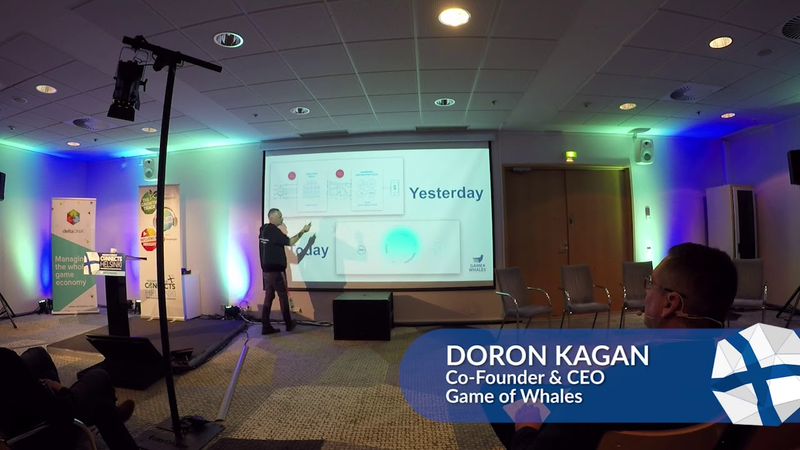
Key insights
6 takeaways- 01Automated systems mitigate the 'hangover effect' of manual discount strategies by protecting high-value players from churn while aggressively monetizing non-payers through early ad placements.
- 02Real-time behavioral clustering allows developers to move beyond generic demographics, enabling personalized monetization strategies that distinguish between potential spenders and non-payers.
- 03Automated AI and machine learning platforms increase in-app purchase (IAP) revenue by 20% to 25% compared to traditional manual management strategies.
- 04AI-driven optimization improves day-7 retention and overall conversion rates by identifying interaction 'sweet points' that human analysts typically overlook.
- 05The platform-agnostic, GDPR-compliant solution replaces manual decision-making to address industry-standard challenges, specifically a 2% IAP conversion rate and a 50% daily churn rate.
- 06The technology is most effective in complex game environments with extensive item catalogs and multiple currencies, as the AI can process hundreds of parameters simultaneously.
Ask AI about this video
Transcript
[Music] hi everybody and so that's what I'm going to speak about today in a purchase and using AI in machine learning to optimize it so just to give a background we've been in the mobile game industry for 15 years I think our last company is the media that we still own so what made us move from the media which is a lifestyle company with 200 million downloads to do a solution that basically offered other game developers AI in machine learning automation so just a background of the media it's a private company we are between California Israel and st. Petersburg in Russia and we have 200 million downloads for our racing games mainly trial extreme it's our number one in game it to go to 143 countries as number one Apple and Google will give us a lot of
love with features across the six years that the company lives and it's a lifestyle business and it's profitable so life were good and everything was perfect and it was too perfect so we decided to move forward so this is the challenge that we saw and that's the opportunity that we understood that we are missing so 2% conversion rate is considered quite good in the mobile gaming industry not to mention racing genre which is the worst genre in the world in terms of conversion rate our pupils etc so the mirror picture of the 2% conversion rate is 98 percent conversion rate that we lose so 98 percent of the users that are going through the game every day are not going to pay we got used to this number but it's crazy 98% of my audience are not paying they are playing the game maybe they enjoy some of them don't really enjoy but they are not willing to
spend money in the game what makes it even worse is that the average daily churn in mobile games is 50% and that takes time to understand so 50% of the people that are playing today will never come back after tomorrow and every day is the same so you start with 100% and go to 50% in good case scenario in day 1 retention and then when you go to 25% etc etc so every day half of the users will leave the game so that's a big channel challenge and a big opportunity because if we could keep some of these 50% all the metrics will be much better ad monetization I don't know how many of you are game developers game studios but there is always a confrontation between the product manager and the monetization manager between when do we show ads because if we'll start showing it in session number one we'll hit a huge
funnel of users all the people that download the game will see ads but what will happen is that nobody will convert they'll see an ad from a shin zone or platica or one of the super cells or one of the top grossing companies and say hey that's a better game I'll just move to that game and I'll spend my money over there so when you want to show it because you want to monetize the 98% but then you don't want to show it too early because you don't want to lose your top-grossing users and cross promotion because we've launched a lot of games through the years and we spent a lot of money on Facebook and other platforms in user acquisition but in terms of cross promotion we understood that we keep on doing the same things that we've done eight years ago in terms of let's show an ad like every other ad network not taking any advantage of the fact that it's our game so the only thing that we take as an advantage is the fact that it doesn't cost us money so we can just show them pictures of our new games and hope they will download it
so when we decided we have a problem we said ok there are tools out there that can fix it for us so let's take one of these tools so we started with analytics which is the basic thing everybody needs analytics so you get an understanding of what's going on you get an understanding of what you need to fix and you might have an idea how to fix it but that's a very long cycle I'll show it in a couple of slides but it's a long cycle and you don't always know how you can fix the problem with analytics segmentation great but what you do with these segments even if it's very advanced predictive analytics that gives you the segments of who's going to churn who's going to convert etc what do you do with this information and after you took a decision what to do with this information how do you check if it worked or not you have the push notification and dynamic pricing which presents a new problem because if you do dynamic pricing people start sharing screenshots hey I can buy this tank in
Tendo in ten coins and I can buy this tank in hundred coins and after they understand they pay more than another user they feel cheated and they leave and they leave the game and you have the marketing automation that basically interacts with the user offering them a lot of discounts more for your money etc and what this goes on the long term is inflation this is where we started really to interact with the users and say ok you have 50% discount on in a purchase go and this is the spike we saw this is a real picture of what happened when we activated the the it's not marketing automation but 50% discount own in a purchase users react like the cells went from few hundreds an hour to over almost $2,000 an hour and that's a big spike right so we were happy but we were happy for a very limited time because the day after looked very bad we call it hangover effect so you're
very happy when you drink but you need to wake up in the morning and face what happened yesterday so yes we've done a lot of money yesterday but the next day people don't need any more corn so they don't buy so we see a long-term effect that in most cases will be worse than not doing anything and the worst thing we saw when we've done something like that is that we increased churn and there's a very simple psychological explanation for that people are moving from the linear progression in the game they have a lot of coins so they buy something from the end of the funnel and then they lose interest because it's not challenging anymore it's very nice for the next few minutes but then it's not challenging so this is how the market works today so you have all kind of analytic systems for better or worse that process at the data you have their analyst you have the marketing people analyzing it you have
then the tools you need to use in order to interact with the users based on the information that you collected so every step of the way takes between hours two days and what happens in this few days process is that you lose a lot of users and worse than that you lose a lot of sweet points points where the user actually could convert or you can stop him from churning sorry so this is what we built basically we built a system that collects the data in real-time sends it to the cloud the cloud then clusters or segments etc in real-time interact with the user automatically in order to prevent churn or to increase monetization and then checks automatically while by comparing to the control group if the reaction to the interaction to the user was good or bad after you understand if it was good or bad he knows which offers are good for every user segment cluster etc the
monetization goes in the same way I brought two examples from real users in one of our games that actually converted but in a very different way because conversion might seem like a very generic word per game but users behave differently I don't know if you can see it but this user he started to play here and he started to spend after two days fifteen hundred dollars a day so he played seven sessions and spent five thousand dollars within the first five days he was playing and then he left the game okay that's a really strange user okay but it's a real user this user made his first in-app purchase after 2180 sessions in the game again it's an extreme example but this shows the two extremes of how users behave differently and if you don't with them differently you will lose one of them I would have to lose this one but this one is the long-term user and
as you can see it's playing more than one game so it's a loyal user but each one needs something else and you cannot monetize 100% the same way so the 98% are the people that are not monetizing I mean they don't monetize within a purchase and you want to deal with them in a different way then you deal with the people that you want to show them ads so when you understand in very early stage of the game who is not going to convert you can basically start showing them ads right in the first session you don't need to wait five days or 50 days until you showing yet you can start in the beginning if you know these people are not going to pay show them an offer world monetize them through other ways and the two person they will never see it because you don't want them to go anywhere so what did we build basically what's the dream platform that we went to build so fully automated meaning throw the SDK inside and do nothing just
check that it keeps on performing but you don't need to manage you don't need to segment to interact to check your reactions etc let the machine learning learn and the AI do the actions for you boosting a purchase revenues that's the first goal of the system act and learn across all my games which we just learned in the last few months we launched four months ago we learned that many companies that have more than one game that don't use cross games information which is really surprising so if you have payers in game number one you don't use this information in game number two so that's part of the system learn inside the studio from all the games so take advantage of the fact that somebody played another game when you interact with him with this current game keep my VIPs so make sure that the top players that are spending money get what they need in order to stay in the game monetize aggressively the non payers so
when the system understand that somebody is not going to pay it should be dealt totally differently a user that is going to pay GDP our friendly so not collecting any personal information and it should be fun so the system was designed by game designers so the b2b is quite addictive I think we can compete with Facebook with how many log is in per day our users have to the dashboard but it can be fun data can be fun and I'll run really fast it gives LTV per user per country automatically no need anymore for calculation the bottom line is that you see an increase of 20 to 25% in the revenues I mean in a purchase revenues it has the day 7 retention because the system works on churn prevention and it has the conversion rate and our poo-pooed on the other side in the monetization we acquired up static I don't know if you
guys are familiar with app statics we bought them last month app static is a developer tool that shows real-time App Store ranking across the different stores in the world so you have a game you see in which country you are what number and if you went up or down real time a penny just to translate it for people that were not aware the whole idea and everything that we try to do with game of Wells is to take the set of action that we used to do manually pour it into the data and automate the decision so when we had the studio I use to access app statics at least twice a day to see where we are in each country etc so the whole idea is that we shall now pour this information into the system to make a smart decision making and again just to recap on everything you put an SDK inside and you let the data divide the users by their behavior
and not by any generic information like gender country etc just by their behavior find the similar behaviors across the different games behavioral profiling of user based on few games interaction based on that and then out optimization compared to the con to make sure that the results that we are showing our increase compared to the control group and not compared to what was there yesterday that's it thank you wonderful thank you do we have any questions for Dorothy all right well actually I've got a question for you does the machine learning and the the kind of the process you outlined work better for one particular genre of game than another hyper casual core games the more complicated the game is the better performance we can do because as
opposed to humans that can take into consideration few parameters five six twelve parameters into account the machine can take hundreds of parameters into account so for simple games it's a challenge for the system the more complex the game is and the more in-game items that the game have the better for us in terms of performance okay are you in your judgment complexity by the size of the IP catalog not just in a purchase catalog in game catalog how many items you can buy in the game how many currencies you have in the games the more event the game have the more complexities and the way for the machine learning to shine is easier fantastic any other questions yes over here there's a mic coming soon there we go thank you
what kind of girl she can we expect from the machine learning what kind of accuracy so there is no accuracy there is what the difference between the control group which is a walled garden group of users that we don't touch to the complaint group the users that we touch so what you can see is the increase the difference between users that are not touched by the system to users that are touched by the system we are looking at twenty twenty five percent increase between the control group and the campaign group okay great thank you got another question over here thank you related to the accuracy question how much data do you sort of need to start so that the system starts working properly so the main thing is that the more data we get the better but we can
start with very few in-app purchases so we have an indie developer it's my favorite there are three people from Spain working from home and they have maybe ten in-app purchases per day so it takes more time for the system to start acting but there is no limit even the smallest indie developer they can start it will take longer it will take longer for the system to perform and to make the prediction and to check if the prediction is right etc so it's not a matter of what's the entry level it's a matter of how long before the system can perform okay cool thank you very much all right thank you very much for appreciated [Applause] [Music]
Summary
The mobile gaming industry faces significant challenges regarding user monetization and retention, characterized by a standard 2% conversion rate for in-app purchases (IAP) and a daily churn rate of approximately 50%. Traditional manual methods of managing these metrics—such as static segmentation, manual push notifications, and broad discount strategies—often result in long operational cycles, user frustration, and a "hangover effect" where short-term revenue spikes lead to long-term declines in player engagement and game balance.
To address these inefficiencies, automated AI and machine learning platforms have been developed to replace manual decision-making with real-time, behavior-based optimization. By integrating an SDK, developers can leverage cloud-based systems that cluster users based on behavioral patterns rather than generic demographics. This approach allows for dynamic, personalized interactions that distinguish between potential spenders and non-payers. For instance, the system can aggressively monetize non-paying users through ad placements early in their lifecycle, while simultaneously protecting high-value players with tailored experiences to prevent churn.
Key findings indicate that this automated approach yields a 20% to 25% increase in IAP revenue compared to control groups. Furthermore, the system improves day-7 retention and overall conversion rates by identifying optimal "sweet points" for user interaction that human analysts might miss. The efficacy of these machine learning models scales with game complexity; systems perform best in environments with extensive in-game item catalogs and multiple currencies, as the AI can process hundreds of parameters simultaneously to make granular, real-time decisions. This technology is designed to be platform-agnostic and GDPR-compliant, providing a scalable solution for developers ranging from small indie studios to large-scale operations with multiple titles.





















Comments