Monetization reports and market data
Documents

AskGM #5: How to Make Mobile Apps Safe for Kids | With Super Awesome
The digital landscape for children is undergoing a significant transformation as developers shift from traditional, data-heavy monetization models toward privacy-first infrastructure.
- Developers are shifting from data-heavy monetization to privacy-first infrastructure to comply with global regulations like COPPA and GDPR.
- The industry is replacing unreliable age gates and behavioral tracking with zero-data tools and AI-driven identification to maintain compliance.
- Specialized B2B technology platforms are being used to abstract the technical and legal complexities of developing for child-directed audiences.

Indie Sustainability with Jake Birkett | GduX.me
Achieving long-term sustainability in the independent game industry requires a disciplined transition from creative passion to rigorous business management.
- Treat game development as a long-term business by maintaining a cash runway, living frugally, and taking on supplemental contract work to mitigate market volatility.
- Limit development cycles to under two years and strictly manage project scope to avoid feature creep, as longer cycles rarely yield a viable return on investment.
- Use Steam wishlists as a predictive metric by multiplying the total count by 0.5 to estimate potential first-week sales and inform production budgets.

Bernie Sanders Calls for Unionization and EA's Surprise Mechanics | Games ReCAP Episode 007
The video game industry is currently undergoing a critical transformation characterized by a fundamental tension between aggressive, short-term profit maximization and the long-term sustainability of its workforce and product quality.
- The gaming industry is experiencing a fundamental conflict between short-term profit maximization and the long-term sustainability of its workforce and product quality.
- Frequent layoffs and at-will employment models are driving a surge in unionization efforts as employees seek collective bargaining for equitable profit sharing and standardized severance.
- Electronic Arts and other industry players face mounting regulatory scrutiny for using 'surprise mechanics'—a rebranding of loot boxes—which critics equate to predatory, unregulated gambling.

The Future of UA+PM | N3TWORK's Nebo Radovic talks Product Management and User Acquisition Strategy
The integration of user acquisition (UA) and product management (PM) teams is a critical driver of competitive advantage in the mobile gaming industry.
- Integrating User Acquisition (UA) and Product Management (PM) teams is a primary driver of competitive advantage, shifting from siloed operations to shared accountability and unified goal-setting.
- High-frequency communication, including daily or near-daily meetings, is required to synchronize live game events with UA strategies and monitor metrics like early retention and payer conversion.
- Genre specialization is mandatory for success, as distinct game genres require tailored creative assets and targeting strategies that align with their specific Lifetime Value (LTV) curves.
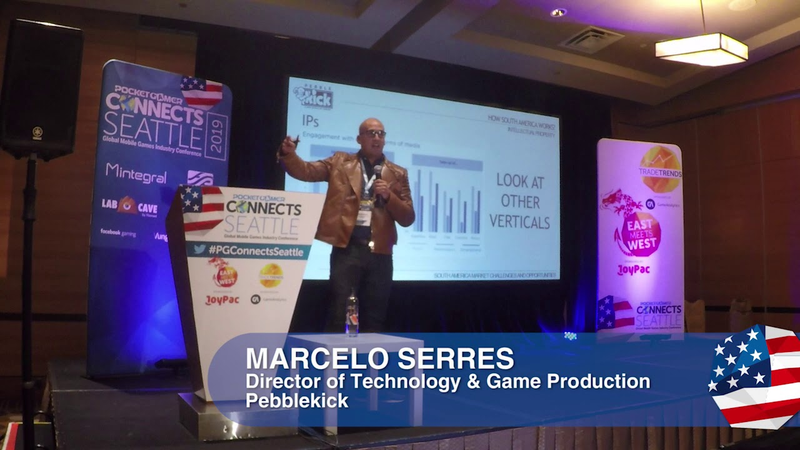
South American market overview
The South American gaming market presents a high-potential but complex landscape characterized by significant cultural nuances and a lack of mature local business design expertise.
- Success in the South American market requires 're-culturalization' rather than simple translation, which involves aligning products with local entertainment preferences and forming strategic partnerships.
- Developers must avoid treating the region as a monolithic entity and instead implement a three-dimensional strategy that analyzes the specific, overlapping dynamics of individual countries.
- Soccer and telenovelas are the primary cultural pillars of entertainment; licensing these IPs or integrating their themes is a highly effective strategy for user acquisition and brand relevance.
Overview of MENA markets
The Middle East and North Africa (MENA) region represents a significant, high-growth market for mobile gaming, characterized by a young, tech-savvy population and increasing digital spending power.
- The MENA region features a highly engaged gaming demographic where 30% of the population is under 25 years old.
- Effective market entry requires cultural localization, specifically implementing right-to-left text support and avoiding literal translations in favor of Modern Standard Arabic.
- Monetization strategies must prioritize direct carrier billing through local telecommunications operators and account for a strong preference for iOS devices among higher-income users.

Why do they buy? Key player motivations for monetisation
The mobile gaming industry faces the persistent challenge of converting free-to-play users into paying customers.
- The CAPS framework—Cosmetics, Access, Power, and Status—provides a hierarchical strategy for aligning monetization mechanics with core player psychological motivations.
- Status is the highest tier of monetization, leveraging leaderboards and social rankings to incentivize spending through public recognition and community standing.
- Power-based monetization drives revenue by offering durable upgrades that provide competitive advantages in PvP or help players overcome difficult progression curves.
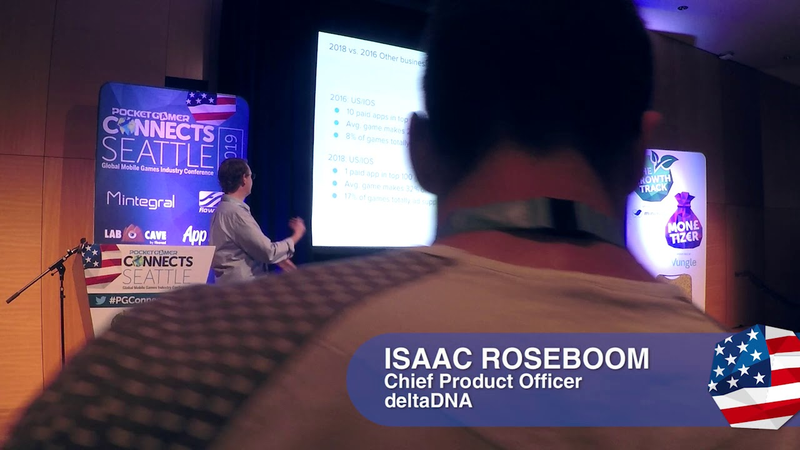
80% data, 20% luck – How to make profitable games in 2019
The mobile gaming industry has transitioned from a hit-driven, scattergun marketing approach to a data-centric model focused on sustainable growth and long-term player engagement.
- Mobile gaming has shifted from a 'boom-bust' launch model to a sustainable growth strategy, resulting in a 64% survival rate for games launched in 2018 compared to only 40% in 2016.
- Successful publishers now delay paid user acquisition (UA) until months after launch, allowing them to gather data on player segments to ensure marketing spend targets high-value users.
- Engagement is now prioritized over aggressive monetization, as evidenced by the fact that while total US App Store revenue grew 30% between 2016 and 2018, the number of players remained relatively static.
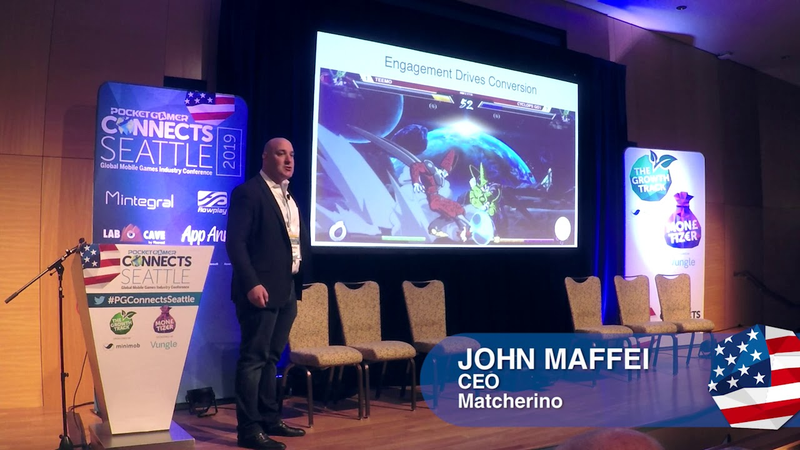
Monetisation for esports
The esports industry is experiencing rapid growth, with fan bases now rivaling major traditional sports leagues like the NFL and NBA.
- Esports monetization currently averages $4 per user, significantly trailing traditional sports like the NBA at $35 and the NFL at $55 per fan, indicating substantial room for revenue growth.
- Esports fans are three times more likely to make e-commerce transactions and two and a half times more likely to retain in a game, making esports a high-value channel for publishers.
- Increasing prize pools directly correlates with viewer engagement; for example, raising a prize pool to $10,000 can increase viewership from 25,000 to 200,000 by incentivizing higher-tier competition.
Marketing and business on a budget for indie developers
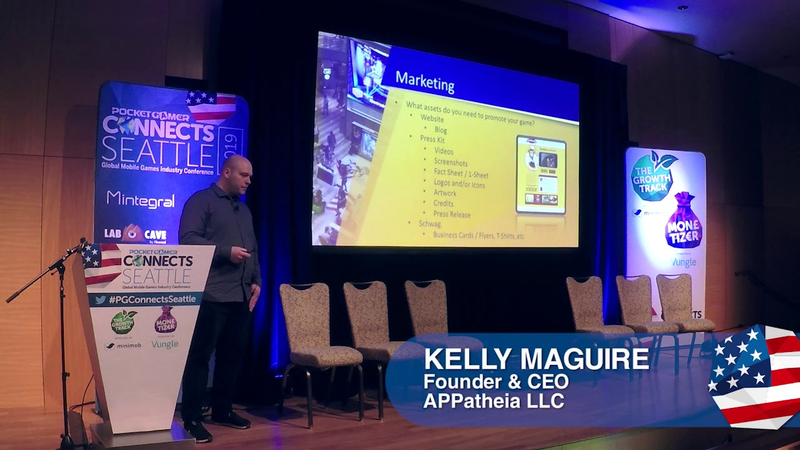
Indie game development requires a shift in perspective from viewing a project as a creative passion to treating it as a commercial product.
- Indie developers must treat marketing and monetization with the same level of rigor and resource allocation as the actual game development to succeed in a competitive market.
- Marketing strategy should focus on identifying a unique selling proposition and communicating it through concise, digestible content tailored to short attention spans.
- Paid acquisition should leverage sophisticated targeting on platforms like Facebook, Instagram, and Google, while utilizing cost-per-install networks and micro-influencers for scalable growth on limited budgets.
Which mobile fraud solution is right for you?
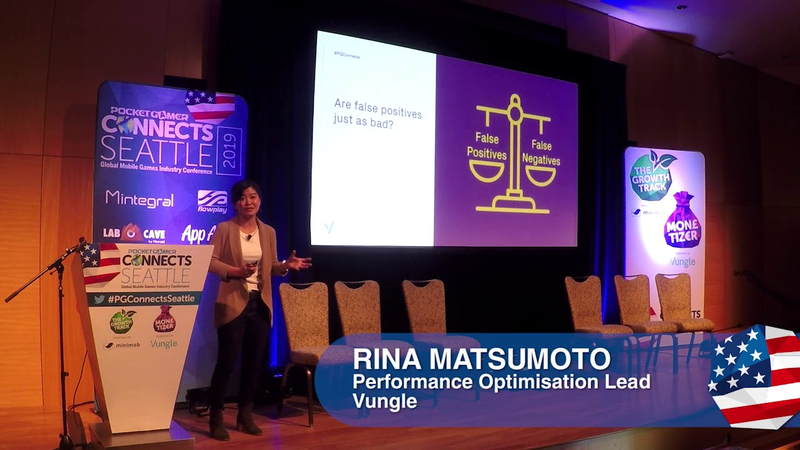
Mobile ad fraud remains a persistent and evolving challenge for the gaming industry, with recent data indicating that approximately 25 to 30 percent of paid app installs globally are attributed to fraudulent activity.
- Approximately 25 to 30 percent of global paid app installs are currently attributed to fraudulent activity.
- Fraud prevention solutions should prioritize real-time blocking capabilities over retrospective reporting to prevent budget loss before it occurs.
- Advertisers should focus on publisher-level data rather than device-level reports, as the latter often lacks the statistical significance needed to identify and act on fraudulent patterns.
Designing games for maximum monetisation
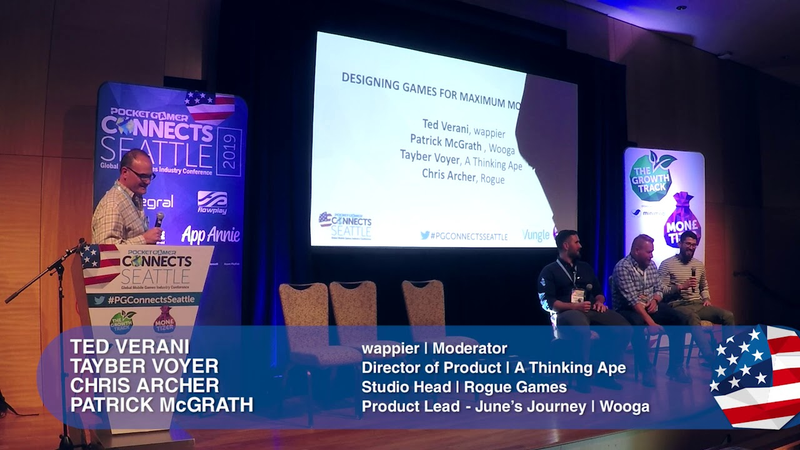
Successful mobile game monetization requires a strategic shift away from aggressive, progress-blocking tactics toward a model rooted in long-term player retention and genuine value perception.
- Prioritize long-term retention and social engagement, such as guilds and communication tools, over aggressive, progress-blocking monetization tactics to build a more resilient and profitable player base.
- Focus development efforts on mid-game engagement rather than solely optimizing the top of the funnel to increase both active participation and player spending.
- Avoid deceptive pricing and 'pay-to-bypass' mechanics, as these practices erode user trust and negatively impact long-term retention.