1 free read left. Create a free account for unlimited reading + AI research.
Create free account
South American market overview
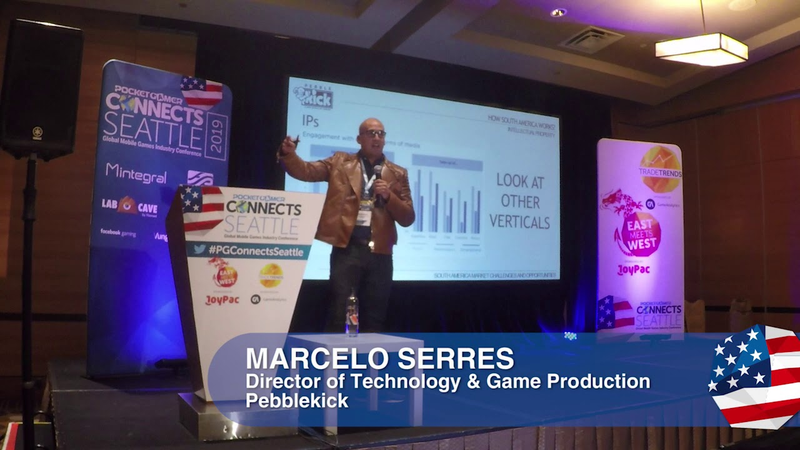
Key insights
6 takeaways- 01Many developers fail by treating South America as a secondary market or attempting to enter without a long-term commitment, despite the region representing a multi-billion dollar opportunity.
- 02Developers must avoid treating the region as a monolithic entity and instead implement a three-dimensional strategy that analyzes the specific, overlapping dynamics of individual countries.
- 03Traditional media, particularly television, remains a dominant force in daily life and often outperforms digital platforms in user engagement, creating a vacuum for developers to fill with locally sourced content.
- 04The regional monetization landscape currently favors free-to-play models supported by advertising, necessitating local partnerships to navigate these specific financial structures.
- 05Success in the South American market requires 're-culturalization' rather than simple translation, which involves aligning products with local entertainment preferences and forming strategic partnerships.
- 06Soccer and telenovelas are the primary cultural pillars of entertainment; licensing these IPs or integrating their themes is a highly effective strategy for user acquisition and brand relevance.
Ask AI about this video
Transcript
hello hey thanks for having me here yeah we're going to talk about South American markets and South American talent and I think I'm pretty much going to do if you are interested in South America markets I'm going to do part of your homework so let's jump directly and talk about so American market I should apologize that's not the fund that I was using but I think pretty much is going to look okay so South America seems to be so close so easy so accessible but yet there no one hasn't found the key to open up the market and try to have some constant success with their products so let me introduce myself because I need to show some credentials to talk about this so
what this poor guy knows about it well I come from there I'm from Chile I have been working on almost a decade on the on the video game industry and the creative industry for several companies I used to have my own studio and fast forward to now I work as a director of technology and game production of politique a Polish Air Base in Pasadena California with different offices across the world particularly we have an office and studio in in Chile so the grass plane a little bit more about this so for people that doesn't know too much it's for America awesome places cool place to go everyone should need needs to go there and also it's a place you will find a saturate and warm people and culture over there you need to enjoy it at least once and it's home of a lot of talent of fat amount of different type
of talent that also goes after the begin industry you will find such amount of talent different type of Studios really small studios consolidated Studios work um oh I work on PC yeah there is everything so at this point you may vil asking or wondering oh there should be a Peter of titles that are our weaning or were famous for sure so there is a lot of titles year after year when in Awards having more more solid presence on each market or being commercially successful year after year okay everything so perfect so far but the reality is that that sublet a section of the rule on South America what we I haven't shown you so far it's just a tiny sample for once to do that
to see their Prague that's a seed there is 20 20 to 30 others that are failing are they are usually closing their doors before two years of operation so that's the sad reality also you could say that a stream that happened on the indie developer development seen worldwide but it's really awful what's happening in Latin America what's happening if you are behind the studio you have been working in the industry you know that such a problem start to focusing too much and developing a game or designing a game without thinking the game needs to perform commercially at some extent so you need to start designing from girl from the grown up some commercial strategies to hit the market so where that's where all the problems start to emerge so one of the biggest fault in our biggest problem that you can start finding in South America and across Latin America too is like the last the
lack of a specialist on business design or working commercially under creative under the creative industries I think that is probably where you are not going to find enough talent there there is a lot of talent developing the wonderful artwork code and building wonderful teams but then they are failing on their commercial strategies so that's why I have been forced in order to survive for a decade starting from from the lower position until being the director now in promoting the products it sells going outside getting exposure work in co-developing and and that has been helping me to construct building understanding on the talents and opportunities that you can find into this market now working outside from Latin America is helping me even more more in visualize this whole picture you
know taking that distance really helps in construct a picture and that's what I would like to share with you so sad America let's start with the numbers the numbers is the easiest part you can find it almost everywhere everyone tends to refer to new zoo so if you want to know more it's just good in it but I really want to get deeper after the numbers in what how important it's not just understanding the numbers is what understanding what I did there are the dynamics inside the market so yeah it's a market that's growing it's really important it's around five percent if you take in account Mexico if you if you don't take in account Mexico and you want to focus it just in South America it's a little bit over for me four billion dollars and that's quite interesting but most of the companies that start jumping into Latin America they tend to think it's just a smaller
market that's complicated to convert it's not just that it's a lot more so most of them the most common mistake that I haven't seen some companies summation companies jumping into the market has been how they try to interpret how the market works there so the first thing is like okay how it works South America yeah it's big territory then after what biggest subdivision that you can have okay by language you have two mayors of division Spanish and Portuguese so you have a big Park up like Brazil and the rest of the countries and there were the mistake start with Brazil where okay we know that works but the rest of the countries they have some such a special dynamics that defer one to each other but overlap is similar that you need to take the time to analyze it why is that because the combined and revenue can be higher than just rasilla lon if you get into details so that's why
it's not something that you need to discard right away so in order to analyze this deeper there is two key key dimensions that you can use to understand the dynamics so the first one I mentioned it before is the local language if you go after the language the dynamics are deeper and you can depending on the type of projects that you want to implement over there it could be quite complex but in order to simplify this yeah let's keep with Portuguese and Spanish that we'll be covering around 92 some right percent of all the population order but having something localized it doesn't mean that it's relevant for the people over there so those things are quite different and usually that's the mistake so what's relevant for the people over there do you know what type of content they prefer what type of media they prefer over the other cameras and so on
the other thing that you need to keep in mind also if you if you are thinking just jump into Brazil with this planet you have a huge it it's like Spanish apply for South America but then extend over Central America and keeps going even for North America with Mexico and a huge part of the population of the United State too so you have a date if you work with Spanish too so just to prove these two point with us that dimension with some facts it's like yeah the people across South America tend to prefer content in their local language even if they're coming from a local source on external source and one of the key element that you need to keep in mind about the relevance of the content is that most of the people that haven't game dumped a debt if being a fully active user on any internet-connected device is because the lack of relevant
content for them why is that it's because the media the traditional media is so strong in some places in Latin America that still there is no content relevant for some some target user bases on in some of these countries so in order to try to strategize for for Latin America and make an effective plan it's like you need to try to find some common grounds overlapping relevance on the content and obviously on the language and how you can do that jump in from outside of South America you need to find the right local partners so those right partners could help you with user exposure and localization localization is quite simple it's just a language it should be wrinkled or ization but I'm going to talk about that in just a minute so that missing link in how you can make content relevant is important
it's critical because there is no way you are going to force a simple to the platform and make it successful there if it's not going to be relevant for most of the people over and over so there is a third dimension that that you need to add or these so this one is where in order to make the content relevant it need to at least look like that is a local source it doesn't need to be a real local source but need to look like that it's relevant coming from that culture so in order to make some content relevant the first thing that you need to analyze or observe is how the other verticals in entertainment industry are working and apply a couple filters so it's like how I can work with this partner is through local consulting recruiter ization call development or licensing IP so given that you have those three core ooh I want to show you
one point that applying those verticals that are not being game but are going to prove the relevance on how you can adapt that content so for example this graph shows sorry this map shows that TV content positions in Spain how is how relevant or the penetration that has through through Latin America and you can even say it can even look that email in Brazil it has a good percentage is because it's relevant then after come obviously the localization and so on what makes so relevant all this content and that's one point that comes later that's going to explain well particularly the general of this is drama that's a huge thing across Latin America actually so operas and remember that I mentioned that the traditional media is so strong in Latin America one key thing for example two analyzes for
example for Chile from I come from it Chile has one of the highest number of internet penetration and smartphone penetration across South America but even so the amount of time that user people is spending on the traditional media like television is higher than Internet why is that is because obviously the content hasn't been penetrated get into internet so that's make it more difficult for them to justify spending more time in Internet than being on the TV so that's one of the key thing why you need to go back and analyze those verticals in media to see what content is relevant how I can bring it back or hike I can be back on those to make my like games relevant or my content relevant through some other eyepiece or generous okay what about the
local telecoms this is something that works quite well in Asia for us but it's not happening in Latin America yet sadly it used to be quite good on where Java games were like we're a thing but not anymore right nowadays everything is like that like the Wild West so you need to stick at least on mobile with Google and Apple or things that I have in here mention of a lot across the difficulties on the dynamic scene in understanding the dynamics is how the monetization changed well it's like the rate is is around five people other one will prefer to having something free and consume any advertisement that you want to offer to them is a pain premium and that obviously forced you to change all your
monetization strategy from Taiwan countries into Latin America and given that the growth that we are seeing more is in Creole you can expect that everything need to shift order so at the end mention that all of that I think the key it in order to have a successful a successful landing Latin America needs to come with a longer term commitment not just one shot so that come then I can understand in those three dimensions in three and three things that need to pass through your source material that's analyzing from the relevance generous popular dinners are subject for the people over there then the language that's not just translation is wrinkled or is Asian culture and then the source are you going to work with an intellectual property or you want to
bring your own intellectual property order and then questioning it's relevant at all it's going to work or not so those those are the key that you need to water why the project could have a fair chance to success or you need to start spending money and money creating this type of pipeline and optimize that is going to put you in a wonderful position to compete against bigger actors in Latin America and actually this type of pipeline could be easily allowed to any other market always you will be burning money and trust me we have been doing that mistake before and we want to make it anymore so let me go briefly about some car about South America so after all that I mention it on the dynamics do we still think that is risky to segmented market to dive in it's too small
should I prefer other markets well I think that's missing the point I think most of the efforts of people just taking a project trying the trying this market as a secondary market see if the product works they see that they fail or they don't have enough traction not enough or not good enough kpi's the problem is like they never took the time to analyze those dimensions to actually bring something that has the possibility to have success not just crossing fingers through the eyes and ask for for some snake eyes so the fear advice is please don't go solo all these companies have been doing the same mistake it's like one-man army what they are doing trying to running everything by themselves oh yeah you can buy out with what company you can help with some ores with this so these need KPIs and so on but the promise you are trying to run in
the business by yourself we tell any local partner that you'd advise you not to make some mistakes so that's the first thing that you should be avoid the second one you need some solid a strong strong partnership with local companies at least if you really want to give a fair chance a product assistance to sit over there go there meet the partners over there see how real they are they have been set amount of us I don't want to say scam but partners that they don't say they are not truly what they tried to sell when they come to different events so you need to take the time to lower down the risk of partnership with the wrong people for example I hear a lot a lot of expert consultant providing some advice you should be doing this or that in Latin America so fine but most of those at of advice are pretty hollow so let me
let me help you with a couple that are really going to produce an impact on any problem that you could have so what do you think are the two major entertainment / tickles that you could find on a lot across Latin America what are the major phenomena that you can find there you can think of one or two let me help you the one of the biggest one is soccer well soccer is insanely popular worldwide but in Latin America is just freaking that and just take a look at the numbers the numbers are Pollock in some reports but you have one one out of five people that are involved in soccer at some extent so they are exposed with soccer so thinking in soccer despite addressing there you have around 70 million people just across South
America that actively follows this sport weekly basis and you have people like until like the third 31% of the population think it's a form of entertainment so okay that's quite interesting so but you may thinking and that's what some of the guys that I hear that I hear about and that's my point you don't need to make a soccer game to be involved with a soccer as IP what's value of soccer as an IP and that's when you need to jump deeper it's like why the people is so loyal to this soccer they like circular sport they like sagara-san it today ma'am they like soccer as a brown the local brands that's actually the local soccer teams or the natural teams there is an endless amount of possibilities licensing those and are quite cheap and no one is exploring properly just an idea it's like even if you have a soccer game any other random game you can use cut some
customization with the local teams and you're going to have a huge peak of exposure so you are going to have a way more effective user acquisition thinking how to licensing folks that are relevant for the people over there and the second one it this was insanely huge and soap operas that are called telenovelas and there is two major houses that one from Mexico the ladies and one one from Brazil a law that produced such amount of content that just in Brazil a global has over 100 million viewers and weekly basis for the product that they are generating license in any of those series it's fairly cheap and you can develop a product or that you'll need to create as a narrative game that go around that but you can explore partnership with those TV networks and how you can reach that audience that simplify for you trying to
have a commercial successful product because the question at the end is not publishing a game that you are rehab successful in Latin America or South America is how you make a business that could be sustainable and grow in South America that's a question that you should be solving so just think a look how much is preferred aneleanele over all of the other generous on Latin America or Hispanic people here so with that just one last slide piggyback on those IP and relevant content from some other verticals analyze your probe we find your target market or alias cross-reference with block of data from Seoul American this case and pivec and IP or relevant content with your own IP and then expand your verticals through partners there there shouldn't be major problems if you are really committed for for the market so thanks again for the time and sorry to pack up such a lot of information so it felt a little bit
rushed thanks
Summary
The South American gaming market presents a high-potential but complex landscape characterized by significant cultural nuances and a lack of mature local business design expertise. While the region represents a multi-billion dollar opportunity, many developers fail by treating it as a secondary market or attempting to enter without a long-term commitment. The primary thesis is that success in Latin America requires moving beyond simple translation to "re-culturalization," which involves aligning products with local entertainment preferences, leveraging established intellectual property, and forming strategic partnerships with local entities.
Market dynamics are heavily influenced by language—primarily Spanish and Portuguese—and a strong preference for content that feels locally sourced. Traditional media, particularly television, remains a dominant force in daily life, often outperforming digital platforms in user engagement. Data indicates that a significant portion of the population remains underserved by current digital content, creating a vacuum that developers can fill by cross-referencing their products with popular local verticals. Specifically, soccer and telenovelas serve as massive, culturally ingrained pillars of entertainment. Licensing these IPs or integrating their themes into game design offers a highly effective strategy for user acquisition and brand relevance.
Methodologically, the analysis emphasizes the necessity of moving away from the "one-man army" approach. Developers are advised to avoid treating the region as a monolithic entity, instead analyzing the specific, overlapping dynamics of individual countries. Effective market entry requires a three-dimensional strategy: identifying relevant genres, implementing deep cultural localization, and securing local partners to navigate the unique monetization landscape, which currently favors free-to-play models supported by advertising. By treating the region as a primary market rather than an afterthought, companies can build sustainable, long-term business models that compete effectively against larger incumbents.























Comments