Monetization reports and market data
Documents
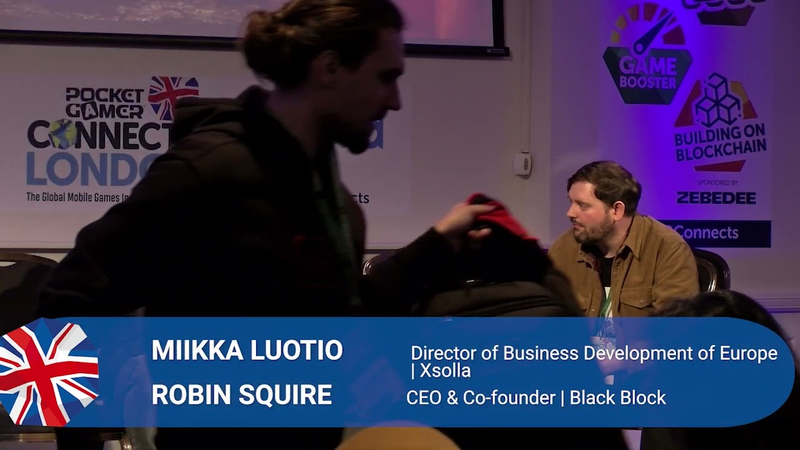
Fireside Chat: Monetisation Strategies Beyond the Appstores for 2022
This discussion explores the evolving landscape of video game monetization, specifically focusing on strategies that bypass traditional mobile app store ecosystems.
- Developers are migrating high-value users to external web shops to bypass platform commission fees and gain greater control over revenue margins.
- Implementing a centralized publisher ID system is essential for enabling cross-platform progression and facilitating commerce outside of traditional app store ecosystems.
- External web shops allow developers to offer higher-priced bundles and more flexible value propositions specifically tailored to high-spending 'whale' players.
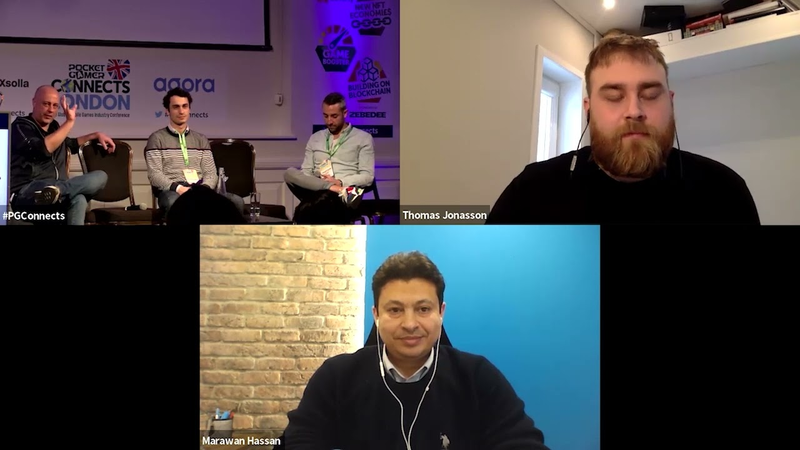
Panel: In-play Ads: Tips & tricks for Creating a Seamless Experience
In-game advertising is shifting toward native, immersive integration strategies designed to monetize gaming environments without disrupting the player experience.
- Native in-game advertising generates an incremental revenue lift of 4% to 10% without negatively impacting player engagement.
- Monetization strategies are shifting toward utilizing existing 'dead space'—such as billboards and arena perimeters—to integrate branded content that feels like a natural part of the virtual environment.
- The industry is prioritizing the development of standardized, drag-and-drop integration tools to reduce technical barriers and development friction for smaller studios.
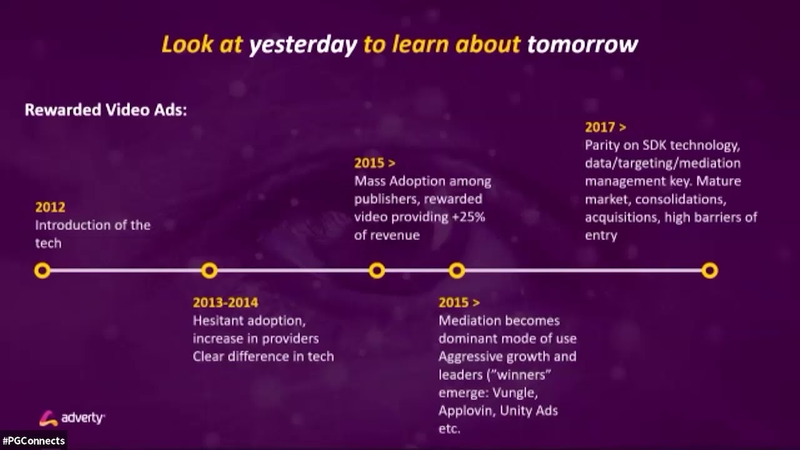
Superstar Session: In-play Ad Monetisation - Past, Present & Future
In-play advertising is currently undergoing a critical transition from experimental adoption to widespread industry integration.
- In-play advertising provides developers with an incremental revenue increase of 5% to 15% by embedding brand placements directly into game environments.
- Programmatic eCPMs for in-play ads are currently stabilizing around $1, while direct brand campaigns command significant premiums above that baseline.
- The sector is transitioning from experimental adoption to widespread industry integration, supported by the emergence of standardized SDK technology and sophisticated mediation solutions.
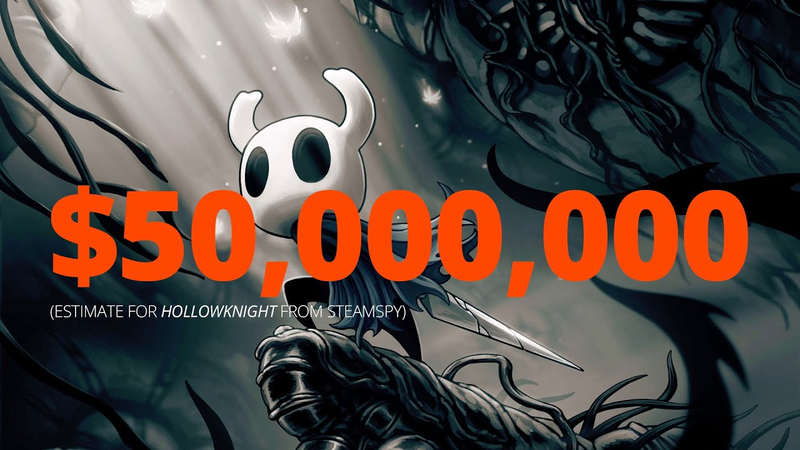
how much $$$ is your little indie game worth?
Securing funding for independent games requires a strategic approach to pitching that emphasizes transparency, visual proof, and realistic financial planning.
- Publishers evaluate potential partnerships based on three core requirements: high-quality visual assets, a clearly defined and itemized budget, and a functional game build.
- A detailed financial plan must account for all project-related costs, including marketing, public relations, and porting, as vague or inflated budgets undermine developer credibility.
- High-quality imagery or trailers are mandatory for establishing emotional resonance and allowing publishers to visualize the final product before committing capital.
How my Game Launch Went on Steam
The launch of the indie game Will You Snail? on Steam provides a case study in the financial and operational realities of independent game development.
- The game generated $72,000 in gross revenue from 7,500 units in its first week, resulting in approximately $25,000 in net earnings after Steam fees and taxes.
- With total development and marketing costs between $30,000 and $40,000, the project reached near break-even status immediately following the launch window.
- The developer anticipates that future console ports will generate only 30% to 40% of the total revenue volume achieved on the Steam platform.
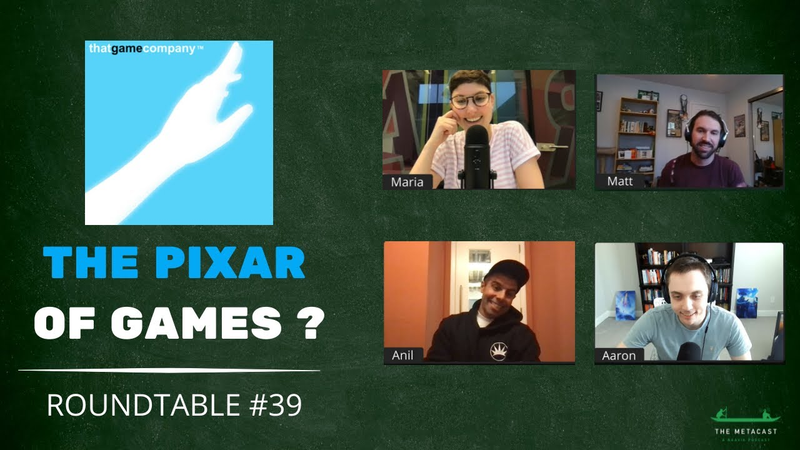
The Metacast by Naavik: Roundtable #39 - Could Thatgamecompany be the Pixar of games?
Thatgamecompany is currently pivoting toward a long-term strategy of becoming a cross-generational entertainment powerhouse, bolstered by a $160 million funding round led by TPG and Sequoia Capital.
- Thatgamecompany secured $160 million in funding led by TPG and Sequoia Capital to transition into a cross-generational entertainment powerhouse.
- By hiring Pixar co-founder Ed Catmull as an advisor, Thatgamecompany is institutionalizing a strategy that prioritizes emotional resonance and non-traditional gameplay over aggressive monetization.
- A recent Dutch court ruling regarding EA’s loot boxes indicates that game mechanics may avoid gambling classifications if they lack intrinsic monetary value, though this creates a fragmented global compliance landscape.

Creating in-game ads that better suit players with Harriet Hughes from Playstack
Playstack, a mobile and console game publisher, has introduced Interact, an ad-tech solution designed to replace intrusive, full-screen mobile advertisements with organic, integrated brand experiences.
- Playstack has launched Interact, an ad-tech solution that replaces intrusive, full-screen mobile advertisements with native, organic product placements within the game environment.
- The platform functions like film and television product placement, allowing developers to embed brand assets such as logos on equipment or environmental structures to avoid disrupting the player experience.
- Interact prioritizes high-quality, genuine engagement over volume-based metrics, enabling players to opt-in to interactions like saving brand vouchers for later retrieval.
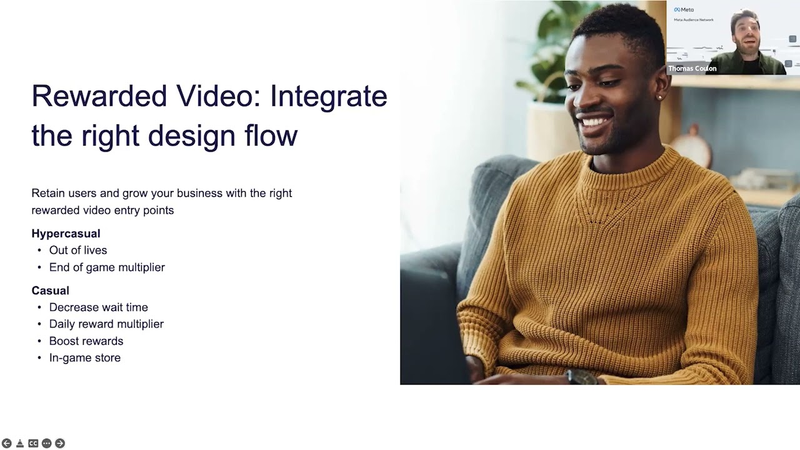
Keynote: Hypercasual & Casual Success Factors
The mobile gaming industry is currently undergoing a significant transformation, characterized by the rise of the hybrid-casual genre.
- The mobile gaming industry is projected to reach nearly 200 billion dollars in combined in-app purchase and advertising revenue by 2023.
- Hyper-casual games have seen significant market expansion, evidenced by a year-over-year increase in install rates of over 60 percent.
- Hybrid-casual games are emerging as a dominant trend by integrating mid-core mechanics, such as progression systems and collectibles, into simpler titles to improve long-term retention.
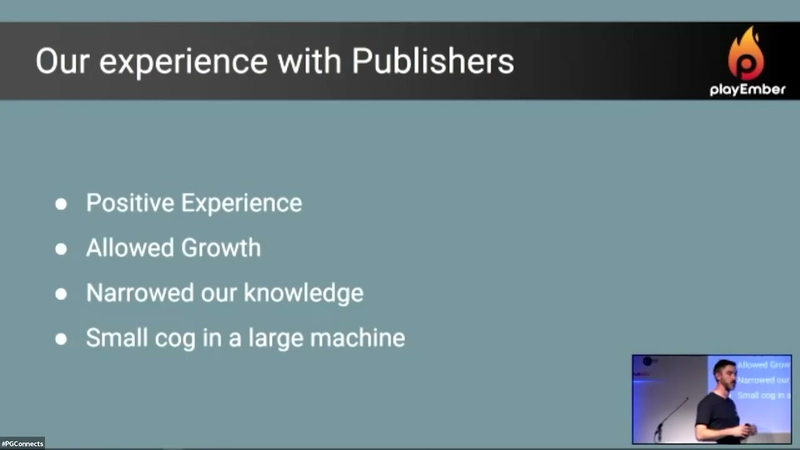
Superstar Session: Tired of the Hypercasual Publishing Model? Then Become Your Own Publisher!
The transition from a traditional hypercasual studio model to self-publishing offers developers greater control, transparency, and long-term sustainability.
- Self-publishing allows studios to retain full intellectual property ownership and eliminate revenue-sharing requirements, lowering the financial threshold required for a game to be considered a profitable 'hit'.
- Transitioning to self-publishing shifts the full burden of user acquisition, data analysis, and marketing operations from the publisher to the developer.
- The self-publishing model supports long-term sustainability by allowing studios to move away from high-churn, hit-driven hypercasual cycles toward building a diverse, stable portfolio of games.
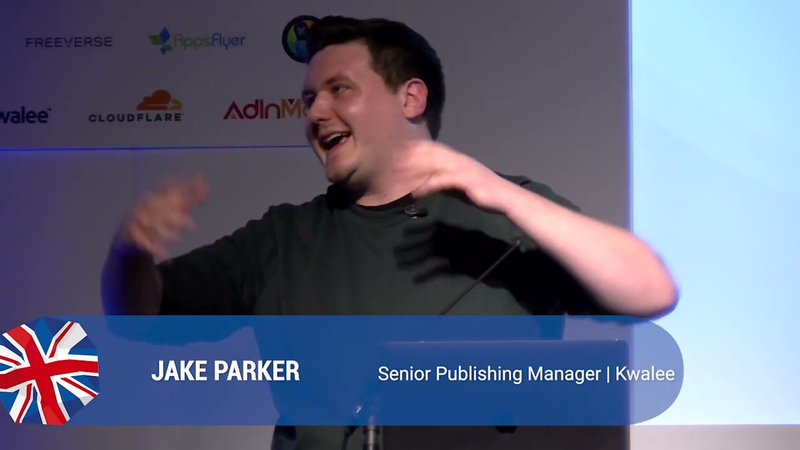
Still Flying High: Sunset Games 101
The concept of sunset games represents a specific sub-genre within the hypercasual market, characterized by a core loop focused on continuous progression, exploration, and incremental improvement.
- Sunset games are a hypercasual sub-genre defined by a single, expansive world and continuous meta-progression rather than discrete, level-based stages.
- The core loop centers on using earned currency to purchase character and equipment upgrades that enable further exploration and progress without punitive failure states.
- Design principles prioritize accessibility through one-handed controls, light decision-making, and high visual polish to ensure consistent player satisfaction.

Keynote: Bringing Your Favourite Brands as an NFT into Your Game or Metaverse
The integration of brand intellectual property (IP) into games and metaverses through non-fungible tokens (NFTs) represents a significant evolution in digital merchandising.
- Integrating brand IP as NFTs functions as a new digital merchandising category that leverages existing brand affinity to improve user retention and monetization.
- Licensing for digital assets is a relationship-driven process where licensors prioritize brand reputation and strategic alignment over immediate financial returns.
- Developers should establish their own brand profile through data-backed engagement metrics before attempting to secure high-profile IP partnerships.

Unity Mediation: Monetisation That Grows With You
The monetization landscape for game developers is undergoing a period of rapid transformation, driven by shifting privacy regulations, industry consolidation, and the increasing complexity of balancing user experience with revenue generation.
- The deprecation of the Identifier for Advertisers (IDFA) and shifting privacy regulations like GDPR, CCPA, and PIPL have disrupted traditional monetization strategies, forcing developers to prioritize compliant and privacy-focused ad models.
- Developers should align their monetization strategy with the game’s lifecycle, avoiding complex implementations during early growth phases to ensure resources are focused on scaling only when the user base justifies it.
- Monetization must be integrated into the core development process rather than treated as an afterthought to effectively balance ad revenue with in-app purchases and subscriptions.