1 free read left. Create a free account for unlimited reading + AI research.
Create free account
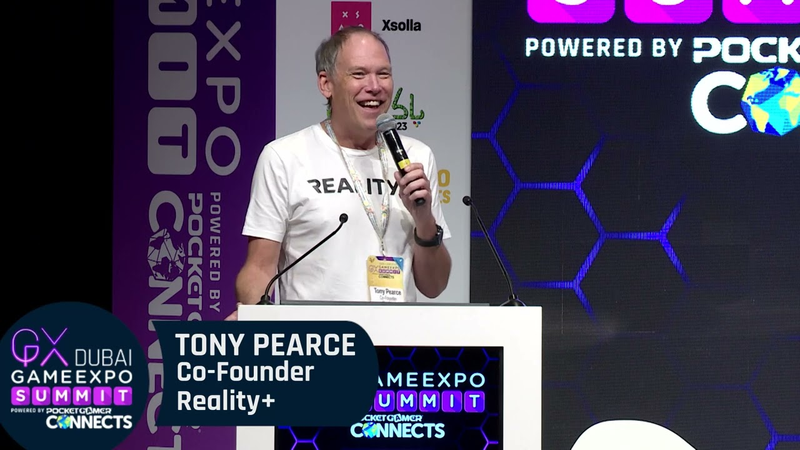
Keynote: Bringing Your Favourite Brands as an NFT into Your Game or Metaverse
Key insights
6 takeaways- 01Blockchain technology is utilized to provide verifiable ownership, interoperability, and permanence, effectively bridging the gap between Web2 and Web3 ecosystems.
- 02Integrating brand IP as NFTs functions as a new digital merchandising category that leverages existing brand affinity to improve user retention and monetization.
- 03Licensing for digital assets is a relationship-driven process where licensors prioritize brand reputation and strategic alignment over immediate financial returns.
- 04Developers should establish their own brand profile through data-backed engagement metrics before attempting to secure high-profile IP partnerships.
- 05Licensing costs for these collaborations range from five-figure promotional activations to seven-figure integrated campaigns.
- 06The industry is moving away from static NFT imagery toward functional digital goods, including in-game skins, power-ups, and membership tokens that facilitate player identity and status.
Ask AI about this video
Transcript
[Music] [Music] so owen is from epic which has been um building out actually quite a quite an impressive it clickers up here uh so epic sort of a little bit under the surface i think um but you've been doing some pretty high profile deals in the nft space and you're gonna be talking about bringing your favorite brands as an nft it's a game or metaphors that's true yep so you've got 20 minutes and we have some questions for sure cool okay so we gave in a big hand thanks very much for the introduction uh good to see everybody today so today we are going to talk about the new nft economies and bringing your favorite brands as an
nft into your gamer metaverse uh as mentioned i'm owen ma i'm a co-founder and head of partnerships at epic and i'm primarily responsible for all of our brand and game partnerships epic is uh the leading b2b nft uh platform so we work with triple a game companies and large entertainment ips we've got many years as a digital licensing agency though putting brands ip celebrities into video games we're also a technology company so we have our own nft solution where within uh four weeks any existing game any new game could have nfts within it without the friction of any cryptocurrency so yeah today i'm going to talk about something actually very just more on a practical level uh we're going to talk about the general psychology behind the nft hype uh the business of licensing and i'm going to give you a brief little step-by-step guide on how to get licensing into your games with a small little playbook uh so we've kind of seen this already you know large whales
large big big name celebrities spending a lot of money into nfts like a rock or a board ape and you're probably wondering why they're even doing this you know so really people pay real money for virtual items for the same reason they pay money for any consumer commodity that's namely status identity membership class and performance so what's really in a name well this all sounds pretty familiar it's the same reason why people spend money on brand name items you know brand affinity is just really about psychology and it's a way to signal a message to the world it's you know are you a ferrari guy or are you a tesla guy you use an iphone or do you use an android you know when we're talking about brand name items it's really just about licensing and licensing is just granting the rights to use any person's other intellectual property into their own products and services for a financial consideration um it's as simple as even me if i take a picture of myself i put it on a t-shirt and i want to sell it
ip ownership is the same whether we're talking about your own creator economy which we're seeing in a lot of nfts like marketplaces like openc to big brands like disney or marvel so really nft is just that it's a new product category it's really the new opportunity for nfts and for the metaverse um so what is important about this new product category is that for licensor uh you know there's extremely powerful features behind an nft that really gravitates to them first you can verify the ownership of any digital content you know the wallet of a crypto wallet is really like a bare certificate and secondly nfps are digital so the importance of it being digital it can represent uh anything really you can contain any type of reference or type of value to it so at the end of the day this means we can do a lot of cool things not only from a product and merchandising perspective but even on the marketing
and engagement with your own consumers so that's why when you combine these three elements of brand affinity a new asset class and this new product category it comes something that's very unique and special so it's really up to a person's own creativity from art to music files to digital good items already being sold within games you know and then this brings us to the next big opportunity of nfts which is the metaverse you know this is truly the new economy for nfts nfts have become you know as we heard earlier it's the unifying feature and force between any type of interconnectivity of metaversus it's digital stuff it's interoperable it's transferable but best of all it's permanent you know on a licensing perspective and using ip it's an extremely important business strategy and it might even be a necessity these days because to bridge the real world and to the metaverse nfts is really uh the gill between between
web 2 and web 3. you know in 2022 we're probably going to see a lot of different things with nfts going way beyond just the jpeg image we've already seen brands like h m and plenty more that's going to be entering the metaverse space so this is uh the next part i'm really going to give you a quick playbook you know if those of you interested to learn how to get brands and ip into your games uh we're gonna break it down into like the general field of play we're gonna introduce who the players are within the licensing realm uh discuss strategies you know whether you're not whether or not you're ready for ip you know and what you can do about it and last but not least end game so really consider why you want ip into your your products or services it's really what is licensing as i mentioned before it's just you know having the rights to use somebody else's intellectual property into your products or services seems like it's pretty straightforward but actually the whole process is pretty pretty complex what a lot of people don't really
understand with licensing that it's not really about what you know it's actually not even about how much money you have it's about who you know so it boils back down to really uh relationships so it's really an industry that's never even been disrupted even with the internet it's relationship based you know it's about getting the right access which is key and literally it's all about legal contracts and rights so that's a brief history of licensing but we're going to talk about the future of it what about blockchain and blockchain and licensing definitely are very compatible you know licensing is all about legal contracts and rights smart contracts give us the ability to kind of improve and the creation and enforcement of any of those rights which removes a lot of the friction that's going to be involved in licensing so even at epic we're working with a lot of technology solutions to kind of solve those complex workflows within licensing and next up we're going to talk about who the players are so the next one is really the opponent
that's who we like to call them the licensed sword the rights owner one of the most important things to really understand first before you want to even negotiate with the rights owner is what is their motivation you might think money is a consideration but actually the bigger the brand it's more about their reputation and different licensors may even have different strategies so it all depends on even how many deals that they might want to write for a certain period of time so think of it like you know robert de niro great actor but he does a movie every few years or else you could either be dwayne the rock johnson who's literally everywhere all the time we just saw him a few few days ago at the super bowl so these are a lot of things that you got to consider when you know think about the mindset of the license or there are other internal factors that you might not even be aware of so a rights owner or an ip could be owned by a single person it could even be owned by a family or even a large publicly traded company with a big
licensing committee so these are definitely factors to kind of understand before you know getting into any type of negotiation with license orders and their rights and last but not least we're going to move on to the next player which is i like to call the quarterback you know who's the person that is going to be calling the shots for you you know the quarterback is the guy who's thinking about all these different complexities that uh that i mentioned um they're going to navigate all this complex portions of licensing for you and you're really going to think about like what is your plan how are you going to go about this how are you even going to approach the license or what are the terms how much you're going to pay and really this person could be internal to your company or even external so internally you could you know find your own expert build out your own business development department and that's really up to you or externally you can work with an agent and working with an agent does have certain advantages uh for example some of the advantages with that could
be you know they might have other insights of the brand or rights owner that you might not have just like in real estate they can do a lot of the heavy lifting for you uh navigate certain spaces and then really kind of make that decision and guide you down the right path um but at the end of the day it's really again up to your own considerations and depending where you're at in your stage of licensing but then it comes back down to a quick reality check is that not everybody is ready for licensing and it's not always and it's because it's not always about the money you know as i mentioned a brand is really looking for the right fit at times the right reputation of the company that they're going to work with and the right timing so even if we might want to get you know big license ib today it doesn't mean that we can't get there one day you know there are certain things that you can do to kind of start building up your profile as you you build the path to discuss with the license or about licensing things like uh getting the right data of your game
metrics you know building that engagement and the kpis uh that go beyond the money be open-minded to even the ip that you want there are certain collaborations that we've definitely seen that aren't always you know in line per se with the type of brand and the game product but you just got to be open-minded and have a lot of fun with it and ultimately join forces so epic we've been very successful in putting multiple brands into the different games for under a single campaign so a lot of benefits on that is really you're not the only guy buying and paying for the licensing rights for it and definitely you know approach licensing it's fun you know we're in the game business it should be fun interactive uh just definitely have fun with it whenever you start that sort of brainstorming session and really it gets licensing comes down to ip you know it's really about creating new and engaging content crossovers are really the ultimate way to create something truly limited edition and collectible whether that's physical merchandise from
every year there's a nike air jordans or kanye west easies crossovers are great we see it in music you know song collaborations between music artists fan favorites fashion supreme and louis vuitton even big department stores like uniqlo and disney and of course video games so at epic we do focus on putting brands into games for short term collaborations and we're seeing it happen more and more whether it's using with us or games going about it themselves it's just become like a new toolbox in a lot of game developers toolbox and this is what we're going to be seeing in a lot of nfts right now so brings us to the next step of licensing you know why do you even want to do it you know these are things to consider from the very beginning you know why would you invest a lot of time and obviously money um what is the goal you know the top three goals that we typically see at epic when we work with our clients number one is really about increasing your user engagement number two is increasing your retention and obviously
monetization uh one of the things that we've definitely seen though is that when you go about licensing one might think that the minute i license that ip i should make immediate money right away but as we know you actually make more money from the retention and the engagement that you get from that collaboration which has a bit of a long tail effect from other monetization in your game product so lastly it's it's also about boosting your game's profile so we've seen a lot of games just start doing a lot of licensing deals because they want to start increasing their brand profile their game profile because at the end of the day hey working with brands uh adds value to your consumers and definitely on the investor point of view so there's a lot to think about before you start making investments into licensing with ip and that's why i guess uh yeah we like to take it from more of a direct and practical approach so in summary you know for ip licensing it
really boils back down to the four main things you know what is the field of play understanding truly what is licensing about and what are you gonna actually license for your content and number two who the players are whether you're gonna do it yourself uh you know be your own quarterback or use an external agent and definitely which rights owner that you're dealing with because again disney is totally different than let's say you know a big actor like a danny trejo right so uh definitely know who you're gonna be working with and understanding what their motivations are and lastly how to execute on your strategies what's the lead time how do we build up that profile and go at it and then with the end game so what is the primary goals is it immediate revenue or is it more of a long tail engagement so yeah there you have it you know really just a quick little playback about nfts the new economy and how licensing pla plays into all this stuff so definitely the the metaverse is going to be the next big opportunity
cool so um if you have questions i'll come to in a minute i have a question first there so i mean as you pointed out we've sort of seen as so games have got bigger in as general projects with like large audiences and they've lasted for longer durations we've just seen a lot of licensing in general which has nothing to do with nfts i guess the interesting thing last year was sort of nfts came in as as as a sort of part of that licensing sort of flow which is what you've been talking about so um why why do you think you know what what's the advantage of bringing in nft if you can do a licensing deal that sort of brings you retention and and all that sort of stuff monetization yeah what's what's the nft part that you think is is going to be the accelerant for the next year great great question so we kind of see um we kind of call nfps for us really there's digital merchandise that's a category it could be skins it could be power-ups could be weapons and then nfts is just another vertical kind of like in toys you have figurines plush toys and then there's a collectible vertical uh the benefit of the nft again
with this new unique content that gets created now if you truly had that ownership right from your consumer purchase that is the the true value i think is that you definitely want to own that experience so to speak and again getting value for your money um once you buy something you should be able to have the the right to own it good do you have any any questions we have this gentleman here thank you thank you for that comprehensive introduction to nfts um my question is you mentioned that nfts are going to be moving away from typical jpegs and that sort of industry is that something that an epic is fully putting their attention on trying to expand what nfts are associated with for example i know that they can be you said you made the connection between games um that you mentioned that there could be a membership used towards them is that something that epic is focused
towards building out yeah definitely so for us even if you kind of drill down the most basic item whether it be a jpeg or a music file or a video file we see nft is truly just a way to express yourself right there's no nothing different and if i'm walking down the street i got a ac dc t-shirt on i see another guy with the ac dct shun we immediately uh connect so with an nft yes it could take the form of a jpeg that we saw but it's about expression and membership and and some brand affinity whether whatever that brand might be um so even for us some of our clients are now just taking the nft using it in their game or even as an engagement tool for their own whether it be fans if you're an influencer to kind of creating special unique items not not their entire gaming ecosystem but certain items to kind of create that extra value and uniqueness we have one here
hey thank you for your presentation could you talk through a example of a licensing deal that you've done with your company that's involved in fts and what the value of that was ah great so there's actually one that we just did recently and it's just with a normal game publisher it's a fashion metaverse game and what they wanted to do was have their license content and that would be the nft so they have their own sort of red shirt blue shirt black shirt normal digital good items in-game but they wanted the license stuff to be truly unique and that was the nft item um they kind of used our tech solution even for that because then it's just a native in-app purchase for the end consumer and then slowly they're going to onboard i guess the messaging to the game player that hey you actually own this it's an nft you can do whatever you want with it buy trade sell collect it what have you oh i'm going off are you able to talk
about like roughly what kind of figures people are these licensing deals are going for like ballpark figures at all oh it's it ranges all across the board like uh dimitri vegas like mike the multi number one djs in the world we put them into a game called free fire which is the number one mobile game in the world uh they did a custom song track playable characters in-game items non-nft and that's you're looking at seven figures to even another celebrity music artist uh depending on their goal they're willing to do it for even like 10 grand so it again it goes back to timing maybe they had a concert tour maybe they had an album release they just want to get more activation license some digital merch into games engage so again it's really about knowing what their goal is and making the right fit all right thank you very much [Applause]
[Music] [Music] you
Summary
The integration of brand intellectual property (IP) into games and metaverses through non-fungible tokens (NFTs) represents a significant evolution in digital merchandising. By treating NFTs as a new product category—akin to traditional consumer goods like apparel or collectibles—developers can leverage brand affinity to drive user engagement, retention, and monetization. This strategy bridges the gap between Web2 and Web3, utilizing blockchain technology to provide verifiable ownership, interoperability, and permanence for digital assets.
The licensing process is fundamentally relationship-driven rather than purely transactional. Successful execution requires a clear understanding of the licensor’s motivations, which often prioritize brand reputation and strategic alignment over immediate financial gain. Developers must navigate complex legal frameworks, often employing internal business development teams or external agents to act as "quarterbacks" who manage negotiations and rights acquisition. Before pursuing high-profile IP, developers are advised to build their own brand profile through robust engagement metrics and data-backed performance indicators.
Methodologically, the industry is shifting away from simple static imagery toward functional digital goods, such as in-game skins, power-ups, and membership tokens. These assets serve as tools for self-expression and community building, allowing players to signal identity and status within virtual environments. While licensing costs vary widely—ranging from five-figure promotional activations to seven-figure integrated campaigns—the primary value lies in the long-term retention effects of these collaborations. By treating NFTs as a versatile tool for cross-platform engagement, developers can create unique, limited-edition experiences that add tangible value to their gaming ecosystems.