1 free read left. Create a free account for unlimited reading + AI research.
Create free account
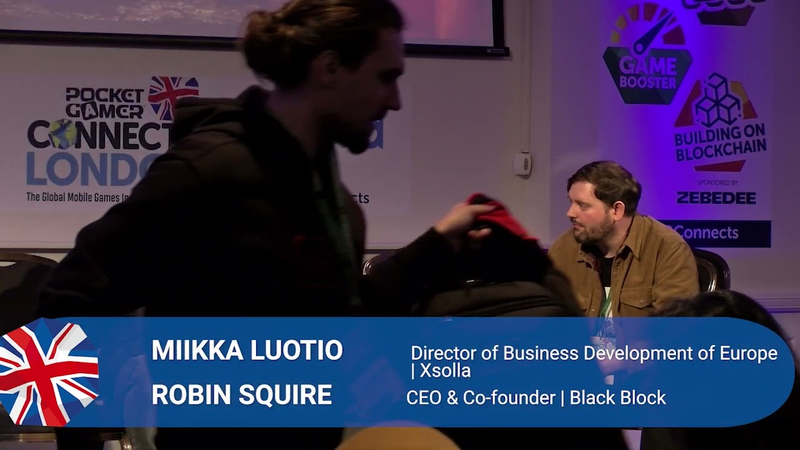
Fireside Chat: Monetisation Strategies Beyond the Appstores for 2022
Key insights
6 takeaways- 01External web shops allow developers to offer higher-priced bundles and more flexible value propositions specifically tailored to high-spending 'whale' players.
- 02Developers are migrating high-value users to external web shops to bypass platform commission fees and gain greater control over revenue margins.
- 03Blockchain, NFTs, and play-to-earn models are being explored as new frontiers for monetization, particularly for persistent, open-world gaming experiences.
- 04Implementing a centralized publisher ID system is essential for enabling cross-platform progression and facilitating commerce outside of traditional app store ecosystems.
- 05The industry is shifting toward screen-agnostic commerce models, with cloud gaming and potential sideloading expected to reduce the long-term dominance of Apple and Google app stores.
- 06While cloud gaming infrastructure is advancing in developed markets, developers must address device access limitations and localized payment requirements to successfully scale in emerging markets.
Ask AI about this video
Transcript
[Music] [Music] we've got monetization strategies beyond the app stores for 2022. we've got a 40-minute fireside now with uh mikaluti over mixola and robin squire from blackblock please give it up for those guys it's amazing to be in a conference again in person so uh i'm a little bit nervous because normally just talking to zoom but this time a big audience so it's great it's exciting thank you all for coming and today what we're gonna do talk about today is monetization beyond the app stores in the future um talking about
mobile game commerce that exists outside of the platforms um nfts blockchain play to earn commerce and i have here today to get it from a developer perspective with robin and and then from my point of view more uh at xola where we operate as a merchant record for video game companies so first maybe robin you can do a quick introduction of who you are and what you do and yeah so hey everyone my name's robin squire so i've been in the games industry for just over 10 years now previously used to work at pretty well-known companies such as ravio who make angry birds and play raven who are later acquired by ravio and i'm the ceo of a helsinki based game development studio called black blog and with black block our mission has always been to build sort of persistent open worlds as a team we've been looking at that for five years now we've been a company for three but the team and i have been working on similar stuff before that
and um and i guess now the kinds of experiences you could say we're working on are kind of metaverse-like experiences you know open shared worlds uh large amounts of players persistency so we've been looking at that for a while now previously looking at it from the perspective of mobile free to play but also now looking at it from the web 3 perspective and how it kind of maps to blockchain platform nfts and and whatnot so very cool great to be here thank you um so a quick introduction so i'm mika regional director for europe for xola so i've worked in the mobile industry for 16 years and and one and a half years ago joined xola um and we're basically looking after our partners here mobile publishers pc online games um and exo lot we operate with global network of partners such as anything from tweets to roblox to fortnite we empower enterprise companies to in the mid-tier companies to basically sell
in-game purchases and their premium games to them and i'm here to talk about specifically some of the topics that are really rotating right now like mobile game commerce in the payment space is evolving faster than ever before with the topics floating such as monitor monetizing beyond the app stores how do you do that is it is it okay to do that what do the platforms think um what's happening in that whole space namely apple versus epic everybody's heard about it by now even your grandma your mom your dad it's been on the big news so a little bit about that as well blockchain nfts and play to earn projects cloud gaming all of that has significant impact to to publishers and developers in terms of how they sell in-game goods and how they accept payments from from players um around the world and where those payments are going um i think it's the
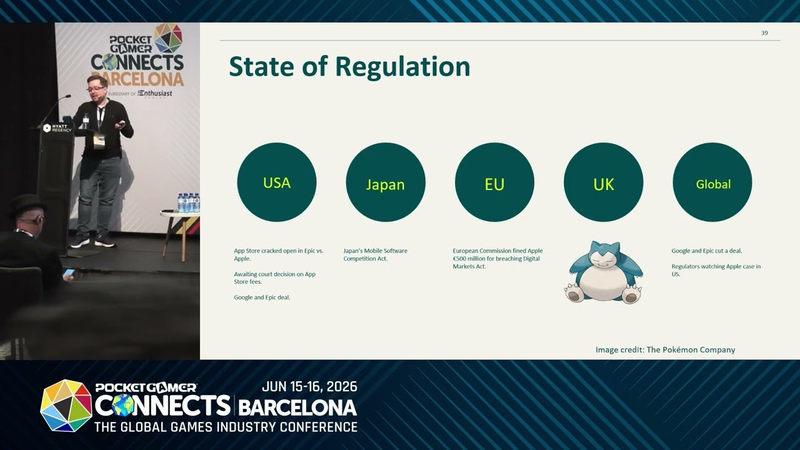
interesting topic so but maybe uh robin uh what we're going to do is ask each other some questions to get perspective so uh if you will robin yes so i mean i guess you mentioned uh apple versus epic and kind of the the stuff happening there on the third party payment side so maybe now is a good time to talk about what the sort of state of play is in the wake of those developments on the uh in third party payment side for the developers yeah that's a good good question so i think i think the interesting interesting topic regarding that is when we look at what's been happening recently um especially in light of the whole apple versus epic thing we look at 35 u.s states basically rallying up against apple and actually bankrolled by microsoft uh believe it or not so that's interesting um i think in the us it seems to be a long game when we look at like netherlands they find apple for five million after they were not happy with the the proposed proposal to open up third-party payments for the app stores
um and korea is doing the same and also in russia uh from what we understand is in russia they're also lobbying to to open up the basically forced the platform holders not just apple but all of them to essentially open up the commerce and the options for publishers to choose and have the freedom of choice so if a developer wants to start looking at third-party payments start integrating new ways for for fans and players to pay what are the sort of key challenges they should be aware of what are the what are the the pitfalls to consider or the other things to overcome yeah i think the key challenge really is going to be you need to ask yourself do i own my own uh customers do i own my own players so you need to own your own customer base and right now when you're dependent on platforms but we see a lot like you you look at different larger publishers like you know supercell id publishers have increasingly their own id system and through there they're
making offers to their players and they're essentially offering them virtual goods that transcend multiple games and even franchises right and the only way to do that really is to liberate yourself to actually have the freedom of choice as a publisher to control your relationship with them with players directly is to take it outside of mobile so that's the first step because also legally speaking i think the biggest challenge is you need to build an id system if you don't have it now when you want to talk about think about future um that's a great investment to do now that if you do it now it will pay off in five years because that gives you not only logistically the liberty to sell whatever you want to your players wherever no matter the screen they play in because that's where it's going i think when people talk to me about metaverse for me it's more that a franchise a game brand will be accessible and playable in every screen or any screen they want to play
and they can also pay on any screen and that is going to be the future whether the platforms want it or not i think one thing also from a developer's perspective i think that can get quite confusing as well is is what they what when when these articles come out about sort of apple and allowing third-party payments and whether they take a cut like what they actually mean do they mean payments within the app what do they mean payments on a webshop and i think it might be worth even clarifying the difference there right there's two ways of essentially integrating third party payments isn't there you can do it in the app now or you can do it you can point people to a separate webshop yeah yeah there's i think there's a few ways that you can already basically a lot of a lot of publishers that i talked to they asked what can i do today um if i look like okay i'm waiting for how the apple vs epic thing turns out and everybody should pay up pay attention to the news but what can you do today is there's been a lot of changes in the guidelines if you look at the platforms not apple not just apple but google as
well and and even steam if you look at the changes that they've implemented is is more leaning towards when you have your you know user id system that's your publisher id that transcends multiple games you create a website where players can log in with that id legally speaking platforms are more limited to have a say on what you do and what you don't do directly with your customers so that's something that's important to understand that um when you have a mobile only game the platforms really own the on the players in a sense and that's crazy to think about it but in a sense that's the case um and i think when you actually are able to transcend your your players uh outside of the outside of the stores how that usually happens is either you make a web version or pc version of your your free to play mobile games so going with the mobile first strategy and then doing cross-platform so that's obviously a great way um but another more popular way that we
are seeing publishers setting up essentially like a vip you know web shops gold stores that are essentially selling special offer bundles um usually very high priced tier bundles where apple usually caps the maximum iap around 50 i think where if you sell special offer bundles in the web there's no limit so you can sell a bundle for five thousand dollars right um uh and and give way more value because um you know that's something that you can do so i see a lot of publishers at least many of our partners especially on the mobile side doing this kind of vip store almost like a concierge service for their whales to allow them to get better deals at higher price points and these are usually time limited offers that are rotating on a daily weekly monthly basis and the results are great we've seen some of our partners make more revenue than they make on the
mobile sku which is on on the app store um so their revenues have exceeded um and these are usually games that are really core games that are driven by the one percent of the whales are doing 90 of the spending for those type of games um that web shop option i think is a is a great great thing to at least explore and do a proof of concept if nothing else yeah what what are the kind do you have any examples or case studies you can give of of uh developers that have sort of taken this approach you mentioned that it's the the sort of typically the the super fans or the most engaged or the whales essentially for lack of a better term that that um this resonates with you mentioned that you know it's more sort of core genres are there any specific types of games that work really well when they they do the web shop with xola yeah i think uh also interestingly if you look at what supercell did with the class of clan store they're they're basically using supercell id and they're selling season passes so i think that's an interesting like when you have
games that have a season pass system um and then you have gifting mechanics so that you can basically give your friends season passes so it becomes like you can buy a bundle of three and then you can gift them around i think that's smart approach that's a great example i think and then another example that i've that one of our partners have done is um scope is like giving extra value and for example wwe champions what they've done there they've essentially created like a special offer bundle store and it's really well made they make it very clear to their whales how much extra value they get if they buy those web exclusive bundles so and that has kind of snowballed on their case where the community really like found out about it and um the whole community kind of started doing that bargain hunting and uh pretty much they really successfully migrated their whales um into a more profitable platform where they control
um the payment space they control the coverage of payments um they don't obviously have to pay platform the so-called platform tax either so those are i think good examples and so for developers to for the purpose of like developers being aware of this do they actually do can you direct people to a web shop or do they have to sort of find that organically or through a newsletter yeah that's a good question i think um uh there's a there's a few ways to skin that cat as stacy here say here in london terrible saying but you know i think it describes uh so so one of the one of the ways to do it is obviously interstitials so that's that's the that's the freeway you target your whales directly in your game you advertise the presence of of let's say you have this vip web shop or somewhere where you have more larger value bundles that are exclusive to the web higher price points um so if you have the ability to target your whales i'd say interest is also the best approach but you know the the the
the fine line there is like apple apple and google they don't allow you to directly bypass obviously the payment system within the mobile mobile ecosystem so you have to just inform them really more like hey check out our new uh web shop for some cool offers so it's more like informing them rather than prompting them to buy that bundle directly in the game but it's more telling them go check out we have you might even have some other features like a community page there or other features like that that you can attract your players by targeting using industry so so that's where the performance is the best but also retargeting on on user acquisition so if you're able to retarget some of your players that haven't haven't maybe played in a while but have spent a lot a lot of money in your game so retargeting might be effective as well email of course blog news feed push notifications etc so i think those are good methods uh
one thing that we i guess when we're talking about this offline offstage um you mentioned actually that a lot of the uh a lot of the most engaged players are actually playing uh pc desktop versions of mobile games anyway right and so by providing a launcher you're just kind of allow giving them an easier way to to play on desktop while they're working is that yeah yeah i mean uh see what tilden point did for example they uh made a launcher for i think warhammer and uh another game and their partner um so they they used a launcher just to you know give their players because they were using bluestacks anyways to play on on a desktop and that's increasingly especially for core games like 4x strategy games most of the players just use for they just go with bluestacks and they anyways played on their desktop so when you see that from your your data um you should definitely consider like maybe it's it's a good idea to make a web version or a
pc version of your game is the is there such i guess one more question for me is there such a thing as being too early to integrating third party payments when should you do it as a developer is it when you hit a sort of point where you need to scale more with your game that's a good question i think i think it's definitely not a part of a launch strategy i think if you do if you work as a mobile first strategy you need to focus on that capture mobile get the featurings all of that when you platter your game uh in terms of scale that you basically hit the plateau that it's only scaling with incrementals with ua i think at that that point when when doing like for example uh pc web version or doing a web shop where you sell these goods that's where you can actually see growth when you otherwise maybe plateaued it and that's i think that's the kind of more like uh unlocking the next platter if you will um yeah cool uh so maybe i'm gonna ask you a couple more questions and this is like
on the topic of uh when we look at the blockchain nfts play to earn projects um so robin um there's a lot of new forms of commerce rising in the the gaming industry like blockchain and nfts and in this conference there's a lot of talks about that um so for you what's exciting for you as a developer uh when it comes to blockchain and nfts and play to earn yeah so i should as i mentioned earlier we've we've previously been really focused on mobile free to play we set out as a company to build very ambitious titles basically online worlds that are very large in scale can allow many users in the same space you know dynamic economies all of that kind of stuff we were trying to do that in mobile free to play which was a little bit ambitious perhaps for for the free to play market you know i think uh i i don't know if mobile freedom plays pretty brutal to companies that are trying something new and trying innovation so for us we've just started looking at the web 3's play space and
how this kind of what we're doing maps to it and actually it feels like sort of the goal posts have moved in front of of what we what we've been working on for so long because we've always been working on things like shared spaces persistent worlds econo job economies owning property all things like that and now this just provides the perfect sort of template to do it i think what what's exciting from a developer's perspective is the fact that it's a completely new frontier so it's a new space basically so it there's a lot of like challenges there's a lot of questions that a lot of things we don't know unlike free to play which is obviously there's a lot of answers um so one of the most exciting things is just simply the the unknown and simply the opportunity right it's it's a completely new space new audience and it's kind of a new model as well so you know if you if you think about the fact that previously we've had premium games where you know you pay your money you get the game we've had free to play games where you know it's all about keeping the most engaged users with you and monetizing them i suppose we've had
subscriptions so the way i see it is basically play to earn is just a new what another way of monetizing basically great um that that helps a lot so i think the to follow up with that like what do you think are the challenges like navigating i mean you know i before i i went to the dark side on payments and publishing and all of that i i did actually develop mobile games as well but that was like way back we worked together yeah we worked together at rovia yeah old colleagues but you know this was kind of the the innocent days where monetization was a side show it was like you're selling your games directly to operators and you get a big chunk of money when you deliver a game and there's no monetization inside the game so it's very different world and like when i'm trying to like think how difficult it was to do the free-to-play transition for me like how hard it has to be to kind of try to now figure these things out so like what are the challenges for you like trying to just navigate this is
developer just thinking about it like from your perspective like what makes sense what's confusing what's just yeah it's kind of like the same answer right like the challenges are the same things that make the space so exciting from a developer's perspective right the fact that there's so much more room to fail but at least you know so and and sort of learn the hard way basically um that you're probably going to see a lot of a lot of projects that you know do it do it badly right and they they they um mess up their economy or you know they they lean too hard into the kind of speculative aspect of the game and and uh you know that that kind of has ramifications on the economy i guess there's just so many ways it could go but i think that's also it's kind of like a two sides of the same coin that's also the thing that makes it so exciting i think the issue obviously there's the the main issue is is one of perception so obviously not just there's an issue of perception and not just with you know fans we've obviously seen you know with stalker two or the team 17 or you know sega ubisoft
there's always a backlash of fans but also i think there's an issue with the perception from the perspective of a lot of developers as well so um so yeah i think that's that's something that really kind of kind of we need to overcome as well is that a lot of developers just don't like it and uh really i think the way to kind of overcome that is by to is to actually prove why it is why it should exist why it should you know through providing compelling experiences prove it and actually remind it does remind me of when we were both at ravio in the early in the early days of free-to-play and the company had to transition from like being a premium company to a free-to-play company obviously i won't talk about the inner goings-on of ravio but it reminds me of that right like not everyone once wanted to work for a free-to-play company and it's kind of the same thing we're seeing now with kind of blockchain and nfts and and play to earn there's also of course the environmental stuff but i think that that will probably probably go away you know you've got the um with the the sort of proof-of-stake
uh consensus mechanisms that it'll prove that you know the environmental side of things isn't really an actual issue it's more the sort of proof of work stuff that that plays into that wow cool um well i think i think that's probably enough for the questions asking each other i'd like to open up the opportunity for anybody in the audience to ask about these topics we just discussed or yeah ask us literally ask you anything anything sure sure i think you might regret that does anybody got any questions christian hi guys great session so far um so just kind of expanding on um stress monetization beyond the app stores you mentioned a couple of the app stores there but what about sort of alternative app stores third party whether that be products that you can um so for example
installs on preloads or whether that be third-party engagement promoting affiliates etc can you give us a bit more on that yeah that's a that's a really good point actually i think the third party especially third-party android stores i think there's going to be an interesting feature where if you look at the android 12 setup and all of that like google is definitely more and more trying to make it easier for developers to sign their apps so that they're like uh you know you can update them even if you install an app from a completely third-party store or even the publisher's own store so one thing i think i see in the future is like big publishers who create big franchises they would essentially have their own store and this is also a big topic as well with apple and site loading so people are really strung up on the payment methods but actually there's a whole conversation in in between for example netherlands in korea russia in the us uh even with apple is to allow
site loading and what that means that you could basically create your own publisher app store and you could on your customers directly you could choose your payment methods directly i mean that would be paradise for publishers really obviously the the issue with featuring i think these days if you look at the distribution side i think these third-party stores that exist now are actually in a sense more efficient in terms of distributing it regionally than than these large app stores like worldwide app stores so i think the future is going to be more local more regional and also more self-control so i think that what we have today for third-party app stores is a prelude to publish your app stores you heard it here first it's the amazonization of app stores any more questions yep all right um do you ever see cases where um for example the apple store would actually penalize apps for using these
web stores uh can you can you uh uh i didn't catch you in the beginning yeah yeah have you seen any cases where like a app store or other stores would actually penalize you for building these web stores penalize basically penalize for you if you go outside of the app store in the payment system you get into trouble yeah actually actually no and that's that's the funny thing like we have so many partners who have done it and the platforms are aware that they're they are selling um item bundles on a web shop for example and and they're even using interstitial and it seems that the platform's aware of this and they they're not doing anything about it and and i think uh there's like two options in my head why you know when when you look at for example what fortnite did they did it very clearly that they didn't even allow apple to be in between and and that was kind of like almost like going to the barricades and and like this is like this is how we're gonna go and they knew what would happen right but uh so i wouldn't suggest doing
that obviously that would probably you know uh fall very quickly but i think overall um uh yeah i think i've never seen any negative reaction i think there maybe has been some cases where i've heard some people get like bumped down into featuring conversation a little bit but you know nothing nothing nothing really really massive repercussions that i could i could at least i know of i guess i guess fortnite's actually now you can play that on your iphone as well because it's on uh nvidia uh nvidia's platform it's on cloud yeah yeah and i think that's the whole part of cloud gaming as well like when you think about cloud gaming i think future the fact that these platforms are trying to hold on domination of the payments is just basically showing that they already know deep down that they're going to lose this whole thing so they're trying to hold on it as long as they can because future is going to be cloud and it's going to be screens not platforms
we talk about the future but how close are we to it i think we're getting very close i think the the infrastructure the internet infrastructure 5g satellite based web3 internet i think what we are very close the infrastructure is almost there to sustain true cloud gaming without any any issues um certainly for the developed world but in order to be able to reach emerging markets that's definitely still ways ways off i think we will see in the next five years we will start seeing products that that really transcend platforms completely that you don't even feel that you're really downloading the game you just go on a website and start playing whatever the device is and we will definitely see that in the western world in the next couple years but i think for emerging markets that's still a decade away and just looking at the infrastructure um so that's something that needs to be if you're thinking about this you need to
plan plan for that you think things like 5g are driving this light up this sort of edge technology is really sort of driving what's happening in the more developed countries and we've got to wait for the emerging markets to sort of catch up before we've got that mass adoption yeah how do we cross that chasm do you think miku i think in the west yeah i think the the emerging markets uh the the struggle for emerging markets is really um actually a struggle of finding ways to pay um because you know many many emerging markets don't accept international credit cards they people don't have access to paypal etc so yeah and and and access to devices so that is actually something that you know we we are working a lot actually on the local level on enabling people to pay with alternative payment methods like you stay back direct local bank to pay in a game um even on going an atm you can pay to your favorite game you can get more virtual currency and that's something that
that access level actually in ways is already ahead of head of western world which is funny so so i think it's a there's some things where the emerging markets are more innovative out of necessity especially on the payment side uh and then in the west the internet infrastructure i think that's where but it'll it'll take some time until both kind of come to a delta point where uh it will be a conflicting point and we will see like true uh lack of platforms and it's more screens where you play the games and this in turn will affect the user acquisition structures and then probably the entire model will change like once again yeah i think so yeah that's cool any more questions for the dudes no um okay well i want to say a big thank you thank you to you folks you've been absolutely amazing give him a round of applause please [Applause]
[Music] [Music] you
Summary
This discussion explores the evolving landscape of video game monetization, specifically focusing on strategies that bypass traditional mobile app store ecosystems. The primary thesis is that as the industry matures, developers are increasingly seeking independence from platform-controlled payment systems to better manage customer relationships, increase revenue margins, and offer more flexible purchasing options for their most engaged players.
Key findings indicate that while major platforms like Apple and Google maintain strict control over in-app transactions, developers are successfully migrating high-value users to external web shops. These platforms allow for higher-priced bundles, greater value propositions for "whales," and the avoidance of standard platform commission fees. Successful implementation often involves utilizing a centralized publisher ID system, which enables cross-platform progression and commerce. Furthermore, the rise of cloud gaming and the potential for future sideloading are identified as critical factors that will eventually diminish the dominance of current app store gatekeepers.
The discussion also addresses the integration of blockchain, NFTs, and play-to-earn models. While these technologies present significant challenges regarding public perception and economic stability, they are viewed as a new frontier for monetization that aligns with the industry's shift toward persistent, open-world experiences. The speakers emphasize that while infrastructure for cloud gaming is rapidly advancing in developed markets, emerging markets face unique hurdles related to device access and the necessity for localized payment solutions.
The analysis concludes that the future of game commerce lies in a transition from platform-centric models to screen-agnostic experiences. Developers are encouraged to view these alternative monetization strategies not as a replacement for mobile launch tactics, but as a necessary evolution for scaling games that have reached a plateau within the traditional app store environment.


















Comments