1 free read left. Create a free account for unlimited reading + AI research.
Create free account
how much $$$ is your little indie game worth?
Key insights
5 takeaways- 01Publishers evaluate potential partnerships based on three core requirements: high-quality visual assets, a clearly defined and itemized budget, and a functional game build.
- 02High-quality imagery or trailers are mandatory for establishing emotional resonance and allowing publishers to visualize the final product before committing capital.
- 03Newcomers cannot rely on credentials from outside industries like film to secure funding, as publishers require specific evidence of success within the game industry to justify significant investment.
- 04A detailed financial plan must account for all project-related costs, including marketing, public relations, and porting, as vague or inflated budgets undermine developer credibility.
- 05While some publishers prioritize the 'feel' of a prototype, those focused on narrative-driven titles may place greater weight on the strength of the pitch deck and story.
Ask AI about this video
Transcript
so my question to you is the do you have sort of i guess i'll let you sort of ramble here for for a while three secrets on how to get funded like what are you guys actually looking for and what do you want to see from from people in my audience number one a visual of of what the game looks like before you pitch anything if you don't have something that that it's maybe an image maybe a trailer yeah you know the the more precise the better but just something that could tell me what your final goal for this game what it looks like if if i can't visualize your game i can't get excited for i can't be emotionally attached to your game so there's no reason for me to kill um so with that a visual is very very that's number one um number two budget um if you don't have your budget clearly stated within your initial pitch there's always something like even if you are a seasoned veteran there's always kind of like just this kind of like inkling in the back of the publisher's head it's
like what is what is this person up to right like are you trying to like first of all is it that you don't know what your budget is so that you're still trying to figure it out so you're not even ready to pitch yet but you already pitched it so i guess you did it wrong or are you trying to play me are you trying to play the game of trying to negotiate more money right um because then it comes off as dishonest so you're either you're either don't know what you're doing or you're being dishonest about what you're doing that's kind of what it comes off when you don't have a specific budget okay from so can you can i ask a quick question there go ahead um there's a lot of questions really but yeah the first one is what if any developer doesn't need the money but they want the money because i've had conversations in the past with publishers where they're like i don't care if you go buy a house with this money you know so i'm curious what and i didn't by the way that's totally fine and that's that's completely that's completely reasonable and i would argue that you do need the money you need a house right like it's that's completely normal um i think the
thing is you have to realize the publisher also isn't stupid right like they'll look at something and be like oh you're making an indie platformer you're asking for two and a half million dollars let's talk about it you know like yeah like if i'm interested in the game let's talk about it right like it's it's much better than you showing the public publisher the the platformer they're excited we jump on a call and then they ask you for a budget and then you say oh two and a half million and then they'll just be sit there and be like are you are you an idiot yeah yeah and then now it's like a totally a really awkward situation like i think i think i think there's a i think there's a middle ground you like you just have to be transparent i suppose like that transparency okay because it opens up the conversation so here's a here's a question for me personally if i was seeking funding for for like a game like father um my next game it you're saying it's better for me to go this is my budget and 70 of it is just
because i feel like i'm worth it is that is that a good thing to do i'm not saying that that's what i'm going to say but i'm curious what is that like i'm worth it i want the cash see you later yeah so there's there's two there's two takes on this um obviously which which is you know the two takes that you're already considering um i think ultimately you know like yes you can do that especially with what you have already done i think there's a lot of arguments there that you can make that hey look at the success that i've done before um check out the the games that i have released like having had a portfolio having a portfolio is a totally different thing it's almost like a season like director who's right who's seeking who wants to work with a studio he's like look you owe me one million because i'm me and i'm not again i'm not saying that's how i think i'm just saying like worst case scenario if my if my audience went to a publisher and did that if they were seasoned and they had three great games under their belt like for example team cherry i feel like team
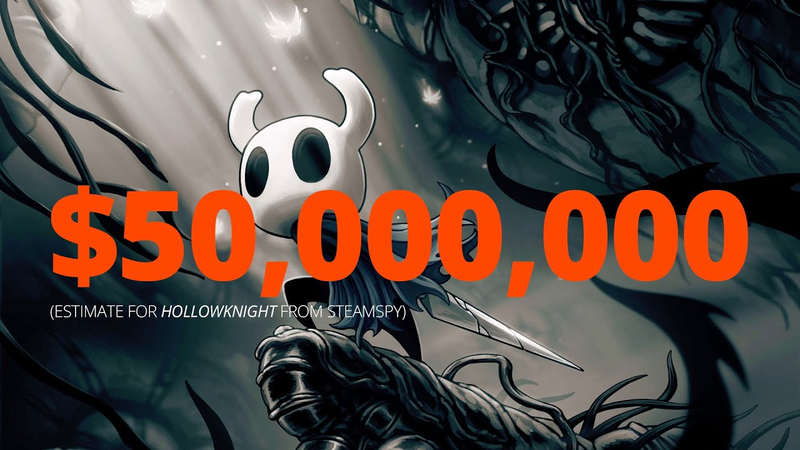
cherry could go up to i don't know uh curve curved games is what they're called now they used to be curved digital now the curve games they could go up to curve and say we want 10 million just because yeah of course okay of course i mean look at it like jj abrams is not gonna go to a film company and be like oh i i want i want 10 million dollars for this film and uh and uh let me let me tell you exactly how i'm gonna spend it on my own life i really need an armchair i've been missing for a while so that's part of the budget yeah you know like he's not gonna do that he's gonna be like oh five million goes to me because i'm jj [ __ ] abrams yeah like i think that's the that's just how it kind of works yeah um when a game like abzu gets signed you know abzu got signed so simply uh because they worked on journey and they don't need anything they don't have to prove anything because they have already done so through the fact that they released a successful game they had the spreadsheets to show for it everything is already there they don't need to say
a thing all they have to do is sit there and say well i made journey yeah the money uh so so yeah i mean there is that strategy however i will say that on the flip side that doesn't always resonate with every partner and also that certainly comes from a position where you have already had that portfolio if this is your first game that you're pitching uh if you haven't worked in a studio that launched successful games if you don't have a lot to show that is noteworthy then it's almost impossible for someone to come in here and and just trust you like that right um for example a lot there's a lot because of covid i mean a lot of people are kind of leaving film to go into games right because you can't shoot and you know things things get tough um so there's a lot of film people like flooding into the game industry and these film directors have launched films and you know have sold them to netflix and you know feel super successful and then they would put together this budget you know and go to these big publishers and pitch them and they get rejected every time almost no film direct and like
you you hear very little film directors actually successfully making it in the game industry and the reason is because they're just kind of they're assuming that they can use their credentials uh to transfer into games but that's not true at all and there's not a lot of strong overlap between the two industries so they and so publishers have learned to not really kind of pursue that line of business um so even though they have released a lot of really good films they're still they're still waiting for them to actually make some good game breaks before they're they're able to sign bigger deals okay okay so that budget really quick um do we put that on our vertical slice like on our pitch deck um like if i send if i let's say i sent y'all an email or i send an email to double fine does the email say here's my pitch deck and then they click on the pitch deck it takes them to a web page and that has the budget breakdown on there like a generic breakdown and a trailer is that how you you you propose it i've seen that that actually works really well um
i've seen just a pdf you know like with with some links on there with some pictures and then some uh some numbers um i've seen it just typed up in an email as well with some embedded images i've seen i've seen it all um and and yeah we're i think all of that works um at the very least just have that one number for the total budget and describe like what does that total budget account for like did you account for marketing in there did you account for uh porting in there and a lot of that stuff adds on to it so from a publisher perspective i would have to take a look oh you have you know three hundred thousand dollars there yeah and you know i'm i have to then dig a little deeper like does this include nintendo switchboarding does this include uh you know pr and and making a trailer you know a lot of these things maybe maybe you could say like oh i will be making a trailer myself so you don't have to do it so now i can okay okay cool we can kind of cut a little bit more costs from our end um and then that's how that's how we're able to at least start the conversation okay cool so we got budget budget uh imagery was was the first one
budget's the second one yeah so so so the third one uh that i would give is um the the build which is it's pretty straightforward um i i think i think this one is probably a little bit looser than the other two um because not every game really requires a hands-on feel until uh you know like for it to sound good uh i'll actually be honest for serenity forge because our games are so narrative driven the build is probably the least important meanwhile if you talk to any other publisher the build is probably always number one wow um the reason is because we have a strong imagination for narrative so when we look at a pitch deck when we look at the imagery and then look at the budget we're able to kind of imagine okay how how does this game what kind of a story is this game telling without having to actually play the build and by the way guys i wanted to let you know that my brand new course easy 3d is totally free right now click below to enroll for free and you'll immediately
be taken to the program where you're going to learn how to make your very first 3d game and here's the best part you're going to do it fast and you really don't need to know anything about unity or code or 3d modeling it's really kind of easy and it's totally free click below to make your very first 3d game i can't wait to see you succeed
Summary
Securing funding for independent games requires a strategic approach to pitching that emphasizes transparency, visual proof, and realistic financial planning. Publishers prioritize three core elements when evaluating potential partnerships: compelling visual assets, a clearly defined budget, and a functional game build. High-quality imagery or trailers are essential for establishing emotional resonance and demonstrating the developer's final vision, as publishers are unlikely to invest in concepts they cannot visualize.
Budget transparency is equally critical. Developers must present a specific, well-researched financial plan that accounts for all project costs, including marketing, porting, and public relations. Vague or inflated budgets can signal either a lack of professional preparation or dishonesty, both of which undermine trust. While seasoned developers with a proven track record of successful releases may leverage their portfolio to justify higher valuations or personal compensation, newcomers cannot rely on credentials from other industries, such as film, to secure funding. Publishers generally require evidence of success specifically within the game industry before offering significant capital.
The importance of a playable build varies depending on the publisher’s focus. While some firms prioritize the "feel" of a prototype above all else, others—particularly those specializing in narrative-driven titles—may place more weight on the strength of the story and the pitch deck. Regardless of the publisher's specific criteria, the overarching goal of the pitch is to initiate a productive dialogue. By providing a clear, itemized budget and high-quality visual materials, developers can demonstrate professional competence and provide publishers with the necessary information to assess the project's viability and potential return on investment.