1 free read left. Create a free account for unlimited reading + AI research.
Create free account
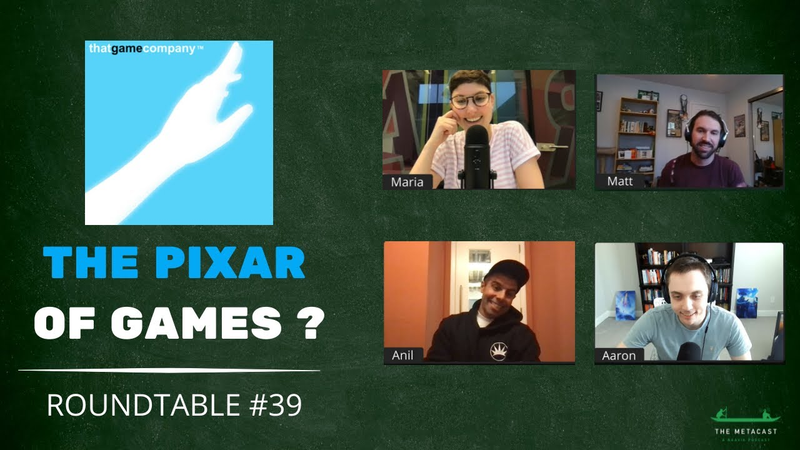
The Metacast by Naavik: Roundtable #39 - Could Thatgamecompany be the Pixar of games?
Key insights
6 takeaways- 01Thatgamecompany secured $160 million in funding led by TPG and Sequoia Capital to transition into a cross-generational entertainment powerhouse.
- 02By hiring Pixar co-founder Ed Catmull as an advisor, Thatgamecompany is institutionalizing a strategy that prioritizes emotional resonance and non-traditional gameplay over aggressive monetization.
- 03A recent Dutch court ruling regarding EA’s loot boxes indicates that game mechanics may avoid gambling classifications if they lack intrinsic monetary value, though this creates a fragmented global compliance landscape.
- 04The war in Ukraine has forced major publishers to exit Russia and prompted a shift in outsourcing strategies toward emerging markets in Southeast Asia and Latin America.
- 05Unity is challenging Epic Games’ market dominance by partnering with Insomniac Events and Live Nation to build immersive virtual concert infrastructure.
- 06Despite investments in metaverse-style virtual venues, current hardware limitations and user experience hurdles keep the immediate impact of these initiatives speculative.
Ask AI about this video
Transcript
[Music] yeah games are art games are creative it doesn't have to all be about making money and maximizing profits like you can come together as a group of people with different expertises and just make something that's that's beautiful and that's okay [Music] hi everyone welcome to the metacast roundtable by navik and today i'm joined by aaron bush co-founder of navic matt dyan senior product manager at ea mobile and anil dasgupta i think we might not recognize his name because he's a new joiner on our podcast he's a co-founder of first light i found out that he also likes to be called grandmaster of games so maybe we'll find
out a little bit more about why is that and today we're going to have a lot of topics potentially i have some some hidden bonus topics i won't call out if we get time we can potentially dive into them so the main ones that we're going to be discussing are the that game company's 160 million us dollars investment which is huge and i'm a big player of of journey so i'm excited about this potential we're also going to um discuss ea's loopbox fine being overturned for fifa ultimate team and also briefly discuss ukraine and the situation about the games industry exiting from from russia um yeah and then maybe you'll find out what the hidden bonus topics are so you got to tune in for the whole episode so just before we move on anil is going to give us a lightning fast intro just so we get to know him a bit better because you already know matt and aaron
pretty well anil yeah hi everyone i'm anil co-founder of first light games we are a web 3 gaming startup based here in london currently working on a battle three uh a web three generation battle royale game and really focusing on compelling gameplay in the past i used to work for capcom i worked on titles like street fighter 4 and resident evil 5. i also got to work on the smurfs village which was the first top grossing game to use free to play as a business model so i guess i've done a hit console game and a hit mobile game i'm trying to make a hat trick with web3 watch me either fail spectacularly or luckily succeed and the grand master of games no i'm not i'm actually awful at games it's an ironic that joke that's me nice to meet you everyone i'm happy to be welcome it's good to have you on so when you say you're terrible at games what kind of games are those uh ironically street fighter i actually have an arcade cabinet in in my apartment but i'm not too good at it i like playing not so good at competing in it
yeah i won't discuss my street fighter capabilities um i don't know if matt and aaron have some kind of flexing to do in fighting games that's so bad you probably would be the grand master in my house so don't rely on us in inviting um to uh what's it called like a competition of fighting games just leave us on the sidelines please um okay well we'll just jump into the first topic that we got today um and that is that game company's 160 investment so from what i've understood they're going to use this investment to scale up i think they're going to expense to um 100 more people 150 more which is a huge number for for a studio and they're also going to use the investments to develop upcoming games um and just something i wanted to quote from [Music] an article i read about this because i
think it really helps provide context to what their mission is as a company and i i find it particularly exciting um so they say we want to see a game that emotionally appeals to people of all ages identities and backgrounds within a single experience animated feature films have had a genre defining moments with snow white and toy story and will continue working towards this moment in the gaming world and some fun facts about 70 percent of sky the children of light's audience is female and about 50 percent of season pass sales were gifted from one player to another and over 22 percent of the revenue comes from other merchandise which is also gifted that seems huge i i personally can't imagine how i would even go about doing that on the game that i work on so i'm quite curious to sort of dive into that with with your expertise um so i i think aaron first question for you so the funding was led by a private
equity i think giant called tpg and avenger firm sequoia capital i personally don't know a whole lot about the the funding um the funding companies that are out there in the world so what does it mean for these particular companies to be funding that game company um i i don't think you have to overthink it too much i mean tpg is a big private equity business sequoia is you know they're you know for being pretty legendary investors over there so you know when you get sequoia on your cap table like you know probably a smart idea to to take them on um but i guess what's interesting to me about this is like neither of those businesses are really games focused uh but also it could just be a function of how much money is being raised and the fact that someone like tpg you know just their their assets under management is pretty enormous and so they can invest larger dollar amounts than a bunch of you know more gaming specific funds and even sequoia 2 has pretty big funds
but yeah beyond that i i'm not really i wouldn't really overthink who the investors are and probably would focus a bit more on wow that's a lot of money you know like what are they gonna do with 160 million dollars which is pretty crazy what what do you think i know what are they going to do well i think this is like a really interesting company in general right because i think maybe a bit of the elephant in the room with that game company is that although they make games that are critically acclaimed and i'm a massive fan by the way genova chen fanboy right here i'm sure many people are their games are actually not that commercially successful so it does make you wonder what the kind of bigger play here it is but i think that this company is it kind of reminds me of it in the movie business of like annapurna pictures and the sort of uh movies that they tend to fund which is sometimes kind of art house type movies but also going more for some cultural relevance and sort of like multi-generational ips across the board which is more the
investment here so it's almost like ironically for a company called that game company i feel the things that they make already are much more than games right they're much more kind of experiences so what does this funding round mean i mean look at the people they've got on board as well in terms of leaving the strategic ground and what they're going to do with it i think i feel that they are seeing this as being yeah the pixar of games what does that mean that means making kind of entertainment that's cross-generational that's going to be lasting for 20 30 40 50 years um that ties into that kind of strategy like what disney do is all right when you go to disneyland you know when's the last time there was a mickey mouse movie i i can't even recall but you all recognize those characters as you know the face of the brand so if you wanted to power something like that it's going to take some big bucks and i feel that's where the investment's probably going to lie you made some really interesting points there anil um sort of making the connection to movies and other sorts of media you mentioned annapurna they also make games right um
yeah i think that's a really interesting comp um i had a i had the privilege of hearing genova speak um when i was in school i went to usc uh for grad school and he's a usc guy and he came in and showed us skye in earlier build i don't know if any of you have played it it's a it's a really beautiful game and um you know maria you touched earlier on like how much of the revenue comes from gifting actually the whole kind of core mechanic of sky is around giving gifts to other players and making friends and having companionship in the game and sort of exploring the the game world it's it's really interesting and like highly recommend you try the game if you have not but to the point about movies um one of the things that genova spoke about when i had a chance to hear him was the idea that games traditionally only touch on a few different kind of emotions uh that that humans are experiencing whether it's like action or
competition or you know something like that but there's this broad spectrum of emotions that really are just neglected by most games and that one of his goals was to kind of address those interesting ways through the medium of games and i thought that was really fascinating and then anneal to your point about pixar right the article mentions that they're bringing on ed catmull as uh what like an advisor or something a principal advisor on creative culture and strategic growth um really interesting ed catmull wrote a book called creativity inc all about pixar and like their process and their whole brain trust idea um i'm gonna make like a crazy connection here so i used to work at a company called pocket gyms and we used to we we were actually asked to read that book as a company um and pocket gems was also a sequoia investment company for what it's worth um so anyways a lot of really interesting parallels to the movie industry and creative uh spaces with with this uh round of investment really fascinating
right i'm trying to absorb that connection that seems quite purposeful well that book is amazing by the way yeah the book is amazing i i also work for a company that did exactly the same thing but i have to say i didn't regret reading that book at all i think your point about emotion is totally true i mean i would actually go as far as saying as strange as this would sound that i feel the game journey has the best story i've ever seen in any game despite the fact that there are no words in it the reason why is because the experience that you feel um i don't know about you but i cried at the end right you know so much for grand master of games i mean that's that's what it made me feel in just the kind of two-hour thing uh a play-through so that is amazing that's what they can kind of pull off and yeah i mean that book is all about how they manage to foster that creative culture at pixar and pixar to give them credit they've not just made one movie they've made five six seven eight movies over decades they've always retained the magic and every time you think oh now they're finally gonna fall apart they come up with wally they come up with toy story three four whatever
and you're like man these guys are good so to be able to create a culture like that i think is going to be quite important to what they're trying to achieve but as you say we still don't know 100 what they're going to try and do but i think as to matt's point they are trying to create something that is more than just about games yeah and i actually read the book when i was not even working in games i think that's how relevant it is if you just just read it even if you don't work in in the area it's it has some really good good learnings from it and um the only game that awoke that emotional response with me um apart from journey it was actually the ending the true ending of nero tomata i don't know if you've played it i i cried when that happened then i was like and now we're just thinking about the world and humans and whatnot um but pulling back from that deep thought uh erin do you think is it common to see premium gaming companies receive this kind of investment um i think i think that game company has existed for about 15 years or so
for quite a long time i mean it happens i would say it normally happens when the company really wants to level up in a big way um you know typically if it's you know just to make another game or something like that unless the game is just dramatically at another level you don't need to raise that much money you see it more like you know when companies are trying to turn more into like create like a platform or create just like more of like a tech you know arm to something or you know just something much bigger than their next game um and so i kind of wish we had more more clarity here but it is interesting seeing the pixar connections making like the aperno connection and all of that because i do think it could point to expanding you know probably you know still adding new games expanding you know the the scale of what they want to do with those games but it could just even just be more of like a broader brand and storytelling ambition that just requires more funding to pursue
other you know avenues and revenue streams what what do you think can attract an investment company to um sort of bet on these companies that have a track record like anil said that they're not as profitable as other games are because they do focus more on the storytelling it doesn't have those monetization mechanisms um as part of the game what do you if if you try to put yourself in the shoes of whoever was deciding this investment why do you think it's a bet for them i i can take a little bit of that i find these investments very interesting because sometimes i feel it's not actually about pure money and return on what they're seeing i do feel that a lot of investment do sometimes go for things that either have like a ecological benefit to society or you know some kind of responsibility of the world i mean admittedly 160 million is quite quite a big number to throw around for doing something like that but i do see those sort of plays even from top tier investors from time to time so i think
that that's a a partial reason for it but again i think just going back to the kind of like sort of disney or massive ip play i mean you know if you can really create cross-generational ips you know the merchandise wing is huge that's like a huge way to monetize from it um subsequent movie riots tv rights so and so forth and so if you were gonna bet on someone in gaming to make something that really captured the emotions that would make you feel things for years and years and years they would probably be amongst the very top in terms of people you would go for like who else in terms of storytelling is really on that level perhaps quantic dream who did like the heavy rain sort of series in france um there's one or two others that come to mind but um yeah that is so and so if you believe in that vision that's a very long-term bet but if you're talking about it of 20 to 30-year play it could be the future or you could also sort of say that we'll look at existing kind of movies right now and the way that media is changing that there's an opportunity for
someone to you know it's used quite often by like we're going to be the disney of video games is uh ashfield i've heard many of startup including some i've worked at use for many years but there's no reason why that can't work i would even argue it's a bit surprising that it hasn't happened already perhaps nintendo now that there's nintendo land in japan which i did about you guys is somewhere that i would pay a lot of money to go and visit because it just looks so awesomely cool there's definitely something there especially for generations that have grown up playing games which many now are do you think we'll see more and more games in the market that focus on more peaceful and inclusive mechanics that don't revolve around um violence or you know having tissue or kill other characters i know there's a lot of that in terms of the indie game but if we're talking about aaa experiences um what do you think matt i think it's possible i mean it kind of touches on your previous question like i think that genova and
and that game company have a pretty good track record at this point of making games that um are sort of built on those sorts of cooperative um peaceful mechanics and if they've been able to show that they can do this repeatedly and successfully i think that's that's a great track record if from an investment perspective i also think you know one of the things that was mentioned in the article uh 70 of skye's audience is female so maybe the investors are thinking that there is an opportunity to serve an underserved market in gaming here um so that might be another another perspective to look at it from as well but yeah i definitely think it's it's possible and you know you don't see exactly what they are doing necessarily with a ton of other big companies but you know something like animal crossing it kind of scratches similar itches or even like the sims you know these are all like very different games but you know they have maybe have similar leanings you
know they're both you know non-violent um etc i think you know just sort of like you know my question back to to you all as people who are much more in the weeds of making games is you know when you look at the movie industry for example and you know just kind of like kind of double clicking into the pixar connection here like pixar has been like one of the very few companies that's been able to like last this streak of hits um you know maybe you could see it a couple other places like marvel has done an incredible job but most franchises most you know teams most um uh i don't know series have you know kind of had their ups and downs and maintaining just like hit after hit um that you know is critically acclaimed and you know changes the the industry like that's actually incredibly rare to see um and i would imagine you know in the games industry it also would be extremely hard to pull that off we definitely see franchises that you know are hits year
after year but it's more of them you know more like the copy paste formula that you see be implemented in in new settings so i'm just curious to to hear your thoughts on like how do you like if you're trying to be like new and original and you know sort of industry changing in your storytelling and mechanics in a way that um you know that came company has done how like what do you have to do to make that replicable and and like larger um like it seems like a like a really difficult undertaking i'm just curious like in the weeds of pulling that off like what do you have to do differently from other companies to make that happen probably raise 160 million us dollars you can make lots of mistakes of games that don't work to be to be quite honest with you because there's a reason why companies no longer do that it's rather sad but it's true in especially now that we've come to the playstation 5 era you know you can call it the quadruple a game it's not even a triple a game anymore it's interesting how maria you
mentioned you know while having like 100 people on the team seems kind of crazy but i would say that's not crazy and so if you want to make a quadruple a game right now like horizon that just come out how many people or how many people on the latest assassin's creed 800 people maybe maybe more across the world working 24 7 dev cycles because it's timed around the world with one team doing multiplayer and one team doing single player content and one team doing integrations of all this kind of stuff so um yeah i think it's a really amazing ambition to try and make games like that the reason why most companies don't is because there's a huge risk involved and to put that kind of finance down to not be guaranteed to make the return back would make many an executive extremely nervous that's how you're probably going to lose your fairly cushy job from you know backing a risk that's why it's better just to make another call of duty or another assassin's creed because that works there typically the way the model is going at the moment is that most big studios rely upon the cash cow ips and then they will try one or two
new ips per cycle which they'll try and grow into a big franchise um ubisoft been a great example where assassin's creed was the big one then watchdogs was the one they sort of tried to see if they could make that into a big thing kind of okay but not really probably the success that they've tried so they'll move on to another ip and another ip try it and to be fair to them assassin's creed itself was a big bet at the start the playstation 3 generation after the prince of persia successes and that became their biggest ever series so that that's how it would work um so i think to answer your question you need to have a a lot of finance to be able to soak up the misses um because it's rare to be able to find the hit and i suppose you back a company that has had some proven success and be able to make some innovative games work which that game company certainly fits into that category yeah i guess i'm just curious because pixar for example they don't throw out movies that flop you know like every everything i'm sure they scrap a ton of stuff behind the scenes but you know everything that goes out is a hit so i'm just curious you know just even from like applying the lessons from
creativity inc like how that works or is different and the the games industry to make something like that more viable i know completely different industries but yeah i'm just curious about that well i think for sure they're having the right culture to make games that are made by great people is going to help you but i think it is quite different and this could be a potential risk for them in the sense that pixar always has the power to say okay well new pixar movies coming out so you're going to go and see it because you know it stands for a certain brand of quality some companies get away with that nintendo for example when they announce a new ip like splatoon you're like i'll give it a go nintendo make pretty good games it turns out who would have thought so you might play it but that game company is not in that category right now really only people in the industry really would i think associate that reputation with them so i think that's a great question i can't answer it other than just make a terrible comment about how i'm not sure it'll work really yeah oh you go my i saw you uh i was just gonna kind of double down on anil's
earlier point you know maybe it's the funding is not so much about coming up with these great creative ideas it's maybe it's more about like scaling them right so um the to go back to the pixar example like they have the backing of disney and disney's distribution to all these movie theaters and streaming services and whatnot and i think 160 million can go a long way towards user acquisition app store optimization localization and culturalization of your product getting it into more like third-party app stores or um third-party payment processors just kind of like getting the scale that a real aaa mobile title needs to have these days to reach a global audience as as was mentioned by someone earlier like we all kind of know that game company but the sort of mass market of gamers maybe isn't as aware at least not yet and so this funding could potentially go a long way towards reaching that goal for them
yeah i personally before i was working in the games industry i knew about them because they sold a playstation combo of games i was journey flower and something else and that's that's just how i got to know them because they had these cool different games that felt like nothing else that that was out there um just thinking about my own experience on how much time do we have to iterate on mechanics to match a certain emotion and experience that we want the player to have that takes such a long time and i was reading uh leverages this is called ten year later there's still nothing like journeys multiplayer that was written by jay peters and he was touching upon how like the experience of how much that game company had to iterate the game mechanics like the whole game just to create that connection see people do journeys together and that requires a lot of time and a lot of companies you know we work with scrum or designers have x amount of time and then
that has to go to the engineers and there's that pressure of keeping the pipelines going in terms of the development a company doesn't i think not many companies afford to say okay you take the time that you need to iterate and find that emotion that you want in the player and maybe it's why we need these kind of investments of this size so that you have more creative driven game development rather than you know pipelines and production and trying to keep all of your engineers busy and moving forward with the game but but that's just it i mean there are definitely some investment vehicles out there that specifically go for games like this like kowloon knights is another one that are kind of based in asia they back a lot of people are they back to um ken who did monument valley and things like that so they they look for this kind of profile of person you know annapurna is another example that go for these kind of like games that aren't maybe even expected to be a particularly big success but at the same time maybe what they're looking for is that one of these games could become such a cultural
phenomenon that it ends up doing things that no game ever could because just through pure word of mouth it'll end up being like perhaps an example would be parasite as a movie uh how does like some random korean movie ended up winning the oscars well if you've seen the movies it's quite good and worth the mouth spread and i remember someone said to me i want to go check out this movie and sing oh wow okay it really is quite good so perhaps what that's what they're going for but i think as you say it's just great that you know it's a very commercial world now video games especially with some of these massive acquisitions which i think are justified given the amount of money that video games make but it is important that some of these investments are still made because fundamentally i think people get into the business is because you want to make those really awesome games that stay with you for a lifetime right and i don't know if you saw the recent announcement i think it was a few days ago of ikumi nakamura she's a former artist and director i contributed for games like bayonetta and ghostwire tokyo and she's recently opened up her own studio in tokyo called
the unseen if you haven't seen the youtube video of the announcement please go it's absolutely amazing and it just i couldn't i watched the video and then i thought okay i'm moving to tokyo i'm going to apply and i'm going to work there because it it just wakes up that emotion of yeah games are art games are creative it doesn't have to all be about making money and maximizing profits like you can come together as a group of people with different expertises and just make something that's that's beautiful and that's okay and maybe as i go through the as i work a bit more in the games industry i get really focused on monetization and that it's a business and sometimes it's good to have this jolt of no no it's it's okay to work on it as art i don't know ma how do you feel like as a fellow product manager with this kind of stuff it's a balance and it depends on maybe your company or your studio's ambition
in terms of scale i think i don't know this this is probably my bias but like i think you need to be pragmatic and like it's totally acceptable and okay to make a game as a statement of art but don't also expect it to necessarily be call of duty in terms of like revenue um but you know if you're if everyone's aligned on that that's totally fine like go for it um make the best game you can make make amazing art i totally support that i'm 100 in favor of that but uh you know we're going to talk about uh loot boxes in a second here and that's like a just a different approach right like those games are made to make money they're not necessarily made to be pieces of art so it just depends on your sort of business goals and your ambitions hey maria just quickly i was gonna say what's interesting about that that studio is that their lead game designer of devil may cry 5 was hired to be the game director and she's also a woman um and i think it's kind of cool because that was kind of in a japanese games
company to be a lead game designer one of their major ips as a female was a pretty amazing achievement by itself and the fact that she's just then left to become an actual game director which wouldn't be the logical step in the japanese company also i'm curious as to what type of game it will be because you know that's obviously a very combat heavy game whether they're doing that or not i don't know but it makes me even more excited to see what they could do and there's a lot of talent in that area in terms of you know ex-tango gameworks people there as well yeah definitely i think seeing that video seeing a woman and then she also states that she's a mother and she's the director of this awesome new studio it definitely struck a chord with me and she deserves all the hype that she can get so go and watch that youtube video and support them it's yeah it's really cool so i think yeah matt you already did a little segue into the next topic which is uh ea's loot box find being overturned um i'm going to try to give a very brief context to what happened prior to this news article um so in
2018 the netherlands gaming authority that oversees gambling they essentially said that fifa ultimate team the loot box practices were going against their regulations so it's unlawful it was gambling and they said that either they stopped selling their loot boxes or if they continue they get a fine i think it was like 500 k a week something like that up to up to a maximum of 10 million euros and um ea did not pull the loot boxes they kept them there and so they reached the maximum fine that they would have to pay but then they went and appealed in court and they appealed to the administrative jurisdiction division which is the highest court in the country who essentially said that the loot boxes were part of a wider game of skill like the game was not all about just opening the packs and and the trading and so that's okay um a
good summary that i found was that there's no um it was not a pure game of chance like a slots machine so it's not unlicensed gambling and so they no longer have to pay the fine and this opens a very interesting dynamic in the netherlands is it okay now to have games that contain loot boxes what do you know aaron i actually don't know too much about this one um i uh yeah i've never really studied it but uh maybe that's true but i do think you know just maybe a bit higher level that maybe someone will have a better take specifically on the netherlands um it's just that like we've seen this trend for a while but i think it's just going to become increasingly a thing which is that different countries are just going to have their own increasingly divergent rules around what is allowed on the internet what's so like allowed for companies and platforms to you know just how things are managed um digitally and you know
loot boxes is obviously like it's important to the games industry because on mobile that's like an enormous revenue driver but it's also just like one tiny part of like a much larger conversation around um just regulation on the internet and how you know how companies should manage when every country has different rules but you have one product or service that you sell across all of it like how do you comply at scale and i think you know as we shift increasingly into web three where you know not only now do you have a product that sells a simple thing but it's more financialized and people have different incentives um that tap into even more you know financial regulation and things like that um you know the stakes just continue to get higher and the complexity of complying with com countries like than like the netherlands and how the netherlands
could be completely different from brazil and brazil could be completely different from korea korea's completely different from australia etc um you know it just becomes like an escalating um problem that you know companies like need to have like the tool sets to be able to solve for so sorry i didn't really answer your question on the netherlands but um yeah this has just been something that i've been thinking about a while bigger picture that i'm just trying to make sense of how it's all going to like how companies are just going to deal with this kind of thing for everything going forward from a developer perspective you don't have too many options at least that's my sort of initial reaction if i'm making a game that is driven by gotcha monetization i can't very well just turn that off for one country or some subset of countries um you know i think most developers would consider the netherlands to be sort of like a quote-unquote tier one country but it would sort of get lumped together with a lot of western european countries
and you know i i just don't think you're gonna design your monetization system specifically for this this geogra this area basically but you know there's an argument to be made like maybe this is a trend and i should be thinking about that as a developer and and have options there another option which i know i reference lost ark in basically every podcast i do now but like lost arc just didn't launch in belgium and the netherlands they just didn't do it um because of the uncertainty around these regulations uh so that's i guess another option but it's very difficult if you're if you're making a game that's built on gacha monetization you can't just turn it off for one country and expect it to still be successful there yeah and um i think some i i think it also depends how big of a company you are because i think a lot of the smaller companies they just pull their games from those countries because they can't afford to fork the experiences of the game but i know that for example a fifa ultimate team instead of pulling the game i
believe from belgium they stopped selling hard currency so players could still engage with the variable you know chance packs but they could only use the the currency that they could farm via the game but not not all companies can do that that takes that takes additional development time i don't know erin what do you think what do you think is going to happen for companies to be able to cope with these individual regulations because we also now have the app store allowing for example i think it's in korea to have other payment methods but then not in other countries it gets even more complicated yeah i mean i think you know just as the industry as parts of the industry continue to mature i think you know countries will have to generally get more on the same page around certain like just the ways to treat certain things like you know certain types of loot boxes just so that it's easier for countries to work with but i also think and this is even like a
bigger question than games too like we'll just see more like tools and you know platforms come out that like for example like cloudflare which is not a gaming company whatsoever but they they like help they're sort of like an alternative to parts of like what you can do on aws where um data you know is stored and managed like in a compliant way country by country versus you know in like one central you know like aws database or however that works and so um i think you know kind of between like getting more on the same page in some ways and more tooling being put in place in other ways to just help teams be able to manage parts of the stack um like it will get easier in some ways but you know some of the stuff matt was talking about where like you know if a country just has like a completely different role from others you can't just cut that feature off and and expect it to do well so there is some just like underlying fundamental reality that there is going to be a give and take in many circumstances and that's just
the world that we're we're going to live in but also as the industry evolves and changes like i just have a feeling that the nuances of the conversation are also going to evolve too it's not so like loot boxes have kind of been like the central point of conversation and i have a feeling like we might not get fully settled on what the path is with loot boxes around the world but i think we'll get like mostly settled to a status quo sooner than later and then the conversation's gonna shift to um you know like what we saw in korea with different payment methods like how are you know these platforms as monopolies going to change what does that mean for payment methods too all right web three is the thing how do you you know these these platforms like manage nfts and think about currencies and the regulators there and that's going to be i think the next wave of you know more country by country regulation that the games industry is probably going to have to rally around and figure out so i i guess i'm short like parts of it
will be software but probably not super cleanly but also like the industry has always been an evolution and it will continue to be an evolution and so nothing is ever going to be perfect but you know progress is still going to be made every day yeah and touching on on web 3 i found it interesting i think the game is called f1 delta time i believe a couple get a couple days ago they weren't able to renew the license with f1 and so now the nfts that they issued don't have a license and what's the value of them now so i think all of these things will start popping up like like you're saying and something that in the court ruling um something interesting that they stated was that the tradability of pacs on the black market is relative the black market mainly focuses on trading complete trading complete accounts rather than individual packs or their contents since the packs are not a standalone game they are not a game of chance and anil well i assume we're talking about web3
then maybe the fine would not have been overturned that is correct so that's the big kind of differentiation here and that's why it probably is safe in the netherlands to do a gacha now but using web 3 won't so a lot of countries what they're kind of establishing is that because you tend to use virtual currencies and or you don't actually have any intrinsic value of the item that you get from your gadget it therefore cannot be um seen as being gambling whereas with web three because you may open your fifa ultimate team and you might get leonov messi you think he has a value of a hundred dollars and my expectation the reason why i gambled in the first place on the loot box is because i thought i could turn my ten dollar investment into a hundred dollar investment which i can then sell onto a secondary marketplace so that is a lot harder to argue it's not gambling because you're getting this kind of real monetary value although it's crypto real money well okay that's another there's a lot of lawyers working on this stuff kind of right now um so i do know that yeah in the web 3
world right now you are highly incentivized not to offer loot boxes um in any kind of game although some games do absolutely do it um it'd be interesting to see where it kind of goes in that regard but i i do wonder actually i think it's a great point that aaron made that i actually have a feeling that web3 might take so much of the flag that some of these practices in web 2 actually get away with it i i actually see for example where there's been a big push to kind of ban loot boxes but i could see that with there being so much law required around like regulations and crypto and is there security is it governance tokens and what can you do with it and how do you sell it resell that actually there's no time even to deal with they know our loot box is good or bad mechanic and therefore it just sort of stays there in the interim whilst bigger fish get fried and it'll be interesting to see how it pans out that that's just just a theory rather than that yeah there's something about me about working on a free-to-play web 2 game that by hearing that i'm sorry i don't mind that
i mean in many ways a lot of the web 3 nfts are it's like kind of like a gotcha or loot box like when you when you mention nft you're still kind of pulling the slot machine when with these like randomly uh generated traits and you don't know if you're going to get a rare or a common or whatever it's the same principle um except it's web3 so you can resell it on the secondary market or something like that yeah and and whilst we're talking about crypto games i'll just do uh a little plug two weeks ago in a round table we're discussing what playtica strategies could be for 2022 and aaron we did not think that they were going to hire a vp of blockchain but they have yeah who would have thought um so i mean yeah i guess a couple quick thoughts on that um i mean i don't think this is a huge move on their part like we basically said that like hey like platika like they need to come up with something new because what they have
their you know casino business has been pretty flat and they've made some good progress in like the casual genre but um you know it still is you know like half it has still been less than half the revenue i think it just turned into half of their revenue and they need more to move the needle if they wanted to live up to their ipo expectations and so it makes sense for massive companies and i think you know platika has about like 4 000 employees or something um to like put you know some small percentage of their r d dollars into exploring new things it doesn't hiring this one person out of you know 4 000 people is not you know a massive commitment necessarily into web 3 it's just a first step into an exploration and i think this guy which i don't really know um much about him but he he's more of like a tech guy and less of a games guy so my thought is like it really is more to just explore like hey if the team wants to maybe start
building games like how like on what platforms should they start building it what security concerns do they need to be aware of and really just kind of more exploring like the viability from that standpoint first but you know if if uh you know those conversations turn out well you could see them investing more and swept through i think we're gonna see that from many more companies just as best practices get sorted out from some of these you know smaller more entrepreneurial web3 native teams um and maybe it turns into into something bigger in time but i don't know when i see these things i i sort of feel like sometimes the the reaction that you know they get from like news organizations and stuff it feels a little bit of an overreaction um and these things will take a little bit longer to play out but it's also not unprecedented we saw zynga you know do a similar similar hire and i think maybe a couple other big companies have done similar similar hires too but it's all very exploratory right now nothing super
big and super serious yet i don't think well i mean in that case though i supply ticker did an ipo right so i think they are under pressure to say if their main competitor in this case take two via zynga has made an announcement that they're going into blockchain to retain that stock value are you guys going into blockchain they have to say something because if they don't that will come up in the quarterly meeting it'll be like hey mr ceo of blaziker i've heard that one of your major competitors is going into blockchain why aren't you this at least is something to say ah but we might be going into blockchain or are we but it takes that monkey off the back that's definitely i would say 99 of what's going on here hence why it's not a gaming guy by the blockchain guys so somebody's got credentials but i think on top of that any smart company is going to at least have some vested stake in it i mean as i said to you i was involved in free to play very early i remember working purely by luck and thinking oh my god i'm telling you guys in the next five years the biggest games in the world are all going to be free to play with aaa
production values and people could be a crazy man but when you saw the numbers you knew it was going to be the case and whilst that may or may not happen with web3 games do you want to be that company that didn't at least put a small bet on it in case it happened that would surely be the most foolish thing to do so it's a little bit protecting your own interest but yeah i think it's stock market talk yeah that's a really really good point um and so to carry on to um the the third topic today about ukraine and and the games industry i think aaron you wrote a really beautiful piece on the newsletter um if you could do a quick intro sure so yeah let's talk about it obviously it's a it's a pretty sucky topic war is horrible war crimes are horrible dictators are generally horrible um but you know it's important and even though it's a heavy topic i think it's important to not ignore it and talk about what it means so you know obviously you know we're not a political company so we're not going to overly dig into the politics here you know even
though as individuals we probably all have you know strong takes um but you know i think you know we should spend some time talking about the effect on the the games industry and as you mentioned maria i did write about this a little bit in last sunday's newsletter so um definitely make sure to check that out but i'll do my best to summarize some of that here and then i'm i'm curious if there's anything else that you all want to add um but i think there are you know a couple big angles here um the first one and the worst of it is you know just how war is affecting the people of ukraine and specifically you know people in the games industry of ukraine which you know houses a bunch of native studios and talent but it's also the host to a bunch of you know offices from larger non-ukraine companies that you know have a presence um in that country and for the most part i i mean i've been impressed with how companies are prioritizing the security of their
people taking care of their people um you know donating to make sure everyone you know has what they need shelter-wise you know food-wise etc but obviously you know it's a pretty enormous disruption to games getting made and work getting done there and the war isn't over so you know its effect on the industry and the people there is likely going to continue for for some time um and it's obviously not unique to the games industry per se either it's every industry um but you know our hopes and wishes are with the people whose lives are dramatically changed by the war and hopefully um you know peace comes soon um and then you know obviously there's the russia side and for most of the west you know it's harder to be sympathetic towards russia although it's generally you know important to remember that there's a difference between you know just the the everyday people who are there and the leaders of the government but the economic impact on
the games industry is much larger than russia than it is with ukraine and um again it's not even just the games industry it's most every industry but in you know retaliation to russia's attack on ukraine many countries and industries are economically isolating russia you know we've seen much of the financial system step back from russia social media is no longer accessible in russia or at least much of it um and many industries are simply not selling to russia anymore including the games industry where over the past couple weeks we've seen a ton probably most notable companies like um sony microsoft nintendo ea ubisoft etcetera you know they've all shut down their storefronts and have stopped shipping products to russia and i was looking at the numbers you know i think russia is about like two percent of the games industry in terms of you know annual revenue which means that like yeah i mean we could see probably at least half of that like one percent
get knocked off um of the games industry in the near term just because of of this um which obviously you know that it's going to affect some companies much more than others and you know people are going to get affected from that too and there's going to be other externalities you know russian studios are going to have a harder time raising money russian talent is gonna have a harder time finding jobs and you know may have to move around and you know just lots of like you know when the world changes it the lives of so many people have to change too so i mean that's my my brief synopsis of what's going on and it's obviously really important just from you know it affects the games industry but also just from just being people you know and being human but i i i kind of want to turn to to you all and and just ask where do you think some of this is going obviously you know predicting war is hard and i don't think we should do that and that's not that's
not really what i'm getting at but like just as you think about the situation and where it goes from here like do you think the games industry in russia you know is permanent like is it permanently screwed like will we see china step up and try to take advantage of you know where the west is pulling out in various ways like just any thoughts on like how does this shift the landscape going forward it's a difficult question i think um you know my my experience uh is that there are a lot of as you mentioned erin there are a lot of um game development studios and also like outsource studios in both ukraine and russia and presumably that work will need to shift elsewhere um you know i'm going to give credit to the folks at deconstructor are fun for suggesting this point but like they mentioned that uh they thought it would probably move to like um southeast asia
or latin america um some of that work so uh i tend to agree with that point i think it makes a lot of sense um i wonder i just i had a thought while you were talking there like i wonder this may be completely off-base by the way and feel free to tell me but like if if um if sort of the global economy sort of normalizes relations with russia in the future i think there's sort of this take that like russia is so economically isolated right now that they're gonna have a long road ahead of them in rebuilding their economy perhaps um you know perhaps external currencies will go a lot further in russia in the future once relations have normalized hopefully soon and maybe that work will return at a more like effective like cost-effective basis to russian studios i don't know i could be completely wrong i just had this idea why we were talking but um i don't know anything about politics this is just my uh naive point of view
as a game developer i think it's you would imagine that a lot of their studios there will suffer a lot i think maybe one thing that will get them out a little bit is that their major companies there are playwrights who are actually headquartered technically an island if you believe their development takes place there and you have wargaming which is headquartered in cyprus that's actually a company i used to work for in the past so i would imagine that once things are restored it may not be such a problem because they can get around this somewhat but i mean i feel really bad because you know there's a lot of you know just yeah as you said the everyday guys that are just going to be utterly screwed by this and and you know for nothing they've done and you know i i i really like to comment too much and i'd say my grandfather is actually ukrainian so you know it's a tough time yeah i find it really hard to express my viewpoint it's a really difficult topic i have really good co-workers from past
past jobs that are from ukraine um part of my family is also from ukraine i have some really good friends who live in russia they're russian and they're anti-war and i i understand that we need to do this there's a part of me i know this is affecting people in russia who are anti what their government is doing they did not vote for their government they don't want this and i really hope that this doesn't mean that the games industry and in russia won't won't pick up again and you know we'll continue to be able to work with companies based there and with our colleagues even in outsourcing like spiritual keywords um and i can only i can't predict anything about the war i just hope it comes to a peaceful end and yeah my heart really goes out to everyone in ukraine who's who's suffering and hopefully you'll get to safety um yeah it's really hard yeah it's hard and i think it it is important
to support um you know those that are affected in some ways like you know in the long run just depending what happens in the region i think matt you're you could be right in what you said just some some work may flow to other regions but i mean like even you know like at novik like we have people we work with that help us you know behind the scenes put things together that are located in ukraine and you know there's there's not much of anything we can do to to like truly like help relieve their day-to-day lives from being on the other side of the world which sucks but you know i feel like the worst thing you can do is just leave and just kind of give up just because something is disrupted i feel like it is important to um you know even if it's a little less economically viable in the interim or you know things get slightly disrupted and you have to wait longer for people to reply or you know things
like that i still think it's important to stand by those people who need the help because they obviously need the help in everyday life but it's also like they also still need the work too in order to you know best get through these hard circumstances so um i i mean i admire you know the larger companies with means that are putting forward more of these donations and have set even like internal funds aside just to make sure that their teams they have housing and their families are taken care of and things like that but you know even as us like we can't do that being a smaller team obviously but um yeah even even just making sure we can as much keep the status quo as possible for people to make sure they're taken care of is important so yeah i just hope i hope most people are thinking similarly um i don't it's hard to carry on from such a difficult subject um considering
we have maybe another five minutes we can talk about a lighter a lighter side topic it's one of the surprise topics i was holding out so it's about unity partnering with insomniac events and i did not know what insomniac events who they are so that shows who i am i clearly am not a raver um if you know who they are i know that you're a raver and i thought it was it was uh fun because in the last round table we're discussing about um in world ai's virtual characters and their importance of having realistic npcs and making these worlds feel rich and then there's an announcement about unity with this partnering of they're collaborating to create a metaverse type technology for insomniac for them to have these i don't know metaverse raves with some npcs to make it feel like a big crowd and party i don't know what do you think matt i am not sure i like you was not
familiar with insomniac but for the listeners who are in the same boat apparently they put on the electric daisy uh carnival in las vegas so big edm festival um i don't know my take is that this is like they see epic doing stuff like this obviously epic being one of their biggest competitors on the engine side and it's just like a growing sector that game engine developers need to be aware of which is music and entertainment and sort of immersive entertainment experiences so my my sort of um naive take is that it's a competitive response to what's happening with epic and and the acquisitions and partnerships they've made is is everyone going to use this opportunity to announce that you're not a raver i mean who wouldn't want to live in a metaverse of music maria right now but like i i'm so tired of the metaverse of music the metaverse of
fashion like everyone's you know trying to make their own metaverse which doesn't really it's like no one really knows how to use the term still um but yeah i mean i think i generally would agree with what matt is saying like this isn't like a huge move on their part it's more of a it's more of an opportunity to put their r d team to work to um you know partner with someone in a high profile way to build something new um that will get attention and then you know once it once it works or is a hit then they'll then they'll have more of the tool set built where they can start offering it to more people um because you know unity is like like this is pretty unique for unity because they really they just build like the tools and platforms right they don't actually typically like make the content or make the events for anyone which is you know a bit more epic style but doing it as a partnership in this way is an interesting way to put like put a marketing spin on your r
d dollars um and so yeah i'm curious to see what will happen i mean i i personally don't think like this isn't gonna be a big deal anytime soon and it's not because like the idea of virtual concerts is bad i actually think it's it's pretty cool it's just like i just don't i don't think we're there yet maybe even less on a software side and even more on like a hardware side like even if you have cool software and you have these great ai npcs that you know just thinking about the conversation on the pockets last week was hilarious but you know they're they're made to rave like that's their that's their their core purpose um um i just like looking at that on your phone or like on your your computer is not going to be nearly as immersive as an experience is like what you know technology will be even like 10 years from now when vr is more developed or you know things like that so i don't think this is going to be a big deal but it's it's a cool headline
that's going to get them attention and give them an excuse to to invest in something that maybe will be more relevant in the future yeah a little bit like a broken record unity also ipod rights again they're on the stock market expectation i mean it's true you have to follow us soon the metaverse is the buzzword of certainly the last two years you have to have some kind of play i do find it interesting though that that's that interpretation of the metaverse because that can mean different things to different people i think for example looking at microsoft's play with what they feel the metaverse is i feel it will be able to take some kind of object or character across different games i i feel is the area they're going through whereas they clear here unity clearly sees as you as been mentioned before the fortnight style raving and misbehaving in a virtual rave as being what they consider as ignite advice why not both um could be all of these things but i think again they have they're under some pressure to at least be seen to be making some inroads into that otherwise again it seems pretty weak when you're
an engine developer and you're not doing any development on what is supposed to be the next big thing in not just games but tech full stop and i will just quickly add insomniac um the first time i read this i was thinking like insomniac studios which fixed like spiderman i'm like what are they doing with this like no this is you know it's like yeah that would be cool the spiderman metaverse of music maybe there's a spin-off there um but uh but no like insomniac obviously is like a more of like a concert rave business but they're also um 50 owned i think by live nation which is like you know like the the big massive player in the space that you know they own ticket master they own tons of venues they own um a like a bunch of different um uh festivals and they even have like a big like artist management arm so like
most of the big artists that you're thinking of they like have their entire consonant concert circuit run through live nation and live nation has you know they own 50 of insomniac but they it's also they have holdings of lots of others too so um if this works um i mean they kind of have inroads to the largest player in the space where this could be adopted in a bigger way again i still kind of struggle to see it just kind of given the state of technology right now and what level of immersion is realistic but you know once it's ready like this actually is a pretty great first partner to have in my opinion that's uh that's a fascinating connection i didn't realize there was the live nation connection um in a in a previous life i worked briefly for aeg which is their primary competitor in ticketing and venues and artist management and stuff and you can see the parallels there right like they could reproduce um real world venues in this edm metaverse
or whatever there's like all sorts of interesting connections they could potentially make there but um you know i'll just i'll just finish by saying like this is a electronic music metaverse right like someone let me know when they make the heavy metal metaverse because that's the one that i want to be in and probably based on our conversation last week that's probably where manu wants to be in like the the meta mosh pit the npc is there that's where monday wants to be i know so let me know when that happens because i'll be excited about that i was thinking when we were talking about peaceful games i was thinking oh the npcs will be safer money i didn't know you're into heavy metal matt yeah we should get into some heavy metal concerts yeah i'm into heavy metals too but i should i'd also rave it next to spiderman so i'm diverse in my music face i suppose well um yeah we reached just about an hour's mark so we'll unfortunately have to wrap up the episode today i hope you enjoyed it and you'll join us again next week and anil thanks for joining us for the first time
thanks for having me cool to have you on and i think matt's going for some kind of gamification of podcast panelists like three three episodes in a row you unlocked an achievement plane claim your reward i'm going for the plat what a champ yeah how do you need to mingle nft that's what i want to know oh wow um well yeah if you want to continue the discussion as well join us on the navic discord we're around there just sent us a message and we we reply if you want to join in and share your thoughts on what we discussed today thanks everyone i'll see you next week [Music] you
Summary
Thatgamecompany is currently pivoting toward a long-term strategy of becoming a cross-generational entertainment powerhouse, bolstered by a $160 million funding round led by TPG and Sequoia Capital. By enlisting Pixar co-founder Ed Catmull as an advisor, the studio aims to institutionalize a creative culture that prioritizes emotional resonance and non-traditional gameplay over aggressive monetization. This ambition seeks to transform the studio’s critically acclaimed titles into a lasting intellectual property ecosystem, proving that non-violent, inclusive experiences can achieve commercial viability when supported by significant capital and extended development cycles.
Regulatory and geopolitical landscapes continue to challenge global gaming operations. A recent Dutch court ruling regarding EA’s loot boxes suggests that traditional game mechanics may avoid gambling classifications when they lack intrinsic monetary value, yet this creates a fragmented compliance environment for developers. Simultaneously, the industry faces significant disruption from the war in Ukraine, which has forced major publishers to withdraw from Russia and prompted a reevaluation of global outsourcing hubs. As companies navigate these pressures, they are increasingly looking toward emerging markets in Southeast Asia and Latin America to ensure operational stability.
Technological competition remains a primary driver of industry innovation, particularly regarding the metaverse. Unity is actively countering Epic Games’ market dominance by partnering with Insomniac Events and Live Nation to develop immersive virtual concert experiences. While these initiatives aim to replicate real-world entertainment infrastructure within digital spaces, the sector remains in a nascent stage. Current hardware limitations and user experience hurdles suggest that while these virtual venues offer a scalable model for future entertainment, their immediate impact on the broader gaming landscape remains speculative.




















Comments