Mobile reports and market data
Documents

Monetization of The Hunger Games: Panem Rising
The monetization strategy of the mobile card-collection game The Hunger Games: Panem Rising centers on an aggressive, high-friction economy designed to convert players into spenders through significant gameplay bottlenecks.
- The Hunger Games: Panem Rising utilizes a high-friction economy that intentionally withholds hard currency to force players into a binary choice between excessive grinding or real-money purchases.
- The game’s monetization strategy relies on a restrictive progression system where energy and power meters are calibrated to create deliberate walls that halt gameplay without financial investment.
- Unlike standard free-to-play models that use reciprocity to build engagement, this title avoids gifting hard currency and instead uses a high-level starter card to hook players before introducing aggressive bottlenecks.

Monetization of World of Warriors
World of Warriors, a mobile title developed by a dedicated team within Mind Candy, utilizes a multifaceted free-to-play monetization model centered on a complex in-game economy.
- World of Warriors utilizes a hybrid free-to-play model built on a card-based collection system, shifting away from the subscription-based structure used in Mind Candy's Moshi Monsters franchise.
- The game's economy is driven by a dual-currency system, featuring gold as soft currency and 'wild stones' as the primary premium currency.
- Premium wild stones are sold in bundles ranging from $3 to $100, with an intentionally low exchange rate designed to prioritize perceived value over the inflated currency figures common in competing mobile titles.
In praise of EA's much maligned Dungeon Keeper
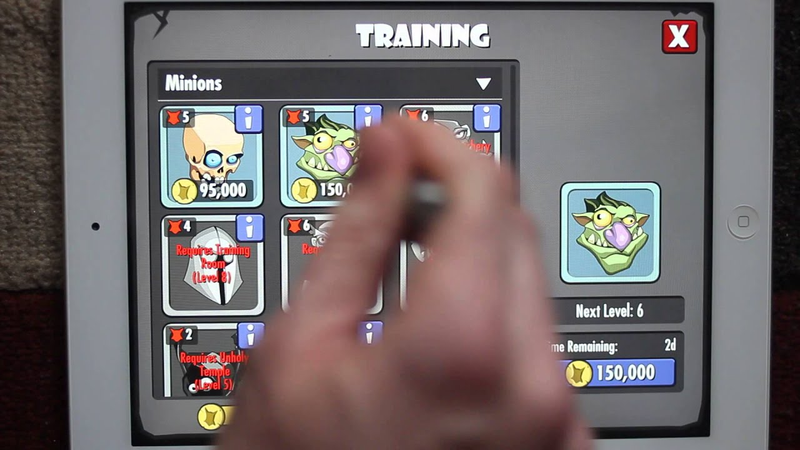
The free-to-play mobile reboot of the Dungeon Keeper franchise, despite receiving significant criticism at launch for its aggressive time-gating and monetization mechanics, offers a compelling long-term experience for players who engage with its core base-building systems.
- The mobile reboot of Dungeon Keeper provides a deep, long-term strategic experience centered on base-building and defensive optimization that remains engaging for players after 11 months of consistent play.
- The game's poor public reputation is primarily driven by high early-game friction and aggressive time-gating, which lead to significant player churn despite the depth of the core mechanics.
- The builder system features diminishing returns on investment, where purchasing a third builder provides a 50% efficiency boost, while subsequent builder purchases offer progressively smaller marginal gains.
Defining the Global Ludo Polychotomy
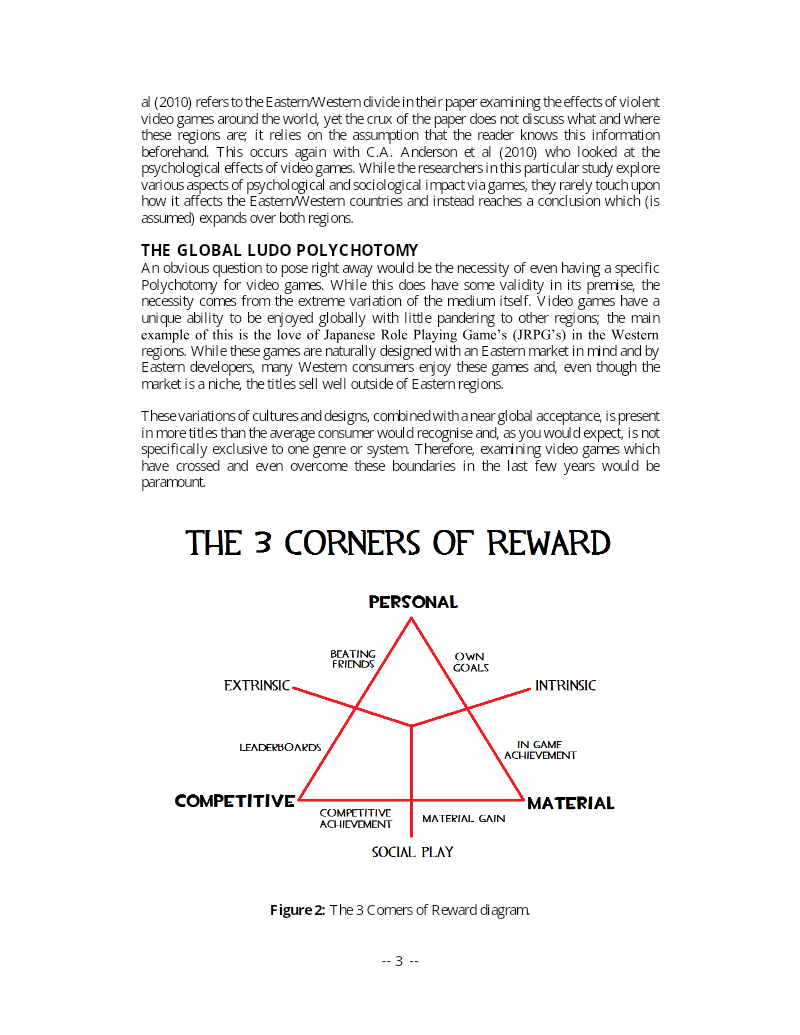
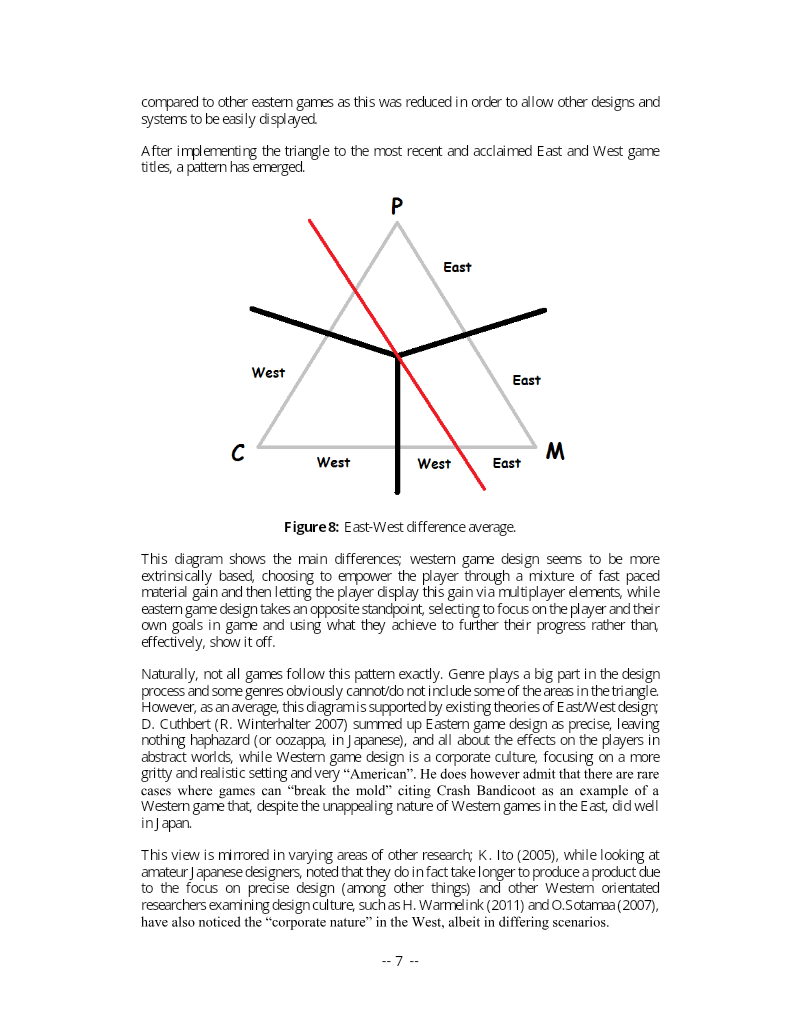
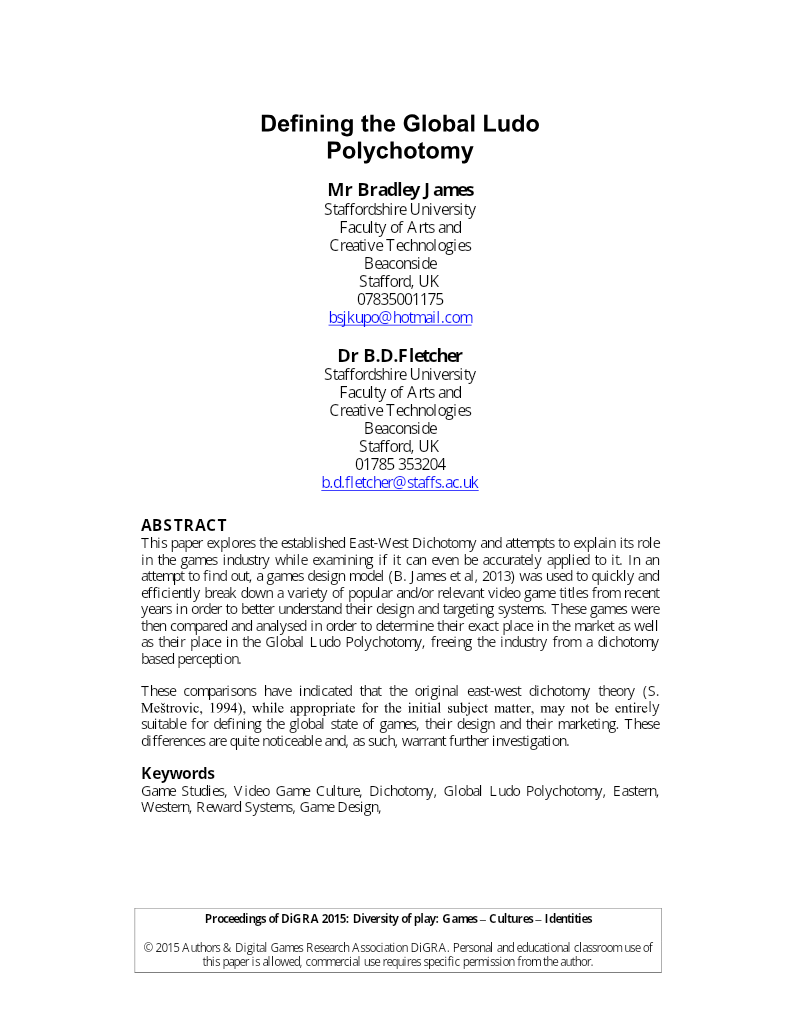
This paper, presented at DiGRA 2015, examines whether the established East-West dichotomy, originally theorised by S. Meštrovic (1994) and applied to cultural and psychological studies, accurately describes the global video game industry.
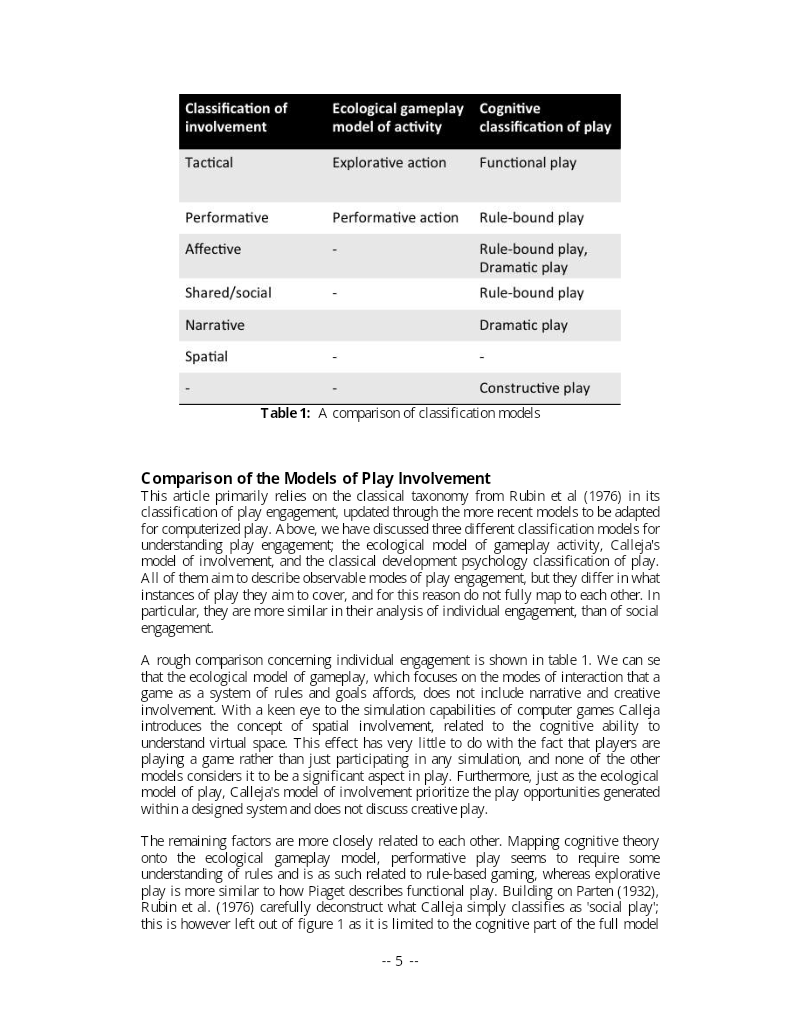


Affective and Bodily Involvement in Children's Tablet Play
A study of pre-school children aged roughly three to six playing emotion-focused tablet games examines whether low-interactivity digital play can still support meaningful emotional engagement.
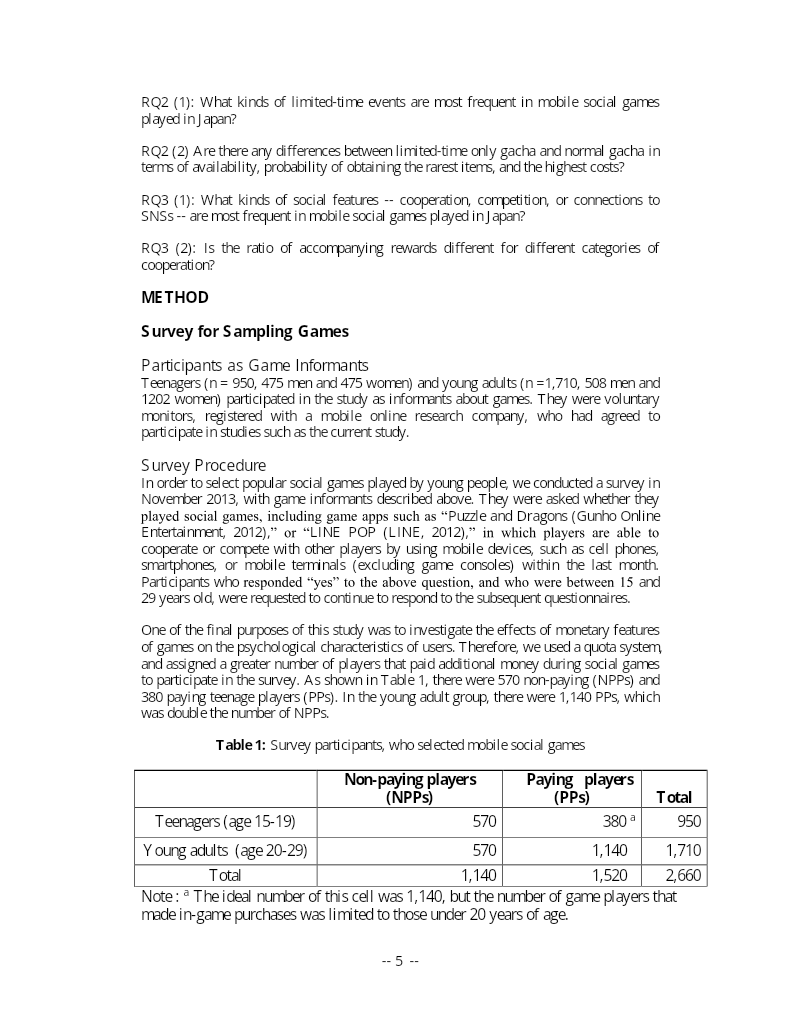
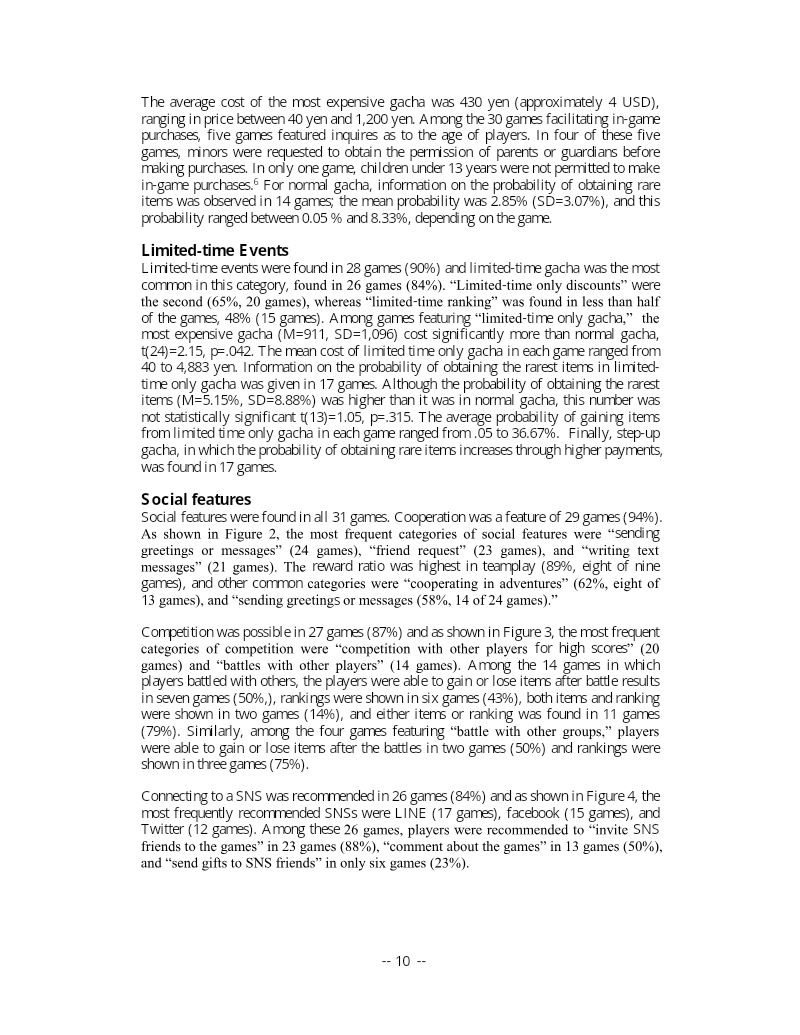
Systematic Analysis of In-Game Purchases and Social Features of Mobile Social Games in Japan
A systematic study of 31 popular Japanese mobile social games, selected through a November 2013 survey of 2,660 young players, examines how these titles monetize play and structure social interaction.
Casual Games Sector Report: Southeast Asia 2015
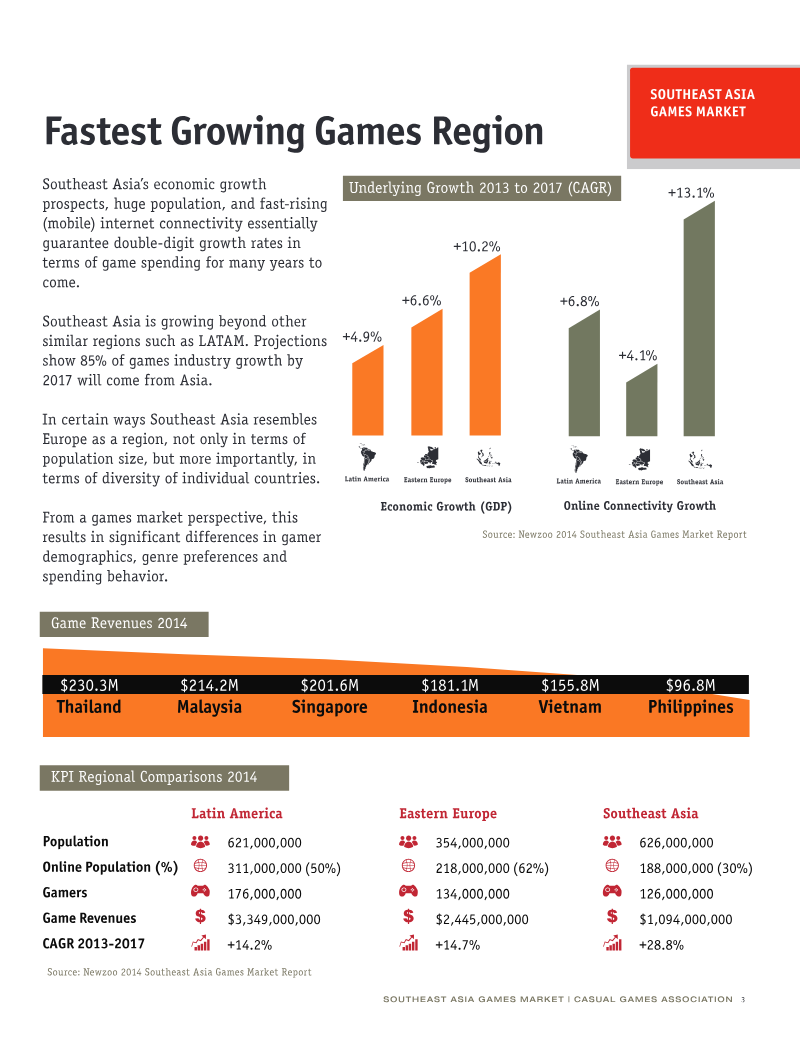
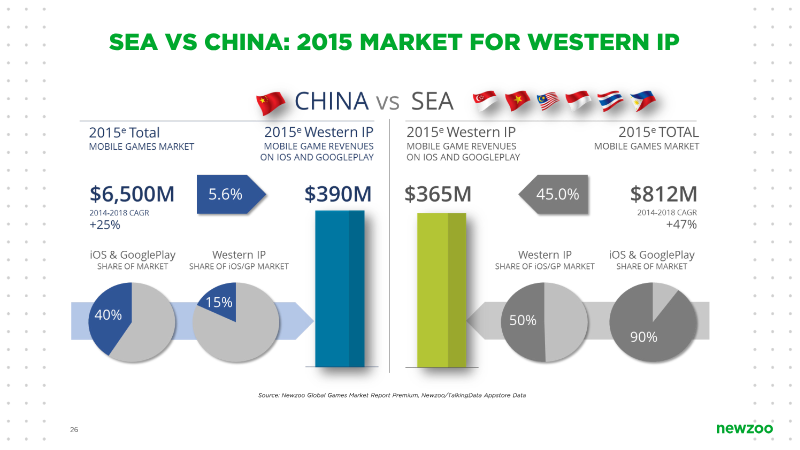
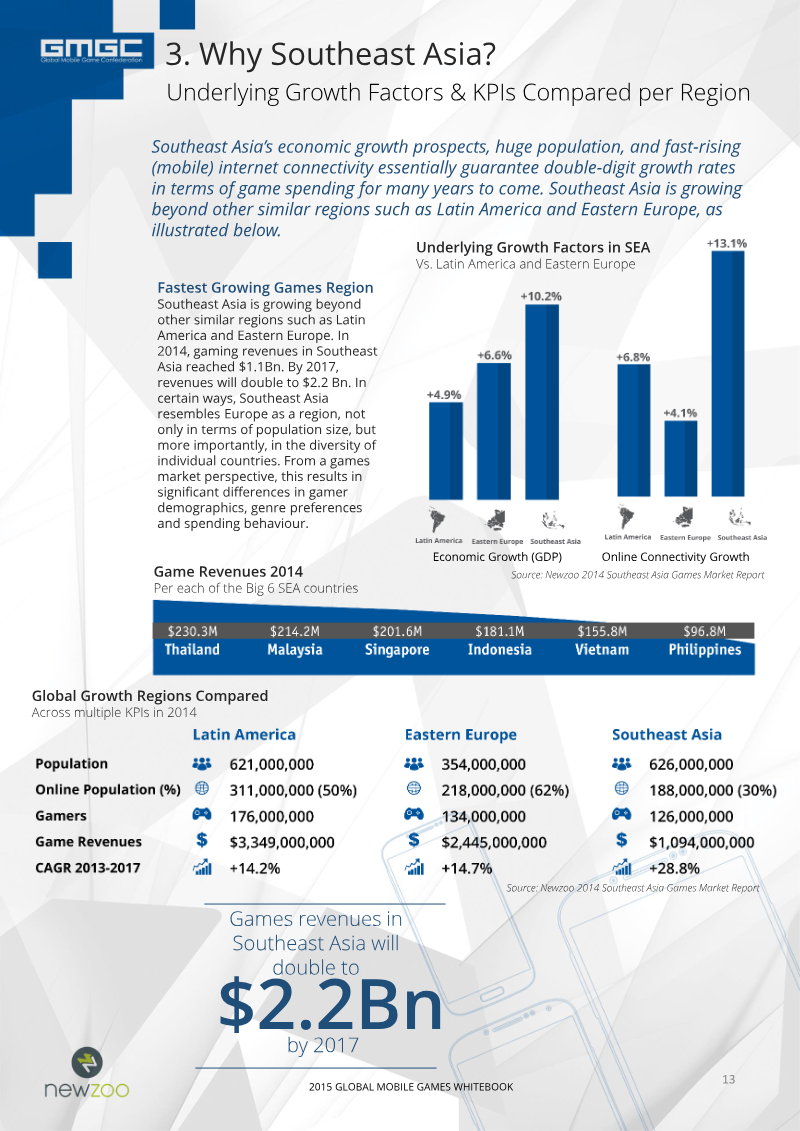
The Southeast Asia games market is positioned as a primary growth engine for the global industry, with total regional revenues projected to double to $2.2 billion by 2017.
- The Southeast Asia games market is projected to reach $2.2 billion in revenue by 2017, growing at a compound annual rate of 28.8%.
- Mobile gaming is the dominant sector across the region, with Western titles from publishers like King and Supercell consistently ranking among the top-grossing applications.
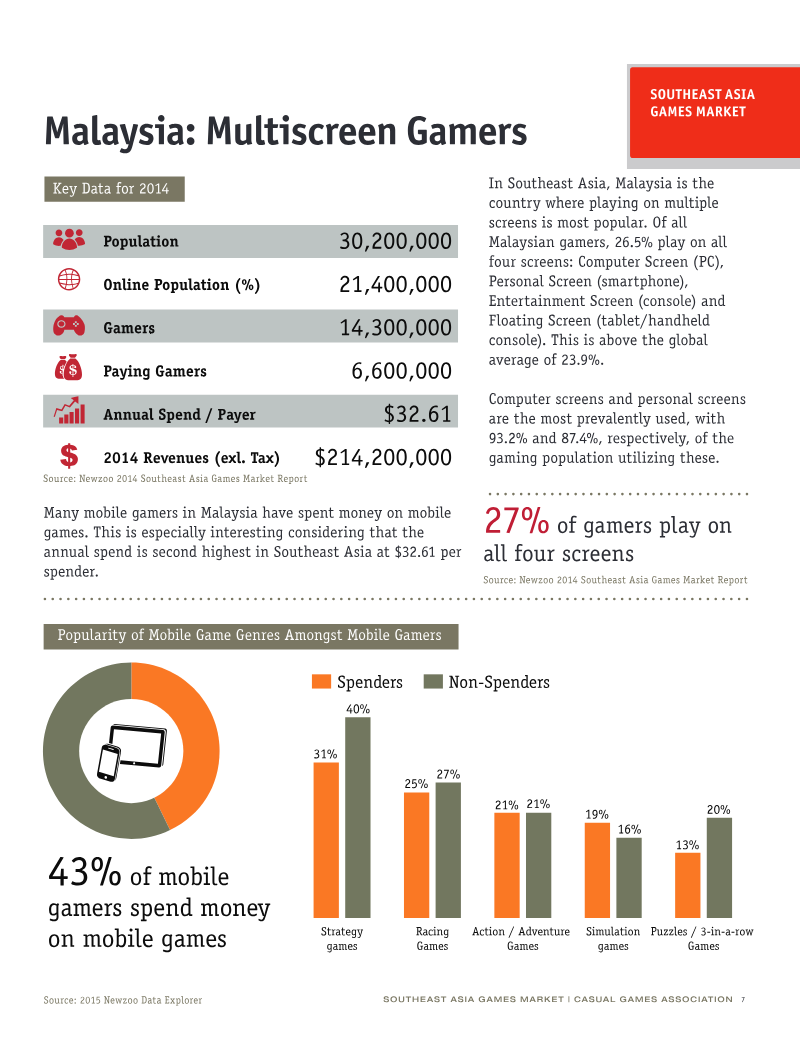
- Thailand currently generates the highest total game revenue in the region, while Singapore leads in monetization with an average annual spend of $189.30 per payer.

The Mobile Gaming Landscape 2015
The global mobile gaming market underwent a transformative expansion in 2015, surpassing $30 billion in total revenue as the industry transitioned from isolated platform silos toward a unified, cross-platform consumption model.
- The global mobile gaming market surpassed $30 billion in revenue in 2015, driven by a transition toward unified, cross-platform ecosystems.
- High-profile industry consolidation, such as Activision Blizzard’s acquisition of King, marks a shift toward integrated gaming business models.
- The Chinese market remains distinct and highly competitive, requiring developers to navigate a fragmented Android ecosystem and numerous local app stores dominated by Tencent and NetEase.
Global Mobile Game Industry White Book: 2015
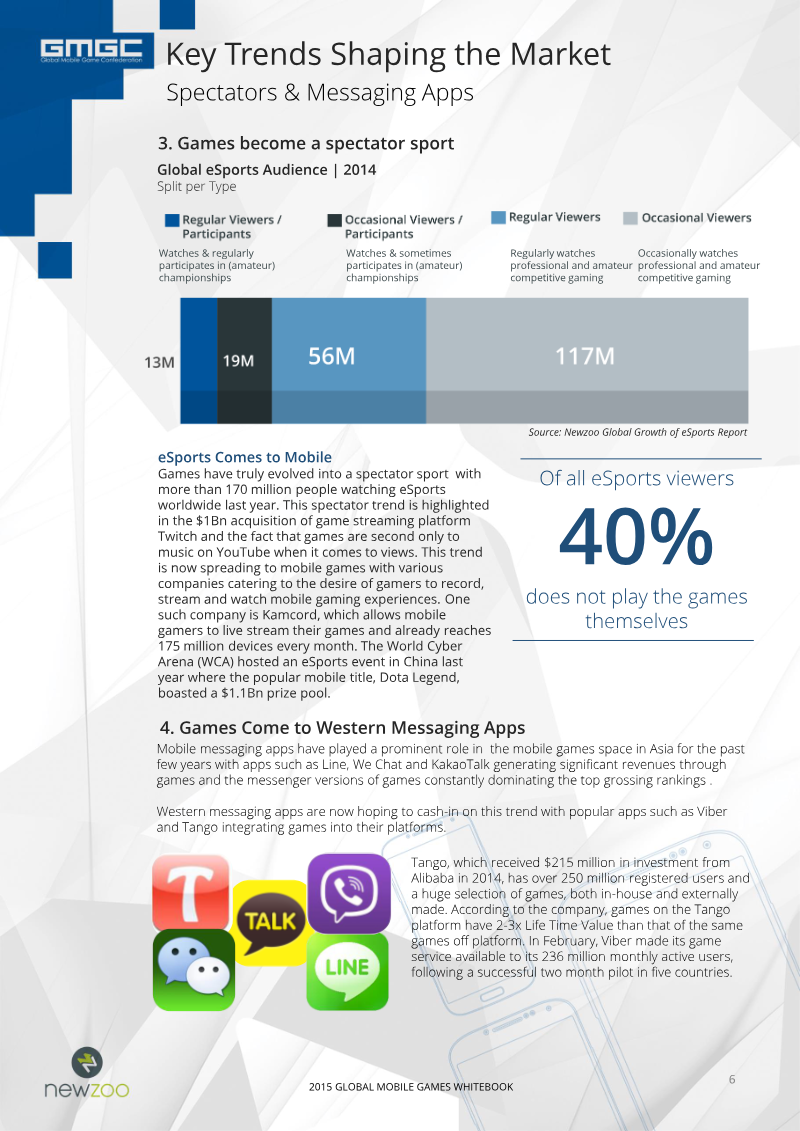
The global mobile gaming industry is undergoing a transformative shift, positioning itself as the dominant force within the broader interactive entertainment sector.
- The global mobile gaming market is projected to reach $30.1 billion in revenue in 2015, establishing itself as the dominant sector in interactive entertainment.
- China serves as a high-engagement market where users spend an average of 35 minutes daily on mobile games, primarily favoring card and role-playing genres.
- Southeast Asia is a rapidly maturing market expected to double its revenue by 2017, providing a strategic entry point for Western publishers due to standardized app store infrastructure.

Finland's one bright spark, Kamcord's $15M and CCGs in China.
The mobile gaming industry experienced a period of strategic consolidation and investment toward the end of 2014, characterized by significant funding rounds and shifting market dynamics in key global regions.
- The Chinese mobile gaming market is projected to reach $6 billion in revenue by 2015, positioning it to become the world's largest mobile gaming sector.
- Kamcord secured $15 million in funding, led by GungHo Online Entertainment, to advance mobile gameplay recording and social sharing tools.
- Collectable card games (CCGs) currently dominate the Chinese market, accounting for approximately one-third of total mobile gaming revenue.

Clones, sequels and original IP, subsidising wearables, and will mobile games always rise?
The mobile gaming industry in late 2014 is characterized by a mature market where top-grossing charts remain static, dominated by established franchises and sequels.
- As of late 2014, the mobile gaming market has reached a state of maturity where top-grossing charts are dominated by established franchises and sequels, making it increasingly difficult for new original IP to gain traction.
- High-profile, well-funded titles like Vainglory have struggled to penetrate the top-grossing charts despite significant promotional support from major platform holders like Apple.
- Studios such as Space Ape have found success by focusing on iterative improvements to established genres, specifically through enhanced alliance mechanics and early adoption of the Android platform.

What can we learn from Monument Valley's IAP?
The mobile gaming industry is currently navigating a significant shift in monetization expectations, highlighted by the controversy surrounding the expansion pack for the puzzle game Monument Valley.
- The developer of Monument Valley, ustwo, faced significant user backlash and one-star review bombing after releasing eight additional levels as a $2 in-app purchase for a game that originally cost $3.
- The controversy surrounding Monument Valley highlights a broader industry tension regarding whether post-launch content should be provided as free updates or paid downloadable content (DLC) in a market increasingly dominated by free-to-play models.
- Apple replaced the 'Free' button on App Store games with 'Get' in November 2014, a change prompted by ongoing pressure from European Union regulators regarding the transparency of free-to-play monetization.