1 free read left. Create a free account for unlimited reading + AI research.
Create free accountReport DiGRA
1 free read left. Create a free account for unlimited reading + AI research.
Create free accountReportDiGRA
Distilling the key insights…
A systematic study of 31 popular Japanese mobile social games, selected through a November 2013 survey of 2,660 young players, examines how these titles monetize play and structure social interaction. The analysis centers on the freemium model, gacha systems, and limited-time events, situating them within a regulatory environment shaped by responses to kompu gacha and spending limits for minors. Eleven trained coders played and recorded the games over a quota-based sample, allowing the authors to assess purchase categories, the differences between limited-time and normal gacha, and the prevalence of cooperative, competitive, and SNS-connected features.
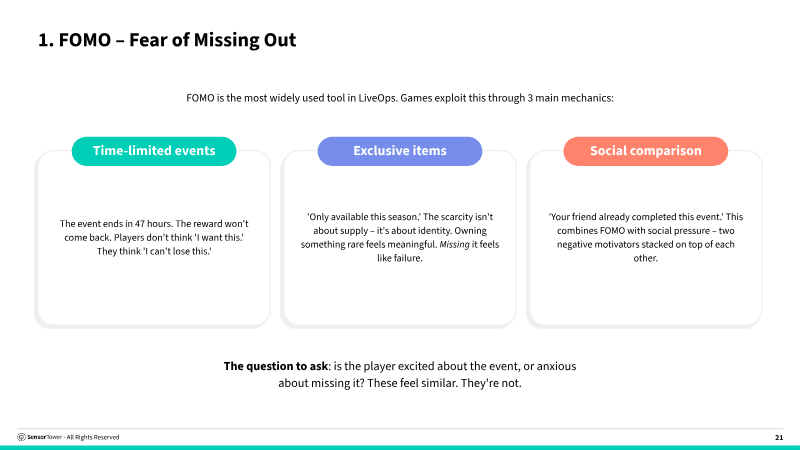
Nearly all of the games examined (30 of 31) include in-game purchases, with gacha appearing in 27 titles and payments for restoring stamina or advancing the story appearing in an equal number. The most expensive gacha averaged 430 yen. Limited-time events were present in 28 games, led by limited-time gacha in 26, indicating that such offerings are provided on a near-constant basis to sustain engagement. Cooperative features appeared in 29 games and competitive features in 27, with greetings, friend requests, and SNS invitations as the most common social mechanisms.
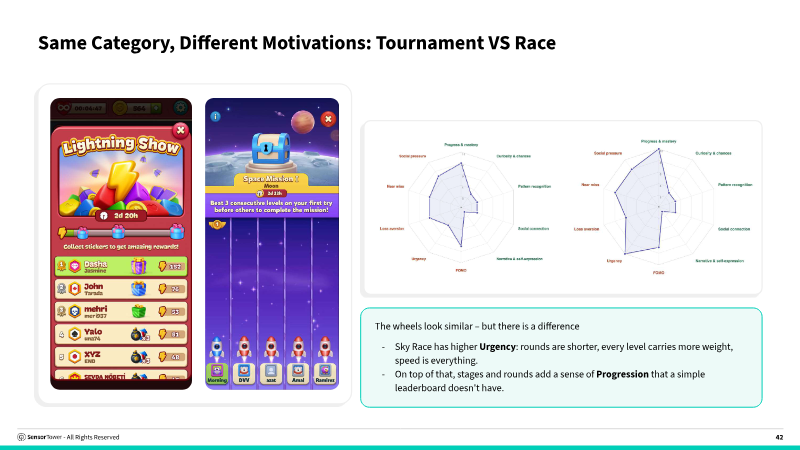
The authors conclude that gacha likely serves as a principal monetization engine, while the pervasive scheduling of limited-time events maintains player attention. A notable shift is that cooperative and competitive features have become more individualistic, allowing players to participate at their own pace rather than simultaneously. Team play may yield greater rewards but demands more patience and coordination. The study also finds that gacha exposure did not always translate into additional spending, a result that tempers simple assumptions about its financial effect.
The authors acknowledge limitations, including three days of play per coder and the inherent variability of individual game experiences. They call for further research into how game mechanics interact with player psychology. Overall, the findings indicate that purchase structures and social features vary considerably across titles, and they offer a foundation for improving mobile game literacy among children and adolescents.

DiGRA · 2018
DiGRA · 2018
DiGRA · 2018
DiGRA · 2018
DiGRA · 2018
DiGRA · 2018
DiGRA · 2018
DiGRA · 2018
DiGRA · 2018
DiGRA · 2018
DiGRA · 2018
DiGRA · 2018
Deconstructor of Fun · 2025