1 free read left. Create a free account for unlimited reading + AI research.
Create free account
Monetization of The Hunger Games: Panem Rising
Key insights
6 takeaways- 01The Hunger Games: Panem Rising utilizes a high-friction economy that intentionally withholds hard currency to force players into a binary choice between excessive grinding or real-money purchases.
- 02Unlike standard free-to-play models that use reciprocity to build engagement, this title avoids gifting hard currency and instead uses a high-level starter card to hook players before introducing aggressive bottlenecks.
- 03The economy features a six-tier payment structure for 'Sparks' hard currency, with price points ranging from $5 to $100.
- 04The game utilizes a complex multi-currency system, requiring players to manage soft currencies for common cards, specialized pins for rare cards, and purchased recharge items for energy.
- 05The game’s monetization strategy relies on a restrictive progression system where energy and power meters are calibrated to create deliberate walls that halt gameplay without financial investment.
- 06The developer leverages the strength of The Hunger Games intellectual property to sustain an aggressive monetization model that prioritizes immediate conversion over long-term retention for non-paying users.
Ask AI about this video
Transcript
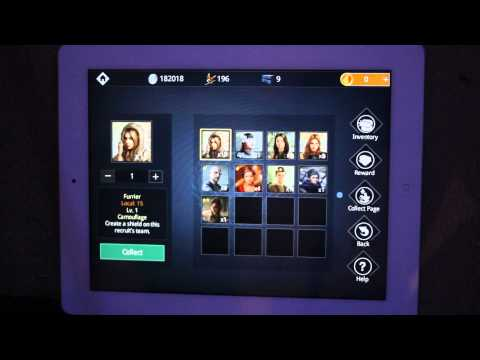
[Music] [Applause] [Music] okay so this is kab's um Hunger Games PanAm Rising game it's a card collection game um a quick look at the monetization um so as we can see fairly um a lot of card battling games card collection games fairly uh kind of streamlined user interface um so obviously it's about collecting cards this game um interestingly so we have um a hard crcy here and then we have these are kind of this is energy and this is kind of power okay endurance tell me that um and power okay so these are um uh you use these as you play the game um and you fill them up you can buy um effectively kind of a bottles that will fill these up they will recharge um as it hopefully says one unit every minute as well interestingly in this game so
there's a concept called reciprocity um which well well kind of understood in retail It generally means when people are playing when it comes to free to playay games when you're playing a game the the developer will give you some of the hard currency just to get you kind of using using it um in this case kuam hasn't done that um kuam clearly understands free to playay games what it kind of does in this card game is it gives you when you load up it gives you for the first time it gives you a kind of a high level card so it gives you this um uh gives you this card here there she is um the main character of the film um so it gives you that doesn't give you any hards in but equally in most other games as you play the game longer you progress you will just kind of earn or grind out some hard ceny Now command taken the choice the taken the the um decision not to do that at all which is kind of surprising obviously they have reason to do it they check the data they must think they make more money this way but what's interesting perhaps in this modation technique um you just can't see we'll just load this up um if it's going to load there we go so very it's called spark so they're very um standard um CU
a six six tier um payment system so we go from 350 Sparks for this is $5 up to $100 for $7,000 um which is kind of Fairly standard kind of um kind of unit uh kind of demarcation there um so um in terms of the reason why this is interesting is um so I have some cards the this my squad here far up so these are you have maximum of 12 cards and then you kind of get lower cards and you kind of upgrade these ones you see the stars on them so um I get in list um listing is basically just buying cards so you can see here there's various options um so and there's kind of actually three different currencies you kind of have to get new card so there's these um special listing pins so I've managed to unlock one that's quite a high level
card that's a that's a five a four star card it's level one not leveled up at all but it's not a bad card to have super rare um so but now you can see I kind of earned that currency when I was playing the game now if I wanted in list more I got to buy them so I got to spend um need 210 um Sparks to do that don't have any don't me any not going to buy in the moment um also have this one this is an inlist this is a kind of even softer currency um so I'm going to get two cards that cost 200 each these are common so these are basically just common or uncommon but they're basically just going to be used um to upgrade my other cards um you see here I can get gold pack so all the kind of um things you buy kind of based on the level of the card you get um so I've got some cars you can see so there's cars that I won hopefully so they're um going to be found in My Vault um so that was the high level one I got these are other ones I just collected um as I've been playing playing um so quickly just go
into the game and and we can kind of um see uh so the G game play is actually very very very simple it's just um let's go here we do that um I've explored this but to to explore you just kind of hit and it just does a small animation on this uh kind of fixed artwork I've just got a very another low level card I can use um explore again so I'm kind of gaining some kind of XP and some this is a very very soft currency that you have loads of you never really use it up and as you see every time I explore um my energy is going down by a bit um now interestingly if we go to the next stage um I've got a battle so I'm fighting a sub boss here um so this is this is my team that's him I'm going to battle you can see very stats um getting car battle type thing they're going to various
things going on here boosts and stuff doesn't really matter you just skip this it tells me defeated oh dear um okay so that's no good as you can see here now this blue bar is strongly um depleted so I lost that battle I could try and battle him again so there we go same thing I've got to beat him to progress to the next level battle again oh no so the my power potion I haven't got enough level on the power potion so um to make any progress further in this game I have to spend um hard currency which I haven't got so this is the this is the interesting decision that Kabam seems to have made is not giving you anything at all um is hard and then have uh the game play is actually even harder in terms of monetization so there's a real kind of um forcing the play to decide um if you want to progress faster you really have to spend money um and there's in these ways there's no there's no correct or incorrect decisions really in terms of a a kind of a theoretical sense devel developers make their decis decision based on the data they're seeing from
their players that's interesting that perhaps this wouldn't work for a game doesn't have a big license attached to it um oh um you know we have to talk to band find exactly why they've done this but this is kind of um interesting I guess we call this a highly highly monetized game because it's you it's very hard I've not spent any m in this game it's very hard you have to spend a lot of time grinding so basically um I can't do anything at the moment on this in in in that level I can just go through and I can just explore here so I'm just using up basically my energy and I'm kind of slowly leveling up but this is real kind of grind nothing's really happening it's not a very enjoyable experience okay got bit of power there but um I'm just basically playing this over and over and over again um to get the cards hope I get a card in a minute go so I've got another sub battle so even at this stage I can't I can't battle him cuz I haven't got any F I got Retreat um because I've finished this this kind of thing just explore again that sub battle
goes away but it's a kind of an interesting design choice that they've made in this game and I guess an example of different ways people um different kind of hardnesses um people can use to monetize their [Music] [Applause] games
Summary
The monetization strategy of the mobile card-collection game The Hunger Games: Panem Rising centers on an aggressive, high-friction economy designed to convert players into spenders through significant gameplay bottlenecks. Unlike many free-to-play titles that utilize reciprocity—the practice of gifting players small amounts of hard currency to encourage engagement—this game intentionally withholds hard currency from the player experience. Instead, the developer provides a high-level character card at the start to drive initial interest, then relies on a restrictive progression system to compel real-money purchases.
The game employs a standard six-tier payment structure for its hard currency, known as Sparks, ranging from $5 to $100. Players must manage multiple currencies, including soft currencies for common card acquisition and specialized pins for rare card enlistment. Gameplay is defined by energy and power meters that deplete during exploration and combat. When these resources are exhausted, players face a choice: engage in repetitive, time-consuming grinding to slowly level up or purchase recharge items with hard currency.
The design creates a deliberate wall where progress is effectively halted without financial investment. This approach is particularly notable for its lack of player-friendly incentives, suggesting that the developer prioritizes immediate monetization over long-term retention for non-paying users. While such a restrictive model might be prohibitive for original intellectual properties, the use of a major entertainment license likely provides the necessary leverage to sustain this aggressive strategy. Ultimately, the game serves as a case study in high-intensity monetization, where the difficulty of the progression curve is calibrated to force a binary decision between significant time investment and direct spending.


















Comments