Mobile reports and market data
Documents
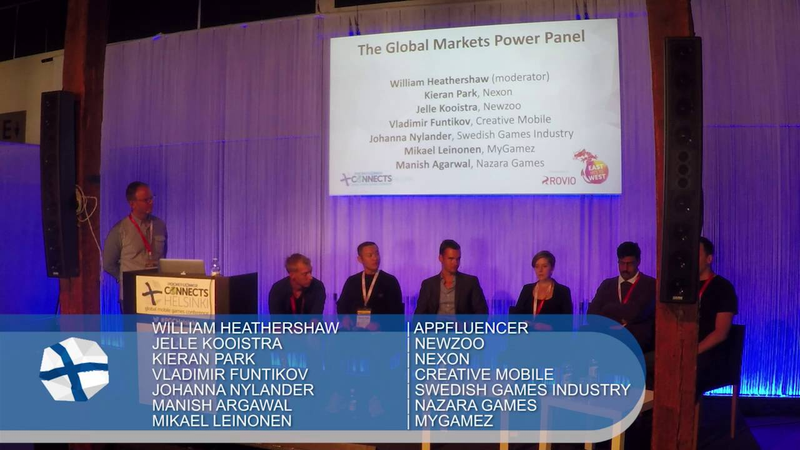
The global games markets power panel 2016
The global games industry is undergoing a significant transformation characterized by the aggressive expansion of Asian firms into Western territories and a simultaneous push by developers to capture high-growth emerging markets.
- Global expansion success depends on data-driven, localized strategies that account for regional variations in consumer behavior, technical infrastructure, and cultural preferences rather than broad, universal releases.
- Asian firms expanding into Western markets must move beyond stereotypes and engage local partners to navigate specific business practices and communication styles.
- Market entry in China is most effective through casual, standalone titles that prioritize in-app purchases over advertising revenue models.
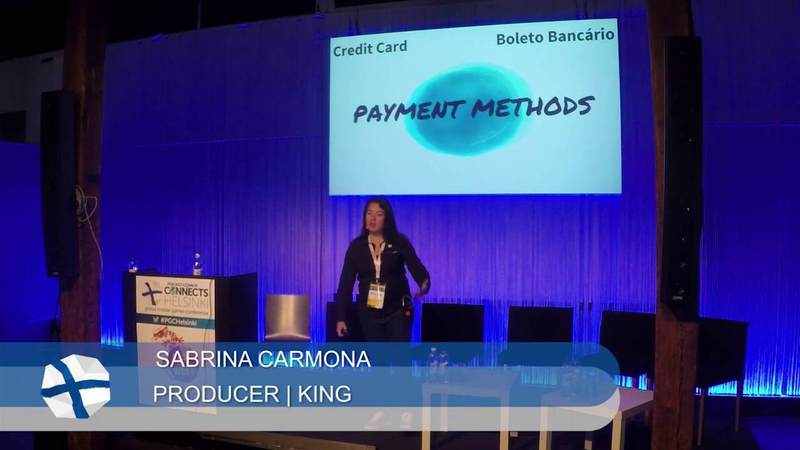
An overview of the LATAM games market in 2016
The Latin American games market represents a significant and growing opportunity for developers, characterized by a large, digitally active population and a strong preference for social gaming experiences.
- The Latin American games market experienced a 20% year-over-year revenue increase as of 2016, driven by a large, digitally active population across key countries including Brazil, Mexico, Argentina, Chile, Colombia, and Peru.
- Payment infrastructure is a primary barrier to entry, necessitating the integration of alternative local payment methods like Brazil's 'boleto bancario' due to low credit card penetration and high interest rates.
- Standard global pricing models are often prohibitively expensive in the region, requiring developers to adjust pricing to local exchange rates to improve accessibility and conversion.
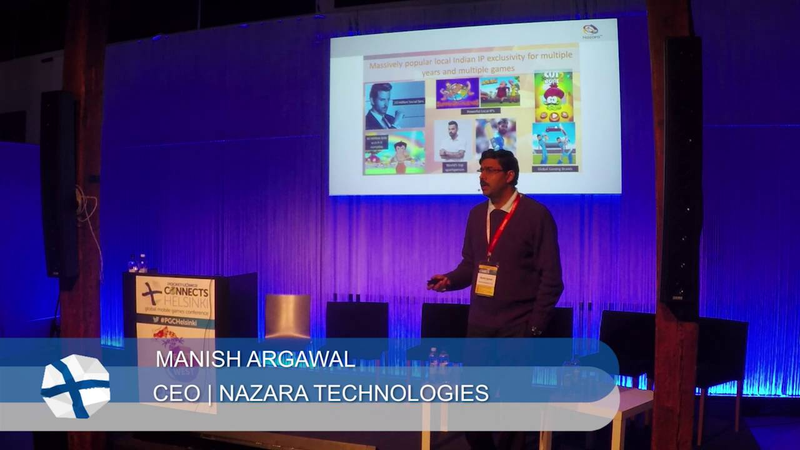
An overview of the India games market in 2016
The Indian mobile gaming market in 2016 represents a high-growth, long-term opportunity for global developers, though it remains distinct from the more mature Chinese market.
- The Indian mobile gaming market is a long-term play with a five-to-seven-year horizon for maturity, currently serving 100 million mobile gamers out of 300 million total internet users.
- Monetization is constrained by low credit card penetration and in-app purchase conversion rates typically below 0.5%, necessitating a reliance on carrier billing, reward-based video ads, and brand integrations.
- Technical optimization is critical for market entry, requiring game file sizes to be kept under 15–20 MB to accommodate users with limited storage and data connectivity.
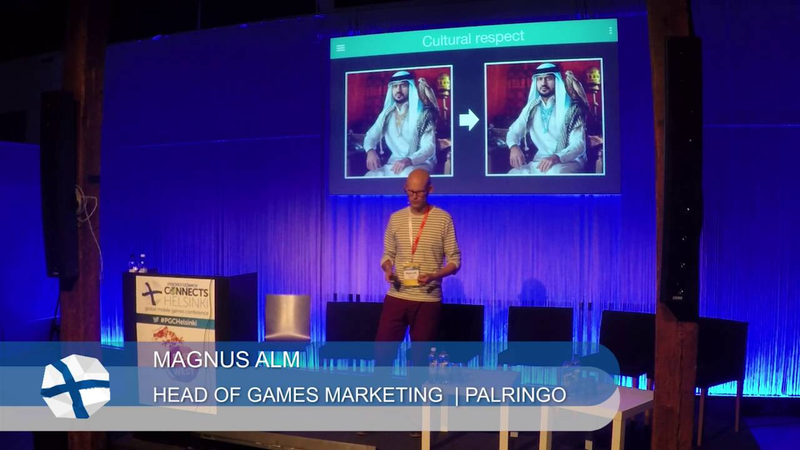
How to make it big in the MENA mobile games market
The Middle East and North Africa (MENA) region represents a significant, high-potential growth market for mobile gaming, characterized by a large, engaged audience that remains underserved by global developers.
- The MENA mobile gaming market offers significant growth potential with revenue estimated at 25% of the U.S. market, yet only 1% of global mobile applications are currently localized into Arabic.
- Developers must prioritize user anonymity by avoiding mandatory social media account linking, as MENA players strongly prefer maintaining separate online personas.
- Effective localization requires more than translation; it demands right-to-left UI mirroring and the use of specific regional dialects to provide a native user experience.
The secrets of Russian mobile game user acquisition
The Russian mobile gaming market represents a significant, high-growth opportunity for international developers, characterized by a large user base and lower competition compared to Western markets.
- The Russian mobile gaming market ranks fifth globally by download volume, offering a high-growth opportunity despite a modest average revenue per user of approximately $8.
- Successful user acquisition requires bypassing global platforms in favor of local leaders, specifically Yandex, which holds an 80% share of the search market, and social platforms VK and OK.
- Scaling strategy should prioritize performance-based affiliate networks, where local agencies manage traffic across multiple channels to drive growth with minimal internal resource investment.

Publisher power panel: What games publishers offer in 2016
The 2016 Pocket Gamer Connects Helsinki panel, featuring representatives from Rovio, Flaregames, Chillingo, and King, explored the evolving role of mobile game publishers in a maturing, highly competitive market.
- Mobile game publishers have shifted from providing simple capital to offering deep, long-term co-development partnerships focused on soft launches, live-service optimization, and player retention.
- Rising user acquisition costs and market saturation have made it essential for developers to focus on specific genres and clear, long-term visions rather than a volume-based approach.
- The 2016 mobile market remains top-heavy, but significant opportunities exist for mid-tier developers who can deliver high-quality, innovative experiences within specific niches.
How Space Ape makes 30% to 50% of its revenue from in-game events
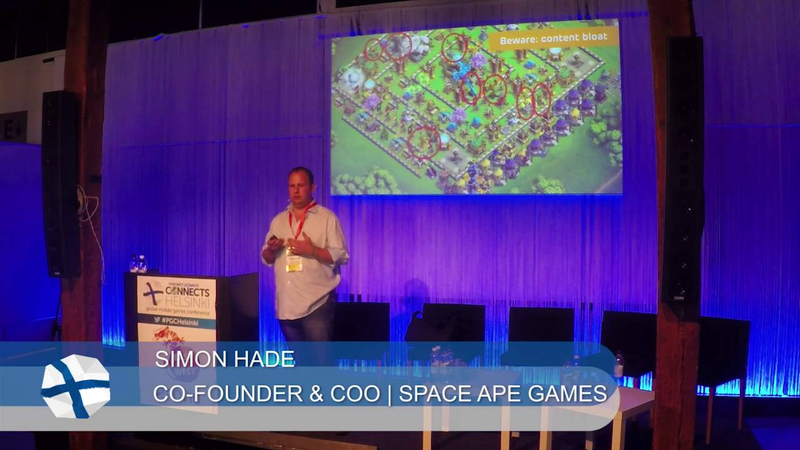
Space Ape Games utilizes a sophisticated live operations strategy to drive significant revenue and player retention across its build-and-battle titles, including Samurai Siege, Rival Kingdoms, and Transformers: Earth Wars.
- Space Ape Games generates 30% to 50% of its total revenue from in-game events across titles like Transformers: Earth Wars, Rival Kingdoms, and Samurai Siege.
- The studio utilizes a 1-3-2-4 intensity cadence for events, alternating between high-stakes alliance tournaments and lower-intensity personal engagement activities.
- A proprietary content management system allows non-technical staff to schedule and adjust events in real-time, bypassing the need for app store updates.
Key insights on winning global gamers with smart localisation
Effective global expansion for mobile games requires a strategic approach to localization that prioritizes cultural resonance over simple translation.
- Eighty percent of the 27 billion-dollar mobile gaming market is located outside the United States, making localization a critical requirement for reaching high-spending, non-English speaking users.
- Developers should implement internationalization—the process of isolating text strings from source code—from the first day of development to prevent expensive technical overhauls.
- Adopting a Minimal Viable Localization (MVL) strategy allows developers to test market potential by prioritizing high-impact assets like App Store descriptions before committing to full-scale in-game culturalization.
Five key trends shaping the future of mobile games
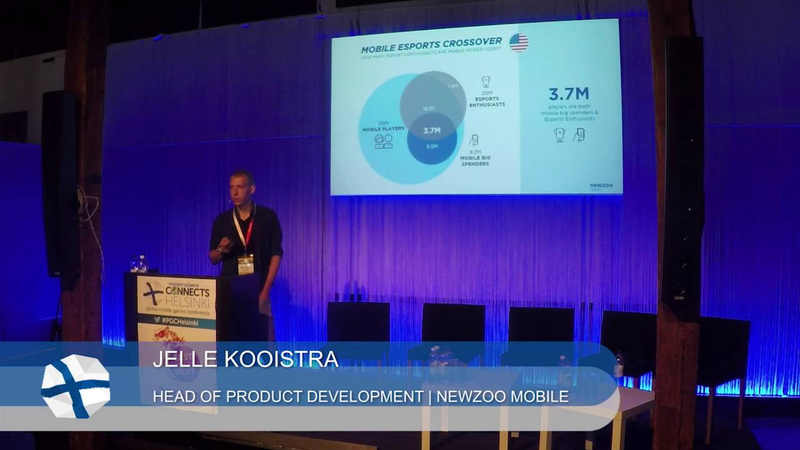
The mobile gaming industry has reached a historic inflection point, with global consumer spending projected to hit $37 billion in 2016.
- Mobile gaming has surpassed PC and console segments in total revenue, with global consumer spending projected to reach $37 billion in 2016 and $52 billion by 2019.
- The Asia-Pacific region, specifically China, Japan, and South Korea, acts as the primary growth engine, accounting for nearly 50% of the global revenue increase.
- Traditional PC and console publishers are increasingly adapting established intellectual properties for mobile to capture market share, exemplified by Tencent’s acquisition of Supercell.
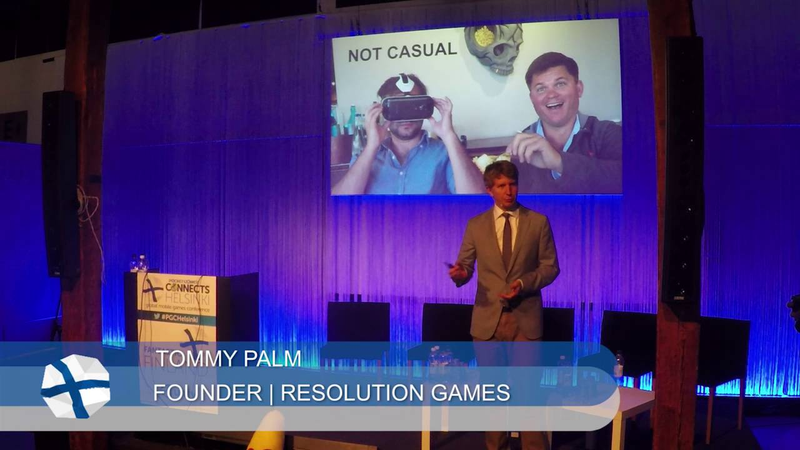
Key mobile virtual reality game design tips from Tommy Palm
Mobile virtual reality (VR) represents a significant evolution in computing, transitioning from the era of mainframes and personal computers to immersive, portable experiences.
- To prevent motion sickness, mobile VR must maintain a consistent 60 frames per second by limiting draw calls and polygon counts while focusing high-fidelity assets near the user.
- Designers should avoid forced camera movement, which is a primary cause of cybersickness, and instead implement teleportation as the standard method for navigation.
- Mobile VR hardware faces thermal constraints, necessitating the use of darker, energy-efficient scenes and a focus on high-quality audio to maintain immersion.
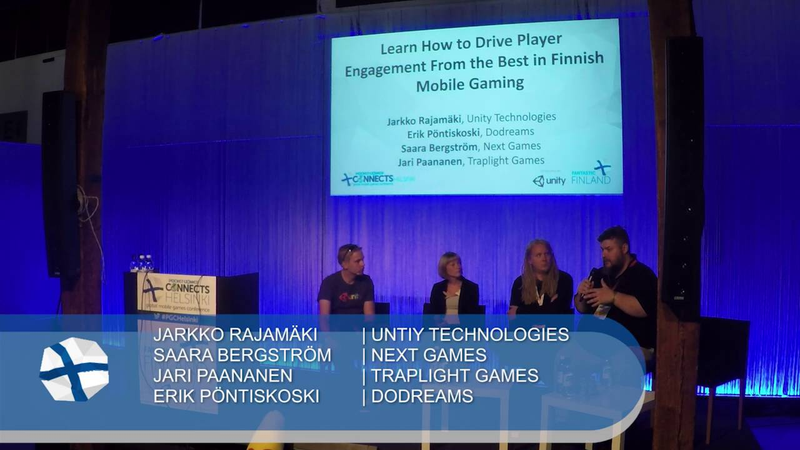
How to drive player engagement from the best in Finnish mobile gaming
Modern mobile gaming success relies on a fundamental shift from static product development to a service-oriented model.
- Shift from static product development to a service-oriented model by prioritizing long-term engagement over initial launch metrics.
- Utilize the 40/20/10 retention benchmark as a foundational metric while simultaneously optimizing the first-time user experience and granular user trajectories.
- Maintain engagement through rigorous update schedules, ranging from weekly to bi-monthly, to keep core gameplay loops dynamic.
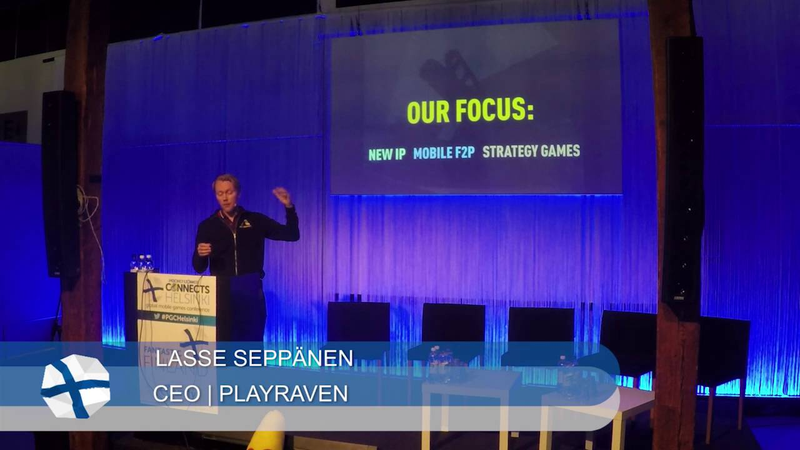
Playraven on why you should burn the boats to win in mobile
The core strategy for success in the mobile gaming industry, as practiced by the Helsinki-based studio PlayRaven, centers on the concept of burning the boats—a metaphor for eliminating all fallback options to ensure absolute focus on innovation.
- PlayRaven mandates a 'burn the boats' strategy by exclusively developing original IP in the mobile free-to-play strategy genre, strictly prohibiting the cloning or reskinning of existing titles.
- The studio prioritizes the creation of entirely new game categories, a focus that has resulted in three consecutive global launches reaching top-ten status in multiple countries.
- Development cycles have been compressed to five months, shifting from long production periods to early, data-driven soft launches in markets like Canada and Australia.