Mobile reports and market data
Documents
Why Finland is such a hotspot for free-to-play mobile games
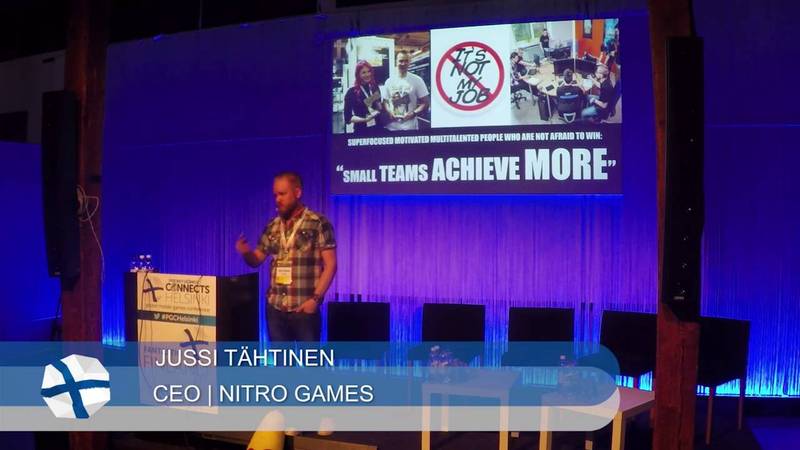
Finland has emerged as a global leader in the free-to-play mobile gaming sector, a success driven by unique cultural, structural, and operational factors rather than just market size.
- Finland’s small domestic population of 5.5 million forces developers to design exclusively for international audiences, ensuring products are culturally aligned with global markets from inception.
- The Finnish gaming industry prioritizes lean, flat organizational structures that eliminate bureaucratic processes and internal politics to maintain high execution speed.
- Operational methodology centers on rapid prototyping, where teams focus exclusively on core gameplay mechanics before addressing metagame or monetization strategies.
The bird's eye view of mobile games in 2016
The mobile gaming industry reached a significant milestone in 2016, becoming the largest segment of the global entertainment market.
- In 2016, the mobile gaming industry became the largest segment of the global entertainment market, reaching a total global revenue of $91 billion.
- The global market is highly concentrated, with China, Japan, and South Korea accounting for over 60% of the industry's total revenue.
- In North America, Google Play leads in total download volume, while iOS maintains a higher revenue generation per user.
Doing a lot with a little – Mobile user acquisition on a budget
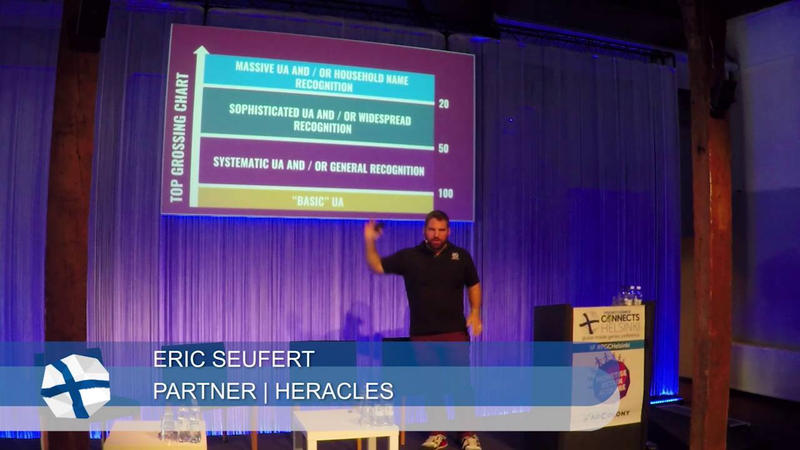
Mobile user acquisition (UA) for studios with limited budgets requires a shift in strategy from the high-risk, high-capital models used by major industry players.
- Prioritize firm-level economics by ensuring daily revenue consistently exceeds daily marketing spend to maintain solvency and avoid the high-risk, long-horizon capital models used by larger studios.
- Focus limited budgets on a small number of major ad networks rather than spreading resources thin, which allows for higher data density and more reliable optimization of ad creatives.
- Mitigate the lack of statistical certainty in small data sets by bidding against short-term, high-confidence LTV metrics rather than attempting to project unreliable 180-day LTV figures.
How Gram Games evolved its UA strategy to maintaining momentum for its existing games
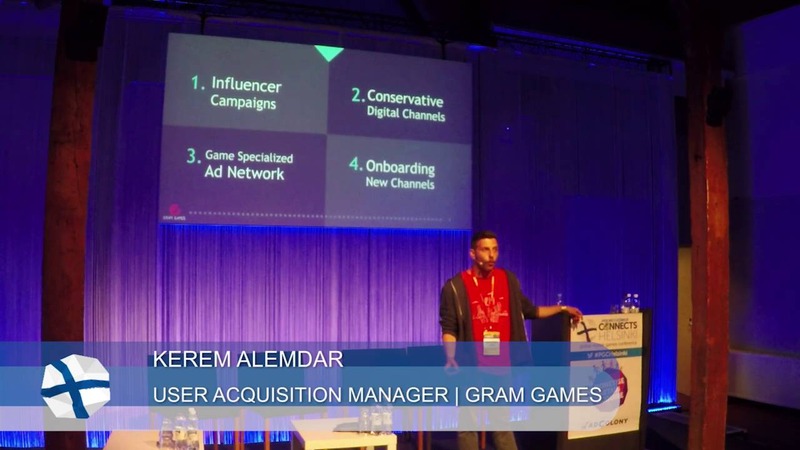
Gram Games’ user acquisition strategy centers on the iterative evolution of marketing tactics to maintain momentum for mobile titles, specifically transitioning from aggressive burst campaigns to sustainable, data-driven always-on models.
- Always-on UA campaigns outperformed burst campaigns, delivering 20 million installs over two months while simultaneously reducing effective CPI by 10%.
- Burst campaigns can negatively impact long-term metrics; an initial burst campaign for '1010!' increased DAU by 30% but caused a 30% decrease in user lifetime value due to an over-reliance on incentivized traffic.
- Dedicate at least 20% of the total marketing budget to testing new ad networks and inventory sources to avoid exhausting the potential of existing channels.

Let’s go whaling: Tricks for monetising mobile game players with free-to-play
The monetization of free-to-play mobile games relies heavily on the application of behavioral psychology to drive player spending and retention.
- Monetization success in free-to-play games relies on converting a small percentage of high-spending players, known as whales, who are driven by competition, social status, and rapid progression.
- Developers should segment monetization offerings based on specific player archetypes, such as achievers who value convenience, killers seeking competitive advantages, and socializers prioritizing customization.
- Gacha mechanics function as high-engagement tools by utilizing variable rewards that mimic the psychological appeal of slot machines to increase player lifetime value.
How indies can thrive in the free-to-play mobile games market
The mobile gaming industry is currently characterized by high barriers to success, intense market saturation, and rising user acquisition costs.
- Independent developers should avoid saturated, broad-appeal genres and instead target specific, underserved niches to lower user acquisition costs and improve long-term retention.
- The mid-tier mobile market, specifically games ranked between 200 and 1,000 in grossing, has shown significant growth, offering a more viable path for success than competing directly with top-tier titles.
- Niche-focused games benefit from pre-existing, passionate audiences that drive higher organic engagement and virality, effectively mitigating the high costs of competing in generic categories like medieval fantasy or match-three puzzles.
Best practices for mobile game ad monetisation
Mobile game monetization requires a strategic balance between in-app purchases and advertising to maximize revenue, particularly within the casual gaming sector.
- Advertising is a critical revenue stream for casual games because 80% of users churn within the first few days, and those who do convert often wait up to two weeks to make their first in-app purchase.
- Rewarded videos are the preferred implementation method, as they transform ads into an optional exchange for meaningful, immediate rewards rather than relying on intrusive, forced interstitials.
- Offering a combination of consumables, currency, and power-ups in rewarded videos significantly boosts conversion rates compared to offering currency alone.
Using trackable and optimisable TV campaigns to drive large scale mobile game user acquisition
The Specialist Works advocates for a performance-driven approach to television advertising, specifically designed to help mobile game publishers achieve large-scale user acquisition.
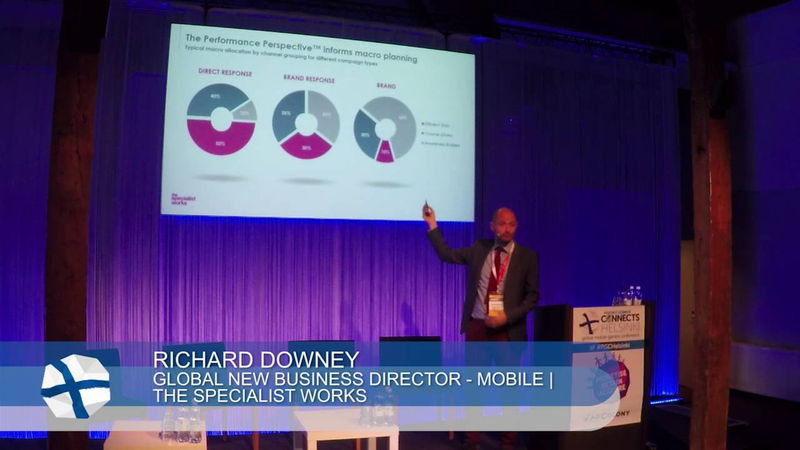
- Mobile game publishers can treat television as a performance-based acquisition channel by applying digital marketing principles like real-time tracking and iterative optimization.
- TV campaigns are measured by integrating airtime data with mobile attribution partners such as AppsFlyer, Adjust, and Tune to correlate specific TV spots with organic download spikes.
- Proprietary attribution tools filter out baseline organic noise to isolate the impact of specific TV channels and creative assets, accounting for the longer user journey typical of app downloads.
Your treasure map towards successful mobile user acquisition
Successful mobile user acquisition requires a strategic, data-driven approach that prioritizes game readiness, transparency, and the mitigation of pervasive industry fraud.
- Mobile developers lose an estimated $7.2 billion annually to fraudulent activity, including bot traffic and organic install hijacking.
- Games must be fully optimized for retention and monetization before launching paid campaigns to avoid poor conversion rates and weakened leverage with media partners.
- Fraud detection requires monitoring for suspicious patterns such as unreasonable click-to-install times, repetitive device behavior, and discrepancies between pre-install and post-install engagement metrics.
How does intelligent ad monetisation work?
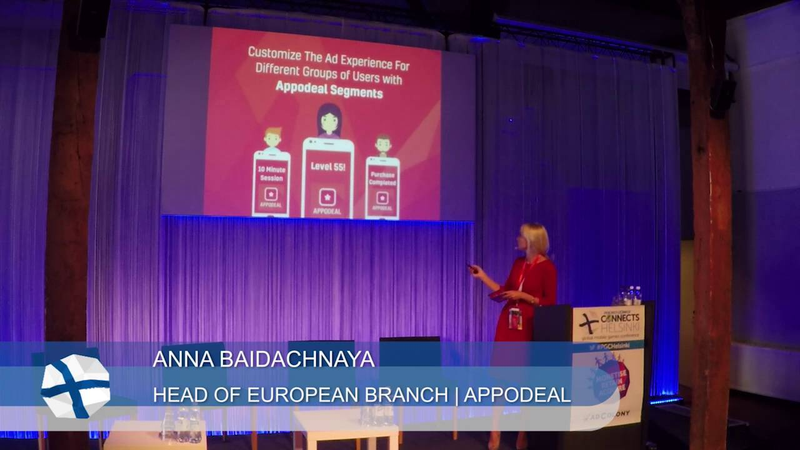
Intelligent ad monetization strategies focus on maximizing revenue growth while maintaining high user retention rates.
- Transitioning from manual waterfall management to automated, real-time bidding systems can increase mobile app revenue by 29% to 53%.
- Unified SDKs provide access to over 35 major ad networks and global open exchanges, ensuring a near 100% fill rate across standard ad formats like rewarded video, interstitials, and banners.
- Dynamic price floors drive higher effective cost per mille (eCPM) by fostering increased competition among advertisers for every individual impression.
How are the top mobile game publishers growing their app economies?
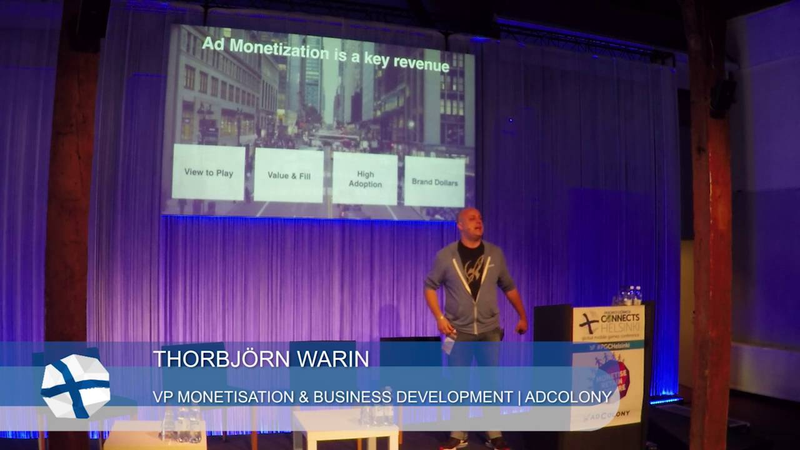
The mobile gaming industry is currently defined by a critical interdependence between user acquisition (UA) and ad monetization.
- Publishers must integrate user acquisition (UA) and ad monetization into a single strategy to maximize lifetime value (LTV), which enables more competitive UA bidding and sustainable growth.
- Ad monetization is now a core requirement for long-term viability, with rewarded video becoming a standard expectation for players in casual and puzzle gaming genres.
- Publishers should shift their focus from simple eCPM metrics to revenue-centric KPIs, specifically tracking the percentage of daily active users who engage with ads to prepare for an influx of brand advertising spend.
Games monetisation trends in 2016
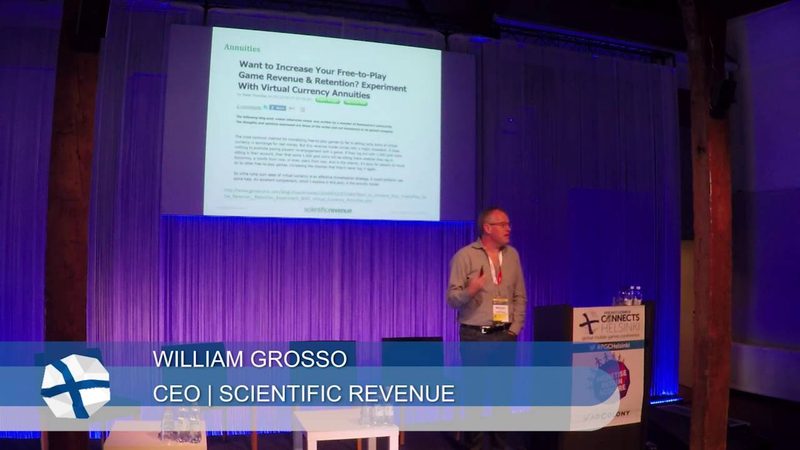
Monetization design is increasingly essential as a formal discipline within the gaming industry, moving away from the common practice of treating revenue generation as an ad-hoc, post-launch afterthought.
- Monetization must be integrated into the early development cycle rather than treated as a post-launch afterthought to ensure cohesive game economies.
- Nearly 50% of developers currently wait until the beta phase to establish pricing tiers, representing a significant missed opportunity for rigorous testing and tracking.
- Securing an initial purchase is critical for long-term success, as players who make a 'no-brainer' first purchase exhibit significantly higher retention rates and a greater likelihood of becoming repeat customers.