1 free read left. Create a free account for unlimited reading + AI research.
Create free account
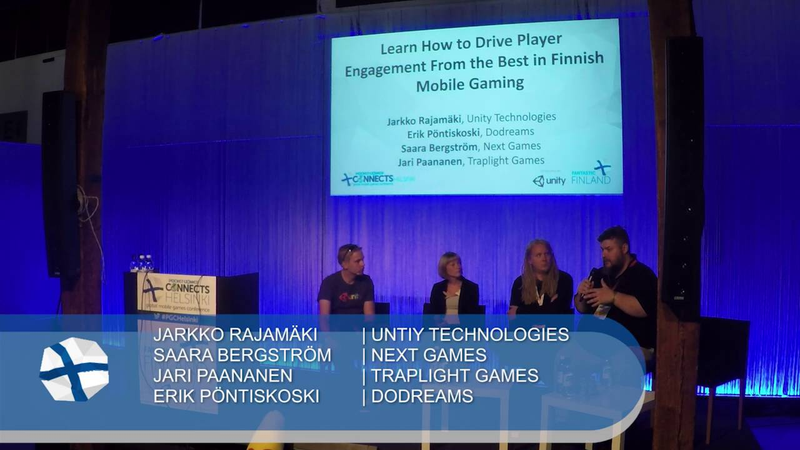
How to drive player engagement from the best in Finnish mobile gaming
Key insights
6 takeaways- 01Shift from static product development to a service-oriented model by prioritizing long-term engagement over initial launch metrics.
- 02Utilize the 40/20/10 retention benchmark as a foundational metric while simultaneously optimizing the first-time user experience and granular user trajectories.
- 03Integrate analytical tools directly into development teams to inform live operations with real-time data and player feedback.
- 04Maintain engagement through rigorous update schedules, ranging from weekly to bi-monthly, to keep core gameplay loops dynamic.
- 05Foster self-sustaining communities by incorporating social sharing, community events, and user-generated content into the game ecosystem.
- 06Implement rewarded video ads as a core feature, as players perceive them as a value-add for progress rather than an intrusive experience.
Ask AI about this video
Transcript
okay so welcome to the next Jason very talk a little about the engagement and how how on earth you can keep your play your players playing your game for the extinct period of time now I'm your community and and this is really not not confrontation about unity but but the only thing I want to say about unity at that as a logic gaming part for me we have over two million individual level of producing the plot from every every month and we have the privilege of having two conversations with lots of dots of developers every single day on all the possible levels in in Game Studios and one of the most remarkable topic that drink bring the developer
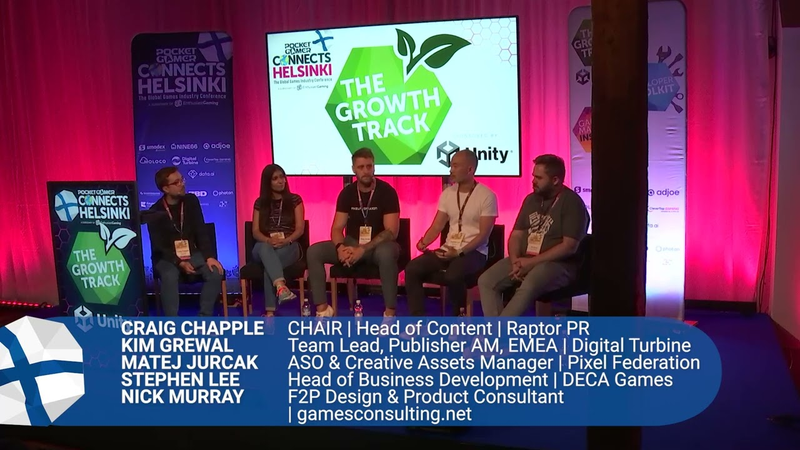
spring with us all the time is how dramatically gaming has changed during the last few years that games really are not products anymore but more of a services various access is determined more of how you can add not only how you can get players their game but how you can keep players engage with your game that they keep playing your game for an extended period of time and as we all know it's really really hard to do so but we have here today three outstanding finished gaming Studios represented and entry create individual from those studios to talk about this topic with with us and sharing hopefully their tricks and secrets how they have been able to be so successful in this market so we have Eric tremendous koski from da dreams they're leading a flexible game drive ahead became an instant hit when
when they launched it last May in 2015 and it's become gimmeh big brazing gaming is still one of the leading racing in the app stores even even its launch already a year ago year ago and we have Sarah from Bertram from next games next games is as one of the leading game studios in Finland and they're focusing not only on their own IP is like compass Pointe West but also also doing cooperation with the largest Hollywood ibs-like a good example is there their game walking back walking dead no man's land that is going strong as well and then we have Gary ponen from trap light games that is representing the Rising Stars of Finland gaming scene where their big banner raising that exploded
all day all the charts in in late July and August this month and and it's going strong and representing the new new wave of an especially the dumper gaming scene gaming scene in in this panel but that's about the introductions but I don't think that you can start any discussion or gaming right now without without without at least touching the topic of Pokemon go so starting question to all of you you guys that what's your take on that that any lessons learned and and any plans on your Studios to go in that direction well I think Pokemon go is a wonderful example of when you have a game that it's is beautiful and simple and successful then later people feel that inventing that has no value because it's obvious that it was going to be a
hit so so I've been really enjoying watching people's reactions when they they say that well of course if you if you partner with Pokemon and you do this like like location-based AR thing that of course it's going to be hit so so this is actually nothing special or actually it's not a very good gate yeah I think the biggest lesson that can be learned from there is the brand value I think it was too they had the game already ready and then they added a big brand to it and that kind of exploded it and yeah that's that's one thing that we really looked into it and and so value and one other thing that we learned from that was that you should take care of your community I think they had a big disaster also not not taking care of that so that was also a lesson to be learned um first of all I think it's wonderful that it makes the kids go out and play um you know I've been hearing
from my friends and their families that you know kids ten years of age go out and walk for ten miles or whatever catching Pikachu and so forth so i think that's that's wonderful and also brings the community out sort of like a physical aspect when you see other people who are hunting the pokemons out there you actually see oh there's a polka stop there's people getting around you actually talk to people in the real world as well here here on the brand value i think that's definitely a big upside i don't think the game would be where it is today or at least initially without the pokemon brand i think it hit sort of multiple different demographics like first of all the people who who collected pokemon cards when they were kids like people of my age basically and then also that appeals to younger generations as well how do you think about the location-based features eric an earlier because i remember in the city where I live the police were actually posting posting notes that hey
be careful there amount of traffic because there were so many people hunting hunting and hunting the pokemons in the industry and in my opinion that was just awesome like Sarah's have to get people to the streets yeah I think this is really encouraging for all game developers that gaming is a very fast-paced business than any one of us can publish the game that's going to change the everyday life of millions of people and of course too much of anything is bad for you so be careful but I think the important thing there is that they were able to connect this location-based information into the game core loop and making it more interesting and the developers you know they've been doing this for years so so the the interesting facts that you can even get from reading a sign post on the wall of a building or something like that that's like very cost efficient way of getting lots of content in the game and gave like it's a part of their philosophy
that we want people to learn these micro information fitbit's from from where they're walking around and where they live so that it's it's a good example in many levels yeah I couldn't agree more that it's it's interesting to see that how they kind of took the concept that that a lot of people have actually tried before but but they added the IP like you said and made it a phenomenal but going to your your games games and let's start with the very very basics on that that how you guys view the retention and how you measure the retention and engagement in your games what defines up good good numbers on that side for your from the Earth's perspective um I think good potential is completely contextual depends on the game what is good retention is a tricky measure because
it's an important one but it's tricky because it measures engagement and turn at the same time so to actually kind of like define what's a good retention measure for your game is you have to go and dig a little bit deeper on what that metric actually contains so for example if you have they want retention forty percent like what what does that mean like what part of that is is what affects the turn why aren't sixty percent of people staying and then what are the factors that go into making those forty percent stay so we're looking at obviously you know the retention number and I guess the industry standard 40 2010 is a pretty good benchmark for anybody of course it depends a lot on the sort of channel like you know organic retention is it's different to you know what we get from our user acquisition activities from our social media activities from our TV advertising
and so forth but yeah we do follow that industry standard no we like a la città touch this topic a little bit before the they are not really actually looking at certain numbers on the 1d three whatever t7 but they are looking at the trajectory of the after where the users are going and that's something that we also now are picky picking up and we are looking into that more because like this examples like game of war something which loses ninety percent of their users in the first day but after that it's like flat line that everybody's staying and so so that's that's what we are also following and I've created some kind of specific metrics internally that you're you're following or really followed how you define that for yourselves alright same kind of things that also the traditional model is for 2010 but but we are more it's like the mat go so that you divide d3 with t1 and you get a number which is below one somewhere and the higher it is 21 the
better it is and you can draw a curl where it's going how much you're losing users and so on and that kind of you can forecast it better and you can also kind of apply to different kinds of games not only like so that you look at the numbers and that's that's your ultimate goal and that's something that we also think our game is a service more than just a game so we are really keen on keeping all the like long-term players in and so on so that's something we are all the time working on and trying to find ways to keep them happy and adding new content so okay well when we launched drive ahead we didn't have any target retention in mind we were more concerned in making a mini game that can be developed in a reasonable amount of time couple of people working on it for a few months and let's see how it goes and we we know that how we discuss retention
within our team because we also feel our game is a player service so we we try to understand how how these design choices we are making or have made impact retention and we've noticed that we've done things that that make our increased make the decrease our retention and make it worse so so we for example now that we've been developing the game for one and a half years we really need to take care of the first time user experience because when we launched the game it was all you needed to say was that that smash your opponent's head with your car and everybody understood what the game is about but now we have all these different game modes and daily missions and and we had a soccer event during the summer you can play football with drive ahead cars so when the player comes into the game they don't really know what is the core element anymore so that's something that that we really need to
take into consideration and as for the retention figures I love looking at the the retention figures who people who join like day one when we launched and or the first week and see how many people of those like you have several thousand people still playing at least weekly that's the most awesome feeling you can get as a game developer to have people playing a casual mobile game for one and a half years yeah I have a disclaimer that we've been only out for a month so I barely have the etheretic your six-month or attention Estelle to be seen to be determined but how about the kind of specific engagement metrics do you do kind of how have some specific for example how long per day your users are playing how or some other type of kind
of engagement metrics that you are following or you feel that are important for kind of following what's going on with your game we're looking at different game events of course and of course when you start out you don't really know what are those things that affect retention and make people stay in the game but we essentially like first we put a lot of those events in the game like especially during the first time user experience the tutorial and and you know the following following process that people go through and we've definitely gone through a lot of analyzing this summer for example ahead of the seasons have been start now in October when we're gearing up to adding a lot of new features into the game so we're looking at things like obviously luck every step through the tutorial you know what are the points where people turn clearly there are points that people don't understand will be paying a lot of time and effort to to fixing those things we've also added you know
things like you know you can we've added things like you can get Darrell's crossbow at a certain point earlier in the game now then you know what you could before and that clearly has a big effect on the retention people staying in the game we've tweaked a lot of the levels early only the first like say during the first four or five hours of gameplay making them harder easier um and so forth here for us it's it's kind of hard question to answer because every player has a different experience in our game because of all the levels are user-generated content that we distribute them like not to everybody the same levels and so on so it's kind of hard us to measure turning points and these kind of things but yeah we do keep tracking them and we have these all kinds of events there's like our chests and daily quests and four teams there's
weekly events and so on so those are things that keep players coming back but it's kind of in our case a little bit hard to measure the exact turning points and so well as CEO the most important metric for me is add views per daily active users so I love following this metric that how many ads are we are players watching so in my opinion drive ahead has been created as a tool to show ads to people but if you ask my designers and developers I'm sure they would have a very different answer so don't quote me on that no but seriously when we started with with drive ahead the way we looked at metrics was that wow this is really interesting to see what's happening in the gate and similar to trap light the big bang racing we don't have like there's not a path the
player takes to go from one level to another our game is a collector collecting game so you unlock we have now 300 collectibles different cars tracks helmets for the cars so so when we look at engagement we're more looking at which areas of the game are are doing well and then where we're now paying more attention to the first time experience versus people who are more in the more in the end game them and kind of following up what what sora sora said and you you guys set us as well that how those kind of matrix and the figures you see how Thomas that drives your you're gonna die sonne and game design and development team come that how much they take that into account the numbers that they see or did it to see themselves as an art is that okay we just try to build a great game and then the engagement a result of the good game design or do
they take that feedback loop what they see from the from the data into account as well and how receptive the designers are actually the to take that feedback well for us it there's really no separation we we always have an analyst as part of the part of the games team and we don't really separate sort of departments well we don't have big departments anyway but but there's always like you know artists coders analysts marketing people community folks support their working you know in the same team so essentially that is part part of the game all of that so they're really you know we we don't really have to sort of persuade anyone to look at the matrix because people are excited about them anyway but I think it's a combination definitely of your own creativity you know creating a gate great game what do you think is awesome for the players and the demographic and you know the people that that are watching the walking dead essentially
and then basically looking at what you've done especially during the soft launch that's super important looking at what you've done how how people like it what are they saying you know how are they playing your game and then making decisions based on that so that's very much part of the daily process with us I think there's a lot of uncertainty in developing games and life for sure and we have similar experiences that that our developers or artists are not in any way against goin through analytics and and making decisions with the help of data it's actually really delightful when you design a new thing and you put it in the game and you can immediately see how people are responding to it we did this soccer event in the summer during the copa america and UEFA euro games and i was looking at keyword
rankings and i noticed that we were number nine for the search term soccer in the us and and this is a gladiator car fight game and then we launched an update and suddenly like a couple of days later we're in the top 10 for in search results for soccer it's really crazy and not just that was something that really felt great for the team that we saw that we had done something that has an impact we did well basically we did the whole game a little backwards and very unprofessionally and that says that we developed a level builder and it's kind of a fun thing to play with for two years in a cocoon done Barrett and after that we thought that is really good and then we released the public and learned a lot from that so we did a really long like extensive soft launch from last november till july and did a lot of changes according to the data
that we just pushed something out there and so how it affected about people like about it and what they don't like it an inch i try to find their kind of the way that we should go because it's also our game is so diverse that you can play it in so many different ways that we want to try to find the right combination so data is very important for us and we want to now also continue the trend when we go when we are live and and see the members there whatever you guys think of the most of what you guys have found in terms of the optimal update schedule for your game and of the optimal kind of cycle of adding adding new content well no pain no gain right so we Arnold Schwarzenegger is like a philosophical leader for us here but yeah we update our game every two weeks and it's very painful but you know what we've done it for one and a half years now and I think that's the the right schedule that it impacts so many things I think that's the foundation for our how we were able
to make our game from you know just just a game into a player service the fans know that every two weeks there's going to be new cool stuff so they start anticipating and waiting for it we launch the updates before the App Store changes so there you know they get our update before there's new cool stuff on Thursdays and yeah I think that has allowed us to together with every play which by the way is a unity product also those have really allowed us to form a community that you're constantly updating a game and and and similar to trap like you know making changes based on the fan feedback show show them that you care yeah we've been out 30 days or so but I we've so far made already two updates and added new features like big features and well not super big but
anyway quite remarkable that's something we already have a roadmap for bazillion things that we want to add on there and how do you see the user-generated content kind of kind of keeping up the engagement well I think that's that's a key thing for us that there is that factor and that's something that we also need to be updating all the time because we can't get old that like we have to keep on adding new stuff there and and it clear I think keeps the players really only how many people you have any data that you can share how many what's a share of players actually creating the levels as well not only playing well I'm definitely one of those creators uh I don't know the exact like percentage of people who create but we know that we have about three and a half million people now downloaded the game and we have more than a million levels made so it's made means that published so I think there's even more people who actually go to the code of the creation part and do something but don't publish the nut a lot well regarding update
schedules I think we've gone through sort of different phases with the game we started from 2-3 weeks schedule early on when we didn't have our pvp or sort of these weekly challenge events in the game after introducing those we've sort of gone in towards a more live approach where we you know there's weekly change in content in the weekly challenges there's obviously PvP levels who are created by the players themselves so now we're basically adding you know through the game updates we're adding bigger features and obviously you know fixing a lot of stuff but I think we're now in a six seven weeks schedule right now well what do you guys think about the kind of daily rewards or kind of timed boosters and those kind of of mechanics in the game to actually keep key players coming back to kind of redeem the reward um
well we haven't done a huge amount of toes yet in compass pointe west we explored a bit more with the walking dead we have just this light mechanic where you know you have to go back into your camp and and you know kill the walkers before they for the flooding to through the gates and that happened you know you have to do that every couple of hours but that's it's very interesting and we have very good results from compass point ways that we're going to be looking into this fall now with the walk in there as well yeah for us the daily content is important I I always happier to give players a daily mission rather than some coins just for coming back to the game because I and then you know you can have a bigger reward for completing that mission so I always want to encourage people to play yeah yeah we do have also these are early tests and
things but one thing we want to try now next is to kind of somehow activate the teams in our game that they would have some kind of a longer goal that they strive for end and come back for that but that's not there yet yeah how about the kind of Morris car external engagement drivers especially so using social media to drive engagement and getting getting players back to game I know that Sora is probably one of the leading experts in the whole world on on that side side of side of kind of taking care of the players on there so what's your take on that well first of all when we started with the walk in that game and and compost plant as well of course you start to learn who your community is really when you start speaking with the players first I think we have a pretty kind of like standard approach you know the usual social channels Facebook's and
Twitter's and well known as well as forms and I think every community is different and you have to learn to know the people to to kind of like know how to you know essentially have a conversation with them and and how to and also that that should affect on your update process is everything that you do with the game we made we've made a lot of mistakes as well you know with not communicating something in advance or then communicating too much and whatnot so so that's really important to find the balance on you know how you go about working with the game what we do with our you know forums and social media and whatnot we extend and untested of the engagement activities on there as well this number we tried this new community event in the walk in that game where we ask players to work towards a common goal of killing 1 million workers per
week we didn't have a feature a counter or anything like that in the game we just want to see like how people react to that and and they loved it so much that we're actually now implementing a proper feature are for that in the game so so there's a lot we're doing basically in advance with the community talking with them we're also starting up with this wonderful VIP program and content creator program on our forums we have a lot of activity they're super excited excited people who are creating content on YouTube for example and so we're definitely tapping into that in the future yeah for us also the YouTube and and youtubers and also our players creating content to YouTube is really really interesting kind of playing w approaching and regarding that we are now we just put a new feature in which doesn't really have so early numbers that we don't know how it works but with the player profile you can create your own YouTube channel condiment is a link
so that people can if you create some interesting content in the game other people can go see your channel in YouTube and and maybe you have some content of our game there and some tutorials and so on and it's showing really really nice number so far the like if there's a link to youtube ten percent of the people go check out that condom we can make this kind of two-way conversation and so also YouTube influencers these are our weapon of choice yep well usually mobile games casual games are a very low involvement situation for further players and we're really lucky to have a strong vibrant community and drive ahead built around this video replays that we share through through every play so we're the number two ranking game on every play an all-time list we have about 2.5 million replay clips that have been shared through through the service and so we don't have that much like major tuber
youtubers doing doing stuff about the game but then we have 2.5 million clips that may have less views but but it multiplies also our strategy in the future and currently is to make this take the social experience outside of places like facebook and external sites and make it happen more inside the game and we want to turn our individual players into celebrities by highlighting their video replays so for example when you have a daily racing mission before you play it you can watch a replay and see how someone else got through that mission so so by featuring these clips were able to drive several hundred thousand views a week to some random player that's playing our game and i think that's that's something that would be really awesome for for people who play our game and as I myself
I've been being the business of putting putting ads in the games for almost 10 years and monetizing all types of content for most of my professional career bond and I know that all of you guys are monetizing your your games partly by rewarded ads and one kind of pertinent misconception in my opinion that one I still keep hearing over an hour time when I'm discussing with the developers is that for some reason a lot of people still feel that putting ads in a game makes your your players let's engage or drives them away or has a negative effect on on retention and is giving you bad reviews and all that kind of stuff watch it what's your view on that what do you see anything like that or what what's what's your experience on monetizing monetizing your game it adds well hey nowadays even TV shows have websites so I guess another other media it has been solved like TV channels are
not afraid of people going online yeah we monetize our game mostly through ads it's a view to play game and I think the important thing there is rewarded videos so if if you can find something that the player wants a lot and and and and they can speed up how they progress in the game so with us it's unlocking the new cars and tracks people are happy to watch the ads also our our players tend to be a bit younger teenagers or even kids so I wouldn't necessarily even want to monetize them very aggressively through in-app purchases because of their young age so it depends on the game not so this is not an effect it's just my feeling how it goes but I think people nowadays even expect that there's ads in free-to-play games because like they think that if there's ads that's a way that they can actually pay for their service what they are having if there's not that feels like it's
ripping them off too much or something like that so I think they are quite justified that they are there yeah well we've had wonderful results with both accomplishment waste and the walk in the enormous land we really took sort of the ads as part of the design process and we treated them as a feature and as a result people really really want to watch the ads every time we've had technical trouble or run out of inventory for example we've had you know heaps of complaints in our customer support people asking about where my ads and you know you know when are you fixing this so definitely definitely important it just gives them a nice 30 second break also every now and then so why not okay so I think we could keep this conversation going for our easily for the next next thirty 30 minutes but we are unfortunately running running out of time so I think we might have a time to take one or two questions from the audience if you if you have any
do we have a finish up finish audience that no questions okay it's all thank you very much for for our panelists and thank you for the audience for coming here
Summary
Modern mobile gaming success relies on a fundamental shift from static product development to a service-oriented model. By prioritizing long-term engagement over initial launch metrics, studios can cultivate sustainable player bases. While traditional retention benchmarks such as 40/20/10 remain foundational, the industry now emphasizes granular analysis of user trajectories and the optimization of the first-time user experience. Sustained interest is primarily driven by the integration of strong intellectual property, consistent content updates, and the implementation of community-focused features that keep core gameplay loops dynamic.
Data analytics and direct player feedback serve as the backbone of this iterative design process. By embedding analytical tools directly into development teams, studios can inform live operations with real-time insights. Successful engagement strategies involve maintaining rigorous update schedules—ranging from weekly to bi-monthly—and fostering vibrant ecosystems through social sharing, community events, and user-generated content. This approach transforms games into evolving services, allowing developers to refine mechanics continuously and build self-sustaining communities that remain active over extended periods.
Monetization strategies have also evolved to align with player expectations, particularly regarding advertising. Contrary to the belief that advertisements inherently degrade retention, rewarded video ads function as a highly effective engagement tool when integrated as a core feature. Players frequently perceive these ads as a fair value exchange for progress or premium content, often viewing them as a benefit rather than an intrusion. By positioning advertisements as a value-add, developers can support sustainable revenue streams while simultaneously enhancing the overall player experience. This holistic strategy ensures that monetization efforts complement, rather than conflict with, long-term retention goals.