Mobile reports and market data
Documents
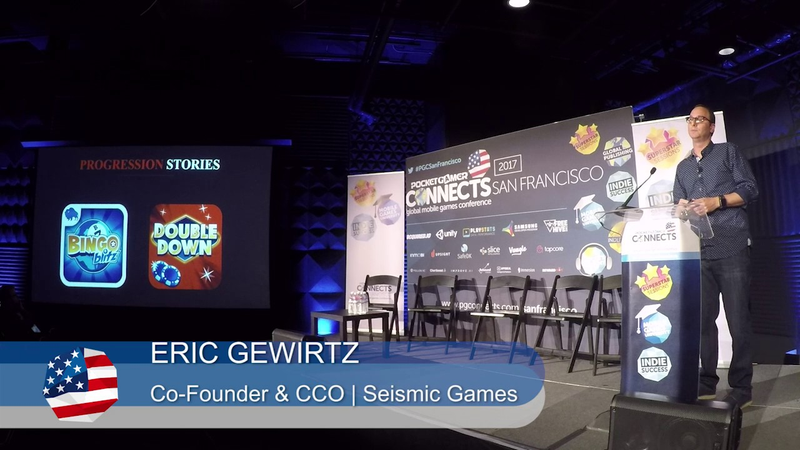
Storytelling In mobile and VR – The new narrative landscapes
Narrative design in mobile and virtual reality (VR) gaming requires a departure from traditional cinematic storytelling.
- Developers should pivot from scripted, linear storytelling to 'possibility engines' that empower players to act as the primary authors of their own narratives.
- Mobile narrative design succeeds by leveraging player-driven milestones and social competition, which integrate game achievements into a player's real-world personal life.
- VR narrative design must prioritize 'presence' and visceral emotional responses over traditional cinematography, as the player controls the camera and perspective.
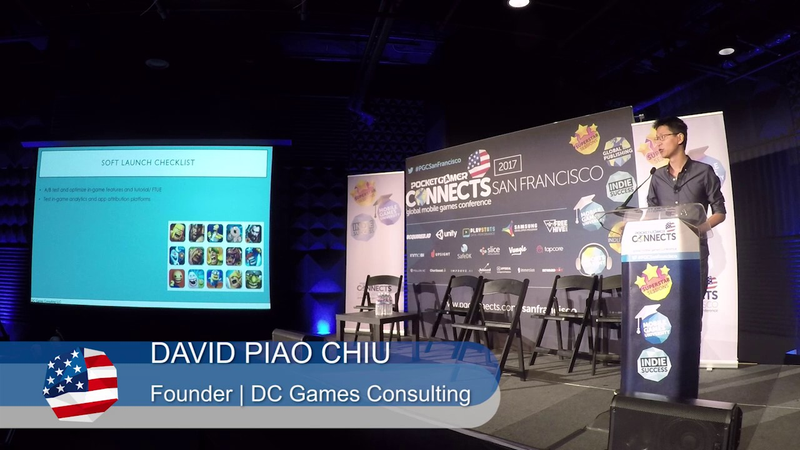
An indie survival guide to self-publishing in the mobile free-to-play world
The mobile free-to-play (F2P) landscape is characterized by high market saturation, with over 800,000 games on the iOS App Store and thousands of new titles launching weekly.
- The mobile F2P market is highly saturated, with over 800,000 games on the iOS App Store and thousands of new titles launching weekly, driving user acquisition costs to record highs.
- Developers must choose between self-publishing and partnering with a publisher based on their internal capacity for managing UA, ASO, and community engagement versus the trade-off of revenue sharing and creative control.
- When selecting a publisher, developers should prioritize alignment on monetization strategies—specifically the use of offer walls—and verify the partner's track record and portfolio fit for their specific genre.
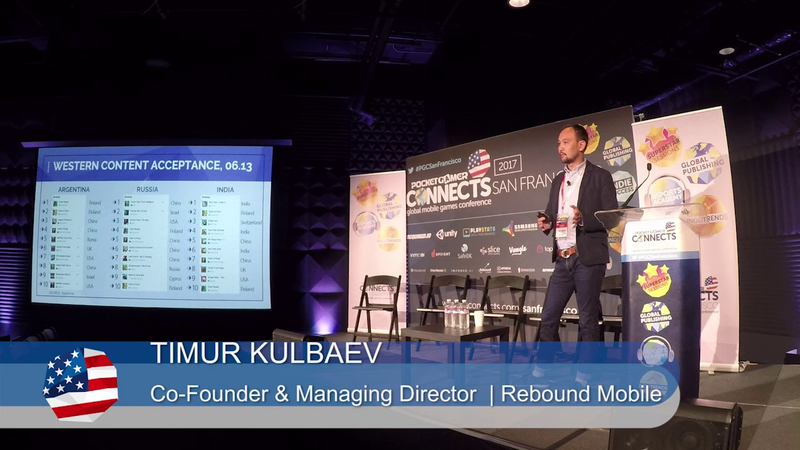
Where to tap next? Unlocking global potential for your mobile game
Mobile game developers face increasing saturation and rising user acquisition costs in Western markets, necessitating a strategic approach to global expansion.
- Developers should prioritize market selection by synthesizing macro-level indicators with game-specific ROI metrics, specifically the ratio of lifetime value (LTV) to cost per install (CPI).
- Western markets are experiencing high saturation and rising user acquisition costs, necessitating a shift toward emerging regions like Indonesia, which offer higher projected growth potential.
- Competitive density should be measured by calculating advertising spend per smartphone, which identifies Turkey, India, and Vietnam as markets with lower barriers to entry compared to the United States.
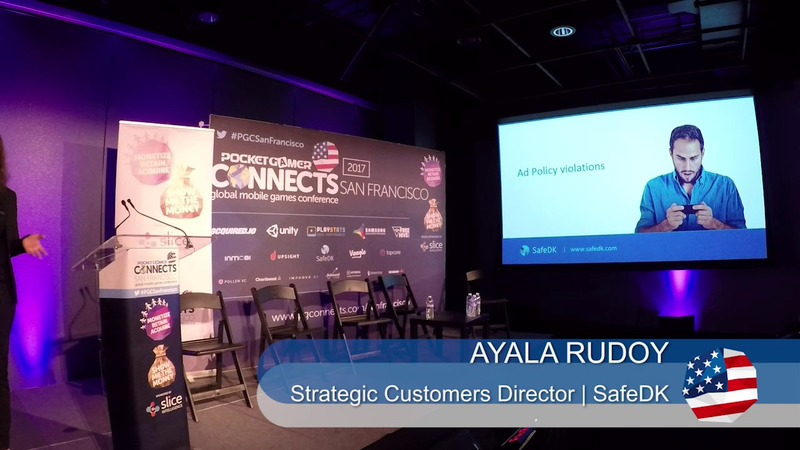
Mobile monetisation – Are all $ made equal?
Mobile monetization strategies often focus exclusively on revenue generation, frequently overlooking the significant financial losses caused by poor-quality or inappropriate advertisements.
- Ad networks frequently fail to honor publisher blacklists, with approximately 70% of requested restrictions being violated.
- Poor-quality ad experiences, such as non-functional exit buttons and broken web links, create a 'leaky bucket' scenario that directly causes user churn and reputational damage.
- Developers must shift their monetization focus from raw gross revenue to net value, ensuring ad delivery does not undermine long-term player retention.
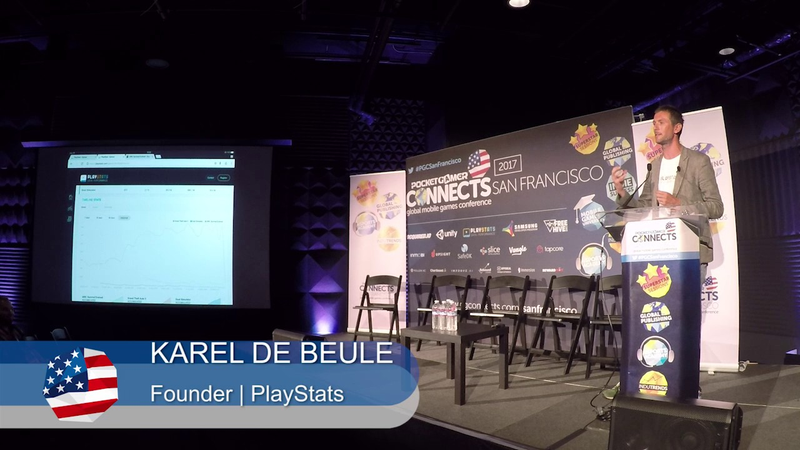
Game video streaming: Your game is being watched more than it is being played
The gaming industry is undergoing a fundamental shift where the consumption of video games is increasingly defined by watching others play rather than direct participation.
- Video streaming currently accounts for 30% of total game consumption and is projected to surpass active gameplay within five years.
- Games must be designed as broadcast-ready entertainment to ensure long-term community engagement, as viewership is becoming a primary driver of market success.
- Major franchises like Grand Theft Auto have achieved over 3.3 billion hours of watch time on YouTube, demonstrating that game viewership can exceed the reach of top-tier traditional television media.
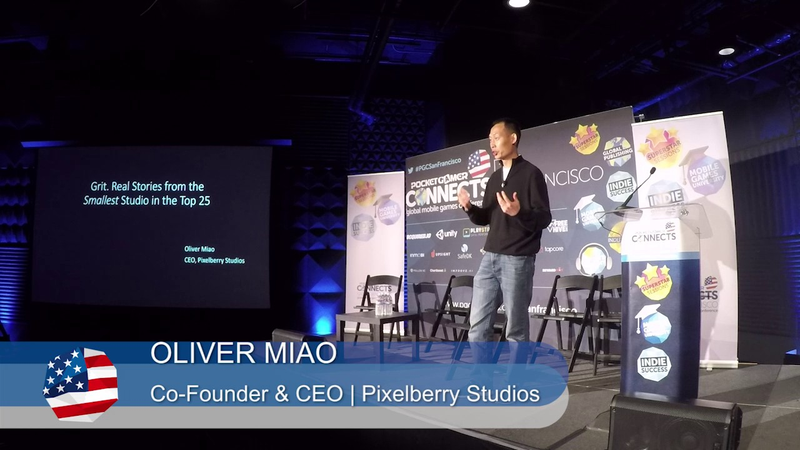
Grit: Real stories from the smallest studio in the top 25 mobile grossing charts
Pixelberry Studios, a mobile game developer known for the title Choices: Stories You Play, serves as a case study in organizational resilience and the importance of long-term team cohesion.
- Pixelberry Studios achieved a top 25 grossing position on the US iPhone charts in 2016 by maintaining a consistent core team through over a decade of industry shifts and corporate pivots.
- The studio’s survival strategy relies on three pillars: business agility, professional networking, and internal trust, which were refined through early failures in the browser-based gaming market.
- During financial crises, the team ensured the launch of new intellectual property by collectively opting for temporary pay cuts to avoid layoffs and maintain cohesion.
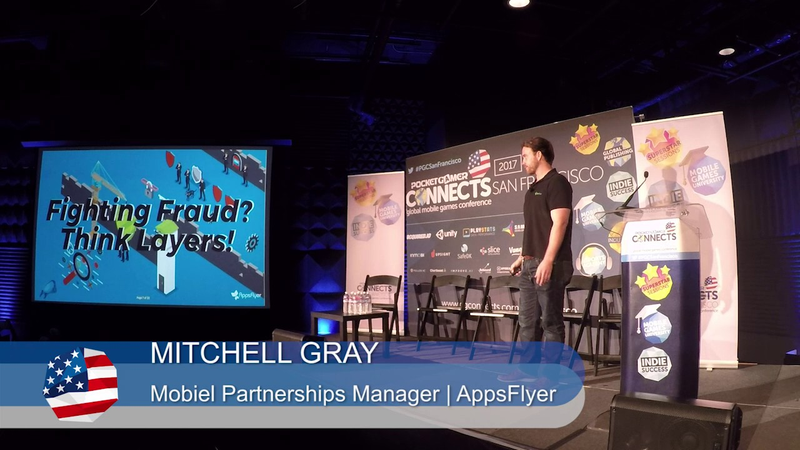
Rapid response to mobile ad fraud
Mobile advertising has surpassed web-based advertising in scale, leading to increased investment and sophistication among marketers.
- Attribution providers can mitigate fraud by leveraging massive datasets, such as those analyzing over half a trillion interactions per month, to identify and block malicious activity across entire client bases.
- Fraudsters frequently target organic installs to force marketers to pay for users who would have downloaded the application without paid intervention, creating a prisoner’s dilemma that complicates accountability among ad networks.
- Effective fraud mitigation requires a layered approach that combines real-time prevention with post-mortem detection, as simple blacklists of IP addresses or devices are easily bypassed by sophisticated actors.
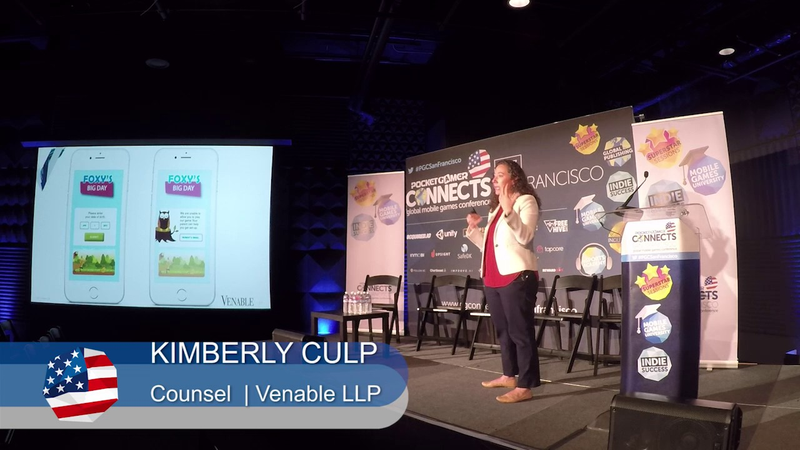
6 legal areas no mobile game developer should ignore
Mobile game developers face significant legal exposure that requires proactive risk management to ensure business viability and successful exit strategies.
- Developers must implement explicit 'click-to-agree' mechanisms for terms of use and privacy policies, as burying agreements behind scroll bars or ambiguous buttons renders them legally unenforceable.
- Intellectual property risk management requires rigorous onboarding protocols to prevent the ingestion of third-party IP, which is a primary driver of litigation in the mobile gaming sector.
- Copyright infringement risks extend beyond direct copying to include 'inspired' assets like tattoos or existing media, necessitating professional clearance before implementation.
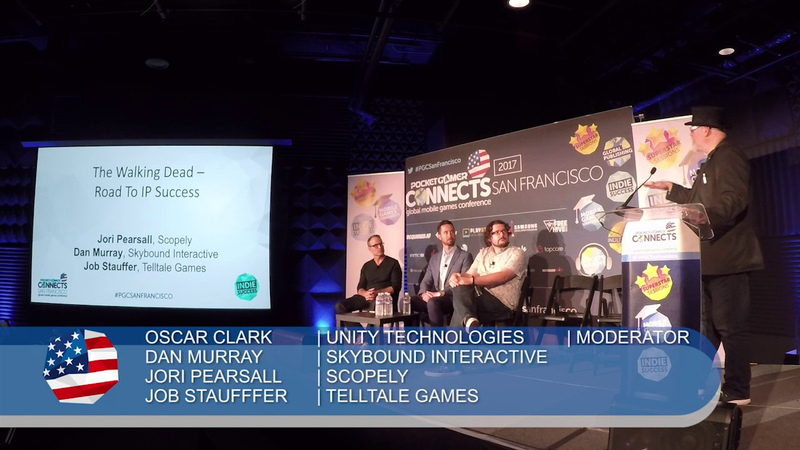
The Walking Dead – Road To IP Success
Effective intellectual property management in the gaming industry requires a shift from traditional, restrictive licensing models toward deep, collaborative partnerships.
- Successful IP management requires shifting from restrictive licensing models to collaborative partnerships that treat developers as strategic allies rather than vendors.
- Maintaining narrative integrity and brand authenticity is best achieved by granting developers creative autonomy while ensuring iterative communication with original creators.
- IP holders should employ a lean, agile editorial team to oversee adaptations, prioritizing creative freedom and player-driven choice over rigid, innovation-stifling constraints.
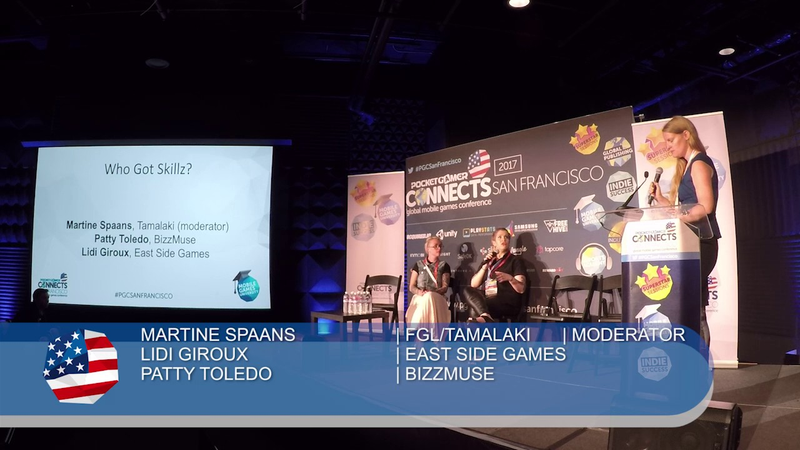
The most important skills in the games industry
The games industry faces a significant skills gap, particularly regarding the intersection of creative development and business acumen.
- Developers frequently lack essential business literacy, specifically in marketing, data analytics, and monetization, creating a disconnect between creative output and commercial sustainability.
- Successful game development requires a holistic understanding of the entire product lifecycle, including user acquisition and performance metrics, rather than a narrow focus on isolated technical disciplines.
- Soft skills such as 'emotional grit,' strong work ethics, and the ability to operate within cross-functional team structures are increasingly prioritized over technical proficiency alone.

Designing for failure: Rapid, iterative prototyping for casual games
The casual game industry often suffers from a risk-averse culture that prioritizes proven mechanics and fast-follow strategies over innovation.
- Adopt the '4F' method—failing fast to find the fun—by replacing linear development with a cyclical process that treats failure as an essential, anticipated component of innovation.
- Maintain a 'box' repository of diverse, incomplete mechanics and concepts to reduce dependency on single ideas and allow teams to pivot or abandon projects without the pressure of total failure.
- Utilize small, collaborative teams consisting of one designer and one engineer to build playable prototypes in short, intense bursts.
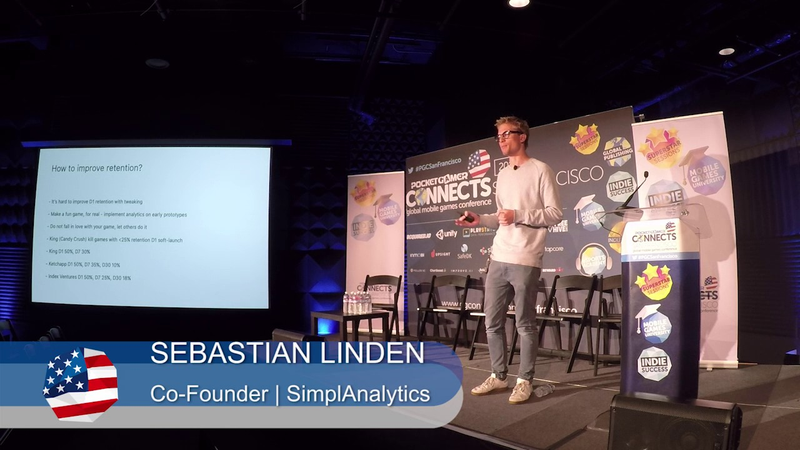
Why indie game developers should look at analytics in different phases
Indie game developers should prioritize data-driven decision-making by integrating analytics early in the development process to validate core gameplay and improve long-term viability.
- Day 1 retention is the most critical metric for indie developers, serving as the essential foundation for all future monetization and scalability.
- Indie developers should validate core gameplay mechanics within a two-week window using a Minimum Viable Product (MVP) to avoid over-investing in projects that lack player stickiness.
- Maintaining engagement through Day 7 and Day 30 remains a significant challenge for indie studios, even when initial Day 1 retention targets are met.