1 free read left. Create a free account for unlimited reading + AI research.
Create free account
The most important skills in the games industry
Key insights
6 takeaways- 01Developers frequently lack essential business literacy, specifically in marketing, data analytics, and monetization, creating a disconnect between creative output and commercial sustainability.
- 02Successful game development requires a holistic understanding of the entire product lifecycle, including user acquisition and performance metrics, rather than a narrow focus on isolated technical disciplines.
- 03Soft skills such as 'emotional grit,' strong work ethics, and the ability to operate within cross-functional team structures are increasingly prioritized over technical proficiency alone.
- 04Cultural differences in work ethic and professional expectations across North American, European, and Japanese markets significantly influence studio dynamics and project success.
- 05Academic programs often fail to prepare graduates for industry realities, necessitating that aspiring developers supplement formal education with hands-on experience through game jams and active engagement with industry trade news.
- 06A significant professional barrier exists when transitioning from independent development, where individuals manage all aspects of a project, to corporate environments that mandate specialization and structured project management.
Ask AI about this video
Transcript
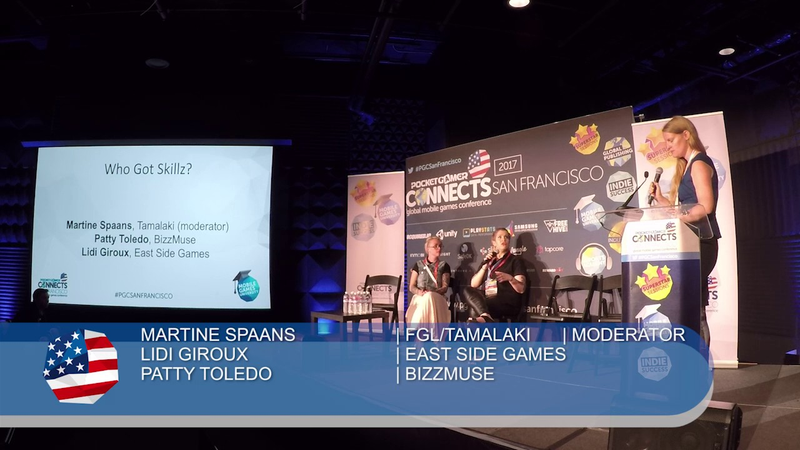
oh good welcome everyone in this panel we're going to talk a little bit about all not skill gaming but skills in the gaming industry and like what kind of skills we think are currently missing we look at you know the employment in the game industry and such so we're in a small group today just to panelists and I think I'm going to let you introduce yourself we didn't make it maybe you can start hello this is working okay my name is Lydia Giroux I work at Eastside games in Vancouver BC were a mobile studio up there I've been there for about four and a half years I started working in management and then in recruiting and HR and now I handle culture for the studio and I've been doing you know similar type thing in other industries for about 12 years now hi I'm Perri Toledo I worked before for 24 years in Creative
Media Development wasn't getting publisher that were worked with marketing and nowadays owner of piece music company specializing in helping Japanese companies export their products and Western companies to come to Japan right and I am Martina stance and I am on earth karma lucky publishing we specialize in hidden object games mastery time management and amazing mobile games next to that I work with FGL to promote their enhance SDK implementation service so the gaming industry so kind of kind of trying to you know look at the beginning of someone's career or someone coming from University for example nowadays there's there's so many you know universities that really have dedicated programs or the computer games industry and such but you know my knowledge is mainly of the
European universities I'm going to look at that it's always very much focused on design or programming or arts and we look at that those programs as far as your experience goes what do you think is really missing currently what I think is that those programs can be very narrow in their focus and that they'll focus on you say it's a game design program it will be focused just on game design and game mechanics and what we really find is missing you know across the board and not just in that discipline is is it concern for marketing and metrics and numbers and an understanding of how that works and how that pertains to the different disciplines is that something you know we're pretty metrics driven at Eastside and so that's something that we tend to have to to train people and they come in but it would be wonderful to have that you know that skill set going in would you say it's important for say an artist to kind of understand you know monetization or marketing yeah I think it you know it affects everyone and you
know just even if they're able we have you know our dashboards at work and if they're able to look at those and understand you know how what they've done is affecting how the whole system is working I think it's really necessary to see the whole picture that's you have a quite a you know kind of global experience coming from Brazil and you have lived in you know various places in Europe and now you're in Japan so what's what's your take on it in talking about Europe first because I was responsible for the Ola game lab although the education in Europe it has been going to a good direction I agree with Lady there is a lot of skills are still missing in marketing and analytics and also a lot of the programs then tend to focus on one platform like old game lab works a lot with mobile gaming but then it cuts the possibility of the developers to know how to work in other platforms it is game development they should be able to work in any platform that being said
in other countries is even more complicated Japan for example the University focused only in one aspect so you have programming only or design only or arts only and then you have some small programs like the global apps and I where I live where they try to put these people together to develop a game but again they have no experience with marketing or analytics or business side and the government wants them to open companies but then they don't know anything else than just putting parts like it's kind of assembly line they learn how to put parts together but then they don't learn what to do with them afterwards so kind of touching upon like the different aspects of our industry with console and PC in mobile do you think across the board there are you know order like really similar problems you think as far as your experience goes there are certain skills or things that
are missing across the board for both of you of you I think yes I think one thing that I notice is from the very beginning of game developer the things the first time I started working with game developers everybody focused on making a great game and they are excellent in that but then they have no clue what to do when the game is actually out they don't know how to market the game they don't know how to get the user acquisition there are some cover like like supercell that got lucky and got the trick of of the analytics from the very beginning and then you have a ton of other companies behind it trying to copy that what they did and not being able to because the developers don't actually understand what it means the business itself the marketing itself or the user acquisition all the kinds of monetization available and how to be
creative with it so I think there is quite a lot missing in that part yeah and so I fully agree and you know for me I guess to switch gears a little bit is that especially with juniors or people students right out of school I think that there is a lack of ability to know how to work and if it's this is your first job isn't a current gaming right out of school you know you haven't gone through the trenches with these jobs that suck to go to every day and you have to do it eight hours a day and you know those are the types of people that I look for that have that emotional grit and that work ethic and I feel like just long as you have that everything else is trainable if you have that passion and you have that you know you know that drive I often find that's missing mostly in juniors but you know all over the place so I totally agree and I want to comment something the Japanese have one thing that no Western I have they will work 15 hours a day just because they want to nobody has to force them to work they
have something to do and they do I notice in Finland when I was working there that people are like ok it's 4 p.m. no we don't work anymore and and it's kind of you are developing something and especially if it is your own company it's very unacceptable that you're working on the clock and thinking of the money all the time and I had one student in graduated I was doing the old game lab that actually in a meeting in a project management meeting came and said what do we need planning we're making games yeah I had the same reaction like wow I think you're touching upon an interesting point there because I was thinking that you know project management and planning is something that for as long as I know the games industry has been missing and I always you know it's like when I go to the cinema and I see a trailer for a new movie and it says coming out summer 2018 my first reaction is like oh really
we'll see but somehow Hollywood pulls it off and game industry kind of doesn't most of the time you know also gonna like I'm going to going to go a little bit more into detail with that kind of cultural aspect you know you like you point out in in Japan like that aspect of like you know the planning and being on time and delivering on time is far more important just the thing that when you look culturally at the game industry in the history that you know just maybe also certain skills that are not that engraved in the games industry because of the cultural point of view and that's a tough one because I think studios have such different cultures from each other and what works for some might not work for others and you know we found at our studio being a you know in the mobile studio that people that are coming from a more old-school mentality and from console gaming they
tend to have that that that type of that work ethic that I was talking about you know they've they've been through that and they've had to work really long hours for a very long time on different projects and and so I feel like those people almost get it more than the people that are coming in and have only worked in you know a tech company or a mobile company I think it also there is a new generation of developers that are coming with a whole wrong mindset completely wrong mindset that's I think that's why it happened that the older generation has a different set of of I think the motivation is different when we started making a use were when the generation before I started making they made it because they loved it nobody actually cared if you wouldn't there was no guarantee that you would make any money ever you did it because you really loved doing that and you couldn't see yourself doing anything else I think there is a whole group of people coming on they are extremely talented and they
can do it way better than we could before but their mindset is I want to be the next Super Show or Rovio or or or Blizzard or they are there with the mindset of how much money can I get and what can I in this breaks completely what you are there why you are working to begin with so it puts motivation down it puts the work at expound and I think it influences everything unless I think it's so important as well that you know when people are out of school or say they're they're looking for another studio they're just like any job will do I just I need a job this is a game studio sure and it's so important and this is what I want to see way more of is people really doing their research and really figuring out the culture and the values and the you know the vibe of the studios that they will really mesh this because if it doesn't work for them even if they do get hired it's not going to be a fit
down the road and they're not going to be happy and we're not going to be happy with them and and so just a lot more research and people really figuring out what they're passionate about and it might take longer to get that role but you'll be just so ecstatic about it so let's say that let's say Leedy that a former indie developer like applies for a job you know his first game was great a second game wasn't so much and now he needs to like take up a job you know I'm not sure if you've ever been in a situation like that but are they are typical like scenarios or skills that you see are missing can someone like that be a team player for example yeah I think it really does depend on the person but you know I think they would bring a lot of really amazing things to the table and they know you know they've they've probably had a hard go of it yet doing their own thing and but you know there's probably things that are missing if it was a super small studio you know one or two people they don't have might not have that ability to work as a team or to be able to receive you know criticism or to be able to be managed
effectively you know I think there's something but you know everyone's different so yeah I agree it came very very can vary a lot I tend to think that the people that failed before they are better because when they say oh they are humble and they want to learn and they want to be part of something else I had experienced with with coworkers that were super good and and the best programmers in Microsoft and they were the stars and then when they come to the company they cannot play in teams they think they are better than everybody out and it's very hard to manage these kind of people if they already think that they are so awesome that everybody else is under so I think one thing that is is when people graduate and go to because I think it would be a good thing if they could say oh a little bit it's I know and nobody wants to fail but it usually the people
that say if they learn more and then it's all experienced yeah do you think that there's also a difference in that mindset between people from you know from college or from university like maybe some some more more or less arrogance or something totally and yeah and I think it's really important that to define that confidence and knowing that you're really good at what you do is a very different thing than arrogance and when we are going through our core values as a studio we we had this conversation a lot because one of our values is being humble but then the opposite of that is you know the opposite of that is arrogance I think so there's a difference between having amazing skills and knowing you do and and owning that and then just sort of being a jerk hungry at all so you know that's you also brought up something interesting where you talked about this earlier where you've been in jobs as a court also as a service provider also and do
you think that there's there's basically enough so you know can they be a better preparation or is there enough knowledge about how to really cooperate with different companies you know and in that trust level and kind of collaborating instead of you know fighting I see that a lot and I have seen that a lot equal a service provider with different companies when the companies are slightly bigger like we work with paradox and with Sony of course the bigger companies they know they cannot do everything they know that they will need people for localization they will need people for marketing and either they make a whole department for that inside of their own company and it's almost like a different company inside of their own or they go to service providers when it goes to indeed developers people can have a tendency to think that either is not important or is is they just don't want to think it's
money that they are throwing away and a lot of times they fail because they don't find a good way to work with these service providers that can help them succeed and I see that a lot nowadays because of course if indeed evil purrs want to come to Japan they have to localize their games and then for them it's a big plus of oh but I have to invest on that and they don't know what to do I think there is a lot of miscommunication and a lot of fear of stealing and it's connected with the lack of skills of business and analytics and everything if the developers had a very fool of the understanding of what is needed to make a game successful working with the service providers would be something natural for them because they would know what are the points that they need to do and they don't know how to do it and they would immediately look for the people that can do it better
yeah a slightly different angle here you know and I feel like I'm a bit of a broken record but we only work with providers and whether that's who we use for ads to who we use for composting that are aligned with what we believe in and have similar values to us and so we do a lot of research before we hire anyone that we use and you know I think by going through that process and taking more time at the beginning it just makes for a better partnership and more mutual respect and all those things later on and I mean also you know as far as I've had experience working with service providers they came basically from all across the world and then they bring to the table their own little set off sort of cultural values and things give any advice on basically how to have to tackle that you know where for example you're working with Studios from from India or from the Philippines or from Japan yeah that's not so much what we do but you know my opinion on that is yeah just having that mutual respect and understanding that everyone can bring
those different points of view and and and not blaming if something goes wrong like it has to be a partnership and if if something goes wrong on there and it's you know it's both sides fault and I feel like sometimes we can fall into that a little bit as like oh you know this this provider is is really shitty you know when they did these things wrong and it's sort of this toxic thing but keeping that out of it and maintaining this you know healthy trusting relationship I think is very important all right I do see we have about eight minutes left so I was also wondering if there are any questions from the audience you're very quiet if not then I can continue continuing a little bit more on the the business side so I've been you know I've must have been talking with universities also like how they can fill in basically the business side of your point of view and then but especially when you look at mobile you know there
there are changes every year and you know for university to really develop a program it might take a few years so you know what was from for both of you basically be the advice to university like that like what should they focus on is there some kind of underlying skill there or an underlying thing that you know kind of translates across the board you know something that we that we always recommend to candidates that are applying especially if it's they're coming from like a game design background is to participate in game jams and be making their own things and I feel like by doing that or putting just pushing something out onto the store and seeing how that works I feel like that's the best way for you to just get that hands-on experience so maybe the universities wouldn't be able to provide you know specific training but by encouraging their students to be well-rounded and to be to be working and creating their own things I think that they'll gain that knowledge naturally and then you'll be a lot more aware of like who the top players are on the on
the AppStore and all those things and once you start having that business mind I think that that learning is just will follow you know I agree but I think two thing I think one one thing is that the universities thing wrong is that they think everything based on a program the United States actually do think that is something that is really nice which are the clubs to students themselves if they are interested in in games they could create clubs themselves where there there would be similar to jams but more often that they can actually discuss things and develop things and and the second thing is if you want to work with game business engine it doesn't matter if you're a programmer or it is whatever you do you read about it that's something that it's beyond my understanding how can people want to work in this business and it's unable to actually go to the we are in Pocket Gamer go to Pocket Gamer and read the news you can get whatever happens in the
game business is it's well published you can get information go to to go to this kind of this kind of conference is a little bit trickier but there are conferences where students are very very welcome and you can talk with other developers it's a basis if you are studying medicine people go to Congress and they read books all the time so why doing games people decide not just to read about it or to research about other topics it's part of the education well yeah I just want to add to that too if going to conferences is too expensive or if it's too far away there's so many resources you know the GDC vaults or casual connectors all their stuff on YouTube I think you can pretty much become an expert in anything just by watching those things and if there's an area that you feel like you're lacking then then there's there's more than enough info to last you for a million years on any time very true yeah so just to dress your hand back there for a
question height wearing it I went to school for four years and I I went to game school for four years and I was intent developer during some of those years I'm wondering what advice would you have for folks who are looking to transition towards the industry from an independent I'm sorry what was your discipline what did you pick in school um I was I went to game school I think game design there and I started company wise in school where I should have to a number of games with some my friends at that time I'm wondering if you have any advice for students it for people in that capacity who are looking to to transition from that indi capacity to a industrial one where they could function well as parvis to our company so basically transitioning from this from a startup to like a more corporate environment yeah like on how to be successful in getting interviews or how
to like culturally work how to adapt from a capacity where you were in charge of everything that went into game yourself towards something where you're working as part of a larger you from an all-rounder to a specialist yes all right that's what I'm trying to say sorry for all right there it's fine which ones later you wanna the first thing that I would say is you're it's a it's actually a very good transition because if you come from India and you know whatever how everything works when you go out afterwards for the cooperation it allows you to give a better understanding about what other people are doing so my first advice would be try not to lose this concept of knowing what other people are doing so because it's going to make your work as I said special is better but try not to
influence other people's work too much just know it respect what they're doing but focus on your side but I think it's a easier transition than the other way around I have seen people that have worked in company in big big companies and then they they were specialized in one area and then when they like for example they were in Microsoft and work very good programmers and then they when they would go to an indie company they had big difficulty and understanding what the designers and artists or producers were doing so I think it's an years transition than the other way around absolutely and nothing's forever either if you you know go to a big company and and just suck it all up like a sponge and learn everything you can and then always go back to doing your own stuff if that's not not your jam yeah I think personally I think the only big challenge that you have is not becoming boards because if you're so used to doing everything in a company and all of a sudden you are for example focusing on the shading in
the graphics in the game or something then you gotta sort of reinvent your your work challenge so yeah I guess we're almost running out of time there's time for one quick question if there is find that a lot in mobile mobile game mobile game companies I'm surprised by how many employees actually don't play games can you come across that a lot and if so how do you kind of combat that I mean with in our studio specifically yes it's I think it's a challenge for everyone and we definitely have a challenge with it we try to attenuate that by giving people time within the studio work hours to play times that we mandate that they play if you know if there's a new release and we just want to all eyes on it but it's always a challenge you know I think people get busy or they like
playing different types of games and and and but I think just long as you have that culture of constantly you know recommending that they do and then it also has to come from the leadership so if they see the founders and the directors and everyone already doing that then that'll trickle down hopefully oh my god I work mostly with the business and marketing people and I notice the most especially in bigger companies most business and marketing people they know nothing about games which is scary they don't know the audience and they never play games they don't even know how the blade games work and that's why a lot of marketing campaigns are terrible and I think that this policy of the company you may people play the games is a very good policy but unfortunately it happens a lot specially on marketing analytics and business side which is in my I think it's unacceptable
all right well thank you so much everyone Thank you Thank You patty for sharing your knowledge and I think that's it Oscar I feel it's great so we're coming to the end I feel like I ought to defend marketing people I am a trained marketing guy okay maybe I'm a game designer as well so maybe that is the problem like I do both you are designers yeah other thing is actually one thing I always say though is that and the one of the things I think a lot game designers should learn is proper end-to-end product management so the FMCG industry you know like tinder beans and things like that are an amazing way of learning about what product and service actually looks like and you know I one thing I learned the first day I did my my diploma in marketing the first lesson was that marketing is about identifying and satisfying consumer needs if you are a
designer and you're not trying to identify and satisfy your player needs get out and do something else agree absolutely yeah good closing remark well you remember I know thank you but okay all three visas for that as awesome you [Music]
Summary
The games industry faces a significant skills gap, particularly regarding the intersection of creative development and business acumen. Industry experts identify a recurring deficiency in marketing, data analytics, and monetization literacy among developers, who often prioritize game mechanics and artistic quality at the expense of understanding the broader commercial ecosystem. This disconnect is observed globally, with academic programs frequently failing to provide a holistic view of the industry, instead focusing narrowly on isolated disciplines like programming or design.
Key findings suggest that successful developers must possess a comprehensive understanding of the entire product lifecycle, including user acquisition and performance metrics. While technical proficiency is essential, the industry increasingly demands "emotional grit," strong work ethics, and the ability to function within collaborative, cross-functional teams. A notable challenge arises when transitioning from independent development, where individuals manage all aspects of a project, to corporate environments that require specialization and adherence to structured project management. Experts emphasize that while technical skills are trainable, a lack of humility and an inability to work effectively within a team structure are significant barriers to professional success.
The scope of these observations spans mobile, console, and PC sectors across North America, Europe, and Japan. The analysis highlights that cultural differences in work ethic and professional expectations significantly influence studio dynamics. To bridge these gaps, experts recommend that universities and aspiring developers supplement formal education with hands-on experience through game jams, active participation in industry conferences, and consistent engagement with trade news. Ultimately, the consensus is that developers must cultivate a "business mind" to identify and satisfy player needs, ensuring that creative output aligns with market realities to achieve long-term sustainability.



















Comments