Mobile reports and market data
Documents
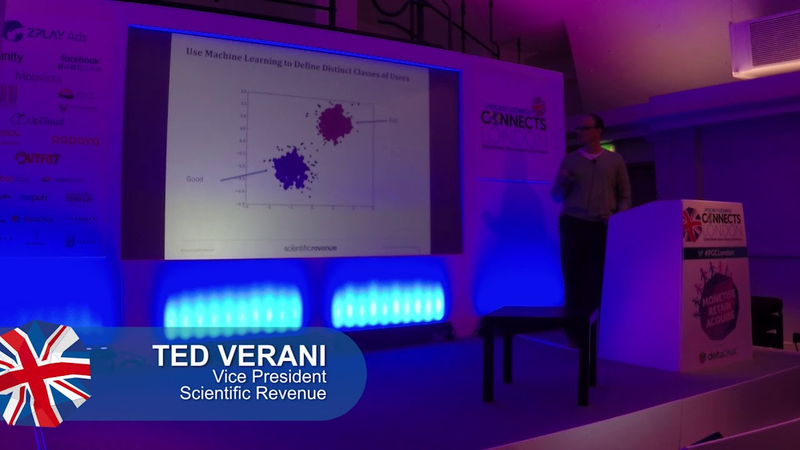
The unreasonable effectiveness of data for better monetisation
The primary thesis of this analysis is that mobile game developers can achieve significant revenue growth and improved performance by applying machine learning to existing user data.
- Dynamic pricing and data-driven user acquisition strategies can increase total game revenue by 20% to 40% compared to static models.
- Applying predictive lifetime value (LTV) modeling to user acquisition campaigns can drive a 400% increase in average revenue per user (ARPU) over a 45-day period.
- Machine learning models consistently outperform human intuition in monetization tasks, despite the potential for occasional false positives.
CSR Racing GM discusses nurturing a creative company culture
The success of the mobile racing franchise CSR Racing 2 is attributed to a deliberate focus on organizational culture and talent management.
- The studio attributes the success of the CSR Racing 2 franchise to a deliberate focus on organizational culture and talent management rather than just technical execution.
- The studio utilizes a 'thinking environment' framework, which prioritizes ten components including exquisite attention, diversity of thought, and the use of questioning over directive statements to improve cognitive output.
- Recruitment strategies prioritize emotional intelligence and innate curiosity over static skill sets, as leadership views emotional awareness as the primary indicator of long-term adaptability.

Monument Valley 2 – How premium games can succeed
The premium mobile game market remains a viable, albeit niche, space for developers who prioritize artistic innovation and high-quality, short-form experiences over the mass-market volume typical of free-to-play titles.
- Premium mobile games succeed by prioritizing artistic innovation and high-quality, short-form experiences rather than the mass-market volume and high-retention loops of free-to-play models.
- Developers should focus on crafting highly polished, memorable experiences with a typical duration of 90 minutes to two hours to justify a premium price point.
- Small, agile teams are essential for bypassing derivative, data-driven design patterns, allowing for the creation of unique, emotionally resonant, and narrative-focused content.
A fireside chat with games industry legends Peter Vesterbacka and David Helgason
Mobile gaming continues to serve as the primary engine for global industry growth, maintaining its dominance even as hardware saturation approaches.
- Mobile gaming remains the primary driver of global industry growth, maintaining its market dominance despite approaching hardware saturation.
- The Chinese market is shifting toward premium gaming experiences, offering independent developers a lucrative alternative to traditional free-to-play models.
- Artificial intelligence is identified as the most significant driver of future industry innovation, while eSports is viewed as a nascent sector with the potential to eventually rival traditional sports.
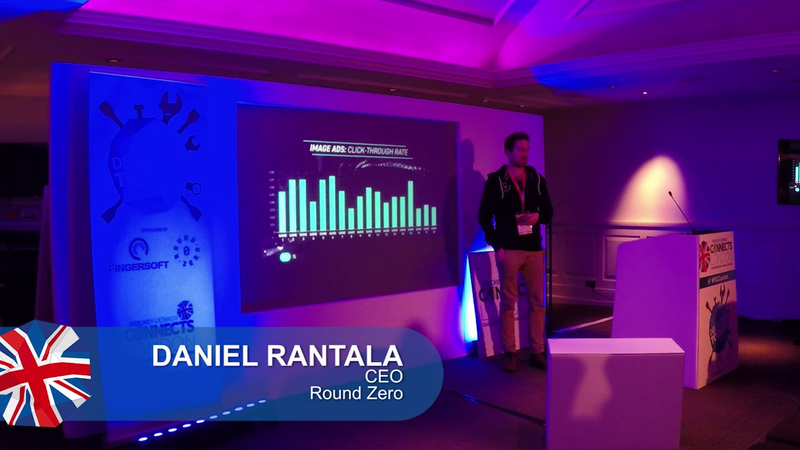
Round Zero on how to (not) get your mobile game published
The primary objective of this analysis is to outline the essential practices for mobile game developers seeking publishing partnerships, specifically through the lens of Round Zero, a publishing label spun off from Fingersoft.
- Publishers prioritize data-driven pitches over creative concepts, requiring developers to provide accessible gameplay videos and test builds rather than speculative monetization forecasts.
- Round Zero evaluates potential hits through iterative testing and cross-promotion campaigns to measure objective click-through rates and user conversion metrics.
- Casual games featuring mild, edgy themes—such as light violence or zombies—demonstrate the strongest performance among the core demographic of males aged 15 to 38.
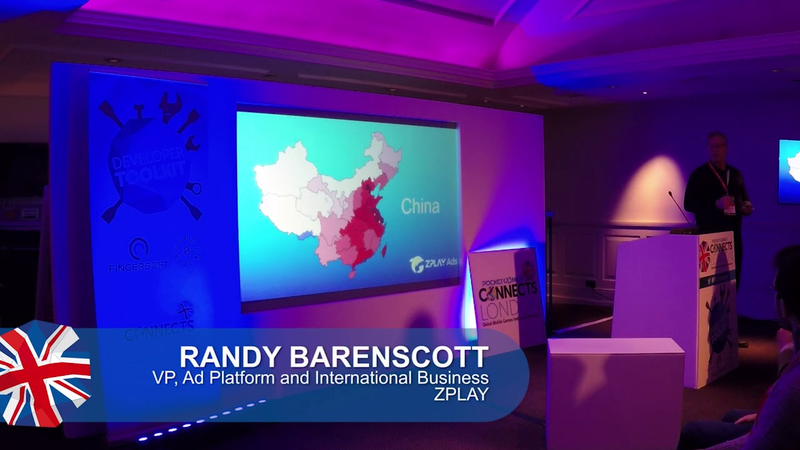
Next generation playable ads on mobile
Playable ads represent a high-performing but underutilized format in the mobile gaming industry.
- Playable ads deliver conversion rates two to three times higher than traditional video ads, yet their adoption is restricted by high production costs and technical limitations.
- Current HTML5 playable ad production can exceed $25,000 per unit, effectively pricing out developers with lower lifetime value (LTV) games or smaller user acquisition budgets.
- Next-generation playable ad technology reduces production costs to as low as $1,000 per campaign by utilizing the game’s original user interface rather than building custom mini-games.
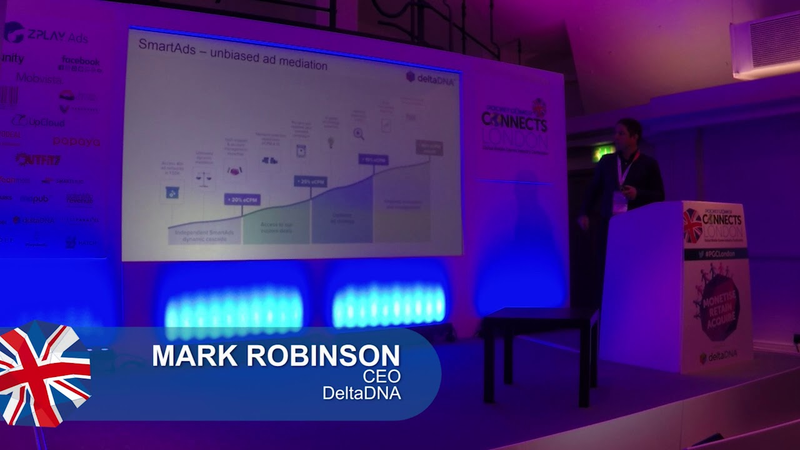
How to get the most out of your ad strategy
The mobile gaming industry has undergone a significant shift in its approach to advertising, moving from viewing ads as a necessary evil to recognizing them as a vital, strategic component of game monetization.
- Advertising has become a core revenue driver, with many mobile titles now generating between 20% and 60% of their total income from ad placements.
- Industry sentiment has shifted significantly, with twice as many publishers now viewing ads as a strategic monetization opportunity rather than a necessary evil.
- Successful monetization requires integrating advertising early in the development lifecycle rather than treating it as an afterthought.
Candy Crush Saga and longevity and innovation
The modern gaming industry is undergoing a fundamental shift from a model defined by fixed, boxed product releases to one centered on long-term, living services.
- The gaming industry has shifted from a model of fixed, boxed product releases to a focus on long-term, living services where the majority of commercial activity occurs in established titles.
- Successful management of live-service games requires a shift in organizational philosophy from a 'movie director' focused on a single launch date to a 'television showrunner' managing a multi-season narrative.
- Studios must prioritize institutional knowledge over short-term 'rockstar' specialists by adopting collaborative models that emphasize mentorship and continuous internal expertise development.


Gaming Spotlight 2017 Review
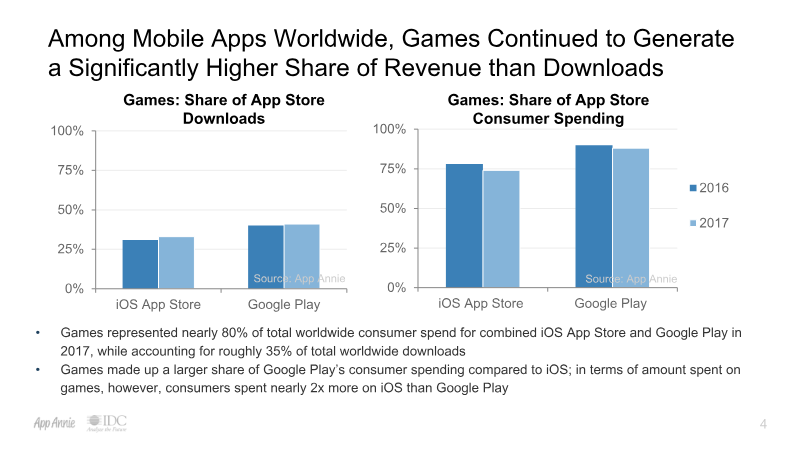
Mobile gaming's dominance of consumer spending, and the rise of live player-versus-player (PvP) and co-op play across platforms, are the central themes of this 2017 review of global and U.S. game markets.
- Mobile gaming solidified its market dominance in 2017, with consumer spending exceeding the combined total of home consoles, PC, Mac, and handhelds by more than one-third.
- Mobile games generated nearly 80% of total consumer spending on the iOS App Store and Google Play, despite accounting for less than 40% of total app downloads.
- The Asia-Pacific region, led by China, Japan, and South Korea, drove mobile growth by accounting for over 60% of all global mobile game spending.

The Legality of Loot Boxes - Designing Ethical Lootboxes: II - Extra Credits
The push to regulate in-game loot boxes through existing gambling legislation presents significant legal and operational risks that could inadvertently harm the gaming industry and its consumers.
- Classifying loot boxes as gambling risks assigning real-world monetary value to digital items, which could lead to litigation over account bans as players might claim the seizure of valuable property.
- Legal reclassification could create significant operational liabilities for developers, including potential legal exposure during server closures, game rollbacks, or the deletion of digital assets.
- Broad gambling legislation may inadvertently capture standard game mechanics, such as random loot drops in raids or dungeons, forcing developers to adopt more restrictive or expensive monetization models.

Double Dodgers (Mobile App) - Jonas Plays Your Game #007
The analysis of the mobile game Double Dodgers highlights the critical balance between minimalist design and effective monetization strategies in the casual gaming sector.
- Aggressive ad frequency early in the user journey acts as a primary deterrent to player retention and long-term revenue potential.
- Inconsistent control responsiveness in a minimalist, two-button game creates unfair gameplay failures that lead to player frustration.
- Monetization strategies should be delayed until players reach a specific threshold of engagement rather than being implemented immediately upon installation.
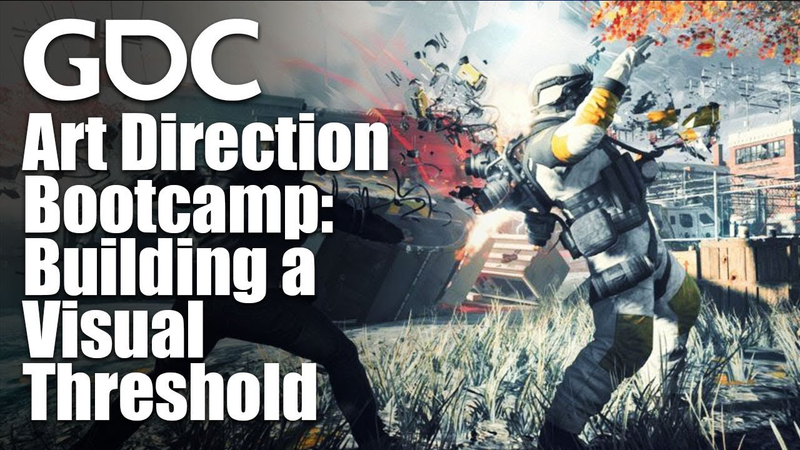
Art Direction Bootcamp: Building a Visual Threshold
Art direction serves as a critical tool for player orientation, utilizing visual tropes and stereotypes to establish an immediate threshold of understanding.
- Art direction should utilize cultural shorthand and visual tropes to establish an immediate threshold of understanding, allowing players to intuitively grasp mechanics without extensive exposition.
- Designers should employ a 'snow globe' approach to world-building, focusing on key landmarks and consistent visual rules to create cohesive, manageable environments.
- Teams should replace dense, static style guides with concise one-sheets to ensure alignment and prevent the misuse of clichés.