1 free read left. Create a free account for unlimited reading + AI research.
Create free account
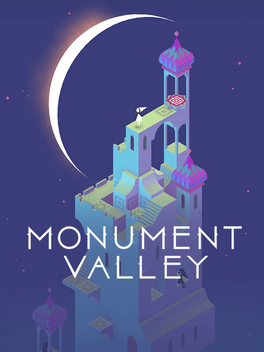
Monument Valley 2 – How premium games can succeed
Key insights
6 takeaways- 01Premium mobile games succeed by prioritizing artistic innovation and high-quality, short-form experiences rather than the mass-market volume and high-retention loops of free-to-play models.
- 02Small, agile teams are essential for bypassing derivative, data-driven design patterns, allowing for the creation of unique, emotionally resonant, and narrative-focused content.
- 03Developers should focus on crafting highly polished, memorable experiences with a typical duration of 90 minutes to two hours to justify a premium price point.
- 04Financial sustainability in the premium sector is best achieved by identifying and targeting genres that lack a saturated field of free-to-play competitors.
- 05To differentiate from free alternatives, developers should draw inspiration from non-gaming sources like fine art, architecture, and fashion while ensuring every level features unique, non-repetitive mechanics.
- 06While titles like Monument Valley are financial outliers, the premium model remains a viable, sustainable outlet for small studios to achieve success through personal creative expression.
Ask AI about this video
Transcript
[Music] [Music] this is the interesting bit Chris where you roll out the premium guy you then gets up and then contradicts a lot of the stuff that's already happened yet today so thanks nice one yeah so my name is Dan gray I'm head of studio ferocity games previously made Monument Valley war and then one of 82 made a VR game called Lands End and also a studio made some stuff that wasn't so big before that so it's always important to remember those things as well but what I'm going to talk about for roughly the next scan like 14 15 minutes is not necessarily just Monument Valley - but more our approach to doing premium games and why we might do that and how you can really kind of amplify the benefits of that rather than just talk about when you're a buddy - so quick introduction
to myself I've been working about 11 years now start my career at Lionhead Studios so really big triple-a working on 200 people teams work there for a few years as a producer after finally leaving and going joining hello games so really really small indie from a big huge thing and then kind of settled five years ago on the thing I'm doing now which is there's kind of really middle ground kind of section where we've got about 20 people now there was eight people working on Monument Valley and we've got about 20 people working on three different prototypes at the moment so we've actually scaled back after that and the thing I really wanted to do when I moved there was it was like we're not owned by a game studio we're owned by a design studio does a lot Clym work a lot of design client work and it was an environment and a space that I thought if I if I joined these guys and we start to make games they were guaranteed to be different just by the very nature of the environment we were in and the people we had roughly a third of our team have never made games before joining but I think that enables us to have a really fresh outlook on the types of ideas we have so why do we want to talk about in
relation to how to maximise premium games if that's what you decide to do is this concept of mass production and small scale so this is where we got a lot bit contradictory some of the other talks that might be on today and again I want to reiterate that this is purely kind of my opinion and the way that I operate my team hopefully you can take some things from this maybe you can maybe you disagree with some of these things well that's cool we've got questions at the end of this and come and grab me after but yeah when we talk about mass production of small scale I think for us and those two games we're not right the way down at this end we're actually you know probably further down the small scale than we are the mass production side of things but I think I think what a lot of people go wrong is is they're not aware of where they sit on this scale so usually when you make things for mass production you've got a huge team and you're going for you know hundreds of millions or billions of users volume is the number one priority there's also many many people in this production line you know you're talking about teams with a live ops team that's much bigger than the team we have to develop the game you know you've got
you've got huge teams and what that means is that it's kind of there's less option for an individual or a small group of people to have an impact on the thing they truly want to make at least in my opinion anyway I think if you do if you are a mobile developer and you do make the decision to have a massively kind of like volume centric game I think that the idea of profits are more are more of a goal for you I mean we're pretty fortunately they were a successful premium mobile developer but I think anyone in this room would probably say when losing out on money by continuing to make premium games extended to make something the free-to-play space so we definitely made that decision for us internally that we're going to forego potentially the riches of spend the next year making a free game and continue to make paid games what I do think is this is the controversial thing is I think that when you are going for scale a lot of the time that that results in quite a derivative design it's it's like imagine you're gonna design a shirt you're designing it for Walmart and the example that I have you're not necessarily going
to have a wide variety of different shapes and styles and cuts and designs to the items you're making you're probably going to make a teacher that fits the average man right it's not necessarily going to be special or personal in any way it's just going to satisfy the biggest volume of people and that's great but I think that you forego other things in that on the other side of things when you decide to make something that's a little bit more small-scale and personal to you a lot of the time that means that you focus on the quality over the quantity of the experiences that you have if conversely if you're personally designer shirts for Walmart you might show on the other side of things who who gets to take some risks they okay I'm going to use this fabric and I'm gonna do it in this court and it's going to be this style that hasn't been done yet because the consequences aren't so severe you know this person is not going to be going put in you know tens of millions of dollars into developing something so at least in our opinion and the things that we focus on is because there are fewer people within this production pipeline we can affect things and we can take risks and we can say I mean a good example of that we've talked
about a lot but if I went out and asked for money to make Monument Valley one originally like no one would have given us money to make that game like and I specifically I specifically remember having a conversation with a platform holder earlier days in 2014 where they were saying so the game has no leaderboards has no achievements like has no adverts and it has no IEP like it doesn't have any of these things and I'm like no how long is it it was like this it's about 90 minutes doing like ah okay so it's gonna be really difficult for us to support you in any way because we didn't tick those boxes of the things you're told you're supposed to tick in order to be successful if you're making a game from formulas and from a be test that in user testing then you probably wouldn't result in something like Monument Valley or a lot of the more successful premium games because even though I'm proud of the amount of money we've made on those titles I'm sure that amount of money wouldn't satisfy a board of investors so again I think it's important to identify the positives and negatives for doing this
equally you could argue that we talk about Mon your valley you guys the developers say you've probably heard of this game but we definitely don't have a billion users like some of the more successful games that might be talking today so I mean equally it's not necessarily about money either it's about it's about wanting to reach a wide wide wide variety of people we also want to do that but with a certain type of game so like this is a completely jokey mean that I threw in and it's really unfair but the idea of let's make a game we attack things and there's no game playing you just give us money on the old make this face right the reason I wanted to put this up is because I mean even when we talk about icons on the app store if you look through a chart of what is successful and actually like actually really did like the previous guys talk from Kings as well but when you see that top chart of like top 23 games it actually makes me sad that there all the same not not happy like I don't necessarily see that's a good thing I think it's great that some of these titles have long term longevity by to me I see it as an example of a lack of
innovation not not kind of like innovation in kind of long-term success and I think that like this to me this example and this whole idea of this icon set is an example of you having to do a certain thing and having designed things in a certain way to make it successful to a broad range of people and I personally believe it inhibits your innovation and creativity on on a personal level if you're doing it for personal reasons so I think that again we talk about these kind of two sides of the coin these two sides of the spectrum so what can you do to really amplify that once you've acknowledged the fact that if you're a premium mobile game developing you probably don't have a hundred person team you probably have a small team working on something what can you do to set yourself apart and again this is how we approach things and hopefully you can take something from this and one of those things a bit art style again we can take risks we're not going to make you know the same old cartoony cutesy approachable to everyone offends nobody art styles are something we do because there's lots of stuff out
there you're going to be fighting a battle that you can't win you don't have the resources you got the time to fight that battle but what you do have is you you like the smaller more maneuverable ship against this huge behemoth of a battleship next to you you can take risks you can go in different directions and you can take that time so in terms of art styles we look at some other successful premium games hidden folks is a successful game from last year like do you think that you're probably going to see a really successful you know billion billion user game that looks like this probably not you'd probably get thrown out straight away but this is on a smaller scale again like even when you talk about profits it's probably okay for a three-person team to make something like this and end up with a couple of million dollars that's success for those people so I think financial success is always relative to what you're trying to achieve so again trying to take risks with art style and taking the time to find your own voice and that really comes down to personality as well so again taking those risks and coming
up with gameplay and injecting your art style and the music and the whole audio-visual piece this with personality and especially story like again some other examples of games that I believe really pushed this like you're gonna go play old man's journey you can you can feel with the way you interact with something that it's had love put into it it's not it's not gone through a machine of what statistically retains users longer or shorter it's gone through the machine of am i passionate about this thing I'm working on right now and I believe that if you are and you're kind of true to the things that you're interested in it will show in the final product you make and it'll set your product apart to the kind of free offerings that might be there the only other example of that is frame two from last year again probably another game that wouldn't be able to work in a free space again you can feel the personality you can feel the interaction and I mean all these things have something in common as well and that's the length of the experience we can't compete on that scale where you're going to go and make a hundred thousand our game loop and retain people for that
amount of time at least what our focus is and from speaking to other premium mobile game developers the focus is how can I put all of my effort into the most fantastic polished ninety minutes to hours hour short experience I can do okay you might not be playing it you know a year later you probably going to remember it you're probably not gonna you know pick up the foot next free thing and you're gonna pick up the next free thing and you're probably not going to have that same amount of loyalty to thing there's probably gonna stay in your heart and minds what be really curious about while I'm here as well is mainly just from a position of not knowing that like are there any any free games that focus on story there's a directive I mean we really curious stuff some conversations with people after this is that I believe it's something that is not necessarily possible to do it's not cost-effective so like when we made Forgotten shores for money more value one we spent ten months and six people making an expansion we've sold for $2 now when you think about supporting a game post release that's probably the least cost
efficient form of monetization there's o then the clusters I don't know maybe like half a million quid to make like in total and yeah financially it's done well because you know we're fortunate if the Monument Valley is an outlier I think that's worth pointing out as well as part of this that one value one and two our outliers and if we can replicate something like that again we're lucky so it's you know it's important to remember to take what you come from it but I'd be really cursed to know where the story can be something that we can do because that's something that I tell my team to focus on because it's something that the free games aren't doing which brings kind of on to that on to the next point when you've talked about competitors one thing I do truly believe is that you need to analyze the marketplace and look at the genre or type of game that you're making and ensure that there's no free alternatives to that like what do you think is gonna happen if you decide to go I'm gonna make this really a spade match three game right and people are gonna go on the search and they're gonna find 50 and there's gonna be yours that's paid that's gonna be 49 that's free you know good luck making someone download yours as opposed to the 49 of the free ones so I think it's important
to kind of analyze the marketplace look at the free competitors and make the game that you're making undeniably premium like with with Monument Valley we try to focus on every single chapter of being so distinct and memorable mechanics that that we're not going to use again like the focus isn't let's create a mechanic that people are going to come back and interact with every day for the next five years it's like let's make your Kanak mechanic that's gonna last though that they're probably gonna remember for years again like making ourselves undeniably premium in that sense doing things you wouldn't otherwise be able to do in a free and long game and just that polish is absolutely everything again like we've we spent so much time making the games we make and it's a reason why we don't do expansions that often but your average Monument Valley to level like I remember this level it's called trees and money buy two suckers like four or five months to make something that lasts about seven minutes but it's worth it's
because when we see in screenshots it looks undeniably premium it looks like something you really want to engage with so I mean on this on Monument Valley taking influence from things outside of video games as well like if a lot of the free games are looking at what the trends are okay trends okay pirates are really hot this year like Star Wars is really good sci-fi is really good we can look at the top 10 the highest grossing and space is really popular let's do space like going in a different direction and for us that means taking inspiration so this board is for one than one Ravalli two levels and the visual reference here is candy drag queens and Nicki Minaj music videos so actually candy conversely not that not that peculiar is a mobile game topic and we carry these visual reference boards all around the studio with us and they're personal to that person so other people can go up and take notes and I guess that's worth another thing pushing as well when I talk about that risk and kind of bespoke nature of making games allowing one's personality to be injected into something if they want to do it like every person has a voice within that team again looking at more visual
reference looking at things like old architectural styles Renaissance painters even like poetry in this sense where can you take inspiration from outside of videogames because if you are going to live in a premium space it's about doing something completely different that you can't get anywhere else so looking at games that already exist probably isn't the best method for doing that and again that focus on character and story they're giving giving characters and story like this idea of a mother and child there's not many games that focus on a mother and child as like a combination of characters to lead an experience again even just saying that scenes something a little bit out of the ordinary in the mobile space gives you something to remember that game over other games and what that results saying I mean it's for us it's this is really hard to get to this point where something looks visually striking and different and again giving people completely different art styles and feelings we want you to look at this picture and believe in the loneliness and the sadness and the atmosphere of this against this picture which is supposed to be full of joy and excitement again making every single screen different and memorable and this
is the whole game we ended up with and hopefully it results in some hilarious which is my favorite video from uneven Valley to launch something that people remember [Laughter] so in this in this sense it's what's what I find reading upon this is from launch week of money one by two it's two people are just in the Apple Store there's no intentional playing games no free games no any games and what they've managed to be enticed by the story of a mother and child and values and taking something from the experience it's not you know two minutes when you're on the train is a time killer like doing Sudoku in the back of the newspaper it's something they're gonna take and remember and you can convert people that don't consider themselves to be game as
yet so hopefully we've got enough time for questions at the end so basically anything whatsoever okay we have time for one question big big round applause first for Dan for that that was I hope you got a sense the passion that there Dan and games his passion oh and I actually went to the you launched your office of my valet to and invite all that family and it's amazing um I've got a question for the most successful premium games company in I don't think that state ministry we don't listen but one of them anyway have you got a question there's a gentleman there it's under sorry I can't it's a bit bro light in my face hi oh thanks great doc and I completely agree with you that there's okay there's a space for for premium games because well you know the Bartle pipes basically mobile free-to-play games cannot satisfy an explorer type stories and and worlds and
stuff so it's really sad that it's there's this little of them but my question the reason why we aren't ourselves looking into this is that we don't know how many games can the market really support I mean there is only one Game of the Year per year and you guys and and frog mine with with their badlands have been doing great but they're the games of the year do you have an estimate how many can be market support yeah I mean in that sense they're both four years ago so money or valley to is you know wasn't say Apple game of the year for that featuring front mind stuff is a long time ago as well like there are other things like the examples I gave like you are right though whether it's there just tend to be probably a handful of games every year that really kind of take that Thunder so it is smaller it is smaller in that sense but equally if they're the types of things you want to make is that
a positive for you as a creator like if that space is becoming smaller is that because less people are making them or is that because the market can't support that many games like I don't know but I definitely know from speaking to peers and other kind of like studio heads the there are new people coming on the scene all the time making these kind of games and you can make a game as one or two people get a little bit of feature along the way and still turn a decent enough profit that you can make another two or three games in the future like I do believe that is possible without being the size of Monument Valley or Badlands for example okay you can have down small questions outside the room that sees God go got to keep his relentless the thanks thank you very much damn thanks a lot [Applause] [Music] [Music]
Summary
The premium mobile game market remains a viable, albeit niche, space for developers who prioritize artistic innovation and high-quality, short-form experiences over the mass-market volume typical of free-to-play titles. By operating with small, agile teams, developers can bypass the derivative design patterns often required by data-driven, free-to-play models. This approach allows for the creation of unique, personal, and emotionally resonant experiences that prioritize narrative and aesthetic distinction, effectively serving as a counterpoint to the standardized, high-retention loops that dominate current mobile app store charts.
Success in the premium sector relies on creating products that are undeniably distinct from free alternatives. Rather than competing on scale or long-term engagement, developers should focus on crafting highly polished, memorable experiences—often lasting between 90 minutes and two hours—that leave a lasting impression on the player. Key strategies for achieving this include taking risks with unconventional art styles, drawing inspiration from non-gaming sources such as fine art, architecture, and fashion, and ensuring that every level or chapter offers unique, non-repetitive mechanics. This bespoke production method fosters a sense of quality that justifies a premium price point.
While acknowledging that titles like Monument Valley are outliers in terms of financial performance, the industry can still support smaller, sustainable premium projects. Developers are encouraged to analyze the marketplace to ensure their chosen genre lacks a saturated field of free competitors. By focusing on personal creative expression and high-fidelity production, small studios can achieve relative financial success that allows for continued development. Ultimately, the premium model serves as a vital outlet for innovation, enabling creators to reach audiences who seek meaningful, curated experiences rather than repetitive, time-killing mobile loops.


Comments