Mobile reports and market data
Documents
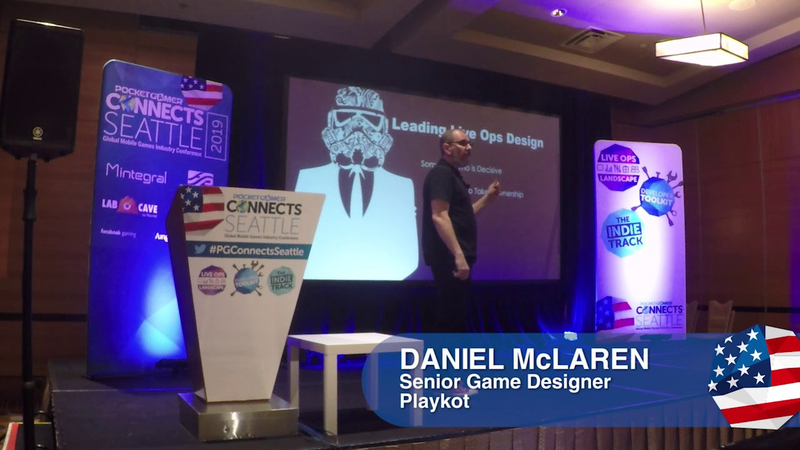
Managing live operations game design
Effective live operations management requires a shift from siloed, ego-driven design to a player-centric, collaborative framework.
- Lead designers must transition from ego-driven design to a player-centric framework that prioritizes data-informed decision-making and alignment with production goals.
- Establishing clear spheres of authority empowers senior designers to take ownership of their work, which increases accountability and reduces friction between design, monetization, and data teams.
- Leaders should treat past mistakes as immediate coaching opportunities rather than tools for shifting power dynamics, fostering a culture of transparency and continuous professional growth.
Onboarding UX design tips for mobile
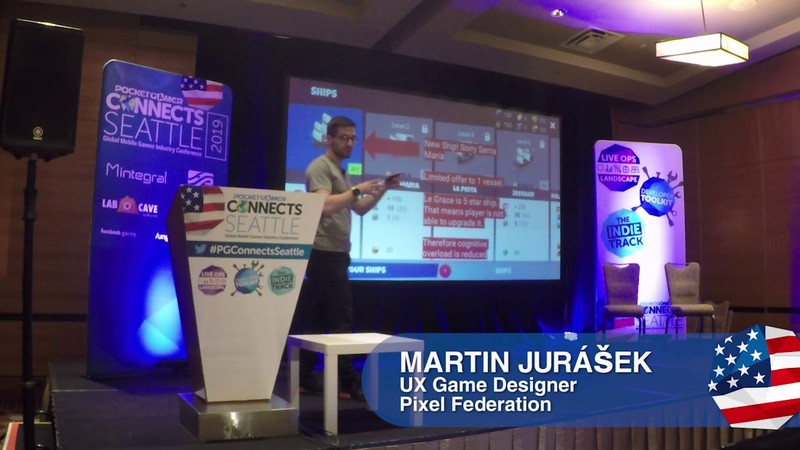
This analysis examines onboarding optimization strategies for mobile games, specifically focusing on the free-to-play title Seaport.
- Prioritize iterative UI and game rule refinements over complex tutorials to resolve friction points, as these low-cost changes can significantly improve core gameplay engagement.
- In the case of Seaport, implementing incremental design changes—such as intuitive iconography and dynamic tooltips—increased the ship dispatch rate from 59% to 85% before any formal tutorial was introduced.
- Integrating a guided NPC tutorial after optimizing game mechanics further boosted the ship dispatch rate to 96% and achieved a 40% day-one retention rate during soft launch.
Mobile game live ops: Using proper frameworks
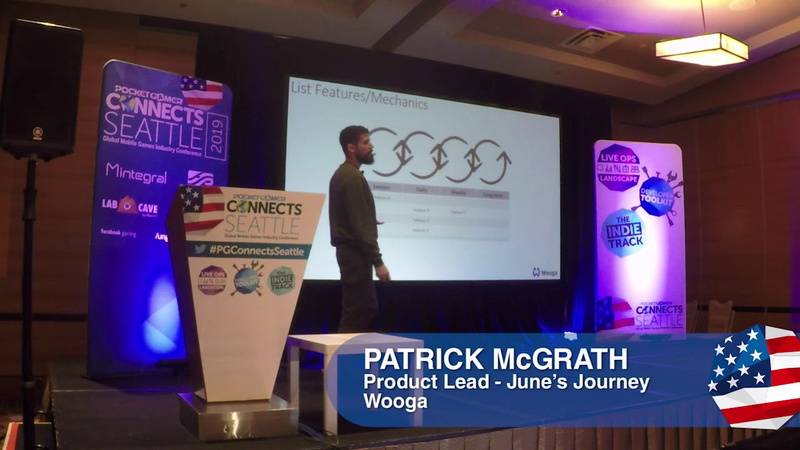
Effective live operations in mobile gaming require structured frameworks to move beyond high-level key performance indicators and address fundamental gameplay issues.
- Integrating player life cycles with compulsion loops allows developers to move beyond high-level KPIs and systematically identify specific gameplay engagement gaps.
- Mapping player competence levels against feedback loops enables teams to deploy targeted features, such as task-based challenge systems, to address session-length deficiencies.
- In the hidden-object game June’s Journey, the implementation of a multi-layered challenge system targeting session, daily, and weekly loops resulted in a 1.3 percentage point increase in day-seven retention.
Idle games – Games for everyone
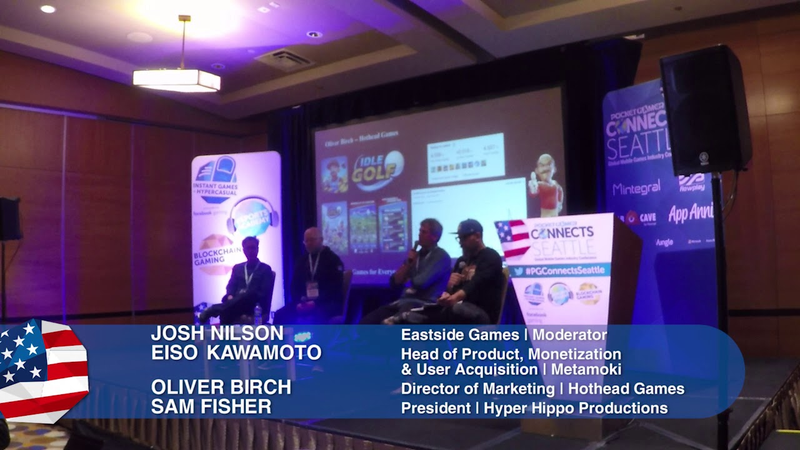
Idle games have evolved from simple, secondary entertainment loops into sophisticated, core lifestyle habits that command significant player time and investment.
- Rewarded video advertisements generate over 55 percent of total revenue in the idle genre, serving as a value-add for progress acceleration rather than an intrusive disruption.
- The idle genre has transitioned from simple secondary loops into sophisticated, community-centric platforms that prioritize long-term retention through persistent world-building and character collection.
- Monetization strategies rely on a hybrid model that successfully captures spend from a hardcore player base willing to invest in both premium content and ad-skipping mechanics.

Panel: Instant Games versus the hyper-casual market
Hyper-casual games and instant games represent distinct approaches to mobile engagement, with the former prioritizing stripped-back, core-mechanic loops and the latter focusing on social-first, viral experiences.
- Instant games must evolve from simple marketing funnels into standalone experiences that leverage the social infrastructure of platforms like Facebook, Snapchat, and WeChat to drive long-term retention.
- The industry is shifting toward a 'super-app' model where games function as lightweight, integrated social utilities rather than isolated applications to capture massive, pre-existing audiences.
- Key barriers to growth include poor content discovery mechanisms and the difficulty of integrating gaming into messaging environments without appearing intrusive to users.
Publishing 101: A crash course in navigating today’s mobile marketplace
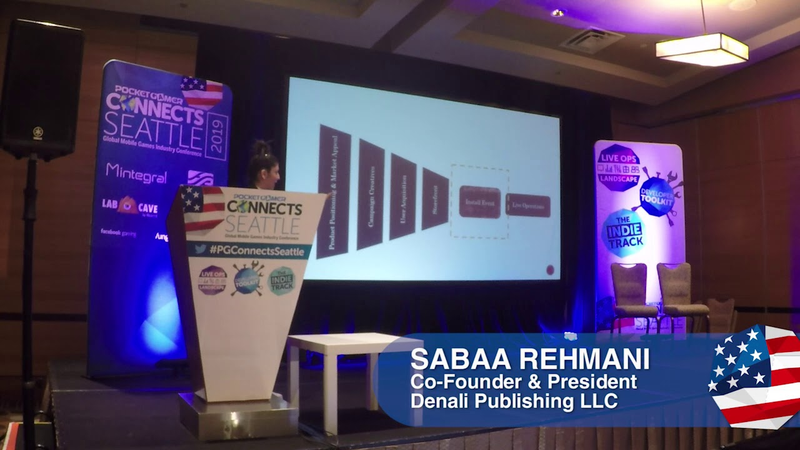
The mobile game publishing landscape is characterized by extreme saturation and high competition, requiring developers to adopt a systematic, data-driven approach to achieve scalability.
- Achieving scalability requires maintaining a positive delta where the lifetime value (LTV) of a user consistently exceeds the cost to acquire (CAC) that user.
- Developers must prioritize product stability and retention metrics before scaling acquisition, as poor user experience renders marketing spend ineffective by creating a 'leaky bucket' scenario.
- Success in a saturated market depends on a data-driven, iterative cycle that uses attribution partners and analytics SDKs to distinguish between organic and paid traffic performance.
Hyper-casual math
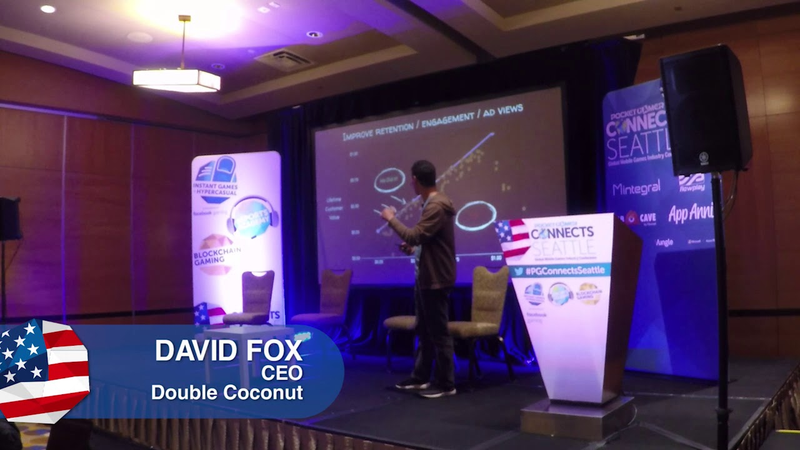
The hyper-casual mobile gaming sector has evolved into a high-volume, data-driven industry that functions similarly to the pop music business.
- Hyper-casual profitability relies on a strict mathematical threshold where user acquisition costs must remain lower than the lifetime value generated by rewarded video ads.
- The industry operates on a volume-first strategy, where publishers like Voodoo crowdsource hundreds of prototypes to rapidly identify and scale titles with mass-market appeal.
- Between 2014 and 2019, the sector transitioned from a market of accidental viral hits to a sophisticated, publisher-led ecosystem driven by data and aggressive marketing.
Tips on making your hyper-casual game a success in China
The Chinese mobile gaming market presents a significant opportunity for hyper-casual developers, characterized by a mobile-first user base and a high propensity for ad-based engagement.
- China’s mobile gaming market is massive, with 782 million smartphone users and a projected size double that of the United States by 2022.
- The Chinese ecosystem is dominated by super-apps like WeChat, which allow developers to reach users directly through integrated mini-programs.
- While iOS allows for self-publishing, the fragmented Android market requires partnerships with local publishers to manage distribution and complex licensing requirements.
AskGM #3: Can Splatoon + Brawl Stars = Mega Hit? | Action.Reaction Studio Indie Game Development
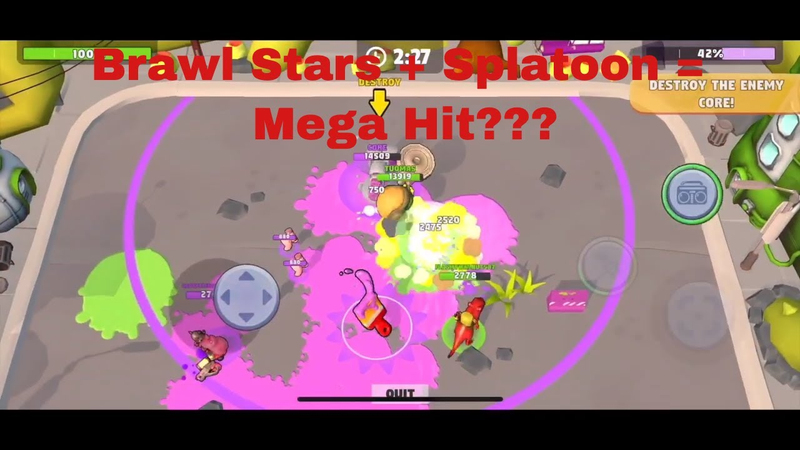
The development of a 3v3 mobile multiplayer title blending Brawl Stars-style combat with Splatoon-inspired territory control mechanics represents a high-stakes entry into the competitive PvP market.
- A four-person studio achieved a 40% Day-1 retention rate in beta testing across Finland, the UK, and Canada by blending Brawl Stars-style combat with Splatoon-inspired territory control.
- Independent teams should prioritize a single North Star metric, such as Day-7 retention, to guide feature development and prevent scope creep.
- The ICE (Impact, Confidence, and Ease) framework is essential for evaluating feature additions against limited development resources to ensure high-value outcomes.

AskGM #2: How to Compete Against Clash of Clans? | Sand Forge Games with CEO Khaled Alroumi
The mobile strategy market remains dominated by established titans, necessitating a strategic shift for new entrants like Sand Forge Games.
- New entrants in the mobile strategy market cannot displace established leaders like Clash of Clans through incremental mechanical refinements alone; they require a distinct market identity driven by unique narrative depth or innovative meta-systems.
- Simplifying core loops, such as removing troop training overhead and adopting energy-based systems, is a baseline requirement that can help achieve a 35% Day 1 retention rate.
- Sand Forge Games is utilizing a data-driven framework for their title Warfronts, focusing on telemetry to monitor D7 retention, monetization efficiency, and install-per-impression rates.

Top Grossing Game Designer Reveals His Research SECRETS! | Game Design Document
Effective game design research relies on uncovering the underlying philosophy of mechanics rather than merely cataloging surface-level features.
- Effective game design research requires analyzing the underlying philosophy of mechanics rather than just cataloging surface-level features.
- Designers should maintain a 'brick' library, a centralized visual database that maps every game screen in chronological order to track user flows, tutorials, and currency sinks.
- A rigorous research methodology involves systematically reviewing update logs, analyzing community gameplay footage, and identifying potential exploits to ensure system balance.
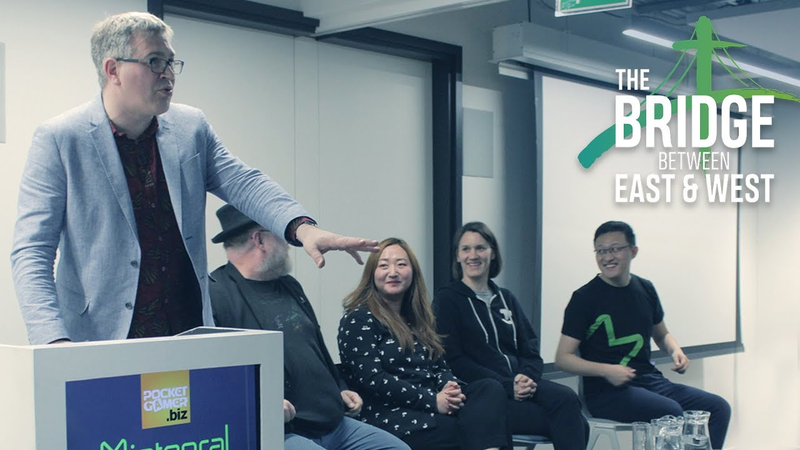
Opportunities in China's hyper-casual market
The Chinese hyper-casual mobile gaming market represents a significant growth opportunity for Western developers, provided they can navigate a complex, fragmented ecosystem.
- Entering the Chinese market requires deep localization of creative assets, including the integration of Chinese music, cultural themes, and localized video content to resonate with local player expectations.
- The Chinese Android market is highly fragmented, requiring developers to navigate numerous third-party app stores rather than relying on a single global storefront like the Google Play Store.
- Hyper-casual games in China are increasingly adopting engagement mechanics and depth similar to mid-core titles, moving beyond simple loops to include features like asynchronous multiplayer and tournament systems.