1 free read left. Create a free account for unlimited reading + AI research.
Create free account
3 Huge Changes Coming to Unity (With Head of Tech Arvind Neelakantan)
Key insights
6 takeaways- 01Unity is transitioning from object-oriented programming to the Data-Oriented Technology Stack (DOTS) to enable multi-threaded code execution that optimizes performance and battery efficiency on modern multi-core hardware.
- 02Unity provides migration tools to allow developers to incrementally transition existing game object workflows into the new entity-based DOTS framework.
- 03The Scriptable Rendering Pipeline (SRP) now features a production-ready High Definition Render Pipeline (HDRP) for high-end ray tracing, alongside the Universal Render Pipeline (URP) for cross-platform visual parity.
- 04These technological updates are designed to expand Unity's capabilities for high-fidelity AAA console development and complex XR projects.
- 05The new netcode architecture shifts from peer-to-peer to a dedicated server topology, allowing for the synchronization of hundreds of players and objects while improving latency and anti-cheat capabilities.
- 06The new netcode solution is deeply integrated with DOTS, ensuring that engine-level performance gains directly support the stability requirements of competitive multiplayer gaming.
Ask AI about this video
Transcript
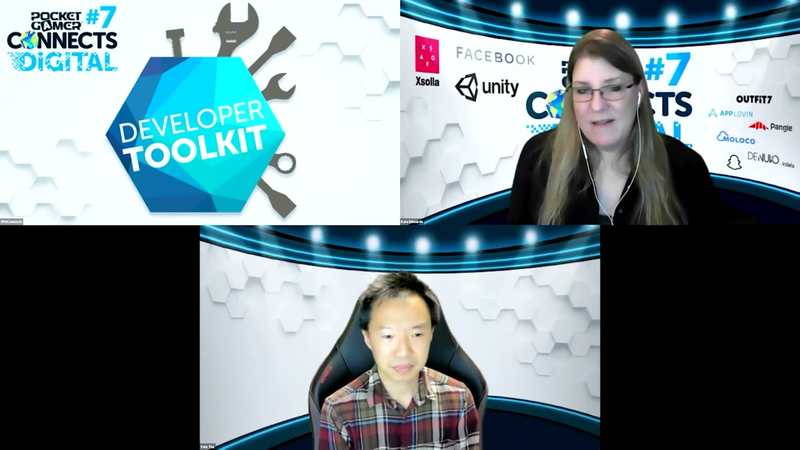
you everybody welcome today I'm speaking with Arvin nee like Anton who is head of Technology India at Unity Technologies and I had a chance to meet with Arvind yesterday and we went through a lot of really amazing new updates coming to unity I felt these changes were so important that executives and PM should be aware of these upcoming changes so what I wanted to focus on today was from an executive or product manager perspective what are the top three features that we should know about in the implications of these new updates by the way for our audience these are pretty big people so definitely pay attention but before we dive in let's find out a little bit more about Arvind so Arvind can you tell us a little bit about who you are in your role at unity I am the head of technology for unity in the Indians of in the Indian subcontinent and that involves me taking care of any other technology needs that
our unity developers within this content has and in this subcontinent particularly we have a lot of excitement not exciting games come in here and you also and you must also be knowing the daily deal also not only used for games is also used in other verticals like film and architecture engineering construction manufacturing whatnot and all of these verticals are pretty big in India and I take care of the technology needs of all of these verticals right and so based on our discussion yesterday I personally felt like the big three changes coming in you uni where the falling first the dots architecture second the scriptable rendering pipeline and third multiplayer netcode so maybe we could first start with the dots architecture so since we have an audience not all of whom are developers like as I mentioned before execs and PMS can you explain kind of in simple terms what dots is and what the potential implications are so if you look at the
evolution of computing and gaming over the last decade yeah we can see how different things are with respect to ten years ago one of the most significant change was moving from a world where almost 90 percent of the core was running on a single thread to a world where we now carry in our pockets hundreds of GP pours so we it's it's it's a it's a really requirement for you to design your code efficiently so that they are all running in a blue and also leveraging on your hardware of the device is running on now dots provides developers with a very convenient sandbox to write these kind of multi-threaded code for massive performance gains so one also optimizing for your thermal controller you must often heard of people complaining about the battery heating up and you can control that and your battery life of your players increases especially your
mobile devices so by moving from an object-oriented to what we call the data oriented design it makes it easy for you to reuse your code and for other developers to also understand your code and that and dot support stands for data or even technology stack and it's all about performance efficiency and in fact have a tagline for which is performance by default right so the main advantage then would be performance battery life things like that and then in terms of the developers trying to write to this new paradigm you know so shifting from as you mention object-oriented to more of this ECS entity component system based paradigm how long do you think that takes one for a developer to learn how to do and then secondly if there's an existing code base how long would it take to migrate that that code base to more of a dots based architecture that's a really good question so my advice to developers usually is to implement dots
incrementally integrate carefully into your existing projects and then keep it up to date you know you the dots package it also is changing and the api's keep changing a little bit and so I always advise but the new there is a it's an increment incremental change that I advise it is going full on the dots on day one in terms of converting your your workflow or your converting your game to unity to this new dots paper there is a new conversion workflow that converts your existing game objects to entities with pretty much straight click of a button at runtime you can check the new entity preview inspector to see how dots has automatically turned your game objects to be to be entity based and with just this simple conversion you can get this hyper optimized streamable data data that you typically would need when you're using
game objects the same game office that that that you are used to today right and let's say I'm a product manager or I'm a I'm a planner I'm gonna start working on a new new game and we're gonna be writing against dots right so how much time should I kind of budget in for my you know my development team to learn the dots way of right of right in code so that you know I have a better understanding of what the potential impact on my development cycle is going to be so that's a very subjective question but what I have seen is that once you get the hang of easiest it's kind of starts coming along quite easy in fact at this point of time I think everyone who has worked with dots gets most of how to write it it's a mind shift and once you shift your Urology well that's it you don't have to really
go Mike as mentioned earlier you can adopt it gradually by doing very very small stage you get a really big performance goals especially when you're thinking about code reuse it reuse it okay it's subjective questions or get a project manager and you wanna say like how long do how long do I need to learn or dots I'd said don't go on yeah I do it gradually and even making these very minor changes will automatically give you a huge so if we wanted a team to get used to writing against dots would you recommend like a transition phase or maybe they start working on a small side project that's kind of ECS based first and then work on a new dot space game or do you think just jump in and start going for it well if you have an existing game yeah I would recommend that you start making minor changes inside your game - I said dot Fi and those conversions are
fairly easy to do you know how enabling the burst compiler for example is this thing or if you are or if you know of any any data that is being crossed is processed in not in parallel to what the gameplay itself is running for example a quest system where it's calculating how much XP you're getting you can't job if I that where you can just make it as a separate thread and you can we can abstract it out from your course of that that for the code is running in a in a parent thread so those are like minor other minor changes that you want to make you have significant impact on graphs in terms of adopting itself I'd say if you have a side project or if you're starting the new project just go all in and then start starting with the existing okay so the second big change
let's now talk about scriptable rendering pipeline can you tell us a little bit more about what that is and the benefits of what that would would give developers sure scriptable rendering pipeline is an open source rendering technology the performance boost they want their rendering pipeline so unity includes two built-in SRP source triple rendering pipeline that's the high definition render pipeline or HDR T and the universal bring the pipeline so each render pipeline targets a specific set of use cases and hardware needs so with your stupid render pipeline you can control and tailor your rendering why are just C sharp sticks so you can either slightly modify or completely rebuild and customize the data pipeline up or Achilles okay and then would you say the you know for example when I ask a lot of
Unreal developers whether they would ever use unity for a console game they're like that nnn-no no is this do you think the main gap between developers using unreal vs. unity for console games do you expect a lot more console development ships to unity given this feature or yes so for console developers one of the biggest things is memory a pretty bit of your hardware is extremely important at the same time you also want to utilize so with the combination of dots and the high definition during the pipeline you can you are going to get more and more console games there are triple a quality we are working with and all companies right now working on Triple A games using just these two frameworks and note about the high definition the pipeline itself is that now it's production ready with 20 19.3 which got released three weeks ago you it's completely production already
so and they're also building on racing so great racing is full full frame factories with which the ground truth global elimination and it's built on top of HDR P which which are able to get the possibly the best quality that they can get out of the real-time engine okay and then how about on the other side on the low end were the implications of SRPT low-end devices so for low-end devices you should definitely be looking at the universal render pipeline so bringing the universal render pipeline to parity with the built-in renderer it's really revolutionizing the way in which you think about performance especially when you're looking at low-end devices so this means that with unity your project will look really really good look at look at its best and it will also perform optimally which means that whichever device the data will be publishing your application to be the
low-end mobile device or even a low end or even even a high-end device the same game which is published these spectrum of odwin it was a vendor pipeline caters to that without compromising on quality quality of the look and in same time giving you high performance got it okay and then the last big change that I personally thought was the biggest ones coming up is neck code so this is the feature I'm personally most excited about so just honestly speaking I've never heard a single good thing about units so you know so just just to be honest that you know there's been a lot of really bad things that about unit and I know it's getting deprecated but can we talk about first you know what what were the limitations of unit or what why were so many developers not so happy about unit and what is the big deal with net code what will it do and what will it improve that unit was not able to do so as many
of you know and you know that unit was put into maintenance smooth because you believe that there is a better way forward and that's the new connected game stack or the network so primarily if you look at any kind of games there is three major things that you need to be considering when you're making a multiplayer game one is scale other one is cheating and then you have latency or anti-cheating with you and then you have latency so peer-to-peer technologies which is what unit was all about typically struggle when you try to sink more than say 24 players at a time so for sessions supporting 25 or more players it's usually a good idea to go to a dedicated server topology or dedicated server a game server that you have and that's pretty much what dot or not what not net code is all about so if your world needs say synchronization of 500 objects or even AI you'll likely
need to move to this dots net code and utility and likely consider a considered ensuring deterministic simulation with the new stateless cause if there's also build into your introduced net code solution and when you look at cheating in comparison to your peer-to-peer topologies game game points or the authority of the data so in these cases the best the developer can do to attempt to have this anti-cheating methods is by sending data to the cloud and then drumming rules against it and then ban users who have a certain pattern of cheating behavior but it on gamers are crafty and they love to reverse-engineer these kinds of rules to work around them so often these developers have to find frustrating how to play this frustrating game of so in that case again having a dedicated game server topology is the simplest and it's ultimately the most effective solution
to ensure that game is played and that also translates into revenue for our developers so that's that's another reason why unit was deprecated or is getting deprecated and finally when you when you talk about latency so fast paced games like your FPS on at the PC or console olive oil usually requires communication between clients to be less than 150 milliseconds it you know it could ideally I would say it should be around 50 to 100 milliseconds but once anything more than once milliseconds people start saying so in this case is having a dedicated game server technologies it's again a requirement because p2p your peer-to-peer relay roughly doubles the lead expected latency per players and and you know it cannot frequently ensure more than 200 milliseconds of latency and that is kind of unacceptable when you're looking at any looking at costly games especially so considering all of these these these
notes on on scale and on anti-cheating and on latency it makes sense for you to move away from unit and go to this new net code and because net code is deeply integrated with the dots framework I can mentioned previously you can literally have five hundred plus players all running seamlessly through this dots framework and at the same time also have synchronization that's happening again through this multiplayer system that's running on top of the display okay so Arvind thanks so much for telling about this and this all sounds super exciting so the next question naturally follow is one should developers start integrating these new capabilities into their games kind of sounds like dots is ready now but kind of sounds like just the chatter I hear netcode might be a little bit further away from you can you comment on the timing I would definitely keep an ear out for GDC ring out in March and there
are gonna be a lot of announcements in terms of what is coming out of preview and what is going to be still in preview of what is what will be production ready what I can tell you right now is high-definition in the pipeline and the script and the universe already pipeline booth or out of 3d they were production ready beginning 2019 dot one you know a pipeline has is ready so you can start using it right now for your games and similarly the high-definition to the pipeline was out of production out of preview ready for production three weeks ago the dots framework is already in preview you can go to the package manager and start downloading it and thinking around with it yeah there are going to be changes minor change if not not major ones essentially quality-of-life improvements in terms of the talks API which will continuously happen but it's not going to destroy the way you have been building your games previously and at the same time the netcode is also out in prism and fact
you can go to github and you can search for dots sample project which contains a fully playable third-person shooter a multiplayer third-person shooter containing the dots framework a new vendor pipeline and the netcode all working together so you can search perform a surgery on top of it to see how is that working on mobile as well or is a PC only for now currently the dot sample works only on PC ok but there is no reason which is the project okay so kind of in conclusion would like for me those were the three you talked about that seemed to be really important is there anything else that we're missing that there were so many things announced right that it is you know all sounds really exciting I
think the artists are most excited about perforce but you know what else should we know about there is there are too many features to keep keep track off I put dots and the render pipeline or horizontals that pretty much touch every other word for one of the other exciting beaches and other I really like is render streaming where you're able to where your game becomes agnostic to the kind of device that you're playing on so you can be running your game on the server with the high-definition the pipeline with train racing on but it will still be playing the game on a mobile device on a krauser on on a simple lightweight application and it runs why our web RTC I'm really excited by that and that also opens up the possibility of eSports viewing so spectating eSports becomes easier because anyone can be watching the next big eSports on their mobile device while not compromising on the quality of the eSport citizen that's coming out and like I said you know it's
more unity is becoming more than a game engine it's becoming it future technologies like a R and B R or also being developed on top on community so a lot of things going on and but but rest assured dots and the scriptable rendering pipeline are going to be the common stream between all of the new features that's good that's coming through because that is very it is headed to building future teachers and future technology all right well thank you so much for your time do you have any final message for our audience just keep creating we do D we love creators the world is a better place with more creators so just download unity and start making games and tell your story I would love to hear what you have to say alright thanks a lot Robin I thank you bye
Summary
Unity is undergoing a significant technological evolution centered on three core pillars: the Data-Oriented Technology Stack (DOTS), the Scriptable Rendering Pipeline (SRP), and a new multiplayer netcode solution. These updates aim to address modern hardware demands, specifically the transition from single-threaded processing to multi-core architectures. By shifting from traditional object-oriented programming to a data-oriented design, DOTS enables developers to write multi-threaded code that maximizes performance and improves battery efficiency on mobile devices. While this represents a fundamental shift in development methodology, the platform provides tools to facilitate incremental migration from existing game object workflows to entity-based systems.
The Scriptable Rendering Pipeline offers developers granular control over rendering via C# scripts, allowing for tailored performance across a wide hardware spectrum. The High Definition Render Pipeline (HDRP) is now production-ready, supporting advanced features like ray tracing for high-end console and PC titles. Simultaneously, the Universal Render Pipeline (URP) ensures that projects can maintain visual quality and performance parity across low-end mobile devices and high-end hardware alike. These rendering advancements are intended to bridge the gap between Unity and competing engines in the console and AAA development spaces.
Finally, the introduction of a new netcode solution marks a departure from previous peer-to-peer technologies, which struggled with scalability, latency, and anti-cheat enforcement. The new architecture utilizes a dedicated server topology, allowing for the synchronization of hundreds of objects and players while maintaining the low latency required for competitive gaming. This netcode is deeply integrated with the DOTS framework, ensuring that performance gains at the engine level translate directly to multiplayer stability. These updates, alongside emerging features like render streaming for device-agnostic gameplay, position Unity to support increasingly complex, high-fidelity, and multiplayer-focused projects across mobile, console, and emerging XR platforms.