1 free read left. Create a free account for unlimited reading + AI research.
Create free account
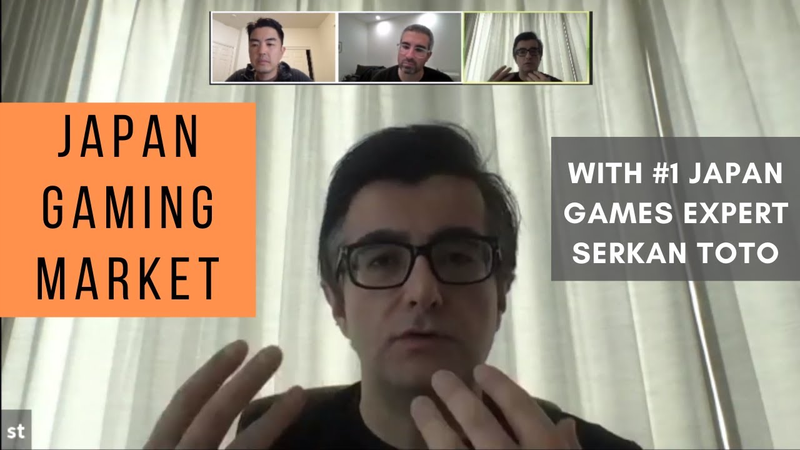
Japan Gaming Market with Serkan Toto
Key insights
6 takeaways- 01The Japanese gaming market is valued at $13–$15 billion, with mobile platforms accounting for approximately 70% of total revenue.
- 02Japanese developers are shifting their international strategy away from aggressive, high-cost acquisitions toward more sustainable global expansion and a focus on emerging markets in Asia and India.
- 03Despite a shrinking and aging domestic population causing stagnant growth, the market maintains high average revenue per user through established monetization models.
- 04High barriers to entry exist due to a top-heavy market structure dominated by legacy titles like Monster Strike and Puzzle & Dragons, alongside AAA mobile production costs that frequently exceed $10 million.
- 05Western developers face significant challenges in Japan, as attempts to 'Japanize' foreign content often fail, necessitating a focus on lean operations and efficient user acquisition instead.
- 06International competitors from China and Korea, such as NetEase, are successfully capturing domestic market share by introducing innovative genres like Battle Royale that challenge the traditional dominance of gacha-based RPGs.
Ask AI about this video
Transcript
hi everybody welcome to the mobile games market series today we will be talking about the Japanese market and joining us today is the foremost expert in the Japanese market sir con toto we will also be joined by my co-host Josh burns who is a consultant for the Asian gaming market in our conversation today we'll be talking about the overall growth of the Japanese market and the split between mobile console and PC we'll be talking about the key players especially on the mobile gaming side but also Nintendo we will also talk about what it takes to be successful in Japan areas of innovation and how our foreign companies such as Nettie's with knives out able to achieve so much success in the Japanese market so without further ado let's jump into our conversation with sir Khan Toto right now if I'm based in Tokyo since 2004 so it has been a while so it's almost like 16 years now you know that I've been living
here in this in this country and I've been consulting on the business side too game developers on the Japanese market since around 2010 so it's it's about a decade it's about a decade of consulting work that I've been doing for game developers that are interested in the Japanese market sometimes Japanese game developers that want to go out of the Japanese market and you know expanded into international markets so that's one side of my business the second side of my business is institutional investors that are interested in mostly the publicly traded gaming companies that we have here on in the Japanese market so there's about it depends on your definition of what a game developer actually is or how much of a how much of the business should be games and then you know and then you know what you would call a game developer based on that but it's around 40 to 50 a publicly-traded again companies that we have mostly on mobile so I basically you know cater to to the two - these two you
know client groups institutional investors but also game developers and since 2013 I've been doing I've been doing that with my own consultancy that I've set up here in Tokyo oh great until maybe we could go ahead and jump into the questions but I thought we could start sir come with like a high-level picture of the Japanese market could you tell us you know could you characterize sort of the overall growth of the market or potentially lack of growth and you know just to give a little bit of contact when I was working at Sega a few years back there seemed to be some concern about the domestic mobile market growth in in Japan and really at that time there was kind of a desire to potentially you know try to put more focus and emphasis on expanding more internationally just because there was kind of this fear that the domestic market was going to begin to decline so what's the current state of the Japanese market hmm yes so that's a very interesting you know point that you brought up so but roughly speaking you
know the Japanese again market overall everything so all of the pillars of the gaming industry include is that you know depending on which data provider you believe at depending on the currency conversion it's about 14 billion 13 billion 15 billion u.s. roughly in that ballpark of that around 9 to 10 billion is mobile so you have so I would say that you know one unique thing about the Japanese gaming market is that it's so heavily you know tilted towards the mobile side of course it's also mobile is also big in the US and in China but for example you know the two other markets in the world you know that we have and Japan is the number three but the part that I'm trying to make is you know the the the distance that mobile has you know to to the other two big platforms that we have in gaming to PC and and and the console is is a not as wide in the u.s. at the China so you still have a China for example you still have a relatively healthy PC gaming
market in in America you know people still spend money on console games on PC games here in Japan you know disrupted this too strong of a word but mobile has absolutely taking taken over the gaming market that's the point that I'm trying to make so 70 70 a cent of every dollar spent here in Japan is going to a mobile game developer and and I think that's a really unique about the Japanese a gaming market having said that you know all the data providers that we have here are you know are forecasting for the for the next couple of years that the growth is going to be a relatively flat at around 9 to 10 billion US dollars every year and so it's flat and based on the market being relatively flat have you seen a lot of Japanese developer starting to internationalize or start to focus more efforts on you know outside of Japan markets yes so it's really interesting so what you mentioned about
Sega's so around 2010 and 2011 you know you you took you to know this very well I think but also a lot of the a lot of the listeners you know a DNA and gree the to Japanese game companies that actually pioneered mobile free-to-play mobile gaming globally you know these guys were the first of the gate with that kind of business model on feature phones back then in Japan they thought that you know you know the market growth in Japan is over they thought you know that they skimmed the market that absolutely dumb it's about it was a duopoly back then you know you know they had a platform they controlled the platforms on feature phones back then and they thought the domestic growth for mobile gaming in Japan around 2009/2010 is over so they expanded very aggressively internationally so I don't want to go into a history lesson but you know they spent a lot of money and you know things like that and and to make it to make a long story short I think that pretty much everybody including the companies themselves agree that you know this ended in the catastrophe for them you
know from a financial perspective nowadays I would say there's a second wave of internationalization because as you mentioned you know you know the Japanese game developers know that the Japanese game market is limited in size and in scope you know the population is graying and shrinking at the same time so from from a long-term point of view they have to go out of the market so there's a second wave of internationalization I would say but the second wave of internal internationalization is is different from the first one with regards to two things one is the level of aggressiveness in terms of investment so you don't see you know DNA agree or you know any of the other big mobile or video game developers go out to a Silicon Valley and buy you know studios there for 200 300 400 500 million u.s. so you don't see that kind of kind of aggressiveness in spending in M&A and the second point is and this is connected somewhat to the first point is that you know internationalization is
being taken home right so all of these guys say you know DNA and gree you know that kind of that kind of international business that you know these companies are are are still operating is operated from their home bases in Tokyo right and then you know certainly the the market is relatively flat but are there you know in that's kind of the overall market but are there any like smaller sub segments of growth in these sort of categories where whether it's like hyper casual or some other area that is growing within Japan yes so I think that you know overall because you mentioned hyper casual I think that you know a lot of the listeners I think it's a it's a muster it's a must here you know at least from my perspective that the Japanese market in terms of genres in terms of what you call sub segments is very different from the rest of the world so you know hyper casual is big you know in the West a lot of people are you know they are like
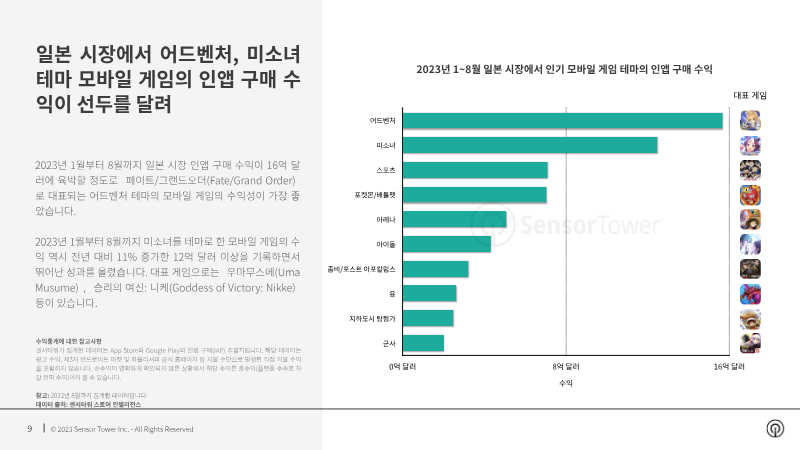
they are burning through these games like there's no tomorrow you know that's why you have companies like voodoo for example you know so many hyper casual games you know typically dominating the free download rankings here in Japan you know that genre exists there are some games also from the West you know people are downloading them people like them you know to some extent and you know they're playing them but I would say it's nowhere close to to to the to the attractiveness of high of the happy hyper casual category in the West at the moment you know now it's 2020 and I would say I would say that you know the one sub segment that is a really big at the moment that is relatively new is a battle royale and in terms of Battle Royale it's not for tonight it's a chinese-made game called knives out from Nettie's that is a dominating dominating the landscape in that in that sub segment but apart from that I would say it's still got cha driven games it's still puzzle puzzle games it's the role-playing games that's you know
studios still keep pumping out you know to the local audience right and in terms of that you'd mentioned that 70 cents of every dollar flows to mobile no remaining 30 cents can you comment in terms of what are those other platforms in terms of like PC relative to various consoles or whatever yeah so I would say that you know of the console market is is of course you know the second biggest step platform in Japan and here Nintendo at the moment dominates so I would actually say that if Nintendo didn't launch or you know hit product with the switch here you're in Japan also globally I would say that the video game market would be even in a worse state than it already is so so I think that you know need lose market share and the video game mark in the video game space here in Japan is around 70 70 75 percent or something like that there black in this ridiculous market I'm talking about 2019 now ridiculous market share here in Japan so people are buying the switch
like crazy and the PlayStation 4 of course you know it's aging notes it's going towards it's towards the end of the lifecycle and the PC market is so small that you know not really many data providers are actually sharing a lot of data data about it so I would I would estimate that the PC gaming market is one one in half one and a half billion u.s. or something like that so it's about 10 15 or if if you really want to be generous maybe 20% of what mobile generates but not a lot more I'm just curious why is that is that I mean my assumption is it's not like a heart you know hardware issue in terms of like how many pcs there's something like in China but is it just the content is not you know appealing or why is PC just never sort of got more traction or lost traction I guess yeah I mean I think that you know the PC is a gaming platform in Japan you know people know that you know you can play cool games on the PC you know you can you cannot loss
hyper optimize them you know things like that but I think that the answer to your question is more cultural I think that you know if you look back at the 1980s 1990s you know where although all the big console manufacturers coming from they're all Japanese right Sega Nintendo Sony even you know Panasonic NEC you know all of these guys who you know were manufacturing consoles back then so they cultivated cultivated a certain console gaming culture that I think is still dominating until until today you know actually gaming in Japan began on PCs so you're still in the night early 1980s you had a booming gaming PC gaming scene here in Japan but you know the Famicom game came and then the Super Nintendo came and then again some other Japanese and manufacturers came up with their own consoles and I think that you know that's a very unique you know unique Japanese thing that there's again that there's a certain culture that you know Sega Nintendo and the Sony in particular were very clever and cultivating over the last couple of decades again it's not that you know nobody is playing
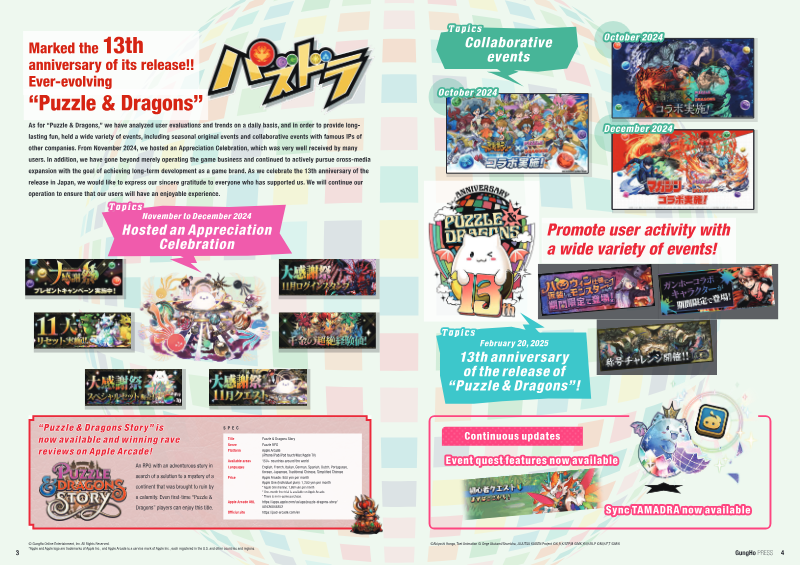
games on the PC in Japan but the the market is much much smaller when you compare with mobile and even much smaller when you compare to console it's not a very popular gaming platform in terms of like some of the blockbuster mobile hits I mean here in the States we've heard of some of them like monster strike and puzzle and Dragons and some of those hits that have actually you know kind of crossed over into the West and into the US but can you tell us about what are the other hits that we shoot we should be aware of that are kind of big in Japan but you know haven't crossed over or just aren't within the you know the Western cultural context like yeah so puzzle and Dragons came out in February 2012 you know monster strike was pushed out by mixi in fall 2013 so these are the two most iconic mobile games that we have in Japan and you know these will be remembered even in 20 or 30 years as the you know the first two big games that add-on smartphone devices and so people are playing them playing them and also
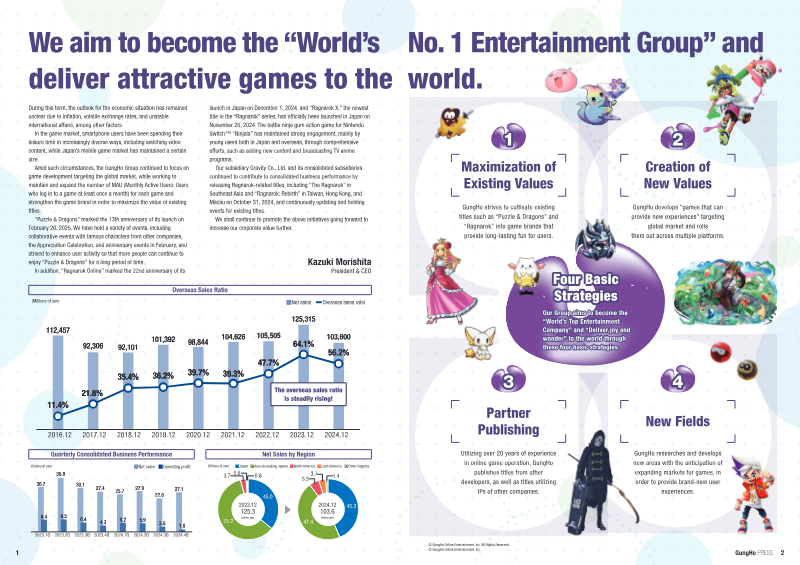
also paying for them so in 2018 new and numbers are not ready yet are not out yet because you know it's early 2020 you know where we're having this interview but in 2018 monster strike can make almost 850 million u.s. and puzzle a puzzle and Dragons more make four hundred and forty million u.s. and that's just one country only in Japan so they are not really losing a dramatically losing steam over time in terms of monetization but squeezed into these into these two games is a fate grant order from from from the so nice to do any Plex it's not actually a studio it's it's it's it's a it's basically a entertainment company so they do music and you know animations and you know and you know cartoons and you know all of those things but they are publishing publishing fake grant order which is you know a role-playing game it's out in English everybody can play that a the stories a little bit you know it's it's it's behind it's behind
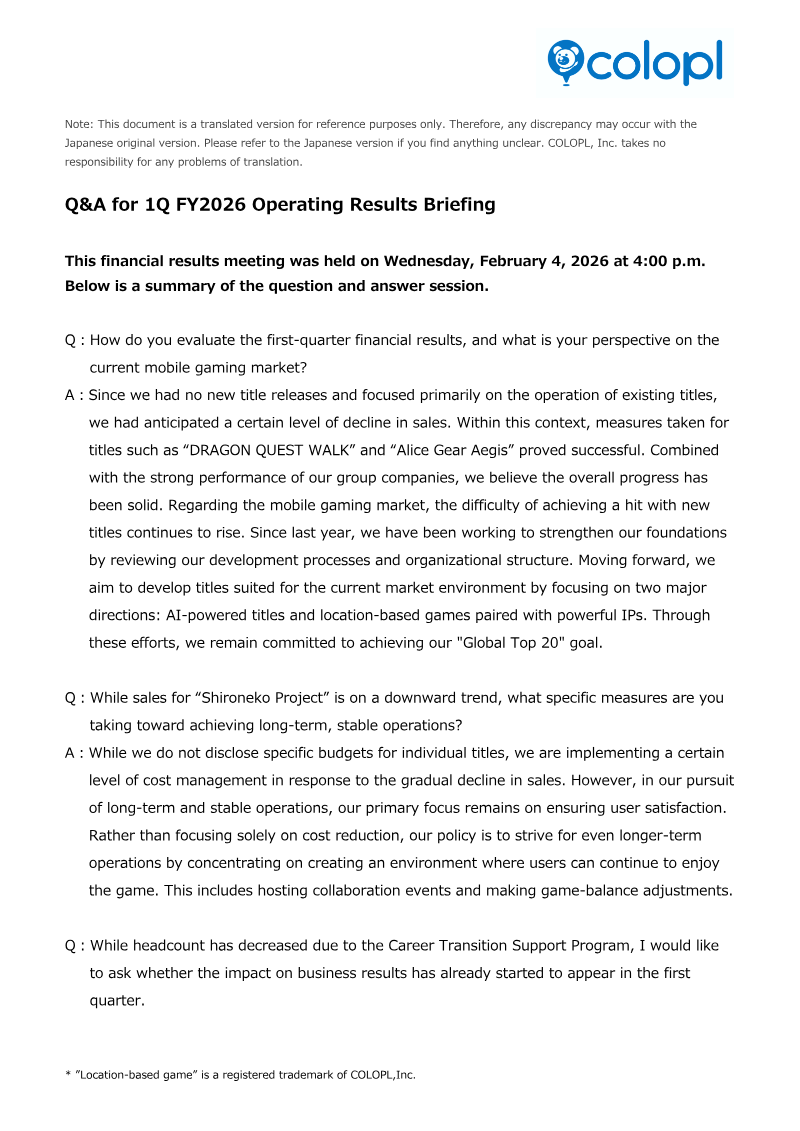
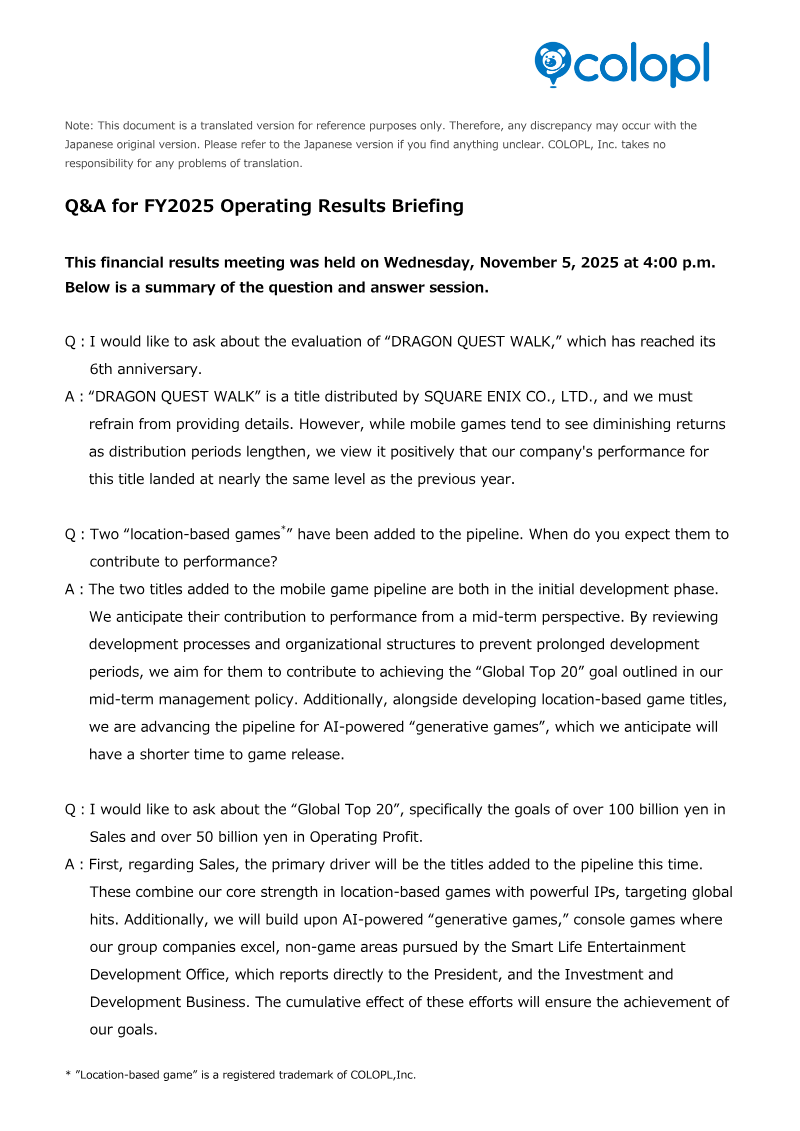
the it's behind the Japanese original story but it's a story driven role-playing game it's a gotcha game that's what it is and that game made in 2008 18 it made 800 million u.s. so I would say that when you talk about the his game market it's these three big games and then there's a certain gap and I would say that knives out from Nettie's the battle royale game that I mentioned is coming up as the fourth game in terms of making money okay are there any other titles that might be kind of on the horizon or emerging that we should look out for yeah I would say that of the one title you know in this context is Dragon Quest walk from Square Enix screenings is the publisher Cola PO kalapas Co L o PL is it's another big you know a publicly traded mobile game developer that we have here they actually produced the game there so they're operating the game it's basically what people call a Pokemon go clone based on the Dragon
Quest on the Dragon Quest IP it's a totally different game actually but you know to make it short people are calling it the Pokemon go clone for Dragon Quest a dragon best friends and this that one is that one is a big one so you know annexed it a couple of months ago are they in later 2019 and as we speak it's I think it's still one of the top three grossing games in Japan on both iOS and Android our last couple fobs kind of leading into the sort of discussion of the local companies so you know I think one topic that's you know definitely comes to mind is you know you have like a mixie and you know gung-ho with these sort of breakout hits that sort of defined you know the market for a period of time and and then it's you know haven't been able to sort of follow up with any anything really from what I've seen again I'm obviously a world away I mean you know can you talk about some of the you know how are these guys working
to build like new content that can you know match the success I mean obviously we're in a hitter in business but yeah you know and I when I look at their you know app store accounts and stuff I don't see them even you know testing games or you know trying stuff out so I'm just curious kind of like you know a lot of these guys have haven't been able to sort of follow up with the next thing that's even maybe you know you've been second-tier to their head can you talk a little about that and you seem yes so what you mentioned is is a very popular topic with institutional investors you know that you know look for the for the next growth driver for these or for these companies and you know when I'm in a snarky mood I'm telling them you know look these two companies are basically one game management companies because this is what they essentially from a commercial perspective this is what they are you know it's they are publicly traded you know you can look into their financial financial data you know the all the money comes from these games and all the other you know smaller games and other businesses that they're operating are
basically like they're only like a regenerating loss for these companies they actually would make would you know would perform better from a financial perspective if they if they just operated these two games and did nothing else and I would say that the answer to your question is what that gahan when mixed are two totally different companies so Gong has always been a game company this is a real studio where there's a DNA where people are are all about games and you know they never ventured into you know into tech seek services for example like DNA did they never ventured into into real estate portals like gree did they never ventured into a venture you know venture capital is something that that both we and agree a DNA and a couple of other mobile game companies are also also doing here in Japan I mean imagine Zynga and the United States becoming a VC but this is this is what this is what several mobile game companies are doing
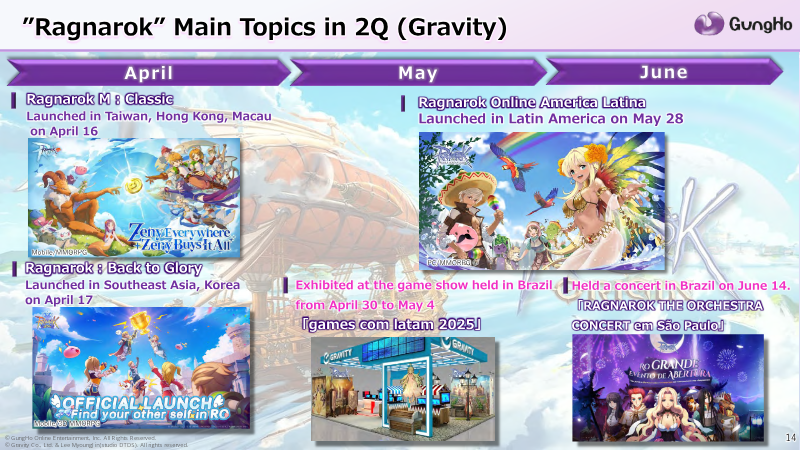
because they struggle with finding a follow up success to the to the to the big game that defined them but I think that gung-ho again it's an actual game still they were already publicly traded before before a puzzle and Dragons hit the Japanese market in early 2012 and they're still trying but I would I would agree with your assertion that that you know they are not producing enough game so if I was an investor or if I was looking at the company I would also ask myself the same question why are you not trying more you know why should why are you know you know you know a prototyping one just putting games out there and just see if they work but they are not really doing that with mixi it's actually a different story they also tried to release and they actually did release a couple of smaller games after monster strike it didn't work so now Mickey is at this all public information so now mix is looking at other businesses and they want just as an example they want to get into gyms
into sports gyms you know where you actual physical gyms and they are saying well you know it kind of still makes sense because we want to put a dash of competition into into that business so the idea is that you go inside and then you you you know I don't know you were you lift weights and then you know the next day your friend sees your score and he tries to lift more weights and so they want to have a certain like game if I that kind of experience and believe it or not they're looking at getting into that physical gym kind of business and again imagine Zynga doing that in the US I mean it's unthinkable right but here in Japan I think that you know these companies are making so much money and they have trouble with the traditional gaming business that they ventured into all sorts of different businesses but again gangmo is not doing is not doing that got it yeah I mean I remember always seeing like Konami and they have like a similar like dive very diversified businesses that we don't really realize until you look into the details it was interesting cool yeah we
still love to sort of go a little bit deeper on the the local companies I mean I think you know company like Square Enix and a lot of these are familiar to people but you know who are the sort of biggest players in the market and is that sort of stayed consistent over the last couple years as the market has you know people have had difficulty having replicate replicating success you know we talked about Korean DNA yeah we just love to hear your sort of overview of where things are at and one of the companies that you know have come and gone and what are the ones sort of at the top right now sure sure so I would say that that if you look at you know the mobile game industry from you know from a helicopter perspective I think you can you can think about it as a pyramid it's very different in the US we wasn't in the US you don't have that many publicly traded mobile game companies and in here in Japan I would say the top layer is AB around consists of two groups so one is the traditional video game
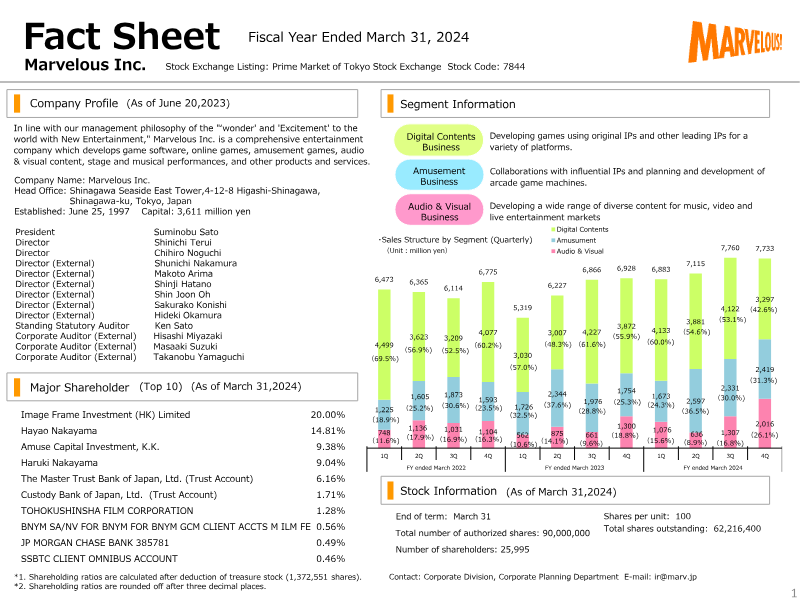
developers we have around seven or eight of them that are publicly traded Nintendo Sega Konami Capcom they they all of them including Nintendo do our mobile games so that's one part of the of the top of the pyramid the other part is around six to seven purely mobile game game companies that purely focus on mobile on mobile gaming on smartphone gaming for example mixi gung-ho co-op all the you know the company that I just mentioned and these are large cap companies so their market value is a 1 billion or even higher so we're talking about I think two four or five billion or something like that and you have around five to six of them so you have that's kind of small elite group on the top of the pyramid that sits on these you know legacy console business IPs and the other group has consists of companies that had you know the one or the other big you know mobile first game
a success a couple of years ago and then there's a middle then the in the middle of them in the middle of the pyramid you have the publicly traded companies that I mentioned before so if you take out the ones that we talk about they're about to around thirty of them so there's like these mid-sized publicly traded mobile game focused companies that we have in Japan and then on the bottom of the pyramid there's a huge container where the private private you know studios are located and I would say you have several hundred of them excluding outsourcing and excluding you know companies that are focused on servicing life operations of mobile games etc that were purely companies that are actually are you know creating games from A to Z and push them into the market you probably have several hundred of them and then you have another another container so to speak in that in that in that bottom container that consists of the foreign game companies that come into the Japanese market and that container has been has been growing bigger and bigger over the last couple
of years interesting okay and so basically if we look over sort of you know the last four or five years it seems like you know use so you still would put like a mixie and a in that top bucket even though they haven't sort of been able to replicate any sort of you know additional hit just because the scale is still so big yes I mean this scale and what you call it give the mind share it's just still so big you know everybody here you in Japan you know this 130 million people are living here right it's a you know Japan is the 10th biggest country by population so it's a huge it's a huge domestic market that we have here that's why you can make so much money you know just by operating the game in one in one country and apart you know from apart from the Japanese being the the highest spenders in terms of a RPP you so you have you know they're they spend a lot of money on Japanese people spend a lot of money on mobile games so if you have a spender you you they spend a lot and mixi and
gung-ho I would still call them absolutely the elite because of the scale of the audience that they have because of the mindset that they're controlling and of course also because of the market value okay I got it and in terms of like looking into the future you know who do you see as being sort of best positions just for success I mean we talk about you know you talk about puzzles & Dragons and monster strike being able to sustain for a long time but I mean can that you think that can change quickly with the right you know new content in the market or do you think that these kind of things can coexist even if you know the new new titles come in and who and who do you think is best positioned based on their strategy for new content in the mobile space right yeah I think that you know globally speaking it's it's been a you know very hot topic for a long long time that the top of the grossing charts are always like cemented you know you see always the same guys always the same companies and always the same you know titles etc etc I would say that this is
more true in Japan than anywhere else just talking about Asia now you know if you look at the Korean market you know if there's a lot and you are MMORPG in town you know people are like switching over right and they and you know that's why you see a lot of flow in the top row at the top of the grossing charts you know in in Korea it's you know to some extent it's similar it's similar in China but here in Japan so many triple-a mobile games you know what the biggest IPS that you can think of came and went came and went came and went over the last eight years you have to say now if you look at puzzle and Dragons for example just over like seven years and 11 months old now at the point of this interview and but you know these two these two games in particular they've been holding they've been holding you know their positions for such a long time now they're still you know printing money for the for the studios every day and I would say that I would say that you know these games became part of a lifestyle for a lot of
Japanese people and it looks to me that Japanese users are more loyal more engaged you know when if they if they see if they see a game that kind of like fits their lifestyle that you know fits how they how they think about games that you know is you know according to their tastes they stick to it and and I think that in in the past couple of years there's been of course you know new games new games kami came into the market but if you look at the top ten you know top grossing you know apps in 2018 on also for that matter in 2019 very very a few of these apps are actually new Dada got it and from a company perspective then I mean is there any companies that you think are best positioned or seems like it's not necessarily its kind of usual suspects since there isn't a lot of change that you can anticipate yeah I think that you know for the private companies that I
mentioned earlier you know that are kind of like on the bottom of that pyramid it's going to be very very difficult I think you know the production costs are rising so if you ask any any Japanese a game developer now the you know the benchmark is usually usually ten million dollars for a trip I'm not not you know for you know for a casual puzzle game or something like that I'm talking about a triple-a kind of role-playing game experience for the version 1.0 that you can push into the market it's it's around 9 to 10 million u.s. what a lot of people are also publicly actually actually sharing with sharing with other people and you know you cannot play that game anymore if you're a private if your private game company and that's also one of the reasons why even companies like Cano and mixi are not you know they are not able apparently to push out five games and see what sticks or doesn't stick that was possible a couple of years ago but nowadays it's a lot more difficult also because the marketing costs are rising here in Japan you know without TV commercials you cannot land and land a ticket nowadays it's not it's not possible but to answer your question
more concretely I would say it's still won over if there's a next hit I think it's going to come from one of the top companies that I mentioned that on the top of the pyramid I think even in the middle layer it's going to be really really really difficult I think that you know on paper a Nintendo is the best position company to do to land a big hit about apparently the company's management is focusing on the switch now they are really not really focusing on mobile ok interesting yeah well I'm gonna go to Nintendo next with one cuz that one quick other comment because I was surprised they say that co-op ole which you know had some very successful games they're actually having to partner with you know a larger company my assumption is because of the the cost structure to launch to build and launch these games would be one of the reasons that they wouldn't do it on their own but that would you say that's true for like the Dragon Quest walk game yeah I think that's two things about this one thing is that Colo people had a swing-off flops recently and you know
they were they were focusing on the on the on VR for a long time for about two years or something like that and they came from the management that came from the CEO it's a very good developer but I think that you know they kind of like lost their way in the last two - I would say two to three years the market value if you look at the stock price it just cratered until until Dragon Quest work they got destroyed by the market by the stock market because of that string of flops that they produce people thought that you know they are out and I think that when screenings you know approach them you know with that with that kind of idea they just jumped on it because they have very good talent inside the company and I think that the second point is that Square Enix is very famous for outsourcing developer development to other game companies it's a very unique company it's a very unique company in that way so a lot of the lot of the games when you know when you use you know certain services you know to check to check one kind of apps you know screenings is operating in Japan so
squared as you know screenings is part is appearing as the publisher but the development yeah very very few games are actually developed by Square Enix so Dragon Quest walk is by co-op all the various Final Fantasy games that are out free-to-play Final Fantasy games out from companies that goony for example and for a four square Enix kalapa is just a random partner I think they would also have partnered up with goomy if kalapa would have told them no Connor okay so yeah before we move around jump into sort of the content trends but you know obviously you want to talk a little about Nintendo I think from the you know mobile gaming side everyone's kind of wondering what's going on they're trying lots of different stuff you know coming from a market like Japan which is so focused on you know gotcha monetization and and you know but they're sort of you've seen me trying other stuff we'd love to hear your comments what you see happening around the mobile side for Nintendo or not happening I guess - and
then would you know any comments around sort of the obviously other parts of the business to switch and anything else you think is interesting to talk about sure so so I think that you know in in March 2015 you know Nintendo announced their entry into mobile with DNA as there's the mobile partner I was at the press conference it was five minutes away from from where I'm speaking to you right now I was in the press conference I was sitting in the second row and I couldn't believe my eyes and that Nintendo is finally getting into mobile I so he is what I think I think that Nintendo is not taking mobile seriously and I can I can I can also tell you why you know now it's January 2020 as I mentioned you know the announcement initial announcement was from is from March 2015 and I believe the number of free-to-play games that Nintendo published by now is five and I think that you know this tells you everything that you want to know about Nintendo's mobile ambitions I think they are not completely but almost completely focused on making the switch a platform
you know making that an even bigger success going forward and you know in nurturing that kind of that side of the business I think that inside the mobile and I believe it's not hyperbole when I say that it looks like mobile is viewed as kind of a stepson in terms of in terms of business by by Nintendo and you know as another example you know Nintendo launched a Mario Kart or as their big game as they assume you know assuming like a big game in fall last year and now it's January 2020 and you know that game still doesn't have a multiplayer mode it's absolutely ridiculous right it's a multiplayer game that Nintendo launched without a multiplayer mode and it's still not implemented and at this point at the point of the recording nobody even knows what Nintendo's next mobile is a mobile game is going to be they haven't announced anything so probably from a public perspective the Nintendo's pipeline is empty with regards to the
mobile business I again I think that I think that if you want to be extremely friendly to them you can say there's a lot of upside for a Nintendo or mobile okay god yeah makes sense yeah makes sense obviously historically the platform sort of strategy was you know I think maybe that's why they held out so long on the smartphone side for but cool Jake hey do you want to jump into the some of the content distributions can you kind of mentioned a bit in terms of what some of the popular genres were but I thought we could dig into that in a little bit more detail and so with respect to both mobile and maybe also console could you talk about what are you know the keys onerous themes art styles that tend to resonate the most in the Japanese market and to your point about the market being a little bit stagnant maybe it hasn't been changing a lot but is it basically RPG gotcha collection but you know by far of the
number one genre is role-playing games and this is true for console and for mobile gaming and you know I've asked my friends why you know why is role-playing games so I'm not Japanese you know I've been living in Japan for a long time but obviously that haven't been brought you know you know been educated under the other Japanese system and I was born and raised in Germany so I asked my friends you know why are you why are Japanese people like so focused on role playing games and they told me you know look we like stories we like characters we like narrow days etc but I told ya what everybody does and they told me yeah but for us you know it's escapism because our life is so structured there's so many authorities around us all the time you know there's our boss there's our you know our teacher it's at school and you know University professor and we won't want to escape that kind of like harsh you know harsh business world for example you know when you're an office worker you want to go you know and get
into the metro and play monster strike husband beggins you know all these shiny characters and your escape into that kind of world so that's that's basically the the best the best explanation I heard about why that why that John is so popular in Japan but again it's the same for for consoles as well it's not only on mobile and I think I think what what you know in terms of mechanics I think after all of these years our collection is still a big one I mean the reason why people are playing a fate grand order monster strike pauses and Dragons it's not about the puzzle or the pinball or the you know kind of like a fighting game kind of kind of mechanics or the role-playing kind again kind of mechanics that all of these games I think it's about you know collecting characters and and specifically about collecting characters via gotcha that's a completely different culture in terms of gaming culture when you when you compare that when you compare that with the West in certainly in terms of themes
I think even in the West fantasy tends to be number one I would assume it's number one in Japan but are there any other sorts of themes whether it's you know sci-fi or pirates or you know ninjas or whatever that tend to do better in Japan as well yeah so ninjas and you know Shogun and you know all of these all of these imageries or these kind of like you know themes I'm not really popular in Japan you know and that's why I always tell you know because some of my clients you know they can put some of the characters into you know into ninja into ninja suits and then you that would actually appeal to the Japanese market that that that never works right that absolutely never works in Japan I would say it's a really a very fantasy driven you know if you look at the app store icons right I mean look at the App Store icon see in Japan look at the top grossing charts look at the app store icons are they all dragons or girls or guys that look like girls right like graduates and graduates characters it's really it's really really interesting completely different from from the West
where you have like barbarians with you know their eyes over the eyes and the mouth wide open you know the typical actually kind of like clash of clans kind of like icons it's really really interesting so it's it's it's there of course obviously very anime driven so the imagery is very very different from from the more kind of like cartoony realistic sometimes even realistic looking you know you know themes and imagery that we have in the West but yeah it's very very unique and yeah but the taste is very unique in Japan right and then in terms of any innovation whether it comes to gameplay or monetization you mentioned knives out which would be kind of different from your typical you know RPG gotcha collection type of game is that is that more of an outlier or are there other forms of innovation coming in to the to the gaming market yeah I mean people are trying right I mean people are trying with different different sorts of different sorts of genres but I think that most of the most of the game game
studios in Japan they're trying to play it safe and I can kind of understand it because because you know of the developer cause and again the marketing costs are so high nowadays that you know as a as a game created it's it's getting difficult you know to get to get a green light for your project if you come up with a with an outlandish kind of with an outlandish kind of you know concept that that's why a Chinese studio Nettie's has has is kicking kicking butt here in Japan with with the Battle Royale game a Japanese company should have done that a Japanese company could have done that right I mean they should have come with a locally made Battle Royale game and push that into the market gung-ho or mix you for example they have the resources right but what was actually a Chinese company that brought that kind of like innovation finally a new genre into into the into into into the Japanese into the Japanese mobile gaming market so I would say to answer your question more directly I would say that it's still a lot of role-playing games and the games all
look the same at least to me so I don't see I don't see any kind of any kind of you know interesting interesting approaches from you know from production value perspective or from an approach like you know for like new approaches or like new concepts or something like that it's always more of the same I would say from from from from Japanese companies I think they are trying to play it too safe this is why I personally believe that over time you know the Korean and the Chinese the earth studios that are coming into the Japanese market will take even more market share that then there then they have been already taking away from the local developers in the last two to three years and you sorry one quick fob so would you say the primary driver of the sort of playing it safe is really that high call high price point when you talk about the ten million to building games is that you think is like the primary reason behind the sort of following what we've been doing forever yeah I think this is one
the other part is I think the Japanese business culture it's a know it's like more conservative more slow-moving you know a less open I would say to innovation at least at least in at least to some extent you know of course you can make the argument that back then Gahan who came up with that idea of pushing out the puzzle puzzle and role-playing game hybrid you know back then was like never nobody has done that before and the game has actually been created by a person who has never created a mobile game before so he came from Hudson you know the the old established the video game company that was most famous I think in the 1980s and you know that guy was tasked with creating a mobile game and he came up with that innovation you know but back then it was an innovation nowadays I would say if you look at the games I think because of the culture that I mentioned because of the cost factor that I mentioned and because of the fact that so many of the studios are now publicly traded I think that actually in identified that kind of a conservative culture in these companies that I think
that you know outlandish or like innovative innovative approaches difficult to find I would say certainly the the PC console market is smaller in Japan but you know in in the West we've got some big hits like whether it's fortnight or Apex legends and games like that do those how do the Japanese you know react to some of those games are they also popular in Japan or are they not hitting very much it's getting better it's getting better so so so you know franchises like the ones that you mentioned or Call of Duty for example or gta5 Japanese gamers know them you know they appreciate the production value they appreciate the attention to details that are in in these games and I would say that you know over the last 10 15 20 years the umbrella pers have caught up and in many cases actually you know taken over the Japanese console game makers in terms of production value and you know the the way that the games look and the way that they play and so many
great western games nowadays out and this is this used to be different you know when I was in high school you know in high school for example in 1990s you know Japan was the mecca of video games right I mean the best games came from Japan and separates that well that has changed a lot over the last couple of years and I think that again even Japanese users are appreciating that so when a new Call of Duty car comes out for example it does chart in the video game in the video game rankings here in Japan people are buying it but not at that scale I would say that in video games it's very similar to a mobile games local content is by far the most popular right and then kind of shifting it a little bit by talking about kind of marketing promotion distribution you know I remember from my days at Sega that it did seem like the launches in Japan were different from the West in terms of like not having like a soft launch for example and having like a much stronger emphasis on having like a big launch and big promotion and that
sort of thing but could you speak to you know how the typical you know mobile launch happens in Japan so soft launch is out of the question because you know launchers have to be in Japanese the games are Japanese only and Japan is the only country in the world where people are speaking Japanese oh right I mean you can agree the software in Australia or Philippines or whatever that that that you know that that's not there that's not that possible especially for the type of local games that you know have Japanese themes and you know things like that so what what happened I think after after the time that you left Sega was that you know before that before that it was like like you said you know big launches big launches big games to launch it in a big way you know sometimes with the TV commercials from day one you know on the same day when you know the game launched in the App Store's you know there was a TV commercial kicking or campaign taking off and nowadays because of you know the cost that you know we're talking about the rising what Japanese game companies are doing is increasingly doing is
especially for the gig big games is they are doing live they're doing better testing no so that has never really happened until two three twenty half years ago something like that I think they started to really you know picking up steam in late 2018 mid 2018 that you know the big games were launched after you know after the the studios operated the game for two three months with 10,000 20,000 5,000 people so that has has clearly changed and I think this is still the case and then you know it goes back to the studio and then your people are the students is tweaking speaking the game mechanics like it like you would imagine the monetization mechanics like you would imagine and then you know the big launch happens Nintendo also did the thing that did the same thing with Mario Kart or so I think that I think that better testing is the escape for for Japanese game companies that cannot do soft launches like Western companies can do alright and maybe one last
question with respect to this section in terms of like regulatory changes or I mean you know I think you know from a number of years back there was that regulation around coffee Gacha for example here in the West there seems to be a lot of regulation around you know collection of data ad targeting as well as you know social casinos some states are trying to outlaw that stuff is there any sort of big regulatory or legal thing in in Japan that we should be aware of yes so the Khumbu gotcha scandal in 2012 was the big was the big and so far only scandal you know that we was around around mobile gaming after that came and you know the government forced foster studios to self-regulate themselves you know the public discussion has died down of course you know that you will always find the one of the other journalists or the one of the other critical bloggers you know speaking about about mobile gaming monetization about gotcha mechanic's being unfair and you know and being you know potentially illegal and
things like that but the big discussion has never really taken place after 2012 so there's been for a long long time very very quiet this is also something to do with the fact that social casino games in the West are big you know there are some developers that are huge in the West as you as you know that only do social game casino games here in Japan a social casino job of course their social casino games but almost nobody's playing them so the genre is a little bit like hyper casual you know there are people do you know that are playing you know social casino games but it's not really a big segment of the other market so the the you know the the the urgency is just not there to actually deal with the subject because of that lack of popularity I would say that that in Japan we are still very very far away from the regulation a regulation that you see in China for example or in even Korea where where the gaming is heavily regulated not only in terms of monetization but also in terms of engagement so just a couple of days ago
the first Prefecture here in Japan you know has is trying to get some regulation on its way you know they're trying to limit the time that you know mobile games can be played by minors but so far you know you can play as many games even as a minor as many games in Japan as you want and spend as much money as you want without the game or the studio or you know anybody is stopping you very very liberal at this point actually so first sorry one FOB question on the marketing side so you know my assumption is sort of this game launch scale is you know you see you know I make analogy of like a movie release in the US is kind of this I mean you talked about maybe like a 10 million dollar development budget I mean my assumption is they're probably spending that or more potentially on marketing to launch those games do you've any sort of range in terms of what you are hearing or seeing around
these marketing budgets for these search or play mobile games yeah so if you really have a big triple a mobile game like Dragon Quest walk for example um I think that it's in the millions us when when the initial launch campaign you know usually these games these really big not every mobile game you know launches in Japan in a big way there's just too many of them as well but you know if you really talk about a really triple a mobile game like just like Dragon Quest walk for example you know III think that a TV commercial campaign is inevitable and you know a couple of years ago you know there was one study where you know where you know people looked at the top 50 grossing games in Japan that don't use TV commercials you know as a meze as a you a channel and I think the number was only a two or three of them or something like that so over 90 percent of of the games out there that are really making money that are on the top of the or on top of the you know system in terms of you know making money for for the studios they're using TV you
know the TV as the as the main channel that's really difficult to do in the u.s. because in the u.s. you have different time zones you know you have all of these different you know cable tvs cable TV channels and all of these different and it's a bit so much much bigger country much much easier to do here in Japan if you just focus on Tokyo for example you already have focused on 40 million people that are using public transportation all the time and they know that might you know go and download the game and play it on the next day and in the Train and for that TV collar commercial campaigns it's usually one to one to two million u.s. if you want to have a celebrity promoting promoting your game just like you know King did when they launched their candy crush you in Japan they use the celebrity and people are telling me if you do that you have to add 1 million more you know as a kind of like ambassador for that game and then you are like you know for a nation and a nationwide TV commercial campaign that maybe goes like two weeks or something like that you
know to to accompany the launch probably two or three million or something like that but also depending on the rotation and how many times you know the frequency of the ads and things like that and then of course you have the usual UA channels and the biggest UA channels here are mostly mostly are very similar to the u.s. YouTube Google Twitter Instagram Facebook and I think that I think that that's also also the reason by the way why a lot of the successful not there's not too many but you know the successful Western Western developers are mostly controlling UA from their own bases because the local UA channels that we have in Japan like line for example you know the our top messaging application or you know the one or the other ad network that focuses on focuses on the local ad network that just focus on focuses on the Japanese or Japanese traffic you know you don't really meet these these you know these platforms or these air channels to launch a hit in a to launch a game in a
big way in the Japanese market you can do that all with Western with west and distribution channels except for TV got it okay great so yeah I think you know obviously a lot of our listeners are in you know the United States or you know some of the Western markets and you know they they hear o Japan you know Japan it's a you know top three top five market and they're obviously very interested and trying to be successful there so you know I think we've talked a lot about sort of the differences in terms of the content and themes and you know the genres but you know what you know I think the key question here is like you know what have you seen sort of foreign like maybe focusing on Western developers do to be successful you know I think be curious you know what's some of the higher profile ones have done to be successful like supercell or King and then you know maybe if you have any insights around I always like to say like you know sort of more easily
accessible affordable things that you can do to be successful Japan would love to kind of here you know both sort of categories sure sure I mean I would say that you know generally speaking the the Japanese market is considered to be one of the toughest ones to crack for a good reason I would say that you know I would say that the toughest one to crack Asian ones maybe you Josh I know you do a lot of work around this too but my personal ranking is the the first one toughest one to crack is China then Korea sorry then Japan and then Korea that's that's my personal that's my personal ranking and for the Japanese market I would say that you know I want to try I will try to avoid like like Italy like two tough words but it's almost a blood trail it's almost a blood trail of Western developers especially the ones that actually opened offices here and the biggest one is a Zynga so Zynga came came to the Japanese market they acquired a local local game company
the tragedy of the story is they acquired the absolutely the right one so I think it's more of a consider more of a coincidence than actual you know analysis and you know actually like you know um you know get targeted approached by them but they did acquire the right bond they staffed up I think until 80 people or 90 people or something like that into in the local a Tokyo Studio and from one week to the next they closed down the studio because back then the CEO said you know the the Japanese market is not so sexy for us anymore they closed everything down and just went and I know that because one of my friends was their last hire and he got a phone call one day and you know somebody told them you don't you don't have to be you know you don't have to come to the office on Monday you know because we're not operating the Japan Bishop an office anymore so it was a very ad hoc decision by that so that was that was the biggest the biggest flop I think that the second biggest flop was and I'm not saying that to mock these companies it's extremely difficult I'm just saying that you know
from a historical perspective there's a big big list of companies that have failed in the Japanese market again no mocking at all and the the second big one is King they also opened the Japan office much more more cautious than Zynga the office was much smaller and they were talking about creating a he's content locally for local audience for some time that never happened they closed down the the local office a couple of a couple of weeks ago and you know that you have also a list of European companies like Google for example from Germany good games from Hamburg they all had offices a machine zone has a Japanese entity in in here in here in Tokyo and you know what I'm trying to say is supercell is I think the only Japanese company that has and that has an office entity here in Japan that is still kind of doing ok from from to some to some extent they have been doing okay for a long time with clash of clans but what I'm trying to say is from
a Western perspective I think that I cannot even tell you one Western company at the moment that is actually established the presence then cultivated a local user base you know you know created you know relations with media with other developers with publishers with with you a channels and that actually you know expand it into a large Japanese you know subsidiary that has actually never really happened interesting yeah that's you know kind of my sense of things was that no one's really had you know a great success so it seems like you know the strategy you mentioned obviously from the you a perspective is you can do a lot on the channels that you're used to using and you can do it sitting and you know wherever you are in your home base and that's probably you know a pretty good you know that's pretty a pretty good but pretty safe amount of effort a pretty good amount of effort in terms of you know investing in Japanese market is
there any other you know sort of except accessible steps someone can take to be more successful in Japan besides that maybe from the content or operations side customer customer support that kind of stuff yeah I think that you know from the content perspective I would say leave your foreign content foreign you know don't try to like to try to Japanese them you know make your characters hair blue instead of black or something like that that does not really work I think it works in in China to some extent you know if you localize the content there because the game culture or the you know sophistication of the user base is different but the Japanese gamers are extremely critical extremely extremely critical very knowledgeable about even about mobile games you know you usually have that have that have that kind of characterization in the West for console gamers or for PC gamers that you know are very active and you know try to try to inform themselves about about the content but here in Japan that expends also to mobile users so I would say that you know leave the content leave your
foreign content foreign and I think that there are counter examples to what we talked about earlier you know you don't need to have so I understand you know in some cases you know developers want to have a Tokyo office because it's cool but because they want to raise the valuation because it sounds cool because they want to have somebody here you know that that takes care of their business I understand that again I'm not mocking at all is and I think that I think though that you don't need to do that when you want to become when you want to be successful in the Japanese market it also depends on what you define as successful you want to have like a multi-million dollar hit or do you want to have an ROI you know ry+ effort when it comes to the Japanese market I can give you one current up-to-date example and you know these guys have been doing a terrific job for one to two years at least now in the Japanese market and I can say that because I never worked with them so they did that completely independently and unfortunately they never asked me and it's play Riggs so play Riggs so I always tell clients
you know look what play Works has been doing look at play what what these guys have been doing and do exactly the same thing that they have been doing in the Japanese market and and and there's a good example for you on how to do things right at least in my perspective as a Western mobile game developer in the Japanese market so I don't I don't know what are they doing what are the kind of couple of things that they're doing really well yeah I think that they're not going crazy that's that's point one you know they're just applying common sense do you know they're not coming here with twenty people opening in the office and you know and saying we know we are the best we are trying to teach you how things are done you know and you know things like that I think that they are very very very focused and they are doing a you know you a again I'm not I'm not working with them so it's it's my assumption that my strong assumption that they are doing at least most of the UA maybe not all but most of the UA locally at there but not here in Japan but at their at their home base and I'm sure that they are because
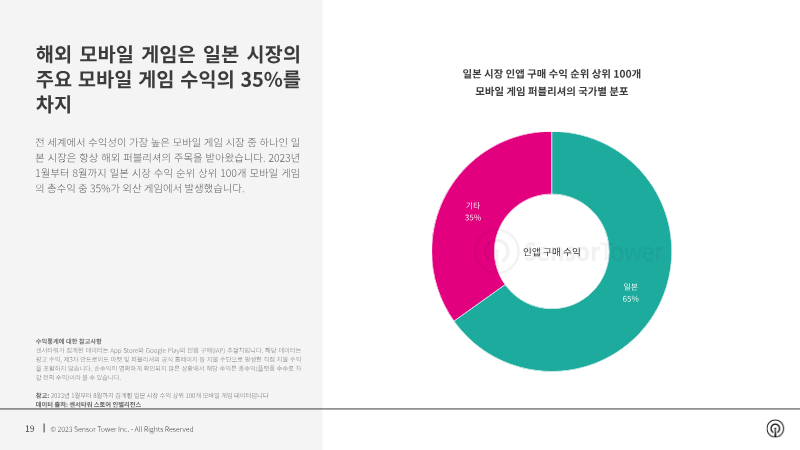
you know the games are sold at that games are so scaled right now I'm sure that they have some kind of collaboration partner for the UA side of things but it looks to me like most of the activities are controlled by play weeks themselves and what they did is they left the foreign content foreign so there's nothing not even you know a pixel that has been you know a change photo of other Japanese market except for the translation of the text of course and they're very very successful with it you know these guys these guys are charting with garden escapes with home escapes and you know with that with that with that kind of series of Japanese of their of their IP that they are sitting on and I think I think what they did very well is they understood that they actually bring in something new to the table right so of the the games like that have not really existed in the Japanese market believe it or not I'm just like no Nettie's brought Battle Royale to to the Japanese audience a play weeks brought that kind of like
that kind of like hybrid gains to the Japanese market and you know the graphics are still foreign but not not too far away from the Japanese taste so they kind of like found a sweet spot in terms of genre fit fitting the genre and fitting the graphics and fitting the gameplay into these into these into that kind of into that kind of Japanese a you know user base that we have here very very clever very clever company at least when it comes to the Japanese market ya know it's interesting cuz I think one of my hypotheses you know for you know it was just similar thing in Korea where you see you know every all the games fall the same sort of you know genre strategy is that you know I think people feel like they have to fit within those that sort of you know RPG wherever it is but there actually is more of an appetite for some of these other types of gameplay experiences and that's where I think the foreign companies have an opportunity right because they can take those that they're doing different Safin and can can take those risks so
you know we're coming getting getting towards the end here but I've you know we talked about Nettie's and knives out would love to hear I mean I think two questions one is what is what you know why is that working and also if I can interject one question and do they have a local office in Japan to service knives out yeah so Nettie is like why is that you know what are they doing to make that work so well yes so it's a couple of things there but they do have an office I mean it's as you know it's a huge publicly traded company in China for them it's not a big deal you know to open an office and you know hire some people locally it's not really it's just like it drop in the ocean for them from a cost perspective and but you know our knives out was not their first game in Japan so one point is to Josh's justice Josh question is that they had experience in the Japanese market before launching knives out not too much but
you know they've been operating games for I know for awhile here in Japan before that game came out the second point is timing you know you know knives out was the first battle royale game on mobile that launched here here in Japan before fortnight before pop G came and before any of them now there are there's a whole pool of them and so it was you know they experienced the initial like limited but still some experience running running games launching and running games in Japan the timing and as a third the quality of the game it's actually very well made a battle royale game it's not my personal favorite my personal favorite is fortnight and apex legends on console just as a side note but it's it's a very well-done battle royale game optimized optimized for mobile phones and I believe that Nettie's understood you know they applied common sense they understood they launched the game it caught on and then because Neddy's is a Chinese company they operated with China speed
not with Japan speed but with china speed and they just threw money at the problem right they just launched a launch the game they saw it's working they saw rising in the top-grossing rankings in Japan what they did was they you know what they have super aggressively marketed the game so there's TV commercial campaigns you know of course the typical UA channels on the online and what they also did is they are brought marketing offline right so they had a very Japanese approach so the game is Chinese but the UA is totally Japanese very aggressive TV again TV commercials to give you one example we had an offline that an offline event for fans of the game where I think a couple of hundred people came in the US people would say you know this is not scalable why are you even doing this you know like you know you rent a hall and you know you invite 200 fans of the game they play games - or with each other and you know what's even the point in Japan you know this is called fanservice right so of that they did that they invited people you know people from the media and people from the media that started
covering the game and very very Japanese a kind of like marketing or marketing games and they've been doing that for quite a while now and I think that I think that you know I think they basically operated I think that the operated and are still operating the game just like a local just like a local game studio just a very very well made you know effort from from Nettie's for that game got it and so it's see my sense is that the opportunity for when we talk about foreign companies there's a pretty strong opportunity for foreign if you were companies in Asia so especially Korea and China you know there's we were looking at the top grossing charts there's you know a few titles in there there's you know six waves that brought over a you know Chinese game it's not pretty well so can you talk a little bit about like kind of what's happening there is the content just more relevant you mean obviously we you know people think of Asia and if you
don't know enough you sort of assume you know oh it's one you know market but the reality is like between the countries a lot of themes are very very different but does it have more potential from the theme side are they just executing better the games you know resonate better with you know what is it why is that opportunity greater I think from the Korean Chinese companies and how they've been able to sort of make inroads where the Western Western developers haven't right right I think that you know if you look at if you think about the jjan market there is no Asian market right I mean I know Josh you know that but and I know I think that a lot of also the listeners know that but but I think that Japan China Korea are very very different from each other and then there's also the Southeast Asia bucket and even in Southeast Asia you know it's not really all the same Vietnam Philippines you know and you know all of these countries they are not really you know the same kind of gaming market there's a lot of differences between even even that inside that part of the of the region I think that the answer to your question is that you know these these game these studios that are coming
from these countries are operated by people and that are culturally historically geographically also from a business perspective they're closer to the Japanese market right so they know you know I think that there's a certain understanding that the understanding of the Japanese culture is a stronger for a you know random Chinese person or somebody from Hong Kong or from Korea they know Japan just better than you know a Western Western person would just because of the reasons that I mentioned another point is I think that if you look at the the way that you know Chinese and Korean games are presented you know of the graphics and you know game mechanics also very RPG heavy for example it's just closer to the to the typical Japanese experience and if I may add this very quickly because I think it's important you know the monetization is also a lot closer to what we have here here here in in Japan we talked
briefly about the gotcha you know I would say that a lot of Chinese games and Korean korean-made games have gotcha as the main monetization mechanic and that just works in Japan in Japan I would say that the discussion is flipped on on on its head so in the West you know people are thinking that you know gotcha as from a user perspective you know users are thinking that it's a predatory kind of mechanics in some cases not not every IP user thinks that but it's a unfair it's like you're too much like gambling etc etc here in Japan I would make the case that people expect gotcha in their mobile games and this is something that are that Chinese and green against our our you know implementing right and you know they just export that monetization together with the games to the to the Japanese market and again I believe that it's it's a mix between you know understanding of the Japanese market better and closer monetization mechanics game mechanics genres are closer imagery
is closer it's more similar and I think that they do have a certain advantage when it comes to these points got it okay so last question here before you wrap up you know we talked about you know foreign companies coming into Japan we've talked about the you know local companies focusing on local users so what about you know the Japanese publishers focuses you know out of market you know we talked about DNA and greed and how that was a whole sort of fiasco but you know were things that now are they is there any sort of efforts to sort of you know focus internationally and you know what our what our companies doing my sense is that not not a lot but I'd love to hear from you what where things are at and what you're seeing yeah so as I mentioned earlier I think that one big point is that you know they're taking the international internationalization efforts back into the into the HQ here a year in Japan I
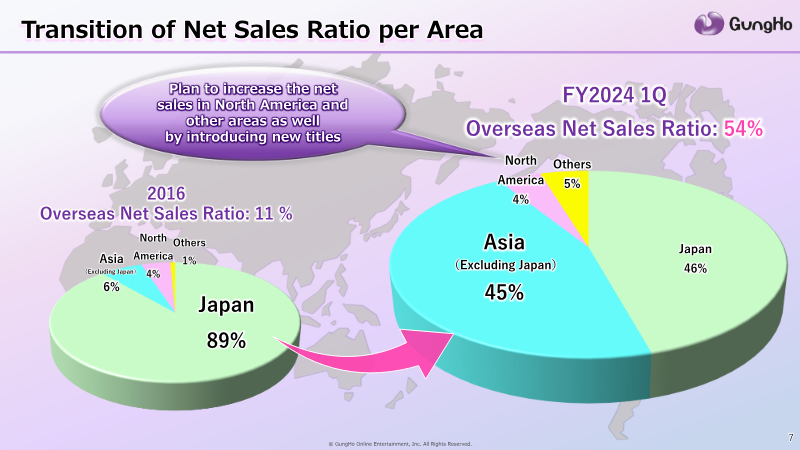
think that a lot of the game companies have done that over the last couple of years the second big point to your question is that the internal the international internationalization efforts have been scaled back so just because you know bring you bring back the Internet internationalization efforts to your home base doesn't mean that you know the the level of internationalization goes down but I think it did over the last over the last couple of years so you have a lot less titles and a lot less work you know that is being invested into bringing games in into bringing games outside of Japan and as a third point you know which a little bit contradicts to what I just said but only to some extent is that the internationalization recent years have has has been focused on Asia so you now have a lot more game companies here in Japan that are focusing on Korea and on China and some of the some of the Southeast Asia markets at the expense of at expense of the west and increasingly if I may add this quickly
India's getting into into focus for a lot of game developers so Square Enix SEO just recently said I think just last week is that that he sees he identified internally at Square Enix they identified you know India as the next big frontier for for growth for the mobile and maybe even further or for their PC and console games interesting JK any questions before we do the final the final word here no sounds great awesome alright so sir can you know obviously we've we've talked about a lot of different stuff you know for our listeners what are kind of that's what are the top three takeaways that you think you know people should take away that I need to understand about the Japanese gaming market if it can only take away three things what would you make sure people people remember if you allow me to say say it maybe in one sentence you know it's I think it's Japan is a very competitive market but I
think that if you do it as a Western developer if you do it in a clever way there are still opportunities here and in the Japanese market as exemplified by companies like play weeks for example or you know or you know other companies like a peak from Turkey you know which is also doing a pretty good job in in in operating their big game tune blasts here on the Japanese market so it's not impossible got it awesome thank you so much for for joining us yeah thank you so much for your time sir Khan definitely welcome Thank You Elsa thank you guys all right right bye
Summary
The Japanese gaming market, valued at approximately $13 to $15 billion, remains a distinct and highly lucrative ecosystem dominated by mobile platforms, which account for roughly 70% of total revenue. Despite a shrinking and aging domestic population that has led to stagnant growth, the market maintains high average revenue per user. The landscape is characterized by a top-heavy structure where legacy titles like Monster Strike and Puzzle & Dragons retain long-term dominance. This stability creates significant barriers to entry, as rising production costs for AAA mobile titles often exceed $10 million, necessitating expensive traditional marketing campaigns that favor established, publicly traded firms over smaller studios.
Japanese developers are currently navigating a second wave of internationalization, shifting away from aggressive, high-cost acquisitions toward more sustainable global expansion. Domestically, the industry remains deeply rooted in gacha-based RPGs and character-collection mechanics, which provide essential escapism for local players. However, this reliance on traditional genres has fostered a conservative corporate culture, creating a strategic opening for international competitors. Companies from China and Korea, such as NetEase, have successfully captured market share by introducing innovative genres like Battle Royale and leveraging cultural proximity to align with local player expectations.
Success in Japan requires a sophisticated approach, as the market is notoriously difficult for Western developers to penetrate. Rather than attempting to "Japanize" foreign content, which often fails to resonate with a discerning local audience, developers are encouraged to focus on lean operations and efficient user acquisition. While Nintendo continues to prioritize its console business over mobile, and other major publishers struggle with inconsistent performance, the broader industry is pivoting its international focus toward emerging markets in Asia and India. Ultimately, the Japanese sector remains a high-stakes environment where long-term success depends on balancing traditional monetization models with the agility to adapt to shifting global trends.