Mobile reports and market data
Documents

Store Intelligence Data Digest: Q4 2023
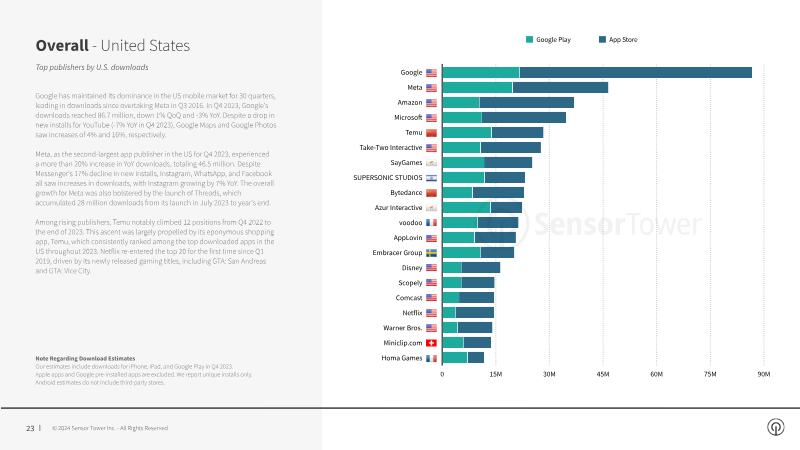
Sensor Tower's Insights team compiled this Q4 2023 Store Intelligence digest, covering App Store and Google Play download estimates for October 1 through December 31, 2023.
- Total downloads across both stores were 33.4 billion in Q4 2023, down 6% year-over-year.
- TikTok took the No. 1 position in worldwide app downloads in Q4 2023, with downloads up 8% YoY.
- In Q4 2023, Garena Free Fire retained the top globally downloaded game position with over 56 million new installs, up 14% YoY.
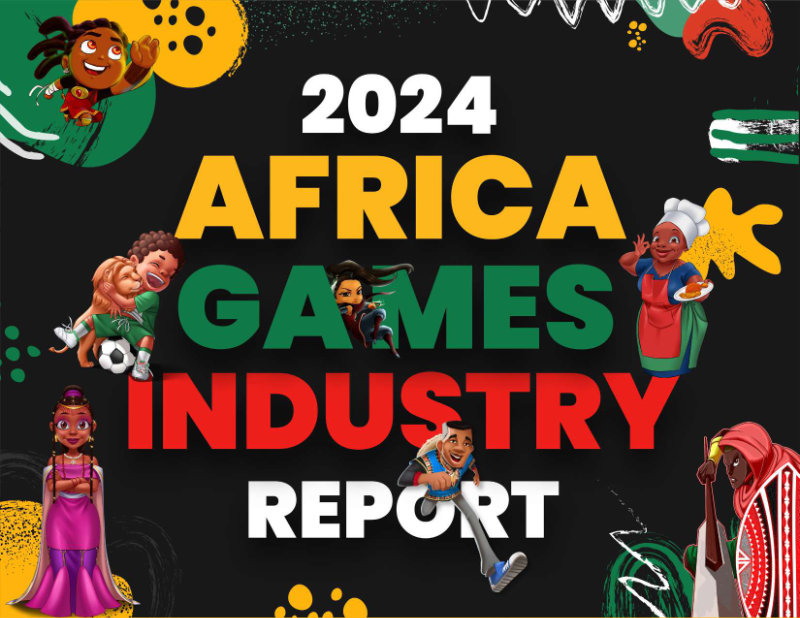
Africa Games Industry Report
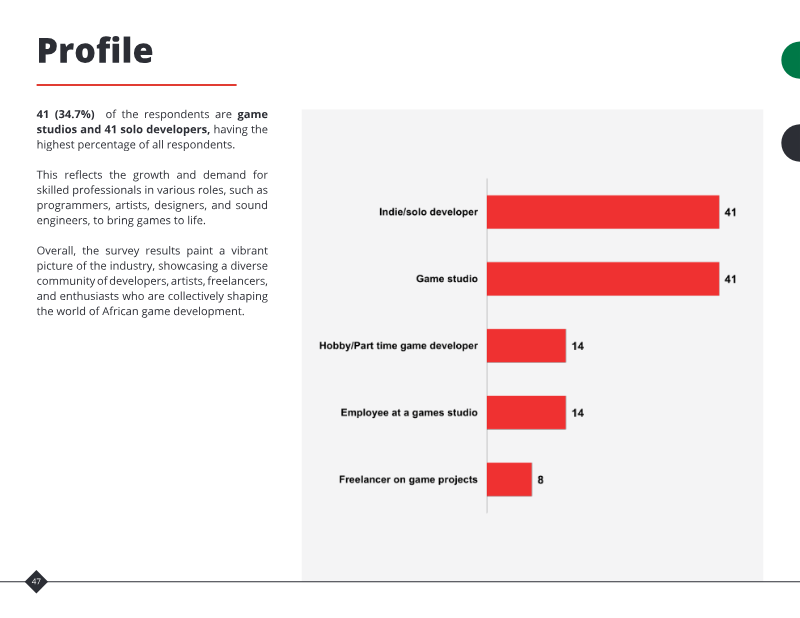
The document is the Africa Games Industry Report, published by Maliyo Games, a Lagos-based studio, and based on an online questionnaire, the Africa Games Developer Survey, conducted April to May 2023 and analysed in Q3 2023.
- Sub-Saharan Africa's mobile games revenue was US$778.6 million in 2022, almost 90% of all games revenue in the region.
- Of the approximately 186 million Sub-Saharan African gamers, 177 million (95%) use mobile devices, and 34% pay for games.
- Only 28 respondents (36%) said they earned income from game development, suggesting the industry still consists mainly of hobbyists dependent on other income.
Q1 2024 Digital Market Index
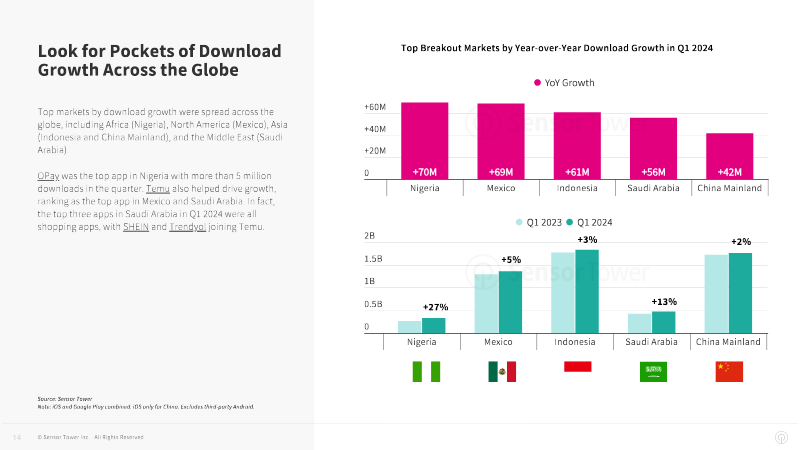
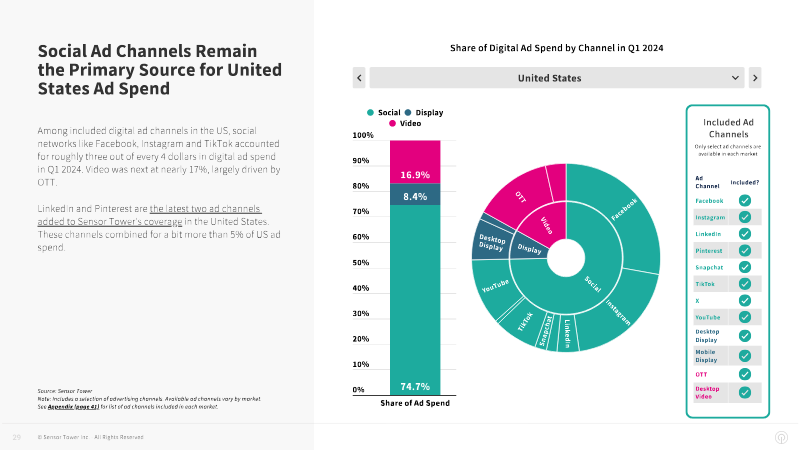
Sensor Tower's Q1 2024 Digital Market Index covers mobile app and digital advertising data for the period January 1, 2024 through March 31, 2024.
- Global consumer spend across iOS and Google Play surpassed 35 billion dollars in a quarter for the first time in Q1 2024, up 9.5% year-over-year.
- Worldwide app downloads fell 3.5% in Q1 2024, the third straight year of first-quarter declines since their peak in Q1 2021.
- The United States was the top market for consumer spend with 12.4 billion dollars in Q1 2024, and it contributed more than 1.7 billion dollars of the consumer spend growth compared to Q1 2023.

Mobile App Trends 2024: Japan Edition
Adjust, in collaboration with Sensor Tower, analyzed mobile app installs, sessions, and pre- and post-install engagement across Japan for 2022, 2023, and Q1 2024.
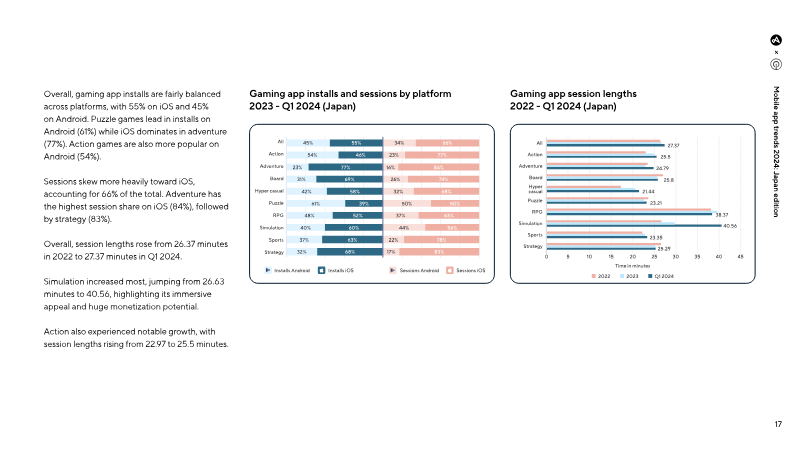
- Gaming app installs in Japan rose 18% in Q1 2024 compared with Q4 2023, which the document describes as a strong start to 2024.
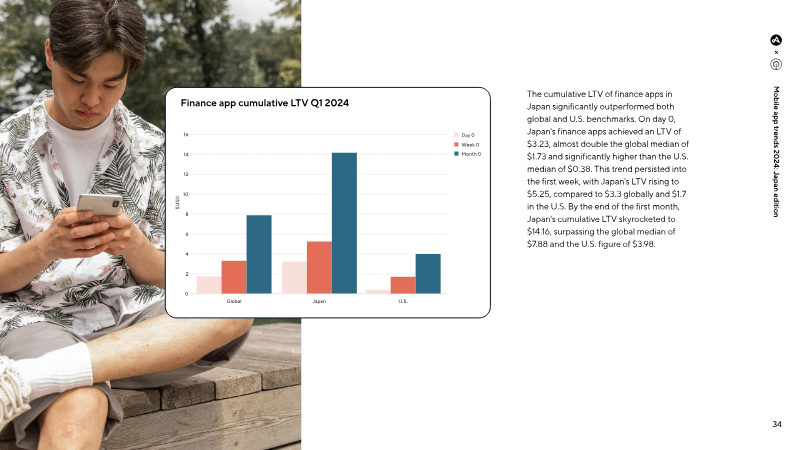
- Japan's finance app consumer spending grew 39% year over year in 2023 and jumped 53% in Q1 2024.
- Japan's overall ATT opt-in rate rose from 23% to 24% year over year, with mobile gaming highest at 30% in Q1 2024.


Marketing Insights into Global Casual & Puzzle Games for Q1 2024
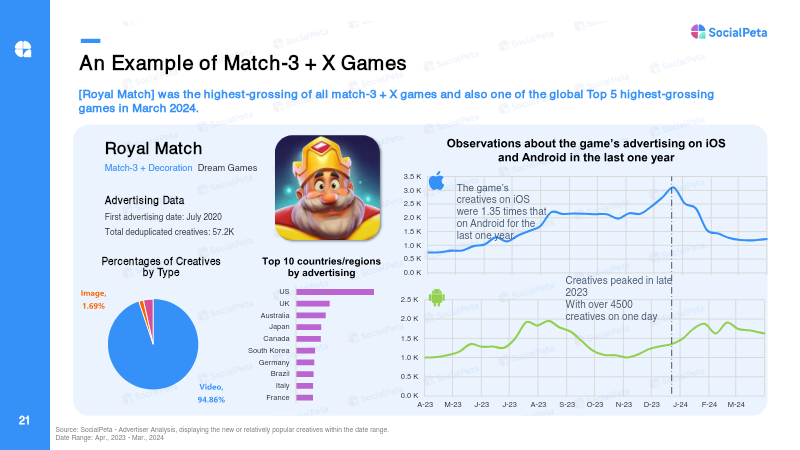
SocialPeta, an advertising intelligence provider, published a Q1 2024 report on global mobile game advertising, covering January to March 2024.
- Monthly active advertisers in Q1 2024 reached 51.3K, up 28.9% year over year, while monthly creatives fell 18.0% year over year to 109.
- Casual games accounted for 36.62% of advertisers in Q1 2024, the largest share by genre, while puzzle games held 13.12%.
- In Q1 2024, puzzle games reported a 2.10% year-over-year increase in their share of advertisers.

The True Cost of Building a Mobile Game Backend
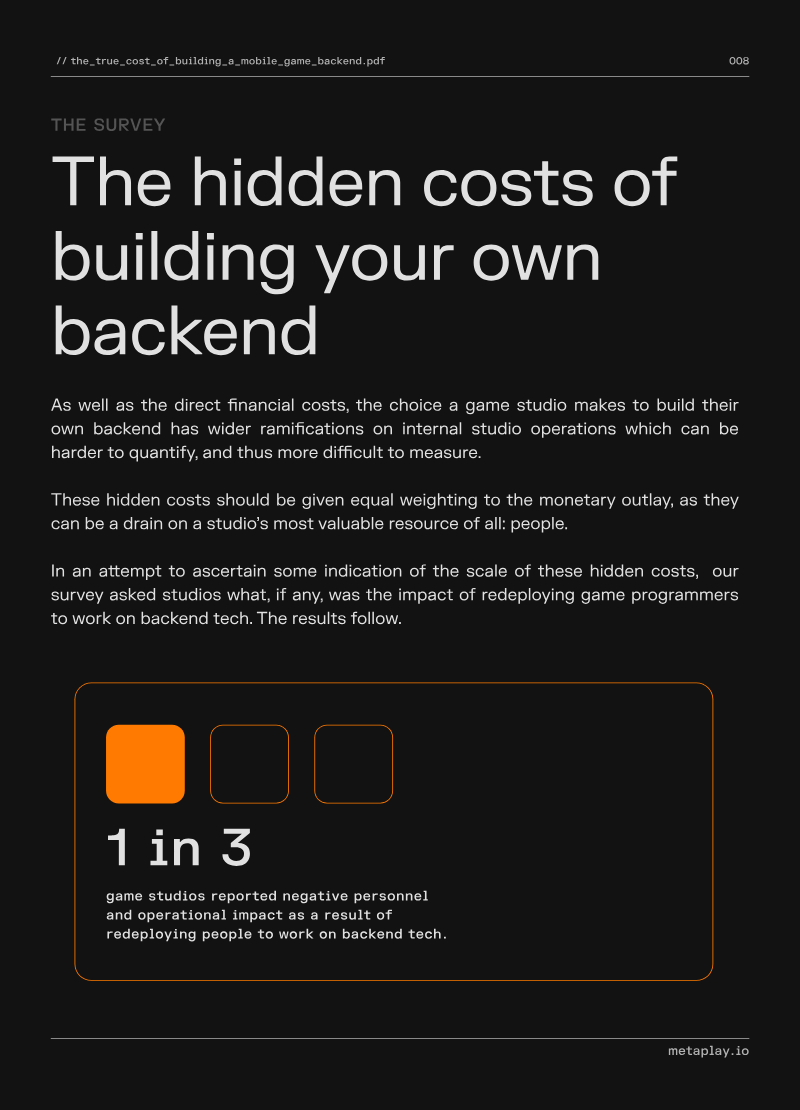
Metaplay's research quantifies what it costs large US mobile game studios to build backend technology in-house, arguing that backend tooling is following the path of third-party game engines and should increasingly be bought rather than built.
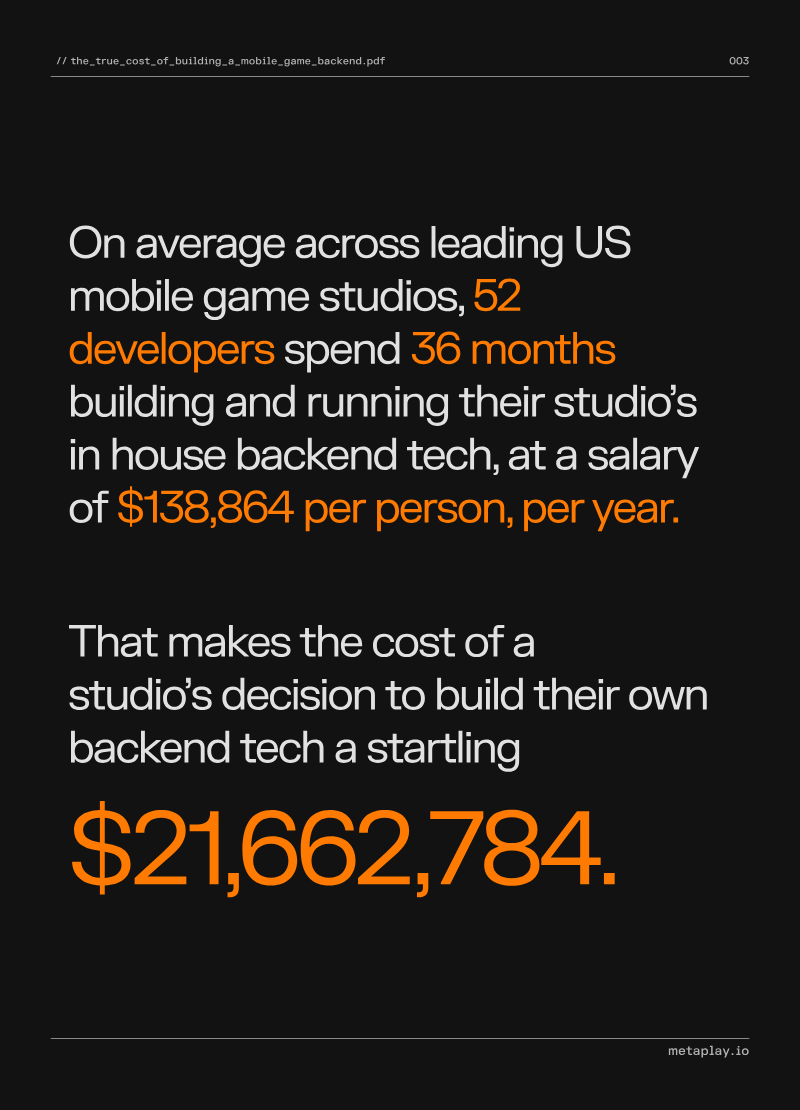
- Building an in-house mobile game backend costs an average of $21.6 million, requiring 52 developers working over a 36-month period.
- Diverting gameplay programmers to backend infrastructure tasks slows overall development velocity for 50% of surveyed studios.
- Internal backend development contributes to negative organizational outcomes, including increased employee turnover, higher rates of crunch, and direct revenue loss for 20% of studios.


Turning Organic Success into Long-Term Revenue: A Framework for F2P Mobile Games
A practical framework from SuperScale, a game management and publishing partner, explains how free-to-play mobile developers can convert early organic traction into sustained revenue.
- Developers should treat monetization and user acquisition as iterative, scientific processes, using predictive modeling to forecast ROAS up to one year in advance to ensure profitability.
- Implementing a hybrid ad mediation setup that combines real-time bidding with manual waterfalls can yield an immediate 10% to 20% uplift in ARPDAU.
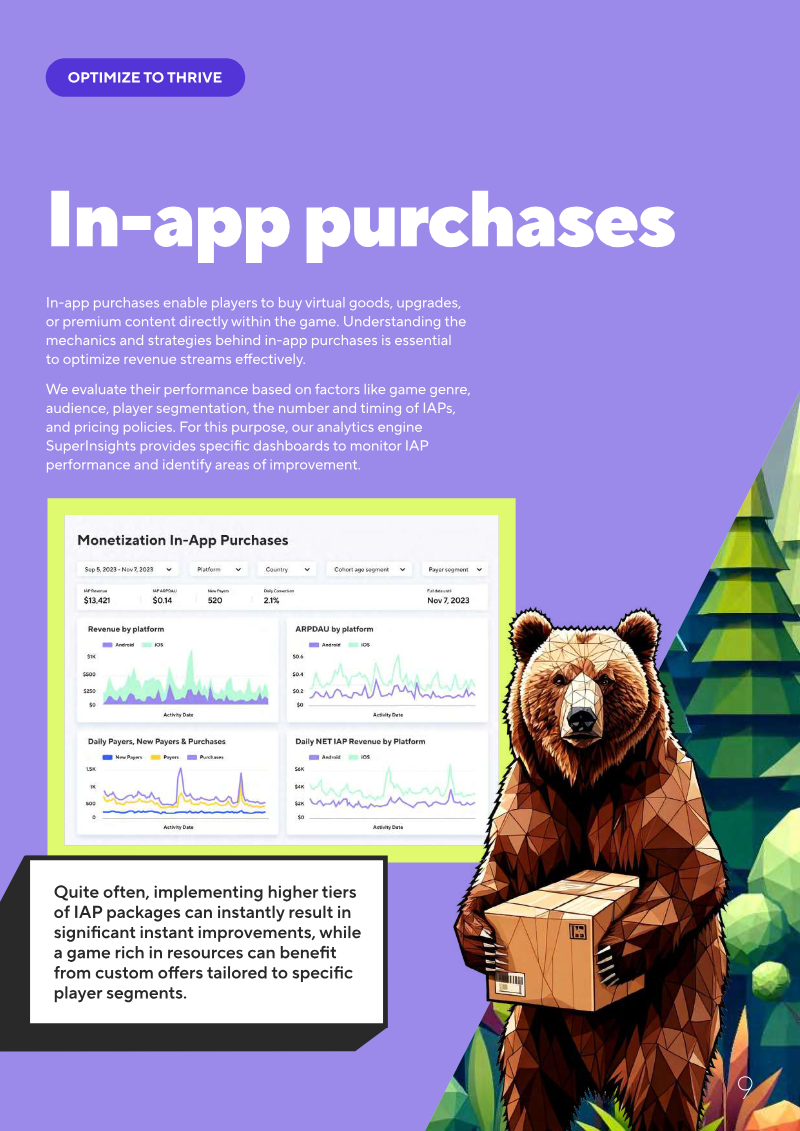
- Personalized, segmented in-app purchase offers can increase player spending by up to 23%, while regional pricing adjustments in lower-purchasing-power markets can boost ARPDAU by as much as 30%.


State of Play: Spring Edition
The document is the Spring 2024 edition of "The Xsolla Report: The State of Play," a game-industry report from Xsolla, a global video game commerce company.
- Nearly 1.9 billion gamers, or 40%, play on mobile devices, with mobile gaming's 2023 revenue of $89 billion expected to reach $118 billion by 2027.
- In 2023, mobile games held a 49% share of the worldwide games market, compared with 29% for console and 21% for PC games.
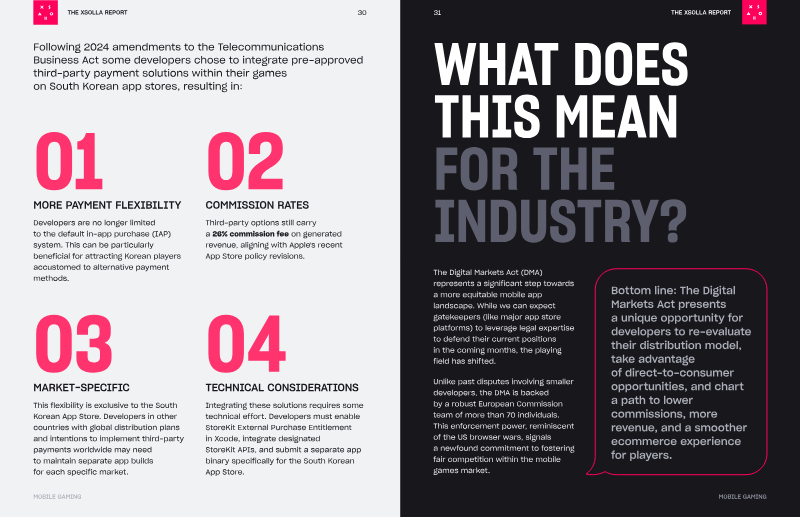
- The Digital Markets Act was implemented in May 2023, and the report says it is pressuring Apple and Google to loosen their control over in-app purchases.
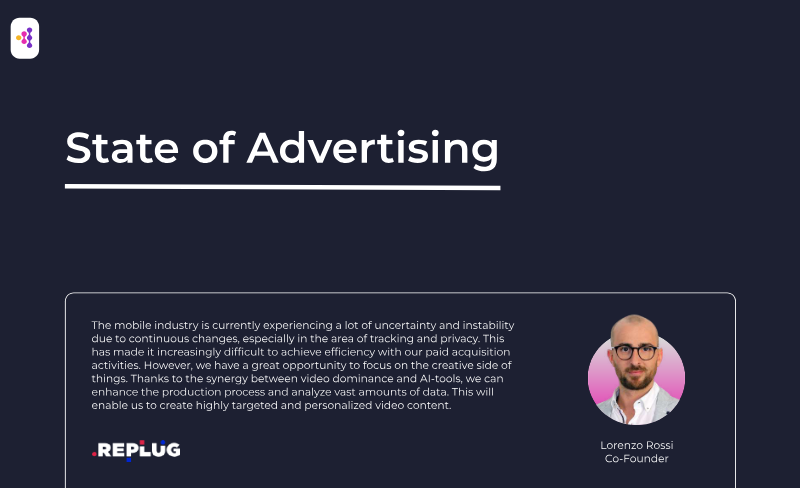
State of the Market 2023: An Annual Analysis of App Market and Advertising Activities
Apptica's "State of the Market 2023" analyses app market and advertising activity in 2023, using data from its Store, Ad and Market Intelligence sections.
- Overall downloads declined 3.6% year on year across the market to over 193B, while Android accounted for 84% of installs worldwide.
- US, China and Japan kept the first three revenue positions for both platforms combined, covering 58% of total spend, while total market revenue fell 1% year on year.
- Gaming led advertising traffic with more than 78.6% on App Store and 52.5% on Google Play.

Mobile Gaming OG Eric Futoran: (Scopely) War stories, Algorithm Manipulation, Growth strategies, ANR
The mobile gaming industry has evolved from the early days of Facebook canvas development into a highly sophisticated ecosystem defined by aggressive user acquisition, data-driven monetization, and complex intellectual property management.
- Mobile game success requires treating technical performance and ad-tech integration as core business pillars rather than secondary development concerns.
- Developers must aggressively manage third-party ad SDKs to prevent App Not Responding (ANR) errors, as these technical failures directly degrade store rankings and long-term viability.
- Growth strategies rely on 'pegging' store algorithms by front-loading marketing spend and utilizing high-quality creative assets to trigger organic discovery.

Unpacking New Consent Rules on Mobile from Google: CMP, TCF
As of February 2024, mobile publishers operating within the European Economic Area and the United Kingdom must integrate a Transparency and Consent Framework 2.2 compliant Consent Management Platform to maintain ad revenue through Google.
- As of February 2024, mobile publishers in the EEA and UK must use a TCF 2.2-compliant Consent Management Platform (CMP) to continue generating ad revenue through Google.
- Simple binary consent mechanisms are no longer sufficient, as the new mandate requires certified platforms capable of generating granular consent strings.
- Mobile developers must choose between Google’s free native consent tool and paid third-party solutions, which offer advanced features like A/B testing and customization to improve opt-in rates.
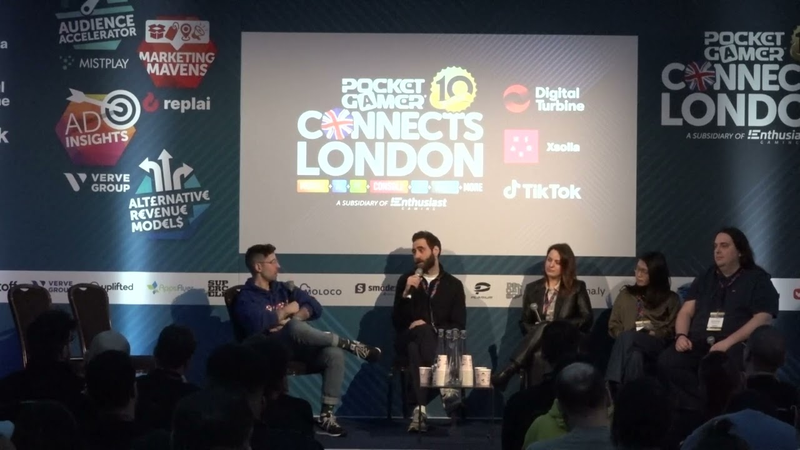
Panel: The Mobile Marketing Survival Guide: How to Navigate new Industry Trends.
Mobile marketing success in the current landscape depends on a sophisticated synthesis of cultural localization, AI-driven automation, and rigorous creative testing.
- Creative strategy is the primary driver of user acquisition, requiring strong storytelling and compelling hooks within the first three seconds of an advertisement.
- Global scaling requires moving beyond generic assets to prioritize localized content, regional influencer partnerships, and high levels of linguistic and cultural accuracy.
- Developers must shift from short-term metrics to long-term retention by aligning product development directly with marketing efforts to create player-centric experiences.
Writers
Games and companies
Games