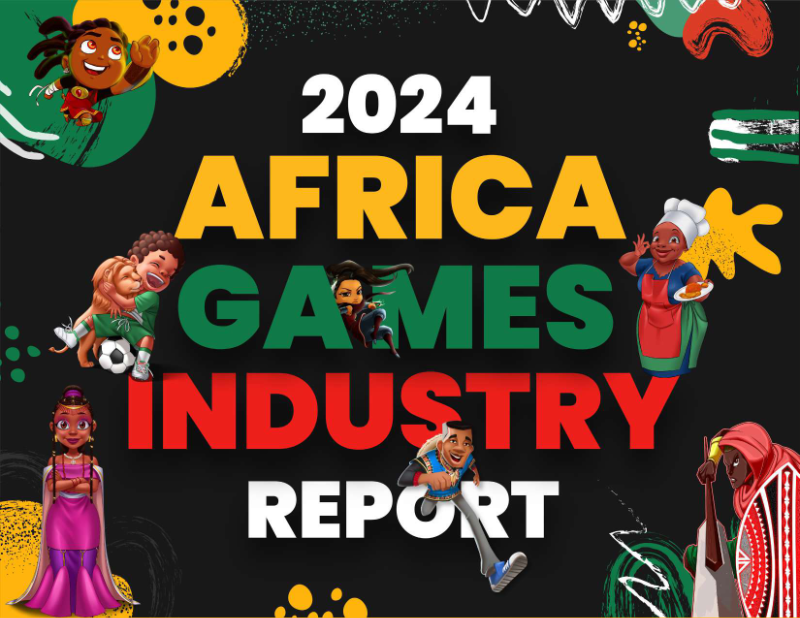
The African video games industry represents a rapidly expanding mobile-first frontier, characterized by a player population that surged from 77 million in 2015 to 186 million in 2021. With annual revenues projected to surpass $1 billion by 2024, the continent is positioning itself to replicate the success of other emerging markets like Brazil and India. Growth is currently concentrated in regional hubs across South Africa, Nigeria, Ghana, and Kenya, where a young demographic is increasingly integrating local cultural themes into digital entertainment. This evolution is supported by a complex value chain where mobile gaming accounts for the vast majority of engagement, mirroring global trends where mobile platforms generate over $92 billion in annual revenue.
Despite this potential, the ecosystem remains in a nascent stage, with 63% of studios operating for five years or less and 59% of developers never having secured external investment. While high-profile deals such as Carry1st’s $27 million funding round and GBarena’s $15 million acquisition of Galactech signal growing investor confidence, the broader market is still dominated by hobbyists. Only 36% of developers currently earn a living from their work, and over half of those rely exclusively on domestic revenue. Technical development is heavily centralized around the Unity engine, which is utilized by 64% of the market, reflecting the industry's focus on accessible mobile content.
Significant structural barriers continue to impede the transition from a hobbyist community to a professionalized global competitor. Infrastructure deficits are the primary concern, with 60% of industry participants citing poor power supply and high internet costs as critical obstacles. Furthermore, government support is nearly non-existent, currently reaching only 3% of the sector. To achieve sustainable maturity, the industry requires a coordinated effort to stabilize infrastructure, formalize talent pipelines, and attract informed investors who understand the unique dynamics of the African market. Addressing these catalysts is essential for transforming local creative potential into a robust, revenue-generating economic sector.

Games Industry Africa · 2026

Games Industry Africa · 2026

Games Industry Africa · 2026

Games Industry Africa · 2026
Games Industry Africa · 2026

Games Industry Africa · 2026
Games Industry Africa · 2026

Games Industry Africa · 2026

Games Industry Africa · 2026
Games Industry Africa · 2026

Games Industry Africa · 2026

Games Industry Africa · 2026

GeoPoll
InvestGame · 2026

Niko Partners · 2026
Bryter · 2026
Newzoo · 2025
AppFigures · 2025
Newzoo · 2025
Pangle · 2025
Gaming in Turkey · 2024

The Game Hub Senegal · 2024

Sensor Tower · 2022

GameRefinery · 2022