Mergers & Acquisitions reports and market data
Documents
Fireside Chat: Growing your business through consolidation – The Stillfront Group story
Stillfront Group operates as a gaming conglomerate focused on acquiring and scaling independent game studios through a decentralized model.
- Stillfront Group utilizes a decentralized acquisition model to scale independent studios by providing centralized access to capital, cross-platform expertise, and a collective user base of approximately 500 million registered users.
- Investment decisions are governed by a strict performance marketing model that mandates all user acquisition spending must be recouped within a 180-day window.
- The group targets profitable, long-lived products and experienced management teams rather than distressed assets, focusing on a portfolio that currently exceeds 30 products.

THQ Nordic AB Acquires Bugbear Entertainment: Investor Presentation
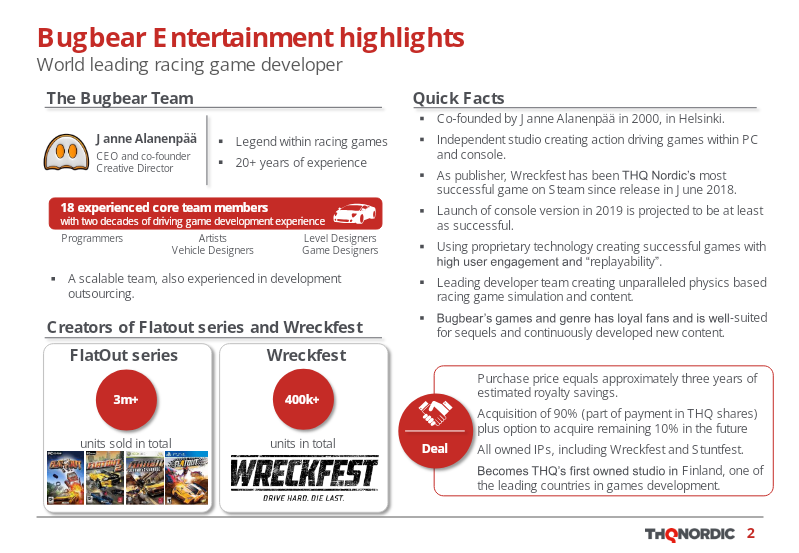
THQ Nordic AB expanded its global development footprint in November 2018 by acquiring a 90% stake in Helsinki-based Bugbear Entertainment, with an option to purchase the remaining 10% in the future.
- THQ Nordic acquired a 90% stake in Helsinki-based Bugbear Entertainment in November 2018, with an option to purchase the remaining 10%.
- The acquisition grants THQ Nordic full ownership of Bugbear’s intellectual property, specifically the Wreckfest and Stuntfest franchises.
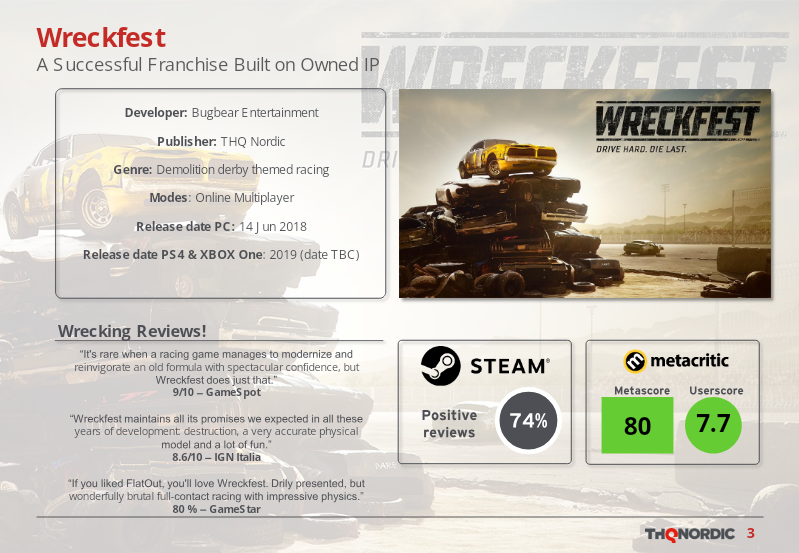
- Wreckfest, which sold over 400,000 units on Steam following its June 2018 release, serves as the primary driver for the acquisition due to its strong commercial performance.
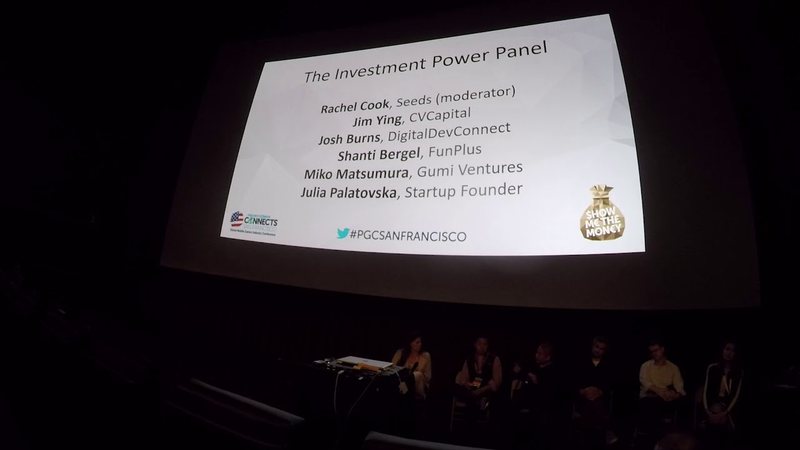
The games industry investment power panel
The modern gaming investment landscape is defined by a strategic tension between traditional venture capital models and the experimental integration of blockchain technology.
- The games industry is shifting toward 'crypto-fueled' platforms where tokens act as the connective tissue across diverse gaming experiences, potentially replacing traditional user-base-centric distribution models.
- Blockchain technology offers a solution to international payment friction, enabling developers to create low-cost referral networks by issuing micro-payments to streamers and influencers globally.
- Decentralization in gaming aims to block 'economic free-riders' who extract value from communities, instead incentivizing users to contribute to a self-inflating, value-driven network.
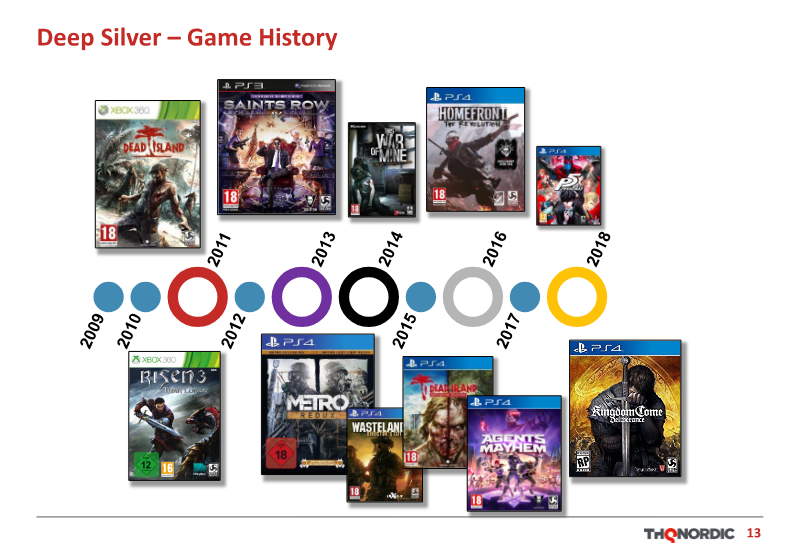


Capital Markets Day 2018
THQ Nordic’s 2018 growth strategy centers on a dual-track approach of aggressive mergers and acquisitions paired with a disciplined asset care model.
- THQ Nordic is executing a dual-track growth strategy centered on aggressive M&A and the revitalization of existing AAA intellectual properties like Darksiders and Titan Quest.
- The acquisition of Koch Media provides the company with a critical infrastructure for distribution, marketing, and logistics across the European market.
- The company is managing a robust development pipeline of 54 projects, supported by data-driven UX research and integrated studio operations.
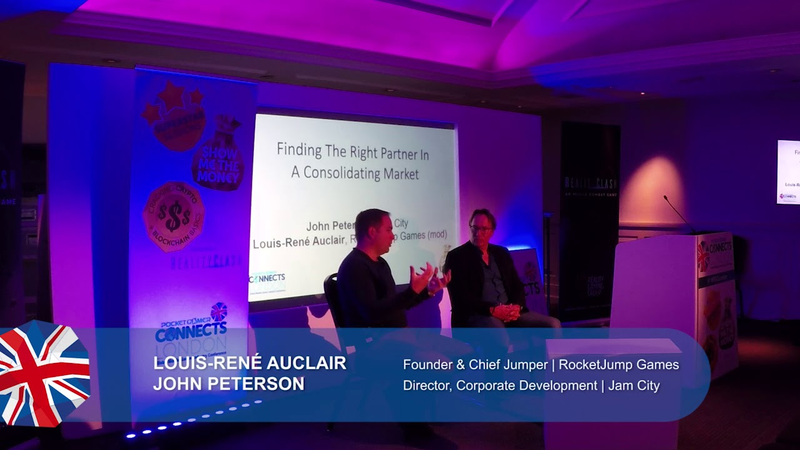
Finding the right partner in a consolidating market
The corporate development strategy at Jam City centers on leveraging mergers and acquisitions to drive long-term growth and diversification within the mobile gaming industry.
- Jam City’s corporate development strategy prioritizes M&A over organic growth to scale its casual and mid-core mobile gaming portfolio.
- The company targets studios with proven track records or high-potential soft-launch projects, providing them with centralized operational support, infrastructure, and machine learning capabilities.
- Acquisition targets are strictly limited to mobile-only titles in North America, Europe, and South America, with an explicit exclusion of PC, VR, and AR gaming sectors.
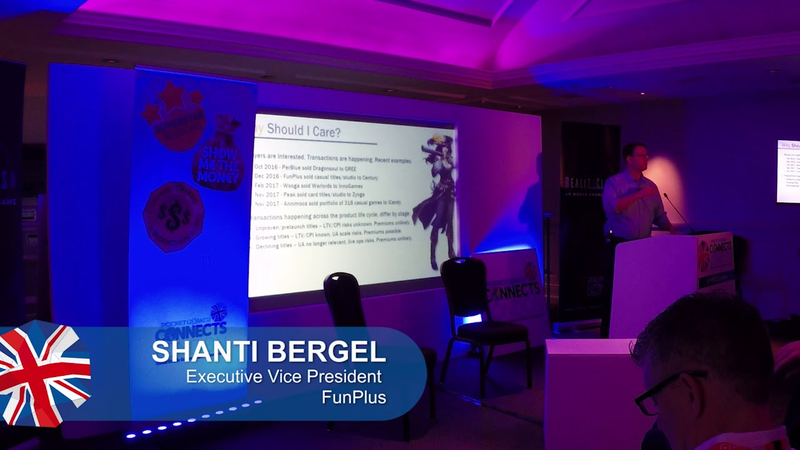
Selling live games – A new strategic option for studios
Selling live games as standalone assets has emerged as a viable strategic alternative to traditional company-wide mergers and acquisitions.
- Selling individual live games as standalone assets provides an alternative to full-company M&A, allowing studios to generate immediate liquidity without equity dilution or loss of corporate autonomy.
- For growing titles, asset sales enable developers to monetize proven performance and reallocate capital toward new projects, while for mature or declining titles, sales to specialized operators prevent shutdowns and offload non-core operational burdens.
- Buyers determine asset valuation by prioritizing revenue predictability, specifically scrutinizing historical performance, user acquisition metrics, and the consistency of LiveOps.
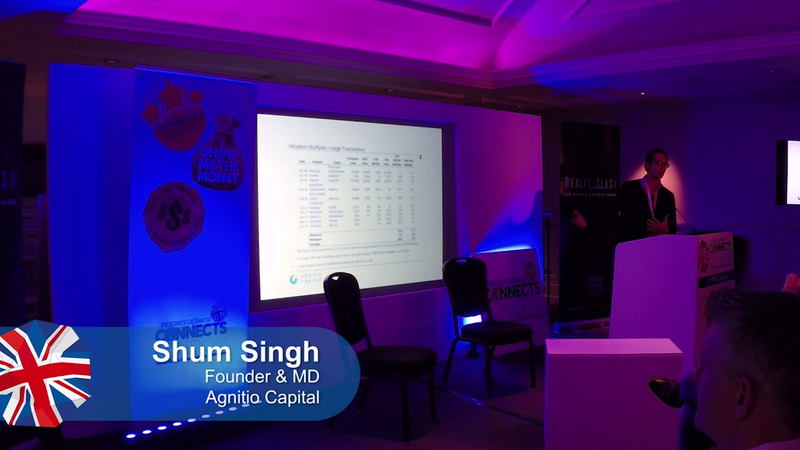
M&A in the games sector – 2017 recap and 2018 predictions
The gaming industry experienced a period of stabilization in 2017, following the record-breaking performance of 2016.
- The mobile gaming sector remains the primary driver of industry growth, consistently outpacing both PC and console segments.
- Publicly listed Nordic companies, including Stillfront, Paradox, and MTG, have emerged as aggressive acquirers of small-to-mid-sized studios, providing a new exit path for developers.
- Valuation multiples for large, mature companies are holding steady at approximately three times sales and eleven times EBITDA, typically executed via full cash payments.
Why V2 Games is investing in blockchain companies through the Future Fund
V2 Games has launched the Future Fund, a $10 million investment vehicle dedicated to supporting game studios and projects that represent the next evolution of the gaming industry.
- V2 Games has launched the $10 million Future Fund to invest in game studios and projects, with a primary strategic focus on integrating blockchain technology.
- The fund views blockchain as a fundamental infrastructure upgrade that replaces centralized databases with decentralized ledgers to enhance security and transaction transparency.
- A core investment thesis is the creation of non-fungible in-game assets, which provide players with verifiable proof of ownership that distinguishes items from mass-produced assets in traditional gaming.

THQ Nordic Company Presentation: September 2017
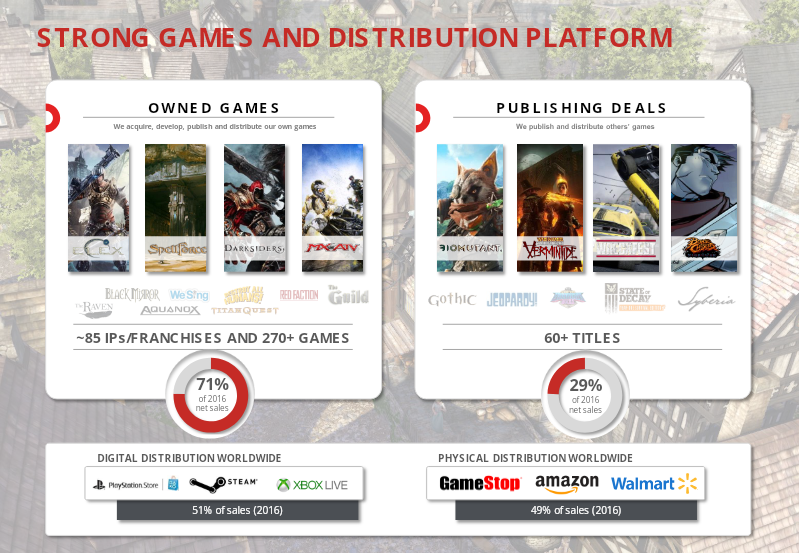
THQ Nordic operates as a global video game publisher and developer with a core business model centered on the acquisition of intellectual property (IP) and the subsequent enhancement of those assets.
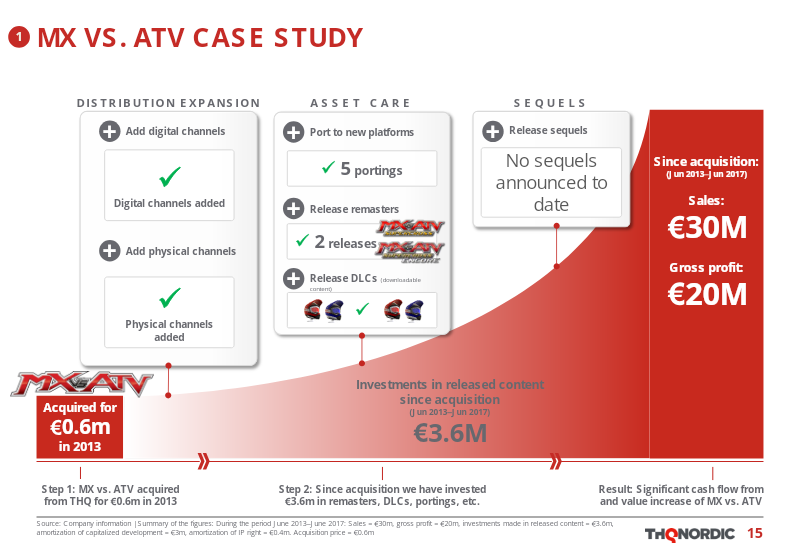
- THQ Nordic’s business model centers on acquiring and revitalizing intellectual property, managing a portfolio of approximately 85 franchises and over 270 games as of September 2017.
- The company experienced rapid financial growth in the first half of 2017, with net sales and EBIT more than doubling compared to the same period in 2016.
- Digital distribution has become the primary revenue driver, accounting for 69% of net sales by the second quarter of 2017.
Stillfront Group Q2 2017 Presentation
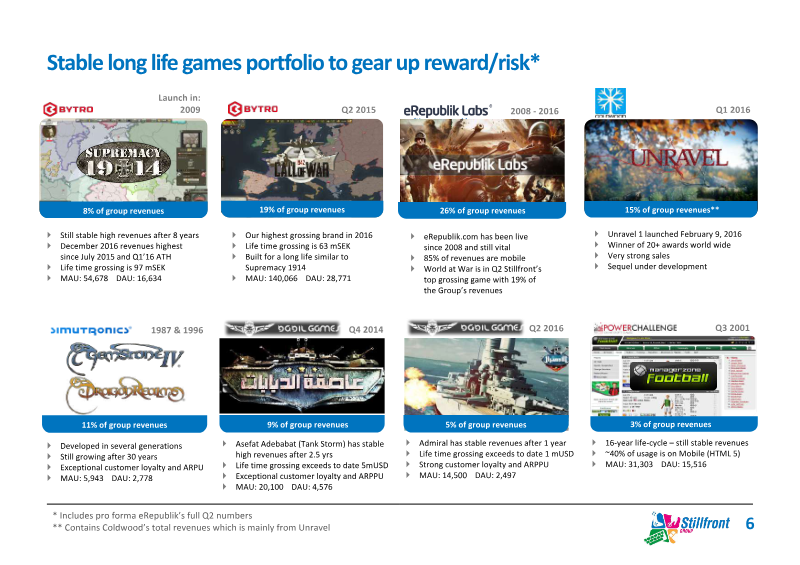
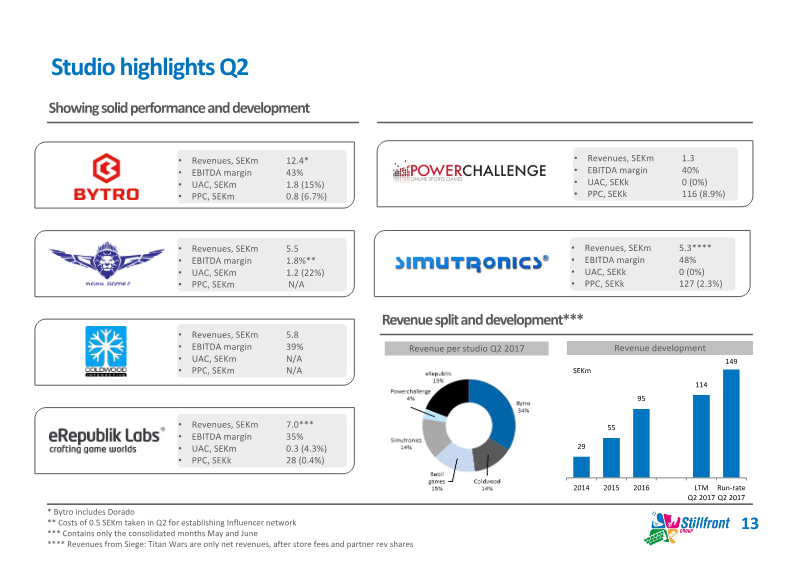
Stillfront Group, a developer and publisher of free-to-play strategy games, aims to become a leading group of independent studios by combining the agility of small indie developers with the stability of a professional public structure.
- Stillfront Group achieved 37.3 million SEK in net revenue for Q2 2017, marking a 24% increase over the previous quarter.
- The company maintains a rolling 12-month EBITDA of 31 million SEK, with operational profitability consistently between 25% and 35%.
- Mobile platforms now account for 46% of run-rate revenues, contributing to a 53% CAGR recorded between 2012 and 2016.
Games mergers and acquisitions market 2017 – Recap and predictions
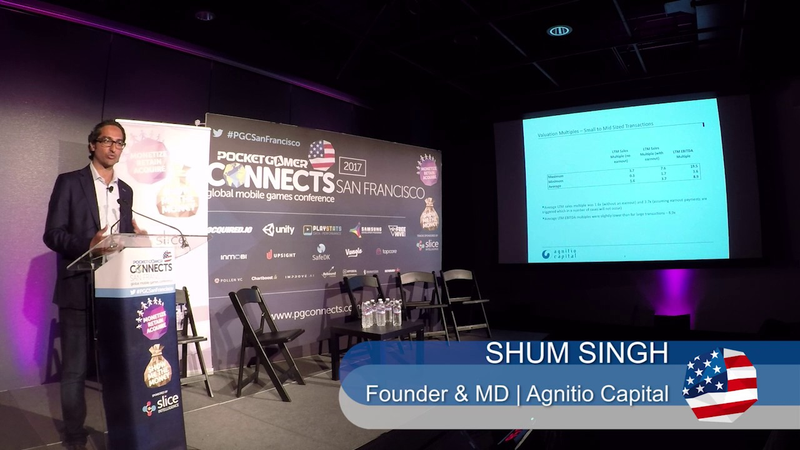
The games industry mergers and acquisitions (M&A) market experienced a record-breaking year in 2016, with $24.1 billion in announced transactions.
- The 2016 games M&A market reached a record $24.1 billion in announced transactions, with large-scale deals consistently accounting for over 80% of the total annual volume.
- Large public-market acquisitions currently command average valuation multiples of 3.2x revenue and 10.3x EBITDA.
- Smaller private studios typically receive lower upfront valuations of 1.6x revenue, though performance-based earn-outs can increase these multiples to 3.7x.
The current M&A market for games & predictions for 2017
The mergers and acquisitions landscape in the games industry experienced a record-breaking year in 2016, characterized by an unprecedented volume of mega-deals.
- The 2016 games industry M&A market reached a record $24.1 billion in disclosed deal value, nearly doubling the previous 2014 record of $12.5 billion.
- Four mega-deals, including Tencent’s acquisition of Supercell and Activision’s purchase of King, accounted for over 80% of the total 2016 market value.
- Market consolidation is being driven by a 'land grab' strategy where large publishers acquire studios to combat rising user acquisition costs and leverage live-ops capabilities.