1 free read left. Create a free account for unlimited reading + AI research.
Create free account
M&A in the games sector – 2017 recap and 2018 predictions
Key insights
7 takeaways- 01The mobile gaming sector remains the primary driver of industry growth, consistently outpacing both PC and console segments.
- 02Valuation multiples for large, mature companies are holding steady at approximately three times sales and eleven times EBITDA, typically executed via full cash payments.
- 03Smaller studio acquisitions frequently involve complex deal structures, characterized by significant earn-outs tied to future performance and profitability metrics.
- 04Publicly listed Nordic companies, including Stillfront, Paradox, and MTG, have emerged as aggressive acquirers of small-to-mid-sized studios, providing a new exit path for developers.
- 05High barriers to entry, driven by dominant players leveraging massive marketing budgets and cash reserves, have increased customer acquisition costs and crowded out smaller competitors.
- 06Successful acquisition candidates in 2018 must demonstrate a strong track record, proven profitability, and strategic value such as specific genre expertise or geographic expansion.
- 07Total deal value is expected to decline in 2018 as the market undergoes consolidation and the attrition of less profitable studios.
Ask AI about this video
Transcript
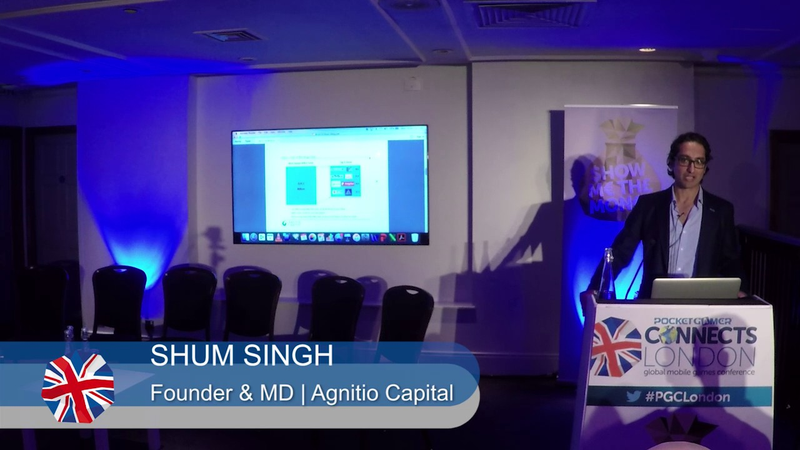
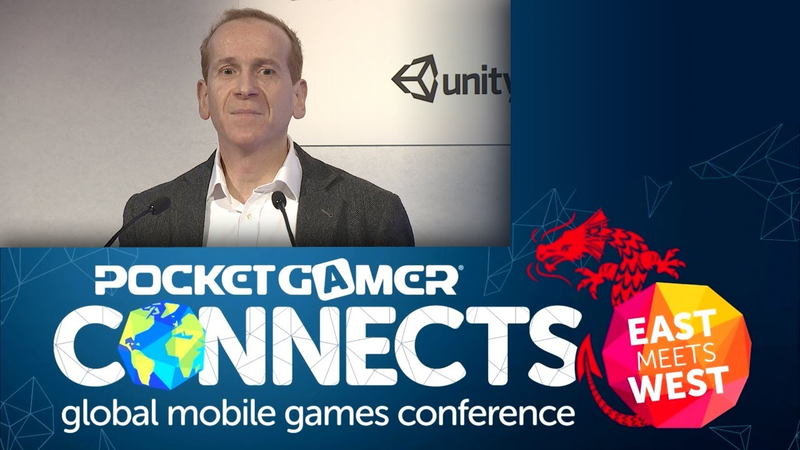
[Music] [Music] so I guess probably some of you may have seen this presentation last year essentially what I've done is kind of updated it and also provided some ideas or at least thoughts that I've come up with for 2018 okay that's right I don't think it's Pickers all right no there we go so I'll just briefly say a little bit about AG Nisha capital so we were founded in 2003 were fully licensed fully authorized investment bank based here in London as well as
Seattle and that's my business partner in the front row in the white shirt David bloom that many of you may know we are pretty much exclusively focused on the game sector now and just to kind of clarify because some folks have approached me and or have identified us as as a VC we are we are not a venture capital firm we are an investment banks so what that means is we primarily provide merger and acquisition advice so that is representing games companies in an exit or liquidation event we also do larger fundraisings really to the tune of sort of 510 million dollars and and above I'll just fly through some of the deals we recently did we sold ear Republic labs in the middle of last year to still front group which is a publicly listed player in Sweden that many of you may have know they just acquired good
game towards the end of last year we also sold babble games to still front just prior to that towards the end of last year we also sold dragon soul VIP which was developed by a us-based fast-growing developer pair blue to agree in fact Shanti burgle ISM is in the corner there who was working opposite us which was an interesting transaction now some we do also make investments and that's personal investments so so I so David and I have personally invested in some of the companies below you probably have heard of hutch games here in London which is a pretty successful studio flare games will actually the new entity of Flair games in Germany game influencer which is an influencer business and Munich and Swiper which is a our early stage mobile gaming studio in Hamburg I'm not gonna spend too much time on these trends because many of you probably know this the industry is
getting tough right everybody knows this this has been happening for the last two years dominant players continue to get more dominant they continue to crowd out the top 250 probably top 300 probably top 400 grossing charts both on iOS and Android and that's just because they have so much marketing muscle they have a tremendous amount of cash tremendous amount of resource and they're just going to continue to drive CPI costs up so that makes running us running a business you know profitably quite challenging but again there's definitely hope out there and there's definitely a lot of smaller smaller to mid-size studios we see that have carved out a niche for themselves a specific genre of game specific maybe demographic or territories and I managed to run you know fairly profitable businesses the other interesting thing mobile games remains and is continuing to become a larger percentage of the overall games industry and that's that's only set to
continue since the annual growth rates of mobile are higher than both PC or console the other interesting thing is is is certainly at you know second half of last year you've seen the emergence of a lot of Nordic listed publicly listed players and and you know you see just spoke a little bit earlier on on some of the challenges of being a small listed player but but the ones I'm referring to are some of the larger ones such as still friends such as paradox such as star breeze as well as MTG which is a media player the Asian players continue to look opportunistically that you know European or North American assets but frankly they're looking at much larger deals you know student you know companies that are generating over you know fifty to a hundred million dollars in revenue so if you guys recall literally this time last year again it didn't take a genius to really figure this out but I
said 2017 would be a fairly you know average year traditionally speaking 2016 was an absolutely phenomenal year I think I think that's you know it's gonna be very rare to match or come close to that certainly in the next you know two to three years but at least 2017 was a was was still above average year it met the same figure as 2013 which was the record year prior to 2016 so so at least that was a pretty healthy year what was interesting again about last year was very similar to 2016 you had five large transactions and those five large transactions comprised over 70% of the total announced deal value and that's fairly similar to to 2016 2016 was actually hired you had four deals that comprised over 80 you know what is it 84
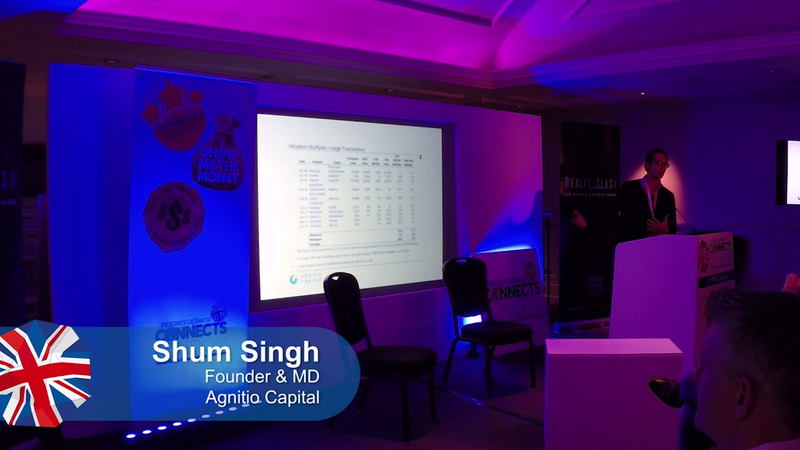
percent another interesting thing point here the last one so all the acquires of these larger players have been Asian except for Activision which they when they acquired King and aristocrat which last year acquired both big fish and playroom that you might recall so you're some valuation multiples what are what are the acquire is paying for these larger companies again I'm segmenting larger from small to mid-size and and you'll see why on the next slide so again you're looking at really an average latest 12 months sales multiple of about you know let's say three times sales of the latest 12 months and on an eBay da basis about 11 times and that's that's fairly consistent and and hasn't changed even with respect to the last two large deals done second half of last year with aristocrat in fact the you bid on multiples were slightly higher at
eleven point four and twelve point two but the sales multiples were slightly lower but again you're talking about more mature businesses both playroom and big fish have been around for some time the other thing the important point to note is when you're when these larger transactions are occurring because there's so much bigger because they have very diversified portfolios they're receiving the entire amount paid to them upfront in cash and that changes when you're talking about small to mid-sized transactions I'm not gonna list out all the deals here because there's hundreds and frankly you know there's also several that are outliers or aberrations but again and and it's important here to distinguish between what are these smaller to mid-size players getting upfront in cash and what are they getting in earn outs so upfront in cash they're really getting about 1.6 times you know compared to 3 let's say for the larger companies in the previous slide and in terms of e Badal well actually
it's not too far off they're getting about nine times EBIT uh so that tells you that the acquirers of these smaller to mid-size players are really focused on profitability probably not necessarily so much on sales because they want to ensure that these smaller to mid-sized businesses are viable they're not going to have to go back into their pocket and continue to fund these businesses going forward most of these deals again have a lot of earn outs attached to them if those companies do phenomenally well well you know what in some cases over the next two to three years which is the typical duration of an earn out they could perform even better they could get up to you know three point four times sales and significantly higher in terms of EBIT ah but again that there's there's optionality for the acquire when it comes to and earn out so that means if the if the 50 smaller to mid-size players perform or or exceed the targets that have been agreed well then they'll get compensated you know well but again
there's risk attached to that so as I said earlier you know larger larger companies are going to get a significantly more amount upfront and significantly and well basically everything in cash because of the size and scale which clearly matters and because there's less and less of them available those those multiples I believe will remain fairly fairly consistent I'll be happy to hear what Shanti says in his presentation whether whether he agrees or not I do think that a lot of the smaller to mid-size because of the scarcity of some of the larger players multiples may in fact remain pretty stable and in fact potentially increase for some of the midsize players that remain that that can demonstrate profitable growth because there's just again frankly not that many out there particularly in western markets I think
the other points we already mentioned so to summarize 2017 again was a pretty decent year actually historically speaking even though it was significantly lower than 2016 it matched 2013 which prior to 2016 was the best year on record for announced deal value in the industry still like 2016 2017 the vast majority of M&A was acquiring mobile game studios but that I believe will change I definitely think given the competitive forces that are making operating in the mobile games market difficult you'll see more transactions of PC and even potentially console one interesting transaction again second half last year was EA acquiring respawned that's the first deal EA did in almost two years and again a console player of course somebody that they're very familiar with they had a long-standing relationship with respawn but it's good to see at
least some console activity as well as I mentioned earlier Asian companies will continue to be opportunistic but you know frankly they're just looking at larger transactions because of all the resource and effort they have to put into any single transaction the the final point and I'm gonna talk in the next two slides about this is really interesting particularly from a European and North American perspective and I'm talking about companies like MTG like still front like paradox even star breeze and and very recently mag Interactive which which just went public at the end of last year they are aggressively looking at acquisitions of smaller to mid-size studios so that is actually quite interesting for a lot of the smaller mid-sized studios and probably some of you in the audience so I'm just gonna you know kind of briefly describe some of these because what is really exciting to me as an M&A adviser
and what should be to a lot of the smaller to mid-sized studios including Alexis here who just sold to one of them good timing is that basically all of these players listed players in Sweden we're not acquiring any studios as recently as two years ago most of them were private or most of them did not have an active M&A strategy to consolidate the industry and what is really interesting is if you look at the market caps of these businesses these are very large companies these are not small companies these are well resourced at highly liquid and can really if they want to fund transaction is fully through cash so the market cap of paradox was 1.4 billion dollars they weren't even listed two years ago still front was basically a very small company two years ago it had just listed in Sweden and it's market cap now is over five hundred million dollars MTG which is traditionally a media
player one of the you know the largest in the Nordics only started acquiring games companies when they when they when they did the inner games deal which was about a year and a half ago and now they're very actively looking at acquisitions they acquired congregate and synapse games you know very recently at the end of last year and their market cap is 2.8 billion dollars you have strawberries which went public again and is also being you know is also being quite active made for transactions in the last couple of years their market cap is over 300 million dollars the last one mag interactive I mean again they're a little bit smaller they just went public at the end of last year but they are certainly aggressively looking at acquisitions and in fact they just acquired a casual game business at the end of last year FeO media so that really bodes well for for our industry from the small to mid-size player particularly in Europe because none of these guys were even looking at transactions you know as recently as two years ago and they are very actively
looking at folks and talking to folks and you know David and I are involved in a number of discussions with them I also thought unfortunately I don't know if you guys can see this it's probably a little bit too faint I should have used a bold font but I've basically gone back and what I've done here is graphed the share price performance of those five listed players what what is really interesting is if you look at 2016 which is really up until about the middle of the graph most of the share prices have been pretty flat and then in 2017 most of them go on you know start to start to follow a very nice upward path particularly in the case of of paradox and and still front those share prices have have increased tremendously in fact they were two of the best performing shares in Sweden last year so that is
what I mean what does that really tell us that tells us that for once as long as I can remember and I've been in the games industry for ten years and I'm sure some of you in the audience have been even longer than I have that tells us that there is finally a region that actually considers gaming companies an interesting asset from a public market perspective and that has not existed in ten years in Europe certainly and the last time I remember where there was some positive market sentiment in Western markets was when you know Zynga went public and we all know what happened there they went public so it's finally nice to see some public market sentiment behind these companies now what does that mean for all of us that means for people who are looking to get sold you have public company market investors that are going to support their M&A strategies so they can acquire companies using cash or shares so that's really interesting it gets me very excited so even though
people claim you know the industry is getting super competitive there's all these forces that are that are making it very difficult to operate CPI's going up all that noise and all the indie apocalypse that people keep talking about yeah sure that's still there so that's not going away but at least now you have real capital that's going to be trying to find a home that's going to aggressively look at acquiring and consolidating this market because we all know size matters and we all know scale matters whatwhat are these guys looking for and and even Asian guys and even and even US players well I mean I don't have to tell this to to many of you you guys have seen a lot of presentations I made before these are all characteristics and attributes that you should all know extremely well especially if you've sold businesses previously especially if you've raised money for venture capital investors or angel investors I mean that the single most important criteria that they're always going to look at is who's
on your team who's on your senior management team has your CEO sold or exited a company before has he has has that team operated a top grossing title before or shipped of a fantastic PC title or done a console title before so that track record is absolute key because it D risks the proposition even if you're an early stage business having that track record particularly in a super compiled 'highly super competitive market makes life that much easier and and to to to those acquires to go to their board and get approval for consummating a transaction obviously now in a highly competitive market they're they're largely focused on profitability so again there's some acquisitions right now you see in the market that are probably driven more by profit profit and some transactions are probably driven by growth fewer but but I think really that that is becoming a very very
important criteria of course for some of the Asian players even for some of the US players looking at geographic extension or expansion is is actually critical particularly if they're looking to get into Europe or acquiring specific skill sets whether whether you're a particular skill or expertise lies in you a live ops genre focus or or having a specific demographic or audience that you've acquired over the years and ultimately one or all of these guys seeking is just more market share I'm just gonna fly through this but I've met a lot of studios in the past year that that you know frankly I was amazed that they didn't really have proper advisors or licensed or authorized advisors or really had you know excuse the language their together so if you're actually gonna go do this and pursue this particularly trying to attract some of the top-tier acquirers out there make sure you have everything ready make sure you have all your documentation
financials yeah everything ready because as soon as these guys get serious and if they find out that you are not prepared it will it will make them nervous and they and they will and they will run the other way so so just really surround yourself with really good advisors authorized advisors who have connections who have done this before who can really add value to your process and finally some 2018 predictions as I mentioned I'm gonna start with a bright spot and end with kind of a slightly more negative tone but the bright spot is what I mentioned the European acquires I mean that's fantastic that hasn't existed and and that's just that's just gonna be great for for the entire industry particularly from the small to mid-size studios there will be definitely I feel a settling this year is the word I'd like to use I think I think unfortunately a lot of studios who aren't able to merge with like-minded studios or who are having a difficult I'm given all the competitive forces are
unfortunately going to fail so what does that mean from from from a perspective of announced deal value this year it's definitely going to be lower than 2017 so if you remember the graph that I had shown earlier on it was five point six billion dollars of announced deal value in 2017 I definitely think that's gonna be lower this year where it's gonna end up is anybody's is anybody's guess but I do think it's going to be lower I'd like to be proven wrong I'd like to see a lot of the European guys come out and do some big deals but I just think given given the scarcity value of a lot of large or midsize players it's just it's just gonna be fairly difficult so yeah that's it for questions
yeah so it's generally the way investment banks work is were predominantly success fee based so it would be percentage of the overall transaction I'd like not to see but you know because you know five to ten percent again but that's dependent on the size of the transaction yeah you what constitutes a small besides company constitutes a midsize company and furthermore what type of her now can these small teams amid science teams expect considering that you said these are the guys that are going to have to be earning out well the big guys get to cash out I mean that's a good question I'm gonna answer in two parts so for a smaller player I would say really kind of you know if you're not doing kind of
four to five million let's say dollars let's put in US dollars since I kind of inferred your accent so let's say it's four to five million dollars you know you're gonna be that's you know if it's if it's lower than that I would say it's gonna be tricky you know and and ideally also some profitability and then in terms of of a midsize player I'd write I'd like to say kind of twenty five ish and above is it's kind of the threshold in terms of revenue and then team size I think is less important I'd say probably not lower than twenty people you know fifteen to twenty on the smaller end mid size is usually gonna be about fifty to a hundred right in some cases more some cases less in terms of earn out again it it every deal is different right every situation is different and and and the factors involve a criteria used to acquire companies are different right each case is different so what I what what typically happens is you know you could expect to get kind of half-ish of
the total deal value upfront you know but again that can that can also vary right the range can vary it all depends also on how bullish that small to mid-sized studio is of its future right that also will affect your own risk or or averse miss to risk right if you really fundamentally believe you're gonna have two or three-year phenomenal years well then you're gonna be prepared to take more risk and you might take a lower upfront amount with an uncapped potential on the year now right so again that's why I say every situation is slightly different and you know it there's a lot of tactics involved and again we can have a we could have a conversation after about it but yeah [Music] [Music]
Summary
The gaming industry experienced a period of stabilization in 2017, following the record-breaking performance of 2016. While total announced deal value for 2017 was lower than the previous year, it remained healthy, matching the figures seen in 2013. The market continues to be defined by high barriers to entry, as dominant players leverage significant marketing resources and cash reserves to crowd out smaller competitors, driving up customer acquisition costs. Despite these challenges, the mobile sector remains the primary driver of industry growth, consistently outpacing PC and console segments.
A key development in the M&A landscape is the emergence of publicly listed Nordic companies—such as Stillfront, Paradox, and MTG—as aggressive acquirers. Unlike the broader market, where large-scale transactions are often dominated by Asian or major U.S. entities, these European firms are actively consolidating the market by targeting small-to-mid-sized studios. This shift has provided a new avenue for exit opportunities, supported by positive public market sentiment toward gaming assets. Valuation multiples for larger, mature companies remain consistent at approximately three times sales and eleven times EBITDA, with these deals typically structured as full cash payments. Conversely, smaller studios face more complex deal structures, often involving significant earn-outs that tie compensation to future performance and profitability.
Looking ahead to 2018, the industry is expected to see a decline in total announced deal value as the market undergoes a period of consolidation and attrition for less profitable studios. Success for developers seeking acquisition remains heavily dependent on team track records, demonstrated profitability, and the ability to provide strategic value, such as geographic expansion or specific genre expertise. Professional preparation and the engagement of experienced advisors are critical for studios aiming to navigate these competitive M&A processes effectively.