Marketing reports and market data
Documents

Mobile Gaming OG Akin Babayigit: The real truth about mobile gaming success
Mobile gaming success is defined by a sophisticated synthesis of analytical rigor and creative intuition, where superior execution consistently outperforms the reliance on established intellectual property or conventional genre wisdom.
- Mobile gaming success is driven by superior execution and innovative mechanics rather than reliance on established intellectual property or perceived genre saturation.
- A dual-revenue model combining in-app advertising and in-app purchases is essential for monetization, with rewarded ads serving as a bridge to convert non-paying users into a sustainable ecosystem.
- Long-term market viability requires aggressive, data-informed scaling and the operational capacity to sustain longer payback horizons in the face of rapid industry cloning.

🎮 How to build playables that actually convert by Matej Lancaric
Playable advertisements have transitioned from supplementary marketing assets to a foundational requirement for scaling mobile games across major SDK networks such as AppLovin, Unity, and ironSource.
- Developers must maintain a production cadence of at least five distinct playable iterations per month to sustain competitive performance on networks like AppLovin, Unity, and ironSource.
- Playable ads must prioritize high-engagement mechanics that capture user attention for at least 60 seconds, even if these mechanics differ from the game's core loop.
- Technical constraints require playable assets to remain under 5 megabytes, necessitating the use of specialized compression and automated export tools.
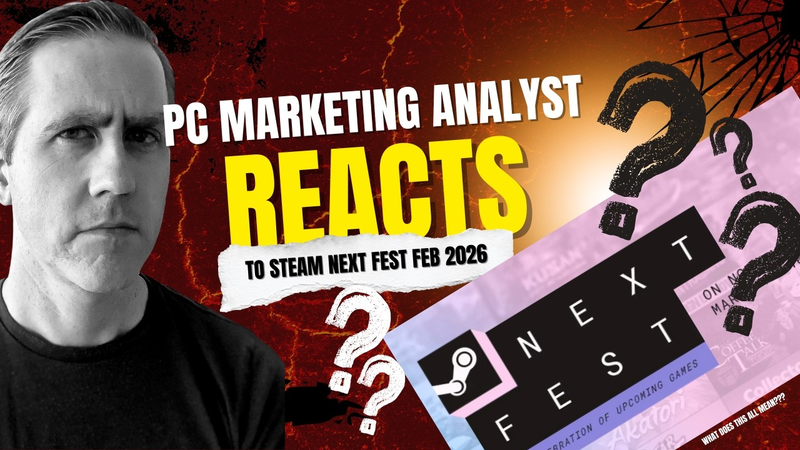
Next Fest First Impressions (February 2026)
Steam Next Fest serves as a critical barometer for the independent gaming landscape, functioning as a high-volume discovery engine that balances initial baseline visibility with algorithmic promotion.
- Steam Next Fest now features over 3,400 participating titles, highlighting a market shift toward smaller, highly focused gaming experiences.
- A reliable heuristic for festival performance is that a game's total wishlist count by the event's conclusion typically quintuples its day-one total.
- Market trends show that social-centric games—including co-op, multiplayer, and casual titles—consistently dominate trending charts.


The Dual Frontier: A Retailer’s Framework for Agentic Commerce
Retailers frequently adopt LLM-powered chat widgets without addressing the core friction points that shape shopper behavior.
- Retailers must prioritize high-quality, structured catalog data, as insufficient data in an agentic environment causes total exclusion from a shopper's consideration set rather than just lower conversion rates.
- A 32-point readiness diagnostic across four pillars—catalog, infrastructure, organizational capacity, and strategic urgency—determines the viability of agentic commerce, with scores of 26–32 indicating immediate readiness and 0–9 requiring foundational work.
- Retailers should adopt a calibrated data-sharing strategy, categorizing signals into 'share freely,' 'share selectively,' and 'protect' to balance recommendation accuracy with the need to safeguard proprietary competitive advantages.
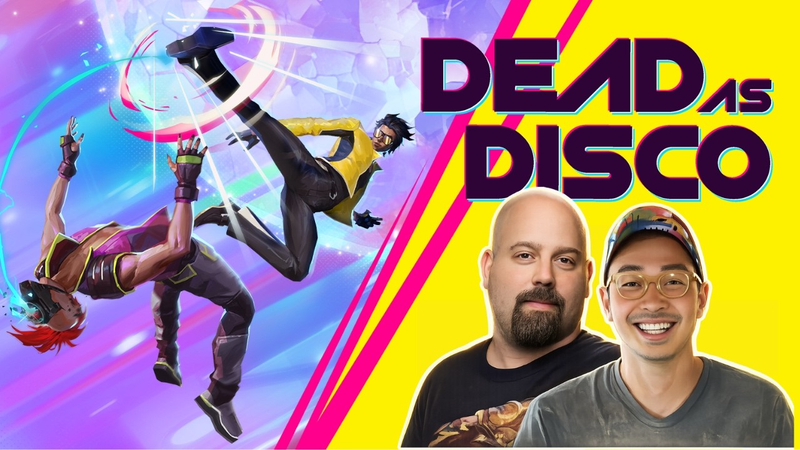
400,000 Wishlists in a Month: Dead as Disco's Steam(ing) Playbook
Achieving significant market traction for modern PC and console titles requires a fundamental shift from traditional, closed development cycles toward open, community-centric models.
- Studios can achieve rapid market traction by prioritizing open, community-centric development, as evidenced by Dead as Disco securing 400,000 wishlists in a single month.
- Integrated playtest platforms are essential for replacing manual feedback with automated, real-time sentiment data, allowing for data-driven product adjustments.
- Leveraging organic viral loops through short-form video content on platforms like TikTok is more effective for shareable, music-integrated engagement than traditional streaming.
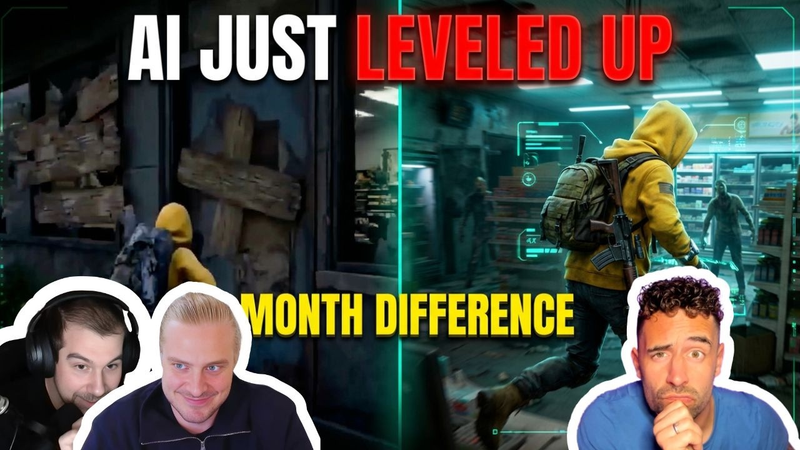
🤖 AI just leveled up AGAIN. We Tracked 127 AI Ads. The results are insane!
The mobile gaming industry is undergoing a fundamental transformation in user acquisition, shifting away from broad-appeal advertising toward a highly targeted, niche-first strategy.
- Mobile game user acquisition is shifting from broad-appeal advertising to a niche-first strategy, allowing studios to test diverse art styles and gameplay hooks without modifying the core product.
- Generative AI enables the rapid, cost-effective production of localized creative assets, allowing developers to scale multiple hyper-niche campaigns simultaneously.
- Advertisers are using custom LoRA models to maintain character integrity across long-form videos and integrating AI-generated influencer personas to boost engagement.
UA Monthly #1: Meta’s New Playbook, Reddit Ads, & the State of UA
The mobile gaming industry is currently navigating a volatile landscape defined by aggressive monetization tactics and an intense creative arms race.
- AppLovin maintains a dominant market position due to its proprietary Axon technology and superior data moats, while competitors like Liftoff struggle with significant debt and a lack of high-value inventory data.
- Meta is driving short-term revenue growth through intrusive ad formats like forced playables and end cards, though these tactics risk degrading long-term user retention and lifetime value.
- The mobile gaming market is increasingly bifurcated, as top-tier publishers use AI-driven personalization to produce thousands of ad variations per quarter, creating a high barrier to entry for mid-sized developers.

🚨📢 BREAKING NEWS: PixelFlow Scopely MEGA deal, Unity AI Builds Games? Meta adds Manus in Ads Manager
The gaming industry is currently navigating a period of rapid transformation driven by aggressive AI integration, strategic mergers, and shifting regulatory landscapes.
- Scopely has acquired a majority stake in Loom Games, the developer of PixelFlow, at a $1 billion valuation.
- ByteDance is in discussions to sell Moonton to the Saudi-backed Savvy Games Group in a deal valued between $6 billion and $7 billion.
- Unity has launched a beta tool for generating casual games via natural language prompts, though current capabilities are limited to template-based outputs.
🎯 Creative trends don’t DIE. They cycle! Quiet influence of Kingshot (January 2026)
Mobile gaming is currently defined by a rapid, cyclical approach to creative strategy, where proven concepts are continuously recycled and adapted across diverse genres.
- Mobile gaming is currently defined by a cyclical strategy where developers prioritize recycling evergreen mechanics—such as 'Noob vs. Pro' narratives and puzzle-based hooks—rather than pursuing entirely new trends.
- The 'Kingshot' mechanic exemplifies the industry trend of cross-pollinating successful, singular interactions across diverse genres to maintain user engagement.
- While revenue remains stable, the industry is experiencing a contraction in total download volumes, suggesting that the reliance on recycled creative assets is hitting a point of diminishing returns.
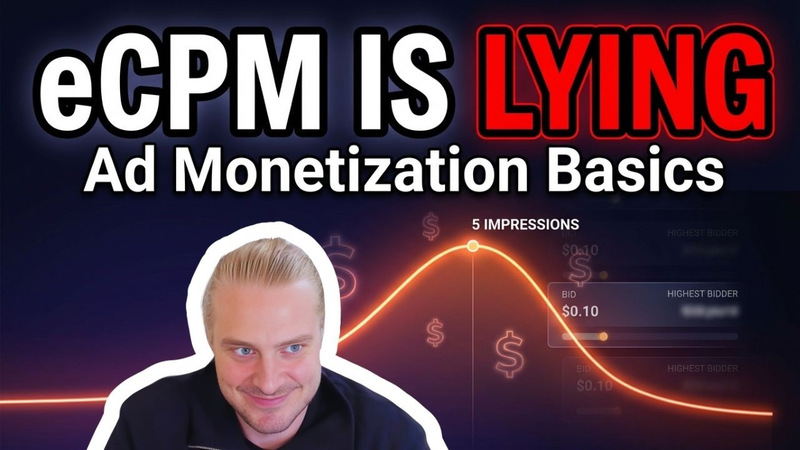
🎙️ Mobile Ad Monetization basics: What every studio gets wrong by Felix Braberg
Mobile ad monetization requires a shift in focus from vanity metrics like eCPM to a holistic understanding of revenue generation.
- Prioritize Ad ARPDAU (Ad Revenue Per Daily Active User) as the primary performance metric, as focusing solely on eCPM is misleading because high rates can be offset by low fill rates.
- Implement a mediation platform to create a competitive marketplace, which can effectively double revenue compared to relying on a single ad network.
- Limit ad frequency to five to seven views per user, as the value of impressions diminishes significantly beyond this point and excessive ads damage long-term retention.
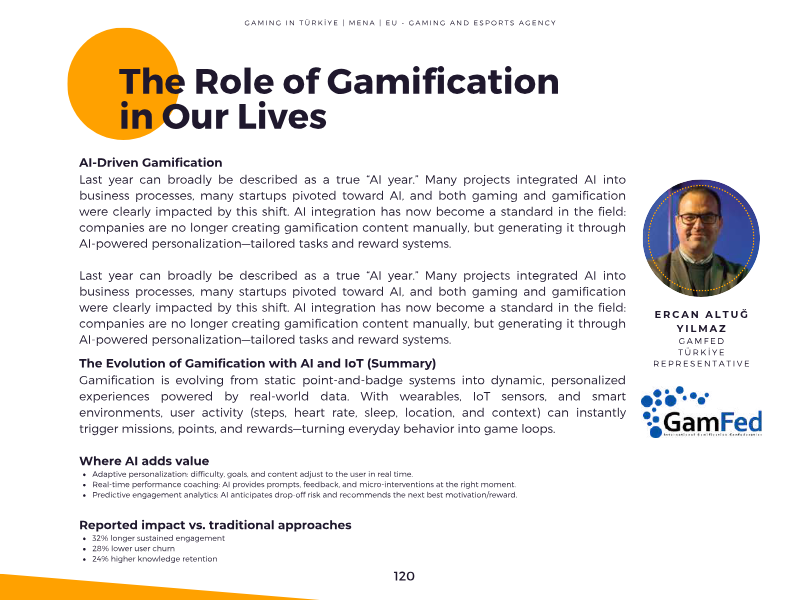
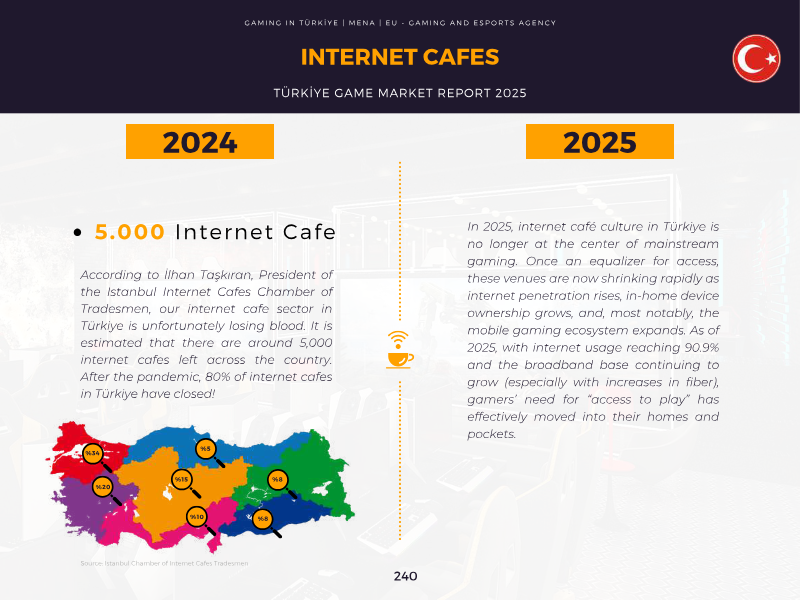
Türkiye Game Market Report 2025
The Türkiye Game Market Report 2025 provides a comprehensive analysis of a maturing gaming ecosystem that is transitioning from rapid, volume-based mobile expansion to a more sustainable, multi-platform, and quality-focused model.
- The Turkish gaming market reached $1.01 billion in revenue in 2025, supported by a player base of 50 million gamers.
- The industry experienced a 24.69% increase in total market size and a significant 133% surge in PC and console game production.
- Investment activity totaled $177 million across 30 deals, with capital increasingly concentrated on studios demonstrating proven scalability.
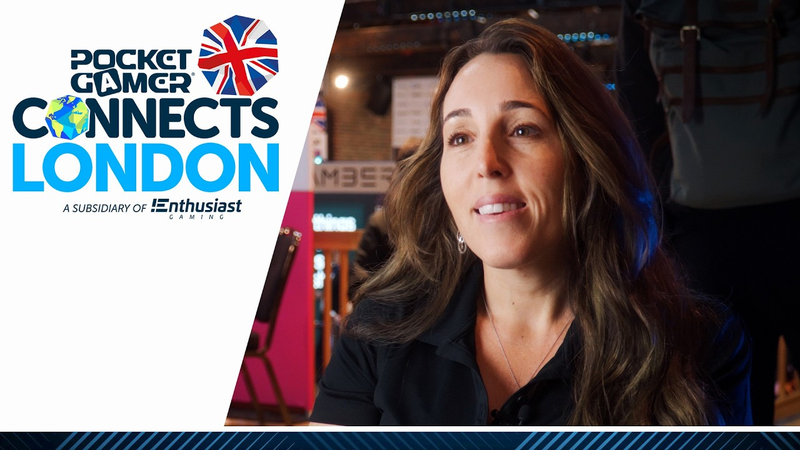
Rewarded marketplaces and how surprise equals engagement | Lisanne Vera from Kashkick #PGConnects
Rewarded marketplaces function as a specialized user acquisition channel for mobile gaming, bridging the gap between casual play and financial incentives.
- Rewarded marketplaces like Kashkick generate higher-intent users by nurturing them through a funnel that educates players on specific game objectives and reward requirements before they reach the App Store.
- User acquisition for rewarded platforms relies on 'surprising' the audience with unique content to overcome ad fatigue, as generic ads are frequently ignored by users accustomed to scrolling past promotional material.
- Personalized, UGC-style (User Generated Content) advertising is more effective than standard display ads because it frames the rewarded gaming experience as a relatable, authentic opportunity rather than a traditional advertisement.