VideoTwo & a Half Gamers
Mobile Gaming OG Akin Babayigit: The real truth about mobile gaming success
2 Mar 202662 min video
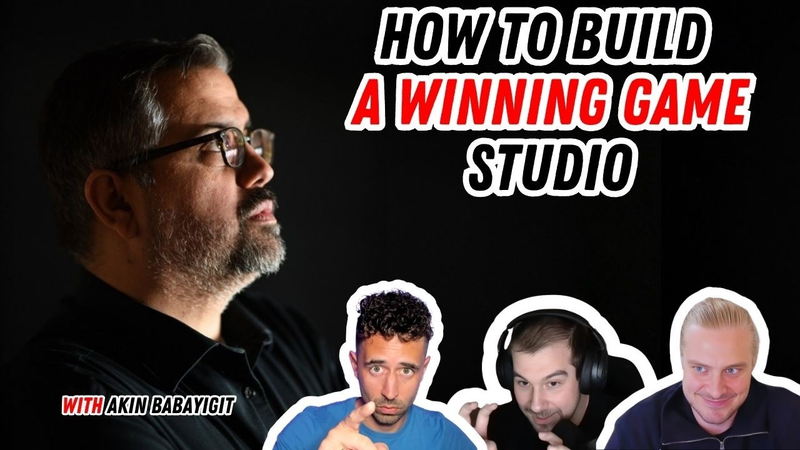
Every time we declare something as a as a gaming industry, there's a counter example, which is one of the things I love the most, right? It's like, oh, it's too late to build another match three, boom, match villains. It's too late to build another whatever.
Boom. Pixel flow, right? Or
Yeah. There's there's always, you know,
or oh, merge two will never work. Oop, gossip harbor. So,
gossip harbor. Yeah. So, you know, all those things are one of the reasons why I love the rolling dice [music] with those coins. Check up worlds chasing the sky. We're [music] the two and a half gamers. The midnight crew talking UA adverts and game design too. Mate, [music] feel bringing the insight. We're rocking those vibes till the early day [music] master eyes on the prize. Tracking data through the cyber space. Felix stacks colors like a wizard [music] in disguise. Crafters lift us to the highest. Two and a half gamers talking smack. Slow hockey sick. Got your back. Ads are beautiful. They like [music] the way. Click it
fast. Don't delay. Uh-huh. Uh-huh. [music] Ah. [music] Ah. [music] There we go. Hello everybody. Welcome to Two and a Half Gamers. And I would say this is super super extra special episode today because we have an very extra special guest. But before we go there and introduce the guest, my name is Matthew Lanchich.
I'm Felix Braberg
and I'm Bremier
and we are your hosts. So I'm going to try to introduce our guest. So because it's my dear friend is born and raised in Turkey. They left to US at the age of 15, graduated the DL multiple interesting activities, United Nations, HBS and career-wise in Skype, Facebook King, co-founder of Tripolot, managing partner at Arcadia, Mr. 0ero to1, super
nice guy, very inspiring person. Everything he touches turns into gold, advisor and investor to many companies, kingpin of mobile gaming, the real OG and my dear friend Akin. Thank you very much for coming. Welcome to the show.
Wow. We We should just end it. We should just end it here. It's just going to all be downhill. Yeah. Thank you for the time, guys.
This is great. [laughter]
I love you so much, man. It's It really means a lot to be for you to be here. Did I miss anything or
other?
No, I mean, first of all, thank you for all those things. I mean, I'm really I do get embarrassed when people call me like those things, but but yeah, thank you very much. I moved to the US when I was 16, by the way, not 15, but yeah. Okay, so there you go.
Okay.
Okay. Get off the call. Apologize.
We can end now. Yeah. I mean, we're so I mean, I have so many questions. I have no idea where to start, but I mean, where would you start? I mean, we can we can start with Facebook actually because I think that's an interesting time and
you were there a long time ago. I mean, we're not getting
pretty much, right?
Very early days. I remember Facebook canvas. I think you too as well, right? Oh my god.
Yeah,
that's great. So, what what Yeah. What was your kind of job with Facebook and just briefly mention that before because that's an important I think important part before you just co-ounded Triple Node as well.
Yeah. Yeah. Uh well, first of all, I'm a longtime listener, first- time caller. So, it's great to be here, guys. And really, um I I I do follow you religiously, and you guys actually give like very kind of insightful and thoughtful analysis of the market. And so, thank you for inviting me. It's great to be here. Um, I was at Facebook between 2012 and 2016. I lived in the US. So, I was born in Turkey uh and lived until 1996. So, I was born in 80, 1996 I moved to the States and then I lived in the States for 16 years and then Facebook was my first job in the UK. So, it was a new job, new country,
new everything kind of situation. And the way I ended up in Facebook actually was I was I was involved in the early early days as an adviser at peak. So Sedar was a very good friend of mine. I got introduced to Sedar by this like remarkable entrepreneur friend of mine called Demet who was the founder of Trendol. Trandol by the way was the most valuable private tech company in Europe up until recently before all the AI companies started raising. She actually introduced me to Sedar and then I really got kind of into mobile gaming. thanks to Sedar and mobile gaming for me like I'm not a gamer in the stereotypical sense you know my gaming persona is a 50-year-old woman from Wisconsin probably is
that's me as well
that's a they spend they spend the most what much three goes I love casual games I love casual games that's it
yes exactly but the reason I got involved the reason I got attracted to the industry was that it was the only industry where people actually were very analytical but also creative at the same time so you could like you know traverse
both kind of halves of your brain within the same day. Um and that was like really really attractive and the people is what's attracted me in the first place. And then I saw the scale we were talking about like no other in I don't think we appreciate this fully but like there's very few industries if any that two guys in a garage can build a product and immediately put this product in front of billions of people in the world and then learn from those billions of people iterate and like try to make it better and so on. So, I was like instantly hooked on the business. And I remember thinking I was like in the Bay Area living in in California when Zingga was taken off in Farmville. And this is actually the first moment I truly understood the power of gaming was when I read that there was like more tractors being sold in a day on Farmville than there has been like up until that moment in the history of humanity. And now it's probably seems like a pretty like trivial stat for us, but like back then it like you know blew my mind. So I got really attracted into the psychological
element of like what makes people play. Um you know and you know average play time was like an hour hour and a half a day for Farmhe in the early days. That's a lot of time for average people to be playing right. So that means 50% of the people are playing more than or maybe that's like a different description but like you know it's a lot of time people are playing one game that you know we could argue was just a pure consumption entertainment. So that's how I got into it and then Sedar was a very unique experience and like peak games was a company that was like very small when I was involved in it but Sedar always had like very grandiose ambitions and he said like I want to be like Google why can't we be like Google etc.
Nice. So that was a breath of fresh air to hear a Turkish entrepreneur say something like that because you know obviously the level of ambition you know I'd never seen that level of ambition from a Turkish founder before maybe because I wasn't around the right Turkish founders and you know Demet was
like that too
but at the time right I mean that's quite unique
it's very unique and you know peak started out to be the strategy was to be the biggest publisher in emerging markets on social games not even mobile, not even anything else. And then it ended up becoming one of the most successful casual, you know, mobile game companies out there. And I was involved from the early days, but like, you know, I didn't want to move back to Turkey at the time. My wife is from Cyprus and, you know, moving to Turkey to do that actually felt a little bit overkill. And then I ended up actually because of that involvement I had, I ended up getting a job at Facebook. And my job at Facebook was I was looking after the gaming partners in Europe for Facebook for the canvas business actually. And this was in many ways the most underappreciated launch platform for gaming companies that I know of because if you think about it like you know this is how King was born. This is how Playa was born. This is how many companies were born
thanks to this canvas and social platform that Facebook had built. And in that role I got, you know, I got to meet a lot of different gaming founders, gaming companies, got to see different playbooks of companies, see what works, what doesn't work. And also my second half my so I was at Facebook for about five years. And the second half of my time at Facebook, I was one of the people that launched audience network. So, Audience Network, when I say I was one of four or five people that launched Audience Network, it sounds more grandiose than it is because remember, Audience Network is, you know, if if you're a self-promoting type of person, you can say, "Oh, we built a billion dollar business, right, in 18 months." But actually, that was built on the top of Facebook platform, Facebook demand. So, like all we were doing was giving Facebook demand that we couldn't serve in our own inventory to other people, right? So, it was the easiest sales job. I literally would go into meetings and like tell people like why do you hate money and you know that was like a that became that became such an easy sales
job in a way but actually that was a very big success. I mean Facebook audience that were really scaled to a billion dollars with a team of like 10, right? And
insane.
The SDK was very small. All we did like we didn't, you know, we didn't it was just very easy literally.
Sorry,
what year is this?
2014 is when we launched audience
network. Okay. And through that actually I'll segue into your next kind of topic I guess but through that I actually saw how powerful how actually feasible it is to build a business on the back of like ads right cuz ads are the stepchild of the games industry even today but back then they were like the ugly stepchild that you didn't like they were just no one really took them seriously and no one really kind of paid any attention to them. it was more so the case. But I would actually look at companies back then. There was like Ketchup, you know, the French guys, Antoine and Michelle. So like, you know, they were building businesses, but I actually thought that
there was even something more fundamental to be done here because a lot of people would just stick ads and forget about it. They wouldn't like think about how to, you know, be disciplined about how to serve ads, how to like read data related to ads and so on and so forth. And I felt that that was the biggest disconnect. you could actually the CPN were high enough that you could do large scale user acquisition if you were monetizing with ads. I think that was the kind of the moment for me where I said okay there's like an interesting opening here. Uh it's worth exploring a little bit.
I mean it's to a certain extent people still think ads are just cancer and like it's the it's the worst thing that [laughter] I'm feeling totally shaking. No, like yeah, like you know, I've been working in Admon now for yeah, like four years as a consultant, but most people that I speak to that are doing AP revenue still snare at ad revenue and they look down
traumatic syndrome from this, I saw it myself when he got told we won't put ads
in our game. It's our [laughter]
Yeah,
which is insane.
Look, there's Look, I think I understand kind of Look, I think we're all in the same boat. I think we all think that ads have a place to play and what I saw firsthand at Facebook actually I saw a few things. One is you know certain type of ads actually like rewarded ads we all know this and I think this is fairly accepted knowledge but even nowadays people don't fully appreciate it for instance rewarded ads serve to increase your conversion right so because a lot of people so you have like a large chunk of your user base that never converts into payers so they don't know what it means to be a payer or they don't know how it feels like when you're a payer or so they you know rewarded ads I think serve to give that taste to players of what life would be like if you spend in this game and a lot of people actually result in converting. So like there is even a school of thought that we could
sit and argue that for certain cases ads improve your AP conversion right but more than that I think people are now they understand inherently because I don't think people are stupid I think people are actually smart they understand the role ads play
in the um in kind of bet landscape what I mean by that is for me ad algorithms are so clever that it becomes almost like an app discovery mechanism for me, right? Like I discover other games because I play games on my mobile device and I discover other games through ads and I actually kind of almost see value in them, right? Now, flip side of this is obviously, you know, I was at King and King had this like allergic reaction for a very long time to showing any ads inside the game, right? And you know they justified it by saying well look you know why would I send my players to play a different game or why would I send my players to do this etc. It will
cause retention decline and so on. I think it's all about just the balance of things right like so in currently in steady state like I think it's like 20 30% of King's revenue is now coming from ads. Um and I don't think you know the ads are the reason that people are you know no longer playing Candy Crush. If anything, I think people see value in those things. So, at a minimum, I'm a big believer of augmenting your AP revenue stream with ads. I think done smartly, you know, you could architect ads in a way that like increases your revenue and while keeping, you know, any type of perceived damage to your user base minimal. But, but you know, people people I don't think still fully appreciate the power that it can be. I mean we don't even quote it when we say like you know gaming is you know gaming is how big we nobody knows how big the gaming market is
right because you have web shop yeah you have web shop revenue and you have ads revenue unfortunately it's not fully visible on sensor tower so some people
think like oh there is no business because we don't see the sensor tower data like oh wait wait wait a second
exactly
I think fighting yeah fighting a losing battle because basically I calculate the ad revenue venue when we do reviews, right? And someone in sensor tower see the triple dot portfolio and see that you guys made 72K in APS in the last 30 days and kind of go like what the hell
missing the whole
whereas if you do the ad revenue you're like okay this is crazy big.
Yeah. I mean you know I don't think an informed person hopefully would go through that but like some people do it's okay but like even informed people I think they don't fully appreciate the power of adamant. Now the flip side of course there's a flip side which is there is something called the CPM decay right the most valuable ad I ever show a person is the first time they see that ad. So you know you have this phenomenon in adb- based businesses where your most engaged players become incrementally less valuable to you over time which is
a real concern and this is something that we all have to kind of learn. And this is why I think adbased businesses have to keep launching new titles and new games all the time. they're much more dependent on those new launches. But also more fundamentally, you know, you don't own the end-to-end relationship with the customer in ads. So like, you know, I just trying to be balanced and give both sides of the puzzle. So like, you know, ad algorithm changes, ad quality, you know, you ideally want to be in full control of your customer experience as a B2C player. And then, you know, there's a lot of, you know, bad actors in ad land as well. Then you know sometimes you you know monitoring those things become a full kind of profession in and of itself.
Yeah. But then like you have ads and IPS and there's obviously the the hybrid casual games and then find balance between them. But do you think it's it's really necessary to be successful to have ads in the games because it's again a tough question to answer obviously but
I think ideally you want to start with ads in the game from the ground up. you should assume that you will have ads in the game because that will inform your strategy and it will it will inform everything really like I mean you know depends on how you view the world but it's very hard especially in today's market
it's so competitive out there I know what ads can do you guys know what ads can do positively right
so it's very hard to say no I don't want that extra
you know whatever percentage of um of revenue in my game now
ad only games I think are another discussion. I still think there's room even for those games in the market today because I think that you know um I mean we've seen this even like every time we declare something as a as a gaming industry there's a counter example which is one of the things I love the most right it's like oh it's too late to build another mastery boom match villains it's too late to build another whatever boom pixel flow right or
[laughter] you know there's there's always you know that or oh merge two will never work oop gossip Harbor. Yeah.
So, you know, all those things are one of the reasons why I love the industry. So, at the fundamental level, there's absolutely nothing wrong with, you know, inapp ads businesses. Obviously, the market has changed a lot and, you know, we're, you know, I think it's harder if you don't have this kind of dualprong strategy between ads and AP.
So, you touched match villains, pixel flow, and microphone. Okay. So, which which of these three you want to go first? because I want
Pixel Flow. Let's start with Pixel Flow. The hot topic, it's the hot.
It's super hot topic because is there a way I mean obviously their way like to produce a hidden mobile gaming and like how how is it even possible for Pixel Flow to be where they are? I mean, we know Kubra and Emra and we know they're absolutely amazing team. I read your emotional post about them and I absolutely it's amazing. if you can
share a little bit more because people even asking me like how how how is it possible which is
great success story.
Yes. Um look I I still get emotional because like these are two incredible human beings first of all
right which is you know I think gaming industry has a lot of really good people etc but like
at a fundamental level Cubra and Emry are just genuinely genuinely very good people very hungry [snorts] people very like they want to learn they want to improve themselves and everything so and they are also good people that the industry didn't take serious for the longest time right
we've been following them from twisted angle success
already back then we saw like the potential.
Yes. So you guys pro might have seen it but like the holistically the industry you know because we you know have certain religions that we create for ourselves like you know they didn't work at whatever peak and they didn't work at
whatever right so like
ex this x that
ex this x that and you know and so they you know despite their success I would say they didn't get the love that they deserved I would say and when I met them first of all I mean obviously ly like super nice, super smart, very creative, but they have this kind of X factor which is like they knew that Pixel Flow was going to be the most amazing thing ever. And like my questions to them around the game were like, you know, how do I say this? Like they had a very strong opinion about where this game could go and they were not they were not shy to say this. And back then I was like, "Wow, this is, you know, they have real confidence in which is kind of what I really loved about them that they believe in it in so wholeheartedly, right?" So like they literally sold everything that they had cuz after Twisted Sangle, they had some money coming in, but like you know, they tried to raise the round. They, you know,
people didn't pay enough attention, but they were like, "Okay, we don't need people. We're just going to, you know, build this game." And they literally this is like the good oldfashioned put your money where your mouth is kind of story right and then more more than that I think it was a unique take on a newly emerging category like I would say it's a unique mechanic actually people will say oh there's this game or whatever it doesn't matter I know how painstakingly they worked on to create pixel flow as it is today that I loved actually so like it wasn't necessarily like it was still iterative but it was actually more innovative than iterative which we can talk about later as well
and like you know they were doing UA themselves they were doing everything themselves there was a team of like seven eight people when I met them and then I saw the numbers and I've never seen numbers like that in my life [laughter] right so then it's like you know it's not all just motherhood and apple pie it's like you know you know when they told me the numbers I was like okay like you know
what do I know I mean
you know doesn't matter what I think about the game is the numbers are the numbers So, and then you know we got to work together in a very short amount of time. The game just you know blew through the roof.
Absolutely exploded.
Absolutely exploded and you know we had everybody and their mom reaching out to us about like how we can partner and you know and I got to say like Scopi is have been they have been absolutely phenomenal like absolutely true to their word all across just absolutely absolutely brilliant. So so
when when we made the here we are. Yeah, here we are. Exactly. When when we met Kubra and and in October, we were talking about Pixel Flow and we were just joking and then then we're talking about the numbers and I was like, "Ah, well, I guess these are the numbers." And they were like, "Oh my god, you're right." I like, "Oh." And I think that's the like proudest moment of my last year for sure because we saw that game. I was like, "Oh my god, this is going to be such such a great success." Because it was such a unique
Yeah. I mean, yeah. Too late.
Yeah. Yeah. Yeah. But it was such it's such a unique game and as as as you mentioned like they just put everything in into into it. Okay. You know, everybody said no. Okay, let's go. I can add here that like because this was not the first time actually when I was in this situation where I was literally asking Kubra if she can come on the podcast because we already wanted to do that with twisted angle but again couldn't be done unfortunately because reasons and stuff and back then already we knew because again it's not really that easy or like let's say that common when you can get this very very deep designer to designer talk which you can get with Kubra because she is the designer she's a product person and she knows her very well
and back then already we saw that And even if you look at it from like the time perspective, how twisted angle is structured, like how deterministic puzzlers are structured, why pixel flow is a deterministic puzzler. You can see her expertise pretty much growing exponentially. It's like yes, a similar case would be for instance like Hell
Divers. Hell Divers isn't coming out of nothing. They were pretty much making the same game for seven to eight years with Hell Divers One, with Magika, with Gauntlet, perfecting the expertise. And this pretty much the same case with Kubra. She knows perfectly how to do deterministic puzzlers. So immediately when we saw pixel flow, you know, like this is going to be big. Like
what can I say here?
Because when she told me the mechanic and when she told me how she even come up with the mechanic, you could see that she knows what she's talking about which you don't get with like 90% of people in the industry unfortunately because you don't get that deep into the expertise. And that's why we have like four big match three or puzzle companies on the on the market because nobody gets that deep that easy and takes years to get here.
Yeah. I think look it's a very interesting point because and we we I know we'll talk about like the fund and everything as well but like my general belief right now is we're not even scratching the surface of all the possible entertainment experiences we can deliver to users on the mobile devices. Right. this industry being
between these two you know points of creativity and analytics I think sometimes we oscillate between them and we're now oscillated I think in the past we've oscillated a little bit too much towards the analytics actually we've oscillated too much towards data and less towards feeling and what do I mean like people have been just coming and saying I'm going to do some game like this but I'm going to iterate around here or I'm going to do this but better live props or this with better whatever or this with a different meta and that's why I ultimately feel that you have you know and by the way I don't blame them this was in a you know many ways how triple dot was formed as well right but I think times have changed and we need to learn how to change with the times as well so right now I feel like we need to oscillate a little bit more towards you know feeling about things versus data okay because like right now because of
where the ad networks algorithms are the bar for the initial quality of the game is so much higher like gone are the old days where you could just put something in the market you could just gather data AB test your way into whatever and just like try to make it you know make a very good game into a great game I think those days are gone so I think we need to like come back a little bit more towards you know we need to be I think with Cubra's greatness actually in many ways that she has this insane nose, insane feeling and intuition about a new mechanic and like how would that look like and so on and honestly this is you know obviously it's because of her but also I think the time that they've spent with you know under the Rolic umbrella also played a factor in here as well right that's the so in many ways the ability of companies like Rolic to trial you know, endless different new
mechanics, etc., I think is very important. But Cubra really took it to the last miles. Like, she found the mechanic and she knew that this game would be an insanely successful game. So, I think we're going to see more of that. I expect to see more teams that have this ability to discover new mechanics, discover unique gameplays. Tail Monster is a perfect example. They came out with
this really unique game mechanic. And again, the numbers there are also pretty insane, right? So, like I think that is what I'm really excited about because one of my favorite companies actually in the world is Wildlife.
Oh, nice. Yeah. Okay.
And and you know,
the Brazilian guys.
Brazilian guys. And you know why is it? Because they have under their umbrella tried so many different genres of games that all look great and that are actually been very successful. Now, you know how that company performed in the last couple years. I actually haven't been following it, but you know who else in the world makes a tank game, a tennis
game, a Zuba, you know, like [laughter] it's pretty crazy if you think about it, right?
Yeah. They have coloring stuff as well. Yeah.
Exactly. So all those all those experiences I think are very unique experiences are and you know I really applaud applaud them for that and I think that's kind of where we're headed is towards those more unique experiences. But then I mean you always talk about like graduating from like different universities like peak playa and I guess now we're going to see also a dream university and king right and then is it really I mean is that the stepping stone for creating like a great business out then from the ground up like match free casual puzzle whatever because that's what Kubra did with Rolic.
Yeah I think I think Cubra's case is a little bit different because I think a lot of the success is actually Cubra and Emra really. I mean um um and you know I do think there is a tremendous amount of value in companies like peak and dream
and you know also don't forget like plays and playa and plarium and you know supercell and others
triple dot as well like you know those companies they are like universities like I've you know like I've been saying for many years those are universities because if you think about mobile gaming it's a 15year-old business Maybe it's, you know, going on to 20. It's new business in the grand scheme for it like zero.
Exactly. Exactly. Right. Exactly. So, you know, now there are these companies under which you learn the craft of gaming and you you have some frameworks that you develop. So like you know I think it's very tough for an investor to credibly say uh to someone who hasn't worked in the games industry before to say yes I believe with great certainty that you will have a chance to make a great game. I think it's just very hard to get bought into that thesis. Now I
think what the investment community has been doing as a whole which to a certain extent I have been as well to self-criticize a little bit is we overindex on past experiences as a predictor of future success and frankly we don't have much else to go on right because like you know ideas don't really matter
teams
yeah exactly exactly right now here's a here's a very interesting thing though I think what happens with in the in the future with AI because there's this whole debate about like what will AI do in the world of gaming and you know I've heard all you know the apocalypse scenarios all the way to like utopia and anything in between. I think one of the things that it will create is actually gaming companies have always been execution first and like you know ideiation is a much more kind of lesser priority right because ideas you know everybody can have ideas but it's about how you execute I think maybe that balance is going to shift now maybe I think execution is going to take a backseat to ideiation and judgment I
would say I mean execution is always going to be important right I'm being overly provocative to make a point is that I think the kind of playing field around execution is becoming much more leveled out now than it was in the past. So I think there's still going to be a lot of teams that are coming out of those great companies funded because it's a risking factor for sure. But now I think that people are going to say okay well clearly you know like Cubra and Emra they didn't graduate from a peak right so and clearly they've shown the world what they're capable of. So
yeah, can I I'm just going to show I'm just going to do a share screen here and show something because a lot of things we talk about on this podcast is Vietnam and China coming. And I think in the case of Pixel Flow, I think this is probably one of the best examples of what's kind of happening as well, right? So here we have Pixel Flow that came out and essentially within a month and a half we had Ammo Bear Colorblaze shooter
that made a pretty much a carbon copy of Pixel Flow. How should founders in the day today think about how to compete with Vietnam and China like this? And how should they think about it when they actually have their game copied?
Yeah.
Um, you know, it's an amazing question as a founder, which you know, I've been on that I've been on that seat and I know how frustrating it is when you know, you spend a lot of time and effort building a game and, you know, somebody copies. But this goes back to my earlier point I think around the power of like execution right and this is why I think China, Turkey, Vietnam have been so successful is you know this is about execution. This is about hunger. This is about like d-risking. When you build a new game mechanic that um you know really is a is loved by the market you have to assume that in a couple months it will be copied. You just have to assume.
And we could sit here and cry about how unfair that is or whatever, but that's just the reality. And that's just the that's just real world. It's going to happen in any endeavor that you do.
Exactly. Yeah.
All right. You can open up a, you know, burger st stand and if it does well, then you're going to be copies all around. Like it's just And I think you just need to kind of flex both of those muscles. You have to flex the muscle of ideiation, coming up with game mechanics, etc. But when you have this hit, you have to be ready to scale aggressively. I think one of the things that is misunderstood about China fundamentally is people think they're so good because they copy stuff fast. And I don't think that's true at all. I think they are so good because when they know they have something, they scale very aggressively. I think Chinese companies operate on a much longer horizon paybacks than Western companies do because they're just much more brave about their payback windows than Western
companies are. So, you know, ideiation is one thing, but once you have that thing, you have to just kind of double down and just like scale because you have to assume that that's going to happen. You have to assume that you will be copied and it's not a unique thing related to mobile gaming alone. mobile gaming will feel it much more because I think the barriers to entry are low but the barriers to excellence are very high so you know people just kind of get often trapped in that two two ends and and that's what I would say you know and and you know you can see like Cubra and Emry um they continue to you know to do great and you know they're they're continue to do great right now
so in essence what you're saying is when you know you have something you need to scale really quickly and that's your own only real defense you have Yes, absolutely. Look, I think what I tell the companies that I work with is a few things. I mean, you have to always of course do the very minimum things, right? These are things that are, you know, you know, try to trademark or copyright or whatever. Like, you know,
try to get the basic protections of your IP because you're ultimately creating IP. I'm not advocating like those are trivial. Don't do those. like obviously do those as well but I would say don't rely on those things or don't rely on Apple and Google gods to protect your game because they will not
they will not they will not
they will not right the bar is much higher to successfully scale in mobile gaming today the bar especially from the get-go like you know I think in the old days a lot of people used to do you know put a halfbaked game out there start user acquisition campaigns measure the data iterate and maybe like 18 months later you have a game that's ready to scale. I don't think they can do that anymore. I think you have to have to be ready to you know rely less on data and rely more on your intuition or experience etc. And when you are ready when you have that belief you have to really kind of go big. um you have to go
big and this is also supported by the capital markets right we have a lot of options like you know UI financing we have a lot of innovative kind of financing solutions for those companies that have found product market fit and that are ready to scale but you know they don't want to wait another 6 to9 months to like raise a whatever series A or something like that
yeah but I come on like if if a company from your portfolio comes to you and say oh I have a great feeling let's scale this then you also look at the data
you also look at the data Okay,
then of course of course I'm saying like first of all for me like we I have to look at it but like I'm saying even before the data is there you know like when you're building a game when you're building um a new you know mechanic or a mashup or whatever it is right like you have to because ultimately you know operational cost or so the operational you know burden of trying new ideas is very high I think right because you know you can't be building 10 games or five games at the same time. You have to be,
you know, building one thing. And this is why I think actually we talk about match three and how competitive it is and it is very competitive, etc. But like, you know, like I think match villains is a good segue like when you talk about match villains, I think the reason they're doing so well is because that's literally the entire company is focused around making that into a very large game as they possibly can. And you know they operate with I think and just many mastery companies operate with longer paybacks for sure. But I think when you look at this with a lens of payback, it gives you the wrong taste because I would almost argue this is not a game of paybacks. It's, you know, when we look at it with a game, you know, lens of payback, we miss the tail value, right? When I say okay, like what do you what do you have like tell me more about the data. If you say well I have three-month payback, I say great, but how much money are you going to make in two years? Well, you know, my rorowass
in two years is 120%. Okay, maybe not so good, you know, but here the tail value. So, one way actually I would encourage people in the max three space to think about is something called irr, right? The internal rate of return. So, it's you know what is your irred IR five six years over a five six year period horizon. And I would say the irra is actually very very high because the tail value in these games are so high but obviously everything is high right like the quality bar is high
the CPIs are atrocious you know it's just
you know so um so anyway I think it's um you know I think it's it's a different strategy right so but I do think there's room for that as well in the market today
yeah so I mean we see the top two categories which is forex and metry and I know when we when we were talking about M villains on our podcast, I was also quite quite skeptical about their growth and and you told me like no no no they're they're going to make it.
They're going to grow and and we see that they're growing quite nicely. Is it I mean is it too late to to enter a market with a match free game? There's a followup question. If you not graduated from a Turkish university, that's
Yeah, if you're not Turkish.
Yeah, because that's a that's two different stories pretty much. Look, I will never say it's too late to do anything in life in general.
I know. Yes.
But obviously the bar is much higher. Like there's just a lot more to learn. So let me put it this way for me funding a founder no matter how great they are if they don't have previous match three experience and if they come and say hell or high water I will do a match three game the funding bar is very very high you know. But the reason I caveat with a lot of things is like you know investing is a business of exceptions you know so any kind of rule that you know we can devise there will be an exception to it so I can't say that I wouldn't invest or you know I would invest it's just just
the bar is just very very high and it's probably to be honest I haven't seen anybody first of all I haven't seen anybody saying I'll build another master 3 right now I think people know it's just very very competitive and the other thing is I I think you know if somebody came and said like I'll build another match three I think I you know I my question well how are you going to differentiate and what are you going to you know do different and if they just say no I'm not going to do anything different I'm just going to do better execution I think it's it's pretty tough to be honest
tough yeah
because it's very capital intense it's like me coming to someone and saying okay I'm going to build an aircraft factory can I figure it out maybe but like it's going to be very capital intensive you know. So,
yeah, fair enough. Yeah. I mean, that's that's a good kind of connection to to to your like fund in in general because Arcadia is relatively new and I mentioned you're the OG of gaming. You're all and and you also like as I said like everything you touch pretty
much turns into gold. What's the like what's the fun thesis and like how do you
quickly as well quick
it's insane. So you must, you know, you must know something that others don't.
No, I think first of all, I have a lot of gray hair and I've just, you know, look, I think I I I I've been around the industry for, so I've been in mobile gaming since like 2010, 2011, so like 15 16 years. This is literally, you know, I've been doing you do develop some sort of pattern recognition, etc. That helps. But I think, you know, if I think one of the things that I have going for myself is that I always try to be very long-term horizon. And you know, Leor and I used to say that we're long-term greedy, not short-term greedy.
Nice.
Shout out to Leor. He actually came up with that phrase, even though I'd like to take credit for it, but but I think it's true because like, you know, I think, you know, people know that they can rely on my word, etc. Like to think I have a good reputation among the people that I work with and so on. I think that goes a long way. But
honestly, it's, you know, I can't say, look, I've been very lucky in my life in general. So, like that's just I and I'd rather be lucky than smart any day, you know, like I don't know like Dream is was a great it was fantastic and like you know, Loom and and Good job and Spike and others as well, set etc. And I think you know I will do a lot more coming up in like Israel for example. I'm very bullish on Israel as well. um because there's a lot of insane talent there and there's uh I think um you know I think that it's one of the few markets that is you know I don't want to say investable but that's actually just kind of almost to me it's like a no-brainer [snorts] to uh do a lot more there. So so yeah so I don't know what to say but thank you.
Yes. Yeah. And then then like the in terms of the like geo expansion out of like Turkey and and Israel and are you talk thinking about Vietnam and China as well? Yes, Vietnam and China. So, we're actually also we have some UA fund
effort as well that we have underway.
Nice.
We can we can tell you more about it when it's ready, but like be on the lookout for that. I think everybody and their mother has a UA fund as well nowadays. But
nowadays, yes, nowadays. Yeah.
But but um but actually I think we have a unique thesis there and you know I have a partner there also which I can you know I I don't know if I can announce yet so I'll just announce it later with you guys.
Perfect. you know, reach out to me if you guys want to hear more about that. But yes, I think China, so first of all, I was blown away by China. I mean, I went there last in 2015 and last, you know, I went there again 2025 and I came back and I bought like 10 books on China and it's just absolutely absolutely crazy.
My brain melted when we were there last last year and the year before for China Joy. I was like, "Oh my god."
You see firsthand what you hear about and then you truly believe.
Yeah. He was
and I what what surprised me actually is like you know the people that I talk to I mean you know the table knowledge
stuff is all there right like you know very hardworking and everything
but actually kind of you know quality of life that people I talk to is just really high. What do I mean? For instance, I live in London and you know it took me about like you know genuinely zero exaggeration about four months to order new blinds to my house because that's just you know
that's just that's London that's reality you know
literally four months to order new blinds and I was talking to D who's the founder of Hungary Studio right blockless shout out to him and he told me about this like phone number which is 1 2 3 4 5 which is a non-emergency hotline in China that anybody can call and they have a KPI of 15 seconds. They have to answer this phone in 15 seconds. So, it's like it's not like 911 or 999 or whatever, but it's like a non-emergency version of this. So, you can call this number, you can say there's a whatever, there's a pipe on the road that burst or there's like a
crack on my building or whatever. They have to answer in 15 seconds. Um, and the crazy story was apparently his mother uh was living in some remote area and uh had bad 5G signal. Okay? And apparently they had this priority where everybody in China has to have really high-speed 5G. So he called this 1 2 3 4 5 number and and you know look I don't know how exaggerated this is but like he's a phenomenal friend of mine so I don't you know and they built a new base station in his mother's area in two weeks right and like to me that's like you know when you're there you can see that happening like I was at the hotel and I was checking out and I you know didn't fit in my luggage cuz I bought a bunch of stuff uh and then I went down to the concierge and I was like do you guys have an extra bag that I can buy or something like that. And he said, "We don't have an extra bag, but we can order one for you." I was like, "Ah, it's not going to be on time cuz I'm leaving in like 2 hours." And he's like,
"No, no." So, he opened the app. I think it's called Tao. And you're like, "Which one do you want?" And I bought one for $14 and it was there 45 minutes later. This is in Beijing, right? So, like, you know, these things are pretty phenomenal. and add on top of that the work ethic and you know I also have this theory where I think a country standing in the global stage I would say is roughly there's like a 50 60 year lag between where they are in science and technology and where their country is standing. So like if you look at all the you know science any metric you look at like publications peerreview journal publications STEM graduates whatever China is like number one in the world you know and you know when you see these kind of videos on like X you know the German chancellor going to China and just looking at the robots is like shocked. I think these are all pretty telling things
this week. Yeah.
Yeah.
But anyway I don't want this to be a China podcast so I'll come back to G. Right.
Yeah. Yeah.
Um,
no, because yeah, tell us more about the
Chinese and and then like you said you said like I mean obviously good friend with the guy from Hungry Studio but also with Microphone.
So and they are killing it. I mean now they're pretty much close to to Candy Crush
and I don't think they are stopping there. So like what can you share like about this journey that can pretty much inspire others because we have been following them for a long time and it's incredible.
Yeah,
it's incredible.
Yeah. Look, I mean, first of all, he is honestly he's just an amazing amazing person. He's very thoughtful. Um, you know, he's a he's a family guy. He avoids the limelight as you guys probably know. He doesn't really network. I think networking is actually quite a overrated thing because when things go well you know you want to hide
the networks will find you and you know if you you know so I think he doesn't get distracted easily with anything but just actually delivering a great product.
He graduated from a great school in China called Shiningua University etc.
you know smart guy. Then he worked at Microsoft uh for a few years and this is why I think it's called micro fun. And I think you know I think what he told me was um you know the philosophy there is to you know they want stable and predictable growth. Um and they are very patient. So it's in many ways it's a distillation of you know maybe Chinese cultures. They're very very patient. They've been actually around for a long time. Uh, and you know, I remember like a couple like it was I think three GDCs ago, he actually messaged me on LinkedIn and you know, I messaged him back and just kind of like cold message. We just met. Um, and you know, he was he was just like very inquisitive and he was like, you know, I want to like learn from you, etc. And then I asked him how big his business was and his business was almost the size back then of Triple Dot. So I was like, okay, maybe I should, you know, learn from you. Yeah.
So, we had a we have a good friendship going on. I don't know what the endgame is obviously, but I know that, you know, he's one of the guys that I would never bet against because he's very patient, very very hardworking, and actually a very he's a very deep guy. He knows a lot about many different realms of things. So, like, you know, he's one of those guys that constantly reads, etc. And like when you know I told him that I was an investor in Dream Games and he sent me this like really long analysis of the Dream Games product all the good and the bad and I was like wow that's like you know pretty insane. So like it's just very very high signal to noise ratio for him. So So yeah.
Okay. So what what can you learn from from China besides like they're really hardworking and this is pretty much our motto as well. I mean that's why we you're joking about us being two and a half steps ahead of the industry because I mean you need to work hard.
Yes,
you need to work hard. So I think I think that's like I'll state the obvious but the reason that you know China, Turkey, Vietnam is actually dominating it this category is we are using all the
you know cutting edge tools in gaming right but let's let's be honest this is a industry where you have long hours people business you have to work really really really hard there's no shortcuts ideas etc as I said AI might change all of that but I think up until now I think we are at the position where you You just have to put in the hours. That's it. You know, so you cannot be just expecting greatness if you're working half the time as you know somebody in China and Turkey.
Yeah.
And also this is not just a blunt force argument. I think when you are there in that capacity I think you know people in Turkey they love the atmosphere in these gaming companies. And I can tell you they're not masochists, right? Because imagine you're in Turkey and you now accumulate this knowhow that is probably number one in the world, right?
And you are working in an office environment with
people and collectively you guys are
creating something that you are number one in the world which means that you kind of get energized from this office environment, this environment that you know that you want to actually continue building things. you want to kind of so I think that's maybe the one maybe I haven't you know seen that level of detail in China and Vietnam but like what I saw in Turkey was actually the teams of course people will be unhappy there will be unhappy people working really really low anywhere but
come on
the people that are actually really successful and great they actually get energized because you know they are winning you know they're building something they're winning and I think the real joy in life you get by doing something that you know you're good at. And I think that's something that that people don't understand. It's like, you know, you're doing something you're very good at and doesn't feel like work,
right?
Yeah. Exactly.
So,
people don't really appreciate this and I think you can't be winning if you or
like be great at what you do if you don't love it. It's just if it's not on the top of your priorities, [snorts] obviously except family, but still I love my work
and it doesn't really feel like work. And then people are like, "Oh my god, you're recording four episodes a week. How can you even do that?" Like I mean, because this also doesn't feel like work. And we love this.
And I wouldn't change anything. So, and this is something that people don't really appreciate or or don't realize.
You just have to laugh.
Where where else can you hear stories like, you know, I used to work at Microsoft. It wasn't fun. So I made microphone.
Yeah, exactly.
No, but this is Yeah, this this is really really really really really I mean amazing amazing discussion. But we there is there's one thing we just found out and I think we didn't touch that too much when we were talking about Turkey and then like the the universities and then why are actually
so many companies new companies and new successful companies coming from Turkey.
There's the the government kind of incentives as well, right? And there's like there's a new article which came out today and we're recording 27th of February about like a new incentives and they're going to pay 50% of the app store fees kind of supporting the the UA as well. I mean that's insane.
Yeah.
Yeah.
Heads off. Look, honestly, I will say it's one of the areas that I have to give the Turkish government a lot of credit because they've definitely supported the ecosystem so much. And it's not just with money, by the way. It's also,
you know, it's um a whole host of things that
I think have made it very easy to I think set up companies in Turkey. Um, you know, it's very, you know, it's unbureaucratic. It's you know like bureaucracy always exists in governments and you know there always things can be better and I'm sure some people will be like oh it's so bureaucratic but like
comparatively I think Turkey is setting up a company in Turkey
is a lot less painful than setting up a company in like definitely like Germany for instance which I heard that you you know
like a [laughter] man I've been trying to close my company in Germany for two years. Don't ever make a company in Germany. if you do call me, I'll talk you out of it. [laughter]
Um, and I, you know, to be honest, the UK government is also pretty friendly in like setting up companies, etc., but like there's all these crazy incentive structures in Turkey that I think is really hard to hard to replicate. So, like, you know, if you hold your shares for more than two years in Turkey, there's no capital gains tax. So, when you hear about all these like exits and stuff, a lot of times there's no taxation on those. And I think there's these like university hubs which we call technocant which means like techno city and if the company belongs to that then you know you don't pay taxes on your employees. So there's actually the gross salary equals net salary. There's a whole host of other benefits. Add on top of that this like UA credit stuff that
actually now there's like a new one as well that you know and shout out to air who pinged me about this and and told me about it actually. So I think it's honestly we could sit about and criticize XYZ about the government. It's like you have to give credit where credit is due. They have done a phenomenal job of you know encouraging entrepreneurship in this area. Now one kind of I I will say one thing as you know someone who hasn't lived in Turkey for 30 years but who you know obviously wants the comp country to do well and so on is I would love to see these incentives to go for you know other fields as well right so like you know we're you know let's first of all we are very thankful this exists in gaming right but like if you look at Turkey today one of the reasons that we're so actually competitive in gaming is because we are very Darwinian society. We see our friends who look like us get a lot of success and then we kind of like say okay I can do that too. But the most kind of talented folks in the
country are going into gaming companies today. Um and I think that's great for gaming sector in Turkey but not so great as country in total. Like why are they not going into AI companies, right? Why are they not creating you know why are they not trying to create the next biggest AI company in the world? I think you know people have you know we have the talent for it and so on. So I would encourage if anyone from the Turkish government is listening like I would encourage them to actually think about creating even more aggressive structures like this for AI for and you know defense tech is an area that Turkey has been doing very well in. So, you know, that's great, but uh I think there's still more we can do. But yes, it's a I mean, if you're a you know, regulatory body in a country that wants to kickstart your program, I would just, you know, basically copy what Turkey is doing and, you know, it's it's a great uh it's a great incentive.
It's a great Yeah, great program. So I have maybe one last question which is a little bit more personal because looking at your like obviously like LinkedIn
which I was scrolling pretty much like for 10 minutes and it wasn't really the end of of things which is again phenomenal. Uh it's what's driving you now and what's the motivation like what's the end game for you because that's important.
There's no end game man there's no end game you know there's uh there's no end game. So, the way I think about my career, I'd encourage everyone to maybe think about it this way. So, I'm 45 years old. I've been working full-time since I'm, you know, 24, right? So, I' I've had I always had jobs. I always kind of had work ever since I was like 14, 15 years old, but like really full-time since I'm 24. That means I've been working 21. You know, if I'm healthy, I'll work till I die, but let's say average life expectancy is let's say 75. So that means I have another 30 years of work ahead and that means that um you know I'll I'm not even halfway in my career, right? So like that's really genuinely how I feel. Um and I really think that if you look at you know
people that have at least Okay, I I I'll say around myself, right?
Yeah.
People that have been as fortunate as lucky as myself and stopped working, I think it never ends well for them. So, you know, like it's just something that I feel personally very passionate about that the moment I say, you know, I'm gonna say take some time off like, you know, you become rusty, bored, whatever, you know, I don't think I can do that. I don't think I should do that for my mental health. Like really?
Yeah, I know. I I I I know exactly what you mean.
Yeah. and and you know coming to that character and also the other thing is like I feel like you know if you are enjoying what you're doing like why stop you know genuinely and it sounds really too much like work hustle porn so I apologize but like you know but you know it's like if you're you know if you're I don't know if you're like if you like doing what you do every day and if you're good at it that's the joy anyway
so the joy isn't the end result that you get as a you result of doing this thing that you know
yeah colloquialism right but like yeah the the journey is the goal itself so like you know I enjoy I'm lucky enough I enjoy doing what I'm doing so I don't see a reason to stop and
I don't think I will stop I think I might do something else 5 10 years from now and I don't know what that would be but I don't think I'll stop
nice okay yeah because I've been also told to many times like ah yeah you know what else would you want to do because you did this this and that like well I I mean, as soon as I stop, then I'm dead pretty much. I mean, I can't think about just yeah, having a break because this doesn't feel like I need a break first of all, and then second of all, of course, like if I enjoy myself and then everybody that enjoys themselves like they should just continue. That's
the other thing I will say is for me personally, there comes a certain time in life that you know, you can no longer
do certain things. you know like I think you know in tech there is agism for sure you know like you know like if you're a if you start to play chess today I think the odds of you becoming a grandmaster very low right at this age cuz you just you know so I think you know there are certain professions that you really you know are not going to so the point here is that you know right now is more your most productive years and you know you should really maximize those years, especially if you're lucky enough to find something that you like doing. And you know, the industry we're in, I mean, we're so lucky. You know, a lot of my friends that I went to high school with in the US, you know, became farmers and you know, some of them like it, but some of them they really hate it, but that's the only thing they
can do. So, like sometimes it's good to ground yourself and like, you know, I think you should never compare yourself to others ever. Just compare yourself to, you know, are you happy doing what you're doing? If not, then change something. But you know doesn't mean if
you are
obviously don't stop.
Exactly. Yeah. 100%. If you don't like what you're doing and if you are 30 40 50 whatever like you can still change your job and then be successful or not successful happy.
Not miserable.
Yeah. Not miser. Exactly. Exactly. Just need just need to change. That's it. That's pretty much it.
Exactly. This is great.
So charismatic. I mean I I'm I I love this. I'm so glad you came to our podcast. And yeah, if you if you want to share any anything with the audience that you think it's uh it's can be helpful, please do so. We are so glad to have you here.
No, no, man. It's my pleasure. It's my pleasure. Can't wait to listen to it on YouTube and read people's comments underneath. That's always fun.
Section [laughter] Mate Mate will get all the flak. He gets all the hates. So, yeah,
you're fine. Yeah,
there was some like really funny comments after the Loom acquisition, I got to say. Like in Turkish, I was like, "Wow." You know, it was like pretty
pretty full on. So, um Yeah. But it is what it is. I mean, listen. Exactly.
We can't change.
What does it say? Like you can't make omelets without breaking eggs or something, right? Yeah. Exactly.
Yeah. Very true. Very true.
All right, man. Thank you very much for coming,
dear listeners. Thank you very much. Comment. Yeah. Comment under the video. Subscribe. Join the Slack channel. If you have any questions, yeah, please share those. We'll see you next time. Thank you very much.
Thank you. Byebye.
Auto-generated captions from YouTube — names and numbers may be misheard.
Mobile gaming success is defined by a sophisticated synthesis of analytical rigor and creative intuition, where superior execution consistently outperforms the reliance on established intellectual property or conventional genre wisdom. Contrary to the belief that certain categories are saturated, high-quality design and innovative mechanics remain the primary drivers of market penetration. A dual-revenue strategy, which effectively integrates in-app advertising with in-app purchases, serves as a critical mechanism for both monetization and user discovery. When implemented thoughtfully, rewarded ads enhance the user experience by bridging the gap between non-paying players and the benefits of in-game spending, ultimately fostering a more sustainable ecosystem.
The industry landscape is shifting toward aggressive, data-informed scaling once product-market fit is established. Because the market is prone to rapid cloning, long-term success depends on operational hunger and the ability to sustain longer payback horizons. Emerging gaming hubs such as Turkey, Vietnam, and China have gained significant competitive advantages through a combination of intense work ethics, robust infrastructure, and government-backed incentives like tax exemptions and user acquisition subsidies. These regions have cultivated environments that prioritize continuous learning and rapid iteration, setting a high bar for global competitors.
Ultimately, building a sustainable gaming business requires a multi-decade commitment rather than a pursuit of short-term exits. Professional fulfillment is best achieved by prioritizing the journey of work itself, encouraging individuals to maximize their most productive years in roles that offer genuine satisfaction. While the tech sector faces challenges such as ageism, the most effective path to long-term success involves a willingness to embrace change and prioritize personal happiness over stagnation. By focusing on deep industry expertise and a patient, long-term growth strategy, developers can navigate the high barriers to entry and achieve lasting impact in the global mobile gaming market.

Two & a Half Gamers · 2026

Two & a Half Gamers · 2026

Two & a Half Gamers · 2026

Two & a Half Gamers · 2026

Two & a Half Gamers · 2026

Two & a Half Gamers · 2026

Two & a Half Gamers · 2026

Two & a Half Gamers · 2026

Two & a Half Gamers · 2026

Two & a Half Gamers · 2026

Two & a Half Gamers · 2026

Two & a Half Gamers · 2026
EA · 2025

Liftoff · 2024

Almedia · 2026

Two & a Half Gamers · 2026

Deconstructor of Fun · 2026

Two & a Half Gamers · 2026
Deconstructor of Fun · 2026
Deconstructor of Fun · 2026

Two & a Half Gamers · 2026

Two & a Half Gamers · 2026
Two & a Half Gamers · 2026
Two & a Half Gamers · 2026
Comments