VideoDeconstructor of Fun
400,000 Wishlists in a Month: Dead as Disco's Steam(ing) Playbook
23 Feb 202673 min video
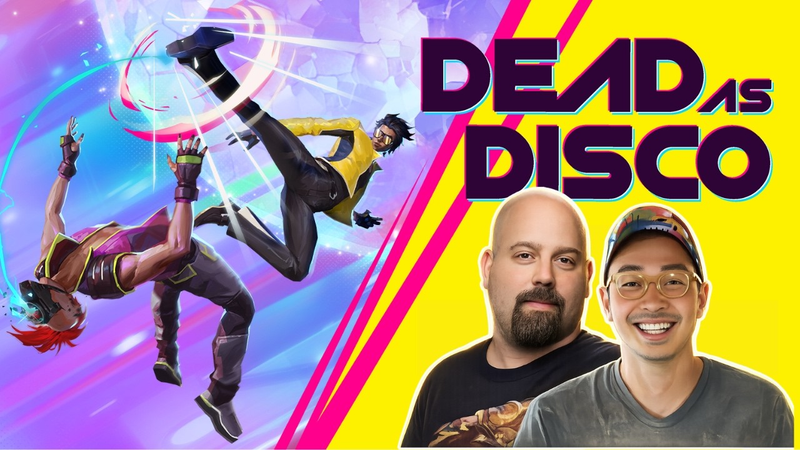
Hello everyone and welcome to our Deconstructor of Fun interview series. I'm your host, Jen Dano. Today we're diving into one of the biggest challenges facing game developers and marketers right now. How do you actually get your game in front of the right players, build a community before launch, and sustain that momentum after you ship? Developers get all the fancy tools, but there haven't been that many created to help us in publishing with our efforts. And even if we do get those tools, they tend to have to be completely custom or they're really cost prohibitive. So today I've got two guests joining me who are tackling this from both sides of the equation. Eden Chen is building the tools and Adam Gershowitz is using them to drive an impressive indie launch. Uh and we're going to talk a little bit more about that today. So together, we're going to break down what's working, what's not, what game marketers and studio leaders should be thinking about when it comes to player acquisition, community
building, and the evolving marketing stack. So the best news is that many of the learnings apply across PC, console, and mobile. So stay tuned no matter what platform you are building on. So first, let me introduce my guest. Eden Chen is the founder of Pragma, a software company building tools that connect game studios and players. They are the makers of Firstlook. Uh you can find them at firstlook.gg, the player relationship platform and engine. They also do a live ops backend. Pragma works with over 100 studios today and has raised over 50 million from the world's leading software investors. Think Greylock and Insight Partners. Eden is also one of the most active adviserss and investors of game studios and game tech having made close to a hundred investments. I need to ask him to invest in me. Just kidding. So second guest is Adam Gershowitz. Adam is the COO at Brainar Games, a studio of AAA
veterans whose debut game demo Dead as Disco has been one of the breakout hits of the past year. The demo has had over a million unique players and has generated over 750,000 wish lists on Steam and 5,000 Steam reviews at 98% overwhelmingly positive. That is almost an impossible thing to do. Congrats to you guys. Before Brain Jar, Adam was a studio head at Netflix Games and the production director for the Overwatch franchise at Blizzard Entertainment. [music] We're going to jump right in. Eden, you are first up with First Look. Did you like that little pun there? All right. So, you started off as a as a play testing platform, but it's really evolved recently into what we are calling or you are calling a player relationship platform. Uh, in the marketing world, we sometimes think of this as like a player CRM, but I know
that can scare off some regular people. So, a player relationship platform. Can you walk us through the three phases that you outline of how you help game teams and marketers approach this?
So, uh, we think of the three phases and maybe even a distinct phase of being a fourth phase is the launch phase because that's just very particular, but there's basically like pre pre-launch. Uh, we actually have a production phase typically that we think about just when people have validated things, they start actually, you know, moving towards launch and then there's launch and then there's post-launch. Um, but the history of the games industry in the in the let's let's call it the sort of pre-launch play testing um kind of uh scenarios is that uh mobile studios would would typically do um kind of a lot of uh CAC LTV work. They'd launch in a one particular region and they actually didn't really want much um much impact on the on the stats on the metrics. Um so so they would launch it and they would just see how the game did without really a lot of community
building work. And then the PC console world was actually quite opposite because of the history of struggling with uh being able to get uh real attribution because of the stores. A lot of them uh their marketing strate strategy would be all centered around a really really big launch. Um and they felt like anything that leaked uh that came out before that would sort of ruin that moment. And so what they would do is a lot of closed testing where they would you know put players into a dark room, they'd take their phones away. they'd uh you know um you know cut the internet and then people would play test and they kind of observe them and that would be play testing for like a more traditional studio. And uh what we're uh saying is that as we move into a more playercentric um kind of development flow, it's critical for studios to um use play testing as a moment to uh build community and to build that golden cohort and then also to figure out what product market fit really is for the game. So that's what in in the sort of play testing phase, that's really what
we're focused on, which is like how do we help studios develop this viral flywheel for organic growth and then how do we help them to get product market fit? And it turns out that like post-launch, you actually have a very similar set of things that you're trying to do, which is um for a live ops game post launch, you're still trying to constantly find product market fit and then constantly build these this this kind of core fan base um and expand from there. So the the actual activities are not that different in principle. There are like some things that are are a little bit different. Um but uh but that but that's those are kind of the two main things that we're really focused on.
Makes sense. Do you have any uh any any good examples you want to give me of a play testing gone gone right or gone wrong? Yeah, I mean I in the news recently obviously everyone's talking about High Guard um which is uh um I I was a really really hardcore uh Apex Legends player um thousand plus hours um in the game uh
and the strategy in in you know 2019 was uh a great one in the sense that um you know they launched with a lot of influencers uh you know paid influencers and the game exploded out of nowhere and uh it retained extremely well. Um the history of that is that uh Apex uh that dev team worked on Titanfall 2 and Titanfalls. There there's actually like a lot of um nuances to that strategy in the sense that like first there was a strong fan base behind Apex because people knew them as like the actual developers of Titfall like you know direct lineage in the same studio made by Respawn. Um and and the second was the game's bones were like the same. This they had the the movement which was really really famous with uh Respawn was the same you know similar movement between Titanfall 2 and Apex. So I think there was a lot more that was like validated uh pre-launch in that case so
that they were able to retain and it was sort of one of those if something works in 2019 it doesn't necessarily mean it'll work today. Um, I will say that like HighGart in many ways from a marketing perspective, you're like this thing like actually did really well. Obviously, they paid for a lot of that noise, but they they they had a huge amount of CCU hit the game. You know, the problem with the with the launch was that uh the the players didn't retain, right? They much of them within, you know, the first week turned off. And and again, like my push to studios um is if you're not building that golden cohort, you're not building that ra that sort of really passionate fan base that's going to support your game when you go launch, then you have nothing that's prevents the game from just getting review bombed and and in in real big trouble. Um, and the second is like you don't really know what's going to happen at scale with the game like from you know are servers going to work to um how are people at
scale going to respond from a review perspective to the game to you know things that you didn't anticipate getting feedback on at scale than you did that I I'm sure they were testing the game but um you know with probably much smaller groups of people and thinking that that that was going well but you know you never know what's going to happen when you go out and test it in front of a 100,000 people or 500,000 people, how that's going to be different than when you're testing it with, you know, a couple hundred people or 500 people. So, uh, I mean, that's just one example and there's there's so many others where people are really hesitant. A lot of the big studios that we talk to, they are hesitant to to do, let's say, like open play testing. um you know, one of the uh you know, one of the really big studios we work with, a really big shoot, one of the biggest shooters last year. Um they uh they were one of the first people to uh do open play testing for a huge studio. Um and it was really really fun to try that with them and on board millions of players and and do that exercise with them.
Um but that was something that I think
was very difficult to approve internally and doesn't always happen at all the other studios. Yeah. No, I mean almost o almost never, but that is the way of the force. Like this is the way to quote the great uh Mandalorian. Um you know you you you got to play test with your audience. And in fact, you know, Adam, I wanted to to ask you a little bit. You know, first is I take it that first look is the platform that you used and was helpful to you or else you probably wouldn't be here on this call. But Dead as Disco went from under 50K wish list to over 400,000 in less than a month. Uh, walk us through the marketing journey from your early play testing through the explosion that you had during Steam NextFest. You know what?
Dennis Disco is a music meets martial arts game where every punch, kick, hit, and action seamlessly integrates to the beat. Um, it's not just a rhythm game. Uh, it's all about that musical
experience. Um, we want players to have that lizard brain response to watching an action movie, Baby Driver, John Wick, etc. And we want them to be able to jump in and pick their favorite songs and tie it to that action experience where like literally every hit, right? It's not it's not rhythm, it's not beat, it's it's on the drum solo and it's on the the vocals and you can build this wonderful experience that just draws you right in.
Awesome. So, it reminds me of what was it? Hi-fi. What was the game from Tango Studios?
Yeah, Hi-Fi Rush. We were We were super inspired by Hi-Fi, but at the same time, we loved Arkham. Uh, and so this is the type of game that um Will Will use the example of if you if you remember original rock band or Guitar Hero, they managed to get this wonderful experience where you can come home from work, crack a beer, and just feel awesome playing your game and jam out. And really, that's what we want for Deadas Disco, right? um we want you to have your favorite music um to be able to sit down
and just kind of lose yourself in the flow and have a ton of fun. And that was kind of that blend of of Arkham or Sefue meets Hi-Fi Rush. Um makes it a lot more accessible, a lot easier to pick up, a lot easier to jam out to. Um and it's been working really well for us.
Awesome. PC only, PC console.
Uh right now PC only, but more information to come in the future. We're still small studio. Gotta get one one uh one platform ship first, right?
Love it.
Our strategy wasn't one of marketing at the time. It was more of 2025 was a really rough place to be a game developer, right? Um really hard to find your players, to find your funding and everything else. Um and Brainar, which was founded late 23. I think we uh had our first employees start in about February 24. We were going into our first year, our first GDC. We had a great demo. was fun to play. We even used first look uh early on to do some cohort testing. That's how we got engaged with them, right? Um bring in a
couple hundred players, friends and family just to play to see if the core the core fun was there, right? The core enjoyment, the loop worked. And um the answer was it was but at the same time that wasn't enough data for us to be confident in launching and nor was it enough data to
you know get publishers or or uh VCs to be interested in digging into it, right? like fun game. Had a love blast playing it. Want to play more? You've gotten great responses, but we're not sure, right? And so quickly we had to pivot our strategy to say, well, you know what? The best thing to do here as a small indie as a small indie studio, as a small studio, is get games into players hands, right? So, the quicker we can do that, the better we can do it. And the our goal was to understand if our our our core joy was there, right? We wanted we want to be the dance dance dance video equivalent, right, for Tik Tok, for video games, right? And what we did is we invited a small cohort of players. At that point,
we had kind of a standard playbook, right? We did everything that, you know, we've done in the past. We put out a trailer, we did a stream with Co Carnage. Um, those did okay, right? We got about I think about 20 25,000 um wish lists and maybe about 10,000 people signed up for our newsletter. And then we're like, "Okay, we'll use our newsletter to sign up for our play tests and we'll invite a small cohort and kind of grow it from there and hope it goes right." And so, uh, the first cohort we had, I think was three or 400 players. And it went really, really well, right? We got great response from our players. We got them in and onboarded really easy with with First Look, got them connected to Discord. We're able to get their feedback very directly. Um, ran them through surveys. At this time, Eden and crew didn't have the survey tool, but we used, you know, Google surveys um and and got the information. And really what it showed us is with just a couple of simple questions, people were enjoying the game. And so, we just kept doubling down, right? We said, "Okay, we need to go more players. So, what am I going to
do?" Uh, I'll just spend my entire mailing list, all 10,000 people,
but we're not going to have enough people after that. What do we do? Like, and that was where First Look came in. and we said, you know, maybe people will be more interested in signing up for a beta than a mailing list. So, we were able to um quickly integrate that into our game, right? So, you can sign up pretty much directly. You can send it to friends directly straight out of the game in the game demo. Um and over a week and then we also made the the terrifying thing to pull the NDA from our next play test. Um and Will, our CEO, and I were having arguments about it. I'm like, "Well, we should go to a thousand people or or 2,000 people and then see how it goes and go from there." He's like, he's like, "Man, there's only like four weeks till next fest. We we got to do this. Just pull the NDA."
Yeah.
And so, we we had a real hard time there. And so, we pulled that NDA.
And um the first weekend uh that the NDA was pulled, we had a I think invited all 10,000 people. We had
like 4,000 or 5,000, you know, hop in and we're playing and um gentleman that goes by the name Moxy Rhythm on Tik Tok just posted a little video that says this is already my game of the year and it used our my music feature to bring in some of his own music to play the Dead's Combat and he brought in a BB no Money and Hatsy Miku
mashup and he blew up to like two million Tik Tok views over the weekend. Um, and he was he wasn't the first person to do that, right? More and more people did it. We can talk about it more, but I think the reality is those people saw it. They came in, they signed up on first look. And over the weekend, we went from having I spend all 10,000 people to having 20, 30, 40, 50,000 people in our queue, which were just like, let's keep going. And we kept introducing more people to the play test every single day. And we did it only after kind of checking those survey results, like peering at them every single day, be like, are people still having fun? Are they enjoying
themselves? Are they is the game still doing well? Okay, another cohort, another cohort, another co cohort. Um, and first look as a tool really allowed us to in that early stage leverage it, right? We could acquire players, we could know what they were doing, we could feel confident in inviting more, and it was really easy to hand it out. Not to mention, we went from having no influencers to having a bunch of people. So being able to generate keys and things like that and just give to these people to show up on people's Twitch channels and just hand out keys to see people like Moxy and go here have a hundred keys, right? Send it out to your fans. We were able to very quickly turn those things around.
And does the Firstl look platform allow you to like make that key sending out process easier? I mean that's typically such a huge pain in the ass.
Yeah, I mean it's a couple button clicks, right? Um, uh, in our Discord, I would just go in and there's a couple variety of ways to do it. The my favorite way is key codes where we just come in, generate a a set of key codes. It's like, yeah, this this key will do 20 signups or something like that. You
put a fun tagline on it. You just drop it somewhere and let people kind of consume it. The feeding frenzy happens. Um, and you can do that probably in like two minutes, three minutes, if that. It's really fast. Um, the only the only challenge there is you need to have make sure you have enough keys. And so like our biggest scramble was we thought when we releas uh when we requested 5,000 keys from Steam that was going to be more than enough to do testing for a while. So we were uh luckily they they they got us some keys quickly [laughter] or else it doesn't matter how fast first look is. Steam's a little bit slower in that regard. Eden. Um, I think Adam said some of the survey, you know, tools weren't in place at the time for them, but it sounds like you've built that up now and and the sentiment tools are are pretty robust in First Look. What are you seeing when you look across like all of the different, you know, I think you have over 100 plus studios that are signed up. How is this player survey tool system being used and and how are
studios leveraging this to add value back to the game devs and probably the marketing team as well? [music] Stay ahead of the competition with Sensor Tower, the trusted source for mobile marketing intelligence. Whether you're tracking trends, benchmarking performance, or scouting the next big hit, Sensor Tower delivers the data that drives strategy. dominate the charts with Sensor Tower.
And I think even on the the targeted on the sentiment side, you're able to even tie it to a player, right? Like I think you could even get to that level of detail.
Yeah, that's exactly right. So, um we have the concept of an unl a notion of a linked account. Um if we can see who the player is because the players connected their accounts. Usually when games have like login and things like that, we're able to get their email, maybe tie their Steam account to their actual player account, then we can tie like very specific
things like playtime to their survey to their what they're saying uh outside the game to obviously what they're doing inside the game too as well, what their play time is, what maps and characters they've played, etc. So, there's just a lot of data that we can ingest and then tie that on a per player basis because we have an in-game SDK. We have all these um sentiment uh analysis that's happening throughout all the different forums and then that's all tied to a universal ID
and the SDK is applicable for mobile PC. What What about console? Does that work?
Yeah, we just have like a Unity and a Unreal um SDK. So, those all work completely crossplatform across uh everything. So like Steam reports play time. Uh so you can just look at that publicly for the most part, but consoles don't provide the play. There's no like PlayStation uh playtime uh API. So the only way you can get like a console play time is via um an SDK, which uh we we have.
So cool.
Yeah. Adam, I I wanted to go back and
ask you a little bit about um some of the play tests that you did and some of the surveys that you were able to do because your NPS score, net promoter score was really high, like over, you know, almost 94. How how are you using those in-game surveys and and any of these player feedback kind of functionality services that that Eden just mentioned to, you know, uh make product decisions and marketing decisions? I imagine this is like a little bit of a gold mine of data for a small indie developer who wouldn't normally have access to stuff like this. So how has this changed your approach?
Yeah, I mean uh polling player opinion is always important. We didn't have the option of having the first look stuff uh when we went out, right? So we used the Google uh forms for that. One of the nice things is is Eden and the crew are constantly asking us how things are going and what we need. And so a lot of the new features that we're not even able to use yet
because we haven't put up new builds of the demo, for example, in quite some time. Um, those are directly off of our feedback. So for us, it's it's really important. The thing I'd tell a developer is the inclination is to make a giant survey. You want to know how every widget performs and everything does.
And really, we made all our decisions off of five questions. Um, did you have fun playing the game? Uh, what was your favorite thing? What was your least favorite thing? Would you, you know, recommend the game to somebody else? You know, the net promoter score, would you buy the game? And an important sixth qu question, which was, hey, will you answer more questions for us? Right. Um, and generally speaking, at the beginning of every single survey we do, whether it's the demo, the beta, whatever, those are the same five questions we ask because we just watch how the trends of our players come and go. And even to this day, those those those five questions are active in our demo. And we've got like an 86 or an 87 MPS, which is really great when you have over 50 or 60,000 respondents, right, over nine
months. And I think one of the great things about the surveys is it just gives you a direction to look, right? Um, you don't want to be too detailed with them. You just want them to point you in the right direction. And then you can use things like the sentiment tools, uh, the Discord tools, and everything else to figure out details. Um, one of the things that we got I think uh I think you started doing Discord
was it September or October of last year is when when that first rolled out.
Something something along those lines. Yeah, we we we had a play test going. I didn't even know the feature was there. And somebody mentioned because I was complaining about how big of a pain in the butt it was to go through all the Discord feedback and collate everything and get it to the team because we'd do a play test and we'd want information because we're going to do another play test in three weeks, right? Um, and I was just digging around and asking questions and somebody out of the support forum's like, "Oh, well, we have a sentiment tool for that now." So,
couple button clicks later, um, you know, what would take me and my community manager two days to pull together, we had in about 15 minutes, right? Um, and it was it was it was great. It was good. It gave us great direction and then it allowed us to understand what we needed to dive into and which topics we needed to dive into. Um, and it's important to have that stuff readily available because, for example, one of the reasons we haven't updated our demo,
um, is because we're still doing a lot of things under the hood. very much as a game in development. And we originally took the stance of every time we did a play test, we would update the demo.
But the problem was is some of the little changes we did under the hood without the rest of the pieces would give players a bad approach, right? So we updated the demo and they're like, "The demo's not fun anymore. Something's changed." Right? And we had to quickly kind of figure out what that was, backtrack it, and adjust it. and having the ability to kind of troll through the latest comments uh on your Steam reviews, on your Steam feedback, on your patch notes, and on Discord allows you to kind
of quickly figure out what's going on. Uh especially
if it's just a general malaise versus a very specific
this thing stinks thread that 10,000 people have kind of jumped into. In our case, it was a variety of small changes we made that we really saw across a variety of threads and we didn't see it from our hardcore play testers because they were really into the game. They were very high-skilled players and really the people that were on the demo at the time were more casual players that were just having fun, right? We left it up. They're having a a blast with it. They come back and play it on the regular just when they need a break and all of a sudden it's changed. So having quick access to those things allows you to make quick decisions, right? Um, and it's it's really important to be able to do that.
That's super interesting. I think you brought up a lot of great points about like segmentation about h, you know, a core player versus a casual player. It is very easy, you know, in the old days to look at your Discord or your Reddit feeds. You know, when I was at Riot, I
would um have all the developers, they of course would read the Reddit forums every day in North America, and it was very easy to tell when one thing went wrong. It was like, okay, it's coalescing around this. But you're right, when you've got kind of a new build that's coming out, uh, and there's a bunch of of little things, this is probably one of the only ways that you can quickly and accurately kind of understand all of the different pieces coming together because it's it's typically not that easy to pull that together by segments. And even you can segment it. Can you can you select different kinds of segments or how does that work?
Yeah, there's like multi select filtering. So you could filter by um pretty much almost anything you can imagine. Um that's cool.
Yeah, there's even things that uh we almost like publicly don't want to say that is captured. [laughter]
That's awesome. That's
you can filter by a lot. Yeah.
Yeah. And and the tools are really flexible in the fact that it gives developers the ability to build their own segments. Right. Even before some of
this stuff existed, we were able to easily uh divide up all of our play test cohorts, where they came from, when they came in, what group they were with, and so as the the additional segmentation tools and data tools came on, it just made that easier, right? And so you can pretty much split it up every which way you want. In fact, we've got um data piping into First Look, not just from our play test, but our demo as well, right? And in fact, that was one of the things that caused problems for us is because we had it both piping in. We went to do our first play test after the demo and we're like, "All of our data is bad. Why is all of our data bad?" And it was like, "Oh no, it's mixing the demo and the play test." And at the time we couldn't segment it. And so we went over to the first look forums. And I'm like, "Hey, here's a problem." And it the responsiveness was really good because they came back and said,
"Yeah, crap. We didn't think about that. Give us a And two days later, they had a a segmentation for us, right? So now we can switch between the different products we have, the different play
tests we have, the different versions we have to be able to quickly kind of segment through that stuff. So the responsiveness in that regard was was great, right? And so I think that was some of the precursor to a lot of the segmentation stuff you guys have now.
Web stores, you've seen what good looks like, but have you seen great? Appch charge is the direct to consumer platform backed by the likes of Supercell and built by monetization pros from Moonactive, Platika, [music] Huge Games and others, people who know the difference. App charge powers over half a billion dollars in transaction a year for top studios optimizing every detail. Deeply personalized web store offers custommade design, industryleading monetization features, in-game payments SDK and more. [music] 70% of top grossing games already have a web store, but the ones scaling fastest, they're doing it with AppCharge. Learn [music] more at appcharge.com.
Yeah, there's a a few different things here. Um, a lot of what we're trying to do is make uh the the process easy for studios. Um, so, uh, one kind of very, uh, normal difficult thing that studios have to do is get surveys inside of a game. Um, uh, what happens a lot with a lot of studios is that, uh, UI engineers are in high demand. Um, and there's not a lot of them out there. Uh, and usually they don't run a right uh, survey UI. Um, another thing that happens at a lot of game studios is that the marketers and the development teams are not always working handinhand with each other. Um,
no, that that happens. I didn't know that.
So, um, you know, when the marketers or community folks want, you know, surveys and the UI engineers too busy to um, get them in, what most people, you know, end up using is, you know, to Adam's point, you know, Google forms, Google surveys.
They're they're fast. they're easy to get going. Um, you know, what we found with our surveys is that because we do in-game surveys which have a greater than 50% uh response rate versus uh like a web survey that's after or we we actually provide native discord surveys which actually do a little bit better than uh web surveys. Um but uh the main thing is just like how do we give those tools to studios to get the highest response rates. Um, another thing that we uh have is a we have a reward system that's integrated with our uh survey uh our survey functionality. So we can reward players for taking those surveys which again also facilitates a higher uh response rate. Um, now Adam may also, you know, argue that that may be actually good data to know whether someone does respond to a survey because I I I know that it's it actually is if someone is responding to a survey that actually means they care and um you may not want to necessarily incentivize them. That may skew the data a little bit. Um, but a lot of this is just the
tools to um make it easy for developers to get that information. So surveys is one just general thing that that's that's used. That's obviously an active way to get feedback from players. The passive way to get feedback is just like reading what's being said on the internet. Um, you know, the problem with that is that there's just so much out there. Um, you have, you know, Reddit, you have Discord, you have, you know, review for, you know, you have a review places like Steam which have, um, obviously the actual reviews, um, and, uh, they have, uh, you know, discussions inside of those, uh, those forums as well. Um, even just taking one uh space like Discord uh and trying to filter all the conversations to something that's actually valuable to your dev team is, you know, extremely challenging. Um, so the benefit of uh sentiment um is the ability to ingest all that data across a lot of different sources and then turn that into um actual, you know, feedback
that that's digestible by the dev teams. Um we we have is like these weekly snapshots too as well which give people like all the community activity for any given week and then we provide lots of lots of like stats to show you how sentiments changing over time. You can add tags like characters or maps or you know anything specifically and track how those uh change over time for a specific like live ops game. what you'd care about is like if you're rebalancing a character, um you want to see, you know, how that character sentiment is is is moving over time as an example. Um if you're making map changes or balance changes, you want to see how that's impacting your overall sentiment. um as an example, but it's just very difficult to what in the past would be one maybe community manager trying to read like hundreds, thousands, tens of thousands of messages and trying to sort of summarize that to the dev team, which is just be like end up being extremely biased um in maybe a small number of uh pieces of feedback. You know, sentiment
can do mass ingestion. You could also just see like who said something and how many play how much play time does that specific person have because you might have someone that's played for 10 minutes that left uh you know I'm sure H Highgard actually dealt with this a lot where you know people probably that didn't even play the game were saying you know huge amounts of feedback just because they wanted to be toxic you know and uh say things. It's just a weird cultural thing. Yeah. That people wanted to jump on. Uh but you know that's not helpful feedback. [laughter] So yeah, so those are the two ones like you have mass suggestion and then you have targeted feedback. But the the ideas are just like how do we make that easier for studios to read that game devs here at Heroic Labs. We know that great gameplay is what players love, but integrating metagame features like challenges, progression, and rewards is [music] crucial for retention and monetization. But coding them is a
tedious and timeconuming [music] process. That's why top studios have turned to Hero from Heroic Clouds. Hero provides a complete suite of battle tested metagame features that are quick to implement, [music] letting you spend more time on the core gameplay experience. Ready to ship fully featured engaging games. Check out Hero today at heroiclabs.com.
Yeah, Adam's crew is an early adopter.
No, it sounds like it. And I we we just we cause problems is what we did.
Yeah, that's great.
We love that.
No, I just geek out on this stuff because as as a partner to the product teams, you know, I typically like I'm a product marketer sitting next to the PM and you know, having access to this data and being a able to answer those questions of you know, which segment is saying what and then what do we do about it? you know, sometimes the hardest part back in the day was just having that data because the what do we do about it wasn't easy if you didn't know, you
know, what you needed to do, what was the data telling you. So, that was really interesting. Um, I want to transition in a sense, you know, from that kind of early phase, that play testing, that survey, that consumer insights to a little bit more about organic growth. uh this is as buzzwordy as you can get in this day and age where um you know especially on the PC console side you know paid uh paid marketing is is the devil for many people so everyone's like organic organic organic so I I think what I really enjoyed is the platform has a lot of organic and re-engagement you know kind of loops and tools built in so um Eden tell me a little bit more about how you thought about this because this is a big chunk of what the platform kind of offers as a tool set for folks, right?
Yeah. Yeah. I think like uh that you know the history of our company is that we were a back-end infrastructure company for the first uh five years of our um existence and um uh you know a
lot of the studios that we work with uh shut down um you know you can imagine almost every X-Riot studio [laughter]
sorry guys
used us right um
I I I was in one of those so
yeah yeah [laughter] okay Adam was yeah
yeah I've been there, done that.
Yeah, there's there's a lot of them out there. We we powered almost every one of them and um you know, one of the frust you know, huge frustrations as a tool provider is that you just see these studios shutting down and as a back-end infrastructure provider, there's nothing you could do. You're just in the background helping, you know, connect the servers, connect the players to each other, but you you can't do anything about, you know, PMF, you can't do anything about growth. and all these studios are struggling with distribution and there's literally nothing we can do about it. So, um you know a big part of the passion for really going into first look was how do we solve this distribution problem for studios? How do we help them with uh organic growth? uh
in a lot of ways you the obviously the history with in the PC console space is that there there really isn't obvious places to spend money um to to acquire players that doesn't feel you know really bad for core gaming audiences um because of uh attribution uh issues with the stores that you know there wasn't great attribution um and so you know mobile mobile has really thrived in in in this sort of um you know paid space but uh there really hasn't been a space for that. If you, you know, were playing Call of Duty and you saw an ad pop up, you would be like, you know, you just like rage, quit, delete the game. It's just not what you would see. So those space, there's not even an inventory for that anywhere. Um, so, you know, the first place you look to is like how do you create some of these more organic um loops? Uh, and uh, somebody at at a friend of mine at 2K um, told me a quote and actually it inspired a lot of what we did, which is that there's really
only two ways um, to organically grow a game. Um, the first is you get uh, people to share like share it with their friends. Um, pretty basic. [laughter]
Yeah. Yeah. I mean, pretty basic. And and the second is that you get people to stream the game. Uh, we're not talking about paid streamers. We're like talking about people that
organic streamers. organic streamers. Yeah, that's like you can just imagine any new game that you've played, you you either have saw it on a stream on someone that you respect and like you were watching Jack Frags or something and you see a cool stream and you try the game out or your friend says, "Hey, I'm going to try this new game." And you you try it. I mean, there's basically it's not rocket science, but I think just even the tools to handle those two very simple things uh are not natively there. Um, you know, one of the examples I always give is that in the first look flows when you onboard a player, when studios uh put a refer friend dialogue at the end of that flow, we see on average like a 10 to 25% uplift in their
community. And we have many many communities uh of the hundreds of studios we work with where more than half of the and we're talking about hundreds of thousands of players um not like a very small number but more than half their community is either first or second degree referrals from somebody. So this is not like um oh this is a nice thing for you to get a hundred people into a game. It's like at at massive scale you can actually build a co golden cohort who invites people and then those people invite people. Um, I know uh Dennis Disco has uh this this sort of organic creator programs too as well, but we also work really hard to facilitate um the ability for people to organically on board creators. Um what that looks like is helping um get those creators into Discord, helping them feel like a VIP. Um and also rewarding them for streaming the game. And that could be that's not paid stuff. That's usually things like you give them a referral code or you give them a special Discord role in Discord or you give them an
in-game badge or achievement or something and those those or you give them just special access to things whether it be the a first look at the you know next build or things like that which is good content for them as streamers.
Um ultimately a streamers are a lot of them are building businesses and they want um they want to build a bigger audience which means they need good content. Um, and that's what you're trying to facilitate just the the the tools to allow studios to do those kinds of things. So, I mean, I can give lots of different examples of that kind of stuff. But, I mean, it's just it's really basic. It it comes down to those two things and like how do you make that easier?
Yeah. A couple points from my past when you brought up, you know, the the obvious um two organic methods, which is tell a friend or or watch a friend basically. Um, yeah. So, uh, you know, at
at Riot, one of the things that we tracked really intently was the number of streamers or or especially on Twitch, but any of the platforms, the number of streamers streaming a game was highly
correlated to the game's growth. Um, and so it wasn't necessarily the amount of time, it was like how many different people. So that was like always a really interesting stat that we kept an eye on uh when evaluating like the competitive set or how we were doing. And then the other thing um people don't realize this I I actually got to I got to lead a team when I was at right. I I was leading the growth team and so I actually had a team of like product engineers UI folks and one of the things that was just so difficult was we called it raph refer friend. any raph feature was always deprioritized in anything that I could build because it was so difficult to prove the value. And so, thank you [laughter] for for now coming in and saying, you know, because you're offering this in a sense as a tool set for folks, I don't have to go and get my team to build it. You're offering this, right? So you're and you're also coming
in and saying what was the set you said the uptick for like a referral friend feature.
Um it's it it's at least 10 to 25%. I mean it ranges based off of the um and and this is it the implementation is uh varies based off of the studio. So some people will say like if you invite three friends all of you get into a play test. Um some people will just have a refer a friend option there. There's no reward. It's literally just like here's two codes that you can use to invite your friends.
I I think about that like for me I'm I'm interested in trying out uh um Marathon uh which is coming out in a week or or so um on the open side, but I didn't play the closed beta the last one because um uh I had a code but I didn't have codes for my friends. So I'm like I'm not going to I'm not going to just play by myself,
you know? It's like
want to if I'm going to play I always play with the same three people. So, I'm just g I'm either gonna play with them or I'm not gonna play. Like, that's just So, it's basically like that. It's It's
kind of a no-brainer, but studios don't make it easy um to to bring your friends into a game.
And it reminds me of Deadlock. When Deadlock first came out from Valve, didn't didn't you get like two or three friend keys? Cuz you're right, like I I I think as marketers or as just even marketing and product all together, because I do believe in one team, one dream. We're all on the same team. is uh you know we as gamers we operate in a pack and very very infrequently do you just especially if you're going to do one of these kinds of games you go by yourself and so when you think about a raft program or you think about these kinds of programs you have to think about how do you not only incentivize the individual but how do you incentivize the individual and their group and their pack their wolf pack uh to be able to do things and so it sounds like some of the features that you're building and the way that you're thinking about this organic these flyw wheels and these re-engagement wheels are through that lens.
Yeah. It's like we have all these rewards and questing tools. Um for our
rewards and quests, you can um set uh what kind of behavior you're trying to convince them to do, whether it be like bring a friend in, share UGC, things like that. And then you can set rewards like in-game item and things like that. We're actually thinking about integrating a company called Printull um which allows you to drop ship uh physical items without any holding any inventory. So if a player gets to a certain number of friends like they've invited, you know, someone's invited like 15 20 friends.
Um
they should get a t-shirt.
They get a t-shirt. Yeah, they should get a special card. They should get Yeah. It's like that stuff actually really matters because then they go and share that on social media and it creates these like really strong
again core fans that are just like you know really passionate about the game and they're wearing the shirt. What is the value of someone that's constantly wearing your shirt you know your studio shirt out and telling their friends and it's just hard to measure something like that.
This podcast is [music] brought to you by Apps Flyier. In today's digital world, understanding your app's journey
from discovery [music] to download is more than just insightful. It's essential. Enter Appslier, the leader in mobile [music] attribution and marketing analytics that allows you to measure the full potential of your marketing efforts, [music] making every ad dollar work smarter. With Apps Flyier, that's your new reality. Dive deep into datadriven insights that reveal exactly where your users come from and how they'll interact with your app. AppSlire, [music] where your app's potential meets performance. Adam, besides wearing a dentist disco shirt representing your game, um how what of the laundry list or the alle cart menu of things that we've talked about, what have you used already and what are you excited about using as as you get further along in development?
So, interestingly enough, we have a a different approach in some ways, right? Um a lot of what we were just discussing discussing with streaming, right? and dead as Disco as a predominantly single player game, although we do have co-op coming soon, TM. Um,
and a music-based game is actually terrible for Twitch.
Yeah.
Um, because Twitch is terrible to artists and they just do a really bad job of attributing artists and giving them some level of success, right? So, that hurts that hurts your content creators and it hurts the artists whose music is being used, right? So, for us, Tik Tok is a better option, right? because people can pick and use songs and the music is attributed to the appropriate artist. And what what's really important for us is building community around that. So, it's not about getting one big streamer to do it or even you to do it and your friends to see it, but it's rather to just get everybody to to interact in this kind of joyful fun game. And we designed a company and the game specifically around that. We had a um a a a company logo that is we build games you feel compelled to share, right? And we really wanted people to be able to interact. So for us, it was about you play the game, you have a ton of fun,
you export a clip, you put it up there, somebody's like, "This is a wonderful game, but I don't like rap." And you're like, "Well, that's fine." Or somebody says, "I really want to see that with BB No Money or Led Zeppelin." and somebody else just immediately chains off that go here you go right and so it's that instant gratification loop of trading things that is very much the the short form media these days right where um Twitch is a little bit more personality or longbased whereas if you're just casually looking on your phone like that's cool I really wish it had this thing wait it does oh wait it does oh wait it does right and you get this uh this kind of economy that goes on that allows you to blow up and so in our case like We we driven mostly off of short form. We had um I think we're at 200 200 plus million views on the Dead Disco Tik Tok um hashtag. Um and that's been the main thing that drives for us. Um we're excited for when we can kind of unveil or unleash our streamer safe soundtrack,
but you know that's for when the game launches, but not for when the demo is. And so one of the I'm all over the place here, but like one of the great things about uh what we're doing and and and how we're driving that viral strategy is always coming back to the community, always coming back to their demographics, always coming back to something that they can share with somebody else, right? And you know, this comes back to the Discord channels and uh trolling Tik Tok posts and mining player sentiment off of Steam is just to find where the conversation is and what is engaging them and then being able to offer up those things, right? We we weren't going to add any content, but people like, I want to be able to do more of this. So, we opened up mods. Um people are like, I wish they added more of this. So, you know, over Halloween we said, "Oh, here's a Halloween level just for fun, right?" Um, and really being able to track that. Um, how pe people and players behave is important. Um, and
so from a creator community standpoint, we don't necessarily have a stable of like a few creators, right? We have a a we have a core group that is a rather large group that just builds this stuff and we communicate, we work with them, we can give them keys through Discord, things like that. But then we have the broader group of people that are just friend groups. And that's where things like friend keys come in handy for us because if you hand out I was afraid, I'll be honest, I was afraid to just be like, "Here you you sign up and you're in, you immediately get a friend in because we were already having Steam key problems and and that's a first world problem." So instead what we did is after every single play test we gave that cohort uh keys and then we would look at their data and everything else and people who had a bigger social network that their keys be get more keys we gave them even more right so being able to track how these keys are being used and how these and who's bringing people into your game is super valuable
there's a lot of programs and a lot of software out there where you're like okay I'm going to put together a program and everybody's going to get five keys you don't know how the keys are used. People don't make content for them. They they wander off and I don't know, sell them to resellers or something like that. Um whereas being able to watch the spiderweb of of how they interact with the community has been very valuable because it allows us to target and double down on those people.
And first look allows you to do that, right?
See that?
Yeah. I I can see in first look who is invited by who else
and I can also see how many of their keys have been redeemed, right? Very very easily.
Yeah. Yeah. And a lot of the uh the a lot of the creator functionality that we built was actually uh inspired by Adam's feedback um uh that he gave our team on lots of the other creator tools that he's used in the past. Um, so we we actually did go very strong into Tik Tok short form content because partly because of Adam's feedback and um a lot of what we're doing on the on the organic build your own creator program
is a result of you know most of the programs out there are focused on um give me a you know dollar spend and I'll go and you know spend that on CPM which which is great and we're going to do that as well but uh our first step was like more how do we allow you to build your own organic creator community on board, you know, Tik Tok streamers who then can still get rewarded VR systems because they authenticated on Tik Tok or on on Instagram or, you know, whatever it might be.
Adam, thank you for volunteering to be the guinea pig for the rest of us to benefit. [laughter]
Totally.
Well, the the fun thing is I haven't even been able to benefit from them yet because we haven't done a big campaign. So, we're [clears throat] we're looking forward going into this year. We've got some fun stuff coming up and I'm like, I got to reintegrate all this new all these new toys into our program, right? How do I use them? Um, and so it's it's it's both a both a feast and a famine situation because on one hand I'm like I wanted all these things. Now on the other hand I'm like where do I find all the time to integrate all of these things?
Well, another toy I wanted Eden to ask
you about is Discord bots. And you said something really interesting to me about how you had recently brought someone on who is like just a master of how Discord bots are are working. So talk to me about how you were thinking about integrating uh Discord bots and and community into the platform.
Yeah. Yeah. So we recently hired this guy Jaser. Um he uh built the largest Discord channel uh at at one point. It's not anymore. Um it used to be called Anime Soul. It's still one of the I think top 10 largest Discords. He he like built it when he was like was like 18year-old kid like you know like you know like this really fun story. uh I'd not even gone to college at that point or anything like that. But uh uh you know one of his the things that he made me see particularly for long live franchises um you know take something like Destiny or Runescape or you know the you know franchises that have been around for quite a while um is that uh
uh you know another one that that we we work with actually is um Guild Wars um they have so actually Guild Wars doesn't even have their official um you know Discord community. It's a unofficial one, but it's very similar to a lot of uh um studios. They don't want to moderate their own discord. It's, you know, very common um kind of thing.
But uh you know, for long live franchises like that and again Runescape and others, there's thousands of Discord servers that are all run by small, it could be any a fivep person clan um to, you know, some of these discords are massive. You know, there's like hundreds of thousands of people and they're but they're unofficial, they're not moderated, etc. So um you know what we built was this ability for uh to manage many many bots inside of one admin panel. So inside of the first look uh admin panel you could effectively build a branded Discord bot that then you can run announcements, giveaways and drops and get analytics across however many uh
servers that that bot is implemented in. Um, and it allows you to sort of like even if you don't even have your own Discord channel, you you could just have a bot that lives in a thousand Discord channels and you could run all your announcements and your, you know, your giveaways and things like that via that bot. Um, you know, but in this case that you have your own one, the idea is you're not in the other thousand ones that that are just unofficially there. But those server moderators want a patch line into the dev still. they want, you know, in order for them to be an official community, they want to know when there's updates to the game and um if there's giveaways which bring value to their community, they're like down to be involved in those things and we've talked to a lot of server owners. Um so so that's that. We we also separately are building our own relationship with server owners as a space for us to drive ads. Um because a big focus of mine in the next year is where can I find paid uh inventory for core gamers. Um so we
use the same technology to power our bot that then lives in a lot of different servers. We're focused on the biggest servers like the top thousand Discord servers. Um, and the and the goal for us is to like build a relationship with those server owners so that we can place giveaways in those servers as a way to get visibility into studios that are launching.
So, two separate two separate things.
Yeah, two separate things. The the other thing I'm going to I'm going to market you for a second is um you know I I I worked on a num a number of like entertainment franchises and so imagine if you're Game of Thrones or you're you know probably not Toy Story but that's one I worked on or Power Rangers or
so these big big brands out there Harry Potter
that are IPs from the biggest companies that have different executions. I mean Marvel right like how many freaking Marvel games are out there in the world. So, not only could it be from a game trying to get to your different audiences, but it
could it also be for an IP and then you have different offerings across, you know, whether it's movie tickets for the next Marvel movie or it's, you know, different in-game rewards that you're trying to get somebody to cross-ell into a different game. Is that possible?
Yeah, a lot of it is like we're we're trying to power like community activity. So, I I think that that is very related to um any kind of community. It helps when those communities have gaming audiences because the places that we are tend to be focused because because we're focused on the games industry right now. Uh the spaces that we operate in are you know Discord with in-game SDKs uh Twitch, YouTube and Tik Tok. Um these are like you know gaming native spaces. I mean some of them obviously are you know obviously YouTube is very generic. Um, but you know, Discord is is is focused more on gamers than it is anything else. Um, and so it does help to if that community activity happens to be that. So anime is one that's great for that. You know, Marvel and Star Wars
and those tend to have large gaming crossover communities, um, etc.
Yeah. Yeah. No, it makes sense. Music, Adam, could make sense for you. A lot of music discords out there, maybe.
Yeah.
Yeah. I mean, that's that's actually one of the things now that uh I didn't know this was coming until I talked to Eden before this this [laughter] interview.
And so now I'm now it's going through my head. One of the things that we've been talking about is we're we're very creator driven and we're very artist driven, right? Um all of our original music we build is with real musicians and real artists that are out there, right? And one of the things we were just talking about today is well, how do we find how do we let people know that our game exists and it could be a platform to help them as much as it helps us, right? Um, we've had a couple of bands do things. It's like, hey, this is a fun way. I'm a little indie band. I put my music in there and I put it up and it's a way for me to build a trailer or something that's more interesting than here's my file link on Soundcloud,
right? And so I think the thing for us is we were just talking about how we find those communities and how we find those artists and we like to refer to it as like what's your killer track. So we the be the ability to do that across multiple platforms or to join those other communities or have those communities join into us and then very easily push out like
um you know the Dota's you know how they do the the annual giant box of joy right like we want to be able to do that we want to be able to do battle of the bands we want to you know maybe in the future be able to do things like DLC and downloadable content that features independent artists and things like that, like how do you go out and find those people? How do you let those people know that you exist? And so being able to use some of these I can only imagine ways of using these integrated bots um that'll allow us to do it. Especially if communities reach out to us and say we love your game. We're a music community. Can we get involved? The first thing you can do is like, sure, here you go. Think you're instantly linked right now? You know
what's going on and everything that's going on with us? And then we can also do it in reverse, right? So it can be a reciprocal relationship. In the game of growth, everyone is looking for that power up. [music] Vibes is exactly that. It's built by industry people, so they actually get the challenges you're dealing with. As a result, [music] they become the fastest growing gamified rewards platform out there. And the results are kind of nuts. With their AI powered targeting, you're not just buying installs, [music] you're bringing in the right players. And now they've got this new rorowass optimization engine, so your campaigns basically [music] level up automatically. Vibes is built different. It's designed for growth, and I guess you could say it's powered [music] by Good Vibes. Check out their DOF exclusive case studies by [music] following the link in the description and go to vbs.co. [music] That's vybs.co. CEO, share your email and join the
weightless list.
Well, I also love that uh the bot adds value, right? You can drop you can drop in-game rewards or other types of of value. So, not only is it news, but it's, you know, it's an in-game kind of like
swag for your crew. Yeah. Swag for your crew. Yeah.
Yeah.
Yeah. And maybe you could even do that exclusive and they get different things. And anyway, as a marketer, I'm like, "Oo, that sounded super super cool." Eden, um, just going back, you you'd mentioned paid. I want to focus a little bit now in on paid. And I think we all know that in the world of mobile, it's obvious there's user acquisition, all this amazing attribution. Even in the post IDFA world, attribution is still so much better on mobile than on PC console. So, how are you thinking about uh growing paid options and opportunities for um for your different the different studio marketing partners that you have?
Yeah. Um so, paid is probably my biggest
focus uh for 2026. Um personally, it's just the space I'm thinking about the most. Um, part of it is that for us to grow as a software company, um, we need a scalable model and, uh, one of the most scalable models is paid acquisition at the end of the day. It's not, not relevant to every studio. Obviously, to the studios that have more budget makes sense. Um, but yeah, to your, you know, to your question and and your point, there's kind of two aspects of it. The first that I think about is like where do you even find inventory for, um, for for core gamers? that's not going to feel terrible. Um, you know, that's not just like, you know, putting a billboard up. Um, and then the second is sort of like where do you how do you get good attribution in um, uh, in the PC console space. Uh, so taking on the first one. Uh, the we're starting in a few different places. Um, the first is in the creator space. Uh, I mean that that's obviously well talked about. Um, we feel like Tik Tok is probably of the
three major platforms, Tik Tok, YouTube, and Twitch, the least, um, known. Um, and what we're doing is building the largest database of metatags across those, uh, influencers so that you can easily filter through, um, relevant tags to your game. This is a learning process for us still because, um, we're trying to tag as much as possible and then we have to see how well how effective that is for a particular game. Um, for example, uh, there's tagging by genre is the most obvious one, but you know, what you'd really want to tag by is also demographic. Um, and uh, things like uh, you know, Dead as Disco is a music game, so it's like almost like that would be a helpful tag to have, but it's not going to be relevant to a lot of other people. So, that that's the difficulty with some of that, like how do you um, uh, get as many tags as possible, but that are like highly relevant to studios. Um the second place for us is uh Discord. Um you know as a as a central place that a
lot of uh core gamers go to. Um how do we uh build a relationship with the top thousand server owners and also tag and make sure that we understand which audiences are in those uh servers. Um today if you do a uh like a native uh advertisement inside of uh Discord, those are aren't delivered through servers. They're delivered directly to the player. um and they have huge minimum spends. Um I'm sure that will come down over time, but um you know, our thing is that we think we could provide an alternative network of uh directly delivering that via actual servers and doing it in a really organic way that's delivered via the server owner. Um and then the third space for us is just like player utility sites, um which are either first or second party. uh the first party ones. We're looking right now at multiple acquisitions on the player side to um player utility would be like things that provide utility to players that all of those sites are advertising spaces right now,
but they're not scaled. Uh they're all like, you know, very very small, even if they have a million or two or three million different accounts. So our concept there is if we acquire several player utility sites and start building our own first-party network, we can then take ad budget and then place it in uh a combination of native creators, discord servers and firstparty um you know websites that are all you again relevant. That's the first side of the equation. The second side is like attribution. Um, you know, the benefit to us is because we have websites, we have SDKs, um, and we have source tracking across all of these surface areas, we can see everything except for the store cuz Ste, like obviously we can't like get into Steam and see.
We all wish, but yeah, we can't.
Yeah, we we can't get in there, but we can see everything around it. Uh, we can see if they've actually got inside of the game. We can see all the sites that lead up to them going into the game. Um, again, because a lot of players will hit
our sites before they go to, let's say, wishlist the um, store, we can see, you know, behind the scenes what the player has done, whether they've wishlisted it or not, if it's public, those kinds of things. So, there is like probably a deeper amount of attribution than that that we can do than has ever been done. Um, it's still there's still a gap in that like we still can't see that that middle space. just impossible uh for us to see. But we can, you know, I think we'll be the first place that can see like sort of the post purchase or like post behavior and like the sort of pre going to the store. And then I our goal is to sort of going to be how do we map that in a way that gives us better uh intel on being able to actually get to like some kind of CPA or CPI?
Yeah. And are you building out influencer a little bit more too? I think you earlier you said something about
Yeah, that that was the that was the first space. Creators, influencers, that that's like that is like one of the the big focuses. That's probably our our biggest focus for the paid side for this year.
Yeah, cuz when you were showing me the
tool, it was cool how you could um not only use it for, you know, identifying a potential creator and influencer to reach out to, but then you can use it to track your spend and your buy. like it's like almost like uh like a sourcing and then you know managing.
Yeah, we say it's like end to end um creator functionality like prospecting like finding who the right people are um you know actually onboarding them onto your discord, managing them uh figuring out how many views they have and then paying them.
Yeah. And by the way everyone, the paying them is a pain in the ass. Um it is not easy to do. you have taxes, you have contract, you have all kinds of stuff to so to have a platform that can help with that is pretty much essential if you've got a game beyond just English. Uh, you got to deal with that stuff. Um, Adam, I wanted to ask you, um, do do any of these pay? You know, I know you're a little baby indie, you don't have a lot of money, you're likely like, hey, all that organic stuff sounds
great, but but how would you think about utilizing paid if you could? And does any of this like help you with that?
Yeah, I mean, so I think the simple answer is yes, right? Um, as a as a as a smaller studio, right? We do we do have some money we can throw at these things, but we can't we can't do it illinformed, right? And we can't spend a lot of money learning what doesn't work, like thousands of dollars to find your cohorts and your people and who will who will click through these things. So, um I think I think uh Eden mentioned or maybe you mentioned Jen um the direct Discord stuff like Discord quests. When we heard that came out, we're like, "Oh, this is going to be amazing." And when they reached out to us and they're like, we're like, "Yes, we want to do it." And they said, "Here's the minimum spend." And we're like,
"Yeah, it's a lot, right? Like six digit a lot."
Like like that's more than my marketing budget and that's just to get into the
base floor. That's like that doesn't get me up at number one. And that gets me like down at number 2,677, right?
Yeah.
And so for us, it's we really haven't spent anything. Knock on wood. Hardest piece of wood in the house. Um on paid marketing yet, right? Because early on when we went out there and put ourselves out there, it was more for we need awareness, we need players, we need to show that this game has legs, both for our own confidence and for our player confidence and our, you know, hopefully investor and publishing confidence. And now we're switching gears and now we need to go, okay, well, we have a good cohort of players, that golden cohort, we have good traction, but how do we get to the places we're not there yet, right? And that's where these organic spends come in. And this is where being able to target very specifically where we want to go and how we want to go and see how it works is really important. And it's kind of hard to do on a lot of other platforms. One of the nice things about having a rather large cohort of players
to look at is the more we can find out about where those players also go, where their friends are, where they hang out, where they go, it's a pretty good indication that you could should should spend money in those areas, right? Not not because that's going to be the best return, but because you probably have like-minded people. If Eden likes to play my game, and hey, we're not just a music game. We're a beat him up, right? with cool ass boss battles, too. And he also is in the Elder Ring Discord forums, and he's also in, you know, um, Devil May Cry or other places. Like, being able to understand what other types of games and other things interest Eden helps us kind of cooperatively target what we want to do, which that's a lot harder when you're coming straight from a Discord or or not straight from a Discord, but going straight into like a Tik Tok or Google ads or meta ads. You've got to do a lot of test ads to just kind of slowly sort that out. And it takes a lot of time, money, and quite honestly, expertise. And if you're a
small studio, it it's expensive to get that expertise.
Absolutely. Absolutely. Well, guys, this was great. Thank you for giving, you know, a lot of data and insights around like your journey with all this. Eden, did we did we cover it all? What all did I forget anything?
No, I don't think so. I mean, I I I I think the um it's easy to sort of like get lost in the weeds because there's so much out there. I I think not even just with what we're doing, but you know, just all the tools, all the different things that you could be doing. My my biggest uh you know, push to every studio is just it's it's such a stupid obvious statement, but I think I find that it's sometimes missed is sort of just like focusing on the player. [laughter] I mean, it's such a dumb thing to say. I think I almost feel like an idiot saying it. Um that uh but but maybe I I don't even know. It's just like people need to make sure that they understand who their player is and that they're doing all they can to understand that better and
to get it in and and to sort of like take that feedback and incorporate it to make a better game. And uh uh I don't want to like sort of lose people in the weeds of like all the different tactics behind what you can do, but it's just kind of like the the the philosophy. I I I love that Riot um had that sort of like core value of always
player experience first. Um it it is like tattooed in my brain pretty much.
Yeah. And I think like maybe people joked about it over time and it lost its sort of like um uh I I I think about League of Legends like how much paid advertising do they do? Probably like nothing. It's like all it was like so much grassroots community at the end of the day that it was all you know built up from that Dota that core Dota community. Um and and uh and obviously now 10 years later they're still where they're at. So yeah.
Uh I spent money but that's okay. Yes. A lot of it was organic. Yes. But I uh uh Yeah. Originally. Yes. No. I mean
uh definitely. So this was super awesome. I really appreciate you guys and check out uh firstlook.gg and go get the demo for uh your game Adam, please. What does it say? What does it say?
Dead as disco.
Dead as disco. All right. There you go.
All right. Thank you guys and see you next time.
You did it. You made it to the end of the episode. As a fan of the show, it would help us out if you'd subscribe and leave us [music] a review on the podcast service of your choice. Those stars and likes while small action on your part mean a lot to us and help to grow the show. More importantly, are you a member of the Deconstructor of Fun Slack group? If you have 5 years or more of games industry experience, go to deconstructorofund.com/slack [music] and apply to join. Join the games industry best professional community filled with [music] peers always willing to lend a hand or subscribe to our newsletter to get all the latest insights from the Deconstructor of Fun
[music] content creators. Thanks for listening.
Auto-generated captions from YouTube — names and numbers may be misheard.
Achieving significant market traction for modern PC and console titles requires a fundamental shift from traditional, closed development cycles toward open, community-centric models. By prioritizing early, large-scale player testing, studios can validate product-market fit and cultivate a passionate fan base well before a game’s official release. This strategy, exemplified by the rapid acquisition of 400,000 wishlists for Dead as Disco, demonstrates that success is increasingly dependent on the ability to identify and nurture a "golden cohort" of players through continuous engagement and data-driven iteration.
Integrated playtest platforms have become essential infrastructure for bridging the gap between marketing and development. These tools streamline the distribution of keys and the collection of sentiment data, allowing studios to replace manual, time-consuming feedback processes with automated, real-time insights. By utilizing granular metadata tagging and recurring surveys, developers can monitor player sentiment across specific segments, enabling rapid adjustments that align the product more closely with user expectations. This technical integration ensures that development decisions are informed by accurate, actionable intelligence rather than intuition.
Growth strategies are further amplified by leveraging organic viral loops and community-driven referral programs. Short-form video content on platforms like TikTok has proven more effective than traditional streaming for facilitating shareable, music-integrated experiences. When combined with referral incentives, these tactics can drive community growth by 10% to 25%, fostering a collaborative, pack-based player environment. Ultimately, while paid acquisition and influencer marketing remain vital, the most sustainable growth stems from a deep, data-backed understanding of the player base, ensuring that grassroots community building remains the cornerstone of long-term commercial success in the gaming industry.

Deconstructor of Fun · 2026

Deconstructor of Fun · 2026

Deconstructor of Fun · 2026

Deconstructor of Fun · 2026

Deconstructor of Fun · 2026

Deconstructor of Fun · 2026

Deconstructor of Fun · 2026

Deconstructor of Fun · 2026

Deconstructor of Fun · 2026

Deconstructor of Fun · 2026

Deconstructor of Fun · 2026

Deconstructor of Fun · 2026
Video Game Insights · 2025
Naavik · 2026
Naavik · 2024
Deconstructor of Fun · 2026

The Game Business · 2026

Deconstructor of Fun · 2026
The Game Business · 2026
Deconstructor of Fun · 2026

Almedia · 2026

Gamesight · 2026

Deconstructor of Fun · 2026

Deconstructor of Fun · 2026
Comments