Marketing reports and market data
Documents

Why Search + Social = Success for Brands: The Role of Search and Social in the Customer Life Cycle
This analysis examines the complementary roles of search and social media channels throughout the customer life cycle, specifically focusing on how these platforms drive product discovery, consideration, and post-purchase engagement.
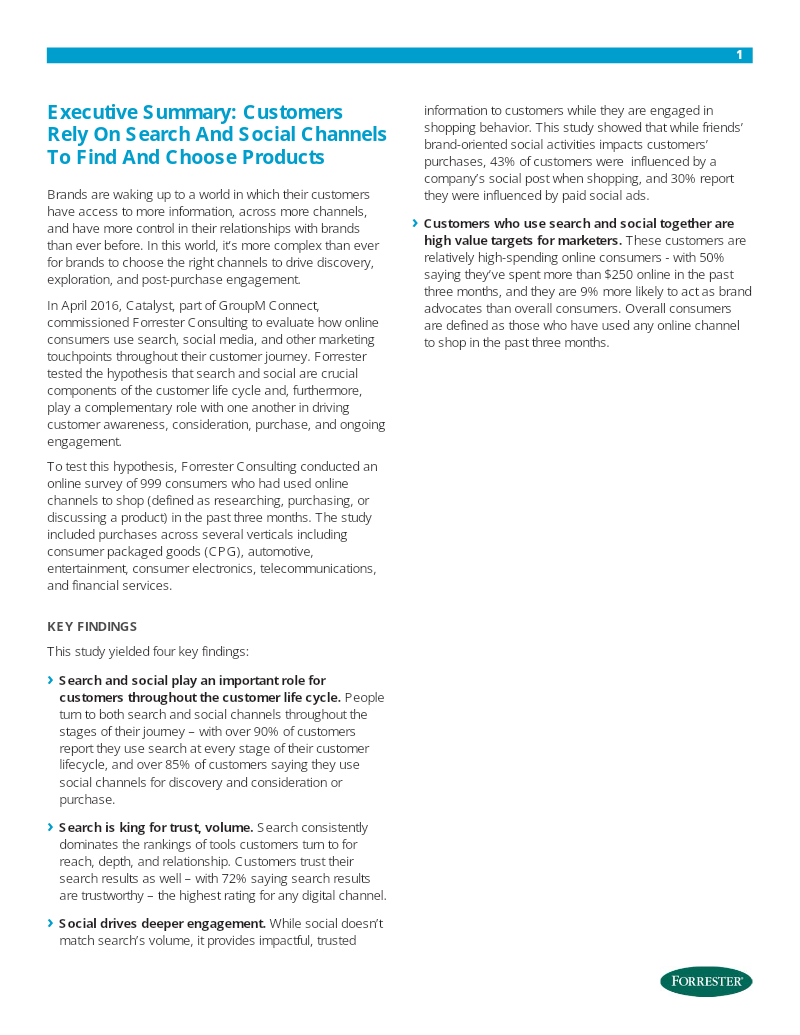
- Over 90% of consumers utilize search engines or retailer sites at every stage of the customer journey, establishing search as the primary driver for volume and trust.
- 58% of shoppers use both search and social channels for a single purchase, representing a high-value demographic that is 9% more likely to act as a brand advocate than the average consumer.
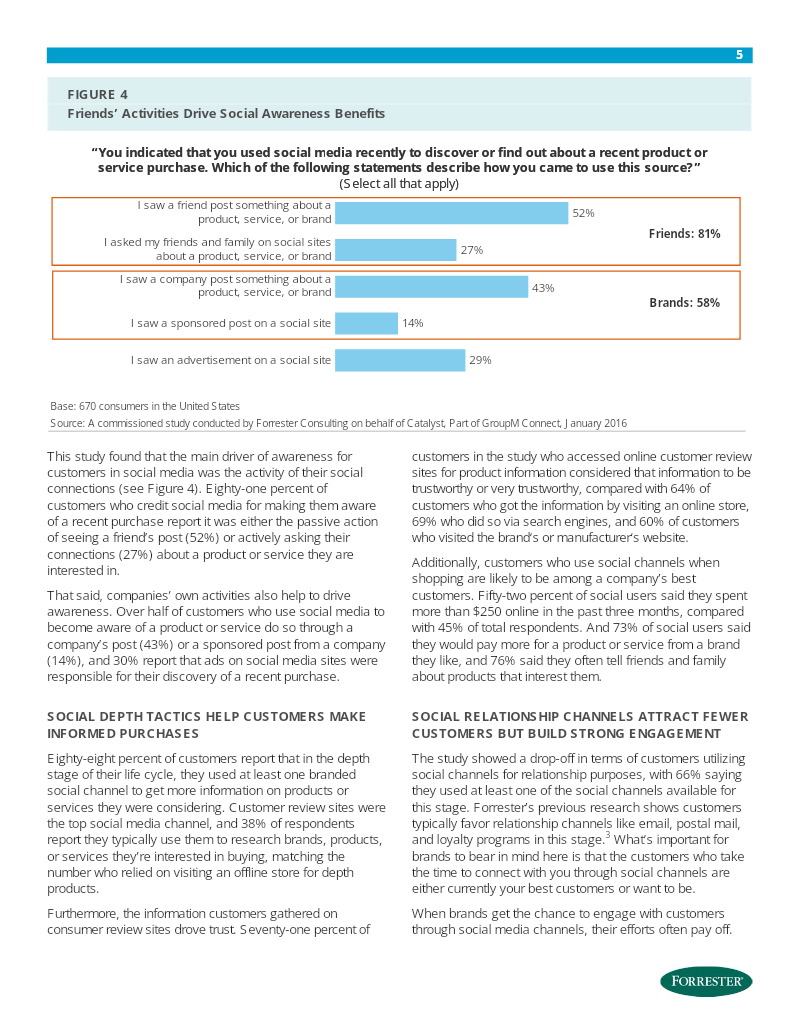
- Peer activity is the primary social influence, with 81% of consumers who discovered a product via social media citing friends' posts as a factor, compared to 43% influenced by company-generated content.
My Design Workflow Applied to Creating a YT Banner!
Effective design for digital assets like YouTube banners relies on a structured, iterative workflow centered on experimentation and comparative analysis.
- Prioritize the central horizontal strip of the banner as the 'safe zone' to ensure critical branding and text remain legible across mobile, desktop, and television resolutions.
- Adopt an iterative workflow that mandates the creation of multiple design variations rather than attempting to perfect a single concept immediately.
- Use side-by-side comparative analysis of saved iterations to objectively evaluate which layouts, colors, and textures perform best in their intended context.

Finding the Best Artstyle for Your Indie Game!
Selecting an effective art style for an indie game requires a structured, priority-based framework to ensure the final aesthetic aligns with both marketing goals and gameplay mechanics.
- Prioritize visual clarity and 'watchability' by using strong silhouettes and intuitive color coding to ensure the game remains legible for players and streaming audiences.
- Establish a hierarchy of needs where gameplay functionality and intuitive communication take precedence over aesthetic beauty, which should serve only to enhance the core experience.
- Develop a unique visual identity that accurately reflects the game’s difficulty and complexity to align player expectations and minimize the risk of negative reviews.
Pop-Up Arcade: Postmortems on Indie Arcades and Events
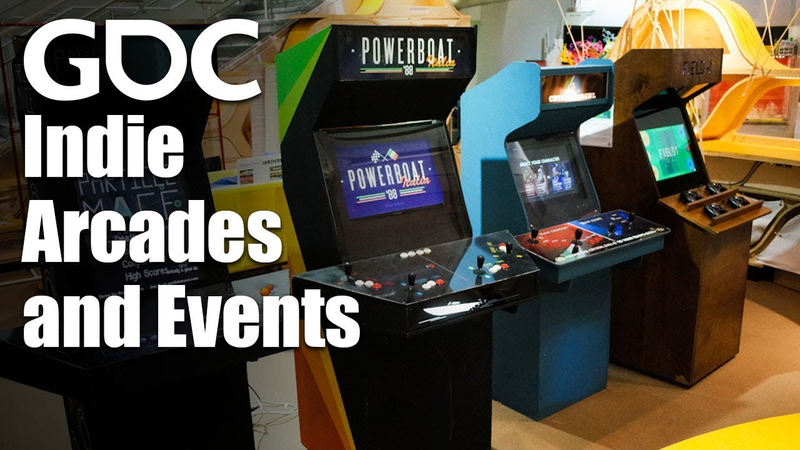
This session from GDC Europe 2013 explores the rise of pop-up indie game arcades and curated events as a means to foster community and reach audiences beyond the traditional gaming demographic.
- Physical, curated arcade installations transform digital games into performative, social experiences that attract audiences beyond traditional gaming demographics.
- Using unconventional hardware—such as repurposed furniture, baby strollers, or shipping pallets—creates a tangible gateway that invites participation from passersby who might feel alienated by standard gaming conventions.
- The success of pop-up arcades relies on the presence of a 'critical mass' of spectators, which turns local multiplayer gameplay into a shared event comparable to a concert or movie night.
Unconventional Wisdom on Creating a Passionate Community
The primary objective of this presentation is to outline unconventional, effective strategies for cultivating a passionate and creative gaming community.
- Community management should be treated as a series of human-centric relationships rather than a transactional marketing function to drive long-term brand advocacy.
- Establishing a zero-tolerance policy for harassment and publicly defending community members against toxic behavior is essential for maintaining a culture of inclusivity.
- Providing a human face for the brand through initiatives like YouTube Q&As creates a 'Senpai noticed me' effect that significantly increases individual fan engagement.
Storytellers of eSports
Storytelling serves as the foundational pillar of the esports industry, acting as the primary driver for fan retention and long-term community growth.
- Human-centric storytelling, rather than gameplay mechanics or prize pools, is the primary driver for long-term fan retention and community growth in esports.
- Organizations must shift from scripted public relations to authentic, character-driven narratives that highlight the personal journeys and rivalries of individual competitors.
- Content creators must prioritize clear narrative arcs over the inclusion of every prominent figure, often requiring ruthless editorial decisions to maintain engagement.
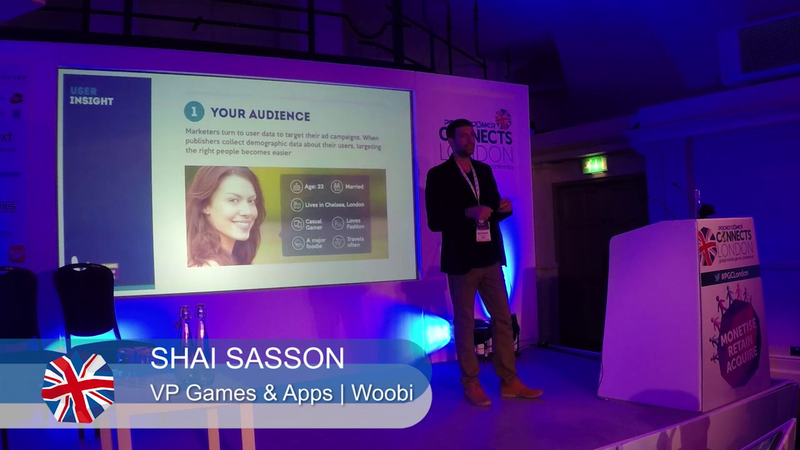
How to leverage branded video to better monetise your game
Mobile gaming represents a massive, underutilized opportunity for brand advertisers, driven by a global audience of 2.2 billion players who spend over 1.15 billion hours per month in-game.
- Mobile gaming reaches a global audience of 2.2 billion players who collectively spend over 1.15 billion hours per month in-game, representing a significant opportunity for brand advertisers.
- Branded video advertising serves as a high-value monetization strategy that increases user lifetime value and generates superior CPMs compared to traditional ad formats.
- To attract premium brand partnerships, developers must provide granular audience data, including demographics, hobbies, and behavioral intentions, to support outcome-based metrics like view-through and click-through rates.
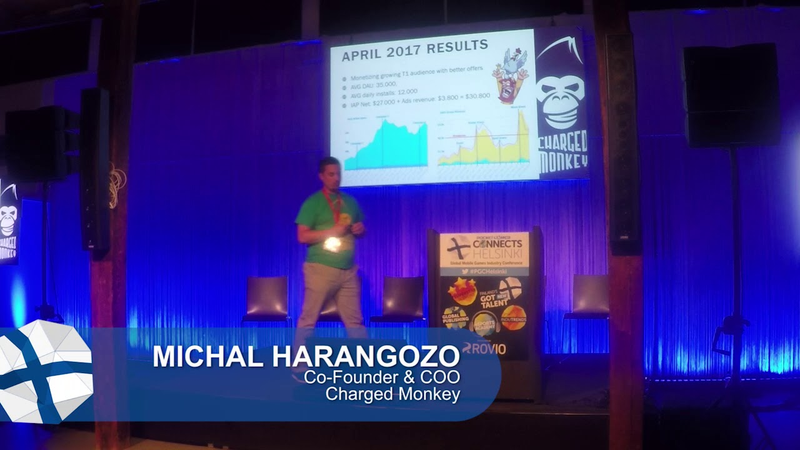
Big data case study: Self-publishing What The Hen!
The mobile game startup behind the title What The Hen! provides a case study on the challenges of self-publishing and the critical role of influencer marketing in achieving financial stability.
- Influencer marketing was the most effective acquisition channel for What The Hen!, outperforming organic, Facebook, and standard paid user acquisition in terms of retention.
- Scaling influencer campaigns is non-linear; the team learned that a successful $500 test does not guarantee a proportional return on a $20,000 investment, which resulted in significant financial losses.
- After 11 months of struggling in soft launch on iOS, the team pivoted to Android, which resulted in a significant increase in installs and positive A/B testing results.
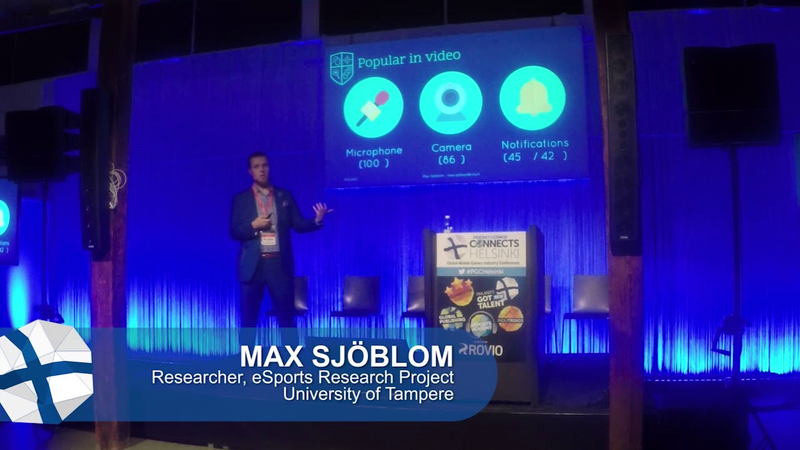
Elements of streaming – How streamers are building their content and why you should care
Streaming has emerged as a critical component of the modern gaming ecosystem, functioning in tandem with the growth of eSports.
- Developers should design for 'streamability' by incorporating downtime for audience interaction and utilizing Twitch API integrations for dynamic overlays.
- Games with minimal user interfaces or 'dead space,' such as Hearthstone, offer superior real estate for streamers to overlay sponsor banners and interactive graphics compared to information-dense titles like League of Legends.
- Successful streamers utilize real-time notifications for subscriptions and donations to trigger competitive viewer behavior, which serves as a primary monetization stream.
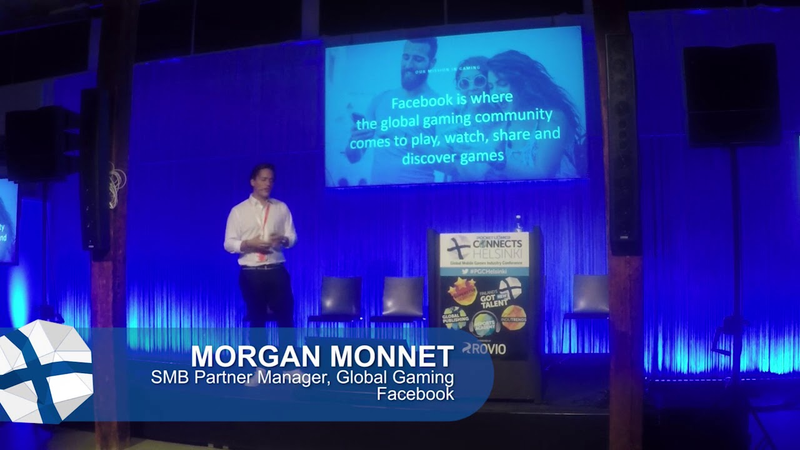
Facebook on mobile gaming's next wave
The mobile gaming industry is currently defined by explosive growth, driven primarily by the global adoption of smartphones and the prevalence of free-to-play business models.
- Mobile gaming is projected to reach 2.5 billion players by 2019, with two-thirds of industry growth currently originating from emerging markets in Asia and South America.
- Mobile platforms have surpassed console gaming in popularity, functioning as the primary entry point for new players who lack access to dedicated hardware.
- The transition from 4G to 5G technology is enabling more complex, synchronous, and competitive gameplay by significantly reducing latency.
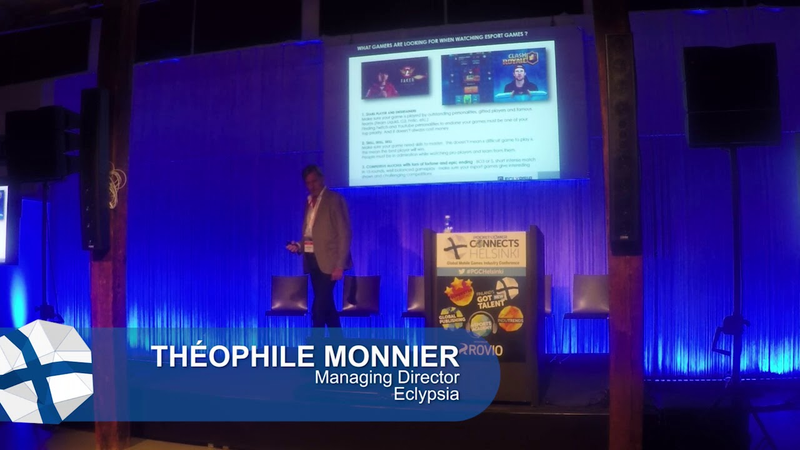
How to make your esports game media friendly
Esports serves as a powerful marketing and media vehicle for video game developers, offering a unique opportunity to generate organic coverage and reach large, engaged audiences.
- To ensure media friendliness, developers must prioritize a robust spectator mode, high-level skill requirements, and a clear visual language that allows viewers to easily follow the action.
- Maintaining competitive integrity is essential, requiring rigorous anti-cheating systems and the total avoidance of pay-to-win mechanics to ensure fair play.
- Developers should integrate real-time data and statistics into their games to enable casters and analysts to provide professional-grade coverage similar to traditional sports.
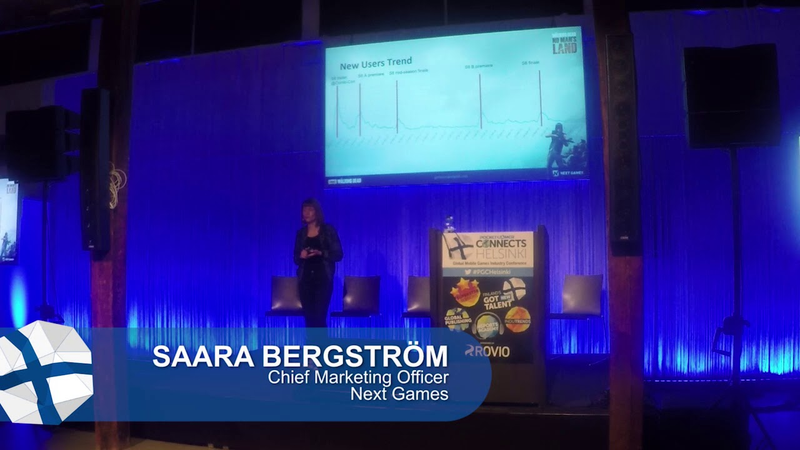
5 things Next Games learned from The Walking Dead: No Man’s Land
Next Games, a mobile developer specializing in licensed entertainment franchises, identifies five core strategic pillars for successfully translating global intellectual property into engaging mobile experiences, based on the development and operation of The Walking Dead: No Man’s Land.
- Synchronize game updates, marketing, and community management with the source material's broadcast schedule to maximize user acquisition and retention.
- Integrate IP owners as core partners rather than external entities to gain access to exclusive content and ensure authentic brand representation.
- Conduct deep audience research to identify specific demographics, such as younger fans prone to FOMO, and tailor game mechanics to their behavioral tendencies.