Transcript
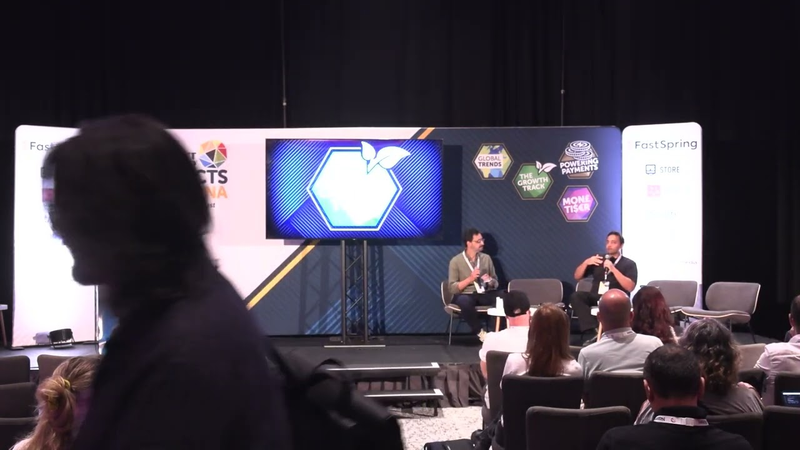
Uh we're going to go ahead and get started. Thanks everyone for joining us today for the Storytellers of Esports panel. Um I'll go ahead and talk a bit about the panel and then we'll do introductions. We'll get right to it. So uh the Storytellers of Esports panel is we're going to talk uh really quickly about why storytelling is such a critical component about of Esports alongside having a big prize purse or having a huge stage and you know, having a lot of awesome players competing in your game. So uh I'm Tim Young. I'm going to be the moderating this panel. I work at Twitch as a partnerships analyst and we'll start with introductions here on the right. So I'm TJ Huckaby. I'm a writer and game designer behind SC2VN which is the StarCraft 2 visual novel. Uh my name is Travis Beauchamp. I uh produced the Smash Brothers which is a nine-part documentary mini-series on uh professional Smash Brothers players and uh right now I'm working on a follow-up to that. Uh my name is also Travis but Travis Gafford. I am a uh Esports journalist. I was with GameSpot and CBS Interactive
recently uh but just recently about a month ago helped launch Yahoo Esports. Uh so that's that's my whole thing. I'm Damien Estrada. I do video production for Team Liquid and we just built out a company called 1UP Studios which does video production for a range of developers, other uh companies, etc. I'm Brittney Brown. I'm a community program manager at Twitch and I've previously worked with um CBS Interactive, Zoobu, um Red Bull Esports, ESL, various different companies as a host and on-camera personality. Oh, awesome. Thanks to you all. Thanks everyone for joining us today. Um so to get this panel started, I'll just go ahead go ahead quickly and ask. So like right now there's a huge spotlight on Esports right now. 2016, sports stadiums literally packed, you know, with Esports fans. Um so why do you guys think that storytelling is such a critical component next to having, you know, a huge league or a really big prize pool. So, we'll start with Britney. Yeah, so uh storytelling, I would say, is
probably the top um priority that you should be focusing on as a game developer um or even or org owner within the scene. Um I I think Thresh was really good example. If you were here previously in the last panel, he talked about how he really catapulted his career off of a story that was told about him, and that's when he really knew he was a pro gamer and became a pro gamer. Um in general, storytelling is really important just because it's kind of it's a link um to our past, present, future, uh as well as a connection to humanity. Um so, as we watch story or tell stories and and watch stories or listen to stories and see stories being published, um we therefore feel connection, feel some sort of empathy or whatever it is to that person that's being being shown within uh that story. Um not only that, stories inform, educate, uh inspire, motivate, a list of other things that then contribute to both
change and growth within any scene. Um and I think for esports specifically, with so many people coming into it into it and it being under such a huge spotlight right now, it's really important that you tell those stories effectively so that we preserve the culture um that has been made previously in the past. What was really interesting for me is uh I actually started off not being a competitive gamer, and I played games like Mass Effect and like other RPGs. Um I was like not invested in League of Legends, Dota 2, Counter-Strike, none of that, right? Um then one of uh my buddies uh picked up the Dota 2 beta, and we started playing a little bit. I was like horrible at the game, but I got really invested cuz he started telling me about this narrative between Na'Vi and Alliance, and like that whole lead-up to TI. And it blew my mind because my entire life I'd never understood why my family would always get like super excited over I'm from California, so like the Angels or the Dodgers or the
Lakers and they like scream at the TV and jump up out of their chairs. I had like zero clue what any of that meant. I just I legit thought that they had a problem and that they were like overly invested in all these like Kobes and whoever's, right? I was like, "I don't get this. Like makes zero sense to me." So, like my my pinnacle moment of like understanding start at least story telling in esports was I'm sitting in this Buffalo Wild Wings during TI. I think it was four. Dota fans can shoot me if I'm wrong for this, but uh it's Na'Vi versus Alliance and it's like the final game and like the TVs are canceled and like everyone in the bar starts erupting and uh you know, like the event ends and it like I'm just sitting there in this Buffalo Wild Wings realizing like I finally get why like my grandpa screams at the TV when Kobe misses a shot or when he makes a shot or when, you know, the Angels do something insane because it's like you're invested in those players and the the organization storylines and like the lineage of certain brands and it's pretty interesting experience and that's kind of how I got started into my my esports
career, so to speak. So, I actually sorry, Travis, to interrupt. I actually answered the completely wrong question, which will come later on, but um my start in esports was um actually from my sister Sam Brown. Some of you may be familiar with her. She works for Twitch as well as a community program manager. Uh she introduced me to esports um back in 2013 and it was from her college's uh esports club and she would just be like, "This is phenomenal. Uh you should come check it out." And so, every weekend I would go and hang out with a bunch of people that were really into esports and um I thought that was really cool and from then on we attended season three worlds for League of Legends and that's when I really knew it was something that I wanted to get involved in. Um I've always been really competitive in into traditional sports. So, when coming into this field, I was like completely I don't know, astounded by the competitive play and how um
how passionate these players were. Uh and for me, it was all about telling stories like my entire life. So, I wanted to go in and really learn about these pro players that were playing at Season 3 Worlds. Um and I couldn't really find as much information as I wanted. So, I thought that it would be really interesting to go and dig myself. Uh I would then reach out to them via Twitter or just through press releases and things like that to um hear about their story. Uh and then from then on, I was like, "Everyone should be hearing about this." So, I started my own podcast at my local community college, which um actually did really well. And that's when Travis came into my life and thought that us working together would be really awesome. Yeah, it was okay. It was ultimately okay. No, it's great. Uh I Yeah, I mean, it's it's funny. I think especially with with these two, a very similar story for me where I, you know, kind of got into It was never a traditional sports fan, got into watching StarCraft II uh competitively because I really liked the game. Uh but
eventually found myself playing way more League of Legends than I did uh you know, actually play StarCraft II. And for me, at some point in time, there was a question that was asked of, you know, League eSports had started to become a thing. There wasn't really much going on there, but it was it was way back way back in the beginning of this whole thing. And and I asked myself, you know, "I'm playing way more League, but I care way more about StarCraft II as an eSport. Uh why is that?" And the answer came to me that I was actually really deeply invested in the personalities and stories in StarCraft, but I didn't really know anything about what was happening in League because at the time, there's just not really very much content being made in it. Um my favorite podcast at the time was one uh called State of the Game by JP McDaniel. A really great podcast that featured different pro players talking about the game, the storylines, the drama oftentimes, uh crazy drama. And I for me I I realized, you know, maybe there's an opportunity here to create something in League and
and both educate myself and educate the fans and try to replicate what I loved so much about StarCraft II. Uh and so that led to the creation of State of the League, which was just a very shameless rip-off of his show. And uh and that that was when I started to realize, you know, actually one of the big goals for me in in esports uh from that initial show and, you know, still to this day is I really want to provide uh people who who care about League or or interested in it as an esport the opportunity to become a fan of a player or to hate a player even, right? Like that's I think for for me what people are what gets them into to the esport. Uh seeing those big moments of of somebody, you know, break down on stage or hearing some crazy story about about a player. And so that's what what drives me forward today is is telling these stories. Nice. Um I mean, I I agree that, you know, having a league and having uh having a huge prize pool kind of brings
legitimacy, but people really get excited about uh the stories of the players and and the teams. And, you know, it's like Brady versus Manning or, you know, for me growing up in the Bay Area it was the 49ers and the Cowboys. And um that kind of got you excited. And I think it's true for for esports as well. It's it's if you take those players and team stories out of either sports or esports, you're just left with the game. And the game's interesting. Games can be, you know, but it's it's just it's ones and zeros. It's like the ball and bat. It's the real interesting stuff is the people playing the game expressing themselves through the game that creates storylines and that that drives interest. Um like I said, working on a follow-up to the Smash Brothers project and you know, one of the protagonists is Mango and he's a he's by far probably the most popular, most well-known smasher and the way he plays the game is so instinctual and in the moment. It's a very unique play style. I was interviewing a local
um melee player named Toph and he was talking about Mango saying that it almost didn't matter that he was playing melee. It could have been anything. It's just for for Mango, the way he would talk about it is like, oh, he was a buster or you know, I got in his head and I and I wrecked him. And I think that you know, that kind of gets to the heart of it. It's it's about you know, player-to-player interactions. That's the interesting part of of sports and e-sports. So, if you ignore that, uh I think it's it's really to your detriment. Yeah, I I think if you were to take even like the top-level StarCraft II tournament or whatever that would you stream and would normally have 50,000 views. If you were to take away the casters, if you were to take away the player uh nameplates and you just to show this high-level game, you probably wouldn't get nearly as many views. It's really when you have these like these two forces, you know, Huck and Idra, the bad boy and like the you know, the pretty boy with that was always smiling, making hearts on the map. That's sort of what is driving this fan support, not necessarily the high-level the high high top-level play. That's that's it it it certainly helps. It augments that
that storyline, but it's really who these two people are you cuz you're going to be pulling way more interest because people are interested in these two people specifically, not just what who's doing the best at any given game. Yeah, great answers, guys. So, common theme I kind of saw across what you guys were talking about is like storytelling was a way that you were introduced to your specific communities. So, maybe Travis, can you speak more about like what has your experience been about drawing new new players into a specific community you were putting a spotlight on? Sure, I mean um you know, for for me I feel like uh you know, the you know, I I myself kind of got drawn into Melee um kind of haphazardly. I was living with my my brother at the time and and you know, I had played 64, you know, that was my game. I went to college, played 64 and you know, wrecked everyone and and my brother he got a he got a GameCube, you know, while I was away at college and he he played Melee. So, when we started living together, that was the only game we had and he just destroyed
me at it consistently and at at one slightly inebriated night, I was very frustrated and he showed me like, you know, these videos and stuff of these pro players and that kind of sparked me to to really, you know, get excited about it and I wanted to kind of share that uh that feeling of seeing this game and you know, it's it's yes, it's ones and zeros and it's just a very clean sort of universe. It's it's very separate from like a dirty field of like, you know, when you're playing football or whatever, but you know, when you see these guys play at a top level, it doesn't feel that way. It feels like they can bend the rules a little bit and uh and just sort of make it their own. It's like they're you know, I was of course talking about Mango like it's like a Neo, you know, going in the Matrix and and making it their own. So, and in that in that sense, it's almost more human in in some way than than sports um but and that's kind of what I wanted to share and and bring people into uh with with the Smash Brothers kind of explain
that aspect of it, but you know, with the stories of these people and kind of you know, bring them into that. Yeah, awesome. I mean, you touched on it just a little bit, but like the comparison to traditional sports and I think Damian talked about it too is like there are storylines in traditional sports, but uh what do you guys seem to feel like there's something a bit different about esports compared to traditional sports storytelling. So, um Travis, do you think you can lead us into that discussion? Yeah, I mean, it's it's really interesting for me uh I find myself maybe confronting this more than I ever have before because you know, for those who don't know Yahoo eSports is now it's it's under Yahoo Sports. It's an initiative of that, right? Whereas before I was working at GameSpot and it was we were coming at it from like the game coverage angle. Some of the people that I'm working with now are executive producers who have produced, you know, Olympics coverage and and traditional sports coverage for a long time. And so the kind of conversations that we're we're having are are questions around like how where are the differences? What what do we focus on? What can we learn from on the traditional sports side compared to eSports? And one of the things that
I've quickly kind of realized, you know, I've known it for a while, but I think putting in this context has helped me think about it more is that and and hopefully I don't get slaughtered by traditional sports fans for saying this, but I feel like eSports maybe more than traditional sports is so much about the personalities and about the stories. I think there's a lot of different reasons for that, but one of it is just that it kind of came out of this grassroots thing where there's no kind of like filter. Uh you know, there's these guys are not they don't always have like a ton of of press training. And even beyond that, you know, this all came up after the rise of social media. So you have a ton of stuff that's happening where where players immediately after the game are are putting their opinions out on that on Twitter or Facebook. Um even, you know, just a a personal thing that happened yesterday was uh a um I actually it was two days ago. Doublelift is a friend of mine also one of the most prominent players in League
lost in a very very embarrassing fashion to one of the worst teams and he immediately unfollowed everyone that he followed on Twitter and only followed his teammates and sort of made this like statement. Um and and it's one of those things where it's not something that was said in an interview, but it very clearly tells the story of where he's at right now with the team. and I I think there's just so many of these these opportunities where you know, we we have discussions about like how how much should we focus on a match highlight versus how much should we put like video resources into doing a feature or something about a player and again, I think maybe in traditional sports like a highlight, you know, goes crazy whereas in in e-sports there's so much draw for like that post game interview. I'm obviously very biased cuz that's what I do, but you know, I I think it's just one of the big differences. I think another big difference uh is what we talked about at least in the last panel was how
different games can kind of come and go within e-sports as we seen in Starcraft II Starcraft and everything, but I think that storytelling really allows those professional professional players to create their brand and to go on social media and be able to do things like Doublelift has done and for people to become fans of them and them to therefore then go on to feature careers within the scene and not just go into to whatever game that they're going to be playing as professional player blindsided by what's going to happen next. Storytelling is really a foundation for them to be able to figure out at least the time that they're being a pro player what the next step is for them and to use storytellers as a way to be able to build their brand and to be able to have a future within the scene. Yeah. Um so uh TJ, you actually have a really interesting uh contrast kind of everyone else on the panel kind of focused on video content. You actually like shipped a game about e-sports Starcraft II visual novel.
Um so when you're like drafting a story like more or less even like a fictional story, what what kind of like the compelling elements are you looking forward to you know, to talk about this community you're covering? Right right cuz I chose to write about e-sports, you know, I'm not like having to just follow players from day to day. So it's like what what why did I come to e-sports and what was it so compelling about it? And to me, you know, if you're going to tell any story, no matter what kind of story it is, it has to have some sort of human element. And so, a lot of the times that you see in esports is like these teenagers or 20-somethings, you know, they are devoting a huge amount of time and effort and passion to these games. They're sacrificing a whole lot and for what? And for a lot a lot of the time, it's for nothing. And that story right there of someone like chasing everything and going after it and really not ending up with anything in the end, you know, there's a story there. And I I like to tell that story. I think that you know, a lot of the time what we see focus in esports storytelling is, you know, the story of the champion's rise and and how he made it. But I think something equally beautiful is, you know, the guy who is just playing these online tournaments day in and day out. And like he finally wins one. He's like been up
all night and he takes that $100 that he just won and you know, he buys like the first steak dinner he's had in 3 months. I think that as long as there is some sort of human element there, that esports provides a rich, you know, landscape to tell whatever sort of story you want. I think Travis especially does that really well. Me, Travis? Yes. Awesome. Tha- thanks a lot. Well, you touched on it just a little bit, but it's about, you know, you're working and and Travis, you talked about it, too. You're working with people who don't have a lot of press training, who are like teenagers or 20-somethings and they can be hard to work with sometimes or they maybe they're really quiet, you know, their personalities. They play games all day and they don't, you know, they're not very extroverted. So, I think we talked about it a bit at dinner last night. Like how do you get sometimes these guys to to open up or like, you know, to tell their story of of how they got where they are? Uh well, you know, it's funny. I actually I was thinking about this as we were talking. They I feel like, you know, difference between sports and esports, you have this tradition. Now, esports is just organized video gaming, really. And video games have historically been this, you know,
pastime of the dispossessed, you know, the the geeks and the nerds and the weaklings and stuff, you know, people who are, you know, not in the mainstream. It's always kind of been like looked down upon. So, that's kind of slowly changing, but that feel like that because of that history and because it's still a little bit true, you have these storylines that might be more internal, more emotionally driven, um and like you say, more you know, more people are kind of like withdrawn or can be withdrawn. Um I had a a great interview with uh a guy, I think it was the best episode out of out of all nine episodes I did. Um Isaiah, he's this really shy guy who's just incredible, has this amazingly fast, aggressive um Captain Falcon uh that he plays. And he refused to go on camera because he's he was very camera shy. So, I I kind of said, "Okay, you know, what can I What if we just sit down with, you know, an audio recorder? And I'll go take you to lunch and we'll just talk." And so,
we sat there and talked for hours. We found that it was at Apex 2012, this is big, you know, uh tournament. And it's very loud, so we went up to this found this perfect little quiet room, and we just sat there and had the recorder, and we just talked for hours. And from that, I got he just opened up and was able to really kind of talk about, you know, issues with his self-confidence and you know, things that he definitely would not have said on camera if I'd forced him into this position he was uncomfortable with. So, I think how you have to respect these players, you have to respect, you know, their individuality. And um you know, I sometimes you don't get people to talk at all, but that's that's, you know, how it goes. I I think you just have to be open to telling stories differently and however you can. Yeah, I mean, that's really interesting cuz you actually kind of got it got him into like his natural element. But it's interesting like everyone on this side of table works with players who are thrust into the spotlight, more or less. So, like maybe in your case, like we're doing a post-game interview, how do how like and if someone's not really opening up, like how do you kind of get them to
tell their story or do you kind of like carry that weight on for them? I'm I'm happy you asked that, Tim, cuz I was about to answer that. Oh. Uh you've already You're already a better panel host than Nick Allen, my friend who hosted the last one. So, we're we're off to a great start. Um I It's It's fun for me. I benefit a lot from the fact that I get to interview these guys every weekend. And, you know, obviously I don't interview the same guy every weekend, but with the format for League structure, and I I predominantly cover League of Legends, I'm at the studio every single weekend doing interviews with the teams. Uh and one of the benefits of that is that over time I have the opportunity to start, you know, forging these personal relationships. So, you'll have often times a a new rookie that'll come in. They've never done an interview. And it's funny cuz you might see them interacting with their teammates, and they might seem really, you know, energetic, whatever. And then, of course, whenever you put them in front of a camera, they start to feel really nervous. Or they kind of clam up, and they they don't know what they should say and what they shouldn't. Um
I'll sometimes get criticism for my interviews being too casual, too silly. And often times that's because you know, especially when it's with a new guy, I'm fine opting for the kind of like, let's just joke around about how your teammates snore too loud or something like that for a little bit to get whoever whoever it is that I'm talking to you really comfortable. Because that that means that, you know, at the end of the season, potentially if they win, they're going to be much more open and candid about sort of their path than, you know, if if I hadn't really talked to them, or if they're so inset with this idea of like, I only give like the professional PR answer like, yeah, we're we're just going to try really hard. We tried really hard. Our effort was really, you know, there today. Um I think just sort of forging those relationships and really allowing the players to feel like you know, they're they're able to showcase their personality. They're able to show who they are. Um that's sort of how you you get sometimes that that really golden moment. Yeah. Yeah, I think uh Damien and I worked a
lot on both me doing interviews just like Travis as well as um behind the scenes documentary style pieces. And a lot of the time we made sure to take the time that we were creating the best story as possible, not just the story that we saw from the outside, but stories that we um have learned from just getting to know the players themselves. So we would spend time with them um if we can or just have them become comfortable with us before we even went and tried to touch the story. I think making sure that you have the right message um and knowing the person personally or the subject that you are trying to tell the story about is going to be way more effective than just going in and telling a story about a pro player that you know is very good at the game. Um it's important to really get to know them prior so that you can show the audience what you see is so special about them. Yeah, so you know, when we're looking at you know, the landscape of eSports right now, there's like a ton of different games, right? So like Dota, League, you know, StarCraft, Hearthstone, you know, Rocket League.
It's going to be crazy. Um so like there's you know, these these games span across across a ton of different designs and like you're not going to know how to play, you know, every single game. So like Damien, when you're making you've worked across a multitude of games, how do you kind of take the story that has like, you know, that comes from a variety of backgrounds and makes it, you know, palatable for for everyone to enjoy? So for me um I do majority of documentary work. Uh so I try to find like a touch point with a player that I can relate to um and then maybe if it's not something that I could relate to, something that I have a friend that's very similar as, but finding like the human element in someone is probably the most important part and uh figuring out how to talk to the player about their game play as well as like what makes them tick. So for example, for me um when I started doing the series on Team Liquid last year, we had a player Phoenix who no one knew who he was really. He had played top lane in Korea, but did a horrible job, got brought to America, had like
little play, and we had to replace one of our start players with him. So, it was like fighting the community against this like who was this guy, get rid of him, bring back your old guy. Like, the community was already just disposed to dislike him. And especially adding the fact that he was Korean and didn't know a lot of English, I had to figure out how to get a North American audience to care about a kid from Korea that everyone from Korea said was bad and no one in America wanted him to be there. So, I spent a lot of time with him and like with our manager, just kind of like trying to figure out who he was. The day that we picked him up, I actually he his previous name was Miso and we were going over names and I was the one that named him Phoenix. So, that was just kind of a random interesting point where me and him kind of built a relationship off of that. And so, like I'd always go out to eat with them and anytime that they would do like an would make sure to kind of be there. And obviously from a documentary standpoint, that's like something that I
was able to do. Maybe not everyone's able to do that, but to like what Britney and Travis said, like building the personal relationship with the player and getting them comfortable with you is probably one of the most important things when telling their story. So, you know, when when you guys are crafting your stories and you know, you're coming from a very complex game that like a lot of mechanics, a lot of strategy behind it. How do you guys decide like what parts to leave out? Like especially in Super Smash Melee, it's insane amount like textbooks and textbooks amount of knowledge you have to know to understand, you know, watching the best game. So, how do you kind of decide what game play or knowledge to leave in and what story elements, you know, to keep out? When I when I started like kind of approaching the project, I I sort of did it with the assumption that, you know, if a potential audience member didn't have at least a little bit of love for games, that I wasn't going to care about them. That, you know, if they didn't have that base level of, you know, respect for games or or interest in gaming then they could essentially off. But, I've
realized in retrospect that's probably a short-sided kind of perspective because King of Kong, one of the most successful gaming documentaries of all time and I think still the best, had hardly any specifics for gameplay. It had maybe 5 minutes worth of screen time devoted to the actual game mechanics and the rest was just these players and their emotional journeys and their interactions and stuff. So, I think for the most part you can sort of just leave out the specifics for the gameplay and concentrate on what victories and defeat mean for these emotional stories. Like Rudy is a football movie, sort of. It's, you know, it's a Rudy plays actual football for like one tackle at the end of the movie and and that's it. And the rest is just, you know, those emotional kind of progressions. So, I think you can I don't want to say you should leave it out entirely, but if your if your goal is the widest audience possible, then I
think gameplay always kind of has to take a backseat. Yeah. I mean, you should try to always have a universal story. Like any someone that doesn't know anything about the game, if they watch your interview or your, you know, your part of your documentary, they can walk away with something that they understood. But, I would I would say that don't bury what you're doing in jargon, but you you don't I at the same token I don't agree that you should have none cuz it it provides some really nice flavor and and authenticity to what you're what you're telling about. Yeah, and a lot of the times like the players' personalities are like interwoven with the gameplay and like that's what you did with the game, right? Right. So, so what you wanted well, what I did specifically at least was that if you have a character who's pretty hot-headed or whatever, they might play like a hot-headed style. Or you You someone that's pretty laid-back, you know, they play very passive and games are, you know, you can sort of sometimes see that like in boxing Manny Pacquiao or whatever versus a Floyd Mayweather. There people would say that, you know, Floyd played lame, but in games it it lets you really you can really get into that because there's so
many, at least in most games have so many ways for players to express themselves. And I think that the best e-sports, the ones that are most watchable, have lots of ways for players to express themselves. Yeah. Yeah. It's Sorry, it's I think it is like it's uh the danger is of course that like, you know, it's it's a little abstract. Like you have, you know, let's say there's a theoretical movie uh like an e-sports movie and it's Doublelift at the end of the movie like pulling off this amazing pentakill and CLG wins the day or or whatever and, you know, it's climactic and uh you know, everybody's happy and stuff, but the act itself is sort of abstract, right? He's sitting there at a computer and then over here on a screen this character does these things and kills these other characters and they win. And I think because of that because in contrast to regular sports, which is just played with a human body, which everyone has and can understand you know, you as a as a content creator have to kind of explain and synthesize all the things that are are really cool about the game uh so that we as an audience can feel
like, you know, we just saw an amazing catch by Jerry Rice when Doublelift pulls off this pentakill. We have to be taught ahead of time a little bit why a pentakill is beautiful uh just like an athletic act. Yeah. So, um obviously all you guys have worked across a lot of, you know, really you know, professional players, really popular players. Um but for anyone who's like trying to get into the space as either like a developer or even a storyteller, um you know, the landscape of e-sports has changed, you know, dramatically in probably the span that all of you guys have been working. You know, how do you guys still find access to players? I mean, you guys you know, go to LCS every weekend, but do you have any advice for people who are just looking to just, you know, start this on their own or like start interviewing on their own or telling stories on their own? Yeah, it's it's really hard. Um as the scene evolves, it gets more difficult to get access to the pros. Um I I mentioned earlier that I did a show called State of the League where I had three or four different pros on every week. That show I can't do anymore because these guys are just so busy.
Even more so than in traditional sports, esports athletes are spending a tremendous amount of time practicing, competing, fulfilling sponsor obligations, uh you know, trying out their new coaches strange uh athletic uh training program. Who who knows, right? Um and so it's it can be very difficult. I think that, you know, it it depends on what you're you're really looking to do. If you just want to start telling esports stories, there's some amazing games that are coming up uh right now and and those don't have any stories being told yet. Um and you could be a a part in creating the rise of this next big title. Uh you know, and that that can be as simple as just going up to a tournament and and what I used to do is just stand next to stage and whenever this the team was done, they'd win or lose and you just ask a player, "You want to do an interview?" Sometimes they'll say no, sometimes they'll say yes, and and that's an opportunity. Um I think as you look at some of the the
bigger esports publishers and tournament organizers are are starting to really understand uh what that how important it is to have documentary crews, media, press cover their stuff because again, as you look at the stuff as a sport, the analogies are there, right? Like there's a reason why traditional sports media exists and and why these guys have been creating stuff. So, uh I I think uh shout out to Nicola who's in the audience right now from Riot PR. She does a really good job of not only accommodating the folks that have been in in scene like myself for a really long time, but also, you know, we we have people at the LCS every weekend that are are brand new faces that are coming in as part of like the teams uh that are trying to learn how to do this stuff and get better at doing interviews. And so, I I think that there are opportunities in both areas, and you just kind of need to figure out what approach you're going to you're going to take. One of the most interesting things that I noticed over this last, I'd say, 2
years is last year I was a full-time content creator with Team Liquid, and then TSM also had a guy, and now, I don't know, maybe half the teams, right? Something around that now have in-house content creators. Maybe they're part-time, some of them are full-time. And so, it seems like a lot of organizations are picking up in-house content creators, and a lot of those people are just found by they create content. Maybe uh you know, you want to do documentary pieces, but the only stuff that you have access to is in-game footage, and then maybe some of Travis's Travis's interviews, right? But you could still build the narrative about Doublelift with some highlight videos plus some interwoven Travis things, and, you know, climb the ranks on Reddit, and then all of a sudden, you know, Team Liquid's asking you to come and be their intern for the summer. So, I think there's a ton of opportunity um in in entering the scene. You just have to actually do stuff, right? Cuz I could sit here and talk to you all day about all this content that I want to make, but if I don't have anything, there's nothing to look at.
Yeah, so like once you finally grab the players, uh I think uh good job all you guys do is keeping the you know, the story really authentic. Like when people watch, say, the Smash Bros. documentary, it's like, "Oh my god, like I really understand the Smash community now." Or like when people um you know, watch any of your pieces on League or or Smash, it's like, "Oh my god, I really kind of understand these players and this team." Um and it's interesting to me because both you guys, you know, about 2 years ago were non-esports fans, and now you're really capturing kind of the essence of these teams and these players. How do you guys kind of keep that authenticity? Um for me uh kind of just driving back to what I said earlier, it's really identifying with the player. So, I come from more of a player side or a organization side. Um so, one of the things that we did with our first season of the series Rebirth that I made is we were just really honest about everything that was happening. So, we'd gotten a player from Korea, Piglet, who was like, you know, some people consider him maybe uh the Kobe at a certain time. Um he was a world champion. A ton of people knew him. There was like a good
amount of press about him coming over and he was just not really fitting in with the team and we had uh troubles with that and we ended up benching him. But, we didn't try to hide any of the reasons why he was benched. Like, people knew that he had, you know, a difficult attitude to work with and that we were working with him to get him to a better place where he cooperated with the team better to where we could understand one another. Um and I think we were pretty honest about that whole process in our show. Um and that was, I think, a bi-weekly at that time uh sort of series that we did. So, for me, keeping the authenticity was not trying to sweep anything under the rug as an organization, but just being very forward with the players, you know, best intentions at heart. Yeah, I definitely have the same um strategy as both Damien and Travis when I'm going into, let's say, an interview, an on-camera interview, or an on-stage hosting type interview. Um I definitely want to make sure to sprinkle in those little elements that this is maybe a 16-year-old who is going through some
rough patches back at home and like that could have translated then into his gameplay. I think things like that are really important to notice and acknowledge within both either an interview or a documentary-style piece. Um because that just, then again, adds the human element and allows people to be able to relate to that person rather than just kind of kicking them while they're down because of a loss um and just a fan being upset because their favorite pro player couldn't play up to par that day. So, I think sprinkling in sprinkling those little human elements are very important. Cool. Um so, I for this next question, this is actually really interesting. We grouped you two guys together cuz I want to talk about how develop developers can empower kind of the content creators to tell their stories. And I think both of you guys have a really interesting like perspective on both ends of the spectrum, right? So. Yeah. Yeah, so, you know, I I finished SC2VN and I was like, "Uh I want to put this on Steam." Uh "Oh, it's StarCraft like actual with some of their actual music on it. What's it going to take to do that?" And I think that three years
ago, there's no chance that Blizzard would have done this. It's way too risky. It's crazy to let some fan project on Steam with your IP. But, you know, they heard us out. They vetted the project and they were like, "Okay, you can do this." So, I think that that just goes to show how, you know, they've they understand how important it is to be empowering your people who are telling stories about your players, who are showing that StarCraft isn't just a game, it's actually way more than that. It's like a sport in South Korea and has been for, you know, 15 years. It's it's like a force of nature. It's not just some some game that kids play. Um and the more people that understand that, the more staying power that StarCraft has. So. Slightly different for you, I would say. Yeah, Nintendo. Um They're a they're a hard nut to crack. Um I I feel like for the most part, um I mean, you you do have to do this little dance around with them. Uh you know, it's kind of well known how how they approach um content on uh YouTube, specifically speed runs. Um and stuff like that. And that's it's something
that was always in the back of my mind. Um for for the time being, I mean, I I have so far had um no contact from Nintendo. Um and that's fine. I'd be happy if they just never, you know, kind of had to step in and say anything. Um I would like to see a point where they evolve a little bit as a the to recognize the power that uh empowering their fans could could have. Um you know, that these Nintendo is an institution. Like, you know, so many people grew up on the consoles, myself included. And you know, it's part and parcel with my childhood. So, to have this company be so standoffish about, you know, letting us tell their stories or letting anyone kind of like, you know, even like getting streaming rights and stuff to show the game tournament is just it's I I think I think it has to change eventually. They have to recognize that eventually, you know, they they have to be more open. They have to kind of
um acknowledge the fact that it's the 21st century now. Um but, you know, I I we'll see. We'll see what that timeline is like. And for you guys, I mean, we talked a lot about League and you guys go to LCS and like Riot does a really awesome job about like you know, building up their players. We actually you also cover like a a bunch of other games as well. So, have you seen you know, everyone, you know, rightfully so uses Riot as an example of like what they do right, but are anyone is anyone doing anything differently that helps you guys out? I mean, I primarily work with organizations that have um put on the tournament. So, like ESL and things like that. So, I work with them um in my line of work when it comes to reaching the pro players and um I don't know, making sure that I have press access to anything any story that I really want to talk about. I mean, when it comes to working with a game developer, Riot Games has always been really good to me. Um they're the ones that I'm most familiar with. Like I said or like even Travis said, um if you are
looking to get into um into esports and you want to go down the Riot Games path, which obviously right now is the most developed game developer that has the most successful esport right now, I would say just even contacting like Nicola, she's in the audience, or like someone right. Sorry Nicola, I know. Um that will like allow you into the press room and they're very good about it. Um on weekends when it's not so busy for you to just get a better understanding and to learn about it. Um or even if you're a game developer that are trying to figure out different ways to allow these press to come in, I would say following that sort of um path of just allowing these people to come in and tell the stories or allowing the right people to come in and tell the stories. Um that you have faith will tell the stories effectively would be the best approach. Yeah, I I can also speak to working with uh Blizzard a little bit. So obviously they're spinning up here as a storm. They'd really like that to be considered a an e-sport. And just the
enthusiasm that I've seen from the press team over there in trying to to I What I appreciate is that they recognize that there's there's a lot of value in having not just, you know, your own company telling the stories of your players, but also having third-party media in. And they have been really good about trying to accommodate you know, journalists coming in, documentary people coming in, and just, you know, how can we make this happen? How can How can you come? Like, when when does the the schedule line for you? How can we get you access to players? Who do you want to talk to? That stuff is so great to hear from them. Uh conversely, uh you know, I I had a friend who went to TI uh recently and explained to me that it was much much harder to get um access to players for interviews. Uh and I I think yeah, I mean, if you are holding a tournament and you have your players like behind an iron curtain and there's no way for anybody to get access to them, surprise, it's going to be a lot harder for people to tell stories about your players. Might be accurate.
No comment. Yeah. Um so, uh do you guys feel like there any missed opportunities that developers aren't doing right now to empower you to tell stories about their players? I don't I mean, again, it kind of like sort of what I was hinting at varies from developer to developer, publisher to publisher. Uh I think that there are some that are obviously really great about trying to get you art assets and resources so that you can showcase gameplay footage in your stuff. There's people who are great at like trying to match you up with a player or even just giving you a place to work at their event that they're holding up. I think that stuff goes a really long way. Um I mean, to kind of spin this this off, I think again it I really hope that developers and publishers understand the value of people telling stories for for your stuff. I mean, I know that's kind of the whole point. We're just iterating on this or we're just reiterating this a ton. But
I think developers and publishers, understandably, when they're thinking about their game, they think about it in the context of like, "Oh, this is the game that we've spent years developing. This is like the balance team that we've put together to to make this so that you know, whenever people come and watch a tournament, they're going to be watching, they're going to see that big play, or they're going to be talking about how balance update changes stuff. But, you know what people really going to talk about when you strip away the meta and you strip away those big plays and you strip away all that stuff. At its core, people, 2 years from now, might not remember like why the team won this thing, but they will remember that that player who got second in every single tournament for years leading up to this finally won and was able to walk away with a trophy. And in that moment, that's what they'll they'll remember. And so I I think for me, you know, those opportunities, I I just hope that developers and publishers really recognize that that is something that is just organic and that they can't force and that they they really need to provide opportunities for those stories to play themselves out. Cuz you can
throw like a million dollars into a prize pool, but guess what? Like people aren't going to keep caring about your sport or your e-sport if nobody knows why they should care about the players that are competing in it. I agree. So kind of on the day-to-day like how how often do you have to interface? I mean I mean I'm sure we're going to get diverse answers here but like on the day-to-day how often do you interface with these developers to gain access to players or like tell different stories about their game? Well I mean I maintain email contact with people at Blizzard's PR department, you know, trying to work with on other projects going forward. It's pretty simple. They're very accessible. They're like "Oh, text me. Call me whenever you want." They they really try to make it as easy as possible specifically. So I would say like just I at least my when I used to do this more full-time, my week-to-week was more so just making sure to respect the game developer, the publisher, contact them way ahead of time to make
sure that they know that I'm going to be coming in and telling a story and if they have any advice or anything or want to help me get a pro player to do an interview with, um then those are the sort of things that we would plan out way ahead of time or like making sure that if I do know that these are the stories that I want to cover, these are the things that I know people are going to find appealing, do that research way beforehand and have that ready so that when you do attend the event and you've already talked to the publisher or the game developer, um that you have that they know that you have this game plan and that they know that you're ready and you want these specific pro players and you go into the event hoping that you'll get those pro players cuz obviously it doesn't all always happen the exact way that you expect it to but you go in and and you have kind of this set plan and schedule and a day-to-day for the that those pro players then feel comfortable and know that you're doing your job right and that you're just more professional in that that sense. So we have time for just one more
question and we'll just toss it over to Q&A. So, um um like quickly, so instead of giving advice to future content creators or future storytellers who would be interested in doing this, what advice would you have given to your past self? Because a lot of you guys have been doing this for years now. Uh do your own thing. Don't follow what everyone else is doing. Like, if you go on Reddit or whatever on r/starcraft, and you read, "I'm going to make a YouTube channel where everyone's casting something, you know." You can automatically know that this person's going to fail cuz they're bringing nothing to the table that Day 9 didn't 5 years ago. So, well, find your niche, find something you're good at, and and and hopefully it's a niche, and just go after it with passion, and hopefully if you work hard enough, it'll it'll happen. Like, that's just how it works. Um I mean, I I think my advice could could apply to other content creators as well, not just myself, but I think the you know, you find specifically the authentic storytelling and stuff and and creating something that's meaningful, um it's you know, you find that that person that's that's that has an interesting
story, at least on its face, and you can see kind of creating a story around them. But, I think it's a little counterintuitive, but I think you have to become an expert at fictional storytelling, um because the way we perceive reality in a very real sense is sort of a narrative uh process. We, uh you know, go through our day-to-day lives, we have overt goals, we have, you know, subconscious goals, we have antagonists in our lives. We are the protagonists in, you know, what we do. So, like, that's not surprising why the classical Western narrative is the most popular form of story, and has been for, you know, hundreds and hundreds of years. So, if you become an expert at that storytelling structure, you are so much more empowered to when you see the the uh you know, the the interesting story that you want to tell with your eSports, you know, a guy, you can take those elements and see where they match up, and learn how to tell that in the way that would be most impactful and most
meaningful to your potential audience. I think I would probably tell myself to while while it's good to listen to community feedback and criticism, uh you should take it all with a grain of salt. Um one of the things that I have tried since I started basically because I started off of Reddit is to interact with that community constantly. Um anytime I have content go up there, it's hang out in the the comments or listen to Twitter or whatever. Um and I think that's allowed me to really iterate on the content that I'm creating and and make it better. Uh on the other hand, like it it is true that I've probably let that stuff get to me sometimes whenever people are very critical of something. And there's been moments in time where that that sort of emotion or the feeling that comes from that will work to make me not want to do something or will I'll I'll shut down an idea early on because I'll think, you know, I'll get blown up for doing this or what if what if I it's not the quality bar out the gate that I I pride myself in and so then, you know, people will
say that I suck. Um and so I I think just being prepared to like do it anyway and have people tell you that you suck or whatever and then do it again and have less people do that. Uh I think that that's something that's that you just have to kind of steel yourself for. Um I actually agree a lot with Trev- Travis, the other one. Oh. Um I think uh learning um like proper narrative structure was really important. Uh I learned that probably around like uh this last six or seven months it is trying to figure out how to tell a character's story line properly to where an audience can digest it and that kind of breaks some of that barrier of like, I don't understand esports, but what is a story? Majority of people will understand like a traditional narrative structure and so it helps a lot where you can see like, oh, this is a conflict. This is a protagonist. This is a antagonist. Um and then also I would have told myself to work with Travis sooner cuz we
did a great Doublelift three-part series. Doublelift and Nickler are the stars of this panel if you guys haven't figured that out. Uh my advice would be to I guess follows more with this Travis. Um going into it I was I was extremely nervous. Uh the community that I was mainly focusing on was the League of Legends community, and I was warned beforehand that they can be toxic at times just like any other community. Um but I guess also going into it um being a female within the scene was a lot of pressure I felt like originally. Um so I think beforehand I was like I was very nervous about how I presented myself both on camera and off camera as well as um the comments that I was going to be receiving. However, now I realize that that's not the base thing that I should have been focusing on. The stories that I was telling was about the pro players and about the games themselves. Um that's where the focus was, and it had nothing to do with me, and I shouldn't have even been nervous or
um I guess I can guess myself in any way because I was really just trying to tell the story about them, and that's what the audience ultimately wanted. So I would say focus on the story that you're telling uh and how to tell it the most effectively. So then I guess this goes with Damien and the other Travis making sure that you have um the correct elements and components to create a really compelling story for the audience to come into then become passionate about not only the game, but the players themselves um I think is huge. All right. Awesome. Thanks, guys. So we'll open up into Q&A, and I think there are two microphones over there. So we'll start uh to my right. Where do I point? Um How do you balance stories about sorry, how do you balance uh uh deciding whether to tell stories about individual players or about teams and franchises and how to sort of Yeah. So, so the question is how do you balance telling stories about a player versus a team or franchise or anything
like that? Oh, that's for me. Uh I think I always go with player over franchise. Um I don't know if Team Liquid would want me to say that, but I always find it more interesting uh from a personal player perspective. And actually a lot of the pieces that I work on travel back in time to players when they were on previous teams. Um it's also very nice to talk about a franchise and its lineage and the owners and what it's based upon. Um but ultimately at the end of the day, uh for me at least, I connect with players a lot more than I connect with brands. Thanks. Hi, thanks a lot. Uh you guys touched on a little bit about what developers and publishers could do to facilitate storytelling. Um looking for more from an actual feature perspective in an e-sports game, are there specific features that you guys are missing in current games that facilitate storytelling? Yeah. Obs- observer modes or things like that that we could uh build to better facilitate that. Cool, thanks. Um so, the question
was what features can developers provide to enable storytelling? So, uh I have a Free to Play was a documentary um that Valve did about their Dota 2 game and some of the most uh immersings slash like interesting things that were done in that is they had like these insane like CGI kind of renders, but apparently it was all captured in game. Not sure if that's true, but a lot of this like really immersive sort of like quick cuts of action that showed how intense a moment was. Um for me as a League of Legends storyteller, that's not available, so that was probably the most frustrating thing for last couple years is that I couldn't like go in and watch a team fight from a different perspective that like there was a couple episodes where I attempted to recreate what happened in the game, didn't work out very well. But kind of almost worked out well. So having like a replay system or being able to download the game files and pull like full HD renders of everything is really nice as opposed to trying to blow
up like 720 to like 1080 or things like that. So just having a lot of access to uh the game at least at a bare minimum level of like the game files and then on top of that um having access to move your camera around in like some sort of free roam state is really good not only just for like the bare bones like highlight reels that you see people put together with like sick plays, but also from a narrative perspective to get like a different view on a incident. Second. I'll second that. Great. Thank you. All right. Thanks for the thanks for the question. Over here. Hey guys. I'm Stephen. I used to play professionally in the past. And one thing I was wanting to ask you from an interview perspective and also from a documentary perspective you have a high level of access to players and that may be coming down as we professionalize more. But how do you deal with the most emotional intelligence of understanding a player right after they play and you want to interview them to get them in the moment. How do you handle the emotional intelligence part of that when you're
you're speaking with a player? Yeah. So you're you're speaking to like after a loss or something or after a win. How do you how do you deal with that that raw emotion after? Yep. You know. Yeah. I mean obviously that's a great time to interview anyone. You it's fantastic to have someone get that kind of raw energy um in the in the immediate moment. It's funny because of course the immediate question you want to ask is how do you feel? Or how does it feel? Um which is uh maybe not not a very good one. Uh but Uh I don't know. It's it's an interesting challenge every time. It it's like you have so much energy coming off of this person, and how do you really encapsulate that moment for people who are at home to to watch? I think Uh there actually I can give a pretty good example. There was a moment after CLG won and knew they were going to be making it to Madison Square Garden last year, and I interviewed their bot lane. And they were just so happy. Um and normally you're like, "Okay,
cool. They're going to celebrate. They're going to talk about how they're they're finally like where they think that they've needed to be as a team for years." And all they wanted to do was uh excuse the language, but around. Uh so people can go see this interview. It was with Aphromoo Doublelift, and they just trolled me the entire time. And I'm like you can see like in the first 5 minutes I'm like, uh well, I've like trying to get it back on topic, and eventually I just gave up and like let them have fun. I think ultimately realizing that, you know, it's at that point in time like they're it's their their show to steer and to to run. Just letting them have that that runway to just say whatever they want to do or whatever. I think that's that's really the the path forward. Cool. Thanks so much. Thanks. Yeah. Um we might only have time for one more, but I'll try to sneak another one in. Over here. All right, cool. Um so as a publisher developer, kind of doing our own thing and hoping to break into the e-sports world, um what kind of stuff could our marketing team do internally that would um differ from what say a player created or uh
influencer created uh YouTube content? Um that they would provide. So like what could we do that would help uh I guess facilitate or foster an e-sports community opposed that opposed to what a player could do better essentially? Yeah. So the question is like as a publisher or developer, what can your internal marketing team do uh that's different than what, you know, a content creator provides or an individual provides? I think it's uh really important to put your players on a pedestal, so to speak. So like say for example, if uh I think it was Smite. Uh, they put a lot of their content creators and like players up to the forefront. Um, and that was really interesting when I was learning about that. Uh, but just like any new game developer, I think if you have a player, let's say streaming your brand new game, right? And this is like a pro player from a team or a player that you think might go pro, like sort of blast some of that stuff out on social media and like give them the platform to show off your game more than they might have normally.
And you can do that in game, too, by, you know, offering like a one button click, oh, you can now spectate your top players just from the, you know, the main launch screen. That that's a pretty decent example, I think. Okay. If we go super quickly, we actually have time for two. So, we'll start here. All right. So, most of you guys work in well-established gaming communities, but what about communities where the viewership and the money is not quite there? And So, the common response I get to certain communities where I say, where's the content, where's the narratives, is that there is no narratives to be told, which is What would you say to people like that that are discouraged from writing in those time type of communities? First off, Sub Ta- what are you doing? What's up? And uh, second, I think, um, you know, the there's so many stories everywhere. Like, I was actually I've been when I wait for renders and stuff and I'm editing and and and things I I only have time to like play, you know, a really quick game and I'll I'll play TagPro often. And it's this really simple game. It's a, you know, it's kind of a small community and you wouldn't necessarily think that there's a lot of stories there, but I just my imagination
runs wild with like, who are these characters, are these people behind these like dots that are running around on the screen? Uh, Agar.io is another, you know, similar kind of game where it's just like dots moving around. And I think because it is so ambiguous, you know, the sort of the the graphics and stuff and and not knowing anybody behind there, you know, you just you just have to dig, you know? There's there's stories everywhere and you just have have dig. And if there's no one telling it, it's fertile ground, no competition. Yeah, go for it. All right, last question. Uh this is actually question about the Smash Brothers. Um you didn't like you had a bunch of the top players in, but you didn't have Armada. And I'm sort of curious like why you chose not to include that story cuz he's briefly in as like a doubles partner for Mew2King, but I so yeah, I'm sort of curious where you how you made that decision. Yeah, it was a tough call. I I actually um part of me was like hoping that I would get the chance to do uh something else with Armada. And uh and that ended up happening. So I'm very happy about that. But uh I I had to sort of truncate it, you know, I was like these are the guys
that I want to tell the story about. And you know, there's only certain amount of resources that I had. Like I was I had quit my job at the time and like I was eating ramen and you know, going month to month. So eventually I was like, "Okay, Evo's coming up. We just got into that. That's a that'd be a great capper to like kind of seal the whole thing. Like we we we're back in the spotlight" kind of thing. And um so I kind of saw that as the as a proper way to to you know, end it. It was a little bit like Armada's in it. He's like at the very end of like the last few episodes, but it it's just almost as like I set him up as like a pin for Mango to knock down and then that was the end. Um he definitely gets different treatment in this uh movie that I'm producing right now, but uh that's that was kind of it was sort of arbitrary, I guess. It was like same reason I couldn't really give us uh episode to ChuDat, who I think probably deserved one. It was just that, you know, I had to be ruthless in my decision-making. All right, thanks. Thanks everyone for coming and thanks to all the panels for coming out. Thank you. Yeah, be sure to fill out the survey.
You can also I think some of us will be hanging out outside, right? To answer more questions? Yeah. All right, cool. Thanks, guys.
Auto-generated captions from YouTube — names and numbers may be misheard.
Key insights
Distilling the key insights…
Ask AI about this video
Cite this video
Citation
Generating citation…














Comments