Marketing reports and market data
Documents
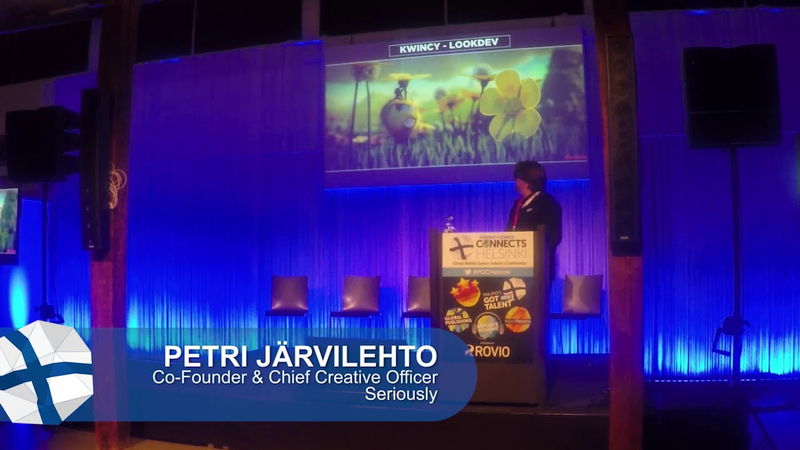
Building brands over time: The story of Best Fiends developer Seriously so far
The development of the Best Fiends franchise serves as a case study in prioritizing long-term intellectual property (IP) growth over short-term mobile game performance.
- Seriously prioritized long-term IP growth by conceptualizing the Best Fiends franchise as a multi-game trilogy and cohesive world rather than a standalone mobile title.
- The franchise achieved significant scale by 2017, surpassing 70 million downloads and hitting record revenue months.
- The studio allocates approximately 50% of its marketing budget to creative content, such as high-quality animations and short films, to build a lasting brand legacy.
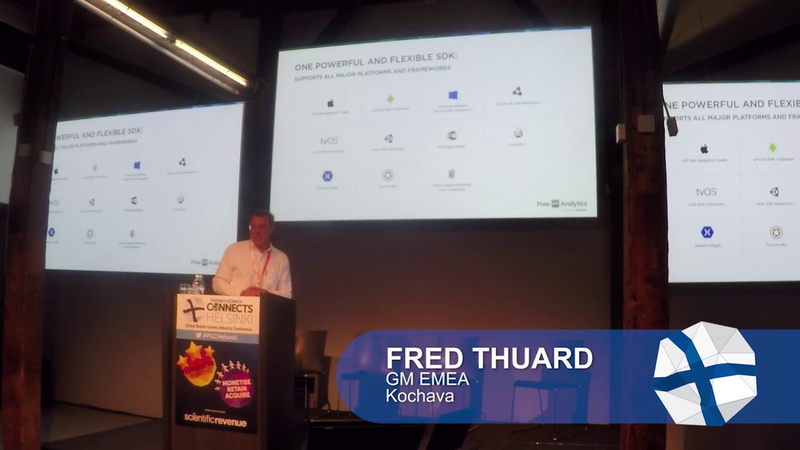
Why attribution matters for a successful game
Effective mobile game marketing relies on robust attribution, which serves as the foundational layer for all analytics and strategic decision-making.
- Attribution is the foundational layer for mobile game marketing, acting as a referee to link advertising spend to specific user actions like installs and post-install events.
- Industry data indicates that approximately 15% of clicks and 5% of installs are fraudulent, necessitating real-time detection to prevent financial losses from tactics like click spoofing and ad stacking.
- Developers should implement a lightweight, server-side SDK to enable configurable attribution without requiring frequent app updates.
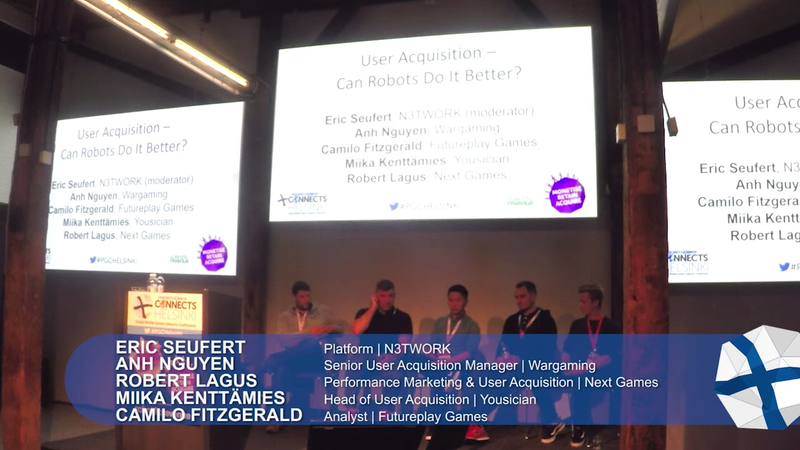
User acquisition – Can robots do it better?
Automating user acquisition requires a foundational shift toward robust data infrastructure, where the integration of cost data with lifetime value and return on investment metrics serves as the primary engine for growth.
- Automating user acquisition requires building a robust data infrastructure that integrates cost data with lifetime value (LTV) and return on investment (ROI) metrics to enable dynamic, profit-reinvestment strategies.
- Transitioning from manual reporting and fixed-budget models to automated systems allows marketing teams to shift focus from administrative tasks to high-level strategic variables that drive competitive advantage.
- A hybrid approach is currently necessary because technological limitations, such as fragmented API integrations and the inability of ad networks to optimize for post-install events, prevent full automation.
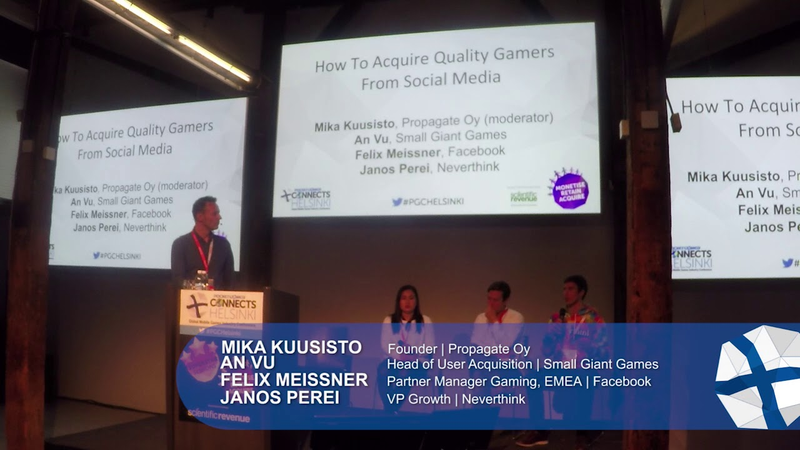
How to acquire quality gamers from social media
Mobile game user acquisition hinges on the strategic utilization of major social media platforms, which provide the granular demographic data and diverse ad placements necessary to scale campaigns effectively.
- Prioritize Lifetime Value (LTV) and Return on Ad Spend (ROAS) over total install volume to ensure marketing efforts drive long-term profitability rather than temporary traffic spikes.
- Combat ad fatigue and maintain audience engagement by continuously developing and testing five to ten new creative assets every week.
- Utilize app event optimization to target users based on specific in-game behaviors, such as tutorial completion or initial purchases, to acquire higher-quality players.
Virality and organic growth for games
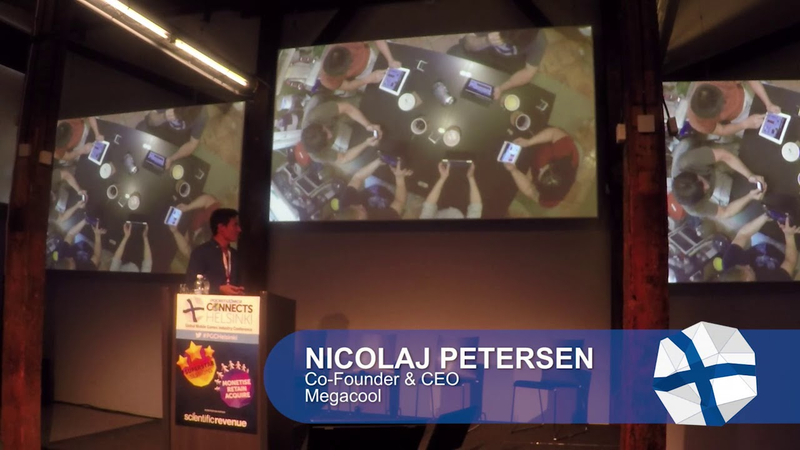
Organic growth and virality are essential strategies for mobile game developers facing rising user acquisition costs and a saturated market.
- A K-factor exceeding one is the primary benchmark for success, as it indicates that each existing player is bringing in more than one new user, leading to exponential growth.
- Implementing structured referral programs that offer in-game rewards for inviting friends can increase daily new installs by approximately 10 percent.
- Developers should integrate high-arousal emotional triggers, such as excitement from team-based mechanics or frustration from extreme difficulty, to naturally compel users to share their experiences.
Evolution of mobile advertising – How did we get here and what’s next?
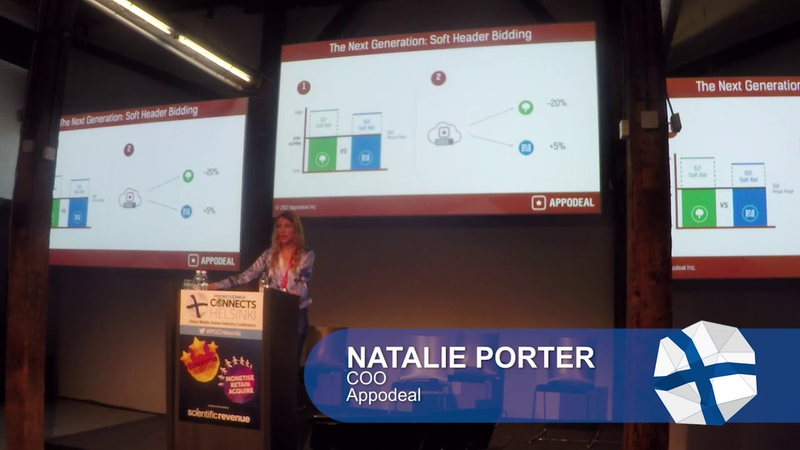
The mobile advertising industry is currently undergoing a fundamental shift, moving away from legacy desktop-based monetization models toward a mobile-first, real-time bidding ecosystem.
- The mobile advertising industry is shifting from sequential, static waterfall models to a server-to-server, real-time bidding (RTB) ecosystem.
- Modern mediation platforms now function as neutral judges that evaluate simultaneous soft bids against historical conversion data to maximize publisher revenue.
- Adopting an OpenRTB 2.3 compliant framework reduces latency and optimizes performance by activating only the winning network’s SDK.
Finding success in influencer marketing for your mobile UA strategy
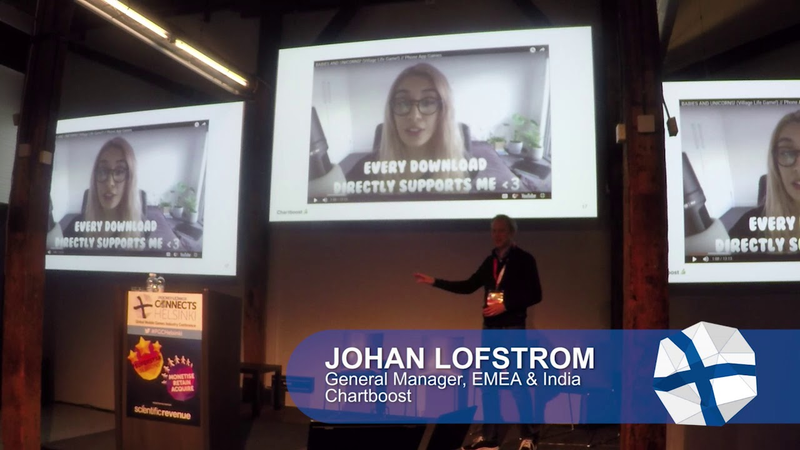
Influencer marketing serves as a potent, relationship-driven strategy for mobile game user acquisition, offering a viable alternative to increasingly crowded and expensive traditional performance networks.
- Influencer marketing serves as a strategic alternative to traditional performance networks by leveraging established creator-audience trust to reach highly targeted gaming demographics.
- Campaign budgeting typically utilizes either performance-based cost-per-install (CPI) models to minimize risk or flat-fee arrangements that offer greater predictability for established titles.
- Influencer content provides long-term value through evergreen traffic and secondary benefits, including increased organic growth, higher in-app purchase conversion rates, and sustained brand awareness.
The three stages of a game’s marketing lifecycle
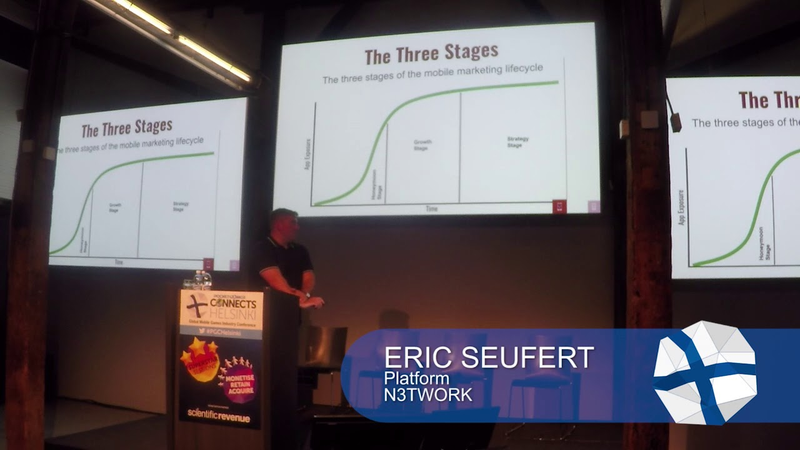
The mobile gaming industry faces a challenging landscape characterized by high user retention within a small number of preferred applications and a general decline in new app downloads.
- The mobile gaming market is increasingly difficult to penetrate, as most smartphone users downloaded zero new apps per month as of 2017.
- Rising cost-per-mille (CPM) rates and competition from non-gaming entities for top-grossing positions necessitate a shift from simple user acquisition to sophisticated, multi-stage marketing strategies.
- The honeymoon phase represents the initial market entry, characterized by low acquisition costs and high click-through rates that should be leveraged via top-tier advertising networks.
Game marketing with user-generated content
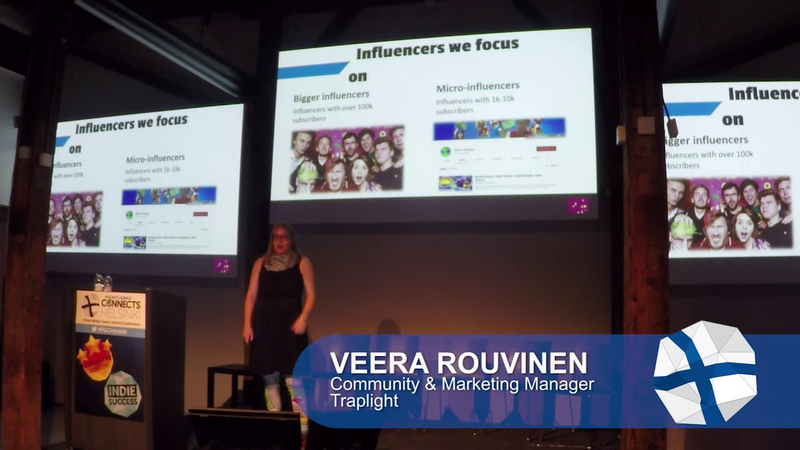
User-generated content (UGC) serves as a powerful catalyst for mobile game engagement and marketing, providing a scalable source of high-quality content that fosters social interaction.
- Integrating marketing goals directly into the game development cycle allows studios to build essential creator features like streaming SDKs, tournament tools, and collaborative modes.
- Large-scale influencers with over 100,000 subscribers require specialized tools and custom in-game assets to produce professional content that maximizes reach.
- Micro-influencers provide higher engagement rates and deeper audience connections, requiring a strategy focused on identifying organic supporters and rewarding them with exclusive items or visibility.
Ongoing user acquisition for indie game developers
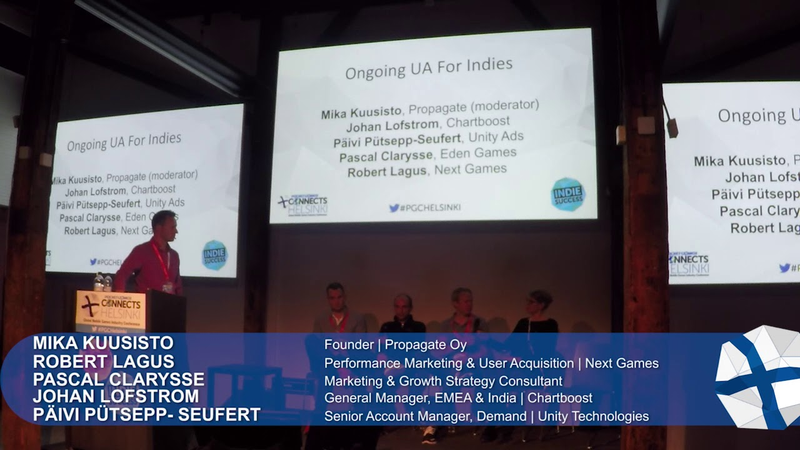
Successful user acquisition for independent game developers hinges on a disciplined, data-centric strategy that prioritizes long-term player value over immediate, low-cost volume.
- Prioritize long-term player value and robust core mechanics—specifically onboarding, retention, and monetization—before allocating significant marketing budgets.
- Conduct initial technical testing in lower-cost regions to gather performance data and refine product mechanics before scaling to broader, more expensive markets.
- Implement reliable attribution tools and integrate analytical expertise early to accurately track lifetime value and return on investment.
One-hit wonders don’t create neurons – But your brand should
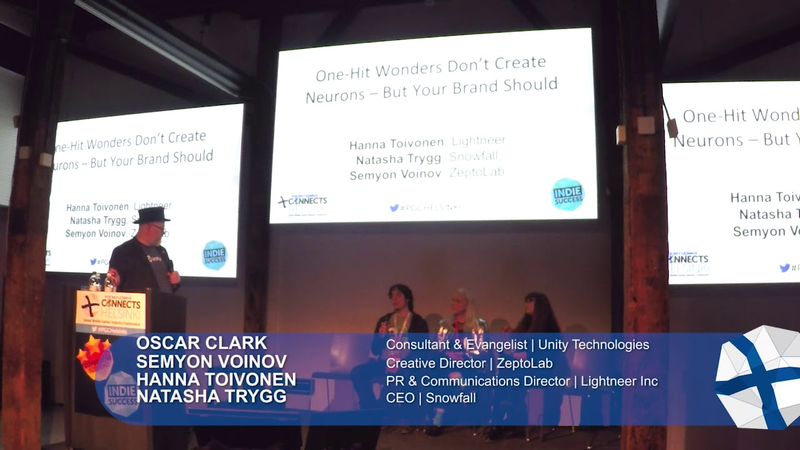
Long-term success in the gaming industry depends on the strategic synthesis of high-quality gameplay and cohesive brand identity.
- Long-term commercial success in gaming requires balancing high-quality core mechanics with a cohesive, emotionally resonant brand identity.
- Brand identity should function as a creative constraint that refines and elevates gameplay rather than serving as a substitute for it.
- Developers must prioritize memorable characters and distinct visual integrity to create cognitive anchors that foster player loyalty beyond the initial launch.

User acquisition – can robots do it better?
Industry-academia partnerships serve as a critical engine for innovation within the gaming sector, bridging the gap between theoretical research and commercial application.
- Industry-academia partnerships enable the integration of AI-driven performance capture, which can reduce manual labor requirements in game development by up to 80 percent.
- Collaborations are most effective when following a structured Theory-Research-Development-Application process, which prevents research goals from becoming diluted by overly broad agendas.
- Strategic partnerships serve as a long-term mechanism for high-risk innovation and the recruitment of specialized talent, providing companies with early access to highly skilled graduates.