Live Ops reports and market data
Documents

Battle Passes - Everything You Should Know and Then Some
Battle passes have emerged as a foundational monetization and retention strategy, currently utilized by over 60 percent of top-grossing mobile titles.
- Battle passes are now a foundational strategy used by over 60 percent of top-grossing mobile titles to shift monetization from whale-focused models to broader, subscription-like engagement.
- Industry standards for cycle lengths are trending toward one month for mobile games and three months for PC and console titles to maintain consistent player engagement.
- Developers must balance reward generosity with economic sustainability, as overly aggressive structures—such as those seen in Clash Royale—can saturate the game economy and trigger long-term revenue decline.

The importance of understanding your players with Josh Rivers from Solsten
Solsten provides game development studios with AI-driven psychological insights to foster human-centric design.
- Solsten provides AI-driven psychological profiling to help studios move beyond surface-level demographic and behavioral metrics to understand the underlying motivations driving player engagement.
- Psychological profiling in Eve Online, which focused on themes of friendship and overcoming challenges, resulted in double-digit increases in player completion rates.
- The developer of Linguinis successfully pivoted a new feature to a team-based format after identifying that their player base was motivated by collaboration rather than competition, leading to improved engagement.

'Rocket League': Scaling for Free to Play
The transition of Rocket League to a free-to-play model necessitated a comprehensive architectural overhaul to accommodate a projected fivefold increase in player traffic.
- Psyonix successfully managed a 5x increase in concurrent player traffic for Rocket League's transition to free-to-play by utilizing accurate load projections and extensive iterative load testing.
- The team utilized Locust, a Python-based load testing framework running on Kubernetes, to simulate client traffic, though they noted that the framework required significant custom orchestration to ensure test accuracy.
- To address database bottlenecks, the team migrated from Google App Engine to Google Kubernetes Engine (GKE) and implemented ProxySQL to manage MySQL read-traffic scaling and dynamic query routing.

The importance of in-game chat with Ali Nhari from Agora
The integration of real-time communication tools—specifically voice, video, and text chat—into mobile gaming applications serves as a critical strategy for enhancing user retention, engagement, and monetization.
- Integrating real-time voice, video, and text chat directly into mobile games increases average session duration by up to 2.5 times compared to titles without these features.
- Embedded communication tools improve user retention and engagement by removing the friction of switching to external third-party apps, which often drain device battery and CPU resources.
- Real-time interaction is shifting from a niche feature to a standard expectation across diverse genres, including social, casino, and board games, as well as single-player community hubs.
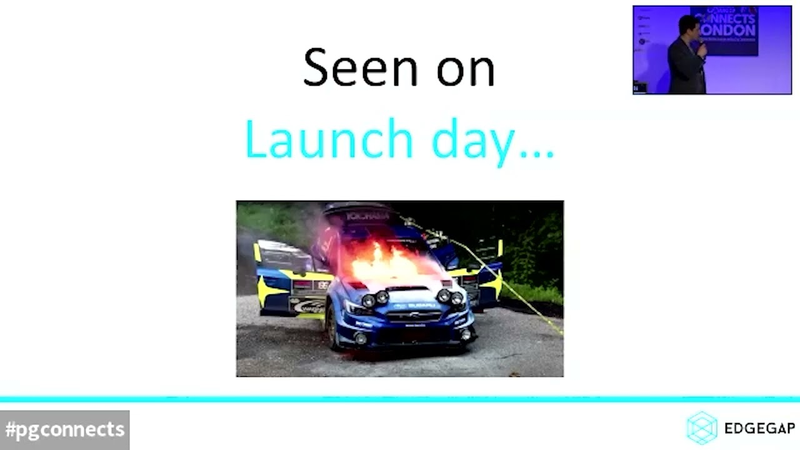
When the Shit Hits the (RGB) Fan: What Can Go Wrong When Making Multiplayer Games
Launching a successful multiplayer game requires navigating significant technical and operational hurdles throughout the development, pre-launch, launch, and post-launch phases.
- Prioritize vendor-agnostic, container-based orchestration to enable instant global scaling and eliminate the need for large, dedicated DevOps teams.
- Avoid building proprietary backend tools, as they create significant technical debt and maintenance burdens that distract from core gameplay development.
- Implement pay-as-you-go infrastructure and automated CI/CD pipelines to prevent the costs associated with over-provisioning servers and idle capacity.
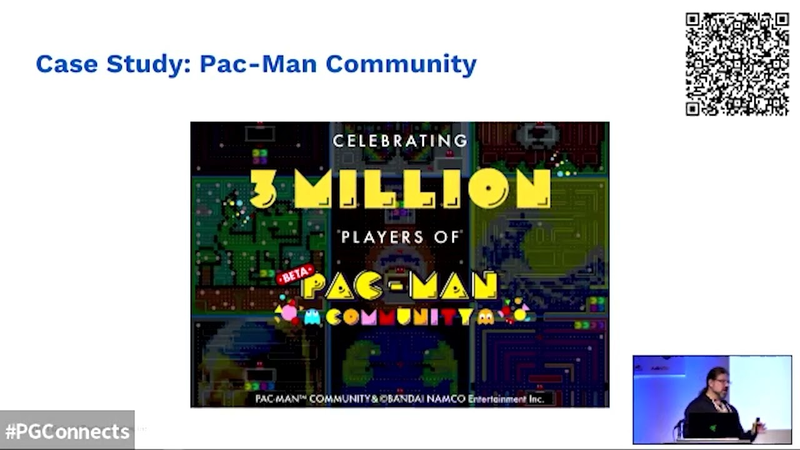
MILEs as a Bridge to the Metaverse
Massively Interactive Live Events (MILEs) represent a new category of entertainment that bridges the gap between passive television viewing and active gaming.
- Massively Interactive Live Events (MILEs) bridge the gap between passive television and active gaming by using cloud-native streaming to allow real-time audience influence over narrative outcomes.
- The technology is platform-agnostic and eliminates the need for high-end hardware, making it highly effective for market penetration in regions like Brazil, India, and Mexico.
- The 'Rival Peak' experiment demonstrated the format's engagement potential by generating over 100 million minutes of watch time across a 13-week period.
Keynote: State of Multiplayer Games & Current Trends
The multiplayer gaming industry is currently undergoing a significant shift, with real-time connectivity emerging as a primary driver of player engagement and commercial success.
- Real-time multiplayer features are now a primary driver of commercial success, with the vast majority of top-grossing mobile games utilizing these mechanics as of early 2022.
- Integrating progression systems, chat functionality, and real-time presence is essential for improving long-term player retention in games that otherwise rely on short-term hyper-casual loops.
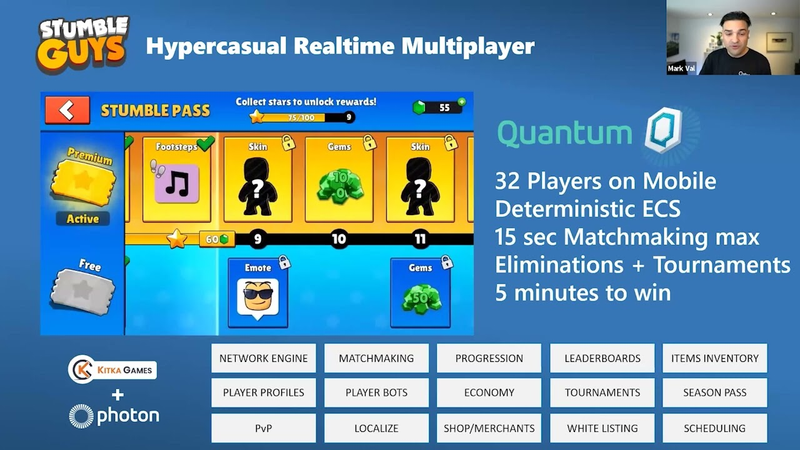
- Developers can significantly reduce production time for high-concurrency, cross-platform titles by leveraging pre-built multiplayer templates and deterministic engines, as demonstrated by the development of Stumble Guys.
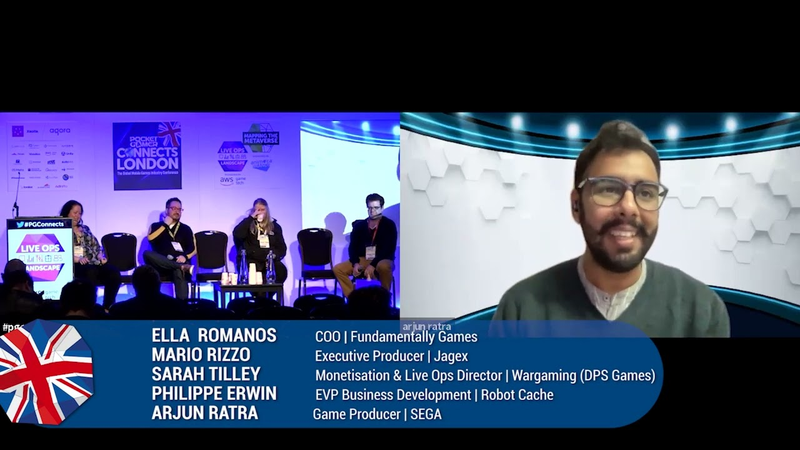
Panel: Live Ops Disaster Stories: What We Learnt
Effective live operations management hinges on the integration of rigorous stress testing, proactive communication, and long-term roadmap planning.
- Prioritizing retail and marketing deadlines over technical stability frequently leads to catastrophic server failures and feature degradation that alienate the core player base.
- Development teams must shift toward a player-centric philosophy that utilizes rigorous stress testing and long-term roadmap planning to avoid the risks of reactive, emergency patching.
- Industry trends are moving away from feature-heavy, bug-prone day-one releases in favor of iterative post-launch updates that prioritize core gameplay stability.
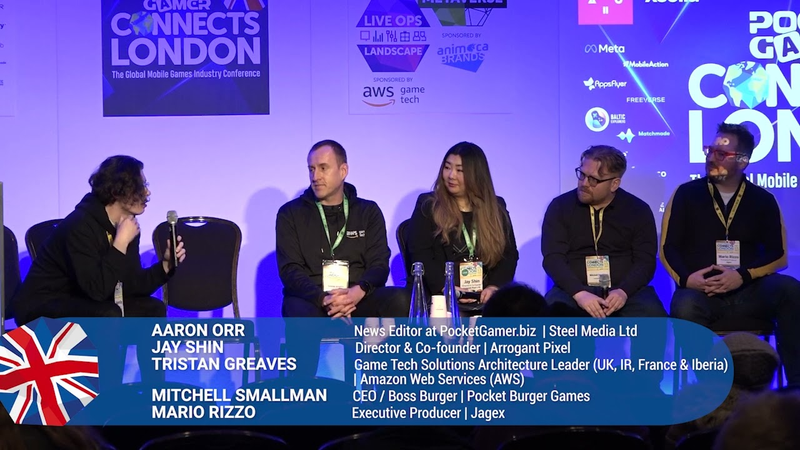
Panel: What are the Challenges of Running Live Ops Across Different Game Genres?
Modern game development increasingly centers on the games-as-a-service model, where long-term player retention depends on the seamless integration of live operations into the initial design phase.
- Live operations must be integrated into the initial design phase rather than treated as an afterthought to ensure long-term player retention in the games-as-a-service model.
- Studios should prioritize a disciplined development flywheel that emphasizes systemic, manageable processes over reactive, high-pressure content cycles to prevent developer burnout.
- Data analytics must be used to distinguish between vocal community feedback and actual player behavior to accurately measure engagement and lifetime value.
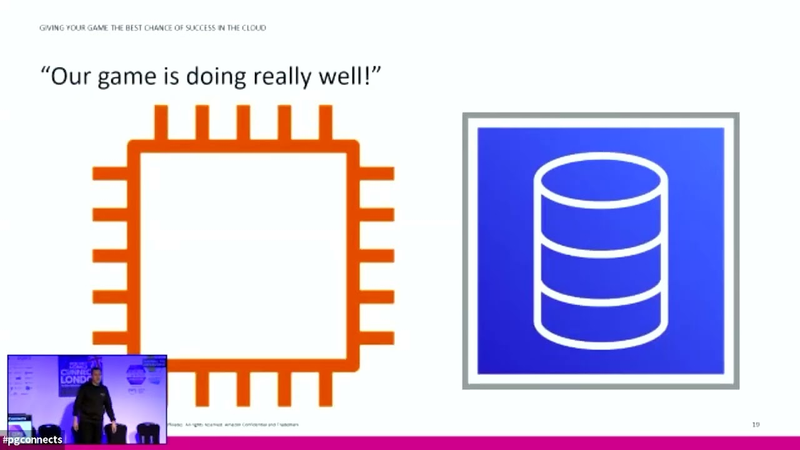
Superstar Session: Giving Your Game the Best Chance of Success in the Cloud
The presentation outlines strategies for game studios to achieve success by leveraging cloud infrastructure throughout the development and live operations lifecycle.
- Shift from static, 'ship-and-forget' development models to agile, horizontal architectures that automatically scale to meet unpredictable player demand.
- Avoid vertical scaling by utilizing elastic cloud infrastructure that dynamically adjusts server capacity rather than simply increasing individual server size.
- Engage with cloud service providers during the earliest stages of development to mitigate the high-pressure risks of launch day, such as server failure and negative player sentiment.

The Ever Increasing Impact of Voice Chat in Games
The integration of voice chat in online multiplayer games has fundamentally transformed the industry, evolving from a functional tool for competitive coordination into a primary social platform.
- Nearly 30% of players abandon games due to toxic experiences, directly impacting player retention and long-term revenue.
- Approximately 68% of players encounter toxic behavior in online games, with nearly 50% of those incidents occurring specifically through voice chat.
- In a hypothetical game with 50 million players, failing to moderate voice chat can result in roughly 4.5 million users having a negative experience, leading to significant churn.
Beyond NPCs: AI for Game Operations
Artificial intelligence serves as a critical driver of operational efficiency within the mobile gaming sector, moving beyond traditional non-player character development to optimize core business functions.
- AI implementation in game operations should focus on tasks that are assistive to humans, superior to human performance, or faster than human execution to drive operational efficiency.
- Zynga manages a portfolio of over 50 live mobile games, utilizing centralized AI and machine learning teams to optimize complex revenue-generating systems like mobile advertising waterfalls.
- Automating mobile ad waterfall management—the process of setting reserve prices across multiple ad networks—is a high-value optimization problem where even a 1% revenue lift translates into millions of dollars.