1 free read left. Create a free account for unlimited reading + AI research.
Create free account
The importance of understanding your players with Josh Rivers from Solsten
Key insights
6 takeaways- 01Solsten provides AI-driven psychological profiling to help studios move beyond surface-level demographic and behavioral metrics to understand the underlying motivations driving player engagement.
- 02Solsten’s toolset includes 'Traits' for refining live games, 'Navigator' for identifying target personas for new projects, and 'Frequency' for predicting the resonance of marketing and in-game assets.
- 03By aligning design decisions with data-backed insights rather than assumptions, studios can optimize performance from the initial concept phase through long-term maintenance.
- 04The developer of Linguinis successfully pivoted a new feature to a team-based format after identifying that their player base was motivated by collaboration rather than competition, leading to improved engagement.
- 05Psychological profiling in Eve Online, which focused on themes of friendship and overcoming challenges, resulted in double-digit increases in player completion rates.
- 06Integrating psychological data throughout the product lifecycle helps studios mitigate risks associated with rising user acquisition costs and retention hurdles.
Ask AI about this video
Transcript
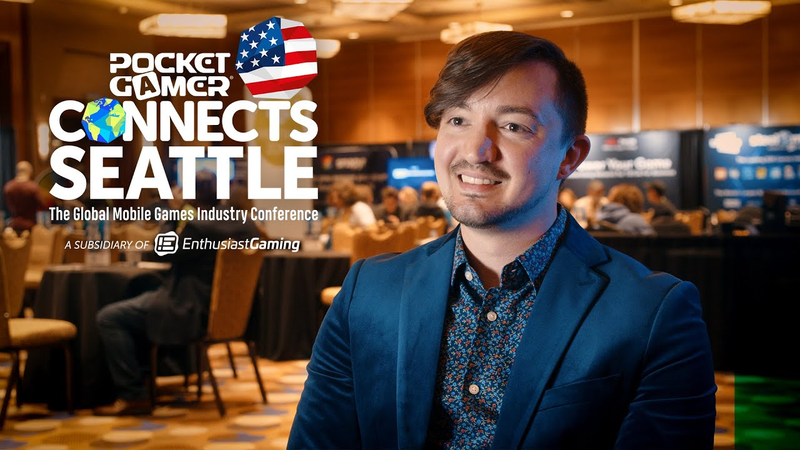
[Music] we're in the afternoon here at pocket gamer connects seattle 2022 and i'm delighted to be joined by josh rivers from solston firstly how are you doing today sir i'm doing really well thanks excellent if folks don't know what soulstone are all about why don't you tell them yeah so at soulstone we're really looking to empower the future of human centricity we give game development companies deep audience insight into who they're working with who they're creating these experiences for so we go beyond the behavioral into the psychological really try to tap into what does it mean to play something and why are you playing so it's about looking beyond kind of the surface level answers beyond the demographics behind the behavior combining those together with psychology to really grasp why people play games and how you can make an experience that's going to be healthier for them more resonant for your players and then accordingly kind of successful gotcha so you mentioned some core products that we've talked previously which are traits navigator and frequency what are those and what are their focus yeah great
question so traits let's start there because that's where it all began actually that's our first product it's our core product it's about understanding an existing audience so it's about tapping into like i said the psychology of an audience you already have oftentimes this is for live games though it doesn't have to be and what we do is we really actually assess a group of people in order to capture who they are so we look at all aspects of their personality their motivation why they're driven to play games what they're there for hobbies interest trying to get a 360 degree angle view of who a player is in order to understand how you can build an experience that's more resonant for them accordingly so that's where that starts navigator is closely related to traits that's similarly driven by ai it's also about understanding a target audience so players can belong to anything that you give us if you say for example you're interested in understanding people who play first person shooters who are from brazil we can tap into our database and find out what they're all about who are the personas that are there and what are they looking to do in a game
navigator is really about understanding how to build an experience that's resonant traits is about improving experiences that you already have and then frequency is our last one frequency is it's an advanced sort of creative management tool it's also about marketed marketing targeting all of that it's about understanding how to optimize market performance as well as predict success using in-game metrics and in-game app sets so after you upload something to frequency for example our ai actually tags it and says this is going to work this is going to resonate this is not going to resonate so we give you the information you need to build campaigns to build media they're going to reach the people that you want to reach in order to bring them into your game so those are kind of the core products so when companies are trying to build this into their their production line or i guess their workflow at what point should they be reaching out to you to try and either get this information from you or start working with you to generate this information excellent question so our sort of mantra there is if you can't measure something you can't
improve it but you can always measure something we really believe that you're able to actually work with us at any stage of development whether you're at the concept stage or if you have got a live game it's never too early and it's also never too late to work with solstin part of why we say that is because you can always improve experience you can always create an experience that's more resonant for the humans that you're trying to target it doesn't have to be something that's already fully fledged it doesn't have to be something that is just at the starting you can always work with us so if people aren't familiar with the companies that you've worked with are there like case examples or studies you've done with specific groups that might you know give people an idea of how this works yeah absolutely i'll be talking a little bit more about this tomorrow actually in a talk but i'm happy to give a little bit of a sneak peek so one of the case studies that i would point to is actually tilting point and their game linguinis it's a live game they came to us to try to understand who the audience is and how they could build a game that's going to resonate better with that audience it was already successful they they weren't
trying to improve anything major they were just trying to create a human-centered experience so what they did is they came to us with an idea which was we'd like to build more competitive game play into our our game we'd like to create something that's kind of like a ranked leaderboard system we actually turned to the data we looked at their audience and we discovered well they're not motivated by competition for competition's sake they're motivated by collaboration actually they want to collaborate in competitive experience so if you're creating something that's competitive make it team based they actually ended up releasing a new feature that was team-based competitive gameplay was super successful immediately saw an impact on engagement as well as just overall success of the game so that's one example uh we've also worked actually i have worked personally on eve online with ccp games and a great experience to kind of talk to there is we were interested in attracting new people to this at the time 18 year old game now almost 20 year old game i was part of a team tied to a fatoui trying to improve that experience for people
but also to figure out who do we even reach out to and how do we create a moment that's going to work for these people so we working with solstin actually tapped into our audience we saw that what people were looking for were friendship they were looking for the ability to overcome hurdles in a game experience so we created a future that was based around these concepts and working with an awesome team of designers researchers producers everyone we actually managed to create something that bumped our completion rate by double digits once we launched it so it's never too late to work with us i've seen some great success both whenever it's with bringing new players into a game as well as just improving an already fantastic experience it's interesting i remember that you talked to one of our team earlier on and you were discussing something and when you mentioned there about what motivates players one of the things that you discussed was the idea that games shouldn't always have to be fun the notion that games are actually it's about engagement and that engagement can take many different forms there's the data that you've discovered it seems to sort of back that theory up
a bit yeah absolutely so just to give more context that fun is absolutely a piece of the puzzle if you're not building a fun experience then you're not going to be building an experience that will resonate with people the point of of that whole data set and what we've discovered in working with basically the psychology of players over the past four years is it's about more than just fun so it's not solely about fun it's about resonance it's about engagement it's about kind of tapping into the heartstrings of the person behind the screen as well as really speaking to them making them feel like this is a game that was made specifically for me from my experience in life and for who i am as a person now we've all not quite come out of a pandemic situation because as we all know it's still very much you know kicking around in the background but the world's opened up a little bit more and i know that a lot of people during the lockdown period certainly noticed some interesting trends and stats popping up on their feeds uh about the behaviors of people during that time now some of that's carried over into a sort of after lockdown world and some things have
reverted back to normal did you notice any particularly unusual trends or things that helped you like reframe the future a little it's a fantastic question we haven't noticed anything within our database that's particularly outstanding it's worth noting that human psychology and psyche is actually pretty standard across time it's why we work with that data because you can always tap into who somebody is psychologically one thing i will say though is that we've noticed kind of a pain point within audiences that is a drive to have social experiences a drive to be with other people in some form whether that's online or offline and that's something that i don't think is going to go away now that the pandemic is kind of ebbing away i think we've all kind of learned the importance of tapping into the social networks that we have as well as finding friends whether they're in person or online and finally what do you think of the biggest kinds of challenges that are facing game studios today i know that certainly the cost of acquiring users has gone up a little bit and for some people they're finding it difficult to get retention and things like that but
also issues with game development what type of games do people like is it just battle royale or nothing these days from your perspective what is the biggest hurdle and how do you help them out with that yeah i think the actual hurdle here is truly and holistically understanding the game's audience if you can do that you're gonna be able to overcome a lot of those other hurdles it's both about understanding potential players as well as the players that you have in your game right now it's kind of tough to tap into what's behind the screen right to get into the psyche of the person playing the game a lot of the times we depend on behavioral data or we look to metrics in order to understand and kind of make assumptions about what it is that people are doing in our game and why they're doing it but with psychology and understanding that you can kind of deliver through those tools you're able to actually get to the why you're able to understand who is this audience why are they in my game or who is this potential audience and why might they come to my game and if you can understand somebody if you can get them like you get your lifelong friends you're going to be able to build experiences that are going to resonate and then also deliver into the future so
you won't have those other struggles that we're trying to overcome about what do i build how do i build it [Music]
Summary
Solsten provides game development studios with AI-driven psychological insights to foster human-centric design. By moving beyond traditional demographic and behavioral metrics, the company aims to uncover the underlying motivations and personality traits that drive player engagement. This approach allows developers to create more resonant experiences, improve live operations, and optimize marketing performance throughout the entire product lifecycle, from initial concept to long-term maintenance.
The company utilizes three core tools to achieve these objectives. Traits assesses the psychology of existing audiences to refine live games, while Navigator identifies target personas for new projects by analyzing specific player segments. Frequency serves as a creative management tool that uses AI to predict the resonance of marketing assets and in-game content, helping studios align their output with player expectations. These tools are designed to be integrated at any stage of development, ensuring that design decisions are backed by data rather than assumptions.
Practical applications of this methodology demonstrate significant results. For instance, by identifying that a specific player base was motivated by collaboration rather than pure competition, the developers of the game Linguinis successfully pivoted a new feature to a team-based format, resulting in improved engagement. Similarly, work on Eve Online utilized psychological profiling to create content centered on friendship and overcoming challenges, which led to double-digit increases in completion rates.
Ultimately, the core challenge facing modern studios is the need to move beyond surface-level metrics to understand the "why" behind player behavior. By treating players with the depth of understanding applied to personal relationships, developers can mitigate risks associated with rising user acquisition costs and retention hurdles. This focus on psychological resonance remains a constant, even as global trends shift in the post-pandemic landscape.


















Comments